Need help with budget categories for your next trip? You're not alone. Many travelers find expense management overwhelming, and costs can spiral out of control without warning.
That post-vacation financial hangover hits everyone hard. Recent data shows domestic travelers spend about $225 per day without flights. The numbers get more interesting - accommodation takes up almost half that amount at $102 daily.
Your wallet feels the squeeze these days. About 57% of travelers say prices have climbed higher than before. Daily transportation adds $36 to your expenses. The average American has roughly $3,564 monthly after taxes. These costs become unmanageable quickly without proper planning. We've put together seven budget categories that will help you save money in 2025 while you enjoy your adventures.

Image Source: Conde Nast Traveler
Accommodation takes the biggest chunk of your travel budget, and becoming skilled at managing this expense is significant. Let's learn about maximizing your lodging dollars in 2025.
Accommodation and Lodging overview
You need to understand market trends to find affordable lodging without compromising comfort. International luxury has become more accessible these days. Five-star hotels abroad cost than their U.S. counterparts. Budget travelers can find great deals in places like Hanoi ($156/night), Pattaya ($157/night), and Auckland ($192/night) that offer five-star experiences at bargain prices.27% less
Common accommodation costs
Location plays a huge role in hotel pricing. Boston leads with $375 per night for 3-star accommodations, and New York City follows at $338. The flip side shows like Phnom Penh with rooms at just $31 per night. U.S. hotel rates have dropped slightly (-2%) while international rates show an increase (+4%).budget-friendly cities
How to budget for accommodation
Note that your lodging budget shouldn't be distributed evenly. Experience shows that saving on certain nights lets you splurge on others. These strategies work well:
- Book outside tourist centers where rooms cost half as much
- Reach out to hotels directly for unpublished rates
- Look into alternatives like house-sitting, university dorms, or home exchanges
- Sign up for to access member-only discountsloyalty programs
The true value becomes clear when you include amenities like breakfast, parking, and wifi in your cost comparison.
Image Source: Wanderu
Travel costs hit your wallet hard with transportation eating up more than 35% of your total trip budget. Getting better at managing this expense helps you make your vacation money go further.
Transportation and Transit overview
Poor planning of your travel and local transportation can drain your finances quickly. Your typical costs include flights, ground transportation, fuel, and parking fees. Smart travelers need to balance convenience with cost.
Typical travel transportation expenses
Here's what you can expect to pay for common transportation:
- Domestic round-trip flights: USD 378.00 per person
- International round-trip flights: USD 1217.00 per person
- Rental cars: USD 84.00 per day
- Airport parking: USD 30.00 per day
- Public transit/rideshare: USD 46.00 per day
Daily parking rates in major cities run between USD 20.00 to USD 45.00. New York, Chicago, and San Francisco top the list of most expensive cities.
Tips for saving on transportation
You can save about USD 90.00 by flying midweek instead of weekends. Booking during off-peak seasons helps cut costs too.
Trains make more sense than short-haul flights - they're budget-friendly and save time. remains your best bet to explore cities affordably.Public transportation
Multi-day transit passes pay off quickly during longer stays. Just 12 rides can cut your costs by nearly 50%. Smart transportation planning makes a big difference in your total travel costs.

Image Source: Nomadic Matt
Local cuisine brings joy to every traveler's journey, though food costs take up about . Smart planning helps you save money on meals without missing out on memorable dining experiences.25% of your travel budget
Food and Dining overview
Food creates unique connections between travelers and local cultures. All the same, food expenses climb quickly, especially when you have restaurants near tourist spots charging premium prices. A balance between and budget needs smart planning instead of random cost cuts.authentic experiences
Average food costs while traveling
Each person's daily food costs vary based on their style:
- Budget travelers: USD 20.00-40.00 (grocery-prepared breakfasts/lunches, occasional takeaway)
- Mid-range travelers: USD 40.00-80.00 (café breakfasts, casual lunches, modest restaurants)
- Comfort travelers: USD 80.00-150.00 (full-service restaurants, specialty drinks)
American travelers spend about USD 58.00 daily on food during domestic trips. This cost can reach USD 96.00 when eating three restaurant meals each day.
How to eat well on a budget
Street vendors serve authentic local flavors at prices that are nowhere near restaurant rates. Many restaurants also offer lunch specials that cost 30-40% less than similar dinner items.
These strategies help you save money:
- Choose accommodations with kitchen access or included breakfast
- Buy fresh ingredients from and supermarketslocal markets
- Get affordable restaurant tips from locals rather than hotel staff
- Split family-style dishes to sample more foods while cutting costs
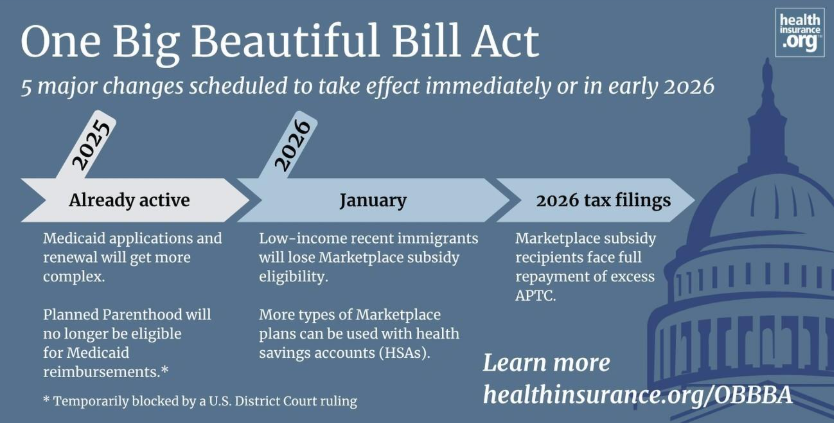
Image Source: HealthInsurance.org
Your finances could take a massive hit from health emergencies abroad without proper planning. Smart travelers add travel insurance to their budget categories. This protection helps with unexpected medical costs that regular health insurance won't cover overseas.
Travel Insurance and Health Overview
Health emergencies rank among the most common travel problems. Recent data shows that health situations make up over 27% of all travel insurance claims, with payouts averaging $1,816 per claim. Medical evacuations can reach $100,000 or more based on your location and how serious your condition is. The CDC and State Department strongly back travel health coverage for anyone heading overseas.
What Travel Insurance Typically Covers
A good travel medical insurance plan has these key benefits:
- Emergency medical treatments and hospital stays
- Medical evacuation to appropriate facilities
- Repatriation to your home country if needed
- Coverage for pre-existing conditions with select policies
- 24/7 emergency assistance services
How to Budget for Health and Safety
Travel medical insurance costs less than you might think - about $5 per day on average. You should set aside 5-10% of your total trip cost for complete coverage. Here's how to get the best value:
- Get quotes from several providers
- Look at medical-only policies that start at $1/day if health coverage is your main concern
- Check your credit cards' existing coverage
- Pick higher deductibles to lower your premiums
- Choose the most affordable policy that gives you enough coverage

Image Source: YouTube
Smart budgeting for activities will boost your travel experience without emptying your wallet. Entertainment plays a key role in creating lasting memories, though many travelers often overlook it in their budgets.
Activities and Entertainment overview
Entertainment helps travelers connect with beyond the usual tourist spots. Many people feel they need to pack their schedule with costly activities. The truth is you don't need to spend a lot to enjoy your vacation. A well-planned activity budget typically takes up 15-20%
of your total travel costs. This makes it perfect to cut costs while still having great experiences.authentic local experiences
Popular entertainment expenses
Common entertainment costs include:
- Guided tours and excursions ()$50-150 per person
- Museum and attraction admissions ($15-30 per entry)
- Cultural performances and shows ($25-100 per ticket)
- Recreational activities (snorkeling, zip-lining, etc.)
- Local festivals and events
Of course, some must-see attractions deserve their higher prices. Your budget will run out faster if you only choose premium experiences.
How to prioritize fun without overspending
Define what "fun" means for your specific trip before you leave. Here are some budget-friendly options to try:
- Join in historic citiesfree walking tours
- Check out museums during their free admission days
- Head to neighborhoods beyond tourist zones for real, affordable experiences
- Look up free activities at your destination before you arrive
- Try "destination dupes" that give you similar experiences at lower costs
Mix iconic attractions with hidden gems that cost less but create equally amazing memories.
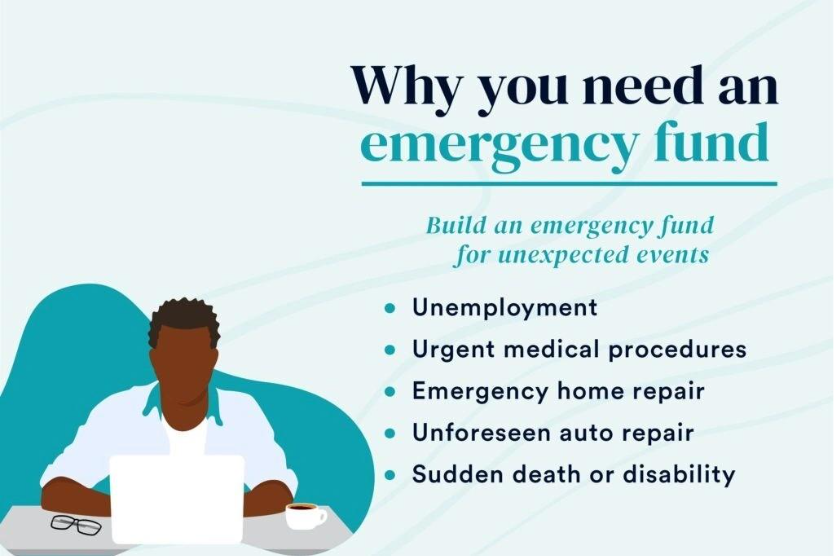
Image Source: Bankrate
Unexpected events can derail your travel plans. A separate emergency fund will act as your financial safety net when things go wrong during your trip.
Savings and Emergency Funds overview
An emergency fund is different from regular travel savings—you need to dedicate it specifically to unforeseen circumstances. This category will give you protection against medical issues, lost luggage, or sudden itinerary changes without depleting your vacation budget.
Why emergency funds are essential for travel
Travel emergencies strike without warning. Here are some potential risks to think over:
- Lost or delayed luggage requiring replacement items
- Medical situations not covered by insurance
- Missed connections requiring last-minute accommodation
- Emergency transportation changes
Quick access to cash reserves stops small emergencies from becoming financial disasters. An emergency fund works like bringing a spare tire on your trip.
How to allocate money for unexpected costs
Financial experts recommend setting aside at least 10% of your total trip budget as a contingency buffer. You should keep these funds where they're easily available—a separate high-interest savings account, prepaid card, or emergency credit card provides quick access during crises.
Your emergency fund should stay untouched unless truly needed. Note that vacation expenses like souvenirs or dining splurges don't qualify as emergencies.
Miscellaneous and Hidden Costs
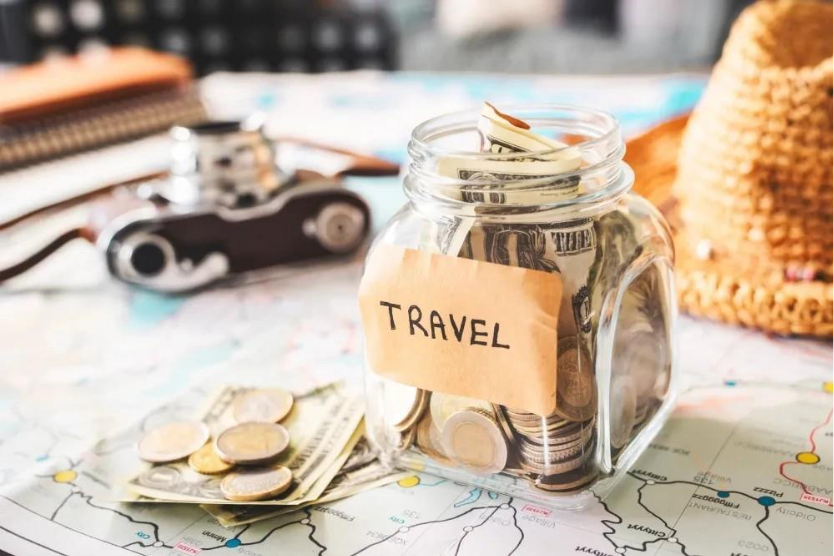
Image Source: SmarterTravel
Hidden costs catch even experienced travelers off guard. These sneaky expenses can turn your tight budget into an expensive lesson about travel reality.
Miscellaneous and Hidden Costs overview
Your overall travel budget needs an extra 15-20% for miscellaneous costs [link_1] beyond major expenses. These expenses pile up faster than you'd think—sometimes costing double what you predicted. Travelers pay these fees throughout their experience without even knowing it, right from pre-trip preparations until they're back home.
Examples of overlooked travel expenses
Adult visa processing fees now cost €90 in 2024, with extra service center charges possible. add 2-3% to every international purchase you make.Foreign transaction fees
Currency exchange can trick you—airport exchange booths look cheap but hide their fees in fine print. Tourist restaurants charge up to 50% more than where locals eat.
Other expenses people often forget include:
- ATM withdrawal fees (USD 1.00-5.00 per transaction)
- "Two-tier" pricing for foreigners at attractions
- Pre-trip medical preparations and vaccinations
- Pet boarding (USD 20.00-85.00 daily)
How to prepare for hidden costs
You should add a safety buffer of 10-20% to your travel budget. Research specific fees at your destination before booking anything.
Getting cards without foreign transaction fees helps handle currency issues better. Whatever your plans, read booking fine print carefully to spot mandatory fees.
Many hidden costs become predictable with good research, unlike real emergencies. Knowledge about these extra costs helps you prepare financially for a truly enjoyable trip.
Conclusion
Smart budget planning in these seven categories will revolutionize your 2025 travel experience. Most people only think about big costs like flights and hotels. They don't consider emergency funds and hidden expenses that can drain your wallet after the vacation.
Your daily budget will likely go half towards accommodation, but smart booking can cut these costs by a lot. Transportation is the next big expense. You can save money by booking midweek and using public transit. Food costs are flexible - local street food and market shopping let you enjoy authentic dishes without paying restaurant prices.
Travel insurance seems optional until you get hit with a $100,000 medical evacuation bill. An emergency fund protects you when things go wrong. The memories you make come from activities and entertainment, but they don't need premium prices.
Deal with hidden costs before you leave, not during your trip. ATM fees, tourist markups, and visa charges add up fast. Good planning makes them manageable.
The point isn't just to spend less - it's about spending smart in all seven areas. Splurge on what matters to you and find creative ways to save elsewhere. You'll thank yourself later for coming home with great memories and money still in the bank.
These budget categories create a solid financial plan for your travels. Plan your funds across all seven areas before your next adventure. Budgeting takes work upfront but gives you freedom to enjoy your trip without money worries.
FAQs
Q1. What are the main budget categories for travel in 2025? The main budget categories for travel in 2025 include accommodation, transportation, food and dining, travel insurance and health, activities and entertainment, savings and emergency funds, and miscellaneous and hidden costs.
Q2. How much should I budget for accommodation when traveling? Accommodation typically consumes about half of your daily travel budget. However, you can save money by booking outside tourist centers, contacting hotels directly for unpublished rates, or exploring alternatives like house-sitting or home exchanges.
Q3. What's the importance of having an emergency fund for travel? An emergency fund is essential for unforeseen circumstances during travel, such as medical issues, lost luggage, or sudden itinerary changes. It's recommended to set aside at least 10% of your total trip budget as a contingency buffer.
Q4. How can I save money on food while traveling? To save on food costs, consider booking accommodations with kitchen facilities, trying street food, taking advantage of lunch specials, shopping at local markets, and asking locals for affordable dining recommendations.
Q5. What are some commonly overlooked travel expenses? Often overlooked travel expenses include visa processing fees, foreign transaction fees, currency exchange costs, ATM withdrawal fees, "two-tier" pricing for foreigners at attractions, pre-trip medical preparations, and pet boarding costs.