Why Real Travel Stories Matter More Than Instagram Photos in 2025
Travel stories have engaged wanderers for more than 15 years. A small, tight-knit community has grown into the sprawling industry we see today. Our immediate visual cravings might be satisfied by scrolling through perfectly filtered sunset photos, yet provide something more lasting.authentic travel narratives
The most compelling travel experience stories rarely fit into square frames. Karl Bushby's story stands out remarkably. Since 1998, he has tried to become the first person to walk an unbroken path around the world. His path spans over 36,000 miles across four continents and two dozen countries. These extraordinary storytelling moments remind us why genuine narratives appeal more deeply than any carefully composed photo.
The visual travel world of 2025 continues to evolve rapidly. We must reconnect with the elements that make the best travel stories powerful - knowing how to transport us beyond the surface and into travel's transformative core.
The rise of Instagram travel culture
Image Source: IZEA
How social media changed the way we share travel
Social media has completely changed how we experience and showcase our travels. Platforms like Instagram, TikTok, and Facebook now guide travelers through every step - from their first inspiration to sharing memories after the trip. Recent studies show that 32% of travelers rely on social media platforms to plan their trips. An impressive 57% of leisure travelers use Instagram, YouTube, and Facebook when they research, plan, and share their experiences.
This change goes beyond simple convenience - it shows a fundamental shift in why we travel. People have changed their approach so much that 43% won't even look at destinations they haven't seen on social media. TikTok's 'travel' hashtag has gathered more than 74.4 billion views. Travel-related posts on Instagram have reached over 624 million.
The pressure to curate perfect moments
Social media creates new pressure to capture and showcase the "perfect" travel experience. 35% of holidaymakers look specifically for photogenic spots and 'Instagram-worthy' moments. Taking and sharing travel photos has become crucial - 59% of 30- to 49-year-olds feel they must post on social media during their vacation.
This competitive environment turns travel into a status game rather than genuine experience sharing. Many people believe "if I don't post it, it didn't happen." This might sound silly, but it makes sense in today's digital world where likes and comments equal validation.
Why visual appeal often overshadows real experience
Picture-perfect moments have changed how we behave while traveling. A newer study shows that 75% of travelers look to social media channels for inspiration. Almost 50% choose destinations just to show them off on their feeds. The focus on visual documentation takes away from authentic experiences.
Many travelers focus on getting the perfect shot instead of experiencing local cultures. 35% of social media users admit they waste too much time on their phones during holidays and enjoy their trips less. True travel magic happens in unfiltered moments that phones can't capture - meaningful conversations with locals, unexpected discoveries, and life-changing experiences that create the best stories.
What makes real travel stories powerful
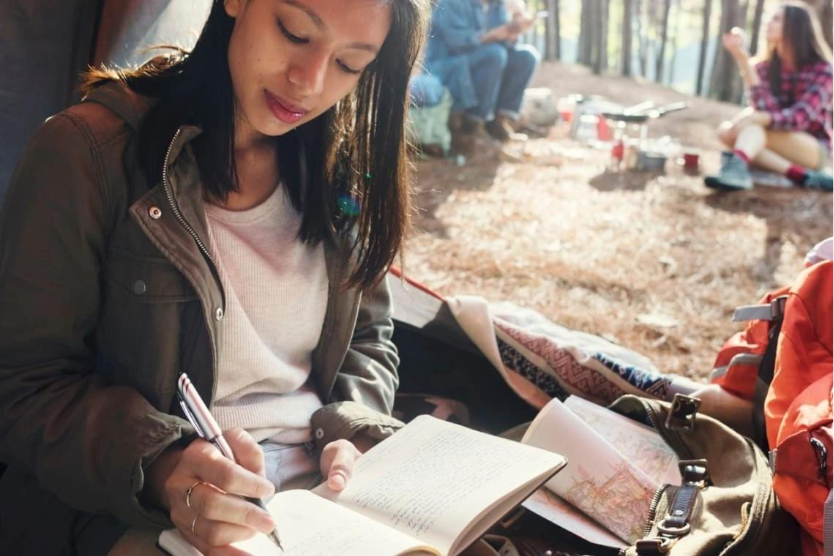
Image Source: Worldpackers
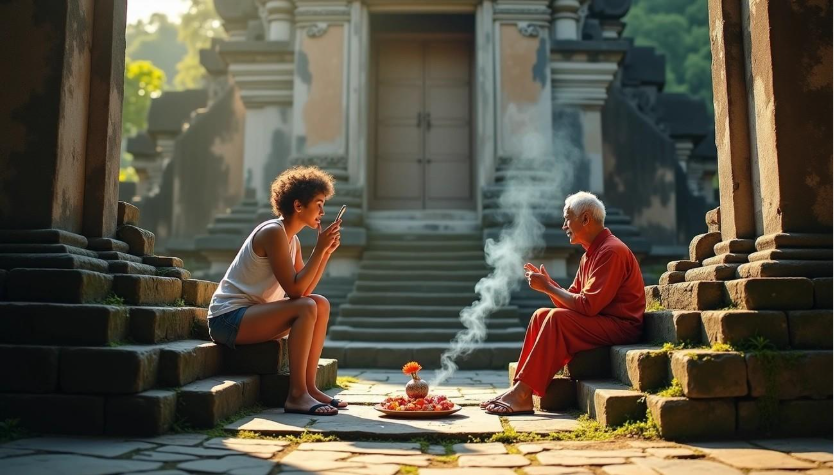
Real travel stories pack more power than glossy photos and curated feeds. They can't be squeezed into square frames or hidden behind filters. True narratives leave a lasting mark through their depth, emotion, and real human bonds.
Emotional connection and personal growth
Travel changes us at our core. Tourists who share their stories often relive their experiences and reveal parts of themselves. This creates deeper bonds with both places and people who hear their tales. These stories become valuable catalysts that shape others' desires to explore similar destinations. Research shows emotions play a vital part in creating memorable tourism experiences and they bring out positive attitudes toward destinations.
Sensory details that bring places to life
Great travel stories tap into all five senses and turn simple descriptions into rich experiences. Instead of just saying "the ocean breeze was refreshing," vivid stories paint pictures like "a cool, salty breeze kissed my skin as waves hummed a rhythmic lullaby, stirring serenity deep within me." These details don't just describe—they spark emotional responses that make travel tales more relatable and unforgettable.
Cultural insights and human connection
Modern travelers look for meaningful connections with people. A recent poll shows that by 2025, travelers will value community, inclusivity, and real interaction above all else. People's warmth and kindness matter most during their trips. Every charming street has people who give travel its meaning—not as performers but as keepers of living culture.
The role of vulnerability in storytelling
Nothing creates human connection quite like vulnerability in stories. Tales of challenges often become the most compelling parts of travel narratives. Studies show that being vulnerable while traveling can lead to where the highest point feels like a "loss of soundness." We build bridges across differences when we approach travel with curiosity and humility, staying true to ourselves while helping others do the same.transformative experiences
How storytelling creates lasting impact
Neurological research shows how travel storytelling creates deeper, more lasting impressions than the most stunning photographs. The human brain processes narratives in unique ways that create richer neural connections lasting beyond the original exposure.
Why readers remember stories, not snapshots
Memories driven by curiosity stay vivid years later, while details of luxury accommodations tend to fade quickly. This occurs because curiosity activates our brain's reward system and releases dopamine—the feel-good hormone that strengthens memory formation. Research confirms that narrative transportation progresses from consumption to escapism to immersion, which affects .travel intentions
The power of narrative in shaping perception
Travel accounts reflect motivated perception, as people express esthetic, moral, or political judgments through their observations. Visual narration serves different functions than textual narration ('showing' rather than 'telling'), yet both systems work 'between information and persuasion'. Research has mapped how viewers' stages of narrative transportation directly shape their travel intentions.
How travel narratives inspire empathy and curiosity
Stories worth sharing emerge from every journey—stories that help others see the world differently. Direct exposure to unfamiliar cultures builds bridges of understanding. A traveler once reflected, "If everyone in the world were free to explore other cultures, there would be no more war... It is hard to fight with people once you see their families love them as much as yours does you".
Bridging the gap: Using both photos and stories

Image Source: The Wandering Lens
A perfect blend of stunning visuals and compelling narratives gives travelers the best of both worlds. The path to doesn't mean giving up photography—it just needs a more thoughtful approach.authentic travel documentation
Photos that support the story, not replace it
Photography helps us remember our experiences, but its real magic happens when images enhance written narratives. A travel photographer puts it well: "The difference between photos saved on a Pinterest board and those I create myself is that I AM THERE. My picture captures my experience, transporting me back into my memory". Photos that support stories trigger multi-sensory memories—the breathlessness after hiking to a vista, the smell of incense during a religious procession, and conversations with companions along medieval streets.
Tips for combining visuals with meaningful writing
Creating balanced travel content needs careful planning. Here are some useful approaches:
- Document the whole experience, not just the destination
- Mix wide, medium, and telephoto shots to add dynamic variety
- Follow a visual storytelling structure: Where, Circumstances, Who, What, and Themes
- Add contextual shots that anchor the viewer
Examples of creators who balance both well
Cacinda, a successful travel creator, always adds descriptive captions to her images. Baia provides rich historical context alongside stunning visuals, which turns simple photos into educational experiences. Joanna blends professional photography with authentic storytelling on platforms of all types.
Conclusion
Travel has without doubt evolved in this digital age, but what makes trips meaningful stays the same. A perfectly framed Instagram shot might capture a moment, yet real travel stories capture our experiences' soul.
Photos serve a purpose - they freeze moments and trigger memories. But deeper genuine narratives connect us to places and people through vulnerability, sensory details, and emotional resonance. Our most precious travel memories come from unplanned encounters, cultural missteps, and chats with locals - experiences that don't translate well to social media feeds.
Social media inspires 75% of travelers now, but note that travel should make our lives richer rather than just fill our profiles. So many travelers now find balance between documenting and being present. They know magic often happens when cameras stay in their bags.
This move back to storytelling doesn't mean giving up photography. It promotes a thoughtful way where visuals add to narratives instead of replacing them. The aim becomes authentic documentation of trips - capturing stunning views and personal growth they inspire.
Looking ahead to 2025 and beyond, the future of travel sharing might blend stories and photos naturally. My trips have shown me that compelling travel content emerges when beautiful images support genuine stories. This creates a rich record of adventures that takes others beyond what they just see.
Next time you start an adventure, think over how you'll share your experiences. Will they become just careful photo galleries, or stories that inspire others to find their own life-changing trips? Travel changes us - and honest sharing of these changes might be the most valuable souvenir we bring home.
FAQs
Q1. Why are authentic travel stories more impactful than social media posts? Authentic travel stories create deeper emotional connections and provide cultural insights that can't be captured in a single photo. They engage multiple senses, share personal growth, and often inspire empathy and curiosity in others.
Q2. How can travelers balance sharing experiences on social media with being present in the moment? Travelers can find balance by focusing on the experience first and documenting second. Take a few quality photos to remember the moment, then put the camera away and fully immerse yourself in the surroundings, interactions, and sensations of travel.
Q3. What makes a travel story truly memorable? Memorable travel stories often include elements of personal transformation, unexpected encounters, cultural insights, and sensory details that bring places to life. They go beyond surface-level observations to reveal how the journey impacted the traveler.
Q4. How has social media changed the way people approach travel? Social media has created pressure to curate "perfect" travel moments and visit photogenic locations. While it can provide inspiration, it sometimes leads travelers to prioritize getting the right shot over genuine experiences and cultural immersion.
Q5. What are some ways to create meaningful travel content without relying solely on photos? To create meaningful travel content, focus on storytelling that captures the essence of a place through vivid descriptions, personal reflections, and cultural observations. Combine photos with thoughtful captions, keep a travel journal, or create video content that showcases the full travel experience beyond just visual highlights.