Ancient Cultural Sites Reveal Hidden Travel Bucket List Gems
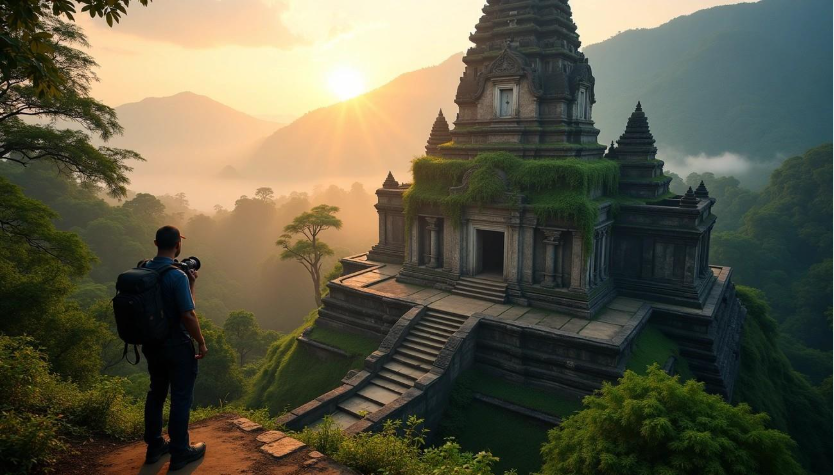
What should truly make it onto your travel bucket list? Machu Picchu [link_1] sits almost 8,000 feet above sea level as one of the world's most enigmatic ancient sites. Its perfectly-cut stone terraces remained hidden for hundreds of years. This "Lost City of the Incas" stands as an extraordinary destination that deserves a firsthand experience.
The most memorable travel experiences combine history with adventure, as we found when sleeping in ancient caves and witnessing unique cultural ceremonies. Countless travelers visit the Great Wall of China, which stretches across northern China. Others explore Egypt's Pyramid of Khufu—the only surviving Wonder of the Ancient World. Yet hidden cultural treasures exist beyond these famous landmarks. Cultural travel opportunities like Mexico's Día de Los Muertos reshape ordinary trips into deep adventures of discovery. During this celebration, families honor ancestors through songs, prayers, and vibrant parades on November 1-2.more than 5,000 miles
Travelers Discover Ancient Wonders in Remote Corners
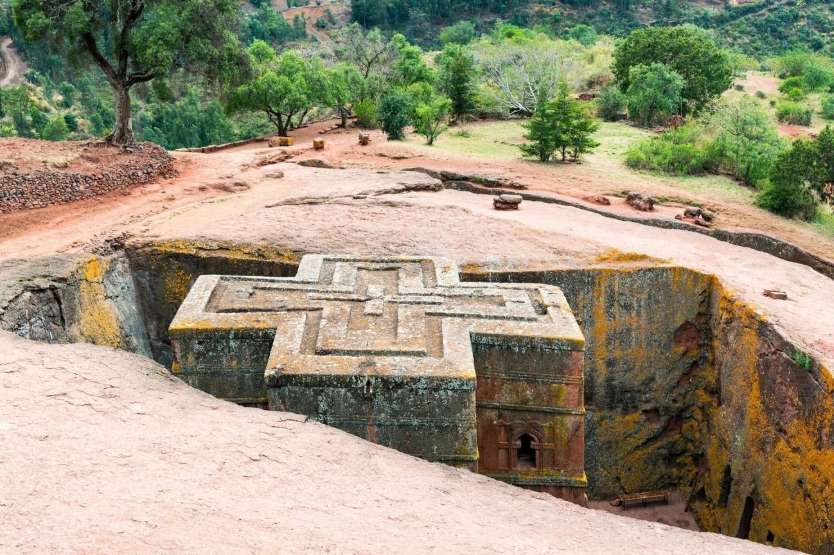
Image Source: The World Pursuit
Adventure seekers now venture beyond popular tourist spots to find extraordinary ancient sites tucked away in remote corners of the world. These hidden wonders let travelers experience authentic cultural heritage without the usual tourist crowds found at famous landmarks.
The Rock-Hewn Churches of Lalibela, Ethiopia
Ethiopia's heart holds one of Christianity's most remarkable achievements, about 645 km from Addis Ababa. Lalibela showcases 11 that craftsmen carved completely from living rock during the 13th century. These magnificent structures stand at 2,480 meters above sea level. King Lalibela commissioned them to create a "New Jerusalem" when Muslim conquests stopped Christian pilgrimages to the Holy Land. The builders carved these churches from the hillside's soft reddish volcanic rock through a subtractive process, unlike traditional construction methods. Ethiopian Orthodox worshippers still consider this place sacred. They gather here for important religious festivals and daily prayers.medieval monolithic churches
The Lost City of Choquequirao, Peru
This site is nowhere near as crowded as its famous cousin. Choquequirao during peak season, while Machu Picchu hosts 2,500. This 16th-century Incan site sits 3,050 meters high in southern Peru. People call it Machu Picchu's "sister city" because of its similar architecture. The site spans 1,800 hectares, though archeologists have only uncovered 30-40%. The journey starts from Cachora town - 18km to Capuliyoc Mountain, down to Playa Rosalinas, across the Apurímac River, and finally 8km up steep switchbacks. The challenging trek rewards visitors with ancient ruins they can explore almost entirely alone.sees only about 30 visitors daily
The Forgotten Temples of Bagan, Myanmar
Bagan's rulers , pagodas, and monasteries across a 104 km² plain between the 9th and 13th centuries. Today, 2,200 structures still stand across 26 square miles of Myanmar countryside. The Ananda Temple stands out as one of the best-preserved, with four standing Buddhas facing different directions. The majestic Thatbyinnyu Temple shows visitors Bagan's ambitious architectural vision. Bagan earned its status in 2019 after 24 years of review, securing its place on cultural travel bucket lists.built over 10,000 Buddhist templesUNESCO World Heritage Site
Historians Trace Cultural Roots Through Sacred Sites
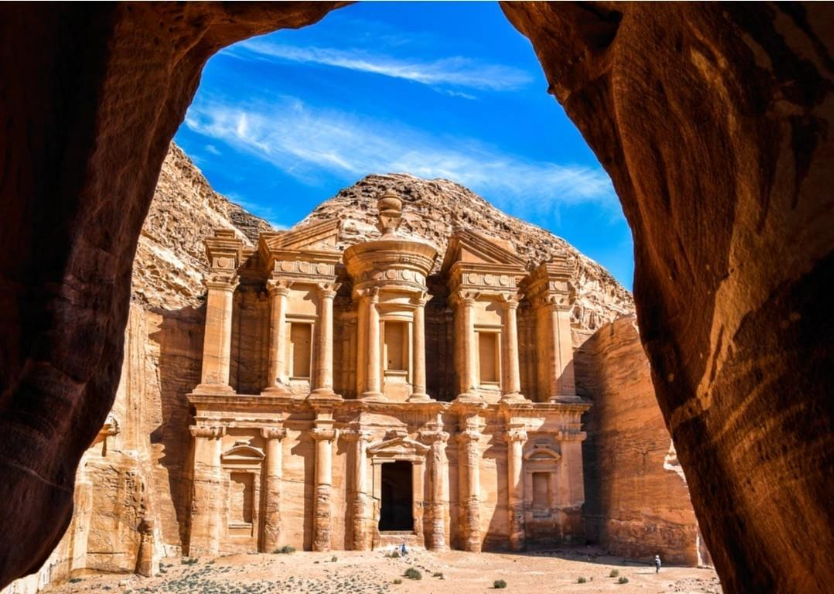
Image Source: Stacker
Ancient traditions come alive at historical sites worldwide. These sacred spaces show us cultural practices that go back thousands of years. People who want real cultural experiences now flock to these living historical monuments.
Following the Pilgrimage Route to Mount Koya, Japan
Mount Koya has drawn spiritual seekers through its network of pilgrimage trails for centuries. The stretches about 23.5 kilometers and takes seven hours to walk. Stone markers called choishi dot the path every few hundred meters. These markers represent the five Buddhist elements: earth, water, fire, air, and void. Women could not enter Koyasan until 1872. This led to the building of seven Nyonindo ("women halls") around the mountain's edges. A special path called the Women Pilgrims Course linked these halls. The path was seven kilometers long and took about 2.5 hours to complete. Now, just one of these halls still stands near Fudozaka Slope.Koyasan Choishi Michi trail
Revealing the Spiritual Legacy of Petra, Jordan
The "Rose City" got its name from its red sandstone color. —it served as a spiritual hub since the 4th century BCE. The Nabataeans built this amazing city and worshiped Arab gods and goddesses. They followed Dushara as their main male god, along with three female deities: Al-'Uzzā, Allat, and Manāt. Their beliefs had strong ties to Earth-Sun relationships. Many key buildings lined up with equinox and solstice positions. The Bible mentions Petra as "Sela" (meaning rock) in Isaiah 16:1. This UNESCO World Heritage site still holds its spiritual importance. Modern visitors can feel deep connections to ancient belief systems here.Petra was not just a trading center
Understanding the Rituals of the San People in Namibia
The San people stand among Earth's oldest living cultures. They have lived in southern Africa for at least 20,000 years. Their deep include complex rituals that focus on healing and community wellness. The trance dance stands as their most vital religious practice. Healers reach altered states of consciousness through rhythmic movement and fast breathing. Women sit in circles during these ceremonies. They guide the ritual by singing and clapping while men dance until they enter trance states. Healers channel energy to sick people by touching where it hurts. Sometimes they act out pulling the sickness away. The eland, their most sacred animal, plays a key role in four major rituals: boys' first kill, girls' puberty, marriage, and the trance dance.spiritual traditions
Adventurers Seek Unique Travel Experiences in Ancient Landscapes
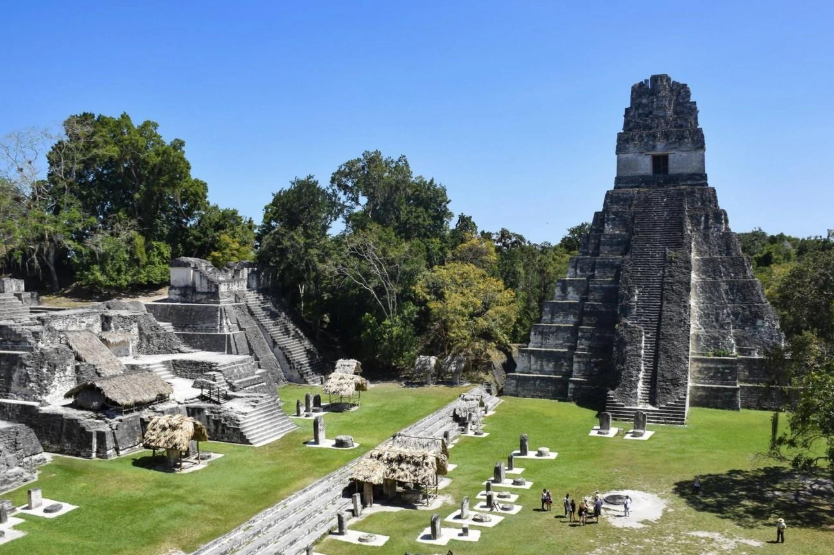
Image Source: Explore Shaw
Sacred sites drew ancient travelers who risked everything. Modern adventurers follow their footsteps by seeking extraordinary experiences in some of the world's most challenging places.
Trekking to the Tiger's Nest Monastery in Bhutan
The Tiger's Nest Monastery [link_1] stands as Bhutan's most sacred Buddhist site, clinging to a cliff 900 meters (2,950 feet) above Paro Valley. Builders created this architectural marvel in 1692 at a stunning elevation of 3,120 meters. Adventurers face a challenging 6.4 km round trip trek with a 520-meter climb. The complete experience, including a monastery tour, usually takes 5-7 hours. Prayer flags flutter in the breeze as the trail snakes uphill through dense forests. A welcoming cafeteria marks the halfway point before the final ascent. Local legend tells of Guru Rinpoche, who arrived here on a flying tigress and brought Buddhism to Bhutan in the 8th century.
Climbing the Ruins of Tikal at Sunrise – Guatemala
The Tikal experience starts at 3 AM. Adventurers navigate ancient pathways with flashlights. They climb one of the pyramids and wait for nature's show: a mesmerizing sunrise over misty jungle canopies, accompanied by distant howler monkey calls. UNESCO recognized this site as a World Heritage site in 1979 [link_2]. The Great Jaguar temple, Temple of Masks, and countless other structures spread across 576 square kilometers. Early birds get a rare chance to experience this lost Mayan civilization almost entirely alone.
Taking a Closer Look at the Cenotes of the Yucatán Peninsula – Mexico
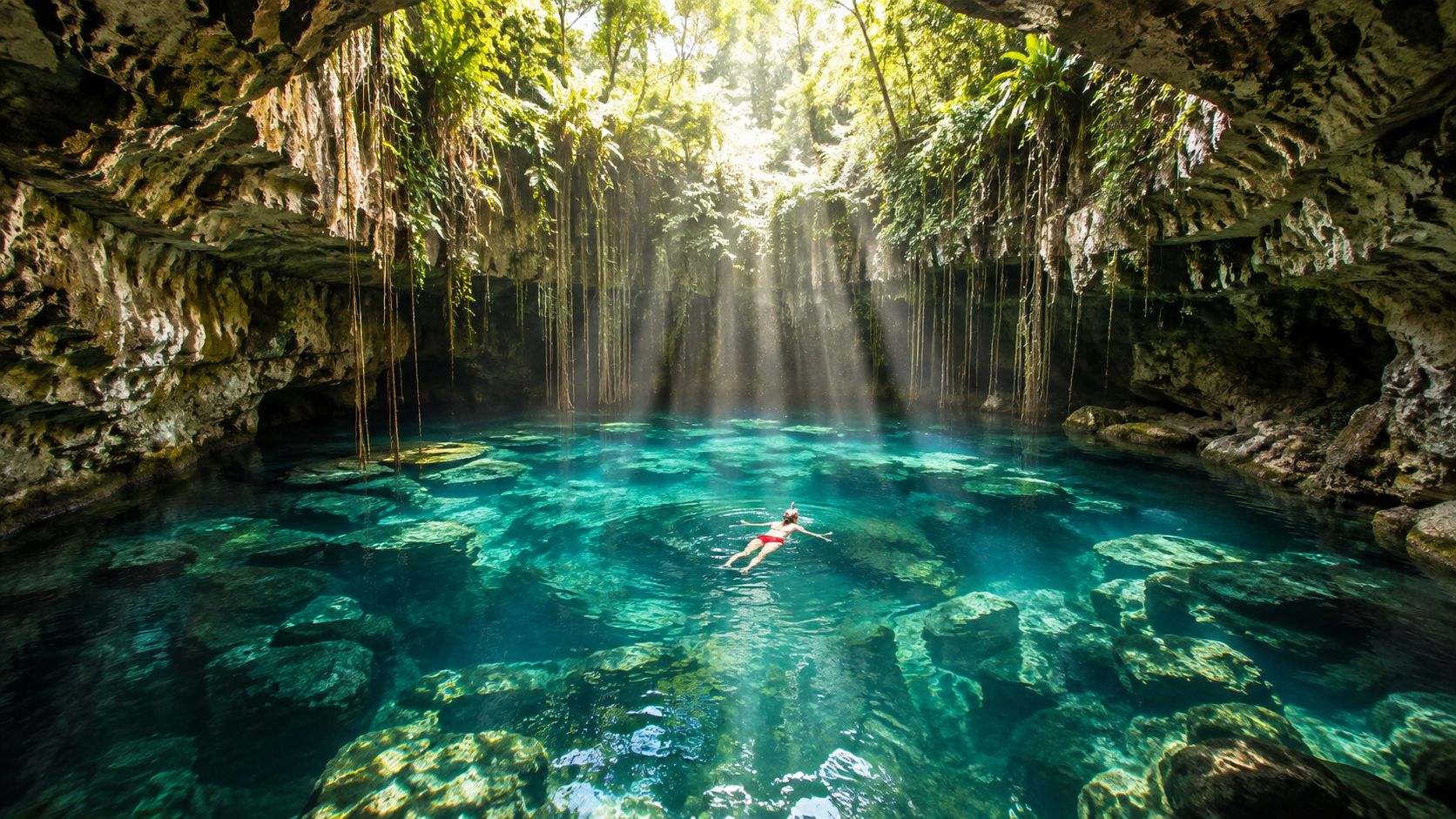
The Yucatán Peninsula features over 6,000 cenotes—natural sinkholes that form when limestone bedrock collapses. Maya people relied on these crystal-clear waters as their only freshwater source and saw them as sacred portals to Xibalba, their underworld. Recreational divers get a chance to explore underground rivers adorned with stalactites and magical light rays. Tulum serves as the prime spot for cenote exploration. Each location tells its own story: Dream Gate shows off geological formations, El Pit dazzles with vibrant light beams, and Dos Ojos reveals fossil-rich passages. Certified professionals must guide all cenote dives to ensure safety and protect these natural treasures.
Cultural Travelers Add Hidden Sites to Their Bucket Lists
Cultural travelers seek extraordinary ancient sites beyond the Instagram-famous landmarks that mass tourism hasn't discovered yet.
Why the Ruins of Ani in Turkey Are a Must-See
once rivaled Constantinople in power and glory. Ani now stands as a ghost town on Turkey's border with Armenia. Massive fortress walls guard an entrance that leads to scattered stone buildings across grassy plains. The site earned its nickname "City of 1,001 Churches" from its numerous religious structures that showcase Armenia's rich cultural heritage. The city's location on the Silk Road made it a bustling trading hub, as evidenced by the remaining caravanserais.This magnificent medieval Armenian capital
How the Megalithic Temples of Malta Defy Time
from the 4th and 3rd millennia BC stand among the world's oldest free-standing stone structures. Each complex showcases unique architectural features with distinctive forms and decorations. The builders used advanced techniques like corbelled roofs and engineered walls with alternating face-out and edge-out blocks. The temple interiors reveal symmetrical semi-circular chambers arranged along a central axis.These remarkable temples
What Makes the Tombs of Myra in Turkey So Unique
The ancient tombs of Myra, carved into steep cliff faces, have become Turkey's most captivating archeological sites. These Lycian façade tombs from the fifth and fourth centuries BC mirror the wooden architecture of noble houses. The renowned Painted Tomb features striking life-sized human figures that once displayed vivid colors.
Conclusion
Ancient cultural sites give you more than just photo opportunities for social media - they're windows into our shared human history. Our trip across continents led us to find extraordinary places where spirituality, adventure, and cultural heritage create unforgettable experiences. The rock-hewn churches of Lalibela and mystical cenotes of the Yucatán connect us with ancestors who built remarkable structures with basic tools.
Hidden treasures await beyond the typical tourist trail. Machu Picchu and the Great Wall deserve their fame, but places like Choquequirao and Bagan's temples reward adventurous travelers with rare solitude and authenticity. Sacred trips like the pilgrimage to Mount Koya or the trek to Tiger's Nest Monastery show us that getting there means as much as arriving.
Something changes in us when we stand among ancient stones that have seen centuries of human devotion and skill. The San people's spiritual traditions, Petra's structures that line up with stars, or watching sunrise at Tikal's pyramids - these experiences create deep connections to past civilizations that live on through their lasting monuments.
Your next adventure could take you beyond familiar landmarks to these extraordinary ancient sites. Remote locations might just need extra effort, but the payoff is worth it. The best travel memories mix physical challenges with cultural discoveries that change us forever. These hidden gems belong on our bucket lists not to make friends envious, but to broaden our view of humanity's amazing trip through time.
FAQs
Q1. What are some lesser-known ancient cultural sites worth visiting? Some hidden gems include the rock-hewn churches of Lalibela in Ethiopia, the lost city of Choquequirao in Peru, and the forgotten temples of Bagan in Myanmar. These sites offer authentic cultural experiences without the crowds of more famous landmarks.
Q2. How can travelers experience living history at ancient sites? Many sites offer immersive experiences like participating in traditional ceremonies, staying in ancient accommodations, or joining guided tours with historical reenactments. For example, you can follow pilgrimage routes in Japan or witness spiritual rituals of indigenous peoples in places like Namibia.
Q3. What are some unique adventure experiences at ancient cultural sites? Some thrilling options include trekking to the Tiger's Nest Monastery in Bhutan, climbing the ruins of Tikal in Guatemala to watch the sunrise, or diving into the cenotes (natural sinkholes) of Mexico's Yucatán Peninsula to explore underwater caves.
Q4. How are new technologies changing our understanding of ancient sites? Advanced technologies like LIDAR mapping are revealing previously unknown aspects of ancient sites. For instance, recent surveys around Angkor Wat in Cambodia have uncovered vast urban complexes and sophisticated water management systems, changing our perspective on ancient civilizations.
Q5. Why should travelers consider visiting less popular ancient sites? Lesser-known sites often provide more authentic and intimate experiences. They tend to be less crowded, allowing for a deeper connection with the history and culture. Additionally, visiting these sites can contribute to the preservation of important historical locations that receive less attention and funding.