Top 10 Budget Friendly Vacation Ideas for Transformative Travel in 2026
Imagine waking up not to an alarm, but to the gentle hum of a distant local market stirring to life. Picture yourself sharing a home-cooked meal with a new friend on another continent, your wallet still comfortably full. This isn't a far-off fantasy reserved for the wealthy; it's the beautiful reality of smart, affordable travel. Many of us are taught to believe that life-changing adventures require a massive savings account, but that's a myth we're here to bust wide open.
The true secret to incredible travel isn't just about finding cheap flights. It's about fundamentally shifting your perspective, trading rushed, expensive tourism for deeply immersive and cost-effective experiences. It's about choosing connection over consumption and memories over mementos.
In this comprehensive guide, we will unveil ten powerful budget friendly vacation ideas designed to unlock transformative journeys without draining your bank account. We move beyond generic advice and dive deep into actionable strategies, from house-sitting in a charming European village to volunteering on a sustainable farm in Southeast Asia.
You will discover how to leverage work exchanges, embrace slow travel, and connect with local communities in ways that are both respectful and incredibly rewarding. We provide detailed itineraries, safety tips specifically for solo female travelers, and practical hacks for every step of your journey. Forget the typical tourist traps and overpriced resorts. It's time to explore the world in a more meaningful, authentic, and genuinely affordable way. Let's begin.
1. Slow Travel & Extended Stays
Imagine trading a frantic, multi-city sprint for the deep, meaningful connection of living like a local in one incredible place. This is the essence of slow travel, a philosophy that prioritizes depth over distance. By staying in a single destination for several weeks or even months, you dramatically cut down on costly transportation and unlock significant long-term rental discounts, making it one of the most rewarding budget friendly vacation ideas.
This approach transforms your trip from a mere visit into an immersive experience. Picture yourself renting a charming apartment in Lisbon, Portugal, for a month, becoming a regular at the neighborhood pastelaria, or joining a co-living community of digital nomads in Medellín, Colombia. You gain the time to build genuine relationships, learn snippets of the local language, and discover hidden gems far from the tourist trail.
How to Make Slow Travel Work for You
- Accommodation Hacks: Search for monthly stays on platforms like Airbnb, Vrbo, or Booking.com, where you can find discounts of 30-50% compared to nightly rates. Don't hesitate to message hosts directly to negotiate a better long-term price.
- Live Like a Local: Use Google Maps to find local markets instead of tourist-trap supermarkets. Cooking your own meals is not just a huge money-saver; it’s a direct way to engage with the local culture and cuisine.
- Timing is Everything: Travel during the "shoulder seasons" (like April-May and September-October in Europe) for the perfect blend of pleasant weather and lower prices on both flights and lodging.
- Community & Connection: For solo travelers, co-living spaces like Selina or Outsite offer a built-in community with discounted long-term rates, combining private living with shared social and workspaces. This model is also popular among backpackers, and you can learn how to plan a backpacking trip that incorporates these communal stays.
2. Volunteer Tourism & Work Exchange Programs
Imagine a journey where your travel costs plummet, and your impact on the destination soars. This is the heart of volunteer tourism and work exchange, an approach that trades a few hours of your skills and time each day for free accommodation and often meals. It’s an incredible way to travel long-term, turning a standard holiday into a deeply authentic cultural exchange and one of the most fulfilling budget friendly vacation ideas available.

This model transforms your travels into a purposeful adventure. Picture yourself helping a family on their organic farm in New Zealand through WWOOF, teaching English to children in a rural Vietnamese village, or contributing to a sea turtle conservation project on the coast of Costa Rica. You gain invaluable skills, form genuine bonds with local communities, and see a side of the country that most tourists completely miss, all while keeping your daily expenses to a minimum.
How to Make Volunteer Tourism Work for You
- Choose the Right Platform: Use reputable sites like WorkAway, HelpX, or World Wide Opportunities on Organic Farms (WWOOF) to find hosts. These platforms have review systems, allowing you to vet opportunities and read about the experiences of previous volunteers.
- Clarify Expectations Upfront: Before you commit, have a clear conversation with your host about work hours, specific duties, accommodation standards, and what meals are included. This prevents misunderstandings and ensures a positive experience for everyone.
- Start with Short Stays: If you're new to work exchanges, consider a one or two-week commitment first. This allows you to get a feel for the lifestyle and the quality of the host organization without a long-term obligation.
- Connect with the Community: Join Facebook groups like 'Volunteer Travelers' to get peer recommendations and tips. For those looking to dive deeper into this travel style, you can explore comprehensive guides to find opportunities to volunteer abroad for cheap and prepare for your trip.
3. House Sitting & Pet Sitting
What if your biggest travel expense, accommodation, could be completely free? Welcome to the world of house and pet sitting, where you trade your time and care for a free place to stay. This is one of the most effective budget friendly vacation ideas available, allowing you to live in a real home, often with the delightful company of furry friends, while the homeowners travel with peace of mind.
This arrangement offers a deeply authentic travel experience. Imagine spending a month caring for two cats in a charming London townhouse, or looking after a friendly dog in a villa with a pool in Bali. You get to explore residential neighborhoods, shop at local markets, and experience a destination from a resident's perspective, far from the typical tourist hubs. It’s an exchange built on trust that unlocks incredible opportunities.
How to Make House Sitting Work for You
- Build a Standout Profile: Your profile is your resume. On platforms like TrustedHousesitters, invest time in writing a detailed bio, adding great photos of you with animals, and gathering personal and professional references. A strong profile is key to securing desirable sits.
- Start Local to Build Experience: New to house sitting? Begin by applying for shorter, local sits to build up positive reviews. A few glowing references will make your profile much more attractive for competitive international assignments.
- Communicate Clearly: Before confirming a sit, have a detailed video call with the homeowners. Discuss expectations for pet care, home maintenance, emergency contacts, and any house rules. Clear communication prevents misunderstandings.
- Expand Your Search: While TrustedHousesitters is the industry leader, don't limit your search. Explore other platforms like Rover, Care.com, and even location-specific Facebook groups to find a wider range of opportunities. Highlight unique skills like plant care or pet training to stand out.
4. Budget Airlines & Flight Hacking Strategies
Unlocking the world doesn't have to mean emptying your bank account. By mastering the art of flight hacking and strategically using budget airlines, you can dramatically reduce your single biggest travel expense. This approach turns finding an affordable flight into a thrilling treasure hunt, making international travel accessible even on a shoestring budget.
This method involves a combination of tools, timing, and flexibility. Imagine booking a flight from London to Prague for less than the cost of a dinner out, or snagging a "mistake fare" to Southeast Asia for a fraction of its usual price. By combining flights on carriers like Ryanair, Southwest, or AirAsia, you can create complex, multi-city itineraries for hundreds of dollars less than a traditional booking, making this one of the most powerful budget friendly vacation ideas available.
How to Become a Flight Hacking Pro
- Set Up Smart Alerts: Use Google Flights, Skyscanner, and Kayak to create alerts for your dream destinations. Select flexible dates or even an entire month to get notifications when prices drop to their lowest point.
- Follow the Experts: Keep an eye on websites like Secret Flying and Airfarewatchdog. They specialize in finding and sharing error fares and incredible deals that can save you 50-80% on long-haul flights.
- Be Airport-Flexible: Don't just search for flights to your final destination. Consider flying into a nearby budget hub (like Bratislava instead of Vienna) and taking a cheap bus or train for the final leg of the journey.
- Master the Timing: Prices often fluctuate based on demand. To get the best deals, you can learn about the cheapest time to book flights, but a general rule is to book on a Tuesday or Wednesday and fly mid-week. Always clear your browser cookies or use an incognito window to prevent prices from increasing based on your search history.
- Calculate the True Cost: Budget airlines are famous for add-on fees. Always calculate the total cost, including baggage, seat selection, and other extras, before booking to ensure it’s truly a better value than a full-service carrier.
5. Travel During Shoulder & Off-Seasons
Imagine experiencing the magic of your dream destination without the overwhelming crowds and at a fraction of the cost. This isn't a fantasy; it's the reality of traveling during the shoulder and off-seasons. This strategy involves visiting a place just before or after its peak tourist rush, offering one of the smartest ways to unlock incredible budget friendly vacation ideas.
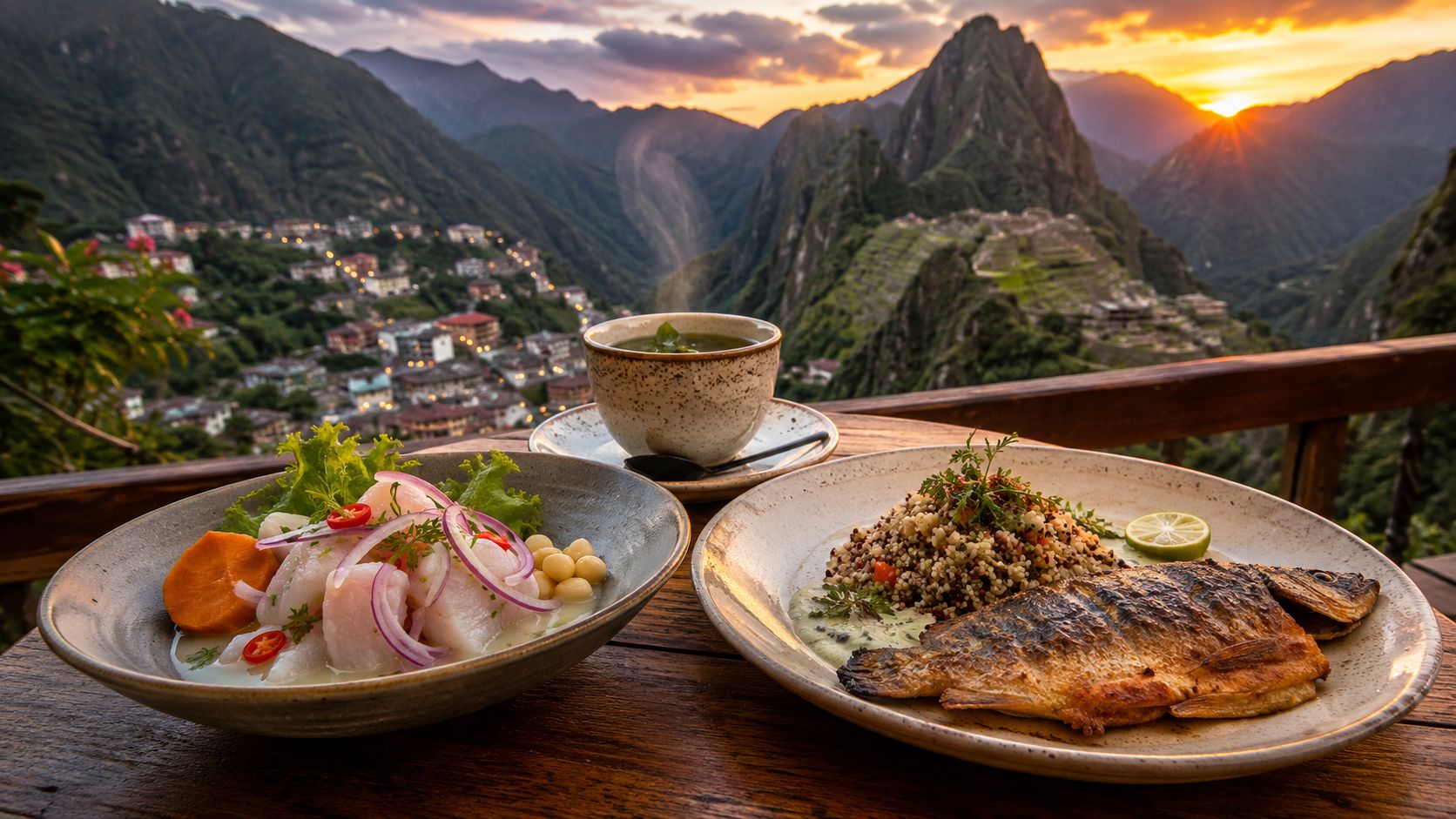
By timing your trip strategically, you can slash accommodation and flight costs by 30-60%. Picture exploring Peru's Sacred Valley in May, with clear skies and lush landscapes, just before the peak season prices of June kick in. Or imagine witnessing the Northern Lights in Iceland in September, enjoying the spectacle without the peak winter crowds and prices. This approach not only saves money but also provides a more authentic and relaxed local experience.
How to Make Shoulder & Off-Season Travel Work for You
- Master the Calendar: Research your destination’s tourism cycles. Visiting Thailand in May or June, for example, means you'll find hotels for 40-50% less than in the high season, with only brief afternoon showers to contend with.
- Embrace "Green Season": Many destinations rebrand their rainy season as a "green season." This eco-conscious term highlights the lush, vibrant landscapes that come with the rain, often with minimal disruption to your plans and at a steep discount.
- Check Local Holidays: A seemingly off-season period might coincide with a major local festival or school break, causing prices to spike. A quick search of the local calendar can help you avoid these hidden peak times.
- Plan for Flexibility: The weather can be less predictable during shoulder seasons. Build a flexible itinerary that allows you to swap an outdoor activity for a cozy museum visit or a local cooking class if a surprise rain shower appears.
6. Homestays & Local Accommodations via Community Platforms
Step beyond the impersonal nature of hotels and dive deep into the heart of a culture by staying with a local family. A homestay is more than just a place to sleep; it’s an invitation into someone's home and life, offering an unparalleled opportunity for cultural exchange and authentic connection. This approach is one of the most effective budget friendly vacation ideas, as many homestays include home-cooked meals, saving you a significant amount on dining out.
Imagine practicing your Spanish over breakfast with your host family in Guatemala before heading to your language class, or learning to cook traditional Moroccan tagine in a rural village home. These experiences transform a simple trip into a profound journey of learning and personal growth. By choosing a homestay, you not only enjoy an affordable stay but also directly support the local economy and build genuine human connections that last a lifetime.
How to Make Homestays Work for You
- Find Vetted Hosts: Use reputable platforms like Homestay.com or the Global Homestay Network to find hosts who have been reviewed and vetted. Many language schools and volunteer organizations also arrange pre-screened homestays.
- Communicate Clearly: Before booking, communicate with your potential hosts. Discuss your dietary needs, lifestyle habits, and ask about house rules, such as meal times or guest curfews, to ensure a comfortable fit for everyone.
- Read Reviews Diligently: Pay close attention to reviews from past guests. Look for comments on the host's communication style, the cleanliness of the home, and the overall experience to set realistic expectations.
- Embrace the Exchange: A homestay is a two-way street. Be an engaged and respectful guest. Consider bringing a small, thoughtful gift from your home country as a token of appreciation to help build a strong, positive relationship with your host family.
7. Street Food & Local Market Dining
Forget overpriced tourist restaurants and discover the true soul of a destination through its food. Embracing street food and local markets is more than just a cost-cutting measure; it’s an invitation to an authentic culinary adventure. This approach allows you to eat incredibly well for a fraction of the cost, often cutting your food budget by 70% or more, making it a cornerstone of budget friendly vacation ideas.

This style of dining, popularized by cultural explorers like Anthony Bourdain, connects you directly with the people and traditions of a place. Imagine savoring a life-changing bowl of pho for less than $2 on a bustling Hanoi street, grabbing fresh tamales from a market stall in Oaxaca, or exploring the vibrant night markets of Taipei where a full, delicious meal can cost under $5. You support small, family-run businesses and taste recipes passed down through generations.
How to Dine Safely and Deliciously
- Follow the Locals: The golden rule of street food is to eat where the locals eat. A long line of residents is the best indicator of quality, freshness, and safety. Avoid empty stalls that cater exclusively to tourists.
- Prioritize Hygiene: Choose vendors with high turnover, as this means ingredients are constantly being replenished. Observe their practices; look for clean workstations and see if they handle money and food separately or wash hands frequently.
- Start with Cooked Foods: If you have a sensitive stomach or are new to a region, stick to thoroughly cooked dishes like noodle soups, grilled meats, and stir-fries. Gradually introduce raw items as your system adjusts.
- Ask for Recommendations: Don't be shy! Asking your guesthouse owner or a local shopkeeper, "Where do you love to eat?" can lead you to unforgettable, off-the-beaten-path culinary gems.
- Come Prepared: Always carry hand sanitizer and some small bills for easy payment. Learning a few food-related phrases in the local language for "delicious," "thank you," or "not too spicy" can enhance the experience.
8. Group & Shared Accommodation Strategies
One of the single largest travel expenses is often accommodation, but sharing that cost transforms it from a major hurdle into a minor detail. The strategy is simple: pool your resources. Whether you’re traveling with friends and booking a multi-bedroom apartment or a solo traveler opting for a vibrant hostel dorm, shared accommodation is a cornerstone of budget friendly vacation ideas that also fosters incredible social connections.
Imagine splitting a chic four-person Airbnb in Barcelona, bringing the per-person cost down to a mere €20 a night, or joining the global community in a Southeast Asian hostel for under $15. This approach doesn't just save money; it creates a built-in social scene. You gain travel companions for exploring, partners for sharing meals, and friends from around the world, turning a simple trip into a shared adventure.
How to Make Shared Accommodation Work for You
- Divide and Conquer: For group trips, use Airbnb’s "Pay Part Now, Part Later" feature or tools like Splitwise to easily manage shared expenses without awkward conversations. Renting a large house or apartment is almost always cheaper per person than booking multiple hotel rooms.
- Embrace Hostel Life: Hostels are more than just cheap beds; they are social hubs. Look for ones with free walking tours, communal kitchens, and social events. Platforms like Hostelworld.com provide detailed reviews on atmosphere, cleanliness, and security.
- Prioritize Safety & Comfort: In shared spaces, always use provided lockers for your valuables. For solo female travelers, many hostels offer secure, female-only dorms that provide an extra layer of comfort and community.
- Explore Co-Living: If you're staying longer, look into co-living spaces like Selina or Outsite. They offer monthly rates that combine a private room with shared amenities like workspaces, kitchens, and wellness areas, creating an instant community for remote workers and long-term travelers.
9. Digital Nomad Visa Programs & Remote Work While Traveling
Imagine earning your regular income while exploring the cobblestone streets of a European city or working from a beachfront cafe in Southeast Asia. This dream is more accessible than ever, thanks to the rise of digital nomad visas. Instead of brief, expensive trips, you can legally reside in a new country for months or years, blending work and travel seamlessly into one incredible, sustainable lifestyle. This is a game-changer for budget friendly vacation ideas, turning travel into an investment rather than just an expense.
This approach is perfect for remote employees, freelancers, and online business owners. Countries like Portugal, Croatia, and Mexico have established programs that welcome remote workers who can prove a stable income. You gain the stability of a home base, avoid costly visa runs, and immerse yourself in a new culture while your bank account grows, not shrinks. It’s the ultimate way to afford long-term exploration without sacrificing your career.
How to Make Remote Work Travel Work for You
- Research Visa Requirements: Every country has different income thresholds and application processes. Portugal’s popular visa requires a certain monthly income, while Mexico’s Temporary Resident visa offers a path to longer-term stays. Diligent research is your first step.
- Plan Your Finances: Use tools like Numbeo or Nomad List to compare the cost of living in potential destinations. Ensure your income comfortably covers expenses and allows for savings. Consulting with a tax professional who understands expat issues is also crucial.
- Connect with the Community: Tap into the global network of digital nomads. Online forums like Reddit's r/digitalnomad and local Facebook groups provide invaluable, up-to-the-minute advice on everything from finding an apartment to the best co-working spaces.
- Find Your Ideal Spot: Your destination choice is key. You can discover some of the best countries for digital nomads based on factors like internet speed, safety, and community. This research will help you find a place that aligns perfectly with your work needs and travel desires.
10. Sustainable & Community-Based Tourism Initiatives
Imagine your travel dollars directly empowering a local community, preserving a delicate ecosystem, or funding a village school. This is the powerful reality of community-based and sustainable tourism, an approach that marries deep cultural immersion with profound positive impact. This is one of the most meaningful budget friendly vacation ideas because it shifts your spending from international hotel chains to locally-owned guesthouses and cooperatives, drastically lowering costs while enriching your experience.
This travel style places you at the heart of a destination's culture. Picture yourself staying in a community lodge managed by locals in Costa Rica, learning about conservation firsthand, or participating in a farm stay with an organic farming cooperative in Northern Thailand. You trade sterile hotel rooms for authentic homestays, generic tours for genuine cultural exchange, and high prices for fair, community-benefiting rates. It's a journey that gives back as much as you receive.
How to Make Community-Based Tourism Work for You
- Find Vetted Initiatives: Search for "community-based tourism" or "ecotourism" along with your destination. Organizations like the International Ecotourism Society and networks such as ACTUAR in Costa Rica are great starting points to find verified, ethical programs.
- Ask the Right Questions: Before booking, ask how much of your payment directly reaches the local community versus outside operators. Inquire about their environmental practices, such as waste management and water conservation, to ensure their commitment is genuine.
- Prioritize Local Ownership: Look for tourism enterprises that are managed and staffed by the community itself, not just programs where locals are low-level employees. This ensures that economic benefits and decision-making power remain within the community.
- Embrace Deeper Connection: Supporting these initiatives is a core component of responsible travel. You can discover more sustainable tourism practices to make every trip a positive force for change, ensuring your adventures are as ethical as they are affordable.
10 Budget-Friendly Vacation Ideas Compared
Your Next Adventure is More Attainable Than You Think
The journey through this guide has revealed a powerful truth: travel is not a luxury reserved for the few, but an accessible dream for the many. We have dismantled the myth that a fulfilling vacation must come with a hefty price tag. Instead, we've uncovered a world of possibilities where creativity, flexibility, and a spirit of adventure are your most valuable currencies. The most memorable trips are rarely defined by five-star hotels or extravagant spending; they are forged in the moments of genuine connection, cultural immersion, and personal discovery.
From the deep-seated community bonds formed during a work exchange program to the quiet satisfaction of discovering a city's best street food vendor, these budget friendly vacation ideas are more than just money-saving tactics. They are a fundamental shift in how we approach travel. This isn't about compromising on experience; it's about amplifying it by investing in what truly matters.
Embracing a New Travel Mindset
The key takeaway from our exploration is the power of mindset. A successful budget-friendly vacation begins long before you book a flight. It starts with redefining what a "vacation" means to you.
- Value Experience Over Extravagance: Instead of asking, "How much can I spend?" ask, "What kind of experience do I want to have?" This simple question can lead you from a generic resort to a life-changing volunteer project or a charming homestay that offers a true glimpse into local life.
- Flexibility is Your Superpower: As we saw with shoulder-season travel and flight hacking, being adaptable with your dates and destinations can unlock incredible savings. This flexibility allows you to seize opportunities as they arise, turning a spontaneous decision into an unforgettable adventure.
- Connect, Don't Just Consume: The most rewarding journeys are those where you engage deeply with your destination. Choosing community-based tourism, dining at local markets, or house-sitting for a resident fosters authentic connections that a traditional tourist itinerary could never replicate.
Mastering these approaches does more than just save you money; it transforms you into a more resourceful, conscious, and adaptable traveler. You learn to navigate new environments with confidence, build meaningful relationships across cultural divides, and appreciate the simple, profound beauty of the world. This approach enriches not only your travels but your life, equipping you with skills and perspectives that last long after you've returned home.
Your Adventure, Your Way
The ideas presented in this article are not rigid prescriptions but a vibrant palette of options from which to paint your own unique travel masterpiece. Perhaps you'll combine the cost-effectiveness of a house-sitting arrangement with the culinary delights of street food exploration. Maybe you'll leverage a digital nomad visa to slow travel through a new continent, truly immersing yourself in one place at a time.
The beauty of these strategies is their adaptability. They empower you to design a trip that perfectly aligns with your budget, your values, and your personal travel style. Whether you're a solo female traveler prioritizing safety, an eco-conscious adventurer seeking sustainable options, or a backpacker looking to stretch every dollar, there is a path for you.
Your dream trip isn't a distant fantasy waiting for a lottery win. It’s a tangible goal, achievable through smart planning, strategic choices, and an open heart. The world is vast, welcoming, and far more accessible than you might believe. So take these ideas, use them as your launchpad, and start building the adventure that calls to you. The journey of a thousand miles begins not with a single step, but with the belief that it's possible.
Ready to turn these ideas into a concrete plan? At Travel Talk Today, we specialize in crafting personalized travel itineraries that match your budget and passions. Let our experts help you design an affordable and unforgettable adventure, complete with all the resources you need. Visit Travel Talk Today to start your journey.