Dream Bigger, Spend Smarter: Your 2026 Travel Guide
You're probably staring at flight tabs, half-saved maps, and a budget spreadsheet that keeps telling you to stay home. That's usually the moment people either give up or book the cheapest option without thinking through what the trip will feel like once they land.
There's a better way to plan budget travel destinations. Choose places where low costs still buy you culture, comfort, and room to slow down. The right destination lets you spend less without spending your whole trip recovering from bad transport, overpriced tourist meals, or accommodation that looked better in photos than in real life.
That's the point of this guide. It goes beyond generic “cheap countries” lists and focuses on destinations that reward practical travelers. You'll find daily budget ranges, slow-travel alternatives for stretching your money, and solo safety notes that matter in practical situations. Not fearmongering, not glossy fantasy. Just the kind of advice that helps you enjoy the trip after the booking rush wears off.
Some places are cheap for obvious reasons. Others only stay affordable if you avoid the wrong neighborhoods, the wrong transfer options, and the wrong pace. Knowing that difference is what turns a low-cost trip into a good one.
1. Southeast Asia (Thailand, Vietnam, Cambodia)
Few regions still deliver value as consistently as Southeast Asia. For budget travel destinations, it remains the benchmark because the basics work in your favor: local food is accessible, guesthouses are easy to find, and moving slowly usually lowers your costs instead of raising them.
The strongest trio for first-time budget travelers is Thailand, Vietnam, and Cambodia. According to budget travel cost examples across Asia, travelers can often sleep and eat for less than £10 per day combined in parts of Southeast Asia, with approximate daily budgets listed at around 180,000 VND in Vietnam, 1,350 THB in Thailand, and Rp 300,000 in Indonesia. Cambodia fits the same value logic in practice, especially if you avoid tourist-priced transport and build in longer stays.
What works on the ground
Chiang Mai rewards routine. Rent a simple room, walk to local markets, use songthaews only when needed, and your days start feeling full without feeling expensive. Hanoi works differently. It's best in short bursts of street food, lake walks, café breaks, and neighborhood wandering rather than packed sightseeing schedules.
Siem Reap is where many travelers overspend by accident. Angkor deserves time, but the smarter move is to stay longer, spread temple visits out, and leave room for slow afternoons in town instead of trying to “complete” the area in two frantic days.
- Best slow-travel move: Base yourself in one city for at least several days and negotiate directly with guesthouses for weekly rates.
- Best food rule: Eat where workers and students eat. Busy market stalls usually beat polished tourist restaurants on both price and flavor.
- Best transport habit: Use public buses and regular trains when available, not bundled tourist transfers unless the route is particularly awkward.
Practical rule: In Southeast Asia, speed costs money. Slow itineraries almost always win.
For solo travelers, this is still one of the easier regions to get around. There's enough backpacker infrastructure to meet people fast, but enough local life outside that bubble to avoid the feeling that you're moving through an international hostel chain with temples nearby. Stay alert with nightlife, confirm transport prices before getting in, and don't assume “cheap” means every purchase is a good deal.
2. Eastern Europe (Poland, Hungary, Romania, Bulgaria)
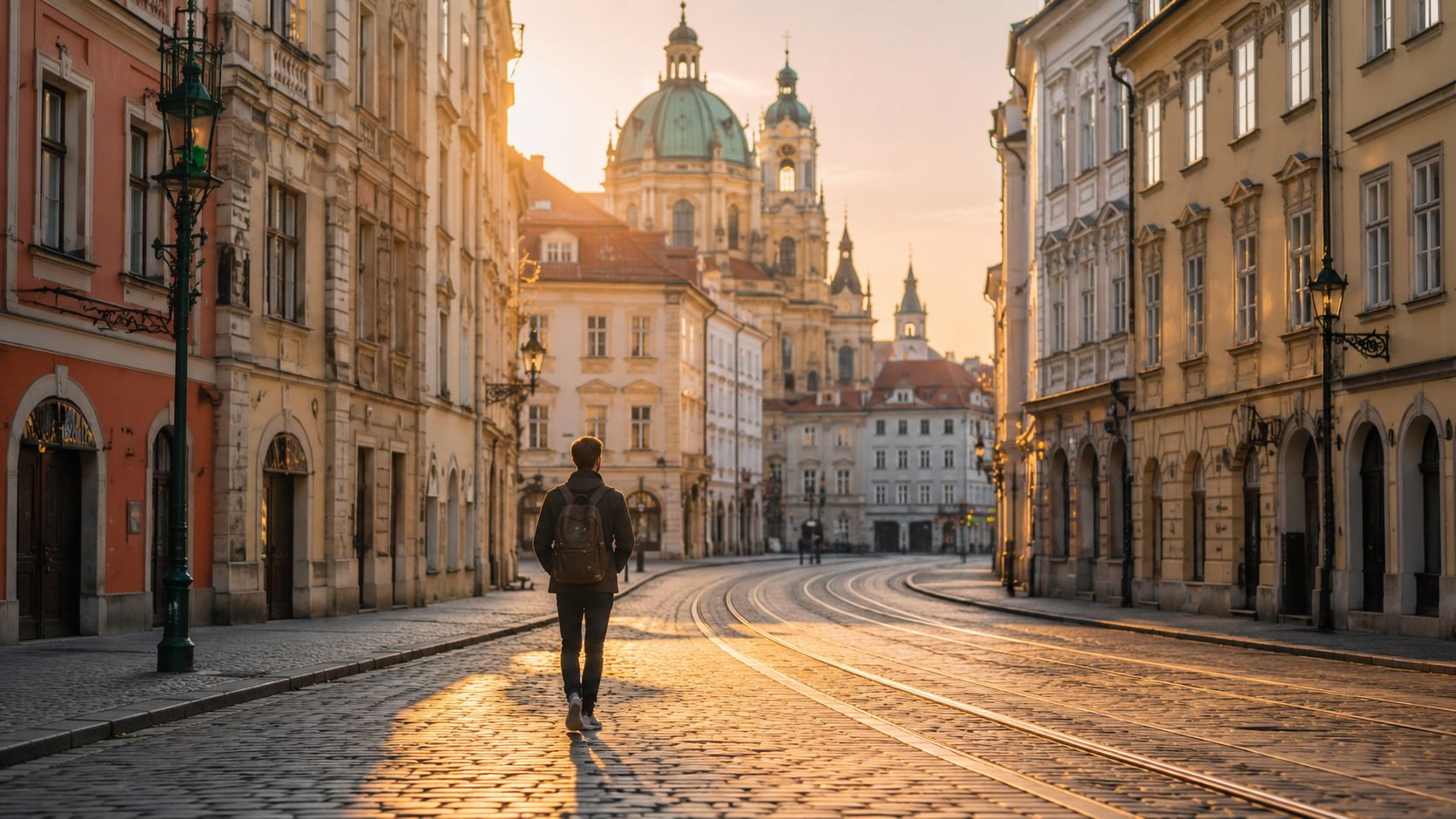
Eastern Europe is what many travelers want Western Europe to be. You still get grand squares, trams, old churches, café culture, and long walks through beautiful city centers. You just don't have to ration every coffee and museum visit.
That value is especially clear in Poland. Regional price comparisons highlighted by BuzzFeed's destination roundup note that Poland and similar Eastern European destinations can come in at roughly four times lower than the Eurozone average, with a full meal and drinks in Poland costing about €10.
Where your money stretches best
Kraków is an easy entry point because the center is compact and the city is rewarding even without a packed activity list. Budapest can still work on a budget if you don't treat it like a nonstop nightlife trip. Romania shines once you leave capital-city pacing behind and let smaller cities and mountain towns set the rhythm. Bulgaria is often best for travelers who want a little more room and a little less hype.
A realistic daily budget here depends on season and style, but a frugal traveler can usually aim for a modest daily spend rather than a survival-mode one. The trade-off is that old-town convenience often costs more than it's worth.
How to keep costs down without feeling deprived
- Stay one neighborhood out: Residential districts usually cut accommodation costs and give you better groceries, bakeries, and cafés.
- Use trams and buses well: City transit is often the cheapest upgrade to your trip because it saves both money and energy.
- Lean into lunch: Midday menus and canteen-style spots often deliver the best local food at the fairest prices.
Old Town is great to visit. It's often a bad place to base your whole budget.
Solo travelers usually find this region comfortable, especially in bigger cities with strong public transport and plenty of daytime foot traffic. Standard city awareness matters more than destination-specific fear. At night, use licensed taxis or app-based rides when available, and don't choose accommodation solely because it's near bars.
3. Mexico (Oaxaca, Mérida, Yucatán Peninsula)
Mexico is one of the best budget travel destinations if you want food, color, history, and easy sensory payoff without crossing an ocean from North America. The mistake is assuming the whole country works at the same price point. It doesn't.
Beach zones built around resort demand can burn through a budget fast. Oaxaca and Mérida usually make far more sense for travelers who want cultural depth and meals that feel memorable instead of performative. Daily budgets vary by season and neighborhood, but these cities tend to reward travelers who eat locally, walk often, and stop trying to prebook every hour.
The smarter version of a Mexico trip
Oaxaca works best when you treat it as a living city, not a checklist. Spend mornings in markets, afternoons in shaded plazas or museums, and leave room for neighborhood meals rather than chasing internet-famous spots. Mérida is calmer and easier to settle into for a longer stay, especially if you want a base for day trips without changing hotels constantly.
If you want coast time, be selective. A few nights can be enough. Long stays in the wrong beach town often turn a budget trip into an overpriced waiting room between swims.
- Most useful transport choice: ADO buses are usually the easiest way to move between major destinations without rental-car stress.
- Best meal strategy: Look for comidas corridas and market lunches instead of all-day tourist brunches.
- Best slow-travel angle: Rent a room or small apartment for a longer stay and use one city as your anchor.
For solo travelers, Mexico rewards situational awareness and common sense. Big-city neighborhoods vary sharply block by block, and resort zones can create a false sense of safety because they feel familiar. Use official transport at night, avoid flashing cash or gear, and ask hosts which nearby areas locals avoid after dark. Confidence helps, but routine helps more.
4. Balkans (Albania, Kosovo, North Macedonia)
The Balkans can feel like Europe before every beautiful place became a content backdrop. Mountains still look wild, bus stations still feel local, and hospitality often arrives without a sales pitch. That's part of the appeal, and part of the challenge.
Albania, Kosovo, and North Macedonia can all be strong budget travel destinations, but they require more price awareness than glossy listicles admit. A feature on affordable destinations also noted hidden costs in underserved areas: in Albania's Riviera, seafood dinners can cost around $10 to $15, yet bottled water and taxis may run two to three times higher than in Greece despite lower lodging prices. The same report says 38% of budget travelers in underserved regions underestimated daily non-lodging expenses by 25 to 40%.
The trade-off most travelers miss
Tirana is lively and good for a few days, but the bigger budget lesson comes on the coast and in smaller towns. In places with less competition, essentials can get weirdly expensive. That doesn't make the Balkans bad value. It means your nightly room rate doesn't tell the whole story.
Lake Ohrid is a good example of where slow travel pays off. Stay longer, walk more, shop locally, and your costs become predictable. Pristina is often best for café culture, conversation, and a few unstructured days rather than a rush of major sights.
Cheap lodging can hide expensive basics. Always price out water, transport, and connectivity before you call a place “budget-friendly.”
For solo travelers, the region can be warm and welcoming, especially in family-run guesthouses. Still, don't improvise late-night arrivals into smaller bus stations, and don't assume coastal transport is simple after sunset. Download offline maps, carry cash for backup, and confirm taxi prices before the ride starts.
5. Central America (Guatemala, Nicaragua, El Salvador)
Central America suits travelers who like active days and layered places. Volcano hikes, language schools, lakeside towns, surf beaches, and colonial streets can all fit into one trip without forcing luxury-level spending.
Guatemala stands out for travelers who want to stay put and build a routine. Lake Atitlán is especially good for that. You can study Spanish, take boats between villages, and spend your money on day-to-day life instead of constant transit. Nicaragua often delivers the same rhythm with a little less pressure. El Salvador appeals to travelers who want a smaller country with easier route planning.
Best done slowly
The region gets expensive when you bounce too fast between shuttle-linked backpacker stops. It gets better when you pick one base and let the place reveal itself over time. Lake towns, colonial cities, and smaller surf hubs all reward that approach.
A daily budget here depends heavily on transport choices and activity style. Chicken buses, market meals, and guesthouses keep costs down. Door-to-door tourist shuttles, imported café habits, and tightly scheduled excursions don't.
- Strongest budget tactic: Use local buses where practical and save private transfers for difficult routes.
- Best cultural investment: Spanish classes often improve the trip more than any tour.
- Best planning habit: Check current local conditions before crossing borders or arriving late into unfamiliar areas.
Solo travelers should think in terms of timing and logistics, not just destination reputation. Arrive in daylight when possible. Ask your accommodation about the safest way from terminal to hostel. On lake and beach routes, group up when moving after dark. The region can be highly rewarding, but smooth trips usually come from simple routines and conservative decisions.
6. Colombia (Bogotá, Medellín, Cartagena)
Colombia pulls in travelers who want cities with personality, not just low prices. Bogotá has grit, scale, museums, and neighborhoods that reward curiosity. Medellín works well for travelers who want a softer landing and a more social base. Cartagena is the expensive outlier, but it can still fit a budget if you treat it as a short stay rather than your whole trip.
The practical question isn't whether Colombia is affordable. It usually is. Instead, the question is where your money disappears. In most cases, it goes to convenience. Airport transfers, trendy cafés, over-planned day trips, and accommodation in the most heavily marketed areas add up faster than people expect.
Where to save and where to spend
Save on lunch, public transport, and neighborhood choice. Spend on a well-located stay in an area where you'll feel comfortable walking, eating, and returning at night. That balance matters more than squeezing every dollar.
Medellín is a good city for this approach. If you choose a practical neighborhood and use the Metro, your days stay manageable. Bogotá rewards walkers and museum lovers who don't mind cooler weather and some urban intensity. Cartagena makes more sense as a controlled splurge within a broader Colombia itinerary.
Colombia is easiest on a budget when you build ordinary days, not nonstop highlights.
Solo travelers need to be more alert here than in some other destinations on this list. That doesn't mean paranoid. It means practical. Keep your phone use discreet on the street, use trusted transport at night, and don't let nightlife decide your logistics for you. Many great trips here come from daytime exploration and disciplined evenings.
7. Portugal (Lisbon, Porto, Algarve)
Portugal is where many travelers go when they want Europe without the full Western Europe bill. It isn't rock-bottom cheap, but it often delivers better value than neighboring countries if you stay long enough to stop paying tourist prices for everything.
Lisbon can fool travelers into overspending because it's so easy to romanticize. Scenic tram rides, rooftop drinks, and central stays add up quickly. Porto tends to feel gentler on the wallet. Smaller towns and less-hyped neighborhoods often make the strongest long-stay bases because daily life becomes simpler and cheaper.
How to make Portugal feel affordable
The first fix is accommodation. Don't chase the most photographed districts unless you're only in town briefly. The second is meal timing. Lunch often gives better value than dinner, and neighborhood tascas are where your budget starts to breathe again.
A realistic daily budget here usually sits above Southeast Asia or Central America, but Portugal earns its place among budget travel destinations because of how much comfort, walkability, and infrastructure you get in return. If you're slow traveling, that trade can be excellent.
- Best long-stay move: Rent by the week or longer when possible instead of booking one-night blocks.
- Best rail habit: Take trains between cities rather than last-minute intercity alternatives.
- Best food pattern: Make lunch your main meal and keep dinner simple.
For solo travelers, Portugal is one of the easier destinations on this list. Public transport is strong, city centers are navigable, and it's easy to build a day around walking. Standard urban caution still applies in nightlife zones and on crowded trams. If you want low stress and solid quality of life, Portugal is hard to beat.
8. India (Rajasthan, Goa, Kerala)
India gives budget travelers range. You can spend very little and still have days full of color, movement, architecture, and unforgettable meals. You can also burn out quickly if you try to do too much too fast.
That's the central trade-off. India is affordable in a way that opens doors, but it asks for patience. Trains, traffic, noise, heat, and decision fatigue can wear down travelers who mistake “cheap” for “easy.” Rajasthan, Goa, and Kerala often make better starting points because each offers a more coherent rhythm than a frantic multi-city sweep.
Choose your version of India carefully
Rajasthan suits travelers who want forts, markets, old cities, and dramatic scenery. Kerala often works better for slower travel, especially if you want greenery, waterways, and a calmer pace. Goa is highly variable. Some pockets are social and easy. Others are overbuilt, noisy, or detached from local life.
A workable daily budget depends on your comfort threshold, but India remains one of the places where simple guesthouses, local meals, and train travel can stretch your funds far. The best way to keep the experience enjoyable is to protect your energy, not just your wallet.
- Best route choice: Fewer stops, longer stays.
- Best booking habit: Reserve your first nights and your key train legs, then leave space around them.
- Best money saver: Eat local and stay in locally run places rather than international-style comfort bubbles.
Solo travelers, especially solo women, should treat planning as part of the budget. Paying a bit more for a reputable stay, daytime arrival, or prearranged pickup can be worth it. Dress with context in mind, stay firm with unwanted attention, and don't let anyone pressure you into changing transport or accommodation plans on arrival.
9. Indonesia (Bali, Yogyakarta, Java)
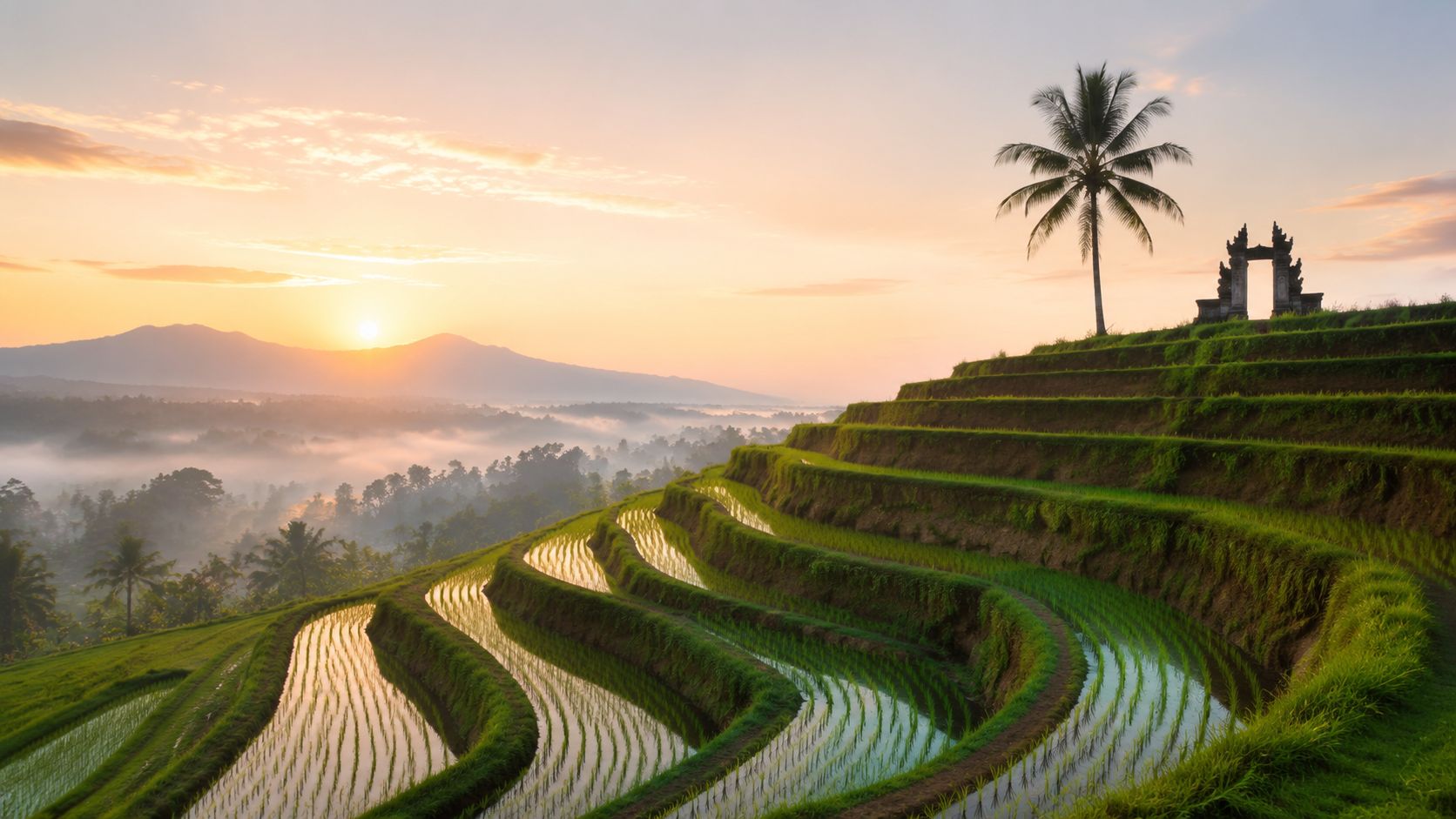
You land in Bali, pay beach-town prices for a scooter and a smoothie bowl, sit in traffic for an hour, and start wondering why Indonesia is still on budget travel lists. Then you get to Yogyakarta or spend time crossing Java by train, and the math changes fast.
Indonesia is still a strong budget destination, but only if you stop treating Bali as the whole country. Bali can be rewarding, especially for a longer stay in the right area, yet it often stops being cheap the moment travelers follow the standard Canggu, Seminyak, Ubud circuit without looking at how they are spending.
A realistic daily budget is often around $25 to $45 for budget travelers in Yogyakarta and many parts of Java, with simple rooms, local meals, and regular transport. Bali usually sits higher, often $35 to $65 a day unless you slow down, rent longer, and avoid the most marketed neighborhoods. The trade-off is clear. Bali is easier for social travel and short-term comfort. Java and Yogyakarta usually give better value, stronger cultural texture, and fewer days that feel built around tourist pricing.
Choose Indonesia by pace, not by hype
Yogyakarta is one of the best bases in the country for travelers who want affordability without feeling cut off from great experiences. You get temples, neighborhoods with daily life still at the center, excellent food, and enough structure to stay comfortable without overspending.
Java works well for travelers who like movement with purpose. Train travel links cities and natural areas in a way that keeps costs controlled while making the journey itself part of the trip. Volcano routes and smaller cities reward patience more than speed.
Bali still earns a place on this list. It just rewards selectivity. Stay longer in one area, book a guesthouse or monthly room instead of hopping villas, and treat paid activities as occasional extras rather than a daily habit.
- Typical daily budget: $25 to $45 in Yogyakarta and much of Java. $35 to $65 in Bali, depending on area and accommodation style.
- Best slow-travel choice: Yogyakarta for culture and easy routines. East or Central Java for train-based travel and nature. Bali for a longer stay in one base, not constant repositioning.
- Best way to keep costs down: Use local warungs, compare transport prices before you move, and avoid building the trip around Instagram-famous cafes, drivers, and day tours.
Solo travelers usually find Indonesia approachable, but logistics create more problems than people do. Ferry schedules shift, transfers run late, and informal drivers may quote one price online and another on arrival. Build buffer time into island moves, arrive before dark when possible, and confirm pickup details in writing. Solo women often do well here with a few extra filters: choose well-reviewed stays, be cautious with late-night transport, and do not let anyone rush you into changing ports, cars, or accommodation plans on the spot.
10. Georgia (Tbilisi, Caucasus Region)
Land in Tbilisi, drop your bag at a family-run guesthouse, pay a few coins for the metro, and suddenly a long stay starts to look realistic. Georgia works for budget travelers because daily life is inexpensive, the food has range, and short trips from the capital lead to mountain villages, wine country, and old monastery towns without the price jump you get in much of Europe.
A practical daily budget sits around $30 to $50 in Tbilisi if you stay in a simple private room or hostel, use local transport, and eat the way residents do. Costs rise in Kazbegi, Svaneti, and other mountain areas where transport is limited and weather can disrupt plans. Georgia still delivers strong value, but the trade-off is predictability. You save money here by staying longer in one base and moving less often.
Why Georgia works so well for slow, affordable travel
Tbilisi is one of those cities where a low-cost day still feels full. Walk the old streets in the morning, stop for khachapuri or lobio, use the metro and buses to cross town, then settle into a cafe or sulfur bath district without feeling pressure to buy your way through the day. That matters on a two-week or one-month trip.
For slower travel, Tbilisi makes the best base. Kutaisi is another strong option if you want lower accommodation costs and easier access to western Georgia. Signagi works well for a quieter wine-region stay, especially for travelers who want a few restful days instead of a checklist. Kazbegi is worth it for the scenery, but it is better as a short stay than a long budget base unless hiking is the main purpose of the trip.
Guesthouses are where Georgia often beats more obvious budget destinations. Hosts frequently help with meals, shared rides, trail advice, and honest local recommendations. That kind of hospitality saves money in practical ways, not just sentimental ones.
- Typical daily budget: $30 to $50 in Tbilisi. $40 to $70 in mountain regions, depending on transport and season.
- Best slow-travel choice: Tbilisi for day-to-day ease and longer routines. Kutaisi for a cheaper regional base. Signagi for a slower wine-country stay.
- Best way to keep costs down: Base yourself in one city, use guesthouses, eat at local bakeries and casual restaurants, and avoid private transfers unless you are splitting the cost.
Solo travelers usually find Georgia welcoming, but this is not a place to treat logistics casually. Marshrutkas are cheap and useful, though schedules can be vague and stations are not always obvious for first-timers. In mountain areas, weather changes fast, roads close, and arriving after dark can leave you with few good options. Carry cash outside major centers, download offline maps, and confirm guesthouse locations before you set out. Solo women often do well here with the same smart filters that help anywhere. Book well-reviewed stays, be cautious with isolated late-night arrivals, and do not let anyone rush you into a car or route change you did not plan.
10 Budget Travel Destinations Compared
| Destination | Complexity 🔄 | Budget & logistics ⚡ | Expected quality & impact ⭐📊 | Ideal use cases | Key advantages 💡 |
|---|---|---|---|---|---|
| Southeast Asia (Thailand, Vietnam, Cambodia) | Low, well-established backpacker routes; visa-on-arrival common; some rural language gaps 🔄 | ⚡ $15–50/day; extensive cheap transport, hostels, street food | ⭐⭐⭐⭐, High cultural immersion and excellent value 📊 | Slow travel, solo backpacking, adventure activities | 💡 Exceptional affordability, street food culture, strong hostel communities |
| Eastern Europe (Poland, Hungary, Romania, Bulgaria) | Moderate, good infrastructure in cities, regional language barriers 🔄 | ⚡ $25–40/day; reliable trains, low-cost flights | ⭐⭐⭐⭐, Strong historic/cultural value with modern amenities 📊 | Budget European city breaks, culture trips, digital nomads | 💡 Western-style comfort at 40–60% lower costs than Western Europe |
| Mexico (Oaxaca, Merida, Yucatán) | Moderate, close to North America, safety varies by region; Spanish useful 🔄 | ⚡ $25–40/day outside resorts; reliable intercity buses (ADO) | ⭐⭐⭐⭐, High culinary and cultural impact; great for longer stays 📊 | Culinary travel, sustainable cultural tourism, North American proximity | 💡 World-class food at street prices, rich indigenous markets |
| Balkans (Albania, Kosovo, N. Macedonia) | Moderate, limited rural infrastructure, fewer flights; local transport common 🔄 | ⚡ $20–35/day; buses/furgons, family guesthouses | ⭐⭐⭐⭐, Authentic, low-crowd experiences with strong landscapes 📊 | Undiscovered Europe, beaches & mountains, budget long stays | 💡 Lowest prices in Europe and genuine local interactions |
| Central America (Guatemala, Nicaragua, El Salvador) | Moderate, safety and transport vary; Spanish immersion possible 🔄 | ⚡ $20–35/day; chicken buses, affordable language schools | ⭐⭐⭐, Strong adventure and cultural immersion; variable safety impact 📊 | Spanish study, volcano trekking, biodiversity-focused trips | 💡 Affordable immersion programs and rich indigenous cultures |
| Colombia (Bogotá, Medellín, Cartagena) | Low–Moderate, improved safety in tourist areas; good urban transit 🔄 | ⚡ $25–40/day; cheap local transport, hostel networks | ⭐⭐⭐⭐, Vibrant urban culture, food, and coffee region impact 📊 | Urban culture, digital nomad hubs, coffee tourism | 💡 Excellent food scene, welcoming communities, strong value |
| Portugal (Lisbon, Porto, Algarve) | Low, first-world infrastructure; peak-season crowds 🔄 | ⚡ $35–50/day; good trains, co-working options | ⭐⭐⭐⭐, High comfort and cultural quality within Europe 📊 | Slow travel, digital nomads, coastal & culinary trips | 💡 Best value in Western Europe with strong safety and services |
| India (Rajasthan, Goa, Kerala) | High, large cultural adjustment; variable healthcare and hygiene 🔄 | ⚡ $15–30/day; extensive train network, cheap long-term options | ⭐⭐⭐⭐, Very high cultural/spiritual impact for those prepared 📊 | Spiritual retreats, wellness, deep cultural immersion, budget long stays | 💡 Unmatched value for immersive experiences and wellness programs |
| Indonesia (Bali, Yogyakarta, Java) | Moderate, island logistics, Bali commercialization; monsoon season 🔄 | ⚡ $15–30/day; island hopping, cheap local transport | ⭐⭐⭐⭐, Strong natural, cultural and wellness experiences 📊 | Yoga/wellness, art & craft immersion, diving/island life | 💡 Rich temple culture, affordable retreats, great for longer stays |
| Georgia (Tbilisi, Caucasus) | Low–Moderate, visa-free access for many, developing transport; watch geopolitics 🔄 | ⚡ $20–35/day; marshrutkas, cheap homestays | ⭐⭐⭐⭐, High hospitality and scenic impact, strong wine culture 📊 | Wine tourism, trekking, growing digital nomad base | 💡 Visa-free long stays, outstanding hospitality and value |
Your Journey Starts Now
You find a guesthouse that feels safe, settle into a neighborhood café by the second morning, and realize your daily budget still has room for a cooking class or one more night. That is a key advantage of affordable travel. Lower costs give you better options, not just cheaper ones.
Use this list as a practical filter, not a ranking. Each destination comes with a rough daily budget, a slower way to experience it, and safety context that matters if you are traveling alone. That framework helps separate places that are merely inexpensive from places that are a good fit for the kind of trip you want.
Trip style matters. Southeast Asia still suits travelers who want an easy social rhythm and flexible routes. Eastern Europe and Portugal make more sense for travelers who care about walkable cities, architecture, and solid infrastructure. Mexico and Georgia stand out for travelers who plan days around meals, markets, and local culture. Central America, India, and Indonesia reward longer stays, basic language effort, and patience with local routines.
One base usually beats ten highlights.
Slow travel cuts transport costs, reduces tired decisions, and gives you the local familiarity that improves both spending and safety. You stop paying premium prices every time you arrive somewhere new. You learn which bus to trust, which street to avoid late, where to buy breakfast, and which neighborhood fits your pace.
Solo travelers benefit from that rhythm even more. Repeated routes, accommodation with reliable reviews, daylight arrivals, offline maps, and backup cash often matter more than a destination's reputation on paper. A place can be cheap and still wear you down if every move takes extra effort. Another can cost a bit more each day and still deliver better value because it feels stable, easy to read, and less prone to costly mistakes.
Budget numbers never tell the whole story. Some destinations stay affordable on the ground but become tiring because of long transfers or constant negotiation. Others look cheap until intercity transport, tours, or convenience spending starts piling up. The smarter choice is the one that fits your energy, risk tolerance, and interest in staying put long enough to get beyond the obvious stops.
At Travel Talk Today, that is the kind of travel worth encouraging: practical, affordable, and rooted in real experience. Use this guide to choose the destination that matches your budget, comfort level, and travel style, then visit Travel Talk Today at Pack Light Journeys for more practical planning tools, budgeting ideas, and stories built around meaningful travel.
If you want help turning inspiration into an actual itinerary, visit Travel Talk Today for practical guides, budget-friendly travel ideas, and planning resources that make affordable trips easier to map out with confidence.