At dawn, the trailhead is quiet except for the scrape of buckles and the paper rustle of a permit folder tucked inside a jacket pocket. You've got the map, the boots, the snacks, and one nagging question, which mountain, canyon, or ridge is worth the money, the time off, and the booking stress. The wrong choice costs you more than a missed photo. It can mean crowds, bad weather, inflated prices, or a trip that looks amazing online and feels ordinary on the ground.
This list cuts through that noise. These are the best destinations for hiking if you want real trail value, not just a postcard stop. I've chosen places that reward planning, because the best hikes often demand it, from permit windows and acclimatization to guide vetting and off-peak timing. If you're traveling on a budget, going solo, or trying to stretch one big trip into something memorable, these are the destinations that deserve a place at the top of your list.
1. Machu Picchu Trek, Peru
The Machu Picchu trek earns its legend because it gives you more than a famous finish line. You're walking through the Andes toward one of the most recognizable archaeological sites in the world, and the journey matters as much as the citadel itself. For budget-conscious travelers, it's one of the strongest long-haul hiking choices because you can pair a meaningful trek with time in Cusco and a route that feels cultural, not just scenic.
Use a local Cusco operator if you want to keep costs down, but vet them hard. Ask who carries group gear, how porters are treated, whether meals are included, and what happens if weather shuts a route down. If you prefer a smoother logistics chain, bigger outfits like Intrepid Travel or G Adventures can simplify the process, but you'll pay for that convenience in group size and flexibility.
Booking and timing that actually matter
Book well ahead for peak season, because the permit system doesn't reward procrastination. Spend at least a few days acclimatizing in Cusco before you step onto the trail, and carry layers because altitude changes the weather fast. If you want fewer people without giving up the experience, aim for a shoulder-season window like May or early September.
A shorter Salkantay variation is the smarter move if you want dramatic scenery without the most crowded route pressure. It's also a better fit for solo travelers who want a strong itinerary without being trapped in a rigid group dynamic.
Practical rule: If an operator won't explain porter pay, meal logistics, and refund terms in plain language, walk away.
For trip prep around Peru, this Lima travel planning guide helps you build a smarter arrival plan before you head into the mountains.
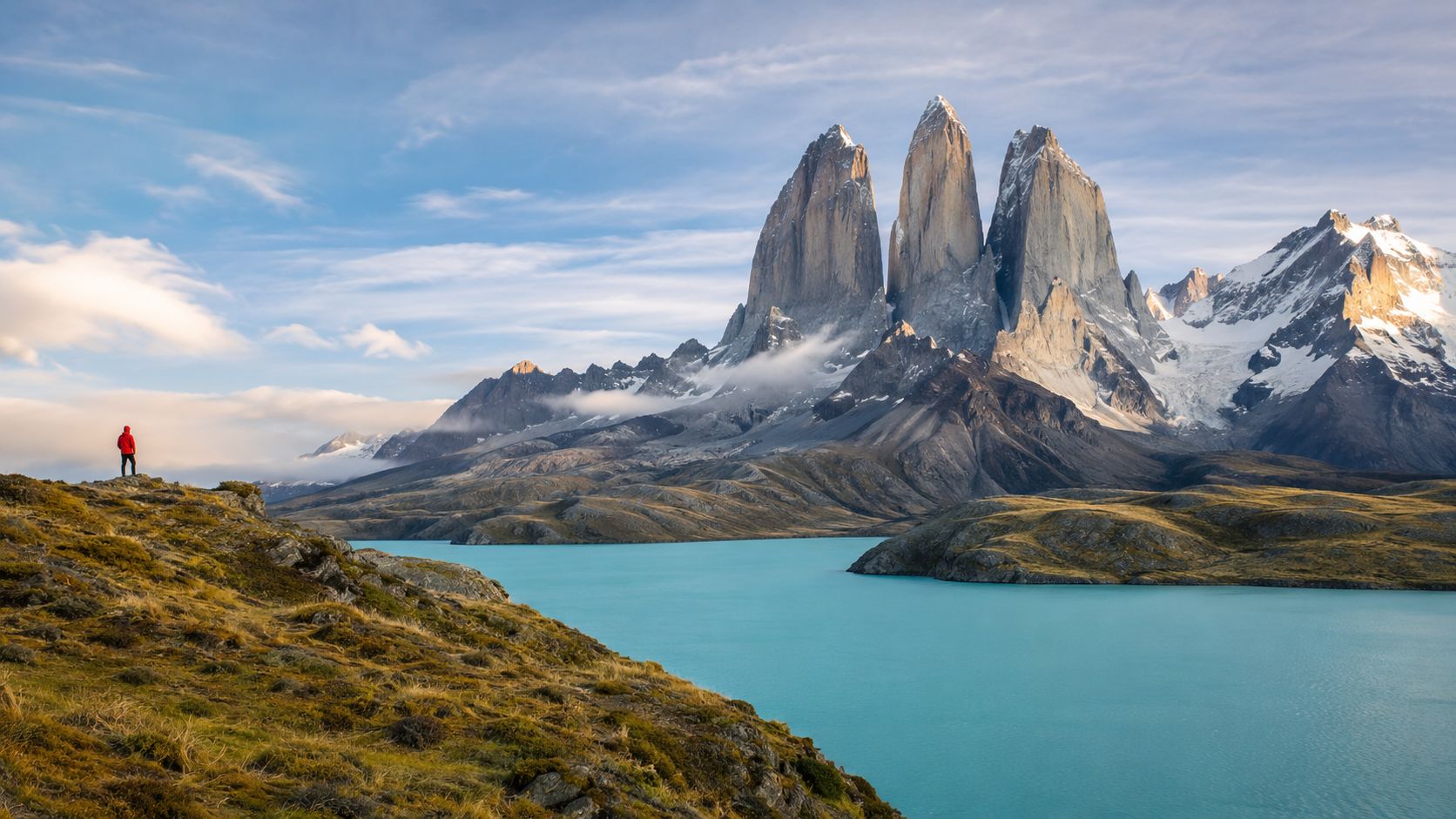
2. Torres del Paine Circuit, Patagonia, Chile
Torres del Paine is where you go when you want Patagonia without any illusion that it will be easy. The circuit is dramatic, raw, and exposed, with glacial lakes, granite towers, and weather that can flip on you hour by hour. It's ideal for experienced hikers who'd rather trade comfort for solitude and a serious sense of place.
Choose your route based on confidence, not ego. If the full circuit feels like too much, start with the W Trek first. That's the more forgiving version and a better test if you've never carried a pack through strong wind and mixed conditions for multiple days.
How to handle the logistics
Book refugios ahead if you're traveling in the busier season, but keep your plan flexible if you're going off-peak. Independent hikers do complete the route using the refugio network, and that's often the best budget play if you're comfortable planning food and pacing yourself. Pack a windproof, waterproof shell and don't underestimate how fast the weather can change, because this is the kind of place where a calm morning can become a miserable afternoon.
Puerto Natales is the right staging town if you want to arrive early, check gear, and reset before the trail starts.
If you want a broader South America trip built around Patagonia, this South America itinerary resource is worth lining up before you commit flights and lodging.
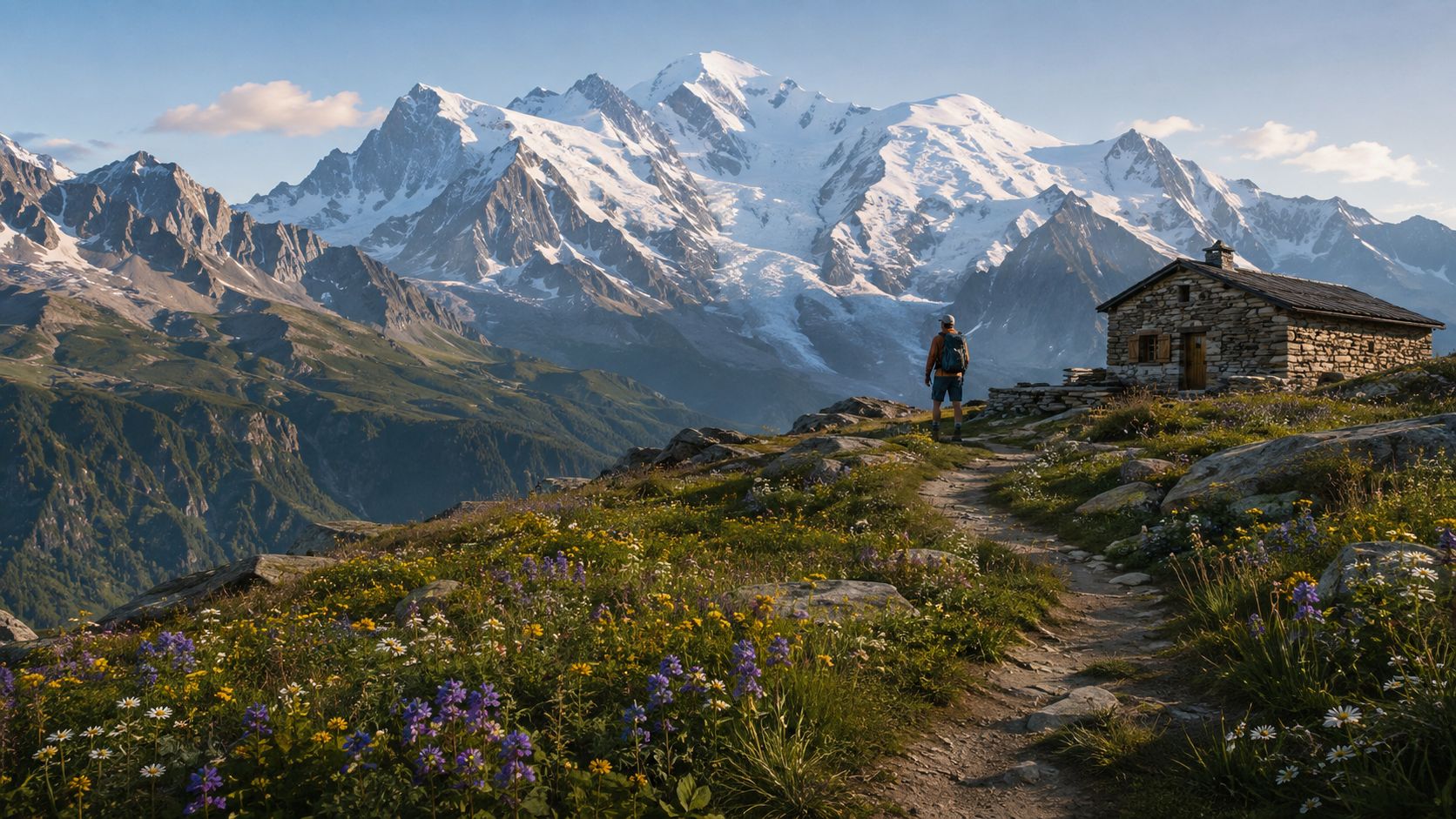
3. Mont-Blanc Massif, French Alps
The Mont-Blanc Massif is the polished alpine option, and that's exactly why it belongs on this list. The infrastructure is strong, the scenery is elite, and the hiking range is wide enough to suit everything from strong trekkers to people who want a taste of high mountain terrain without committing to a summit push. If you want European hiking with clear logistics and serious scenery, this is one of the cleanest bets.
Do the trekking routes first. The Tour du Mont Blanc is the better starting point, especially if you're trying to judge your comfort with altitude, exposure, and hut-to-hut travel before attempting anything harder. For summit ambitions, hire a local IFMGA guide through a Chamonix guide office. This isn't the place to freelance your safety.
What to book and what to skip
Book hut beds ahead if you're traveling in the most popular windows, but don't assume every night needs to be locked months out. June and September are the smartest times if you want fewer people and decent conditions. Base yourself in Chamonix for a couple of days before going high so you can acclimatize, sort gear, and decide whether your body is handling the load.
If time or fitness is limited, the Mer de Glace train gives you a lower-commitment way to see the area's scale without pretending you're ready for a bigger objective. That's a better budget decision than forcing a summit day you're not prepared for.
Rule of the range: On glacier country, sun protection is not optional, because reflected light can punish you fast.
For route ideas across the continent, this Europe backpacking routes guide fits neatly into a wider alpine trip plan.
4. GR20 Trek, Corsica, France
The GR20 is for hikers who want a real test and don't care about luxury. Corsica's mountain spine is rugged, remote, and unforgiving in the best way, with granite, forest, village stops, and long days that demand fitness and restraint. It's one of the best hiking choices for travelers who want hard-earned solitude rather than polished convenience.
Start with respect for the route. The north section is tougher, so June is the better time if you want to tackle that side first. The south section is a little more forgiving in September, which makes it the better choice if you're splitting the trek or easing into the island's terrain.
Budget tactics that still make sense
Book refuges immediately when you lock in your accommodation, because they fill quickly. Keep your pack light, carry water purification tablets, and start early each day so you're not exposed when afternoon storms build. If you're unsure about your ability, go with a more experienced hiking partner for the opening days, because this is one route where overconfidence causes real problems.
Porter service is worth considering if you're committed to the route but don't want to grind your knees down under a heavy load. Local family-run refuges and mountain huts are part of what makes the trek feel authentic, so support that ecosystem instead of treating it like a cheap obstacle course.
The GR20 rewards discipline more than speed. Hike early, carry less, and don't try to prove anything on day one.
For more off-the-radar travel ideas that fit the same mindset, this off the beaten path destinations guide is a useful companion.
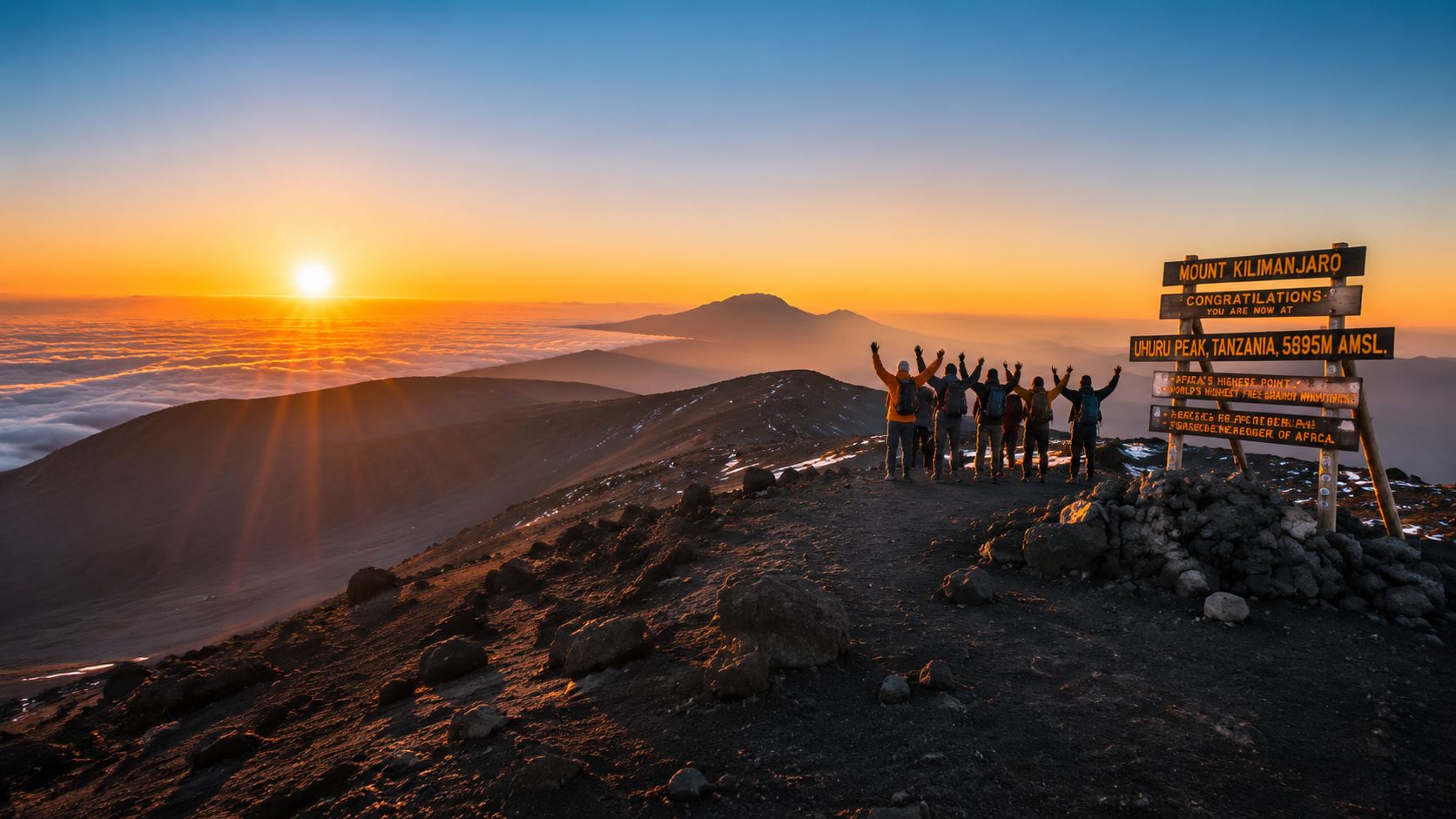
5. Kilimanjaro Summit Trek, Tanzania
You do not climb Kilimanjaro for technical drama. You climb it for altitude, patience, and a summit day that exposes every weak decision you made before you arrived. That makes it one of the best hiking destinations for travelers who want a real high-altitude challenge without ropes, ice tools, or alpine climbing experience, but it also punishes anyone who treats the mountain like a casual fitness goal.
Choose your operator with care, and be strict about Tanzania-specific standards. Look for ATTA-certified providers, then ask how they handle altitude emergencies, oxygen availability, evacuation planning, and guide-to-porter ratios on the route you want. High-altitude porter management is where cheap trips usually break down, so insist on clear load limits, on-mountain supervision, and proof that the crew is trained to spot altitude problems before they become rescues. If an operator cannot explain those details plainly, skip them.
The right route is the one that helps you acclimatize
Lemosho and Rongai are the smarter picks if you want better acclimatization and fewer people on the trail. Take the longer six- or seven-day versions instead of compressing the climb, because shortcutting the schedule is the fastest way to lose a summit chance. Arrive in Arusha a little early, give your body time to settle, and discuss altitude medication with your doctor if that belongs in your plan.
Permit timing and logistics matter here, especially if you are trying to keep costs under control. Book early enough that you can compare operators properly, not just grab the first available package, and make sure the quote spells out park fees, guide service, porter pay, meals, and emergency coverage. If you want a wider East Africa trip after the climb, this affordable African safari guide helps you plan the next leg without blowing your budget.
A serious operator should also explain what happens if someone develops altitude symptoms mid-climb, how descent decisions are made, and who carries the authority to turn the group around. That conversation tells you more than glossy marketing ever will.
Operator check: In Tanzania, the standard is simple, ATTA certification, clear emergency protocols, and a straight answer on how the team protects porters and responds when altitude stops the climb.
6. Kungsleden, Swedish Lapland, Sweden
Kungsleden is the smart pick if you want wilderness without chaos. Swedish Lapland gives you Arctic tundra, alpine meadows, hut access, and a trail network that feels built for independent hikers who like simplicity over spectacle. It's one of the best destinations for hiking if your budget is moderate and your goal is quiet, organized solitude.
Plan around hut availability if you're traveling in July, and keep your other dates flexible. June and early September are the better windows if you want fewer crowds and fewer mosquitoes, which matters more than people admit. Bring a head net, because this is not an optional comfort item in midsummer.
The infrastructure is the point
STF huts make the route more approachable, and the official trail network is managed with unusual care. That means you can carry less, adjust your pace, and still stay in a wilderness setting that feels remote. If weather turns or your knees protest, boat services between huts can save your trip without ruining it.
Download offline maps before you go, because cell coverage is spotty and you should not depend on signal to keep you oriented. Pack layers even in summer, because Arctic weather doesn't care about your calendar.
If you want a first solo long trail in the far north, Kungsleden is a good place to learn how much comfort a well-run hut system can buy you.
This is a trail for budget travelers who value stability, not for people who need constant drama. That's why it works.
7. Overland Track, Tasmania, Australia
The Overland Track is one of those routes that makes independent hiking feel smart again. Tasmania gives you temperate rainforest, alpine plateaus, and ancient mountain scenery in a compact wilderness package that doesn't require a luxury budget. If you want a classic long walk with strong biodiversity and decent logistical support, this is a serious contender.
Book ahead if you're traveling in summer, because the busiest period fills first. October, November, March, and April are the sweet spots if you want better weather and fewer people. If you hate dragging wet gear for days, this is the route to treat like a weather puzzle, not a casual holiday.
What to pack for real Tasmanian weather
Bring excellent waterproof rain gear and expect multiple rainy days. A lightweight tent is still worth carrying even if you plan to use huts, because space is limited and flexibility matters. Water is usually available, but purification stays smart.
Start from the Cradle Valley side if you want the easier terrain early. That gives your body a better chance to settle in before the route asks more of your legs and feet.
Budget move: If you're sharing the load with a friend, split the tent and cooking gear, then keep your personal packs light enough to enjoy the trail instead of surviving it.
For travelers who like an itinerary with structure and room to breathe, Tasmania delivers. It's wild without being punishingly complicated.
8. Everest Base Camp Trek, Nepal
Everest Base Camp is iconic for a reason. The Khumbu region blends big mountain scenery with Sherpa culture and teahouse logistics that make a high-altitude trek feel possible for committed hikers who are willing to prepare. It's a classic, but it's still worth doing if you want one of the most recognizable trekking corridors in the world.
Don't rush it. Namche Bazaar is where many hikers make the mistake of pushing too hard, and that's exactly where you should respect rest and acclimatization. Build in pauses, sleep properly, and keep your layering system ready because nights get cold fast.
How to make the trip smoother and safer
Book Lukla flights and teahouse beds early in the high season, and choose a reputable operator that treats porters well. That matters more than glossy marketing. If you want a different crowd pattern and a fresh viewpoint, the Gokyo Lakes route gives you a strong alternative with fewer people.
Solo travelers can absolutely do this route, but only if they're disciplined about pacing and self-care. Teahouse infrastructure makes it accessible, not casual.
Best practice: Treat the trek like a series of altitude decisions, not a straight line to a destination.
The value here is cultural as much as scenic. You're not just checking off a famous base camp. You're moving through a lived-in mountain world.
9. Annapurna Circuit, Nepal
Annapurna Circuit is the more flexible, more varied Himalayan choice for travelers who want cultural immersion without tying the entire trip to one high-profile summit objective. The mix of villages, climates, and high passes gives the route a rhythm that keeps it interesting day after day. If you want a big mountain trek that still feels human and accessible, this belongs near the top of your list.
Plan extra acclimatization around Thorong La. That pass demands respect, and anyone treating it like a casual crossing is making a mistake. Carry cash, because ATM access gets limited once you move beyond the main towns, and don't assume you'll be able to solve money problems trail-side.
Flexible planning beats rigid optimism
Book popular teahouses in the busy season, but keep your route flexible. That flexibility helps if weather changes, if you feel the altitude more than expected, or if you decide to tack on a side trip like Poon Hill. Independent trekkers do well here because the infrastructure supports autonomy without forcing it.
If you've talked with a doctor about altitude medication, this is one of the places where that planning can pay off. Just don't use medication as a substitute for pacing and rest.
The Annapurna Circuit is a better trip when you stay adaptable. Let the mountain set the rhythm, not your original spreadsheet.
It's a strong option for solo travelers who want social trail towns, clear logistics, and enough variety to keep the journey from feeling repetitive.
10. John Muir Trail, Sierra Nevada, USA
The John Muir Trail is the American long-distance answer for hikers who want a high-country trip with real planning demands. It runs through some of California's most iconic Sierra scenery, and it rewards patience, fitness, and disciplined gear choices. If you're looking for one of the best destinations for hiking in the United States, this is a top-tier choice.
Permits matter here, so apply early or use the lottery for peak season. Resupply planning matters too, because a long trip in the Sierra is not the place to improvise food. Train with your pack, practice using bear canisters, and start early each day so you clear exposed sections before afternoon storms and heat build.
Why this trail stands out
The John Muir Trail gives you classic American backpacking culture without feeling commercialized. It is a long commitment, and that is exactly why it works. You earn the views, and the trail pays you back with granite, lakes, passes, and clear alpine air.
Solo hikers on a budget get real value here if they plan well. The trail still asks for serious cash management, because permits, resupply choices, and transport can add up fast if you leave everything to the last minute. Off-peak starts, careful permit timing, and a simple food plan make the trip far easier to keep under control.
If you are not ready for the full line, do not pretend otherwise. Build toward it on shorter Sierra trips first, then come back when your feet, lungs, and pack systems are ready for the distance.
The hikers who enjoy this trail most are the ones who arrive organized and leave room for the mountain to surprise them.
For a broader sense of how U.S. trails stack up, the scale is hard to beat. A Titan Travel ranking counted 253,793 hiking trails in the United States and 49,365 hiking trails in the UK, which is why the U.S. remains the clearest broad-based option for hikers who want variety, flexibility, and route depth in one country. Read the ranking that placed the United States first
Top 10 Hiking Destinations Comparison
| Trail | 🔄 Complexity | ⚡ Resources (time / cost / gear) | 📊 Expected outcomes | ⭐ Ideal use cases | 💡 Tips |
|---|---|---|---|---|---|
| Machu Picchu Trek, Peru | Moderate → Challenging (high altitude ~13,100 ft; permit rules) | 4–5 days; $500–1,500 (trek) + Inca Trail permit; guided recommended; train transfer | Iconic Incan ruins, strong cultural immersion, dramatic mountain scenery | Budget cultural travelers seeking historic & scenic trek | Book Inca Trail permits 3–6 months ahead; acclimatize 2–3 days in Cusco |
| Torres del Paine Circuit, Chile | Challenging (long days, exposed terrain, volatile weather) | 8 days; $1,200–2,000 total; refugios or camping; park fee (~$80) | Remote glacial peaks, turquoise lakes, solitude and photography opportunities | Experienced hikers wanting raw Patagonian wilderness | Visit Dec–Feb; reserve refugios 2–3 months; bring windproof/waterproof gear |
| Mont-Blanc Massif, French Alps | Moderate → Very Challenging (technical for summit) | 4–10+ days; $1,500–3,000; huts €50–150/night; easy access via Geneva | High-alpine scenery, possible summit attempts, European hut culture | Alpine mountaineers and hikers wanting strong infrastructure | Hire IFMGA guide for summit; book huts 1–2 months; go Jul–Sep |
| GR20 Trek, Corsica | Very Challenging (scrambling, long daily efforts) | 15 days; $1,000–1,500; mountain refuges €30–50/night; minimal services | Rugged traverse, intense physical challenge, remote landscapes | Highly fit hikers seeking a sustained technical challenge | Book refuges early; start North in June; consider porters for heavy loads |
| Kilimanjaro Summit Trek, Tanzania | Moderate (non-technical but extreme altitude to 19,341 ft) | 5–7 days; $1,000–2,000; permits ~$150–200; guide/porter system | Summit Uhuru Peak, five ecological zones, strong local employment impacts | Summit-seekers without technical climbing skills | Choose Lemosho/Rongai for acclimatization; use ATTA-certified operators; consider Diamox |
| Kungsleden (King's Trail), Sweden | Easy → Moderate (well-marked, low technical demand) | 3–5 days (popular sections); $900–1,500; huts $40–70/night; public transport access | Arctic tundra, midnight sun, reliable hut network and solitude | Budget Nordic hikers wanting accessible Arctic wilderness | Bring head net for mosquitoes; visit June or early Sept for fewer bugs/crowds |
| Overland Track, Tasmania | Moderate (mud, variable weather; permit quota) | 5–6 days; $800–1,300 AUD total; booking fee/quota; shuttle options | Temperate rainforest, unique biodiversity, managed wilderness experience | Independent hikers seeking short, biodiverse wilderness trek | Book permits 3–6 months ahead; pack excellent waterproof gear |
| Everest Base Camp Trek, Nepal | Moderate → Challenging (high altitude ~17,600 ft; Lukla flights) | 12–14 days; $1,200–2,500; permits/teahouse lodging; guide/porter common | Iconic EBC views, Sherpa cultural immersion, established teahouse logistics | High-altitude trekkers seeking famous Himalayan route | Acclimatize in Namche; book Lukla flights/teahouse beds early; choose reputable operator |
| Annapurna Circuit, Nepal | Moderate → Challenging (long days, high pass Thorong La) | 10–18 days; $800–1,800; ACAP/TIMS permits; teahouse resupply | Diverse climates and cultures, panoramic Himalayan vistas, flexible itineraries | Trekkers wanting varied ecosystems with teahouse comfort | Allow extra acclimatization for Thorong La; carry cash for remote services |
| John Muir Trail, USA | Moderate → Challenging (long distance ~211 miles, high passes) | ~3 weeks for full trail; $800–2,000; wilderness permit required; backcountry gear | Classic Sierra Nevada alpine experience, Mount Whitney terminus | Long-distance backpackers seeking iconic American high-country trek | Apply early for permits; plan resupplies and practice bear-canister use |
Pack Light, Plan Smart, Start Booking
Pick your destination, then lock in the permit the same day you decide. That single move saves the most money and stress, because the best hiking trips are often won or lost on timing before you even buy a flight. Set a 4- to 6-month savings runway, especially for international treks, because transportation, permits, lodging, and guide fees add up fast even when you travel lean.
Vet operators with the same care you'd use for a solo city stay. Ask about fair porter wages, guide certification, refund rules, meals, and whether the company has clear emergency protocols. If the answers are vague, keep looking. Good trail companies explain their practices clearly because ethical trekking should never be a mystery.
Build your fitness plan around the route, not a generic gym routine. Train with stairs, hills, pack weight, and back-to-back long walks so your body understands what the trail will ask of it. Then book refundable flights early, because even a perfect permit means nothing if airfare turns the trip into a financial gamble.
The deeper rule is simple. Every dollar you spend is a vote for the kind of trails that will exist in ten years. Choose operators who respect local workers, choose routes that fit your actual ability, and choose timing that reduces pressure on the places you want to protect. If you want more planning help, Travel Talk Today's booking tools and trip resources at Pack Light Journeys can turn a wish list into a workable itinerary without wasting weeks on scattered tabs and half-finished spreadsheets.
These trails reward the traveler who shows up prepared, modest, and curious. That kind of hiker comes home lighter, stronger, and harder to impress by ordinary scenery.
Travel Talk Today helps you turn trail inspiration into a trip that works, with practical budgeting, timing, and solo-travel advice built for real-world planning. If you're ready to compare routes, line up permits, and build a smarter hiking itinerary, visit Travel Talk Today and start shaping the trip around your budget, your pace, and the kind of mountain you want to remember.