You map out two weeks in Europe and the first draft looks exciting on screen. Then the costs start piling up. Three big-name capitals, a string of expensive train days, hostel prices that jump every weekend, and just enough time in each place to take a photo and leave.
That route usually disappoints in the same way. Too much money goes to transit and high-demand cities, and too little goes to the parts of a trip you remember. The neighborhood cafe you found by accident. The mountain town that made you stay an extra night. The hostel kitchen conversation that changed the next leg of the route.
Good Europe backpacking routes fix that at the planning stage. They spread expensive stops with cheaper ones, reduce backtracking, and match the pace to the kind of trip you want. A slow rail and bus route through Portugal works differently from an alpine hiking circuit. A Balkans loop gives you more room for spontaneity than a rushed swing through Western Europe. The best route is rarely the one with the most famous names on it.
Price still shapes almost every decision on the road. Beds, border crossings, food, baggage fees, and whether a long travel day steals a night you already paid for all matter more than people expect on their first trip. That is why this guide stays away from the usual Paris, Rome, London template and focuses on routes that are cheaper to maintain, richer in local character, and easier to travel with less waste and less stress.
Some routes favor slow travel. Some work best for hikers. Some are better for travelers who want cities, coast, and overnight buses without burning through their budget in a week. The common thread is practical value. You will see where to slow down, where to save, and where spending a little more is worth it.
These routes are built to help you travel with more freedom and come home with a trip that felt lived, not just consumed.
1. The Classic Balkans Loop
You get off a bus in Tirana, pay hostel rates that still leave room in the budget for dinner, and realize the week ahead includes Ottoman-era towns, Adriatic coastlines, mountain roads, and café culture without the financial drag of the usual Western Europe circuit. That is a primary draw of the Balkans. This route gives budget travelers more range, more spontaneity, and more local texture than the standard capital-city sprint.
A practical loop runs Tirana, Lake Ohrid, Skopje, Belgrade, Sarajevo or Mostar, Kotor, then Split if you want a Croatian finish. It suits travelers who want variety without constant replanning. Albania and North Macedonia keep daily costs low early in the trip, then Bosnia and Montenegro add some of the strongest scenery and old-town atmosphere in the region.
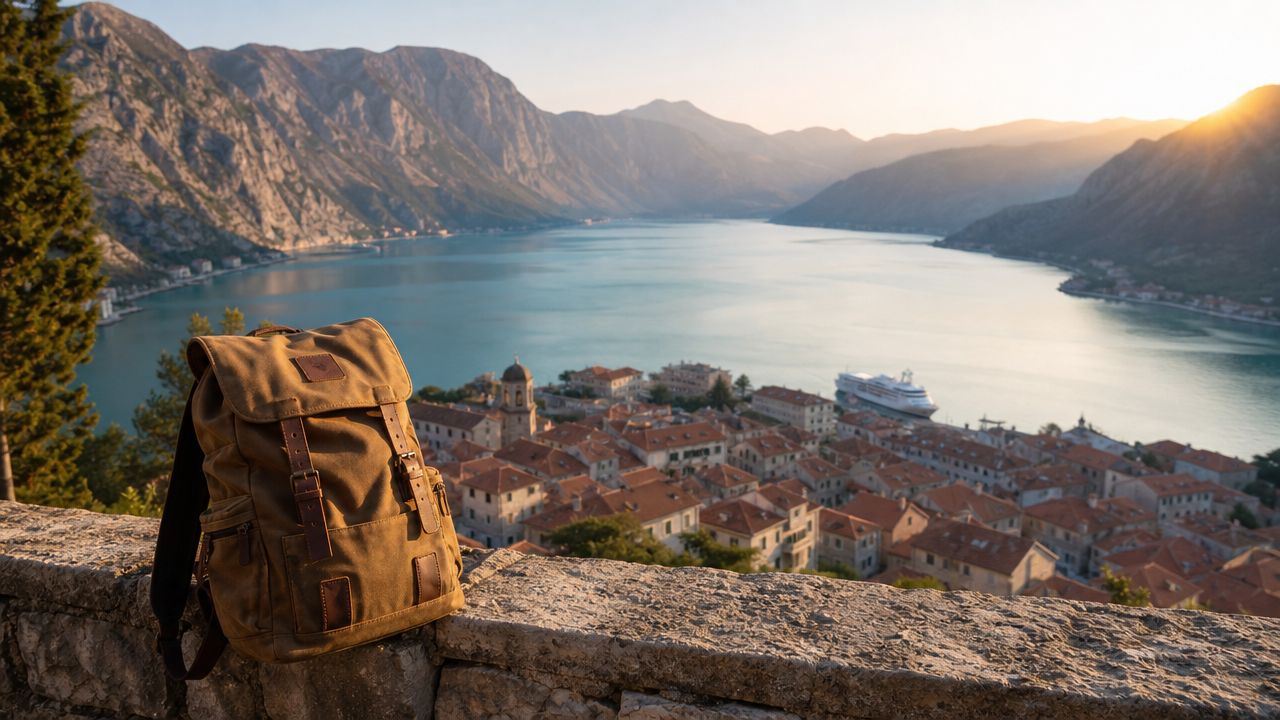
Pace matters here more than travelers expect. Distances can look short on a map, but mountain roads, border checks, and uneven bus timetables can turn a simple transfer into most of a day. Two nights in each stop is the minimum. Three nights works better in places like Tirana, Mostar, and Kotor, where the atmosphere improves once the day-trippers clear out and you can settle in.
How to travel this loop well
Use cities and towns for different purposes. Tirana and Belgrade are good for resetting, doing laundry, and finding a social hostel with solid transport connections. Mostar and Kotor are where slowing down pays off. A rushed stop gives you the postcard view. An extra day gets you the early morning streets, the less touristy bakeries, and the conversations that make the route feel lived in.
Hostels matter on this loop because transport information often travels faster through reception desks and hostel kitchens than through official websites. Places like Hostel Cubes in Tirana, Shanti Hostel Mostar, and Hostel Split Backpackers are useful not only for a bed but for current advice on bus companies, border timing, and which side trip is worth your limited time.
Travelers who want more time in fewer places can borrow a few slow travel habits that make a route feel less rushed. The Balkans reward that approach. The region is strongest when the route has space for a lake afternoon in Ohrid or an unplanned extra night after a good recommendation from another traveler.
Practical rule: Carry cash before you need it. Small bus stations, bakeries, and family-run guesthouses still often prefer it.
Budget hacks that actually matter
- Use overnight buses selectively: They save money on long, straightforward routes. They are a poor trade if the road is rough and the next day disappears because you arrived exhausted.
- Front-load your expensive stops: Croatia and Kotor can raise the daily budget quickly in peak summer. Spending more time in Albania, North Macedonia, or Bosnia helps balance the route without making it feel like a compromise.
- Eat where locals eat: Burek shops, grill houses, and family-run konobas usually beat old-town restaurants on both price and quality.
- Download offline maps and bus notes: Coverage can get patchy between towns, and a screenshot of the station name or departure point saves hassle on travel days.
- Travel in late spring or early autumn: May, June, and September usually give the best mix of lower prices, manageable crowds, and weather that still works for coastal stops and mountain views.
This is one of the strongest Europe backpacking routes for travelers who want culture, scenery, and budget breathing room in the same trip. Treat it like a flexible loop, not a checklist, and it will give you more than cheap beds. It gives you time to travel well.
2. The Slow Travel Portugal Route
You arrive in Lisbon with four nights booked and a plan to see half the country. By the second day, the better idea usually becomes obvious. Portugal rewards travelers who stay put long enough to recognize the bakery owner, learn which train line they need, and leave room for a weather change or a local recommendation. A stronger route starts in Lisbon, then moves north through Óbidos, Peniche, Coimbra or Aveiro, Braga, and Porto.
What makes this one of the more useful Europe backpacking routes is the balance. You still get a Western Europe trip with good infrastructure, but you avoid the price spiral and checklist fatigue that come from treating every stop like a two-night sprint. It also travels well in shoulder season, when train travel is easier, beds are less inflated, and coastal towns feel like places people live in rather than open-air queues.
Where slow travel actually changes the trip
Lisbon deserves time, but spread that time beyond Alfama and Baixa. Pick one neighborhood you can return to without checking a map every hour. A hostel like Home Lisbon Hostel works well if you want a social base with a kitchen and enough calm to make the city feel manageable.
Then slow down harder in the smaller stops. Óbidos can be a photo stop, or it can be the place where you finally sleep well, walk the walls early, and eat after the day-trippers leave. Peniche gives this route a different texture altogether, especially if you want surf energy without paying Lisbon prices. Aveiro and Coimbra are a real trade-off. Aveiro is lighter, easier, and good for a shorter reset. Coimbra has more intellectual and historical weight, and it suits travelers who want their days shaped by old streets, student culture, and longer museum hours.
If you want help planning a route that balances famous cities with places that feel more lived-in, this guide on what to do in Prague without wasting time on the obvious only is useful for the broader mindset, even though the destination is different.
Best money-saving moves in Portugal
- Use trains for the longer backbone of the route: Lisbon to Coimbra, Braga, or Porto is usually an easy call by rail. For smaller jumps, check the bus too. Portugal is one of those countries where the cheapest option is not always the least convenient, but the time saved can justify a few extra euros.
- Book longer stays outside the biggest cities: Three nights in Coimbra or Aveiro often costs less than two rushed nights in Lisbon, and your daily spend usually drops once you stop paying for transit, lockers, and impulse meals.
- Eat the prato do dia at lunch: This is one of the simplest budget habits in Portugal. Local tascas often serve a filling set lunch for far less than dinner in tourist-heavy areas.
- Use markets and minimarkets well: Bread, cheese, fruit, canned fish, and pastries can cover an entire low-cost beach or train day without feeling like backpacker punishment.
- Treat rideshares as a backup, not a plan: Blablacar can save a weak connection day, but trains and buses are easier to rely on if you are building the route around fixed hostel bookings.
One practical rule matters more here than people expect. Stay at least three nights in one smaller town. That is when Portugal stops feeling like a sequence of pretty stations and starts feeling personal.
If you have never built a trip this way, it helps to understand what slow travel means in practice. The shift is simple. Ask where daily life feels good, not how many stops fit on a map. That is how this route stays affordable, more sustainable, and far richer than the standard Lisbon-Porto dash.
3. The Eastern European Grand Loop
You arrive on a night train, buy a coffee for the price of a metro ride in Western Europe, and realize this route gives you room to breathe. Prague, Kraków, Warsaw, Bratislava, and Budapest work well together because the shifts between them feel meaningful without turning every transfer day into a logistical chore. It is one of the few Europe backpacking routes where you can keep costs under control, travel overland, and still get a serious dose of history, food culture, and local character.
The appeal is not just price. It is contrast with continuity. You get Gothic squares, socialist-era architecture, Jewish history, riverfront capitals, milk bars, ruin pubs, and thermal baths, but the route still feels coherent on the ground. Trains and buses are manageable, city centers are walkable, and you do not need to rebuild your budget at every border.
Start with a choice. Prague is the easy international gateway, but it can skew your expectations if you treat it as the whole Czech experience. Adding Český Krumlov before or after Prague gives the route a quieter opening and a better sense of scale. In Poland, Kraków is the stronger base for several days because it combines beauty with substance and has hostels that help solo travelers meet people without forced party energy. Warsaw rewards a different approach. It opens up once you leave the reconstructed old town and spend time in districts where people are living, commuting, and eating lunch rather than posing for photos.
If you want a smart primer before arrival, this guide on what to do in Prague helps sort the famous stops from the places that still feel lived in.
Bratislava is the city backpackers often rush, and that is usually a mistake. One full day is enough for the compact center, but an extra night makes sense if you want a slower reset between bigger capitals. Budapest deserves more time than people give it. The city has enough range that your experience changes a lot depending on where you sleep, when you visit the baths, and whether you spend all your evenings in the same party zone.
How to keep the loop affordable and worthwhile
- Use overnight trains or late buses selectively: They can save a hostel night, but only on routes where you will still arrive functional. Saving money is pointless if you lose the next day to exhaustion.
- Book longer stays in Kraków or Budapest: These are strong places to pause, do laundry, cook, and lower your daily spend without feeling stuck.
- Eat where office workers eat: Milk bars in Poland, lunch menus in Hungary, and low-key canteens in Slovakia stretch the budget far better than old-town restaurants with multilingual menus.
- Treat Auschwitz with the time and structure it deserves: A well-run tour from Kraków adds context that many independent visits lack.
- Go to Budapest baths early: You pay for the atmosphere as much as the water. Early hours give you more of the first and less of the queue.
This loop suits travelers who want culture without the burnout that comes from chasing capitals too fast. It is also one of the better sustainable choices in Europe because it works overland, links cities with strong public transport, and does not depend on budget flights to hold the itinerary together.
For a gentler day once the big-city pace catches up with you, even browsing a guide to quieter seaside rhythms like Agios Ioannis Beach travel tips can be a useful reminder to leave space in your route for slower, simpler days.
Do not try to complete these cities. Pick a few anchor experiences, leave room for neighborhoods and ordinary meals, and let the route unfold at street level. That is where Eastern Europe stops feeling like a checklist and starts feeling personal.
4. The Mediterranean Coastal Escape
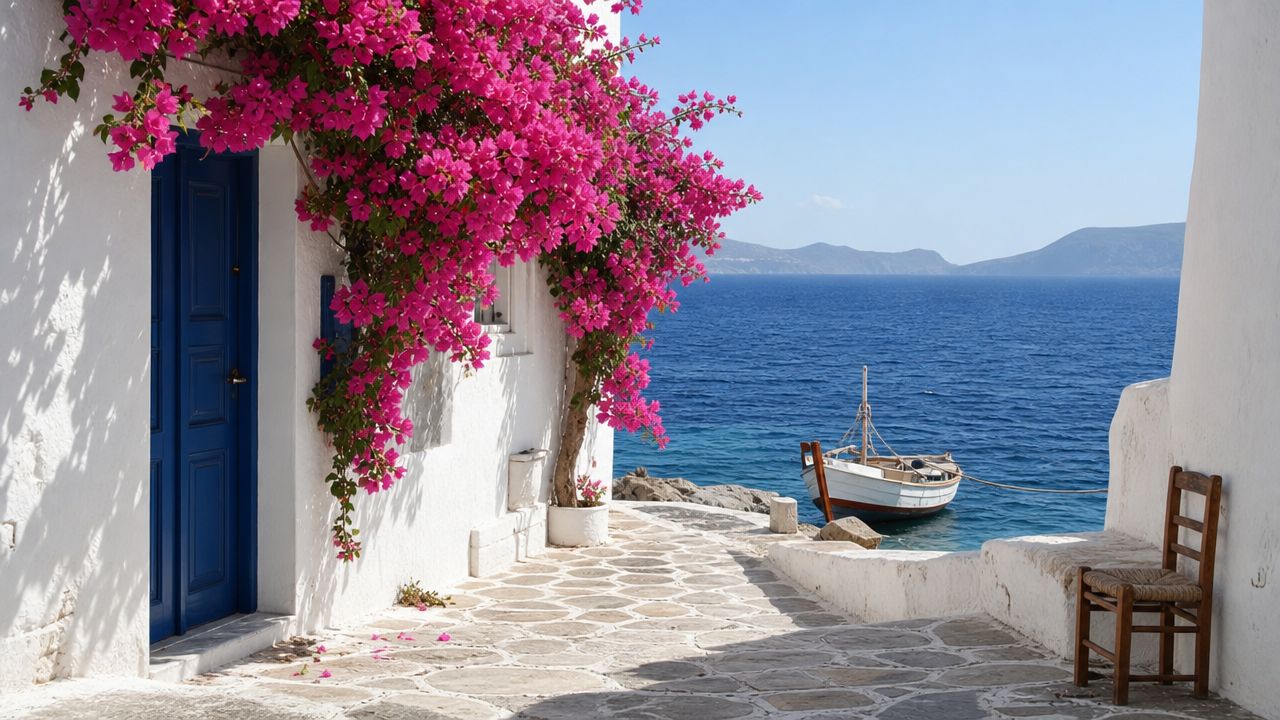
Island hopping in Greece can go wrong fast if you build the route around status instead of logic. The winning move is to choose islands that still feel inhabited rather than staged. Naxos and Paros are excellent bases. Antiparos works as a quieter add-on. Mykonos and Santorini only make sense if you treat them surgically.
A smart route looks like Athens, then ferry to Paros or Naxos, with day or overnight hops to nearby islands based on weather and ferry timing. Keep the route loose. The Aegean punishes overplanning.
How to keep the islands affordable
The budget killer in Greece isn't usually transport alone. It's trying to sleep on the most famous island every night. Naxos Backpackers or a family-run room in Antiparos often gives you the experience people think they're chasing in Santorini, but with less pressure and more local texture.
Paros Backpackers works well if you want a central base and easy social contact. Family-run guesthouses tend to be especially valuable on the islands because the host often knows the quiet beach, the honest taverna, and the bus schedule that never made it online.
For beach ideas before you choose your base, this piece on Agios Ioannis Beach can help you think beyond the most overexposed coastal stops.
What works better than the obvious plan
- Use one island as a base: Constant island-switching burns time and ferry money.
- Skip waterfront dinners every night: The better-value tavernas are usually a short walk inland.
- Choose swimming and snorkeling over organized beach clubs: You'll get the same sea, fewer crowds, and a more local pace.
- Taste wine locally: Small wineries can be a better cultural stop than another bar crawl.
The best Greek island days are often the cheapest ones. A bakery breakfast, a walk to a beach, a swim, a grocery-store picnic, then a long dinner in a village square.
This route is strongest in late spring or early autumn. Europe's shoulder seasons are especially useful around the Mediterranean because they usually bring lighter crowds and lower accommodation costs, as noted earlier from Adventure Travel News. In practice, that means you can still get sun and sea without paying peak-season island premiums.
5. The Iberian Adventure
Spain gets cheaper and more interesting when you stop treating Barcelona and Madrid as mandatory. A route through Seville, Granada, Málaga, Valencia, Zaragoza, and San Sebastián gives you regional contrast without forcing you into the most congested urban centers on the peninsula.
This is one of those Europe backpacking routes where culture changes noticeably from stop to stop. Andalusia feels different from the Basque Country. Valencia doesn't feel like Granada. That variation keeps a month-long trip alive.
How to build a better Spain route
Start in Seville if you want a warm, social entry point. Oasis Backpackers Hostel is the kind of place where solo travelers can find plans without much effort. Granada works well for a more layered stay, especially if you want history by day and neighborhood energy at night. Málaga can be a useful coastal break if you choose it for local life instead of beach-club fantasy.
If you're wondering whether skipping Barcelona is sacrilege, it isn't. The city can still be worthwhile, but many budget travelers force it into a route when it doesn't fit their pace or wallet. If you're weighing that trade-off, this guide to the best neighborhoods in Barcelona helps clarify what kind of stay the city rewards.
Budget habits that make Spain easier
- Eat your main meal at lunch: Menu del día is often the smartest value in town.
- Go to cultural clubs, not tourist shows: A peña or local performance will usually feel more grounded than a polished tourist production.
- Use regional buses when rail doesn't make sense: They can be slower, but often more practical for backpackers.
- Stay long enough to catch neighborhood routines: Spain rewards evenings in plazas and local bars more than museum marathons.
What doesn't work is overloading the route with one-night stops. Spain's identity sits in conversation, meal timing, neighborhood rhythm, and regional pride. You miss that if you're always checking out at dawn.
This route is especially good for travelers who want strong food culture without surrendering to luxury habits. You can spend on one memorable dinner and still keep the overall budget under control if you build your days around local lunch specials, market snacks, and slower travel.
6. The Alpine Adventure
You book three cheap-looking nights across Switzerland, add the train segments later, grab lunch near the station, and suddenly the route costs more than a week in the Balkans. The Alps punish casual planning. They reward travelers who stay put, hike hard, and use mountain towns as working bases instead of treating them like a box-ticking circuit.
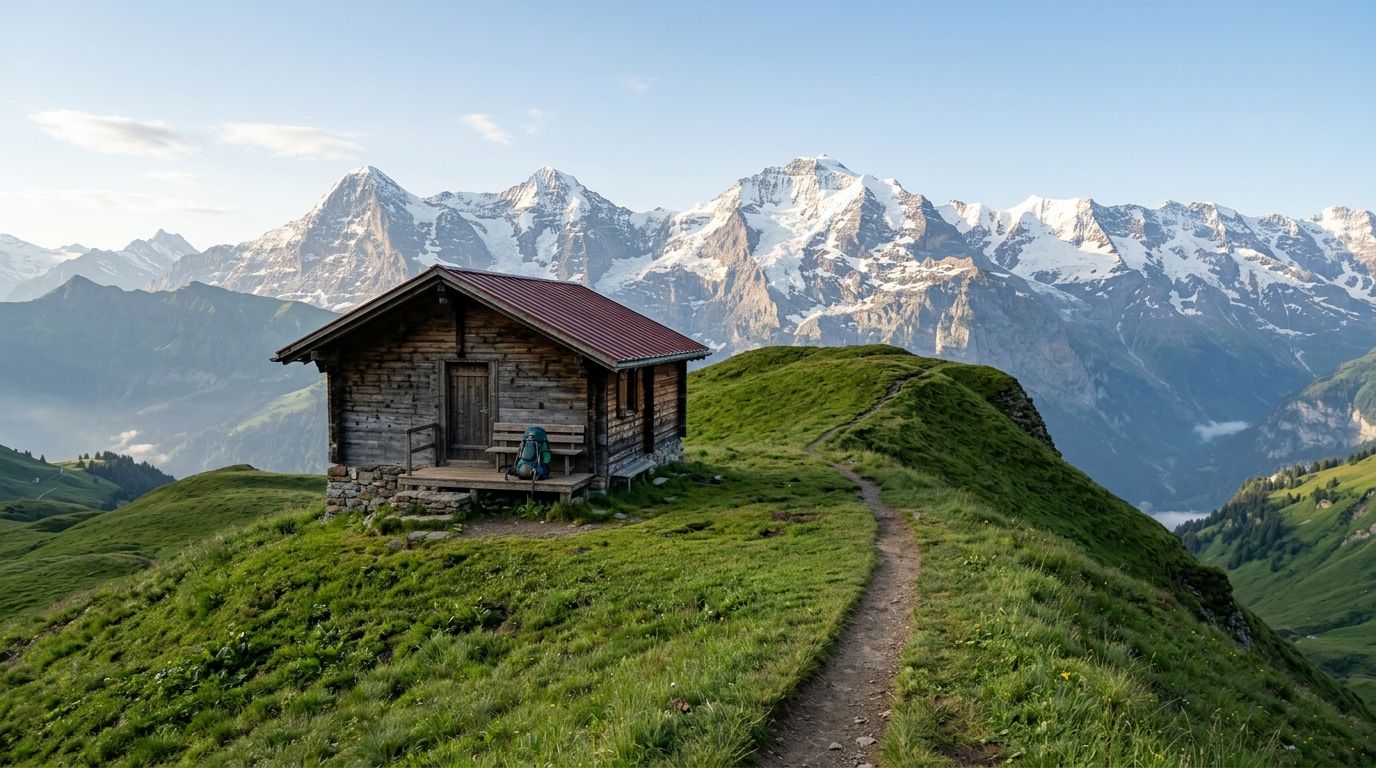
A practical route starts in Interlaken or Grindelwald, continues into Valais or Saas-Fee, then crosses into the Austrian Tyrol. That sequence works because each stop gives you access to serious scenery without forcing constant repacking. The mistake is trying to sample too many valleys in too little time. In alpine regions, one extra transfer can wipe out the savings from a cheaper bed.
Build the route around hiking, not city habits
Switzerland and Austria are expensive, but they are not automatically bad backpacking choices. They become realistic when the trip is built around trails, public transport, grocery stores, hostel kitchens, and longer stays. A mountain route also has a lighter footprint than a rush of short city breaks and flights, especially if you arrive by rail and keep transfers limited.
Balmer's Herberge in Interlaken suits travelers who want social energy and easy transport connections. A quieter hostel in Saas-Fee or another hiking base often works better for early starts, shared kitchens, and meeting people who are there to walk. Swiss Alpine Club huts can cut accommodation costs in the right weather window, but they trade privacy and comfort for location. That trade-off is worth it only if you will use the extra trail access the next day.
Solo travelers who want a clearer read on the country before committing to a route can use this Switzerland solo female travel safety guide as part of the planning process.
Budget habits that keep the Alps realistic
- Stay in each base for at least three nights: The savings come from fewer transfers, better use of regional transport, and full hiking days instead of travel days.
- Buy food in supermarkets and mountain bakeries: Restaurant dinners add up fast, especially in Switzerland.
- Use cable cars selectively: Pay for the ascent that saves your knees or time, then walk down or traverse out.
- Carry layers, not excess gear: Bad packing gets expensive when lockers, extra baggage, or replacement items enter the picture.
- Cross into Austria if Switzerland starts crushing the budget: The scenery stays strong, and daily costs often soften.
Weather decides a lot here.
Leave room in the itinerary for a storm day, a hut change, or a lower-altitude hike when visibility disappears. That flexibility matters more in the Alps than in almost any urban route. Travelers who force a rigid plan usually end up spending more on last-minute fixes and enjoying the mountains less.
This route is best for backpackers who care more about ridge walks, glacier views, and quiet village mornings than nightlife or museum density. Done well, it feels rich without requiring luxury.
7. The Scandinavian Explorer
You land in Copenhagen with a backpack, a rail app, and a Southern Europe budget mindset. By the second day, one coffee, one airport transfer, and one casual dinner have already shown you the problem. Scandinavia rewards a different approach. Keep the route simple, stay longer in each city, and build the trip around public space, swimming spots, ferries, bakeries, and neighborhood life instead of constant paid attractions.
A practical version runs Copenhagen, Stockholm, then Oslo, with side trips added only if weather, ferry schedules, or train prices make sense. That order works well because Copenhagen eases you in, Stockholm adds islands and museums if you want them, and Oslo gives you quick access to both city life and forest trails. The route suits travelers who want culture without the usual Paris Rome London loop, and who care about cleaner transport choices and lower-friction city travel.
The biggest mistakes are predictable. People book short stays, eat out too often, and treat alcohol like a normal backpacker expense when it is not. A bed with kitchen access matters more here than stylish common areas. Cabinn Copenhagen, KKIK Hostel, Anker Hostel, and Urban House Copenhagen are useful because they keep you connected to the city while leaving room in the budget for the parts of Scandinavia that feel memorable.
Neighborhood choice matters too. Nørrebro in Copenhagen, Södermalm or other island districts in Stockholm, and Grünerløkka in Oslo usually give a better read on daily life than the most photographed central blocks. That shift changes the trip. You spend less, eat better, and get a version of Scandinavia that feels lived in rather than staged.
Budget habits that make this route work
- Stay at least three nights in each city: Fewer transit days means fewer surprise costs, and city passes or bike rentals start making sense.
- Use supermarkets hard: Coop, Lidl, Netto, ICA, and Rema 1000 can save the route. Breakfast and lunch from grocery stores do more for the budget than chasing hostel discounts.
- Treat alcohol as an occasional splurge: If nightlife is the main goal, this route gets expensive fast.
- Use bikes, ferries, and local transit instead of taxis: In Scandinavian cities, the cheaper option is often the better experience too.
- Build your days around free places: Waterfront walks, public libraries, harbor swimming, parks, forest trails, and saunas often give more cultural texture than another paid attraction.
- Be selective with Norway: Oslo can fit a backpacking budget with care. The moment you add fjord tours and long domestic transport, costs climb quickly.
This route works best for travelers who like design, urban nature, and slow mornings more than checklist sightseeing. It is one of the clearest examples in Europe of how sustainable choices and budget choices can point in the same direction. Walk more, stay longer, cook often, and Scandinavia stops feeling punishing and starts feeling calm, spacious, and rewarding.
8. The Central European Circuit
You land in Berlin on a discount flight, open your booking app, and realize the usual Paris to Rome sprint would burn your budget in a week. Central Europe solves that problem without turning the trip into a compromise. Berlin, Prague, Wrocław or Kraków, and Warsaw form a route that is efficient, culturally dense, and realistic for backpackers who want more than a checklist of famous capitals.
This circuit works best for travelers who like cities with edge, history with context, and enough price variation to stay on the road longer. Germany gives you reliable infrastructure and a strong first stop. Czechia delivers architectural weight and late-night energy. Poland stretches the budget back out, often with better food prices, cheaper beds, and cities that feel lived in rather than packaged for short-stay visitors.
The order matters.
Starting in Berlin helps because it is a city you can enter gradually. A neighborhood base in Friedrichshain, Neukölln, or Kreuzberg usually gives better value and a better read on the city than sleeping near the main sights. Prague is an easy next move, but the smartest version of Prague is usually outside the old center. Vinohrady, Holešovice, and Žižkov tend to give you quieter nights, cheaper meals, and a city that still belongs to locals after sunset.
Then the route opens up. Wrocław is a strong choice if you want a smaller, easier stop before a bigger final stretch. Kraków works if you want social hostels, day trips, and a compact old center that is still manageable on foot. Warsaw is the best closer for travelers who prefer contemporary city life over medieval polish. It surprises people, which is usually a good sign.
Why this route holds up in practice
The big advantage here is choice. Trains are often the best call between major cities, but buses can cut costs on the right leg. Overnight travel sometimes saves a hostel night, but it can also leave you wrecked for the next day and more likely to spend money on coffee, taxis, and convenience food. The cheapest ticket is not always the cheapest travel day.
This route also fits the way backpackers book now. As noted earlier, transport bookings make up a large share of Europe's online travel spending, and package-style booking is growing too. For independent travelers, the useful lesson is straightforward. Booking apps are good at showing options, but they are bad at telling you when a 6:10 a.m. departure from an out-of-town bus station will ruin the day. Check station location, arrival time, and how much walking or local transit the connection adds.
Budget hacks that make Central Europe work
- Book Berlin early, then stay longer: Berlin prices swing hard on weekends and event dates. A four-night stay often works better than two rushed nights and another transit day.
- Use Prague as a short stop unless you travel off-peak: It is still worth visiting, but prices climb fast in the center. Two or three nights is usually enough unless you have a specific reason to linger.
- Let Poland reset the budget: Add extra nights in Wrocław, Kraków, or Warsaw instead of stretching your time in the pricier parts of the route.
- Mix rail and bus instead of treating one as the default: On some legs, rail is worth paying for because stations are central and the ride is easier. On others, buses are cheap enough to justify the trade-off.
- Cook in Germany, eat out more often in Poland: That simple shift can change the whole route budget without making the trip feel restrictive.
- Choose one major historical site per city: Central Europe can become museum-heavy fast. A focused visit with context usually lands better than trying to cover everything.
There is also a sustainability argument for this route, and it is a practical one rather than a moral lecture. The cities connect well overland. Distances are manageable. You do not need a string of flights to make the route efficient. Staying three or four nights per stop lowers transport waste, cuts booking stress, and gives you time to notice the difference between tourist-center Europe and the neighborhoods where daily life happens.
Travelers who enjoy independent city travel, history, design, and good-value food will usually get a lot from this circuit. It is one of the better Europe backpacking routes for building a trip around rail, regional culture, and smart trade-offs instead of famous-name bragging rights.
8 Europe Backpacking Routes Compared
| Route | 🔄 Implementation Complexity | ⚡ Resource Requirements (time / cost / transport) | 📊 Expected Outcomes (experience & impact) | 💡 Ideal Use Cases | ⭐ Key Advantages |
|---|---|---|---|---|---|
| The Classic Balkans Loop: Budget Explorer's Paradise | Moderate, multiple border crossings and variable rural infrastructure | 3–4 weeks; daily $20–35; hostels, buses; carry cash | High cultural authenticity, varied landscapes, strong value for money | Budget backpackers, history buffs, solo female travelers | ⭐ Extremely affordable, strong hostel network, authentic local culture |
| The Slow Travel Portugal Route: Hidden Gems Beyond Lisbon | Low, straightforward logistics with reliable trains and local stays | 3 weeks; daily $25–40; CP train passes recommended | Deep cultural immersion, excellent food experiences, sustainable travel | Slow travel advocates, food & wine enthusiasts, cultural immersion seekers | ⭐ Reliable rail, sustainable options, excellent cuisine at moderate cost |
| The Eastern European Grand Loop: Prague to Poland to Hungary | Moderate, multi-country routing but extensive cheap transport options | 4 weeks; daily $18–32; FlixBus/PolskiBus/cheap trains | Rich historical sites, lively nightlife, exceptional value | Ultra-budget travelers, party-scene seekers, history photographers | ⭐ Cheapest major backpacking route with abundant cultural sites |
| The Mediterranean Coastal Escape: Greece Island Hopping Guide | High, ferry schedules and island logistics require planning | 3 weeks; daily $30–45; ferries (pass recommended), advance bookings in peak season | Quintessential Mediterranean scenery, beaches, local food, variable crowds | Beach lovers, island-hopping photographers, sustainable tourism advocates | ⭐ Stunning coastal scenery, fresh seafood, flexible island options |
| The Iberian Adventure: Spain Beyond Barcelona and Madrid | Moderate, regional timing (festivals/siesta) and varied transport modes | 4 weeks; daily $25–40; Renfe regional passes, buses, occasional overnight trains | Deep regional culture, flamenco, tapas, architectural diversity | Culture & music lovers, food-focused travelers, urban explorers | ⭐ Regional diversity rivaling multi-country trips; strong food culture |
| The Alpine Adventure: Switzerland and Austria's Budget Mountain Route | High, mountain logistics, gear needs, and hut bookings add complexity | 2–3 weeks; daily $35–55; Swiss Travel Pass, cable cars, hiking gear investment | Spectacular alpine scenery, strenuous hikes, high photographic yield | Hikers, mountain photographers, nature enthusiasts | ⭐ World-class trails, mountain-hut affordability, outstanding landscapes |
| The Scandinavian Explorer: Norway, Sweden, Denmark Budget Hack | Moderate, simple routing but high-cost environment needs budget hacks | 3–4 weeks; daily $40–60; off-season travel saves 30–40%; ferries/trains | High-quality safety, design and nature experiences; overall costly | Design fans, urban cyclists, safety-conscious solo travelers, Northern lights seekers | ⭐ Safety, free cultural offerings, excellent urban cycling infrastructure |
| The Central European Circuit: Germany, Czech Republic, Poland Efficiency Route | Low, highly efficient rail network and compact routing | 2–3 weeks; daily $20–35; Deutsche Bahn (BahnCard), regional trains | Efficient, historically rich trip with strong logistics and moderate costs | Efficiency-focused travelers, history buffs, short multi-city itineraries | ⭐ Exceptional rail reliability, useful discounts, strong cultural depth |
Craft Your Own Grand Tour
The best backpacking trip in Europe rarely looks perfect on paper. It usually starts with a route, then changes because a city felt too rushed, a hostel friend suggested a better stop, or a mountain town deserved two extra nights. That's not bad planning. That's the point of backpacking.
Use these routes as frameworks, not rules. If you're drawn to value and social travel, the Balkans and Eastern Europe make sense. If you want depth over speed, Portugal is hard to beat. If you care more about hiking than nightlife, the Alps deserve your money more than another capital city. If food and regional identity matter most, Spain will keep rewarding a slower pace.
One of the biggest mistakes travelers make is building a trip around reputation instead of fit. Just because a city is famous doesn't mean it belongs on your route. Some places are brilliant for a long weekend and terrible for a backpacking budget. Some look modest on a map and end up defining the whole trip. That's especially true in Europe, where a small town with a market square, a river path, and one good guesthouse can become more memorable than a capital packed with lines.
Sustainable travel also gets easier when you stop rushing. Fewer flights, longer stays, local transport, neighborhood restaurants, family-run guesthouses, and market meals all tend to create a better trip anyway. You spend less energy consuming a place and more energy participating in it. That's usually where the best travel memories come from.
Be honest about your travel style before you book anything. If you need downtime, don't string together ten cities in three weeks. If you hate party hostels, don't choose them just because they're cheap. If you love hiking, put your money into trail access and proper gear instead of squeezing in another urban stop. Europe has room for all of those versions of travel, but only if you build accordingly.
It also helps to match your route to the season. Shoulder-season travel often gives backpackers the best balance of weather, prices, and crowd levels, especially in parts of Southern and Eastern Europe. Summer can still be amazing, but only if you expect heat, crowding, and transport pressure. Winter can work too, though it changes the personality of each route and demands more weather flexibility.
Leave margin in the budget. Leave margin in the calendar. Leave room for fatigue, bad weather, and spontaneous invitations. The strongest Europe backpacking routes aren't the ones with the most stops. They're the ones with enough breathing room for the trip to become your own.
Pack light. Book the first nights. Learn the local meal rhythm. Keep some cash. Download offline maps. Choose fewer places and know them better.
Europe is still one of the best places in the world to backpack because it gives you range. You can go from Ottoman history to alpine hiking, from Atlantic surf towns to Balkan bus rides, from thermal baths to fjord ferries, often within one trip. The continent doesn't need to be conquered. It needs to be approached with curiosity and enough structure that your freedom doesn't collapse into chaos.
Pick the route that matches the kind of traveler you want to be, not the one that looks best on social media. Then go.
If you want more practical route ideas, smarter budgeting advice, and grounded planning tips for meaningful travel, explore Travel Talk Today. It's a strong resource for backpackers who want affordable trips that still feel deep, local, and worth remembering.