25 Money-Saving Road Trip Tips That Actually Work in 2025
The sort of thing I love about road trip tips is how they reveal a vital fact – spontaneous adventures come with hidden costs. An impromptu adventure might sound exciting, but experience taught me that successful road trips strike a balance between freedom and smart financial planning.
Your travel budget lives or dies by gas prices. A fascinating fact shows that proper tire inflation impacts gas mileage significantly - your fuel efficiency drops 0.2% per gallon for each PSI below recommended levels. The best time to fill up your tank happens to be Mondays. These road trip expenses need careful thought to save money. Gas prices create the biggest swings in your budget, which makes road trip budget planning a vital step before you hit the highway.
Smart travelers pack their own food and use apps like GasBuddy to locate cheaper gas prices. You'll find many more ways to reduce costs without compromising the experience. My list of 25 budget-friendly road trip strategies has saved me real money and remains relevant through 2025. Let me show you how to create memories without breaking the bank.
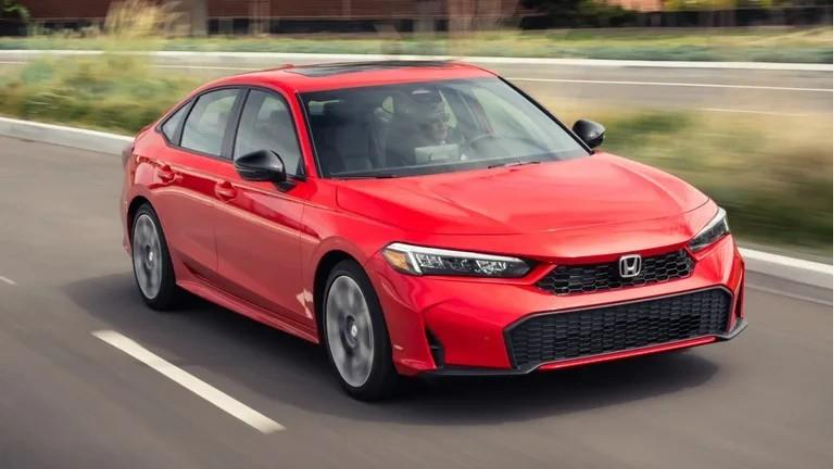
Image Source: MotorTrend
Your choice of vehicle can cut road trip costs by a lot. Let's get into how to make a smart pick.
Why a fuel-efficient car saves money
The math is simple—less fuel means more money in your pocket. Gas prices currently sit (as of December 2025), and these prices directly affect your travel budget. Your driving habits can drop your vehicle's fuel efficiency by up to 30%, which makes picking the right car even more crucial.at $2.86 per gallon
How to pick the right vehicle
Think about these factors when picking a fuel-efficient option:
- Engine size: A 4-cylinder engine typically gives better mileage than 6 or 8-cylinder alternatives
- Vehicle type: The 2026 Toyota Prius delivers an impressive 57 MPG city and 56 MPG highway
- Hybrid options: The Honda CR-V Hybrid provides 43 MPG combined, making it great for longer trips
You could save about $933 each year in fuel costs by switching from a 2017 Honda Odyssey (21 MPG) to a new Toyota Sienna hybrid (36 MPG).
Tools to estimate fuel costs
These resources help you figure out your road trip fuel expenses:
- GasBuddy Trip Calculator: Shows total trip cost and finds the cheapest gas stations on your route
- AAA Gas Cost Calculator: Gives fuel cost estimates based on current national averages
- Calculator.net: Lets you compare different vehicle options in detail
Planning your vehicle choice ahead of time can cut your road trip expenses by a lot.
Drive at or Below the Speed Limit
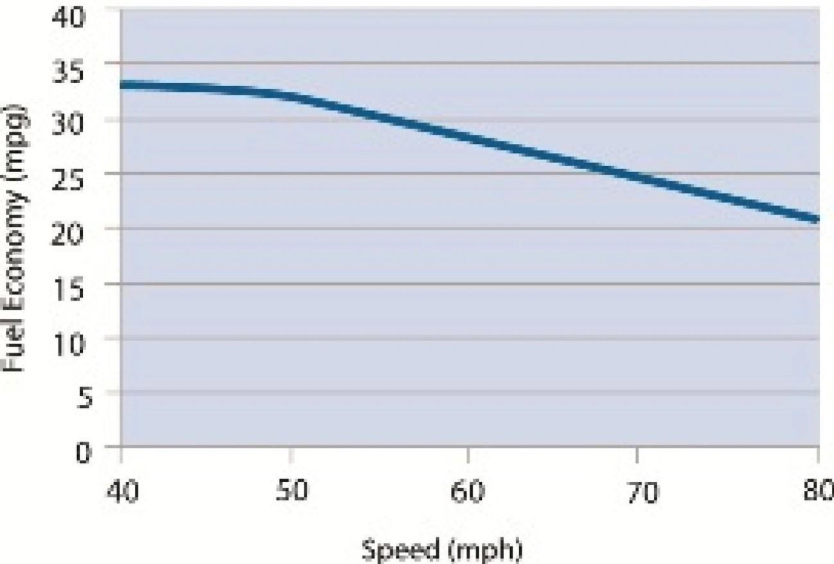
Image Source: Department of Energy
Most drivers don't know they're losing money by pressing the gas pedal too hard on road trips. Your driving speed directly hits your wallet.
How speed affects fuel economy
Cars run most efficiently at the time they're cruising between 40-50 mph. Your gas costs start climbing after 50 mph - each extra 5 mph adds about $0.27 per gallon. You can save 9% on fuel by simply dropping your speed from 65 to 60 mph, which adds about 3 mpg to your efficiency.
Different vehicles react differently to speed changes. A Toyota Prius that gets 55 mpg at 65 mph loses a whopping 16.4 mpg at the time it hits 85 mph. This happens because air resistance grows exponentially with speed, so your car needs much more fuel to keep moving faster.
Avoiding speeding tickets
Legal speeds save fuel and help you dodge tickets that can get pricey. Here's what works:
- Set your adaptive cruise control to stay at steady speeds
- Use navigation apps that warn about speed limits and enforcement zones
- Pick "eco" or "comfort" mode where enforcement is strict
Tips for maintaining steady speed
Your biggest fuel savings come from steady driving. Even small speed changes can cut your efficiency by 20-48%. Highway driving works best with cruise control set at the speed limit. Let your car naturally slow down going uphill and pick up speed downhill instead of keeping constant pressure on the gas pedal.
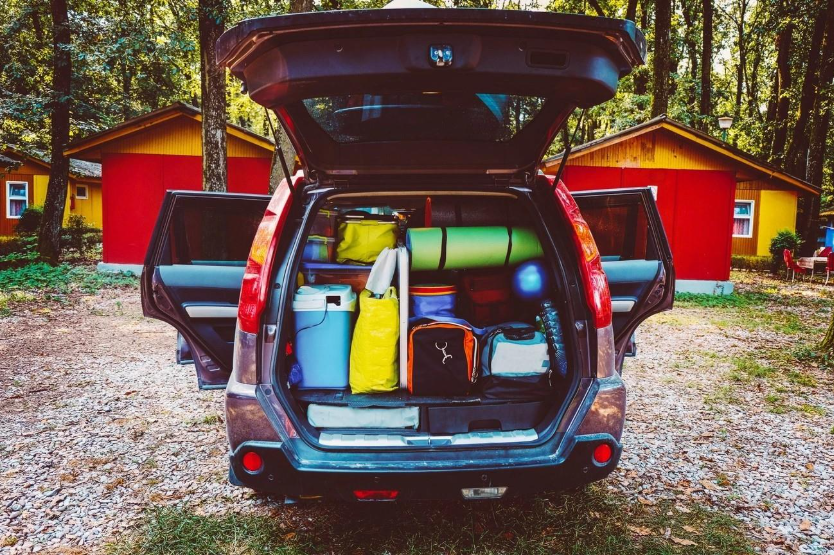
Image Source: Dayinsure
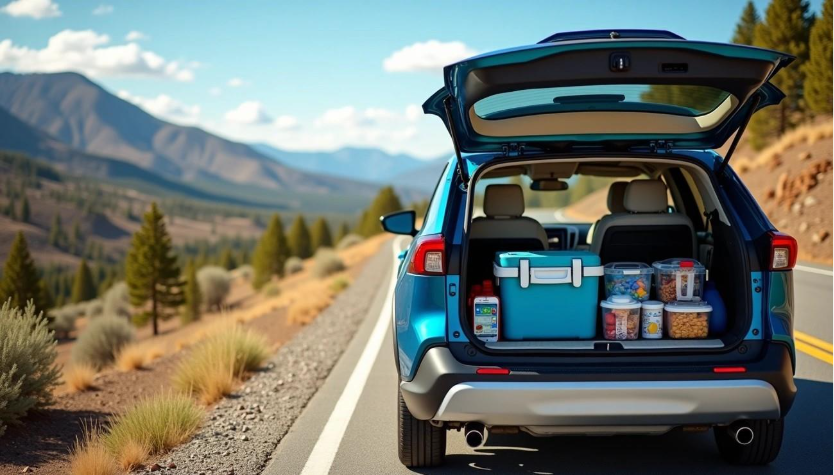
Your vehicle's loading method can dramatically affect gas mileage. Smart packing saves money and isn't just about comfort on the road.
Reducing drag and improving mileage
Vehicle aerodynamics plays a major role in , especially at highway speeds. Speed increases drag exponentially, which matters most during long-distance travel. About 50% of fuel used on highways comes from aerodynamics for passenger cars, compared to 20% in city driving. A 5% improvement in highway fuel economy results from a 10% reduction in aerodynamic drag.fuel efficiency
Smart packing strategies
Clear out any unnecessary items from your car before the trip. These tips will help during your journey:
- Keep essentials within reach using seat-back organizers
- Better balance comes from placing heavy bags near your vehicle's center
- Each family member should get different colored packing cubes
- Quick access items like snacks and charging cables belong in clear containers up front
What to avoid putting on the roof
Rooftop carriers take a heavy toll on fuel efficiency. A sedan's when equipped with a roof rack and carrier, losing 9 mpg. SUVs lose 5 mpg, a 13% reduction. Empty roof racks still reduce sedan mileage by 11%.fuel economy drops by 19%
Drivers should remove roof racks when not using them. Empty racks create a bigger overall problem since people drive with unloaded racks eight times more often than loaded ones.
Use Gas Apps to Find the Cheapest Fuel
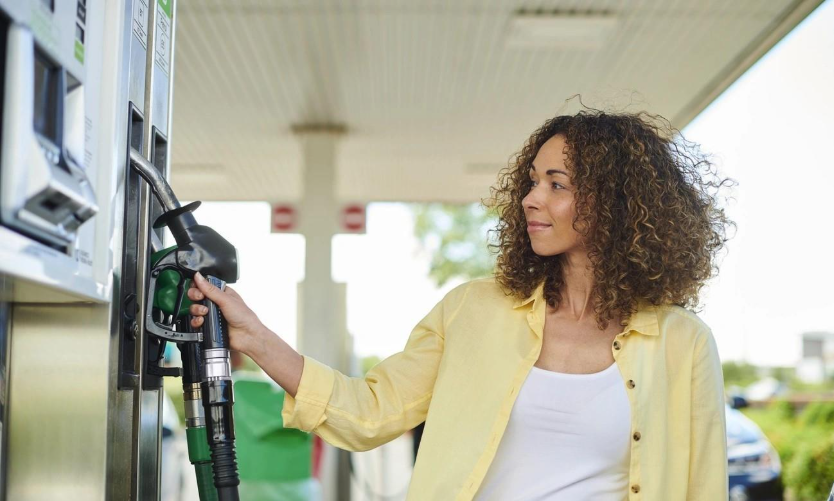
Image Source: NerdWallet
Your smartphone is all you need to find the cheapest gas prices on your route in 2025. Gas apps have become road trip essentials that help cut your fuel costs without much effort.
Best gas apps for 2025
These apps deserve a spot on your phone:
- GasBuddy: The most popular choice shows , plus a trip cost calculator that helps plan your budgetreal-time prices from over 150,000 stations
- Upside: You can get cash back up to 25 cents per gallon without switching payment methods
- Waze: Navigation meets gas prices, letting you sort by price, distance, or brand
- Google Maps: Most phones come with this pre-installed, and it shows nearby gas prices during searches
How to use them effectively
The quickest way to save money is checking prices before you head out and planning where to refuel. You can set for your target price and look at price history trends before buying. Smart drivers combine app discounts with credit card rewards to save even more.price alerts
Real-life savings examples
These apps can make a big difference to your road trip budget. GasBuddy users save $20-$40 on a typical road trip. Stations in the same area often show surprising price gaps—sometimes as much as $1.10 per gallon. This means filling up a 15-gallon tank could save you anywhere from $3.75 to $16.50 each time.
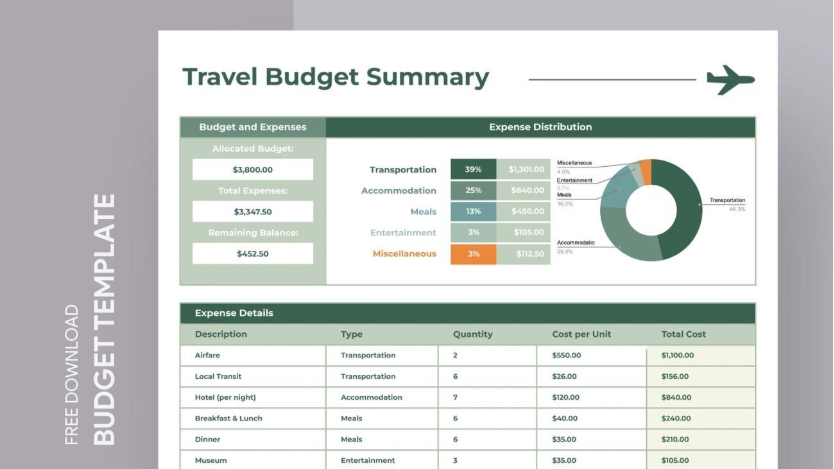
Image Source: Google Docs Templates
A solid budget makes any road trip affordable. Smart financial planning can turn your trip from a source of stress into a fun adventure.
Why budgeting matters
Your trip can drain your wallet fast without a proper budget. Research shows people who set daily spending limits save 23% more than those who don't track their money. A good plan helps you choose what matters most on your trip - whether you want a cozy hotel or extra cash for activities. Best of all, you won't dread looking at your bank balance when you get back home.
How to budget for a road trip
My budget planning starts with two main categories:
- Necessities: Gas, accommodations, and food
- Expendables: Attractions, souvenirs, and entertainment
The next step is setting daily limits for each category. A detailed road trip budget might cost $60/day total or $30/person. Remember to keep 10-20% of your budget as backup. This covers surprises like car repairs or medical issues.
Tools to track road trip expenses
These apps make expense tracking simple :expense tracking
- TrabeePocket: Sorts expenses and works with different currencies
- Splitwise: Great for groups - shows who owes what
- TravelSpend: Works offline in remote places
These tools show your spending patterns clearly and help you adjust your budget during your trip.
Bring Your Own Food and Snacks
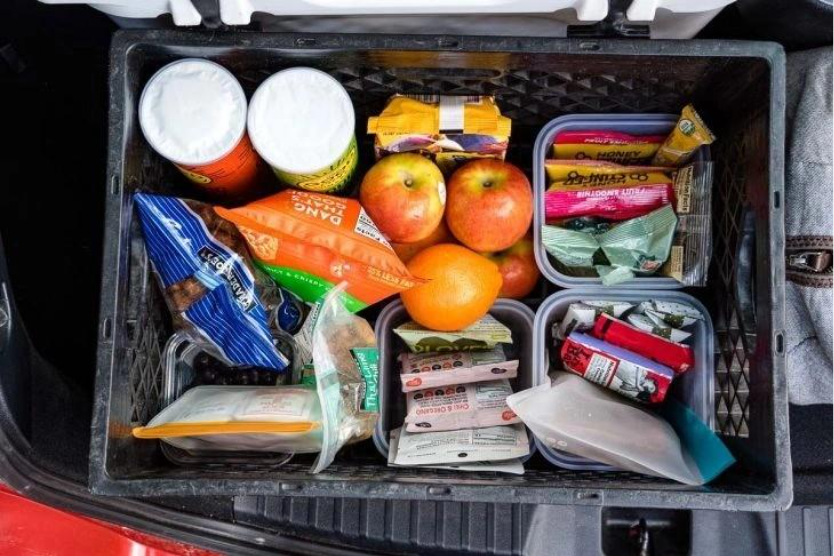
Image Source: Fresh Off The Grid
Smart travelers know that packing meals and snacks can slash travel expenses. This simple hack remains underused by most people on road trips.
Benefits of packing food
Road trip food expenses pile up fast. A family of four can by skipping restaurants. You'll get better nutrition from homemade food too. Restaurant dishes pack more sodium, fat, and preservatives than food you make at home. Your own food stash helps you stick to your schedule and avoid those hangry detours.save $20-40 per meal
What to pack for long drives
These foods work great without refrigeration:
- Trail mix, nuts, and dried fruits
- Whole fruits like apples and clementines (they won't bruise easily)
- Peanut butter sandwiches or wraps
- Granola bars without chocolate (you don't want melted messes)
Hard-boiled eggs, cheese sticks, and pre-cut veggies with hummus make excellent cooler-stored snacks. Finger foods are your best bet since they don't need utensils and keep your car clean.
Cooler tips and storage ideas
Your cooler works best with a 2:1 ratio—two-thirds ice to one-third food. Smart packing starts with putting last-needed items at the bottom. Waterproof containers protect food better than tossing items directly in ice water. Frozen water bottles beat loose ice—they keep things cold and give you drinking water later. The cooler belongs in your air-conditioned car, not the hot trunk.
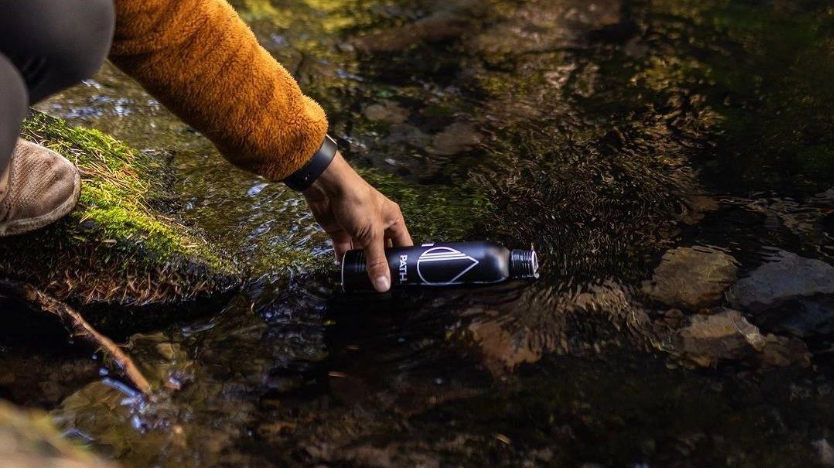
Image Source: PATH Water
Bottled water can drain your budget quickly during road trips. A simple reusable water bottle could save your money and help the environment.
Cost savings of reusable bottles
The math tells a clear story. Americans spend about $5 weekly on bottled water, which adds up to $260 each year. You could save over $180 yearly by switching to a reusable bottle. The daily recommended water intake of 64 oz needs four 16-oz plastic bottles that might cost you $20 per day. A reusable bottle costs just $10 once and could save nearly $3,000 each year if you keep buying bottled water regularly.
Best places to refill on the road
Getting water refills is easier than you might think. Highway rest stops usually have water fountains. Most hotels offer filtered water in their lobbies that serve as reliable pit stops. Apps like help you locate nearby refill spots and tell you if the water is filtered, cold, or sparkling. RefillMyBottle's website lists places in Southeast Asia where you can get free refills.FindTap.com
Eco-friendly benefits
The numbers paint a clear picture. One reusable bottle keeps 1,460 out of landfills each year. Americans throw away more than 60 million single-use plastic bottles daily. These plastic bottles take almost 500 years to break down. Tour companies have made a difference by switching to reusable bottles, which eliminated 570 million plastic bottles from their operations.plastic bottles
Eat Out for Lunch Instead of Dinner
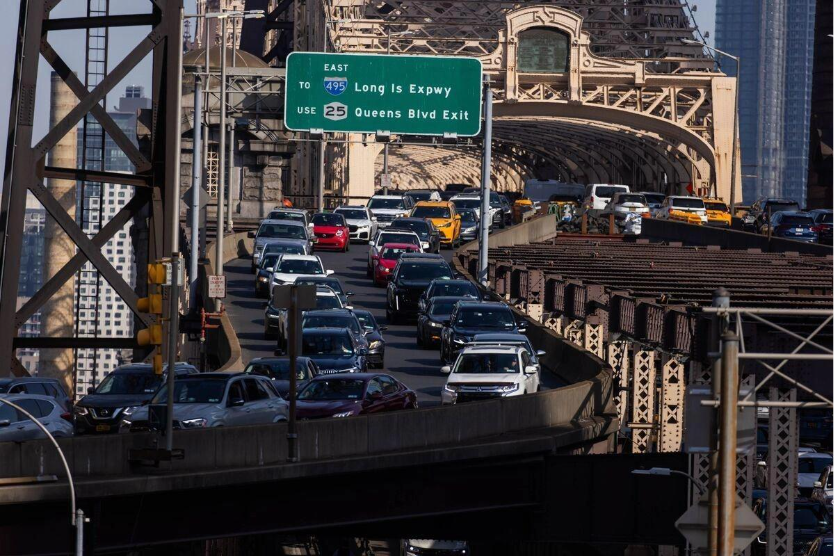
Image Source: Reddit
The right timing makes a big difference for dining out during road trips. A smart way to save money is to switch your restaurant meals from dinner to lunch.
Why lunch is cheaper
Restaurants set lower prices at lunch to fill tables during slower daytime hours. The lunch scene is fiercely competitive and price-driven. Most places treat lunch as a quick pit stop rather than a relaxed dining experience. The portions you get at lunch are smaller than dinner servings. Even at budget-friendly restaurants, a typical meal still costs nearly 285% more than eating at home.
How to find lunch specials
The best deals are easy to find. The hotel staff and tourist offices can point you toward local lunch specials. Look out for "menu del día" options in different regions. Better prices await in neighborhoods where locals eat. Many upscale restaurants serve limited lunch tasting menus that are worth checking out.
Sample savings comparison
Lunch specials usually cost 30-40% less than similar dinner items. Take Paris as an example - many fine dining spots offer tasting menu lunches that cost a fraction of their dinner prices. Your budget stretches further if you share dishes with travel companions. Try ordering one and one budget-friendly option to split. A family of four could save roughly $140-280 on food over a week-long trip with this approach.local specialty
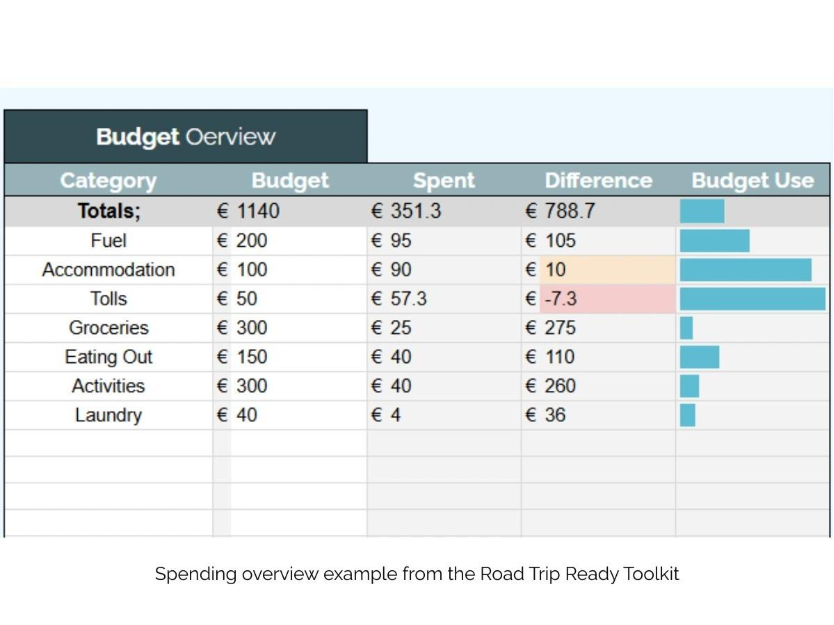
Image Source: Officer Travels
Smart travelers know that booking a place to stay well ahead can save you lots of money on your road trip. You'll avoid the stress of late-night searches and surprise costs by planning this vital expense.
Advantages of booking in advance
Booking ahead guarantees you'll have a place to stay, which is a vital part of travel planning during . Popular hotels often get fully booked months before, and last-minute travelers end up with few choices. You'll find the best rates about six months before your travel date. Early bookings also let you pick from all available rooms instead of taking whatever's left. The extra time gives you a chance to research and make smart choices without any pressure.peak travel seasons
Best platforms for deals
These platforms are great ways to find accommodation deals:
- Booking.com: Get discounts through their Genius rewards program after your second booking
- Hotels.com: Book ten stays and get one night free
- Skyscanner: Great for last-minute deals and special discounts
Google makes it easy to spot the website with the lowest rate for the hotel you want.
Avoiding last-minute price hikes
Last-minute bookings usually mean higher prices, especially in busy spots during peak season. 's data shows you might save 35% by booking within a week during summer, but this works better when it's not peak season and there's less demand. Some places that aren't booked might drop their prices, but it's risky - you could pay top dollar for the leftovers.Hotels.com
Look for Hotels with Free Breakfast

Image Source: Tripadvisor
Free hotel breakfast might look like a small perk, but it can cut down your road trip expenses. We've found this feature worth thinking about while picking a place to stay.
How this saves money
A family with kids can save around $50.00-$75.00 each day by picking hotels that offer free breakfast. The savings go beyond just breakfast costs - a good morning meal means you'll likely spend less on lunch. This works great for families since kids often waste food and money at restaurants. Hotels include this feature at no extra cost, though the room rate accounts for it.
What to expect from free breakfasts
The quality of hotel breakfasts varies by property:
- Budget chains stick to continental options (cereals, pastries, yogurt)
- Mid-range hotels add hot items like eggs, sausage, and waffles
- Resort properties go all out with extensive buffets
Different regions around the world shine with their breakfast offerings. Scandinavia boasts some of Europe's biggest breakfast spreads. Tropical countries deliver great value along with local specialties.
Tips to maximize value
The best strategy is showing up early to get the freshest food. You can grab fruit or sealed items for snacks later. Let the hotel know about dietary needs a day before - they can usually handle gluten-free or dairy-free requests. Breakfast also gives you a chance to sample local dishes without spending big at restaurants.
Consider Camping or Rest Stops
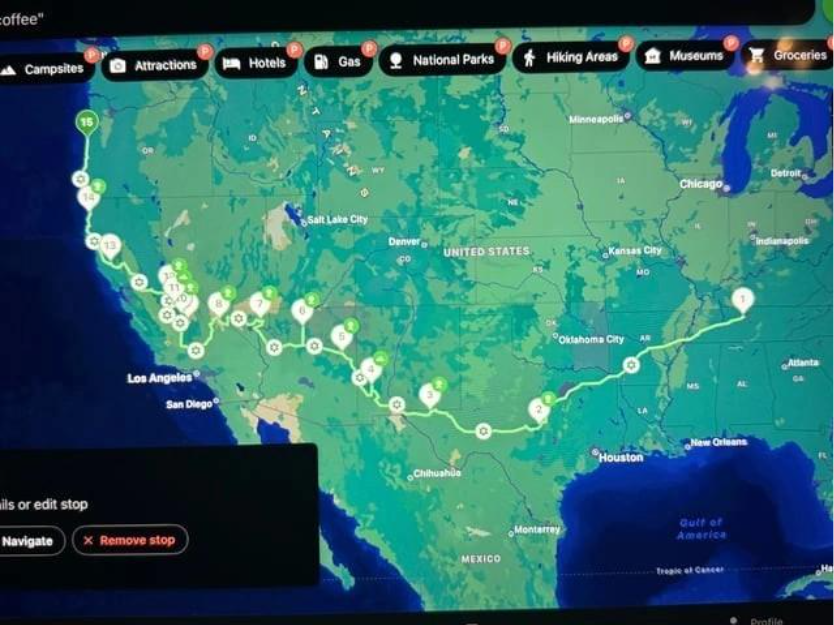
Image Source: Reddit
Swapping hotel luxuries for a tent or camper van can save you a lot of money on your road trip.
When camping is cheaper
. Campgrounds average $40/night while budget hotels charge around $100/night. A family that chooses camping over hotels could save $9,000 across 10 years. Tents are the most budget-friendly choice, and RV camping offers great savings on extended trips. What started as a two-day destination ended up becoming a nine-day adventure thanks to camping.Camping costs nowhere near as much as hotels
Free and low-cost camping options
You'll find many free places to camp:
- Bureau of Land Management (BLM) land: The western states offer free 14-day stays
- National Forest land: You can camp here up to 14 days
- Business parking lots: Several Walmart, Cracker Barrel, and Cabela's locations welcome overnight parking
- Rest areas: Many states provide simple facilities, though some don't allow overnight stays
Truck stops with shower facilities and casino parking lots are also options if you ask for permission.
Safety and comfort tips
Research your camping spots ahead of time to stay safe. The site assessment works best during daylight hours. Solo campers should set up near families. Your essential gear should include sleeping bags, headlamps, and quick-dry towels. Note that free campsites usually don't have bathrooms, running water, or cell service.
Use Loyalty Programs and Travel Rewards
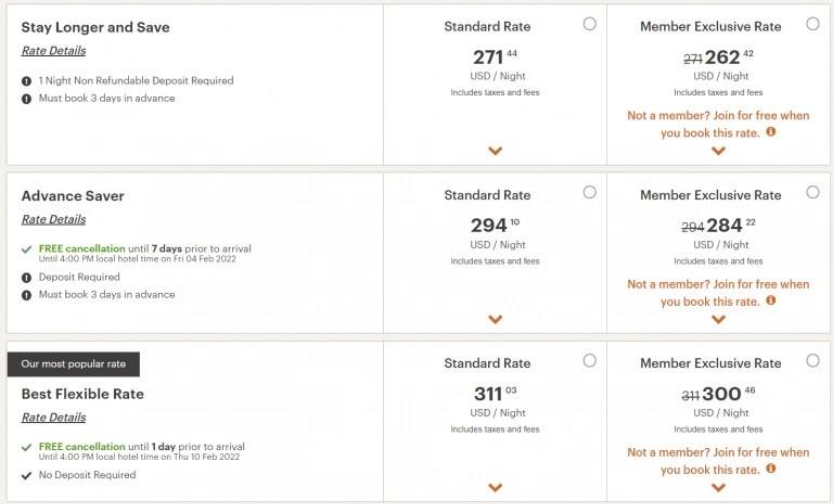
Image Source: NerdWallet
Road trippers often miss out on a goldmine of savings through loyalty programs. These rewards systems can substantially cut down your lodging costs as you travel.
How to earn free nights
Hotel loyalty programs give away complimentary stays in several ways. rewards its cardholders with free night awards each year after renewal. These awards range from 35,000 to 85,000 points based on your card tier. The IHG One Rewards Premier Credit Card members get an anniversary free night they can use for rooms worth up to 40,000 points. Hyatt's program stands out by offering two free nights - one comes automatically on your card anniversary for category 1-4 properties and you'll earn another after spending $15,000 in a year. These perks need some planning but the value they bring makes it worthwhile.Marriott Bonvoy
Best hotel and travel apps
A few handy tools make it easy to track multiple rewards programs:
- AwardWallet: Keeps tabs on miles/points across 670+ programs and alerts you about expiring free night awards
- CardPointers: Takes care of credit card offer activation and helps pick the best card for each purchase
- MaxRewards: Shows you which cards earn the most at specific stores with its "best card for use" feature
Stacking rewards for savings
Smart travelers layer their discounts to maximize savings. Your Hyatt Discoverist status gets you late checkout, while Hilton Diamond status adds free breakfast to the mix. You'll also rack up points on room charges. Shopping portals magnify these savings by giving extra points when you book through them. This strategy helps you travel smarter by squeezing more value from every dollar spent on your road trips.
Avoid Toll Roads When Possible
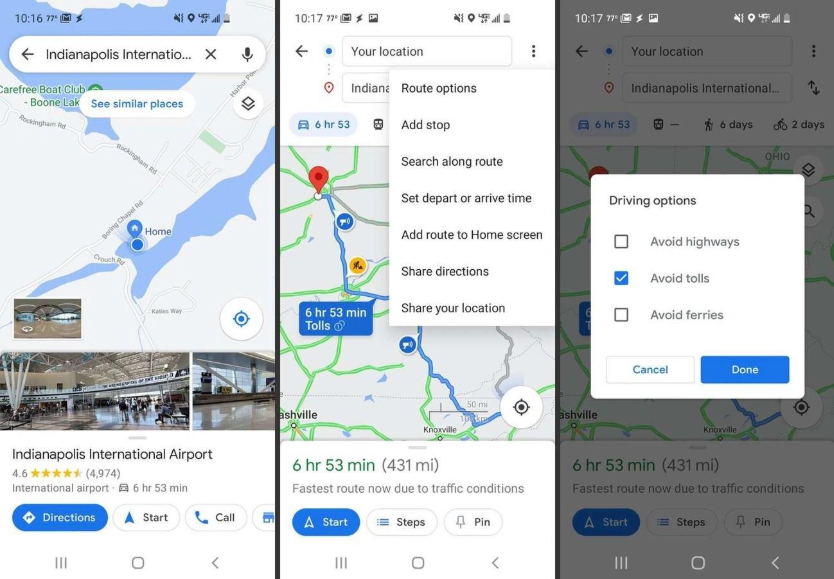
Image Source: Lifewire
Toll roads can silently eat away at your travel budget. Smart route planning will help you save money on your next trip.
How tolls add up
Regional differences make toll expenses vary greatly. A cross-country trip through America could cost you between $50-150. Travelers in the northeast corridor might spend $20-50. You'll likely pay $5-25 per day in urban areas. Smart drivers save $500-2000 each year by skipping toll roads. These costs pile up fast, especially with other road trip expenses.
Using GPS to avoid tolls
Navigation apps are a great way to get around toll roads. Google Maps makes it easy - just click "Avoid tolls" in your route settings. The app shows you estimated toll costs for routes and helps you decide if time savings justify the cost. TollGuru's route calculator finds toll-free options across the country and shows your exact savings.
When tolls might be worth it
Sometimes paying tolls makes good financial sense. Take the Philadelphia to Chicago route as an example - you save almost $30 by taking an alternate path that adds just 15 minutes to your trip. That's nearly $2 saved per minute! Dense toll areas usually add 30-90 minutes to toll-free routes, while southern and western routes barely affect your travel time. Look at the before you decide - a small toll payment might be worth it.cost-benefit ratio
Sign Up for an Electronic Toll Pass
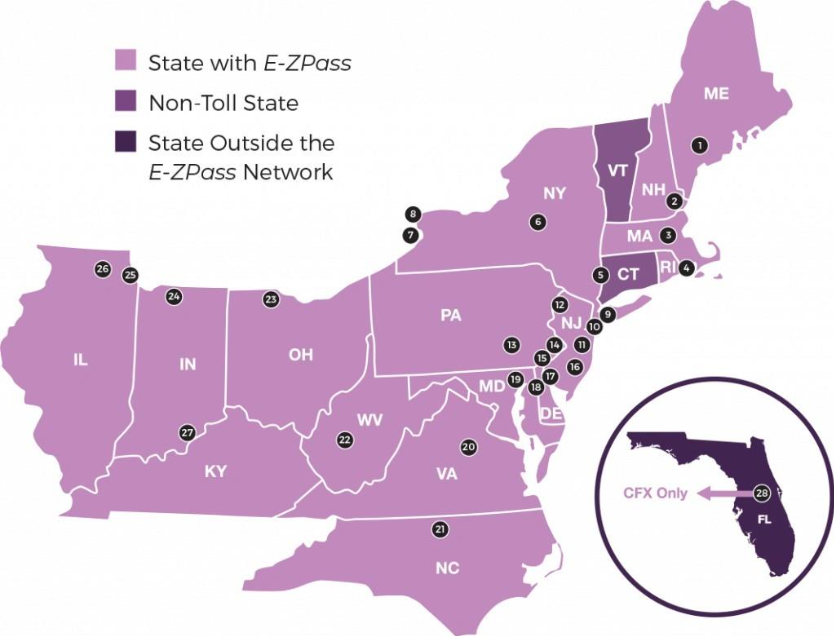
Image Source: DriveEzMD
Electronic toll passes help frequent travelers save money by turning regular toll expenses into valuable savings during road trips.
Benefits of toll passes
Electronic transponders help drivers save 20-50% compared to cash rates. Regular interstate travelers can save hundreds of dollars each year. These transponders eliminate cash handling needs and offer online account management with complete transaction records. Many express lanes now require transponders exclusively, which gives users access to premium routes that cash-paying drivers cannot use.
Where to get them
Major toll pass networks include:
- E-ZPass: Covers 19 states across the Northeast, Southeast, and Midwest
- SunPass: Florida, Georgia, North Carolina
- FasTrak: California toll roads, bridges, and tunnels
- TxTag: Texas, Kansas, Oklahoma
Your travel region should determine which system works best, since 38 US states have toll facilities.
Savings by region
Each region offers different savings opportunities. E-ZPass users in the Northeast (NY, NJ, PA) typically pay $0.06-0.20 per mile instead of higher cash rates. Regular commuters see substantial yearly benefits—electronic tolling costs average $2,600 compared to $3,467 for cash payments, resulting in $867 annual savings. DWG bridge users save nearly $400 each year with E-ZPass.
Visit Free Attractions Along the Way
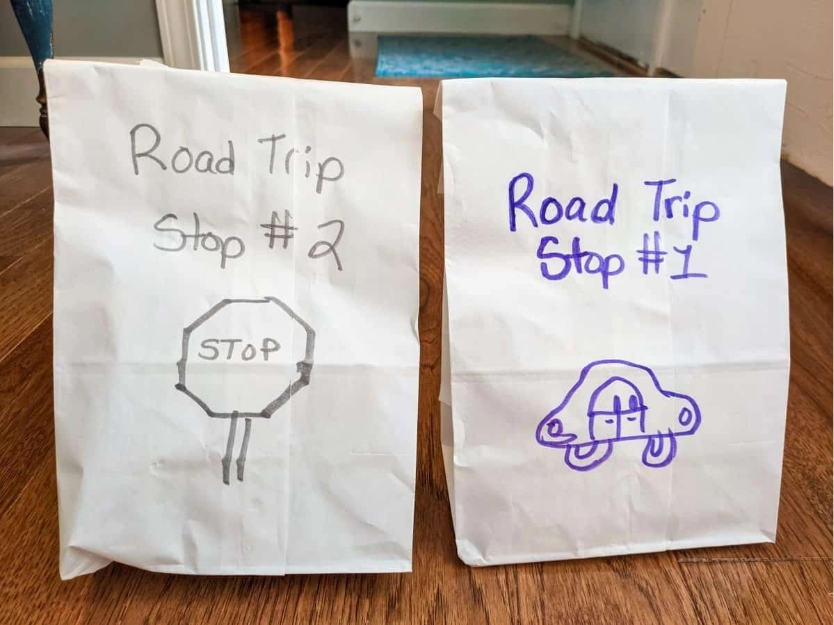
Image Source: run wild my child
These hidden gems often show you the real local culture without adding to your travel costs.Free attractions
How to find free attractions
is your best bet to find free stops. You can enter your start and end points, then filter for "attractions/culture" or "outdoors/recreation" options. TripAdvisor shows you what real people think about local attractions, while Roadside America helps you spot unusual roadside oddities. Local visitor centers are great places to learn about nearby attractions and small museums that tell the town's story.Roadtrippers.com
Examples of free stops
You'll find free activities all over the country:
- Nature trails and scenic viewpoints
- Self-guided walking tours through GPSmyCity
- Farmers' markets and public gardens
- Free museums and college campuses[572]
- Historic markers and public art installations
- National Park Service sites (over 400 across the country)
- Covered bridges and waterfalls
National parks and scenic byways make perfect budget-friendly destinations throughout America.
Using local event calendars
Finding is easier than ever. Local tourism websites' community calendars list upcoming activities. Eventbrite has a dedicated section for free events. Local news stations like Fox8 keep complete event calendars. You'll also find event sections in local newspapers that showcase community activities.free events
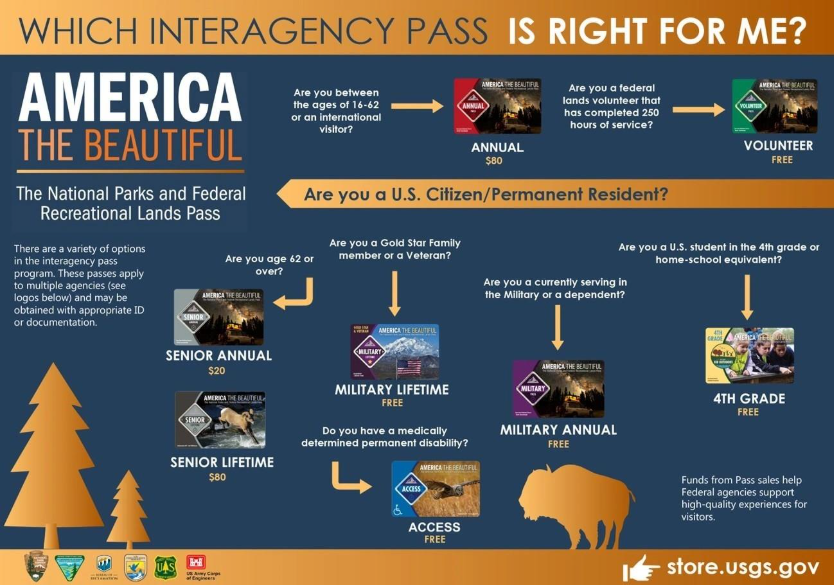
Image Source: National Park Service
The America the Beautiful National Parks Pass proves to be a smart investment for national park enthusiasts. This travel tool can significantly cut your road trip expenses and unlock access to America's natural treasures.
What the pass has
The America the Beautiful Pass gives you entry to more than 2,000 federal recreation sites across the nation. This annual pass covers entrance fees at all national parks and standard amenity fees at national forests, Bureau of Land Management sites, and other federal lands. A single pass admits the holder and all passengers in a personal vehicle at per-vehicle fee areas. You can bring up to four adults at sites that charge per-person fees. Children 15 and under can enter free. The pass costs $80 and stays valid for 12 months from your purchase date.
When it's worth it
The pass's value becomes evident after visiting multiple parks. You'll break even after exploring just three different national parks. A trip to Petrified Forest, Grand Canyon, and Sedona would cost about $60 without the pass. The value increases substantially with visits to parks like Denali ($20), Big Bend ($20), and Acadia ($20). Individual payments might make more sense if you plan to visit just one or two parks with low entrance fees.
How to use it at multiple parks
Your first step is to sign the back of your physical pass. Show it with your photo ID at park entrance stations. The pass should be visible on your dashboard at unstaffed entrances. The pass doesn't cover additional costs like tours, permits, or campsite fees. Buying your pass directly at a park means 80% of that revenue supports the specific location.
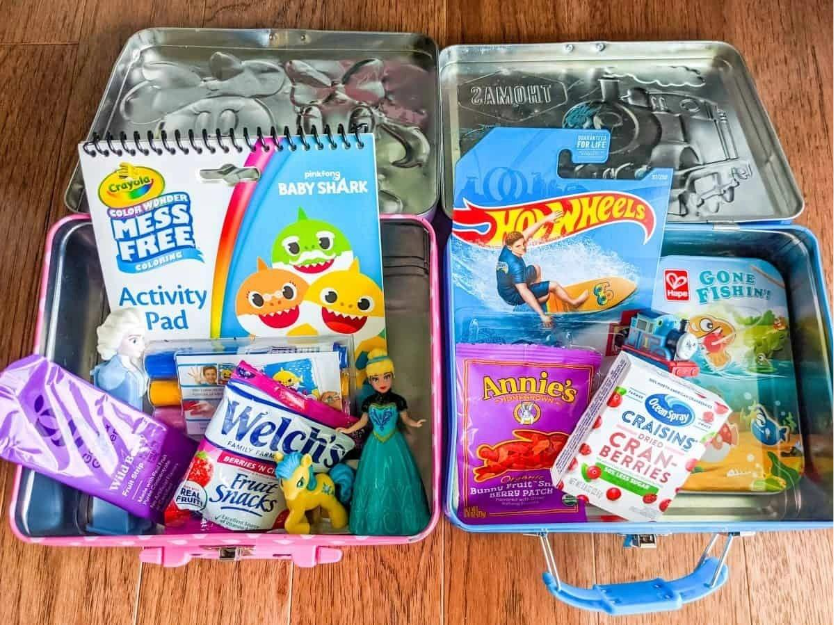
Image Source: run wild my child
You don't need to spend a lot to keep kids entertained on long drives. A little planning before your trip helps avoid impulse buys at gas stations and tourist shops.
Cheap entertainment ideas
Kids love new things during road trips. You can make a DIY travel kit with printed bingo cards, photo prompts, and travel journals. These items help them record their experiences. Let them take pictures with a small stuffed animal mascot - this photo buddy system creates hours of fun without extra costs. Simple games like "I Spy" or the License Plate Game are free and teach kids to watch the world around them. The license plate game challenges them to find all alphabet letters on signs they pass.
Dollar store finds
Dollar Tree is a rich source of affordable activities. Stock up on coloring books, paint-with-water books, pipe cleaners, and stickers before you leave. A "treasure box" rewards good behavior - small containers of movie theater candy work great as treats. Young travelers love busy bags filled with dollar store items. Show them these surprises at different points during the trip.
Audiobooks and games
Local libraries now have many digital options. Apps like Hoopla or Libby let you download free audiobooks through your library card. Kids love family-friendly podcasts like "Made Up Stories" that tell 10-minute tales based on children's ideas. Your recorded voice reading favorite stories helps young children feel secure and builds reading skills. Families with multiple kids might want to try a Yoto player with headphones. Each child can listen to their own stories.
Search for Local Coupons and Deals

Image Source: PCMag
You can find amazing savings at destinations along your route with just a little effort.Local deals
Where to find local discounts
State welcome centers stock plenty of discount coupons for attractions and lodging. You'll find great deals and local tips at city visitor centers too. AAA and AARP members get special rates at many hotels, attractions, and restaurants. The student brochures in college towns are packed with BOGO coupons that anyone can use.
Timing your visits for deals
Check restaurant websites before you leave to find happy hour specials. Many attractions give online ticket discounts of $10.00-$15.00 compared to walk-up prices. Museums let visitors in free on certain days—plan your schedule around these opportunities. Better yet, you can earn 5-10% discounts at participating businesses by leaving Google Maps or Tripadvisor reviews.
Conclusion
Road trips are one of the best ways to explore, and you don't need deep pockets to enjoy them. In this piece, I'll share 25 practical strategies that help create budget-friendly adventures without cutting corners on experiences. These tips have saved me thousands of dollars as I've traveled across the country.
Good preparation makes all the difference. You can cut your biggest expense—gas—by up to 30% when you pick fuel-efficient vehicles, keep proper tire pressure, and drive at the right speeds. On top of that, smart packing and bringing your own food stops unnecessary spending and lets you control your meal times and nutrition.
Your choice of where to stay can affect your overall budget by a lot. You'll save money when you book hotels early, pick places with free breakfast, use loyalty programs, or go camping instead. The free attractions along your route often turn out better than expensive tourist spots.
These money-saving tips are beautifully simple. Most take little effort but pay off big time. Gas apps help you find cheaper fuel in seconds. Refilling water bottles saves money on drinks. E-toll passes cut both costs and hassle.
My years on the road have taught me something important - a tight budget shouldn't stop you from having great adventures. Smart planning makes the experience better by taking away money stress so you can truly enjoy each stop. The comparison table shows how much you can save in different areas, proving that small changes add up to big savings.
The best road trips mix spontaneity with smart money choices. These 25 tips give you the tools to create memorable experiences without emptying your wallet. When you plan carefully before you leave, you have more freedom to explore. Your next road trip is waiting - and it'll be more affordable and fun than ever.
FAQs
Q1. How much should I budget for a road trip in 2025? A typical budget is around $500 per day for a family, covering accommodations, meals, gas, and activities. However, you can significantly reduce costs by camping, preparing your own meals, and seeking out free attractions.
Q2. What are some effective ways to save money on road trip accommodations? Consider camping in national forests or BLM land for free, using loyalty programs for hotel discounts, booking accommodations in advance, and choosing hotels that offer complimentary breakfasts to reduce overall expenses.
Q3. How can I minimize fuel costs during a road trip? Use gas price comparison apps like GasBuddy, drive at or below the speed limit for better fuel efficiency, choose a fuel-efficient vehicle, and plan your route to avoid toll roads when possible.
Q4. What are some budget-friendly entertainment options for kids on a road trip? Pack items from dollar stores like coloring books and small toys, download free audiobooks from your local library, create DIY travel games, and look for free attractions such as parks and museums along your route.
Q5. How can I save money on food during a road trip? Bring your own snacks and meals, use a cooler to store perishables, refill reusable water bottles instead of buying bottled water, and opt for lunch specials at restaurants instead of more expensive dinners when eating out.