Forget the usual winter advice. You don't need to choose between an overpriced ski town and a crowded beach packed with everyone else escaping the cold. Some of the best places to visit in winter are at their best when other travelers stay home, chase Christmas clichés, or overpay for the same predictable resort circuit.
Winter rewards travelers who plan with intention. Cities that feel hectic in spring turn calm and atmospheric. Mountain regions that seem out of reach become more manageable if you stay just outside the headline destination. Cultural capitals that can feel crowded the rest of the year suddenly offer room to slow down, linger, and connect with a place.
That matters if you're trying to travel well on a budget. It also matters if you care about more than ticking off attractions. Winter is one of the easiest seasons to build a trip around local food, public transit, neighborhood guesthouses, uncrowded museums, and natural settings that feel more dramatic because they demand a little effort.
There are trade-offs. Short daylight hours can wreck a loose itinerary. Weather delays are real. Some regions become magical in winter only if you pack properly and keep your schedule flexible. Others are worth it only if you avoid the most famous addresses and sleep one train ride away. That's the practical side most glossy guides skip.
This list leans into destinations that offer something stronger than just good photos. Each one works for a different kind of traveler, from trekkers and photographers to solo travelers and urban explorers. Just as important, each one can be approached in a way that keeps costs under control and leaves a lighter footprint.
If you want winter travel that feels richer, calmer, and often more affordable than peak-season trips, start here.
1. Banff and Lake Louise, Canadian Rockies
Banff and Lake Louise deliver the classic winter postcard. Frozen lakes, sharp peaks, evergreen forests, and ski terrain that feels cinematic even if you never clip into a pair of skis. The mistake most travelers make is assuming they need to stay in the center of Banff and buy every premium experience on arrival.
You don't.
Base yourself in Canmore if Banff prices feel steep. The trade-off is a short commute, but you usually get more breathing room, easier grocery runs, and a less polished but more livable town. For budget travelers, that difference often matters more than being able to walk to a souvenir shop.
How to keep costs under control
If you're planning more than one Canadian national park stop, look at the Parks Canada Discovery Pass before you go. It works better than paying piecemeal entry fees on a longer itinerary. The Parks Canada app is also worth downloading before you lose signal in the mountains.
A few tactics work better than others here:
- Stay outside the postcard core: Canmore often gives you better value and more self-catering options than central Banff.
- Rent gear locally: Unless you're bringing specialized equipment, local rental shops save you the hassle of flying with bulky winter gear.
- Use free programming: Parks Canada often runs interpretive activities that add context without pushing your budget higher.
What works in winter
Photographers should treat Lake Louise like a dawn destination. Early light and fewer footsteps in fresh snow make a visible difference. If you arrive late morning, you'll still get the scenery, but not the same calm.
Practical rule: In alpine destinations, pay for the scenery first and the luxury second. The mountain view doesn't care what thread count your hotel sheets are.
The shoulder edges of winter are smart too. Early season and late season can mean fewer crowds while still delivering strong scenery. What doesn't work is underestimating transit time between viewpoints. Winter roads slow everything down.
This is one of the best places to visit in winter if you want a grand natural setting without needing a complicated itinerary. Keep your days simple, leave room for weather, and let the setting do the heavy lifting.
2. Kyoto, Japan

Kyoto in winter is quiet in the right way. Not empty, not lifeless. Just stripped of the rush that can make the city feel performative in peak seasons. Temples, gardens, narrow lanes, and old wooden facades all land differently when the air is cold and the pace slows down.
If your idea of winter travel is cultural immersion rather than nonstop activity, Kyoto is hard to beat.
Why winter suits Kyoto so well
The city rewards early starts. Temples feel most atmospheric in the first hours of the morning, especially if light snow has settled overnight. Fushimi Inari, smaller Zen gardens, and traditional districts all become more manageable when you arrive before the tour buses set the tone.
Use an IC card such as Suica or ICOCA so you can move through buses and trains without thinking about individual fares every time. Better yet, cluster neighborhoods and walk between them. Kyoto is one of those cities where a cheap day becomes a memorable one because you stayed on foot long enough to find a side street, a tea shop, or a local lunch counter that wasn't built for outsiders.
What to spend on and what to skip
Spend on a centrally located guesthouse if it cuts down your transit time. In winter, convenience has value. You don't want to burn the best light of the day shivering at the wrong bus stop.
Skip overstuffing your temple list. Kyoto punishes speed. Two or three well-timed visits with room for a long lunch and neighborhood wandering usually works better than charging across the city to collect shrines.
Try winter dishes that are warming and easy on the budget. Udon, hot pot, and simple set meals stretch further than trend-driven cafes.
A practical rhythm looks like this:
- Start early: Morning light and lower foot traffic change the whole experience.
- Walk short clusters: Combine nearby sights instead of crossing the city repeatedly.
- Eat seasonally: Winter comfort food is often cheaper and more satisfying than novelty stops.
Kyoto isn't the cheapest destination on this list, but it's one of the easiest to make meaningful. That's why it belongs among the best places to visit in winter.
3. Iceland
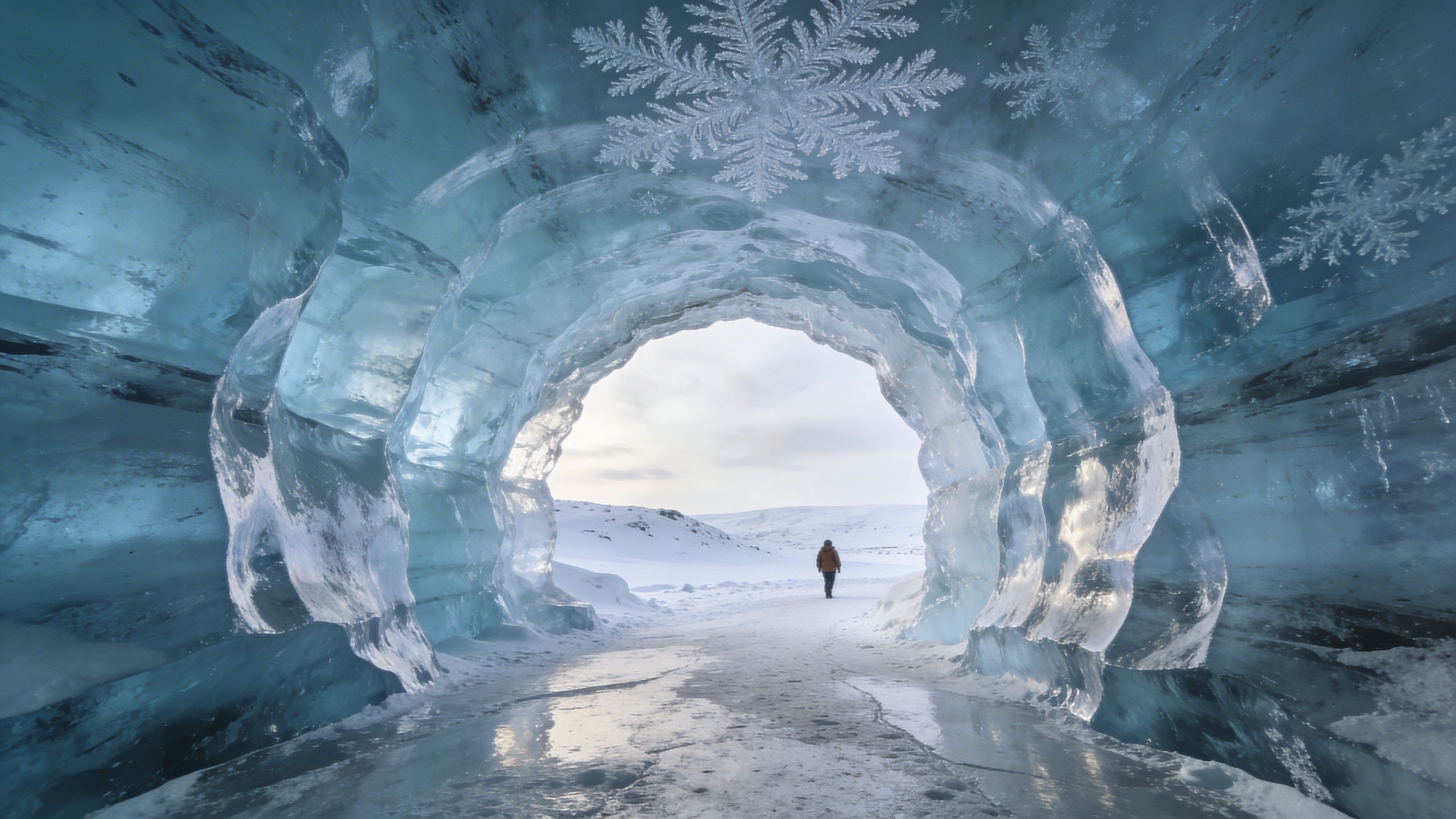
Iceland in winter is all contrast. Blue ice caves, black sand, white fields, steaming water, dark skies, and weather that can switch moods faster than most travelers expect. That's exactly why it works. Few places feel so raw and so organized at the same time.
The fantasy version of Iceland is a nonstop road trip with perfect aurora overhead every night. The practical version is better. Choose a smaller radius, build weather flexibility into every day, and treat Reykjavik as a dependable base unless you're comfortable driving in serious winter conditions.
The smart winter approach
For many travelers, staying in Reykjavik and booking selective day trips is the better call. You cut the stress of winter driving, keep accommodation planning simpler, and still reach major scenic areas. If you do rent a vehicle, don't be overconfident just because the route looks short on a map.
Group tours are worth the money for ice caves and aurora hunts because access and safety matter more than independence in those cases. Self-catering helps too. Buying groceries at Bónus or Krónan does more for your budget than chasing accommodation bargains that leave you stranded far from everything.
Iceland is spectacular when you stop trying to conquer it. A shorter route with spare time beats an ambitious loop that gets wrecked by weather.
Solo travelers often do well here because the tourism infrastructure is clear, English is widely used, and organized excursions make it easy to meet people without sacrificing independence. If safety is part of your planning, Travel Talk Today's guide to the safest countries for solo female travelers is a useful companion read before you book.
What doesn't work
Trying to save money by improvising too much usually backfires in Iceland. Last-minute booking, weak outerwear, and unrealistic driving plans all get expensive fast. Download offline maps before you head out, and treat geothermal pools as a smart spend, not a splurge. A good soak after a cold day often saves the evening.
If your winter priorities are dramatic scenery, photography, and a trip that feels wildly different from everyday life, Iceland earns its place among the best places to visit in winter.
4. Swiss Alps
Switzerland isn't cheap. That's the first reality to accept. The second is more useful. A winter trip to the Swiss Alps doesn't need to be luxurious to be unforgettable.
Zermatt and Interlaken offer two different kinds of access. Zermatt gives you that polished, car-free mountain village atmosphere with the Matterhorn looming over everything. Interlaken works better if you want flexibility, train access, and a practical base for the wider Jungfrau region.
Where value hides in Switzerland
The usual mistake is sleeping in the most famous resort and eating every meal out. That's how a scenic trip turns financially painful. Interlaken often makes more sense as a base because you can day-trip widely and keep accommodation choices broader. In mountain areas, self-catering matters more than people expect.
Lunch is another lever. In Switzerland, midday set menus can be a much better value than dinner in the same town. If you're determined to eat out regularly, shift your main restaurant meal earlier.
- Use trains strategically: Switzerland's rail network is part of the experience, not just transport.
- Hike when conditions allow: Not every mountain day needs a lift pass.
- Book early: Budget beds in strong locations disappear quickly.
The trade-off worth making
Zermatt is beautiful, but beauty alone doesn't justify paying top rates every night unless that setting is the core of your trip. Many travelers get a better overall experience by splitting time. Spend a shorter stretch in Zermatt, then shift to Interlaken or another rail-connected base.
For solo travelers, the logistics are one reason Switzerland works so well. The country is easy to get around, punctual, and built for independent movement. If that's part of your decision-making, Travel Talk Today's detailed take on whether Switzerland is safe for solo female travelers is worth reading before you commit.
What doesn't work here is trying to do too much in too many mountain towns. Switzerland rewards depth. Pick a base, learn the train rhythm, and stay long enough to catch changing light on the peaks. That's when the Swiss Alps become one of the best places to visit in winter, even on a careful budget.
5. Lapland, Finland

Lapland is often sold as a luxury winter fantasy. For many travelers, the smarter version is simpler. Skip the expensive igloo-first plan and use Rovaniemi as your base. You get easier transport, more room to compare accommodation, and day-trip access to the Arctic experiences people seek.
That choice changes the budget fast.
A thoughtful Lapland trip usually works best when you spend money on a few high-value experiences and keep the rest of the itinerary deliberately light. Reindeer or husky activities, a guided night outing, and one sauna-focused evening can carry the trip. The rest can be built around snowy walks, public bus connections, grocery-store breakfasts, and cafes instead of fixed package meals. For many travelers, that balance delivers more meaning than trying to book a premium version of every activity.
How to keep Lapland affordable and worthwhile
Package deals are useful only when the inclusions match your plan. If a bundle adds long transfers, heavy meals, or family-focused stops you do not care about, booking each activity separately is often cheaper and easier to manage. I usually advise travelers to compare the full day cost, not just the headline rate. A lower base price can become a worse deal once transport and winter gear are added.
Santa Claus Village is a good example. It can be a short, fun visit without becoming the center of the trip or the center of your spending.
Set a realistic daily budget before you arrive. Mid-range travelers often do best by reserving one organized activity per day at most, then leaving room for free time and weather shifts. If you want more ideas for building an active cold-weather itinerary, this guide to adventurous things to do can help you choose experiences that justify the cost.
Budget and sustainability, side by side
Lapland rewards travelers who stay longer in one base. Fewer transfers usually mean lower costs, less wasted time, and a lighter footprint. Choose locally run tours where possible, carry a reusable bottle and thermos, and rent quality winter clothing instead of buying cheap gear you will use once. In Arctic conditions, durability matters more than novelty.
The Northern Lights are the biggest expectation trap here. Go for the snow, the silence, Sámi cultural context where offered respectfully, and the feeling of being far north in deep winter. If the sky clears and the aurora shows up, that is the bonus.
Lapland works best for travelers who want a winter trip with substance. It is memorable, yes, but it is also manageable if you plan around trade-offs instead of postcards.
6. Patagonia, Argentina and Chile
Patagonia flips the usual Northern Hemisphere winter logic. If you're willing to travel south, you can trade icy city sidewalks for big skies, hard wind, long hikes, and natural settings that feel stripped down to their essentials.
This isn't a cozy winter trip. It's a purposeful one.
El Chaltén is often the right place to settle in if your trip revolves around trails rather than logistics. It gives hikers direct access to serious scenery without forcing a complicated setup every morning. That's the kind of place where staying longer usually beats moving faster.
Why slow travel works here
Patagonia can look cheap on paper and expensive in motion. The region gets costly when you keep jumping between towns, booking transport reactively, and treating every day like a transfer day. Staying put for a while lowers both your costs and your stress.
Long-distance buses remain the practical connector between major points. Hostel noticeboards and common rooms also matter more here than in many destinations. They're where people find hiking partners, swap weather updates, and make decisions based on current trail conditions instead of outdated assumptions.
The right expectations
What works in Patagonia is flexibility. What doesn't is insisting on a fixed plan when the wind, visibility, or trail conditions say otherwise. Go early in the day for the best light and the best chance of stable weather. Bring enough food to be self-sufficient on trail days. And don't underestimate how much energy the elements can drain.
A good Patagonia trip often looks simple:
- Base in a hiking town: El Chaltén is especially useful if trails are your priority.
- Shop locally: Stock up before heading out instead of relying on remote convenience buys.
- Stay longer: Fewer transfers usually means more hiking.
If you're building a broader active itinerary, Travel Talk Today's roundup of adventurous things to do can help you think beyond the standard bucket-list framing.
Patagonia is one of the best places to visit in winter if you define winter broadly and care more about immersion than comfort. It rewards patience, weather awareness, and the willingness to let the natural features set the pace.
7. Prague, Czech Republic
Prague in winter can feel theatrical in the best sense. Gothic towers, bridges in cold light, old facades dusted with snow, market stalls, hot drinks, and enough atmosphere to make even a short walk feel like part of the trip.
But timing matters. Go too close to peak holiday dates and the charm can get swallowed by crowd pressure and inflated prices. Aim for late November or the quieter stretch after the most intense Christmas rush, and Prague becomes much easier to enjoy.
What makes Prague work
This is a city where staying outside the postcard core usually improves the trip. Neighborhoods like Vinohrady or Žižkov give you more breathing room, better everyday food, and a stronger sense of local rhythm than sleeping beside the busiest squares.
Public transport does the rest. Winter isn't the season to insist on walking everywhere just because the map looks compact. Trams and the metro keep the day efficient and conserve energy for the parts worth lingering in.
There's also a wider festive benchmark worth knowing. For travelers who want a dense Christmas experience in the U.S., Jersey City was identified as the top American Christmas hotspot for winter 2025 with 69.4 Christmas-related activities per square mile and 1,460 events in MRI Software's Christmas Hotspots Index (MRI Software's Christmas hotspots analysis). Prague offers a different payoff. Less density, more historic texture.
Spend wisely in Prague
Eat in pubs and neighborhood restaurants, not directly on the most photographed squares. That's where value and atmosphere usually return. Warm up with local dishes instead of chasing novelty snacks all day.
Prague is best when you treat the city as livable, not theatrical. Ride the tram, duck into side streets, and let the famous views be only part of the day.
If you want ideas beyond the markets, Travel Talk Today's guide on what to do in Prague is a smart add-on.
Prague earns its place among the best places to visit in winter because it gives budget travelers something many festive destinations don't. Real beauty, manageable costs, and enough texture to stay interesting long after the first market photo.
8. Nepal
If your ideal winter trip involves clear air, long walks, mountain horizons, and a daily routine reduced to food, trail, rest, and conversation, Nepal stands apart.
Winter strips away some of the haze and much of the noise. Trekking becomes less about competing with crowds and more about rhythm. The country suits travelers who don't need polish to feel satisfied. A teahouse meal, a trail winding upward, and a cold morning view can carry an entire day.
Why winter can be the strongest season
For trekking, visibility matters as much as comfort. Winter often brings the kind of mountain clarity people hope for but don't always get in busier seasons. The trade-off is colder nights and the need to pack with more care.
What works well is arriving with enough time to acclimate and organize calmly in Kathmandu before heading to the trail. What doesn't is rushing straight from arrival into altitude because you're trying to save days.
Hiring local guides through guesthouses can simplify logistics, especially if you're traveling solo or want company on a longer route. Teahouse trekking also keeps the journey lighter and more connected to local communities than hauling full camping gear.
Where the value really is
Nepal remains one of the strongest value destinations for mountain travel. The key is keeping your style simple. Eat local staples. Filter or purify water instead of buying bottled supplies constantly. Share transport and trek arrangements when possible.
A practical Nepal approach looks like this:
- Acclimate first: Give your body time before starting any serious ascent.
- Choose teahouses: They keep costs and logistics manageable.
- Eat the standard meal: Dal bhat is filling, familiar, and easy to find.
The best part of Nepal in winter isn't luxury or convenience. It's clarity. Clear skies, clear priorities, and a clear sense that travel doesn't need to be expensive to be impactful. That's exactly why it's one of the best places to visit in winter.
9. Morocco
Morocco makes sense for travelers who want winter light without giving up cultural depth. You can move from medinas and riads to mountain views and desert edges without needing a long trip, and winter temperatures are often easier to handle than the heat of busier seasons.
This is not a destination where you should drift through the logistics without attention. Morocco rewards alert, respectful travelers. It can frustrate people who expect everything to function on autopilot.
What works best here
Family-run riads are often the smartest choice because they combine atmosphere with practical value. You're not just renting a bed. You're buying context, local advice, and often a calmer base than a generic hotel.
Use local buses and shared grands taxis when your schedule allows some flexibility. They're part of how budget travel works here. For desert stretches, group tours can be useful if they save you from piecing together multiple transfers through remote areas.
Language effort matters too. A few basic phrases in French or Arabic won't make you fluent, but they often shift the tone of daily interactions in a good way.
Trade-offs to understand
Morocco can feel intense if this is your first North African trip. Medinas demand awareness. Haggling requires a steady attitude. Street navigation can tire you out faster than expected. Build slower days into the plan.
For many travelers, the best rhythm is to combine one city with one slower regional stop. That might mean Marrakech plus the Atlas foothills, or Fes plus a desert leg. Trying to cram every famous stop into one short itinerary usually leaves you exhausted.
- Stay in riads: Better atmosphere and often better local guidance.
- Eat where locals eat: Menus built for residents usually give better value and better food.
- Negotiate calmly: Firm and respectful works better than either aggression or passivity.
Morocco belongs on any serious list of the best places to visit in winter because it offers warmth, texture, and strong value without feeling generic. You don't go there to hide from winter. You go there to replace it with something richer.
10. Northern Thailand
Winter does not always call for snow. For plenty of travelers, the smarter move is a base that lowers daily costs, slows the pace, and still gives the trip real substance. Northern Thailand does that better than many colder, pricier winter favorites.
Chiang Mai is the usual starting point, and for good reason. It is easy to settle into, easy to eat well in, and easy to use as a hub for temples, mountain drives, markets, and short escapes into smaller towns. The city also works well for longer stays, which is where the value really shows up.
Why it works for affordable, meaningful travel
Northern Thailand rewards travelers who stay put. A week or two in one place usually costs less than bouncing between destinations, and it often leads to a better trip. You get familiar with food stalls worth returning to, know which cafés are useful versus overpriced, and stop paying the tourist premium that comes with rushed decisions.
Neighborhood choice matters. Nimmanhaemin suits travelers who want reliable cafés, modern apartments, and a social setup that makes remote work easy. Old Town fits travelers who care more about walkable temples, guesthouses with character, and a stronger sense of place. Neither is better across the board. The trade-off is convenience versus atmosphere.
That distinction matters more here than many guides admit.
How to plan it well
Use Chiang Mai as a base and keep the itinerary light. Add a few day trips, a cooking class from a small local operator, and market meals that make everyday spending manageable. If you want a second stop, Pai or Chiang Rai can work, but only if you are comfortable trading simplicity for extra transit time and a more fragmented schedule.
Travelers mixing work with travel often do well here because the cost of staying longer is reasonable. If that is part of your plan, this guide to the best countries for digital nomads helps frame how Thailand compares with other long-stay options.
Budget and sustainability tips
A modest winter trip here can stay affordable with a guesthouse or simple apartment, local meals, and shared transport instead of constant tours. Costs rise fast when you rely on imported brunch spots, frequent ride-hailing, and private drivers for every excursion.
The more thoughtful version of this trip is usually the better-value one. Choose family-run stays. Book activities with operators who keep group sizes manageable and are clear about where your money goes. Skip any wildlife experience that treats animals as props. Use trains or shared minivans when time allows, carry a refillable water bottle, and spend your money on food, crafts, and classes that keep more of the benefit local.
Northern Thailand earns its place among the best places to visit in winter because it offers warmth, depth, and breathing room at a price that still feels realistic. It is a trip you can afford to enjoy slowly, which is often what makes it memorable.
Top 10 Winter Destinations Comparison
| Destination | 🔄 Complexity | ⚡ Resource requirements | ⭐ Expected outcomes | Ideal use cases | 📊 Key advantages |
|---|---|---|---|---|---|
| Banff & Lake Louise (Canadian Rockies) | Moderate, passport, avalanche-aware routes, winter crowds | $50–80/day; winter clothing, optional car or shuttle | ⭐⭐⭐⭐ (iconic alpine scenery, excellent skiing & photography) | Skiers, photographers, wildlife watchers, hot-spring seekers | Turquoise lakes, multiple resorts, strong tourism infrastructure; 💡visit shoulder season for fewer crowds |
| Kyoto, Japan, Winter Snow Temples | Low, excellent public transit, temple hours shorten in winter | $35–55/day; warm layers, IC transport card | ⭐⭐⭐⭐ (serene cultural immersion, photogenic temples with snow) | Culture seekers, budget travelers, early-morning photographers | Low winter prices, safe city, rich traditions; 💡go early (7–8 AM) for best light |
| Iceland, Land of Fire and Ice | High, unpredictable roads, weather-dependent itineraries | $60–85+/day; 4WD recommended, warm gear, booked tours | ⭐⭐⭐⭐⭐ (unique natural phenomena (ice caves, aurora), dramatic scenery) | Aurora hunters, photographers, adventure road-trippers | Ice caves, Northern Lights, geothermal baths; 💡book tours & self-cater to save |
| Swiss Alps, Zermatt & Interlaken | Medium, smooth transport but pricey and weather-sensitive | $70–100/day; ski gear or rail passes, advance booking | ⭐⭐⭐⭐ (world-class alpine scenery and skiing, impeccable services) | Quality-seeking skiers, scenic rail travelers, mountain photographers | Iconic peaks, excellent safety & transport; 💡travel shoulder months for savings |
| Lapland, Finland, Arctic & Northern Lights | Medium, extreme cold logistics, remote transfers | $75–110/day; heavy cold-weather gear, tours often needed | ⭐⭐⭐⭐ (high aurora probability, authentic Arctic activities) | Aurora chasers, families, cultural Arctic experiences | Reindeer/husky sledding, Sami culture, long winter season; 💡bundle packages for better rates |
| Patagonia (Argentina & Chile) | Medium, remote travel segments, seasonal trail closures | $30–50/day; sturdy trekking gear, long-distance buses | ⭐⭐⭐⭐ (vast wilderness, solitude, world-class hiking) | Hikers, slow-travel adventurers, budget photographers | Low winter prices, iconic treks, minimal crowds; 💡base in El Chaltén to reduce costs |
| Prague, Czech Republic, Christmas Markets | Low, city logistics simple, watch crowded market dates | $35–55/day; warm clothing, public transport pass | ⭐⭐⭐⭐ (festive atmosphere, photogenic medieval streets) | Holiday market visitors, cultural photographers, budget city breaks | Affordable food & lodging, festive markets; 💡avoid Dec 20–24 for smaller crowds |
| Nepal, Trekking in Clear Winter Skies | Medium, altitude planning, acclimatization required | $20–35/day; trekking gear, optional guide/porter | ⭐⭐⭐⭐⭐ (outstanding mountain vistas, magnificent treks) | Trekkers, budget adventure travelers, cultural explorers | Cheapest high-altitude trekking, strong teahouse network; 💡hire local guides and acclimatize properly |
| Morocco, Mediterranean Winter Sun | Low, basic transport planning, medina navigation skills helpful | $25–40/day; light layers, respectful clothing | ⭐⭐⭐⭐ (mild winter sun, diverse cultural settings) | Cultural explorers, budget sun-seekers, desert trekkers | Atlas peaks + Sahara access, riad stays, affordable food; 💡stay in riads and negotiate souk prices |
| Northern Thailand, Warm Winter Refuge | Low, easy visas, good tourist infrastructure | $20–35/day; casual clothing, basic health prep | ⭐⭐⭐⭐ (warm weather, affordable living, rich local culture) | Warm-weather seekers, long-term budget travelers, digital nomads | Cheap food/accommodation, many temples & markets; 💡base in Chiang Mai for best value |
Turn Your Winter Dream Trip into Reality
Winter trips do not have to be expensive, rushed, or wasteful. The best ones are usually the opposite. They are built around a clear reason to go, a budget that holds up for the full trip, and choices that keep more of your money with local people rather than with avoidable extras.
Across these ten destinations, the smartest pick is rarely the most famous one. It is the one that matches your cold tolerance, transport style, and spending limit. Banff and the Swiss Alps can be worth the higher daily cost if snowy mountain access is the main goal and you are willing to stay outside the postcard resort core. Kyoto and Prague give better value for travelers who want culture, walkable days, and winter atmosphere without paying for outdoor gear or guided excursions. Iceland and Lapland make sense when ice caves, aurora nights, and deep winter conditions are the trip, not just the backdrop.
Budget travelers have strong options too.
Nepal, Morocco, and Northern Thailand are often the easiest places on this list to turn a winter idea into an actual booking. Daily costs stay manageable, local food is affordable, and you do not need to overcomplicate the route to get a rewarding trip. Patagonia sits in a different category. It can be excellent value for the scenery you get, but transport distances, weather delays, and seasonal logistics punish tight schedules, so it rewards travelers who leave room for changes.
A practical winter plan usually starts with one base, not five. I recommend choosing a destination, then picking the cheapest well-located base that still makes daily movement easy. In Kyoto, that might mean staying near a train or subway line instead of chasing a more expensive traditional property. In Morocco, it often means a riad with hosts who can help you sort out realistic day trips. In Nepal or Patagonia, it means protecting buffer days because mountain weather decides more than your itinerary does.
The sustainability side matters here because it often saves money at the same time. Stay longer in one place. Use trains and public buses where they are reliable. Hire local guides when safety, access, or cultural context justifies the cost. Eat local, seasonal food instead of imported comfort meals that cost more and add little to the experience.
Keep the packing and planning simple. Good footwear, layers, and weather protection do more for trip quality than an overloaded itinerary ever will. Book accommodation first in places where storms or winter schedules can affect transport. Leave space for shorter daylight hours, a delayed bus, or a day that turns out better spent in a market, on a quiet street, or looking at mountains from one warm café.
Choose based on how you travel. A remote snow trip is a poor fit if you dislike darkness, driving in winter conditions, or paying extra for tours and gear. A city break will feel flat if what you really want is silence, trails, and cold air.
Winter rewards honest planning. Match the destination to your budget, pace, and priorities, then make a few thoughtful choices that reduce waste and support local businesses. That is how a winter dream trip becomes affordable, memorable, and real.