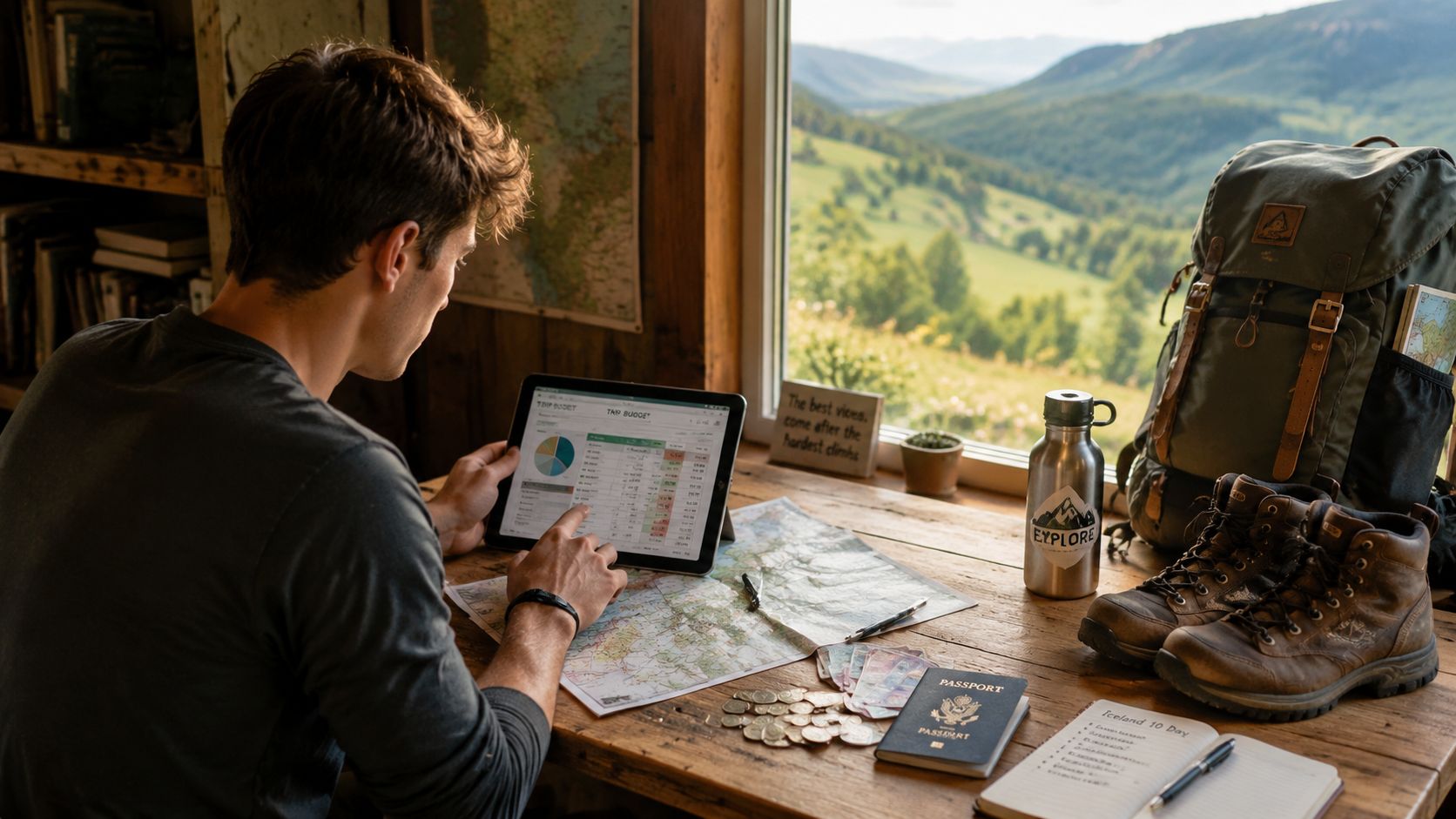
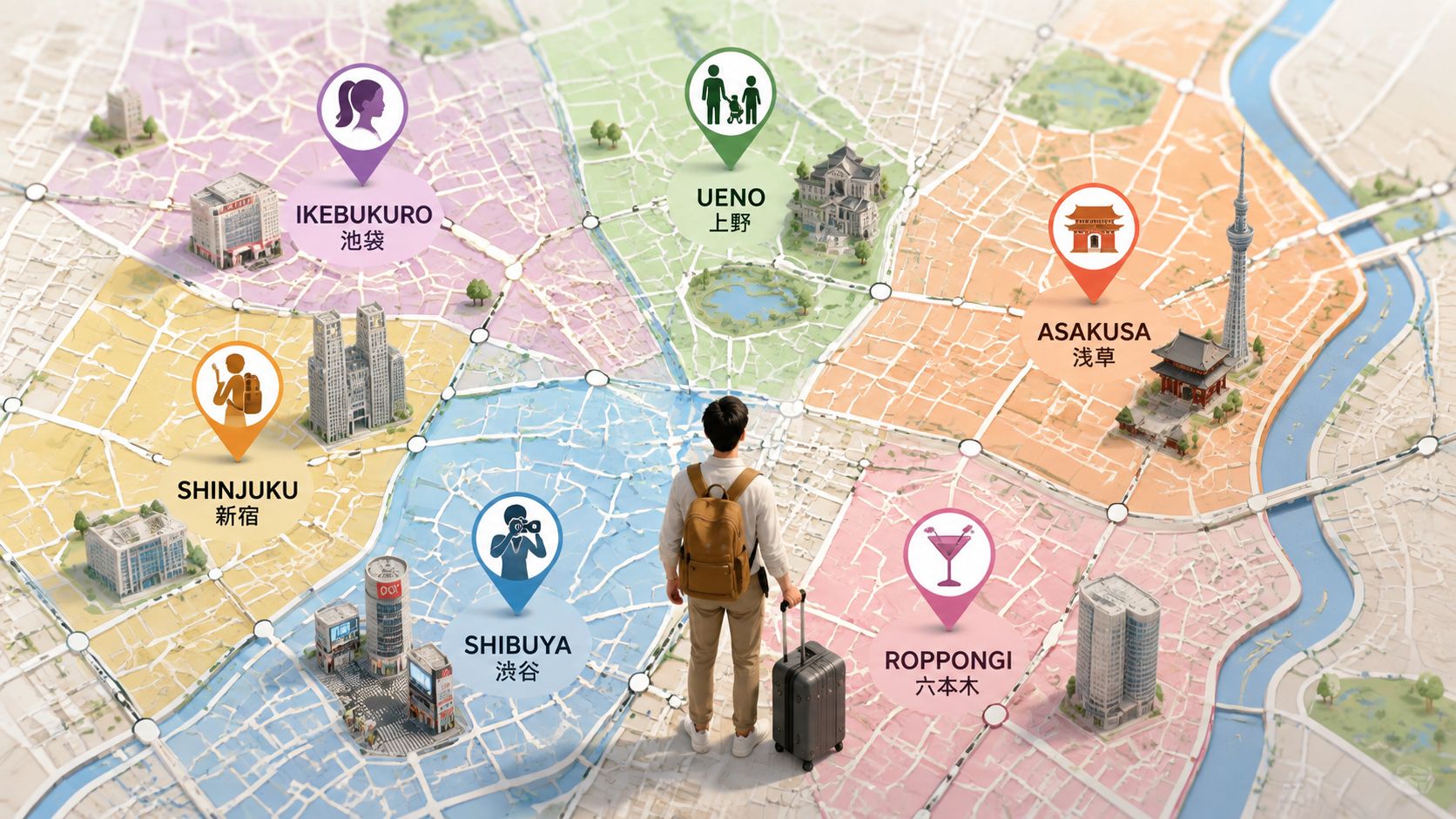
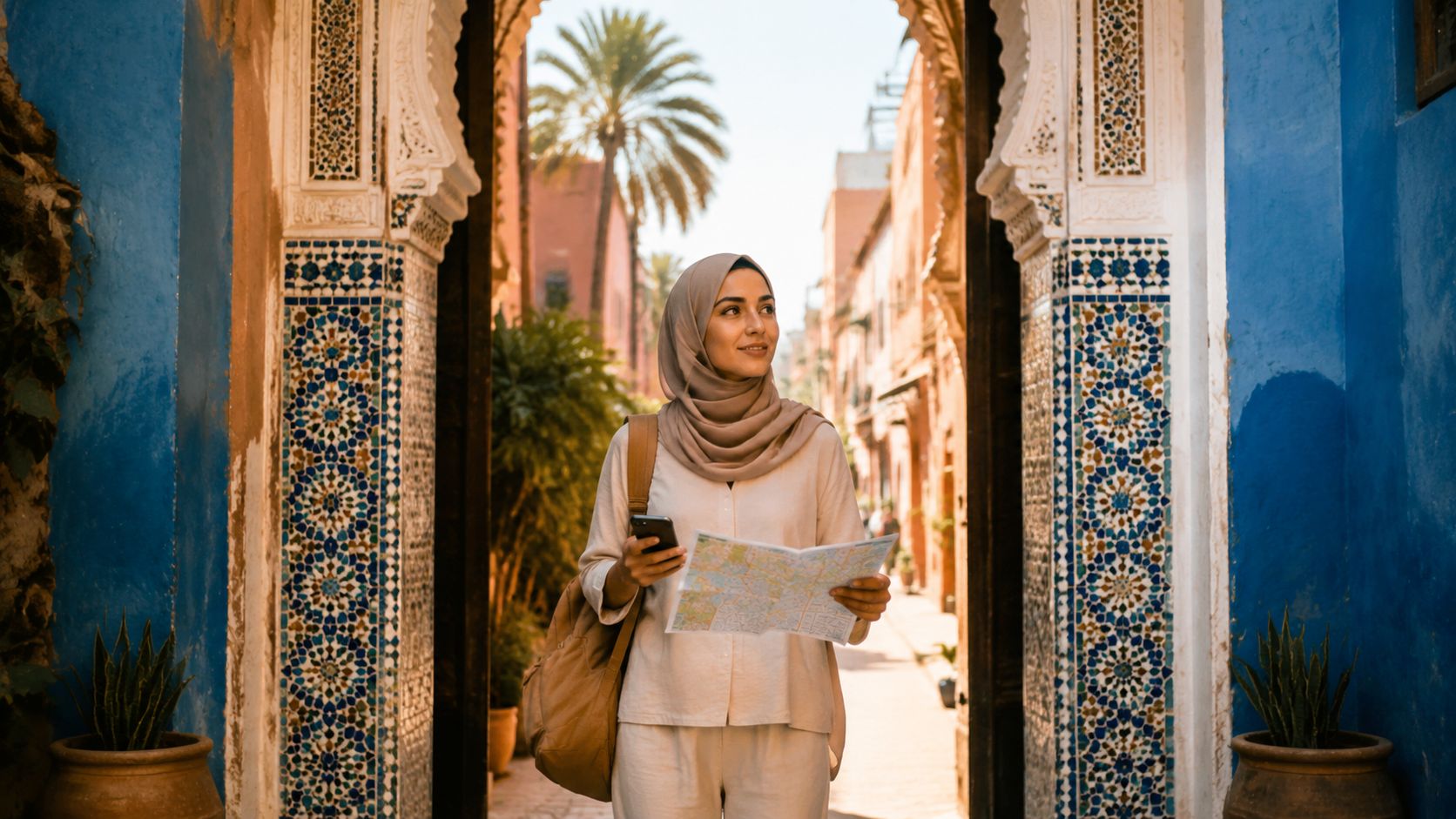
Ready for an adventure that reshapes you, but tired of bucket lists that assume you have endless money, endless confidence, and no concern for safety? That is the gap most travel content misses. It treats adventure like a product to consume instead of an experience to build deliberately.
Adventure does not require reckless choices. It does not require luxury lodges, expensive flights every month, or a personality wired for chaos. It requires intention. You choose a challenge, match it to your budget and skill level, and create enough structure that the experience stretches you without breaking you.
That matters now because adventure travel is no longer niche. The global adventure tourism market was valued at $483.3 billion in 2025 and is projected to exceed $1,028.4 billion by 2030, according to adventure tourism market statistics compiled here. Growth is one reason prices can climb quickly in popular destinations. The upside is that more infrastructure exists for independent travelers, first-timers, and people who want softer entry points instead of extreme sports.
This guide focuses on adventurous things to do that still work for thoughtful travelers. You will not find chest-thumping advice about suffering for the story. You will find practical trade-offs. When to spend more. When to keep it simple. When a guide is worth every cent. When a free experience beats a packaged one.
Some adventures ask for stamina. Others ask for patience, observation, and smart planning. Both count. A sunrise city walk with a camera can be as impactful as a mountain trek if you do it with curiosity and discipline.
Use these ideas as frameworks, not scripts. Adapt them to your experience level, your risk tolerance, and the kind of traveler you want to become.
1. Solo Backpacking Through Southeast Asia
Solo backpacking remains one of the best adventurous things to do if you want maximum flexibility for minimum cost. Southeast Asia is especially good for this because the travel infrastructure helps beginners learn independence without feeling stranded.
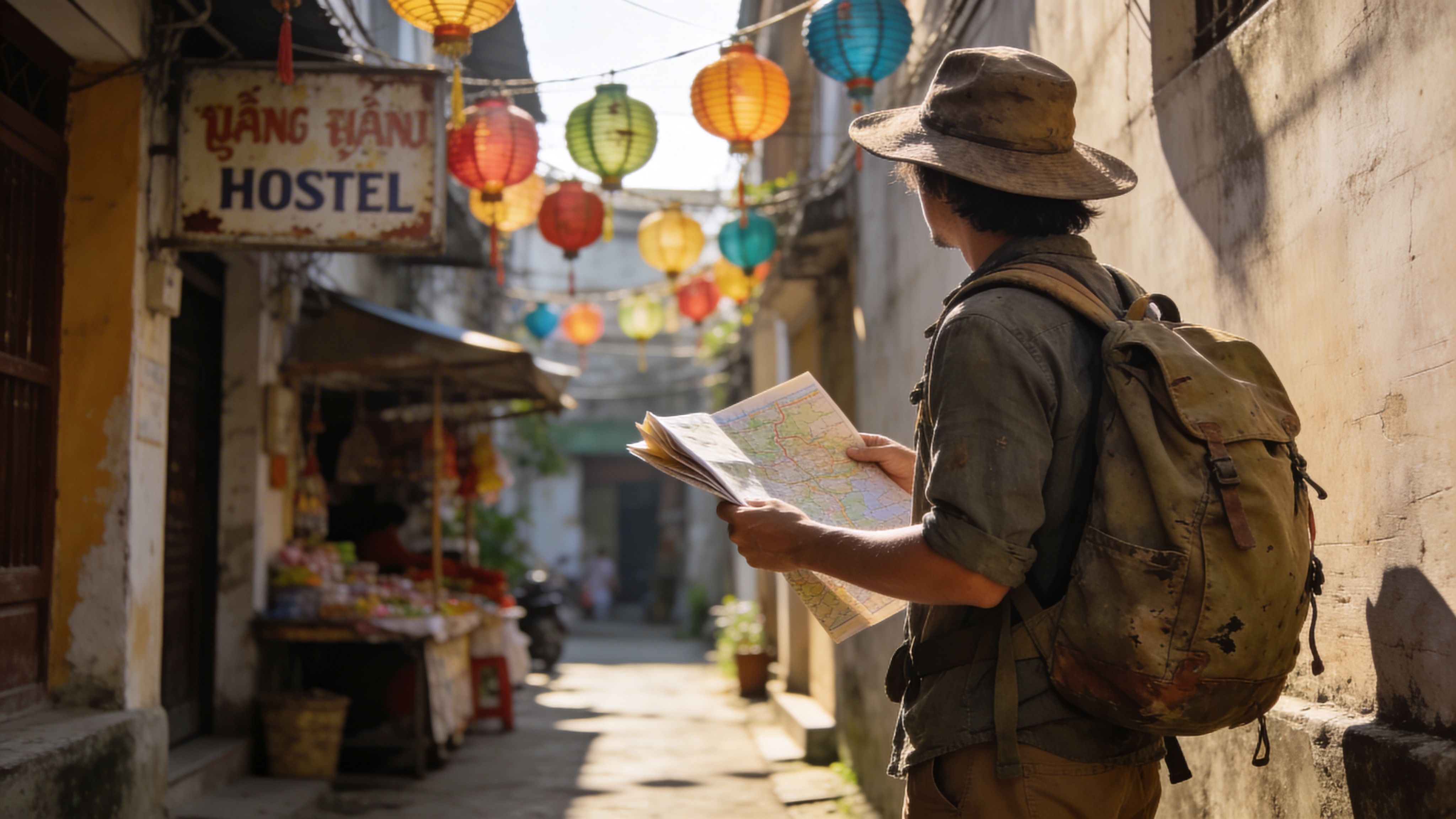
Thailand, Vietnam, Cambodia, and Laos work well as a first long backpacking loop. You can move slowly, stay in social hostels when you want company, and disappear into quieter guesthouses when you need a reset. Chiang Mai suits travelers who want a soft landing. Siem Reap is easy for meeting people. Hanoi rewards anyone willing to walk, eat street food, and accept that not every day needs a polished itinerary.
What works best on a tight budget
The biggest mistake is rushing. Fast travel burns money on transport and leaves you with thin memories.
Use a simple rhythm:
- Base yourself longer: Spend several nights in one place before moving on.
- Sleep strategically: Overnight buses or trains can reduce lodging costs, but do not string too many together or you arrive exhausted.
- Eat locally: Busy stalls with fast turnover usually beat tourist menus on both price and flavor.
A typical adventure trip costs around $3,000 per person excluding airfare and averages $341 daily, with 74% of budgets supporting local services, according to these adventure travel spending figures. Backpackers can often come in well below that by slowing down and keeping transit simple, but the bigger lesson is where the money goes. Local guides, family-run stays, food stalls, and transport providers matter more than glossy booking platforms.
Safety and sustainability without killing spontaneity
Register with your embassy. Keep digital and paper copies of your passport separate. Start in mixed dorms or sociable hostels until you build confidence, then shift into quieter places when needed.
Join a cooking class, walking tour, or day trip early in each city. It gives you orientation fast and cuts the isolation that can make solo travel feel harder than it is.
For a stronger route and budgeting system, use this practical guide on how to plan a backpacking trip.
If you feel overwhelmed on day one, do less, not more. One neighborhood, one meal spot, one useful conversation with hostel staff is often enough to turn a city from intimidating to navigable.
2. Urban Exploration & Street Photography in Hidden Cities
Not every adventure needs a trailhead. Some of the most memorable ones begin with a charged phone, offline maps, and the willingness to walk past the postcard district.
Urban exploration works because it is cheap, creative, and endlessly repeatable. Cities like Lisbon, Mexico City, Berlin, Buenos Aires, Istanbul, and Bangkok all reward travelers who move on foot and pay attention to side streets, local markets, old facades, tiled stairways, and neighborhood rhythm.
How to explore without wandering blindly
Start with one district, not an entire city. Alfama in Lisbon, Balat in Istanbul, Roma and Condesa in Mexico City, and Bangkok’s side sois all have enough texture for a full day.
Use Google Maps to save pins before you leave your accommodation. Mark a coffee shop, a transit stop, and a safe return route. That sounds basic, but it changes how confidently you move. If you are carrying a camera, confidence matters.
A simple structure helps:
- Begin in daylight: Learn the area’s feel before going out near dusk.
- Use local intelligence: Ask hostel staff where they would send a friend, not a tourist.
- Photograph respectfully: Ask before taking close portraits. If the answer is no, move on.
Why this counts as true adventure
Urban exploration asks for curiosity and restraint. You are making micro-decisions constantly. Which alley looks lively versus isolated. Which market invites you in. Which corner is worth waiting at for the right light.
There is also a practical budget advantage. If you are traveling under pressure, free and near-free local adventures matter. A recent content analysis highlighted a gap in travel advice for urban microadventures and hidden-gem exploration that does not depend on expensive destination activities, as discussed in this piece on epic mini adventures and local exploration.
That gap is present. Too many travelers spend heavily on famous attractions and skip the neighborhoods where a place reveals itself.
Use your camera as a reason to slow down. Photograph doors, markets, transit stations, murals, shadows, hand-painted signs. Those details build a much richer memory than sprinting between landmarks.
What does not work is treating “hidden” neighborhoods like treasure to extract. Buy something small. Sit in local cafes. Learn a few polite phrases. Stay aware that real people live there.
3. Hiking Remote Mountain Trails & Trekking Adventures
Mountain travel strips your routine down to essentials. Water, weather, pacing, and judgment suddenly matter more than notifications. That is part of the appeal.
If you are new to trekking, start smaller than your ambition tells you to. A hard day hike teaches you more about your gear and temperament than a fantasy itinerary built from social media clips.
The right way to step up
Go in stages. Start with a single-day mountain trail. Then try an overnight. Then commit to a longer trek.
Places like Patagonia, the Ha Giang region, and self-guided national park routes are strong training grounds because they reward effort without forcing every traveler into the same expensive package. More regulated routes, especially those involving permits or altitude, often justify additional planning and local support.
Soft adventure held 64.2% of the market in 2024, according to this adventure travel market breakdown. That tracks with what experienced hikers already know. Many travelers do better with moderately challenging trails, scenic multi-day walks, and structured hikes than with extreme suffering missions.
The trade-offs nobody should ignore
Remote trails look cheap on paper. In practice, the costs hide in gear mistakes, bad transport planning, and emergency decisions. Cheap boots that fail in wet weather are not savings. Neither is skipping layers because the forecast looked fine in town.
Spend first on:
- Footwear and socks: Blisters ruin trips faster than most injuries.
- Navigation: Offline maps plus a backup method.
- Sun and water protection: Especially above tree line.
Cut costs by borrowing or renting specialized gear for your first few treks. That is smarter than buying a full setup before you know your style.
Local guides are not just for route-finding. In many mountain regions, they help with weather judgment, pace control, permits, transport hiccups, and cultural context. Good guides often prevent the exact problems first-timers do not know how to anticipate.
Tell someone your route and return date. Respect turnaround times. If weather turns, ego is the first thing to leave behind.
The best treks do not make you feel invincible. They make you more observant.
4. Volunteering Abroad & Work Exchange
Want an adventure that stretches your budget and changes how you see a place?
Volunteering abroad can do that, but only if the setup is honest about money, labor, and impact. The best exchanges give you a defined role, lower daily costs through housing or meals, and place you inside a community rhythm you would never get from a hostel bar or a sightseeing itinerary. The weak ones sell feel-good stories, blur responsibilities, and leave both travelers and hosts frustrated.
I treat this category as a practical trade. You offer time and useful work. In return, you get reduced expenses, local context, and a longer runway for travel. That trade only works if the host needs the work and can explain how the arrangement runs day to day.
How to screen a placement before you commit
Farm stays, conservation projects, hostel shifts, and community-led language or admin support tend to work better than vague “impact” programs. The role is easier to verify. The host can usually explain the schedule, the skills needed, and what is covered.
Use a simple filter before paying any fee or booking a flight:
- Check who manages the project on site: Local leadership usually means clearer accountability and more realistic expectations.
- Ask for the weekly schedule: Hours, days off, meals, accommodation details, and internet access should all be clear.
- Request the exact tasks: Cleaning rooms, harvesting, trail maintenance, social media help, reception work, and teaching support are all very different jobs.
- Confirm your exit options: If the placement is a poor fit, you need enough savings and flexibility to leave.
For travelers comparing hosts and costs, this guide to affordable volunteer abroad programs is a practical starting point.
Budget for the practical version, not the fantasy version
Work exchange reduces costs. It does not erase them.
Your budget includes fuel, parking, protective gear, rain layers, phone mounting, small repair costs, and the occasional extra night when the weather turns bad. If you are traveling through a popular route corridor, price a few backup stays before you ride. Last-minute rooms near scenic highways can spike hard.
A useful test is the weekly math. Compare what you save on accommodation and meals against the hours you work, the commute, and any program fee. If the numbers are unclear, skip it.
Ethics matter more here than in almost any other adventure category
The strongest placements are specific, modest, and locally directed. You are supporting existing work, not arriving as the center of the story. That is why I avoid programs that make big emotional promises and stay vague about training, supervision, or long-term results.
Be especially careful with placements involving children, orphanages, or highly vulnerable communities. If a host encourages short-term bonding, constant photos, or volunteer turnover as part of the appeal, that is a warning sign, not a perk.
Good volunteer travel leaves you with practical skills, clearer judgment, and a more grounded connection to the place. It should help you travel longer at a manageable cost while respecting the people whose daily life is not your adventure.
5. Motorcycle & Scooter Adventures Through Scenic Routes
Want the freedom of a road trip without paying for a car, long fuel stops, and oversized parking fees? A scooter or small motorcycle can deliver it. You cover more ground than you would on foot, stop more easily than you can in a van, and stay close to the place instead of sealed off from it.
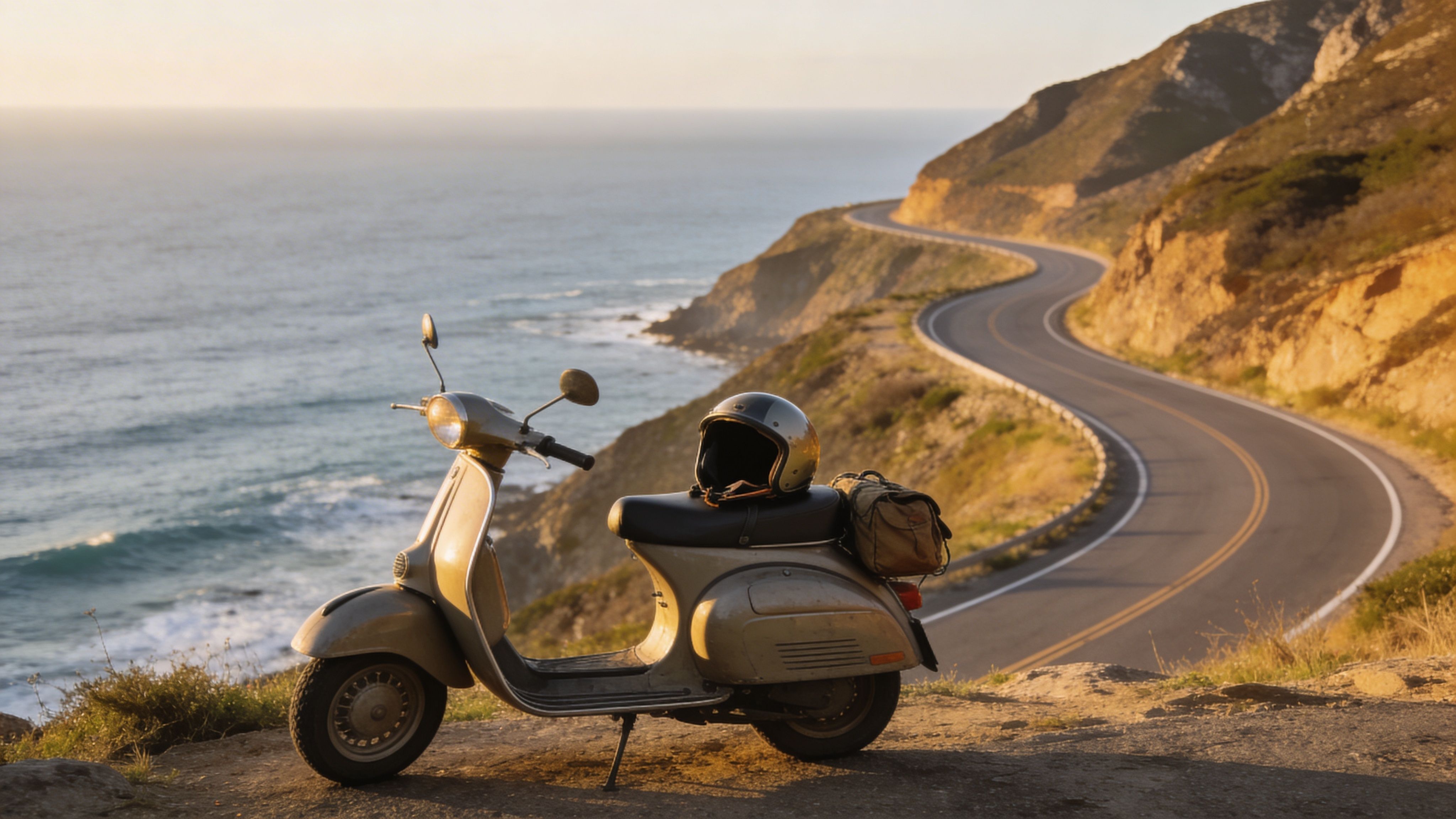
It also punishes sloppy planning fast. I have seen travelers choose the cheapest rental, skip a helmet check, and end up stranded with bald tires an hour outside town. The ride looked affordable until it involved a towing fee, a scraped knee, and a lost day.
Build the trip around the road you can handle
Scenic does not always mean easy. Coastal routes can bring crosswinds and slick corners. Mountain roads add steep grades, fog, and slow trucks. Rural backroads often look quiet on a map but turn rough, narrow, or unlit by late afternoon.
Match the route to your skill level, not the version of yourself you had in mind while booking the trip. Automatic scooters make sense for city-to-village rides and gentler day routes. Motorcycles with more power help on longer distances and highland roads, but they also raise the consequences of bad judgment.
Before leaving the shop, check the parts that matter:
- Brakes: front and rear should feel predictable, not soft
- Tires: look for tread, cracks, and uneven wear
- Lights and horn: test all of them in front of staff
- Mirrors: adjust them before you pull into traffic
- Fuel level and documents: confirm both, take photos
Take photos and a short video of the bike from every side. That 90 seconds can save an argument later.
Budget smart, not recklessly
This style of travel works best when you cost it like a rider, not like a backpacker guessing from the daily rental rate. The budget includes fuel, parking, protective gear, rain layers, phone mounting, small repair costs, and the occasional extra night when the weather turns bad. If you are traveling through a popular route corridor, price a few backup stays before you ride. Last-minute rooms near scenic highways can spike hard.
Good road-trip budgeting principles still apply, especially if your ride is part of a longer overland trip. Use the same discipline you would use on a car route, including flexible overnight stops and daily spending limits. These money-saving road-trip tips that work in 2025 translate well to two-wheel travel, especially around fuel planning, food stops, and avoiding expensive last-minute decisions.
Cheap rentals can become expensive rentals. A low base price often means older tires, weak maintenance standards, limited insurance clarity, or aggressive damage claims. Paying more at a reputable shop usually buys you better equipment and fewer problems, which is often the better bargain.
Safety is part of the experience
Ride in daylight. Build your route around that rule.
Download offline maps, save your accommodation details, and keep water where you can reach it without unpacking half the bike. If rain starts and visibility drops, stop early. If local traffic moves in ways you do not yet understand, spend an hour watching before you join it. That pause is cheaper than a crash.
A few habits make a big difference:
- Keep daily distances shorter than you think you can manage
- Avoid riding after dark, especially outside towns
- Wear closed shoes, eye protection, and proper layers
- Carry a basic first-aid kit and emergency contact card
- Do not drink and ride, even for a short stretch back to your guesthouse
Fatigue changes decision-making before riders notice it. Day three is often riskier than day one because confidence rises faster than skill.
Ride in a way that leaves less damage behind
Two-wheel travel can be lower impact than bigger vehicles, but only if you keep the footprint in check. Stay on established roads. Do not cut across trails for a better viewpoint photo. Refuel carefully, avoid revving through quiet villages, and use local repair shops and family-run guesthouses when possible. That spreads the spending beyond rental counters and chain stops.
The best rides are not the longest ones. They are the ones with enough margin for a roadside lunch, a weather delay, and the common sense to turn around when the road stops being fun and starts asking for mistakes.
6. Budget Camping & Glamping in Natural Destinations
Camping is one of the cleanest ways to buy yourself more time outdoors. Instead of paying for a room and then driving into nature each morning, you sleep within the natural setting you came to see.
That changes the trip. Sunrise becomes easy. Night skies become part of the day rather than an optional extra. Your budget stretches because accommodation stops dominating every decision.
How to keep camping affordable and comfortable
Start with established campgrounds, not romantic ideas about total wilderness. A simple site with toilets, water access, and other travelers nearby removes a lot of friction for beginners.
Rent gear first if you are testing the lifestyle. Many travelers waste money buying a full setup before learning whether they prefer car camping, walk-in sites, or a more comfortable glamping hybrid.
Use a simple hierarchy:
- Spend on sleep: A decent sleeping pad matters more than fancy gadgets.
- Borrow what is bulky: Tents, stoves, and chairs are easy to rent or share.
- Keep food simple: One-pot meals reduce both waste and cleanup.
Camping also fits the broad shift toward accessible adventure. In the U.S., outdoor recreation participation reached 181.1 million people in 2024, or 58.6% of Americans aged six and older, according to outdoor participation figures summarized here. More people outdoors means more infrastructure, more campground pressure, and more importance on booking well in advance for popular areas.
The sustainability test
Camping only stays affordable and ethical if you leave places usable for the next person. Learn Leave No Trace principles. Pack out waste. Store food properly. Use established fire rules. Do not turn scenic pullouts into trash sites because “it was just one night.”
For solo travelers, especially women, populated campgrounds usually beat isolated wild spots at first. Privacy is nice. Predictability is better when you are learning.
Glamping has a place too. If weather is rough, if you need a reset between harder travel segments, or if you want access to remote nature without investing in gear, a basic eco-lodge or ready-pitched tent can be a smart compromise.
Camping does not need to look rugged to count as adventure. If it gets you outside longer and keeps your costs controlled, it is doing the job.
7. Solo Female Travel Adventures with Safety-First Frameworks
Want solo travel to feel adventurous without turning every day into a security drill?
A safety-first framework makes that possible. The goal is not to eliminate risk. It is to control the risks you can control so you have more room for the part that matters: wandering a night market, changing plans for a better trail, or saying yes to a day trip because the logistics make sense.
Start with destinations that reward good habits. Choose places with reliable transport, solid hostel or guesthouse reviews, and enough foot traffic that getting from station to hotel does not feel like a test. Early trips are for building pattern recognition. You learn how to arrive well, spot a bad lodging setup fast, and tell the difference between normal unfamiliarity and a situation that deserves an immediate exit.
Budget matters here because safety often costs a little more, but not wildly more. I usually tell women to protect three line items first: the first two nights of accommodation, airport or station transfer on arrival, and a working data plan. Save money on dorm style rooms, street food, off-peak transport, and slower travel days. Pay extra for the arrival window that keeps you out of confusion, darkness, and bad decisions made while tired.
A practical framework looks like this:
- Pre-book your landing zone: Reserve your first nights in a well-reviewed area with 24-hour check-in or clear arrival instructions.
- Create one check-in system: Share your route, lodging, and expected message times with one trusted person, not your whole contact list.
- Split your backup items: Keep one card, some cash, and document copies separate from your main wallet.
- Arrive before the neighborhood changes pace: Daylight gives you time to read the street, find food, and relocate if needed.
- Use female local insight: Ask women at the front desk, cafe, or coworking space which streets, buses, or bars they personally avoid after dark.
That last point saves trouble. Staff can tell you a district is "fine." A woman who moves through it at night will usually give the more useful answer.
Confidence comes from procedure, not performance. Use official taxis or established ride-share apps. Check that your lodging door locks properly before you unpack. Sit near other women or families on long buses if that feels better. Leave any guesthouse, tour, or social situation the moment the cost of staying exceeds the cost of changing plans.
That trade-off is part of experienced travel. Sometimes the smart move is paying more for a safer ride, a private room after a rough transit day, or a hotel closer to the train station. Budget travel still works when you spend carefully instead of cheaply.
Adventure does not need to mean isolation, either. A solo trip can include group hiking days, women-led city tours, surf hostels, or marine excursions with established operators. If coastal travel is on your list, this guide on how to swim with whale sharks responsibly is a good example of pairing a high-impact experience with clear safety and ethics.
For deeper planning help, this resource on solo travel for women is worth keeping open while you map your trip.
Good solo female travel is not about proving you can handle anything. It is about building a trip where freedom, cost, and personal safety support each other instead of competing.