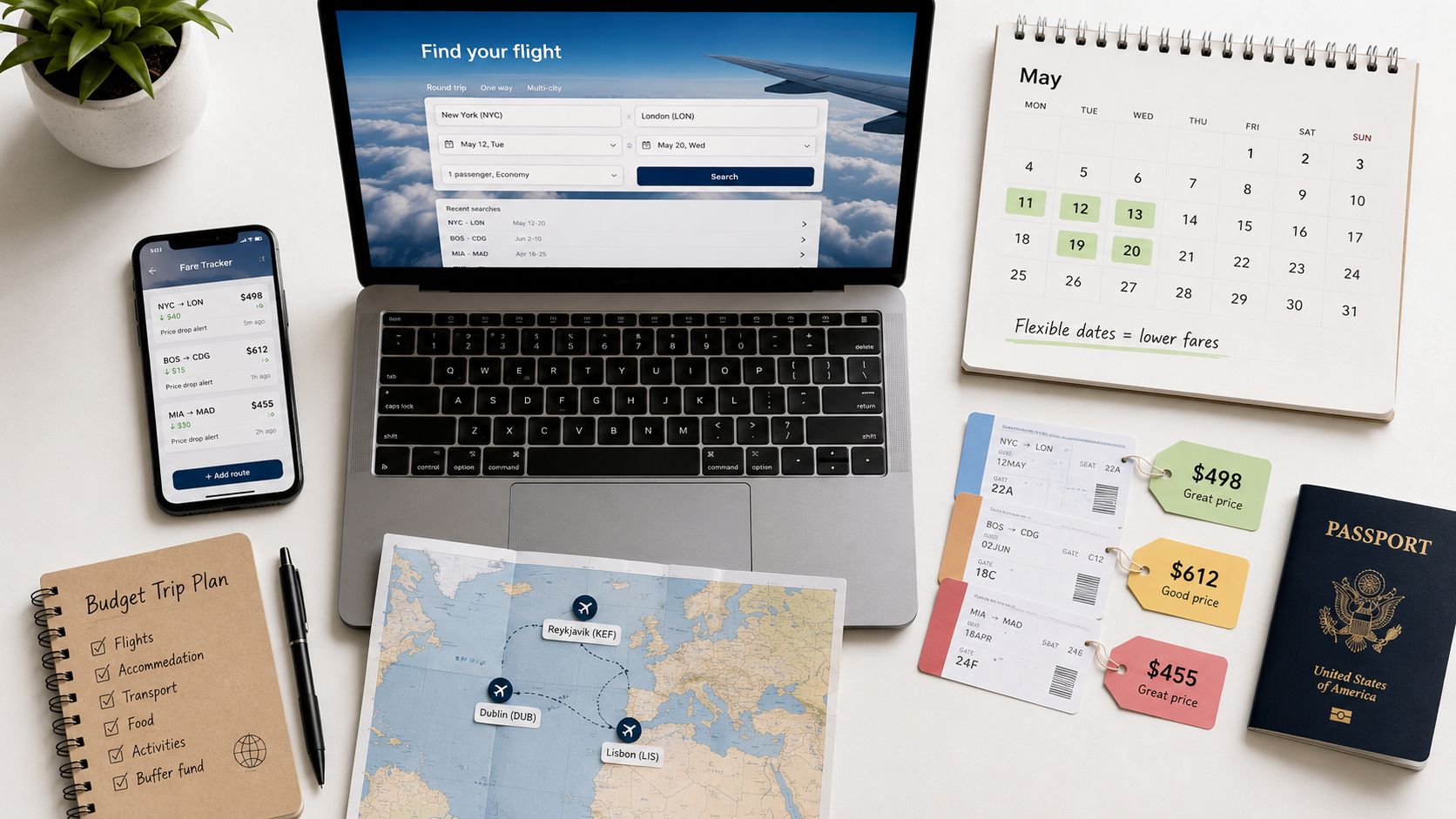
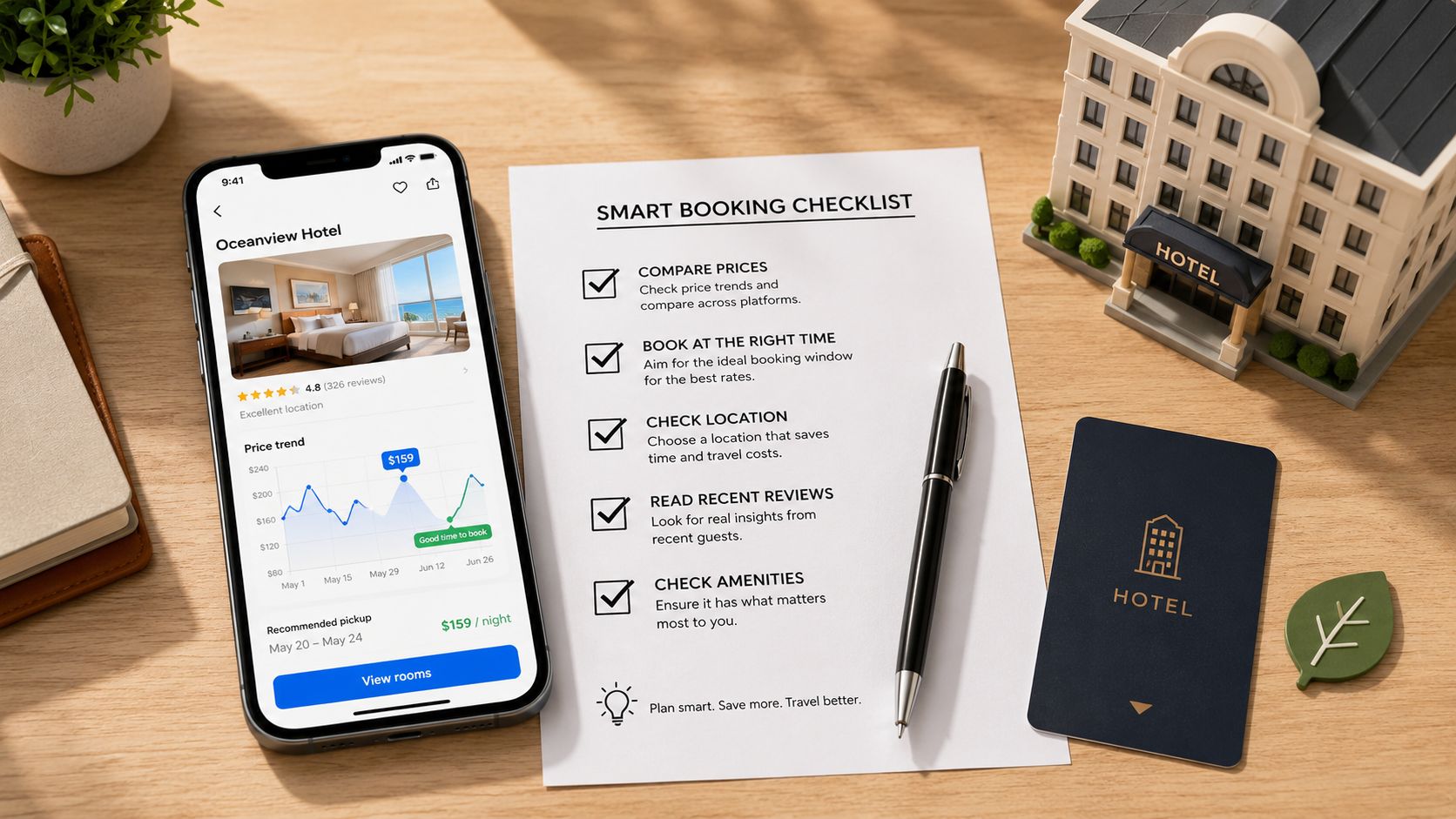
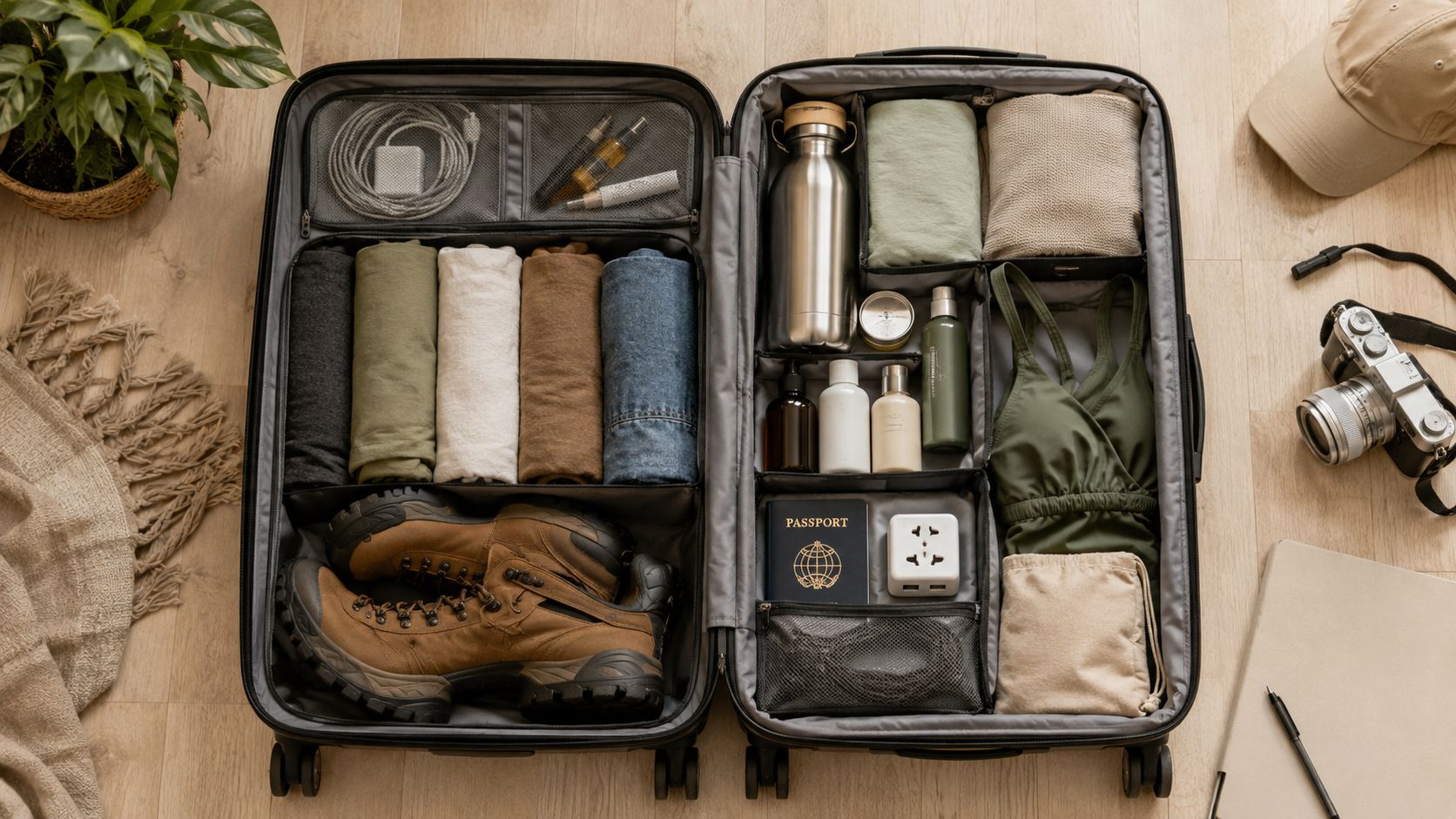
Forget the frantic, box-ticking whirlwind tours. Traveling through Europe today is about finding a rhythm that matches your spirit, your budget, and your thirst for genuine connection. Whether you dream of waking up to Alpine views from a campervan, weaving through ancient cities by high-speed train, or truly living like a local in a sun-drenched Lisbon apartment, the 'perfect' trip is the one you design for yourself. This isn't just about seeing the sights; it's about experiencing the continent in a way that feels authentic and deeply personal.
This guide dives deep into the 10 best ways to travel Europe, moving beyond generic advice to give you actionable strategies, real-world cost breakdowns, and insider tips. We’re leaving the surface-level suggestions behind to equip you with the specific knowledge you need to craft a remarkable journey.
You will discover how to:
- Maximize freedom with a Eurail Pass or a campervan.
- Travel deeper by embracing slow travel or work exchange programs.
- Stretch your budget by mastering budget airlines and off-season travel.
From the community-driven world of backpacking hostels to the independence of long-term apartment rentals, we'll explore the pros, cons, and practical details of each method. This article is your blueprint for creating a trip that goes beyond the postcards, allowing you to find your own adventure, your own pace, and your own Europe. Let's find your way.
1. Eurail Passes & Train Travel
Imagine gliding through emerald valleys, past medieval castles, and into the heart of Europe’s most iconic cities without ever setting foot in an airport. Train travel is not just a method of transport; it’s a core part of the European experience, offering a seamless blend of efficiency, comfort, and breathtaking scenery. The extensive rail network connects tens of thousands of destinations, making it one of the absolute best ways to travel Europe with freedom and flexibility.
The cornerstone of this experience for many is the Eurail Pass (or Interrail Pass for European residents). This single travel document allows for multiple train journeys across up to 33 countries. It offers a sense of spontaneity that is hard to match; you can wake up in Berlin and decide to be in Prague by nightfall.
Why Choose Train Travel?
Train travel is ideal for those who value both time and experience. It’s perfect for solo travelers seeking safety and convenience, photographers wanting to capture stunning landscapes from their window, and anyone looking to minimize their carbon footprint. You arrive directly in city centers, skipping long airport transfers and security lines.
Pro Tip: Before committing to a pass, use a spreadsheet to compare the cost of a Eurail Pass against booking individual point-to-point tickets. For itineraries with few, short journeys, buying separate tickets on sites like Trainline or Omio can sometimes be cheaper.
Planning Your Rail Adventure
While the pass offers freedom, a little planning goes a long way. Many high-speed and overnight trains require mandatory seat reservations, which come at an extra cost and should be booked well in advance, especially during peak season.
- Best for Budget Travel: A "4 days in 1 month" Global Pass lets you hop between major hubs like Budapest, Vienna, and Krakow without breaking the bank. Combine this with slower, reservation-free regional trains to explore the countryside in between.
- Best for Slow Travel: For deeper immersion, consider a One Country Pass, like the Swiss Travel Pass. This not only covers trains but often includes boats, buses, and museum entries, letting you fully explore a nation's hidden corners.
Booking your essential reservations as soon as your travel dates are firm is crucial. For popular routes like Paris to Amsterdam or scenic journeys such as Switzerland's Glacier Express, seats fill up months ahead. Traveling during the shoulder seasons (April-May, September-October) often means better prices and more availability.
2. Slow Travel & Extended Regional Stays
Imagine waking up not to an alarm for your next flight, but to the gentle sounds of a local neighborhood coming to life. Slow travel is an immersive approach that exchanges a frantic, multi-city checklist for a deep, meaningful connection with one place. Instead of a whirlwind tour, you spend weeks or even months in a single region, allowing you to live like a local, forge genuine connections, and experience a culture far beyond its tourist facade. This is one of the best ways to travel Europe for true cultural immersion.

The core idea is to unpack your bags and your mind. You might spend six weeks living in Barcelona’s Gràcia neighborhood, taking language classes and discovering your favorite tapas bar, or settle into Lisbon's Alfama district for a month as a digital nomad, powered by strong coffee and even stronger Wi-Fi. It’s about creating a temporary home, not just visiting a destination.
Why Choose Slow Travel?
Slow travel is perfect for digital nomads, students, and anyone craving a more authentic and less stressful travel experience. It’s ideal for those looking to learn a new skill like a language or a local craft, and it promotes sustainable tourism by reducing your carbon footprint and supporting local economies over a longer period. You’ll leave with memories rooted in daily life, not just fleeting photo-ops.
Pro Tip: For affordable long-term stays, book monthly rentals on Airbnb or local apartment sites to get discounts of 20-30%. Also, consider platforms like Workaway or HelpX, where you can exchange a few hours of daily work for free accommodation and meals.
Planning Your Regional Stay
Success in slow travel comes from integrating into the community, not just observing it. Research local events, festivals, and market days before you arrive to feel connected from day one.
- Best for Budget Travel: Rent a small apartment for a month in a less-touristed but well-connected region, like Andalusia, Spain, or the coast of Albania. Use your base to take inexpensive bus or train day trips to surrounding villages and cities, returning to a familiar "home" each night.
- Best for Slow Travel: For deep immersion, join a local community. Find digital nomad or expat groups on Facebook for insider tips. A monthly coworking membership can provide both a productive workspace and an instant social network, turning a solo trip into a shared adventure.
3. Budget Airline Hopping
Envision crossing the continent in just a few hours for less than the price of a nice dinner. Budget airline hopping is the art of strategically using Europe's network of ultra-low-cost carriers like Ryanair, EasyJet, and Wizz Air to cover vast distances quickly and affordably. It’s a fast-paced and efficient method, turning a multi-day overland journey into a short flight, freeing up precious time to explore your destination.

The core principle is simple: book incredibly cheap, no-frills, point-to-point flights. With fares that can drop below €20 for routes like Paris to Milan or Barcelona to Rome, it's an undeniable game-changer for budget-conscious travelers. This approach allows you to connect disparate regions, like island-hopping in Greece one week and exploring the Baltic states the next, without spending days in transit.
Why Choose Budget Airline Hopping?
This method is perfect for travelers on a tight schedule or budget who want to maximize the number of countries they visit. It's ideal for digital nomads who need to cross the continent for a visa run, backpackers wanting to link far-flung destinations like Portugal and Poland, and anyone comfortable with sacrificing a bit of comfort for major cost and time savings.
Pro Tip: Always calculate the total cost before booking. A €15 flight from Paris (Beauvais) to Rome (Ciampino) can become a €75 journey once you add expensive airport transfers, seat selection, and carry-on fees. Be ruthlessly realistic about your luggage needs.
Planning Your Aerial Adventure
Success with budget airlines is all about careful planning and understanding their business model. Their profits come from add-ons, so your goal is to avoid them.
- Best for Budget Travel: Craft a multi-city itinerary using a flight scanner like Skyscanner or Google Flights. For example, fly into a major hub like London, then use budget carriers to hop from Dublin to Brussels to Berlin. Traveling with only a small backpack that fits under the seat is the key to unlocking the lowest fares.
- Best for Slow Travel: Even slow travelers can use this method to reposition. After spending a month exploring Spain, you might find a cheap flight from a regional airport like Girona to Krakow to begin a new chapter of your journey in Eastern Europe, saving you days of travel.
Book your flights about 1-3 months in advance for the best prices, and be flexible with your dates and times, as early-morning or late-night flights are often the cheapest. Remember to check in online and print your boarding pass to avoid hefty airport fees.
4. Backpacking Hostels & Community-Based Travel
Imagine a travel experience where your accommodation is more than just a place to sleep; it’s a vibrant social hub, a source of instant friendships, and a launchpad for spontaneous adventures. Hostels are the beating heart of the backpacking scene in Europe, offering an affordable and community-driven way to explore the continent. They are ecosystems of shared stories, communal meals, and collective discovery, making them one of the best ways to travel Europe, especially for solo adventurers and those on a tight budget.
The modern hostel has shed its old reputation, with many now offering boutique-style private rooms alongside clean, secure dorms. Places like ClinkNOORD in Amsterdam or The Loft Boutique Hostel in Barcelona are known for their social atmosphere, organized pub crawls, and walking tours. This built-in community makes it easy to connect with like-minded people from around the globe.
Why Choose Hostel Travel?
Hostel travel is perfect for social butterflies, solo travelers seeking connection, and anyone looking to stretch their euros as far as possible. The communal kitchens are a game-changer for budget eating, and the organized activities mean you’ll never be short of things to do or people to do them with. It’s an approach centered on shared experience over solitary luxury.
Pro Tip: Don't just book based on price. Use platforms like Hostelworld to read recent reviews, paying close attention to comments on cleanliness, security (especially lockers), and the social vibe. A hostel's atmosphere can make or break your city experience.
Planning Your Hostel-Hopping Journey
Success in hosteling comes from smart booking and an open mind. Always book your first few nights in a new city in advance, particularly during peak season or for popular events like Oktoberfest in Munich, where hostels sell out months ahead.
- Best for Budget Travel: Stick to larger dorm rooms (8-12 beds) for the lowest prices. Maximize savings by using the hostel kitchen to cook breakfast and an occasional dinner. Look for hostels that offer free walking tours or other complimentary events.
- Best for Slow Travel: If you plan on staying in one city for five or more nights, contact the hostel directly to ask for a weekly discount. This allows you to settle in, get to know the staff for local tips, and build stronger connections with fellow long-term travelers.
5. Van Life & Campervan Travel
Imagine waking up to the sight of a dramatic Norwegian fjord or a sun-drenched Italian vineyard right outside your window. Campervan travel fuses your transport and accommodation into one rolling home, offering an unparalleled sense of freedom. This approach is one of the best ways to travel Europe for those who crave adventure, spontaneity, and a deep connection with nature, allowing you to create your own path far from the tourist crowds.
The #vanlife movement has turned this into a popular and accessible travel style. You can chart a course through the stunning Dolomites in Italy, chase the Northern Lights along Norway’s coast, or explore the lavender fields of Andalusia, all on your own schedule. Your itinerary is limited only by your imagination and the road ahead.
Why Choose Van Life?
This travel style is perfect for adventurers, photographers, and families who prioritize flexibility and nature over city-center convenience. It’s for those who want to disconnect from rigid schedules and discover Europe’s remote corners, from coastal cliffs to alpine meadows. You can cook your own meals, save on accommodation, and wake up in truly epic locations.
Pro Tip: Before committing to a long-term rental, search peer-to-peer platforms like Yescapa or Outdoorsy. They often offer better-equipped vehicles and more competitive rates than larger rental companies. Also, download the iOverlander app to find community-vetted wild camping spots and essential services.
Planning Your Road Trip
Success in a campervan requires a blend of planning and spontaneity. You'll need to budget for fuel, which can range from €30-€60 per day, plus campground fees of €15-€35. While wild camping is possible and free in some countries like Norway and Sweden, it's restricted in others, so research local laws.
- Best for Budget Travel: Focus on a region like Portugal's Algarve coast or Spain's Andalusia. These areas offer affordable campgrounds, plentiful free parking spots, and lower fuel costs compared to Central and Northern Europe.
- Best for Slow Travel: Rent a van for a month to slowly circle the Scottish Highlands on the North Coast 500 route or trace the Alpine roads through Switzerland and Austria. This allows for multi-day hikes and deep immersion in local culture without feeling rushed.
Ensure you have comprehensive travel insurance that covers your vehicle and belongings. Download offline maps via apps like Maps.me for navigating remote areas with poor connectivity, and always travel during shoulder seasons for better availability and prices.
6. Volunteer Travel & Work Exchange Programs
Imagine trading a few hours of your day helping on a sun-drenched Italian farm for a warm bed, home-cooked meals, and a real connection with a local family. Work exchange and volunteer travel offer a profound way to see Europe, turning your trip from a simple vacation into a meaningful cultural immersion. This approach dramatically cuts down on accommodation and food costs, allowing for longer, more impactful journeys.

The core idea is simple: you offer your skills and time in exchange for room and board. Platforms like Workaway and WWOOF (World Wide Opportunities on Organic Farms) connect travelers with hosts offering positions from hostel reception in Lisbon to helping at a husky kennel in Finland. It’s an authentic, budget-friendly method that ranks among the best ways to travel Europe for those seeking genuine experiences.
Why Choose a Work Exchange?
This travel style is perfect for slow travelers, budget-conscious explorers, and anyone wanting to go beyond the tourist trail. It provides a stable base, a built-in community, and a chance to develop new skills. Solo travelers often find it a safe and supportive way to build confidence and meet like-minded people.
Pro Tip: Always have a video call with a potential host before committing. This helps you gauge personalities and clarify expectations about work hours, living conditions, and what meals are included, preventing misunderstandings later on.
Planning Your Volunteer Adventure
Success with work exchanges comes from finding the right match. Carefully read host profiles and reviews from past volunteers on sites like Workaway.info or Help Exchange. Being clear about what you can offer and what you expect is vital.
- Best for Budget Travel: Look for placements in affordable countries like Portugal or Eastern Europe where your travel budget will stretch further on your days off. A two-week commitment is a great way to test the waters before agreeing to a longer stay.
- Best for Slow Travel: Combine several short-term placements to deeply explore a region. You could spend a month WWOOFing on a French vineyard, followed by another month helping at a guesthouse in the Spanish Pyrenees, truly absorbing the local culture.
Start your search a few months in advance, as the best positions get snapped up quickly, especially for the summer season. A well-crafted, personal message to hosts that highlights your skills and enthusiasm will make your profile stand out.
7. Digital Nomad & Long-Term Apartment Rentals
Imagine unpacking your bag not for a few nights, but for a month, becoming part of a local neighborhood instead of just passing through. Long-term apartment rentals allow you to shed the identity of a tourist and live like a local, with a home base, a full kitchen, and the time to truly connect with a city. This method is the foundation of the digital nomad lifestyle and one of the best ways to travel Europe affordably and deeply.
This approach involves renting a furnished apartment for several weeks or months, drastically reducing the per-night cost compared to hotels or short-term Airbnbs. It creates a stable environment for remote work, slow travel, and genuine cultural immersion, turning a fleeting visit into a meaningful chapter of your life.
Why Choose Long-Term Rentals?
This style is perfect for remote workers, slow travelers, or anyone looking to escape the fatigue of constant transit. It offers a routine, a community, and significant cost savings. Having a kitchen lets you shop at local markets and cook your own meals, while stable Wi-Fi is a must for digital nomads. The slower pace allows you to build relationships and discover a city's true character.
Pro Tip: When booking, message hosts on Airbnb or Booking.com to negotiate a better rate for stays of one month or longer. Many hosts prefer the security of a long-term guest and will offer substantial discounts not listed publicly.
Planning Your Extended Stay
Success with long-term rentals relies on research and early booking, especially for popular seasons. Start by identifying cities with a good cost of living and a vibrant community.
- Best for Budget Travel: Look at cities like Lisbon or Prague. You can find a modern studio in Prague's Vinohrady district for around €400-€650 per month or a cozy spot in Lisbon's Alcântara for a similar price, offering an incredible quality of life without a high cost.
- Best for Slow Travel: Settle into a neighborhood like Gràcia in Barcelona (€600-€1,000/month) or Neukölln in Berlin (€500-€900/month). Join local Facebook groups for direct landlord listings, which often bypass platform fees. Use Nomad List to compare internet speeds, safety, and living costs before you commit.
Always verify internet speed with the host if you work online, and book at least three to four months ahead for the best selection, particularly in the shoulder seasons (April-May, September-October). This gives you the time to find the perfect home away from home.
8. Scenic Cycling & Bike Tours
Picture yourself pedaling alongside ancient vineyards in the Rhine Valley or feeling the Atlantic breeze as you coast through Portugal. Bicycle touring is an active and deeply personal way to travel Europe, offering an intimate connection to the landscape and the small communities often missed by faster transport. Supported by an impressive network of cycling routes, it's a method that combines adventure, fitness, and sustainability into one unforgettable journey.
The backbone of European cycling is the EuroVelo network, a system of 17 long-distance routes crisscrossing the continent. These paths make it possible to cycle from Norway to Spain or from Ireland to the Black Sea on well-marked, safe trails. This approach offers a pace of travel that lets you truly see, smell, and experience the continent one pedal stroke at a time.
Why Choose Cycling?
Cycling is perfect for active travelers who want to minimize their environmental impact and connect with nature. It’s ideal for photographers seeking authentic, off-the-beaten-path shots and budget travelers who can save money by staying in rural guesthouses or campsites. You get to set your own pace, stopping whenever a charming village or scenic viewpoint catches your eye.
Pro Tip: Use an app like Komoot for detailed route planning. It not only maps your journey but also provides crucial information on elevation, road surfaces, and points of interest, which is essential for a smooth and enjoyable ride.
Planning Your Cycling Tour
Success lies in preparation, from choosing your route to packing the right gear. Renting a quality bike from a local shop is often better than using a tourist company, and always ensure you have a basic repair kit with patches, a pump, and a multi-tool.
- Best for Budget Travel: The Danube Cycle Path through Austria, Slovakia, and Hungary is relatively flat and connects major cities where affordable accommodation is plentiful. Staying at "Farmstays" or joining cycling communities on Couchsurfing can also provide cheap lodging and local advice.
- Best for Slow Travel: Tackle a section of EuroVelo 1 (the Atlantic Coast Route) through Portugal and Spain. This route allows you to immerse yourself in coastal culture, enjoy fresh seafood, and discover quiet beaches over several weeks.
Booking accommodations a day or two in advance gives you flexibility while ensuring you have a place to rest. Traveling in the spring or fall offers pleasant weather and fewer crowds on popular routes.
9. City Exploration: Free Walking Tours & Public Transport Mastery
Imagine arriving in a new city and, within hours, feeling like a local. This approach combines the rich, ground-level insights of a free walking tour with the self-sufficiency of mastering public transport. It’s a powerful duo for authentic urban exploration, allowing you to get your bearings from a passionate guide and then confidently venture off the beaten path on your own terms. This method is one of the best ways to travel Europe for those who want to blend structured learning with independent discovery.
The concept is simple: you join a tip-based walking tour to learn the city’s stories, history, and layout. Afterward, armed with local knowledge and a transit pass like the Berlin Welcome Card or Paris Navigo Découverte, the entire city becomes your playground. You can revisit spots you saw, explore neighborhoods the guide recommended, and live like a resident, not just a tourist.
Why Choose This Method?
This strategy is perfect for solo travelers seeking a safe and social way to get oriented, budget backpackers wanting to maximize their funds, and curious explorers eager to understand a city’s soul beyond its main attractions. It’s about gaining confidence quickly and affordably.
Pro Tip: Attend a walking tour on your very first morning in a new city. It acts as a fantastic orientation, and you can ask your guide for real-time advice on everything from the best local restaurants to which neighborhoods are worth exploring later.
Planning Your Urban Adventure
Success with this method comes from a little digital-savvy preparation. Booking tours in advance is wise, especially in popular cities like Prague or Lisbon where spots fill up fast. Platforms like Freetour.com are great for comparing options and reading guide reviews.
- Best for Budget Travel: Combine a free walking tour of Berlin's "Divided City" with a 72-hour transit pass. The tour provides historical context, and the pass lets you independently explore East Side Gallery, Tempelhof Field, and neighborhood markets for a fraction of the cost of guided excursions.
- Best for Slow Travel: Use a Lisbon Insider tour to understand the Alfama district's labyrinthine streets. Then, purchase a multi-day Viva Viagem card and spend the next few days riding the historic Tram 28, taking the train to the Belém Tower, and catching ferries across the Tagus River at your own pace.
Upon arrival, your first stop should be a ticket machine to purchase a multi-day or weekly transport pass; it’s almost always cheaper than buying single tickets. Download an app like Citymapper or use Google Maps' transit feature to navigate like a pro, and always screenshot your route before heading underground.
10. Off-Season & Shoulder Season Travel
Imagine wandering through the ancient streets of Athens with only the whispers of history for company, or finding a quiet spot on a Portuguese beach just as the wildflowers bloom. Traveling outside the peak summer rush unlocks a more authentic, peaceful, and affordable Europe. This approach, centered on the shoulder seasons (April-May, September-October) and the off-season (November-March), is one of the best ways to travel Europe, trading crowds for genuine connection.
The core idea is simple: by avoiding June, July, and August, you sidestep inflated prices and overwhelming tourism. Airlines, hotels, and even local restaurants often reduce their rates, while the destinations themselves breathe a collective sigh of relief. This creates a calmer, more intimate atmosphere where you can interact with locals and see landmarks without the chaos.
Why Choose Off-Peak Travel?
This strategy is ideal for budget-conscious travelers, photographers chasing the perfect light without crowds, and anyone seeking a more immersive cultural experience. You’ll find shorter lines, better service, and a chance to see a destination as its residents do. From the crisp autumn air in Eastern Europe to the mild winter sun in southern Spain, the weather is often pleasant and more conducive to exploring.
Pro Tip: Use flight aggregator tools to your advantage. On sites like Skyscanner, use the ‘Whole Month’ or ‘Cheapest Month’ search feature to instantly pinpoint the days with the lowest fares, making it easy to build your trip around the best deals.
Planning Your Off-Season Escape
Flexibility and research are your best friends when planning an off-peak journey. While prices are lower, some attractions or ferry routes may operate on reduced schedules, so always confirm hours in advance. Packing layers is also key, as weather can be unpredictable.
- Best for Budget Travel: Target Southern Europe in late autumn. In November, Spain’s Andalusia region offers mild weather, empty beaches, and local pricing at tapas bars. Flights and accommodations can be a fraction of their summer cost.
- Best for Slow Travel: Consider a multi-week trip to Greece from November to March. You can explore iconic islands like Crete or mainland sites such as Delphi without the tourist hordes, enjoying incredible price drops on long-term stays.
Book your main accommodations 6 to 8 weeks in advance for shoulder season travel to secure the best rates before they start to climb. For the true off-season, you have more last-minute flexibility. Traveling on a Tuesday or Wednesday often yields the best flight and hotel prices.
Top 10 Ways to Travel Europe: Comparison
Crafting Your Journey: Mix, Match, and Make It Your Own
You've journeyed through ten distinct approaches to exploring Europe, from the classic rhythm of the rails with a Eurail Pass to the deep, immersive experience of slow travel. We've looked at the freedom of van life, the community spirit of hostel backpacking, and the budget-savvy strategy of budget airline hopping. Each method offers a unique lens through which to see the continent, but the real magic begins now, in the planning phase, where you get to become the architect of your own adventure.
The single most important takeaway from this guide is that there is no singular "best way to travel Europe." The ideal journey is not a pre-packaged formula but a custom-built mosaic, pieced together from the methods that best suit your budget, your timeline, and your personal travel philosophy. Think of the strategies we've discussed not as competing options but as complementary tools in your travel toolkit.
Blending Your Perfect European Itinerary
The true art of masterful travel lies in the blend. Imagine combining the cost-effectiveness of off-season travel with the community of a work exchange program in a Portuguese surf town. Or perhaps you could use a Eurail pass for a two-week sprint through Germany, Switzerland, and Austria, then settle into a long-term apartment rental in Prague for a month of digital nomad life. This is where your creativity comes into play.
Consider these hybrid scenarios as starting points:
- The Budget Backpacker's Grand Tour: Start with a few well-planned budget flights to get from London to Rome, then activate a one-month Eurail Pass to weave through Italy, France, and Spain. Along the way, rely on hostel stays and free walking tours in each city to keep costs low and social connections high.
- The Slow Explorer's Cultural Deep Dive: Choose a region, like Andalusia in Spain or the Dalmatian Coast in Croatia. Rent a small campervan for a month of van life, giving you the flexibility to linger in small villages. Intersperse your road trip with a week-long volunteer project on an organic farm to connect with the local culture on a deeper level.
- The Active Adventurer's Scenic Route: Fly into a major hub like Amsterdam. From there, embark on a scenic cycling tour through the Dutch countryside for a week. Afterwards, use a flexible train pass to explore the mountainous regions of a neighboring country, using public transport mastery to access incredible hiking trails from your base in a small town.
The power is in the mix. By understanding the pros, cons, and costs of each travel style, you can make informed decisions. You can choose to splurge on a scenic train journey through the Swiss Alps but save money by staying in hostels for the rest of your trip. You can spend two months living like a local in a single city and then enjoy a fast-paced, multi-country finale. This strategic combination is what elevates a good trip into an unforgettable one. It ensures your journey is not only affordable and sustainable but also a true reflection of you.
Your European adventure doesn’t have to fit into a neat box. It can be a little bit of everything. It can be spontaneous and meticulously planned, fast-paced and wonderfully slow. The continent is a vast and varied playground, and these methods are your keys to unlocking it. Start dreaming, start scheming, and build the journey that calls to you.
Ready to turn these ideas into a reality? At Travel Talk Today, we specialize in providing the practical tools and community support to help you plan your perfect European adventure. From detailed packing lists to real-time travel alerts and forums where you can connect with fellow explorers, we are your go-to resource for making your trip seamless and memorable. Visit Travel Talk Today to join our community and access the resources that will help you craft your journey.