The moment Barbados made sense to me happened on the east coast, parked at a roadside stop with salt on my skin, a camera in one hand, and a paper bag of hot fish cakes in the other. That mix of simple, local, and memorable sets the tone for the best kind of trip here.
Barbados looks polished from a distance, but it rewards travelers who build their days around real places and workable plans. The island is compact enough to combine a beach, a walking route, a market lunch, and an inland stop without turning the day into a long haul between sights. That matters if you are traveling solo, watching your budget, or trying to slow down instead of racing through a checklist.
The better experiences here are often the ones that cost less. Public beaches, self-guided historic walks, village food stops, local buses, rum shops, and coastal viewpoints give you more contact with the island than a string of packaged attractions. Some paid stops are still worth your time, but Barbados works best with balance. Pick one or two ticketed experiences, then leave room for the parts of the day that happen naturally.
That trade-off is especially useful for photographers and slow travelers.
Early light on the south and east coasts is kinder for photos than the hard midday sun. Solo travelers usually find Barbados straightforward to handle, but the days go better when you keep plans flexible, carry small cash for food stalls and buses, and avoid trying to cover every coast in one outing. The island gives more back when you stay curious, move at a reasonable pace, and pay attention to the places between the headline attractions.
This guide focuses on activities in Barbados that feel meaningful, affordable, and grounded in everyday island life. Expect a mix of coast, history, food, nature, and community, with practical tips woven in so you can spend well, travel lightly, and come home with more than resort memories.
1. Beach Hopping and Coastal Exploration
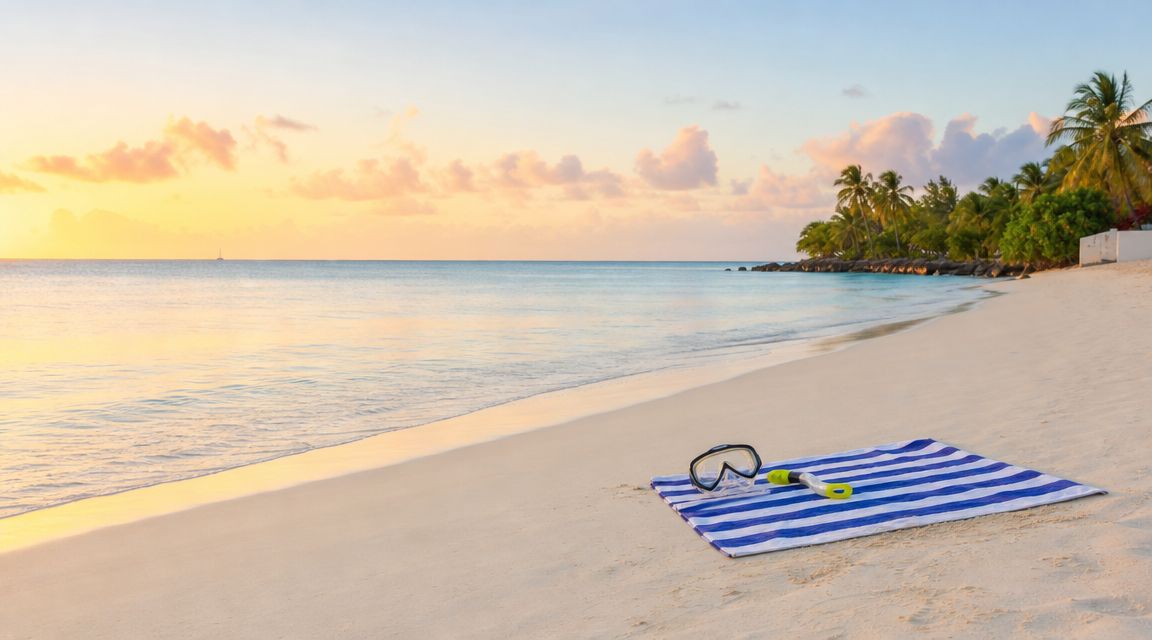
You don't need a beach club reservation to have a strong beach day in Barbados. In fact, some of the best days come from linking two or three very different stretches of coast and letting the mood change with the sea.
Start calm, then go wild. Carlisle Bay is an easy opener if you want gentle water, beginner-friendly swimming, and a base near Bridgetown. Crane Beach feels more dramatic and polished. Bottom Bay gives you a quieter, more local-feeling stop. Bathsheba is the reset button when you're tired of turquoise perfection and want something rougher, windier, and more photogenic.
How to make beach hopping work
The mistake most travelers make is treating every beach as interchangeable. They're not. West and south coast spots usually suit swimming and easy lingering. East coast beaches often work better for walking, shooting photos, and watching the ocean rather than getting in it.
A practical route for slow travelers is one swimming beach, one scenic beach, and one snack stop in between. That keeps the day full without turning it into a checklist.
- Go early: Beaches feel calmer in the morning, parking is simpler, and photographers get softer light.
- Pack your own basics: Water, fruit, and simple snacks save money and keep you from paying convenience prices near busy sands.
- Respect conditions: On the Atlantic side, dramatic views don't automatically mean safe swimming.
- Travel lighter: Public transport can work for individual beach days, but if you're linking several coasts, a shared car day is usually more practical than piecing together taxis.
Practical rule: Pick beaches for different purposes. Swim at one, walk at one, photograph one.
For solo travelers, beach hopping works best when you don't overreach. One side of Barbados can fill a full day comfortably. Trying to “do the whole island” in beach mode usually leaves you tired, sunburned, and weirdly rushed.
2. Bridgetown Historic District Walking Tour
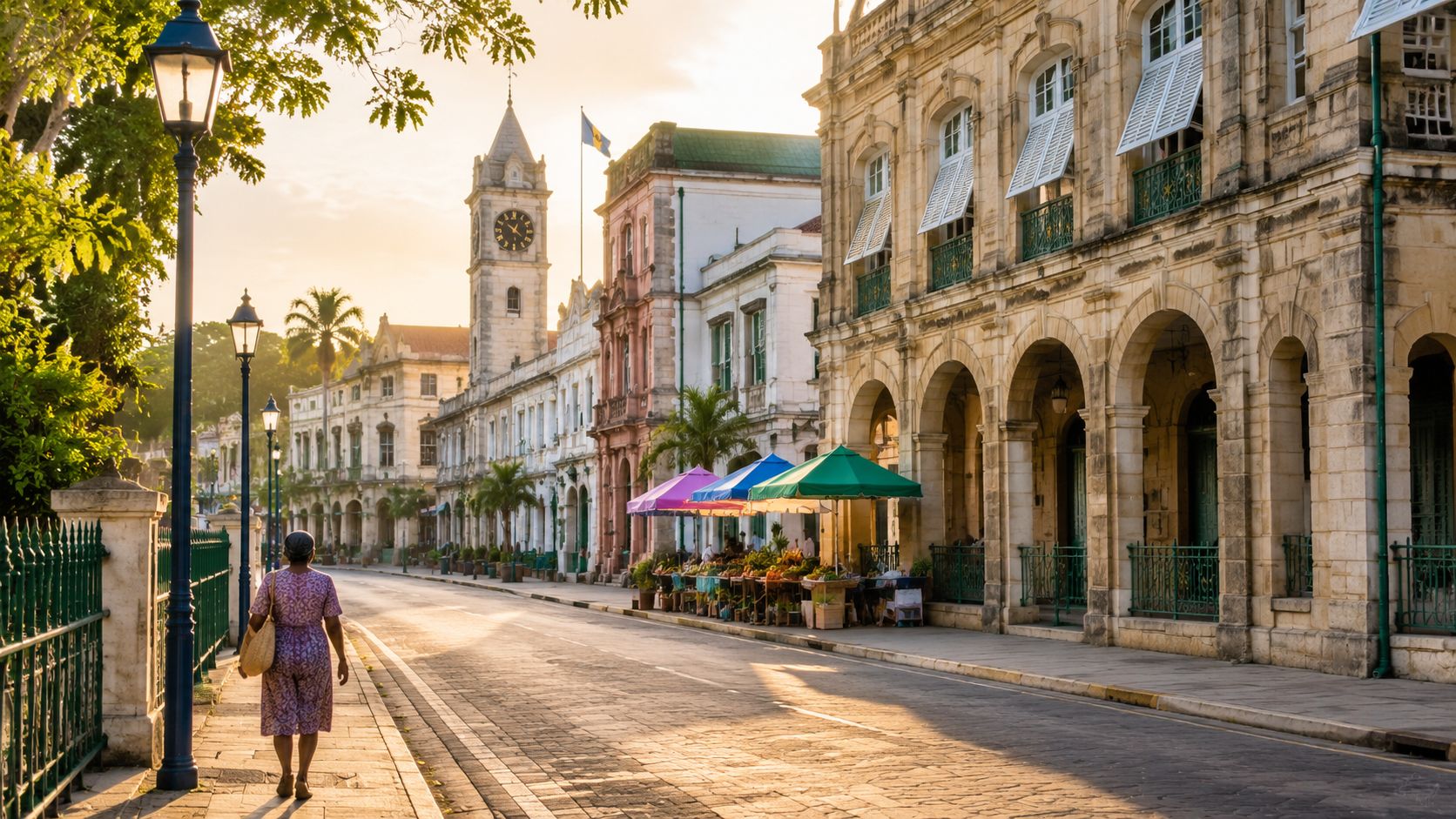
I've had some of my best Barbados mornings in Bridgetown before the cruise crowds build and the heat starts pressing down. The city rewards attention. A short walk can take you from stately civic buildings to produce stalls, old churches, bus stands, and corner shops where daily life is still the main event.
That mix is what makes this one of the strongest low-cost activities in Barbados. You are not paying for a staged version of the island. You are seeing how history, commerce, and local routine still share the same streets.
Best way to explore on foot
Start early and give yourself two to three unhurried hours. Broad Street is the obvious spine, but the better experience comes from stepping off it. Walk past the Parliament area, cross toward Independence Square, then spend time in the market side of town where Bridgetown feels working and lived-in rather than polished for visitors.
Cheapside is especially useful for slow travelers because it gives you context, not just landmarks. You can browse produce, watch the rhythm of local shopping, and stop for a simple breakfast or early lunch that costs far less than meals in hotel zones. Solo travelers usually find this area manageable in the morning if they stay alert, keep phones and cash organized, and avoid drifting into quiet backstreets just for the sake of a photo.
Photographers should treat Bridgetown differently from the beach. The best shots often come from layering people, signage, balconies, and traffic rather than isolating one pretty building. Early light helps, but so does patience. Stand still for five minutes at one corner and the frame usually improves.
- Wear proper shoes: Pavements can be uneven, and you will cover more ground than expected.
- Carry small cash: It helps for market snacks, drinks, and low-cost local food stops.
- Download an offline map: Useful if you want to wander side streets without draining data.
- Ask before photographing people: Architecture is easy to shoot. Portraits need permission.
- Pair the walk with a food stop: Bridgetown makes more sense once you sit down somewhere local and watch the city move.
There is a real trade-off here. A guided tour gives you deeper historical detail and helps you notice what you might otherwise miss. A self-guided walk is cheaper, more flexible, and better for travelers who like to linger. I usually suggest walking independently first, then booking a guide only if the city grabs you enough to want the extra context.
If cultural travel matters to you, Bridgetown pairs well with other thoughtful wildlife and place-based experiences, including this guide to responsible whale shark swimming experiences. The same rule applies. Slow down, observe carefully, and choose experiences that respect the place rather than flatten it into a checklist.
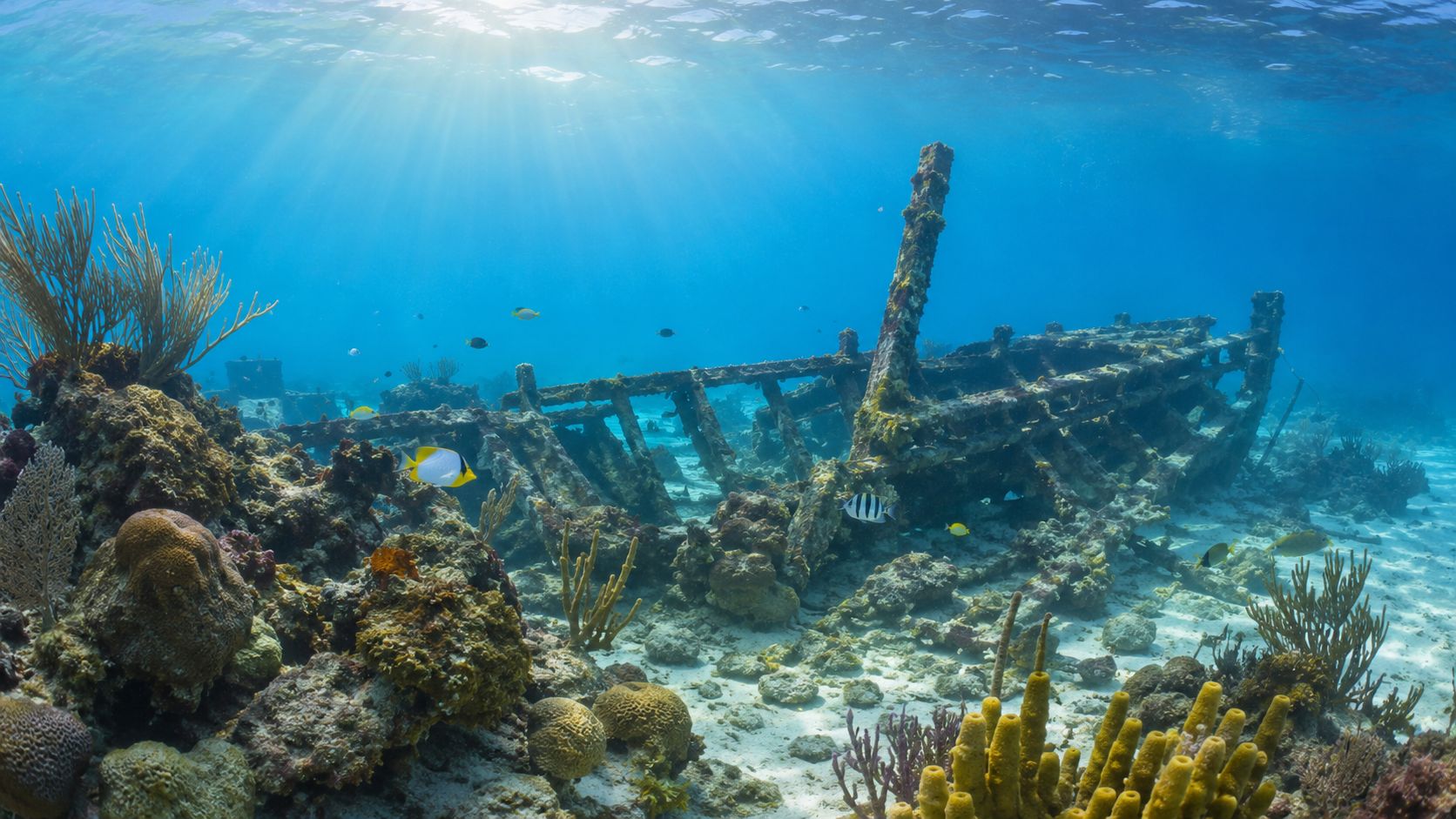
3. Snorkeling at Shipwrecks and Coral Reefs
For many travelers, the water is the reason they came. Fair enough. But snorkeling in Barbados gets better when you stop chasing the flashiest boat package and match the site to your comfort level.
Carlisle Bay is the obvious starting point for a reason. The water is often calm, access is straightforward, and the shipwreck setting gives even first-time snorkelers something memorable to look for. If you want a stronger chance at a relaxed, self-guided session, I'd recommend starting here before spending money on a longer trip.
Independent snorkeling versus a tour
A beach-entry snorkel saves money and gives you more control. A group catamaran trip is easier if you want equipment handled, guidance included, and less stress about navigation. What doesn't work well is booking the cheapest possible excursion without checking where it goes or how rushed the schedule is.
If marine life is your main focus, don't treat snorkeling like a race. Drift slowly, stay off the reef, and keep your expectations realistic. Wildlife days vary. That's part of the point. If ocean encounters are a big part of how you plan trips, this guide to swimming with whale sharks responsibly is worth reading for the mindset alone.
Move slowly and the water gives you more back. Kick hard, chase everything, and you'll mostly see fish tails.
- Choose the right coast: West coast snorkeling is usually better for beginners than rougher Atlantic-facing spots.
- Rent gear carefully: Check mask seals before you leave the shack. A leaking mask ruins a session fast.
- Use reef-safe sunscreen: Better for the marine environment and better than pretending one swimmer doesn't matter.
- Go on a weekday morning: Fewer boats, fewer swimmers, and a calmer experience overall.
Photographers should keep it simple. A basic waterproof setup often works better than carrying too much kit and spending the whole swim worrying about it.
4. Harrison's Cave Adventure and Nature Hiking
The first time I paired Harrison's Cave with an inland walk, I made the same mistake many travelers do. I treated the cave as a quick attraction instead of the anchor for a slower day in Barbados' interior. The better approach is to use it as your starting point, then give the rest of the parish room to surprise you.
Harrison's Cave works best for travelers who want more than another beach day. The tram tour is structured, yes, but it also gives access to a part of the island many people never see properly. The trade-off is simple. You pay for convenience and interpretation, but you lose some independence. For solo travelers, that can be a good bargain, especially if you want a safer inland day without renting a car.
The common failure is timing. Arrive late, join the thickest crowds, buy the nearest lunch, and head back to the coast. That turns a strong half-day into a rushed checkbox. Go early instead, then add Welchman Hall Gully or a quiet drive through the central highlands while the day still feels open.
Footwear matters here more than people expect. Cave paths can be damp, nearby trails can get slick, and beach sandals make the whole outing less enjoyable. Wear shoes with grip, carry water, and keep a light backpack with a rain layer or towel. Inland Barbados rewards travelers who pack for changing conditions, not just postcard weather.
If your travel style is slower and more experience-first, this kind of outing fits well with a broader approach to authentic travel experiences that favors context over rushing between headline sights.
Photographers should treat the cave and the hike as two separate shoots. Inside the cave, keep expectations realistic. Light is limited and fast phone snapshots often beat hauling too much gear you cannot comfortably use on a moving tour. Outside, the main payoff comes from foliage, limestone textures, and softer inland light after the cave visit.
A practical plan looks like this:
- Book an early entry: The atmosphere is calmer and it is easier to add another nature stop afterward.
- Pair it with one nearby green space: Welchman Hall Gully is the easiest match if you want contrast without wasting time in transit.
- Bring your own snacks: Food near major attractions often costs more than it should.
- Use shared transport or a taxi if you are solo: It costs more than the bus, but it can still be cheaper than a full tour and saves the stress of piecing together rural connections.
- Treat this as a weather-flex day: If the coast looks gray or windy, inland plans often hold up better.
This is one of the better-known activities in Barbados for a reason. The smarter move is not avoiding it. It is doing it in a way that still feels personal, affordable, and connected to the island beyond the usual tourist circuit.
5. Street Food Tour and Local Market Exploration
If you want to understand Barbados without spending much, eat where daily life happens. Markets and street food do more cultural work than a lot of formal tours.
Cheapside Market is the obvious anchor in Bridgetown. Then there's Oistins for evening energy, grilled fish, and the social side of food. In between, small stalls, takeaway counters, and rum shop kitchens often deliver the best value on the island, a significant point given that Barbados is often sold through premium experiences, while travelers looking for budget-first options still have to piece together the affordable side from scattered tips rather than one reliable guide (why budget-focused Barbados advice is still underserved).
What to eat and how to choose well
The trick isn't chasing a “must-eat” list. It's reading the scene. Busy stalls with quick turnover usually tell you more than polished branding does. Fish cakes, cutters, macaroni pie, and local lunch plates are easy places to start.
Ask one simple question: “What's best today?” That usually gets you better food than ordering by habit.
If meaningful food experiences matter more to you than fancy dining rooms, this piece on authentic travel experiences fits the same travel style.
- Shop markets in the morning: Better for produce, easier conversations, cooler temperatures.
- Carry cash: Smaller vendors may not want to deal with cards.
- Bring a reusable bag: Useful for fruit, snacks, and small purchases.
- Return to good vendors: A second visit often opens the door to better conversation and better recommendations.
Local-food test: If a place is feeding workers, regulars, and one curious visitor at the same counter, you're probably in the right spot.
For solo travelers, food markets are also a low-pressure way to interact. You're not trapped in a formal setting, and even a short exchange can turn into a useful tip for the rest of your day.
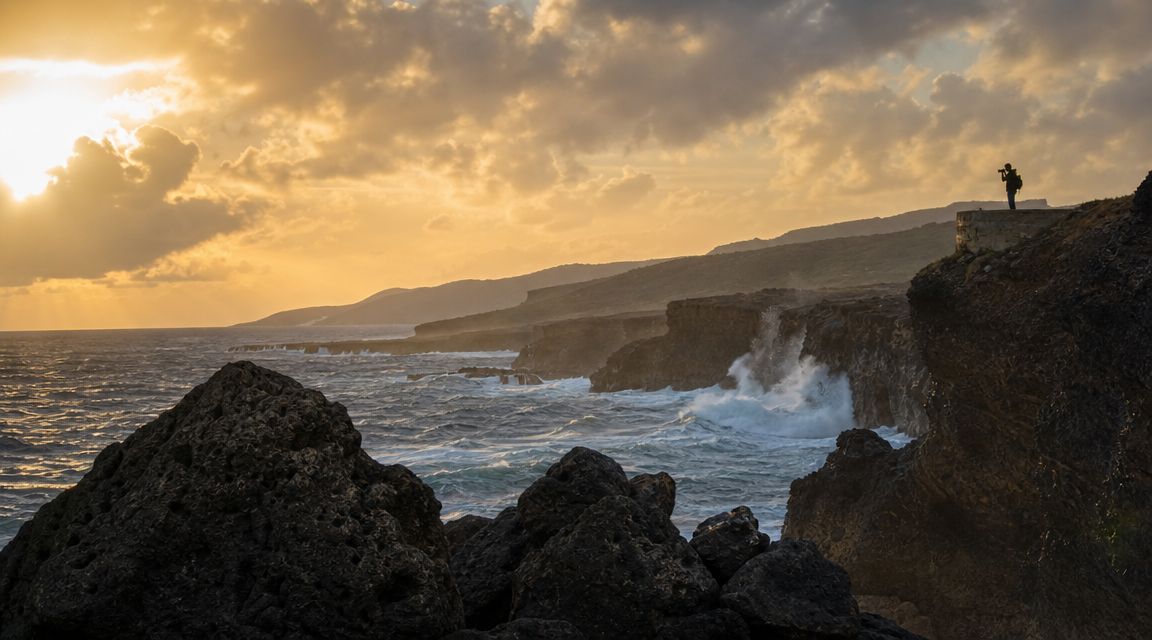
6. Bathsheba East Coast Adventure and Dramatic Scenery Photography
Bathsheba doesn't charm everyone immediately. It's windier, moodier, and less accommodating than the polished coastlines that dominate brochures. That's exactly why many travelers remember it most.
The east coast is where Barbados feels raw. The rock formations, Atlantic swell, roadside viewpoints, and village rhythm all slow you down in a good way. For photographers, this is one of the strongest activities in Barbados because you don't need a paid experience to come away with images that feel distinct.
What works on the east coast
A rental car helps because the best east coast day includes pauses. Bathsheba, Cattlewash, a roadside drink, a pull-over for photos, then another stop because the light changed. Taxis can get expensive for that kind of wandering, and buses are better for point-to-point movement than spontaneous exploration.
What doesn't work is arriving at noon with no water, no shade plan, and no respect for the ocean. This side of the island is for observation first. Swim only where conditions and local advice clearly support it.
Photographers should focus on layers. Foreground rock, white water, a line of palms, a distant house, stormy sky. If you want to sharpen your eye before you go, these travel photography techniques are a useful refresher.
- Go early or late: Better light, lower heat, and fewer people in your frame.
- Wear sturdy shoes: You'll step over uneven rock, sand, and roadside pull-offs.
- Pack more water than you think you need: The coast invites long, unplanned stops.
- Respect villages: Don't treat local life as scenery.
For slow travelers, this coast is a lesson in not forcing a schedule. Some of the best east coast days are mostly looking, listening, and letting the weather shape the route.
7. Rum Distillery Tours and Tasting
Rum in Barbados isn't a gimmick add-on. It's part of the island's history, economy, and social fabric. A distillery visit can be touristy, yes, but it can also give useful context for the island you're moving through.
Mount Gay is the name most visitors know. Foursquare often appeals to travelers who want a different feel. Both can work. The better choice depends on whether you care more about heritage storytelling, tasting variety, or pairing the stop with a larger island route.
How to tour without overdoing it
One distillery is usually enough for a half day. Two can work if you have a driver and a genuine interest in comparing styles, but stacking tastings just because they're available gets old fast. The island is small enough that you can combine a rum stop with a scenic drive, a lunch stop, or a historic town.
Barbados' wider economy also helps explain why tourism-linked experiences remain central to the visitor mix. The World Bank describes Barbados as a tourism-dependent, import-heavy economy, with long-stay arrivals rising 3.3 percent in 2025, cruise arrivals rising 0.7 percent, and real GDP estimated to have grown 2.7 percent in the same year (World Bank Barbados economic update). That broader context is useful when you're thinking about where visitor spending lands and why heritage businesses remain such a visible part of the island experience.
Good rum tours teach more than tasting notes. They show how agriculture, trade, labor, and tourism intersect.
- Book ahead if the schedule matters: Especially if you're fitting the visit around transport.
- Eat first or pair it with lunch: Better for both pacing and enjoyment.
- Take notes on what you try: After a few pours, details blur.
- Don't plan to drive after tasting: Obvious advice, still worth saying.
Even if you're not a serious rum drinker, a well-run tour can be one of the more grounded cultural activities in Barbados.
8. Bridgetown to Speightstown Cycling Adventure
Cycling Barbados gives you a more honest sense of distance than driving ever will. The west coast route from Bridgetown toward Speightstown is especially good if you want a day that feels active without needing mountain-bike skills or a full expedition mindset.
This ride works because the island is compact and linked by active corridors rather than huge empty gaps. You keep passing through something. A beach, a village stretch, a roadside shop, a quieter residential patch, then another pocket of coast. It feels stitched together.
Who this route suits best
This is strongest for confident casual cyclists who can handle heat, traffic awareness, and stop-start roads. It's less ideal if you haven't ridden in a while or if you're nervous around vehicles. Barbados isn't the place to relearn urban road confidence from scratch.
The best version isn't a speed ride. It's a rolling day with swim breaks, coffee or juice stops, and enough flexibility to turn around when you've had enough. Some travelers push too far north, hit the hottest part of the day, then need an expensive ride back with a bike. Don't be that person.
- Start early: The ride is better before the day turns harsh.
- Use a real bike shop: Better fit, better route advice, better chance of support if something goes wrong.
- Bring repair basics: A flat kit and some know-how matter.
- Ride visibly: Bright clothing and lights help, even in daylight.
For solo travelers, this is one of the more rewarding activities in Barbados if you already trust your road instincts. If you don't, switch to a shorter stretch and make it a coastal spin instead of a full route mission.
9. Bathsheba to Bridgetown East Coast Hike and Village Experience
This isn't the Barbados most visitors imagine, which is exactly why it stays with people. Hiking parts of the east and then moving through villages gives you scenery and social texture at the same time.
What makes the walk memorable isn't only the coastline. It's the shift between exposed views and everyday places. You pass homes, roadside shops, fishing spaces, bus stops, and stretches where the island feels personal rather than packaged. For travelers who care more about atmosphere than attraction counts, this is one of the richest low-cost activities in Barbados.
Do this with respect and preparation
Treat this as a real hike, not a casual beach stroll. Conditions change, shade can disappear, and services are inconsistent once you're outside the more obvious stops. Water matters. Footwear matters. Telling someone your route matters.
The route also works best in pieces. You don't need to force a heroic full-distance day to get the point. A shorter village-and-coast section often gives more than an overlong march done in bad light and worse heat.
- Leave early: Heat is the primary opponent on this kind of day.
- Carry enough water and food: Don't assume the next shop is close.
- Pause in villages thoughtfully: Buy a drink, ask a question, exchange a greeting.
- Keep your camera polite: Not every interesting scene is yours to capture.
For photographers, this kind of walk rewards patience more than gear. The strongest frame may be a painted wall, a weathered sign, sea grapes in the wind, or laundry moving behind a fishing boat. Let the island give you details instead of hunting only for grand views.
10. Volunteer and Community Engagement Activities
If you want your trip to leave something useful behind, look for small, credible ways to help rather than dramatic volunteer branding. In Barbados, that might mean a beach cleanup, conservation support, or a community project that welcomes short-term participation responsibly.
This is one of the most meaningful angles for travelers who want deeper connection, but it's also the easiest to do badly. Good volunteer experiences support local priorities. Bad ones turn communities and wildlife into feel-good content.
Choose carefully and time it well
Season matters. Wildlife and festival-linked experiences are often mentioned in Barbados travel content, but timing guidance is usually thin. Existing tourism listings highlight turtle nesting season, whale watching from North Point, farmers' markets, and Crop Over, yet often stop short of explaining when those experiences are most worthwhile or when crowds and price pressure change the feel of the trip (examples of seasonal Barbados activity listings). That's why it's worth asking organizations directly what's happening during your travel window.
Barbados' visitor mix is shifting too. Tourism Analytics reported that stayover arrivals for January through August 2025 rose 5.43 percent to 503,000 visitors, and that the United States overtook the United Kingdom as the island's top source market (Barbados source market shift in 2025). More demand can be good for local businesses, but it also means crowd-sensitive experiences need better timing and clearer expectations.
If you're exploring service-oriented travel more broadly, this guide to affordable volunteer abroad programs is a useful starting point for vetting opportunities.
- Ask what's needed: Don't assume your preferred activity is the helpful one.
- Start small: A cleanup or single-day support session is often the best first step.
- Follow instructions exactly: Especially around wildlife or habitat work.
- Share responsibly afterward: Get permission before posting people, places, or sensitive work.
For solo travelers, volunteering can also be a smart social bridge. You meet residents and other travelers in a setting where conversation has a purpose, which often feels more natural than trying to manufacture “local connection” on cue.
Top 10 Barbados Activities Comparison
| Activity | 🔄 Implementation Complexity | ⚡ Resources & Cost | 📊 Expected Outcomes & Impact | 💡 Ideal Use Cases | ⭐ Key Advantages |
|---|---|---|---|---|---|
| Beach Hopping & Coastal Exploration | Low, easy self-guided planning; minimal logistics | Low, transport or budget rental; $0–30/day | Relaxation, varied coastal experiences, snorkeling & photography | Budget travelers, solo visitors, families, photographers | Wide variety of beaches; flexible; low cost |
| Bridgetown Historic District Walking Tour | Low, walkable, self-guided or short planning | Very low, comfortable shoes, water; $5–20 (meals/museum) | Cultural immersion, historical insight, market interactions | Urban explorers, history buffs, content creators | Free/cheap access; UNESCO sites; authentic local life |
| Snorkeling at Shipwrecks & Coral Reefs | Moderate, basic skills; some sites need guided boat | Low–Moderate, gear rental or group tour; $0–60 | High biodiversity viewing, underwater photography, memorable encounters | Nature lovers, snorkel beginners/intermediates, photographers | World-class reefs and wrecks; affordable options; beach access |
| Harrison's Cave Adventure & Nature Hiking | Moderate, booking required; tram or hiking options | Moderate, entry $25–35, transport, suitable footwear | Geological education, cave photography, active nature experience | Eco-travelers, families, educational groups | Unique geology; accessible tram tours; swimming pools |
| Street Food Tour & Local Market Exploration | Low, self-guided, flexible timing | Very low, cash preferred; $3–15/day | Culinary immersion, support for local vendors, authentic flavors | Foodies, budget travelers, cultural explorers | Exceptional value; direct local interaction; fresh ingredients |
| Bathsheba East Coast Adventure & Photography | Moderate, needs transport and safety planning | Moderate, car rental $40–60/day, supplies; $40–100/day | Dramatic landscape photography, solitude, village culture | Photographers, off‑beat explorers, solo travelers | Spectacular scenery; few tourists; authentic coastal vibe |
| Rum Distillery Tours & Tasting (Mount Gay & Foursquare) | Low, guided tours, easy booking | Low, tours $15–50, transport to site | Cultural & historical insight, tastings, souvenir value | Culture/history fans, casual tasters, rainy‑day plans | Educational, historic provenance, good value |
| Bridgetown → Speightstown Cycling Adventure | Moderate, route planning, basic repair skills | Low, bike rental $10–20/day, water, safety gear | Active exploration, local interactions, exercise | Active travelers, cyclists, eco-conscious visitors | Affordable, customizable, sustainable travel mode |
| Bathsheba → Bridgetown East Coast Hike & Village Experience | High, long route logistics, fitness required | Low–Moderate, supplies, water, sturdy gear; $5–20 | Deep cultural immersion, challenging hike, unique photos | Experienced hikers, cultural seekers, solo adventurers | Authentic local engagement; minimal cost; strong photo ops |
| Volunteer & Community Engagement Activities | Moderate–High, research, coordination with orgs | Very low–Moderate, often free or donation $0–50; transport/time | Meaningful social/environmental impact, skill development | Long‑stay travelers, ethically‑minded visitors, students | High impact; personal growth; long‑term community links |
Your Barbados Adventure Awaits
Barbados works best when you stop trying to consume it as a highlight reel. Yes, the beaches are excellent. Yes, the famous names are famous for a reason. But the island becomes far more memorable when you combine those obvious wins with the quieter layers. A market breakfast in Bridgetown. A bus ride or drive to the east coast. A low-key rum shop stop. A self-guided walk where the best moment wasn't on your itinerary at all.
That mix also makes practical sense. Barbados is geographically compact, so it lends itself to short, flexible day plans rather than overbuilt schedules. You can swim in the morning, walk a historic district by late morning, eat well for relatively little if you choose local counters over resort dining, and still have time for a sunset viewpoint or village wander. That's one of the island's biggest strengths for budget-conscious travelers, solo travelers, and anyone trying to travel more slowly.
The smartest approach is to balance your days. Pair a paid attraction with free coastline time. Offset a taxi-heavy excursion with a self-guided city day. Put your camera to work on the east coast, then give it a break and just eat lunch somewhere ordinary. Don't force every day to be “iconic.” Barbados is too layered for that, and some of its best experiences are subtle.
If you're traveling solo, the island offers a lot of room to shape your own rhythm. Public beaches, walkable areas, food markets, and compact distances make it possible to stay independent without turning every day into a logistics puzzle. If you're a photographer, light and texture are everywhere once you move beyond the resort edge. If you're a slow traveler, Barbados rewards repeat visits to the same places. The same beach at different times of day. The same vendor on your second stop. The same road under different weather.
A final note on authenticity. It isn't something you buy through the “most local” tour description. It usually comes from how you behave. Go earlier. Stay longer. Spend with care. Ask questions without performing curiosity. Respect the ocean, neighborhoods, and people whose home this is. That mindset will do more for your trip than any top-ten roundup ever could.
Use this guide as your starting point, not your script. Let it point you toward the kinds of activities in Barbados that are scenic, affordable, and grounded in the island's real character. Then leave room for detours. Those are often the stories you remember longest.
If you like travel advice that goes beyond tourist checklists, explore more from Travel Talk Today, where you'll find practical guides on affordable travel, cultural immersion, slow itineraries, and meaningful ways to see the world without overspending.