Your Adventure Awaits: Redefining Travel Without Breaking the Bank
What if the most profound travel experiences weren't found on a ticket stub or behind a velvet rope? Imagine discovering the soul of a city not through a pricey tour bus, but by wandering its ancient alleyways, guided by the scent of street food and the sound of local chatter. This guide is built on a simple, powerful idea: true adventure is priceless, and the world is filled with fun free things to do that offer deeper, more authentic connections than any paid attraction ever could.
This isn't just another list of budget tips. It's a comprehensive roadmap to transforming your travels. We've compiled 12 distinct categories of free activities, from self-guided food tours and sunrise photography missions to leveraging local libraries and joining community volunteer projects. Each section is packed with actionable advice, practical examples, and micro-itineraries you can use immediately, anywhere in the world.
More importantly, we address the real-world aspects of travel. You'll find specific safety guidance tailored for solo explorers, especially women, alongside practical tips for practicing sustainable tourism that respects local communities and environments. This article is designed to be your go-to resource for crafting a journey that is not only affordable but also meaningful, responsible, and unforgettable. Forget the pressure of a packed, expensive itinerary. The most memorable adventures are the ones you create yourself, moment by moment, without spending a dime. Let's explore how.
1. Walking Food Tours and Street Food Exploration
Embark on a self-guided culinary adventure that costs next to nothing but delivers priceless flavor and cultural immersion. A walking food tour is one of the most authentic and fun free things to do, allowing you to explore a destination’s soul through its local markets, bustling street food stalls, and hidden neighborhood eateries. This isn't about expensive guided tours; it's about following your senses and discovering the true taste of a place, one bite at a time.
Imagine weaving through the vibrant alleys of Hanoi's Old Quarter, discovering family-run stalls that have perfected their pho recipe over generations. Picture yourself exploring the neighborhood taquerias of Coyoacán in Mexico City, where the scent of grilled meat and fresh tortillas fills the air. This approach turns a simple walk into a treasure hunt for authentic gastronomic experiences.

How to Create Your Own Food Tour
Creating your own free walking tour is simple with a little preparation. Focus on one or two culturally rich neighborhoods known for their culinary scene to avoid feeling overwhelmed.
- Research First: Use travel blogs, forums like Reddit's r/solotravel, and local food vlogs to identify must-visit food districts.
- Timing is Key: Head out during local meal times (lunch or dinner) when vendors are most active and the food is at its freshest.
- Follow the Locals: A long queue of residents is the best review you can find. It’s a sure sign of quality and safety.
- Be Cash-Ready: Carry small bills. Many street vendors operate on a cash-only basis, and having small denominations makes transactions quick and easy.
- Visual Dictionary: If there's a language barrier, discreetly take photos of food signs or menus. You can use translation apps or show the picture to the vendor to order.
2. Free Walking Tours and City Exploration
Dive deep into a new city’s heart and history with a free walking tour, one of the most enriching and fun free things to do for any traveler. These tip-based tours are led by passionate local guides who share fascinating stories, historical context, and insider secrets that you won't find in any guidebook. It's an incredible way to orient yourself, meet fellow travelers, and get a genuine feel for a city’s character without spending a fortune.
Imagine standing in front of Berlin's Brandenburg Gate as a guide vividly recounts its journey through history, or navigating the Gothic Quarter of Barcelona while discovering hidden Roman ruins. These experiences connect you to the destination on a personal level, turning a simple walk into an engaging lesson in culture and history.
How to Make the Most of Free Walking Tours
Getting the best experience from a free walking tour is easy when you know how to approach it. These tours are widely available in major cities worldwide, from Prague to New York.
- Book in Advance: During peak season, popular tours fill up fast. Secure your spot online a day or two ahead of time.
- Arrive Early: Get there 10-15 minutes before the start time to check in and position yourself near the guide to hear them clearly.
- Ask Smart Questions: Guides are a goldmine of local knowledge. Ask for their recommendations on everything from the best local restaurants to which public transport pass offers the best value.
- Tip Generously: While the tour is "free," the guides work for tips. A standard tip is typically €10-15 per person if you enjoyed the experience.
- Take Notes: Jot down the names of places, shops, or cafes the guide mentions. This creates a personalized map for you to explore later on your own.
3. Hiking and Nature Exploration
Step into the wild and reconnect with the planet’s raw beauty through hiking and nature exploration. This is one of the most rewarding and fun free things to do, offering a powerful blend of physical activity, mental rejuvenation, and an unparalleled connection to your destination’s natural environment. It’s about more than just a walk; it’s about immersing yourself in ecosystems, discovering breathtaking views, and experiencing a place in its most authentic form.
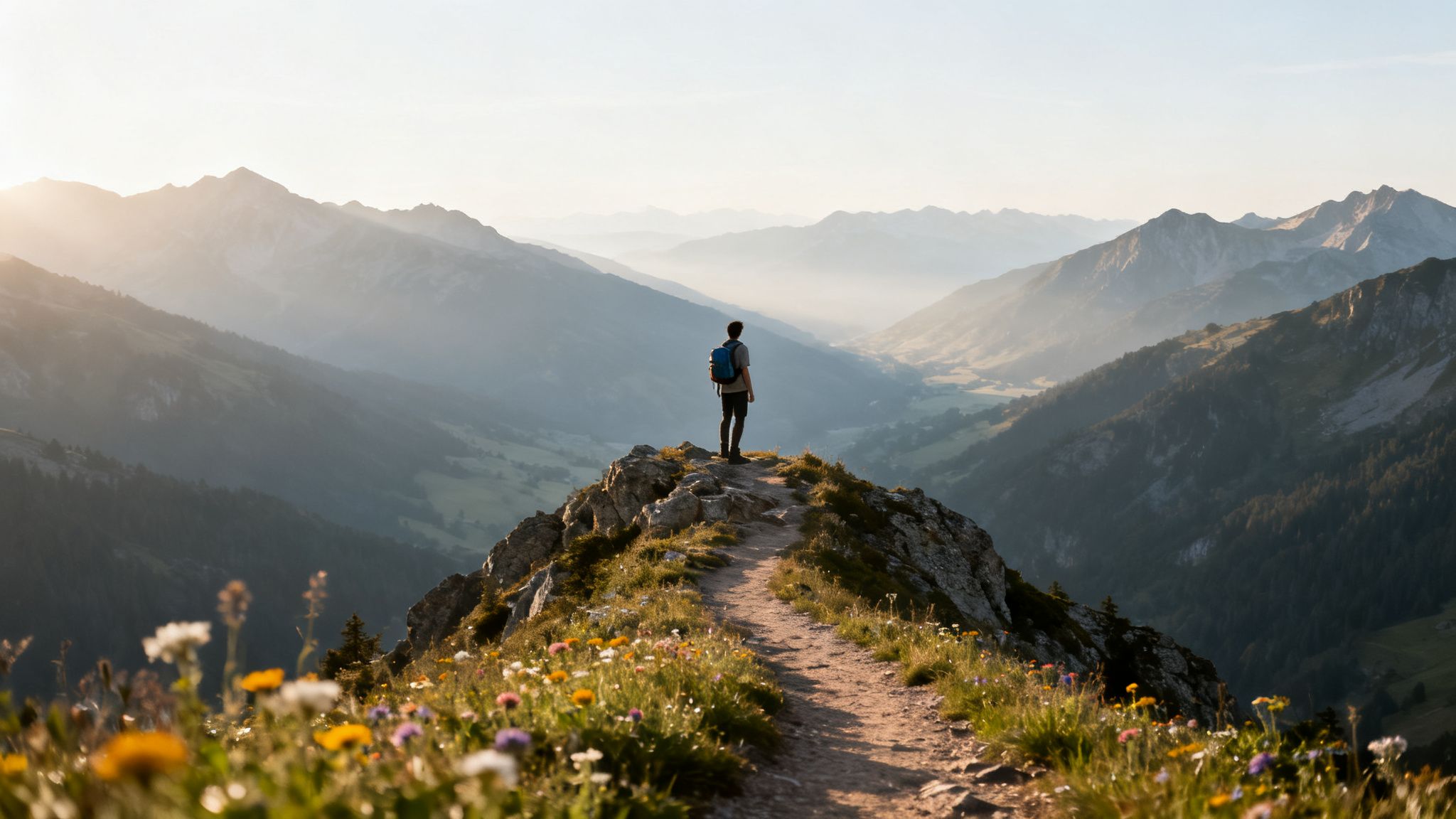
Imagine trekking through the lush jungles near Chiang Mai, Thailand, with the sounds of exotic birds as your soundtrack. Picture yourself ascending the trails of Table Mountain in Cape Town for a panoramic view of the city and sea, or wandering along a path in the Swiss Alps surrounded by wildflowers and towering peaks. Hiking turns any landscape into an accessible and deeply personal adventure.
How to Plan Your Free Nature Adventure
Safe and successful hiking requires a bit of planning. Choosing the right trail and preparing for the conditions will ensure your focus remains on the incredible scenery around you.
- Use Trail Apps: Download offline maps on apps like AllTrails or Komoot. They provide trail details, difficulty ratings, and recent user reviews on conditions.
- Start Early: Maximize daylight hours and avoid the midday heat. An early start often means fewer crowds and better chances for wildlife sightings.
- Pack Smart: Bring more water than you think you’ll need (at least 1-2 liters), energy-boosting snacks, sunscreen, and insect repellent.
- Inform Someone: Always tell someone your planned route and estimated return time. This is a critical safety step, especially for solo hikers.
- Respect Nature: Stay on marked trails to protect local flora and fauna. For more ways to travel responsibly, review these sustainable travel tips and leave no trace.
4. Free Museum Hours and Cultural Institution Visits
Unlock a world of art, history, and science without spending a dime by strategically visiting cultural institutions during their free admission hours. This is one of the most enriching and fun free things to do, offering access to world-class collections that would typically carry a hefty entrance fee. It’s not about skipping culture; it's about accessing it smartly, turning a budget-conscious trip into a deeply educational and inspiring experience.
Imagine wandering through the hallowed halls of the Prado in Madrid during its evening free-entry window, standing before masterpieces by Goya and Velázquez. Picture exploring the vast collections of London's world-renowned museums like the British Museum or the Natural History Museum, which are free to the public year-round. This approach allows you to soak in cultural treasures and is a perfect backup plan, offering plenty of fun indoor things to do when the weather turns.
How to Maximize Free Museum Visits
A little planning is all it takes to transform your itinerary into a cultural feast. Focus your efforts on timing and strategy to get the most out of these opportunities.
- Check Official Websites: Before you go, always verify the museum’s official website for the most current free days, "pay-what-you-wish" hours, and any special conditions.
- Arrive Early or Late: Free periods are popular. Arrive just before the free window starts to get ahead of the main crowd, or visit in the last hour when the initial rush has subsided.
- Prioritize Your Must-Sees: With limited time, you won’t see everything. Research the museum's permanent collection beforehand and create a short list of the exhibits or artworks you most want to see.
- Use Museum Apps: Many large institutions have their own apps with interactive maps. Download them in advance to navigate efficiently and avoid wasting precious time once inside.
- Call Ahead: Schedules can change unexpectedly. A quick phone call to the museum's information desk on the day of your visit can confirm free admission and save you a wasted trip.
5. Volunteer Opportunities and Social Tourism
Transform your travels from a simple vacation into a deeply meaningful exchange by volunteering. This approach offers more than just fun free things to do; it’s a way to connect with a community, learn new skills, and contribute to a cause you care about. In exchange for your time and effort on farms, conservation projects, or community initiatives, many programs provide free accommodation and meals, making it a sustainable way to travel long-term.
Imagine spending a month on an organic farm in the Italian countryside through WWOOF, learning about sustainable agriculture while enjoying home-cooked meals. Picture yourself helping at a sea turtle conservation project in Costa Rica or assisting with community development in a small village in Thailand. These experiences go beyond typical tourism, creating a reciprocal relationship where both you and the host community benefit.
How to Find a Reputable Volunteer Exchange
Finding the right opportunity is about careful research and clear communication. Platforms like Workaway, HelpX, and WWOOF are excellent starting points for finding ethical placements.
- Do Your Homework: Thoroughly research any organization or host. Check recent reviews on the platform and look for discussions on Reddit forums or Facebook groups to get unbiased feedback.
- Clarify Expectations: Before committing, have a detailed conversation with your potential host. Ask about specific work hours, the type of accommodation, what meals are included, and what your daily tasks will be.
- Prioritize Impact: Ensure your work is genuinely helpful and not taking a job from a local. The goal is a cultural exchange that provides needed support, not exploitative labor.
- Talk to Past Volunteers: Ask the host if you can connect with one or two previous volunteers. Hearing about their firsthand experience is the best way to vet an opportunity. You can discover more options if you volunteer abroad for cheap.
6. Photography, Sunrise/Sunset and Light-Based Experiences
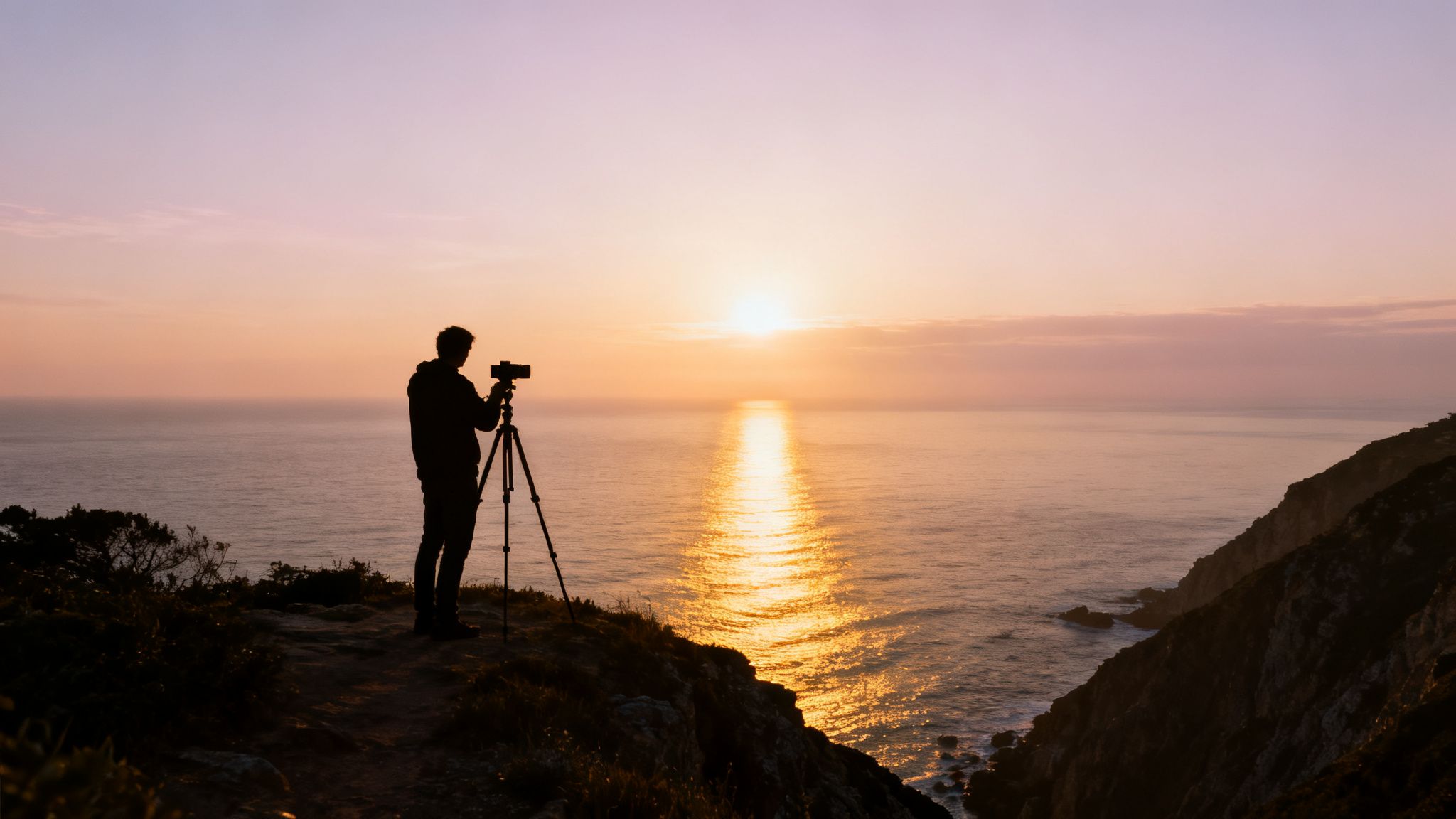
Transform your exploration into a creative mission by chasing light and capturing moments. This fun free thing to do combines artistic expression with the simple, profound beauty of the natural world. It’s about more than just taking pictures; it’s about experiencing a place during its most magical hours, from the first light of dawn painting the sky to the warm, golden glow of sunset.
Imagine watching the sunrise over Angkor Wat, its ancient spires silhouetted against a vibrant canvas of color, or capturing the architectural details of Barcelona's Gothic Quarter during the soft, diffused light of the golden hour. This approach gives your travels a purpose, turning every walk into a photo safari and every sunrise into a meditative ritual. You don’t need a professional camera; your smartphone is a powerful tool for documenting your unique perspective.
How to Plan Your Light-Chasing Adventure
A little planning can turn a simple photo walk into an unforgettable experience. Focusing on specific times of day and themes will help you capture stunning, meaningful images.
- Follow the Golden Hour: The first hour after sunrise and the last hour before sunset offer the most beautiful, soft light for photography.
- Create a Photo Challenge: Give yourself a theme, like "street art in Berlin" or "reflections in Singapore," to guide your exploration.
- Time It Right: Check weather apps and precise sunrise/sunset times for your location. Arrive at least 30 minutes early to find the best spot.
- Pack Smart: For dawn excursions, bring warm layers and a headlamp or phone flashlight for safe navigation in the dark.
- Find Your Viewpoint: Look for less-crowded, alternative viewpoints. A quick search for "best photo spots in [city]" on travel blogs can reveal hidden gems.
- Edit Mindfully: Use free apps like Snapseed or the built-in tools on your phone to enhance your photos, bringing your creative vision to life.
7. Picnicking and Park Days with Local Produce
Transform a simple meal into an unforgettable cultural experience by embracing the art of the picnic. Sourcing fresh ingredients from a local market and finding a scenic spot in a public park is one of the most rewarding and fun free things to do, blending culinary discovery with leisurely relaxation. This isn't just about saving money; it's about living like a local, savoring authentic flavors, and connecting with the natural beauty and social rhythm of your destination.
Imagine spreading a blanket in Paris's Luxembourg Gardens with a freshly baked baguette, local cheese, and ripe cherries. Picture yourself enjoying a seaside meal on Barcelona's Barceloneta Beach with provisions from the famous La Boqueria market. This simple activity turns a public space into your private dining room, offering a moment of peaceful immersion away from the typical tourist trails.
How to Plan the Perfect Local Picnic
A memorable picnic is easy to organize and deeply enriches your travel experience. It’s a chance to slow down, people-watch, and enjoy high-quality food on a minimal budget.
- Market First, Park Second: Visit a local market or grocery store in the morning for the freshest produce and best selection. This is where you'll find the true taste of the region.
- Pack Smart and Sustainably: Bring reusable containers, a small cutting board, and utensils from your accommodation to minimize waste and make preparation easy.
- Location, Location, Location: Choose parks with scenic views, like the foothills of Table Mountain in Cape Town, or social hubs like Berlin’s Tiergarten, to soak in the local atmosphere.
- Go Where the Locals Go: Head out during weekends or early evenings when residents are relaxing. It’s the best way to observe daily life and feel part of the community.
- The Essentials Kit: Don't forget the basics. Pack wet wipes for easy cleanup, a bottle opener if needed, and essential condiments like salt and pepper.
8. Free Cultural Events, Festivals, and Street Performances
Dive into the heart of a destination's culture by immersing yourself in its local celebrations. Attending free cultural events, festivals, and street performances is one of the most vibrant and fun free things to do, offering an unparalleled window into community traditions, music, and art. This isn't just about watching from the sidelines; it's about feeling the energy of a city come alive, completely free of charge.
Picture yourself caught in the joyous, colorful chaos of Holi in India, or swaying to the rhythm of a free summer concert in New York's Central Park. Imagine witnessing the solemn beauty of a Día de Muertos procession in Mexico, where streets are filled with marigolds and candlelight. These moments offer authentic connection and create memories that are truly priceless, showcasing the living, breathing soul of a place.
How to Find and Enjoy Free Events
Finding these cultural gems is easier than you think with a bit of forward planning and local insight. Timing your trip around a major festival can transform your entire travel experience.
- Research in Advance: Check official city tourism websites and local event calendars months before your trip to see what's scheduled.
- Follow the Pulse: Follow local tourism boards, event venues, and community groups on social media for real-time announcements and hidden gems.
- Arrive Early: For popular events, getting there ahead of the crowd is crucial to secure a good viewing spot and soak in the pre-event atmosphere.
- Ask a Local: Your accommodation host or a friendly café owner can be your best resource for finding hyper-local, lesser-known celebrations.
- Pack Smart: Wear comfortable shoes for standing and walking, and bring small bills for delicious street food from vendors. These smart preparations are key to many budget travel hacks that enhance your trip.
9. Local Library, Community Center, and Educational Institution Access
Dive into the intellectual heart of a city by visiting its public libraries, community centers, and university campuses. These often-overlooked hubs are treasure troves of culture and knowledge, offering far more than just books. They provide a quiet, climate-controlled sanctuary where you can access free WiFi, attend cultural events, and connect with the local community, making them one of the most rewarding fun free things to do on your travels.
Imagine losing yourself in the majestic Rose Main Reading Room of the New York Public Library, attending a free author talk at a Berlin State Library, or joining a language exchange at a community center in Mexico City. These institutions are not just buildings; they are living, breathing spaces that reflect the values and intellectual curiosity of the people who live there, offering a unique window into the local soul.
How to Tap into Local Institutions
Unlocking the resources of these public spaces is simple and offers immense value for any traveler, especially those on a budget or seeking authentic connections.
- Check Event Calendars: Before you visit, check the institution's website for a schedule of free events like lectures, film screenings, workshops, and art exhibitions.
- Get a Library Card: In many cities, you can get a temporary or visitor library card for free, granting you access to more resources.
- Ask a Librarian: Librarians are expert local guides. Ask them for recommendations on neighborhood resources, hidden gems, or upcoming free events.
- Explore University Campuses: College towns are fantastic for this. University libraries are often open to the public, and campuses frequently host free concerts, art shows, and public lectures.
- Connect and Plan: Use the free computers and WiFi to plan the next leg of your journey, back up photos, and stay in touch with loved ones without draining your budget or phone battery.
10. Beach Days and Water-Based Free Recreation
Answer the call of the coast by embracing the simple, soul-soothing pleasure of a day by the water. From sunbathing and swimming to shoreline strolls and wildlife watching, public beaches, lakes, and rivers offer some of the most universally accessible and fun free things to do. This isn't just about getting a tan; it’s about connecting with nature’s rhythm, whether you're watching the sunset over the Pacific or dipping your toes in a cool, clear lake.
Imagine the dramatic cliffs and golden sands of Portugal's Algarve, the tranquil turquoise waters of Thailand's islands, or the vibrant beach culture of Bali. These destinations, and countless others, provide endless opportunities for relaxation and recreation without costing a dime. A day spent by the water rejuvenates the spirit, offering a perfect pause from a busy travel itinerary.
How to Make the Most of Your Beach Day
A little planning transforms a good beach day into a great one, ensuring it's safe, comfortable, and environmentally friendly.
- Research Water Safety: Always check local conditions for currents, riptides, and water quality before you go in. Respect all warning flags and signs.
- Time Your Visit: Arrive in the early morning for fewer crowds, softer light for photos, and more pleasant temperatures.
- Go Prepared: Bring essentials like reef-safe sunscreen, a reusable water bottle, a waterproof bag for electronics, and water shoes for rocky shores.
- Check the Tides: Knowing the tide schedule helps you find the best spots for tide pooling or ensures you have enough sandy space for your setup.
- Leave No Trace: Pack out everything you bring in. This simple act of respect helps preserve these beautiful natural spaces for everyone to enjoy.
11. Slow Travel and Intentional Neighborhood Living
Escape the whirlwind of tourist traps and embrace a deeply rewarding travel style that costs very little. Intentional neighborhood living is one of the most fulfilling fun free things to do, transforming your trip from a checklist of sights into an authentic cultural immersion. It’s about renting an apartment for a few weeks or a month and truly living like a local, finding joy in the everyday rhythm of a community.
Imagine starting your mornings at a corner café in Lisbon's Alfama district, where the barista knows your order, or shopping for fresh produce at a local market in Chiang Mai alongside residents. This approach lets you build genuine connections and experience a place beyond its polished facade. You stop being a visitor and start becoming a temporary part of the neighborhood’s fabric, discovering hidden gems known only to locals.
How to Live Like a Local
Adopting a slow travel mindset is simple and profoundly enriching. The key is to shift your focus from "seeing" to "being."
- Book for Longer Stays: Look for monthly rates on Airbnb or local rental sites. You can often secure discounts of 20-40%, making long-term stays more affordable than a hotel.
- Choose Residential Areas: Opt for neighborhoods just outside the main tourist hubs, like Kreuzberg in Berlin or Gràcia in Barcelona, for a more authentic and less expensive experience.
- Create Daily Routines: Find a favorite park for a morning walk, a go-to bakery, or a local library. Repetition builds familiarity and connection.
- Shop and Eat Locally: Patronize neighborhood grocery stores, markets, and family-run restaurants. Ask for recommendations to find the best spots.
- Join Local Groups: Use platforms like Meetup or neighborhood-specific Facebook groups to find community events, language exchanges, or hobby clubs. To find inspiration for your next extended stay, check out some of the best countries for digital nomads.
12. Conversation Exchanges and Language Learning Meetups
Unlock authentic cultural connections and learn a new language by joining a conversation exchange, a truly rewarding and fun free thing to do. These informal meetups bring together locals eager to practice your language and travelers keen to learn theirs. It’s an immersive experience that moves beyond tourist interactions, fostering genuine friendships and offering a direct window into the local way of life.
Imagine sharing stories over coffee in a cozy café in Kyoto, practicing Japanese with a university student who wants to improve their English. Picture yourself in a lively park in Medellín, laughing with new friends as you stumble through Spanish phrases and they correct your pronunciation with a smile. These exchanges transform a simple conversation into a powerful tool for connection and understanding.
How to Find and Join a Language Meetup
Finding a conversation exchange is easier than ever with online platforms connecting global communities. The key is to be proactive and open to meeting new people.
- Platform Search: Use websites like Meetup.com or event listings on Couchsurfing.com and search for "[language] exchange + [city name]."
- Social Media Groups: Join local expat and traveler Facebook groups. Members frequently post about informal language practice meetups.
- Be Prepared to Share: The "exchange" is a two-way street. Be ready to talk about your own culture, hobbies, and hometown.
- Arrive Early: Getting there a few minutes before the official start time makes it easier to break the ice and start conversations in a smaller setting.
- Ask for Local Tips: Your new language partners are the best source for recommendations on authentic restaurants, hidden gems, and local events.
Comparison of 12 Free Activities
Turn Inspiration Into Action: Your Journey Starts Now
We've journeyed through a world of possibilities, from the vibrant energy of street festivals to the quiet majesty of a sunrise hike, proving one undeniable truth: the most memorable travel experiences often cost nothing at all. This guide was crafted to be more than just a list; it's a new lens through which to view your adventures. The core takeaway isn't merely the "what" but the "how" and "why." It's about shifting your mindset from consumption to connection, from spending money to investing time and curiosity.
The real magic happens when you see these fun free things to do not as budget-savers, but as gateways to deeper, more authentic engagement with a place and its people. A picnic in a local park becomes a study in daily life. A free museum day transforms into a dialogue with a city's history. A language exchange meetup evolves from a simple conversation into a genuine human bond. These are the moments that create the rich tapestry of a truly unforgettable journey. They remind us that our most valuable travel currency is our presence and our willingness to participate.
From Ideas to Itinerary: Your Next Steps
So, where do you go from here? The sheer volume of options can feel overwhelming, but turning this inspiration into action is simpler than you think. Don't try to do everything at once. Instead, build your next adventure with intention.
Here’s a simple, actionable plan to get you started:
- Choose Your Focus: Review the list and select just two or three activities that genuinely excite you. Are you drawn to the creative energy of a photo walk, the social buzz of a volunteer project, or the peaceful immersion of a nature trail?
- Do Your Hyper-Local Research: Use the tools and tips we discussed. Search for "[City Name] free walking tour," "free museum days in [City Name]," or "language exchange [City Name]." Dig into local event calendars, community Facebook groups, and library bulletin boards.
- Morning: Sunrise photography session at a scenic viewpoint.
- Afternoon: A themed, self-guided walking tour of a historic neighborhood, ending with a packed lunch in a central park.
- Evening: Attend a free cultural performance or a community concert you found online.
This approach makes the concept of free travel less abstract and more concrete. It’s a tangible, low-stakes way to practice the art of resourceful exploration.
The Lasting Value of Resourceful Travel
Mastering the art of finding and enjoying fun free things to do offers benefits that extend far beyond your bank account. It cultivates creativity, forcing you to look past the obvious tourist traps and discover the hidden soul of a destination. It builds confidence, especially for solo travelers, as you learn to navigate new environments and connect with strangers.
Most importantly, it fosters a more sustainable and respectful form of tourism. By engaging with public spaces, supporting local communities, and prioritizing experiences over transactions, you become a more conscious traveler. You leave a lighter footprint and take home heavier, more meaningful memories. Your journey becomes a story of connection, discovery, and the profound realization that the best things in life-and travel-are, indeed, free. Now, it's your turn to write the next chapter.
Ready to put these ideas into motion? At Travel Talk Today, we specialize in providing the practical tools and in-depth guides you need to travel smarter, not more expensively. Explore our resources at Travel Talk Today to find destination-specific tips, packing lists, and booking advice that will help you build your most affordable and authentic adventure yet.