You're staring at a free Saturday, a limited budget, and the same old question. Should you stay home, spend too much on a trip that needs a hotel, or use the day for something that actually feels restorative? The best day trip ideas solve all three problems at once, because a good short escape can be affordable, low-stress, and memorable without asking for a week off work.
The demand for that kind of travel is real. In Great Britain, residents took 1.2 billion domestic tourism day visits in 2023, a 7% rise on 2022, and England alone recorded 1.0 billion day trips and £72 billion in domestic tourism spend, with day trips making up 64% of total domestic spend there, according to VisitBritain's 2023 domestic tourism release. Day travel is not a backup plan, it's a major travel style. The smartest trips tend to be the ones that balance adventure with easy logistics, so you come home tired in a good way, not drained from transit, crowds, or overspending.
1. The Nature Escape Through Hiking and Scenic Exploration
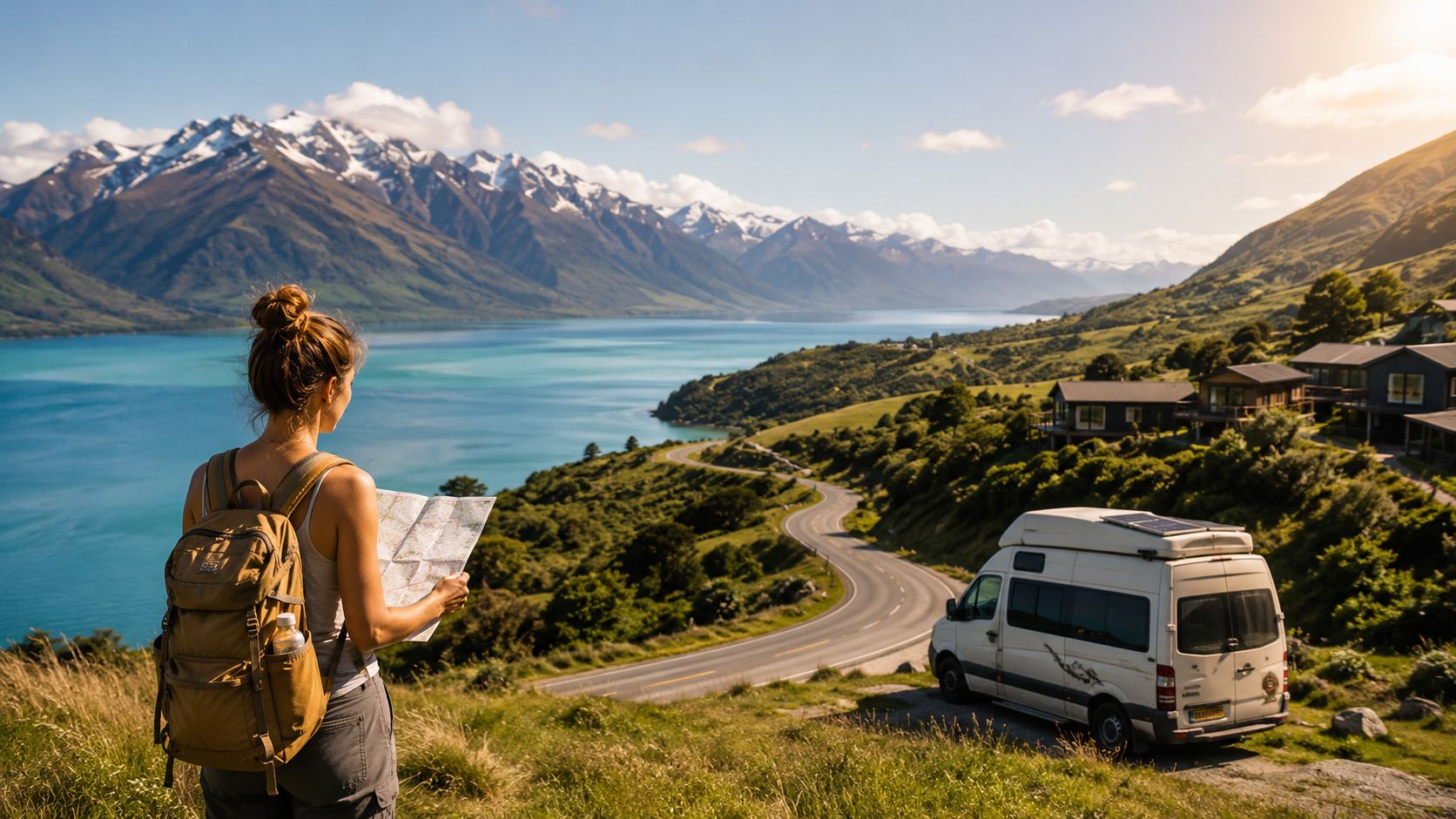
A trail a few hours from home can reset your whole week. Hiking keeps the cost low, keeps the day active, and usually keeps your footprint lighter than a long road trip built around multiple stops and disposable extras. If you already own decent shoes and a water bottle, you're most of the way there.
Bring only what you need, and keep the pack light. A solid starter list is already laid out in this backpacking essentials checklist, and the same logic works for day hiking, rain layer, water, snacks, phone, and a map you can use offline. A common mistake is overplanning the route and underplanning the basics, which turns a relaxing outing into a scramble for food, shade, or cell signal.
Practical rule: choose a trail with a clear turnaround point, not one that tempts you into a rushed finish.
Real-world examples make this style easy to picture. A local ridge walk, a preserved wetland boardwalk, or a forest loop with a scenic overlook all work better than a famous summit packed with weekend traffic. The goal isn't to “conquer” nature, it's to move through it at a pace that lets you notice birdsong, tree cover, and changing terrain. That slower approach usually costs less, asks less of your schedule, and leaves you more energy for the ride home.
2. The Urban Explorer Through Cultural and Heritage Walking Tours
Cities reward curious people who are willing to walk slowly. A self-guided route through an old district, a mural corridor, or a neighborhood built around rail history lets you see architecture, street life, and small details that bus tours usually skip. You don't need a long itinerary, just a few anchor points and the willingness to wander between them.
For transit-minded travelers, the planning gets especially practical. A useful example is a walkable city day with café stops, a museum courtyard, a historic market street, and a riverside path, the kind of urban pattern discussed in this guide to the most walkable cities in Europe. The best version of this day trip doesn't try to cover a city's greatest hits. It picks one area and lets the neighborhood do the work.
A strong urban day trip also fits low-impact travel well. Walking reduces transport costs, supports local businesses along the route, and naturally slows your spending because you're not hopping from attraction to attraction. If you want the city to feel alive rather than curated, skip the jammed landmark circuit and look for side streets, independent bookshops, and local bakeries.
Go early, before sidewalks fill and lunch queues stretch. The same neighborhood can feel twice as rewarding when you're not fighting the crowd.
3. The Coastal Retreat for Beach and Seaside Town Escapes
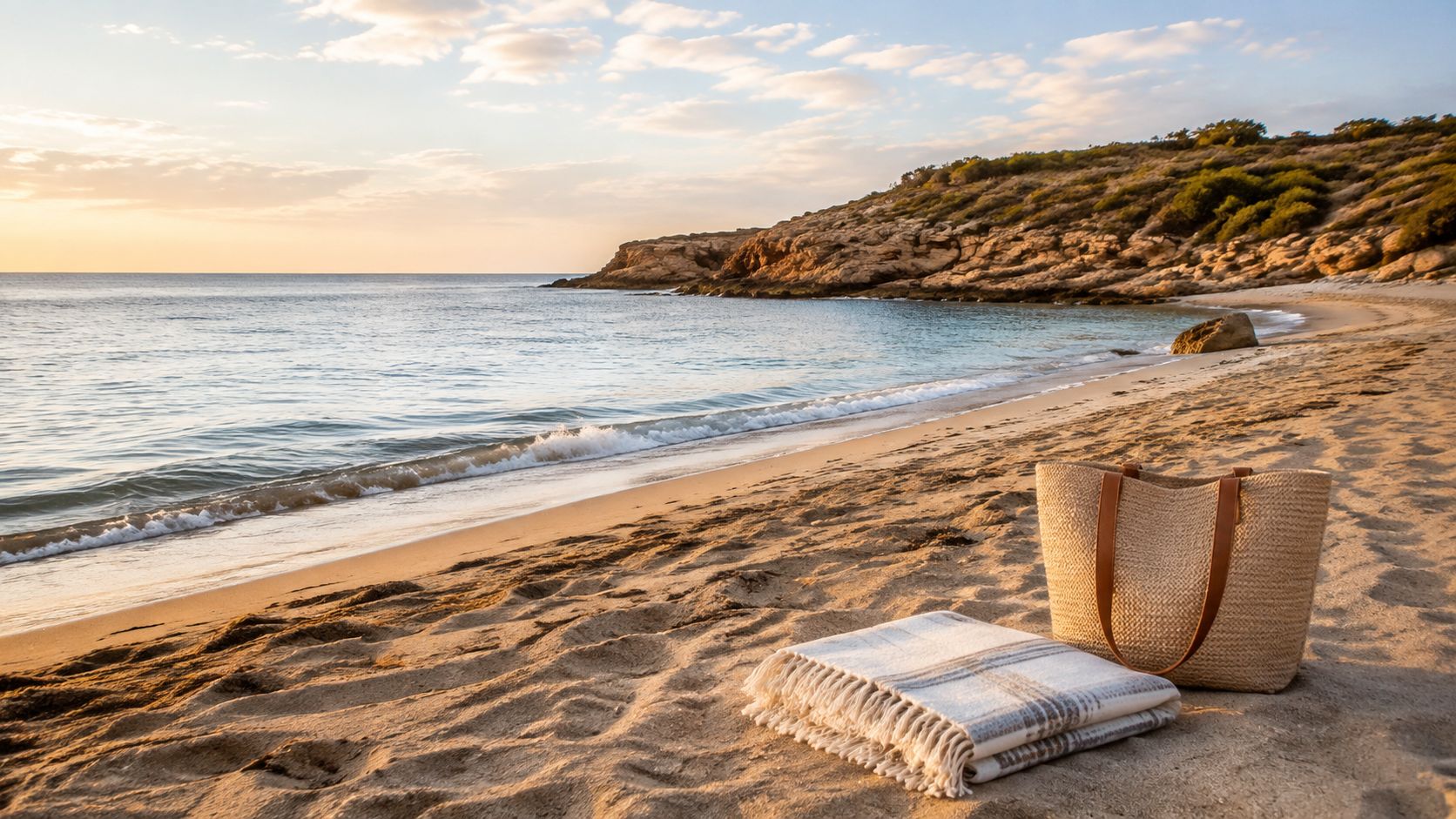
Sometimes the best day trip is one where you do less, not more. A beach or seaside town gives you that rare mix of open air, movement, and calm, and it can be as active or as lazy as you want it to be. Walk the promenade, swim, sit with a paperback, or split the day between a harbor, a café, and a shoreline path.
The trick is to keep expectations realistic. Popular coasts can turn chaotic if you arrive too late, so the better move is to time your visit around an early start and a clear purpose. If you want relaxation, go where you can park, walk, or arrive by train without spending half the day in traffic. If you want energy, choose a town with a waterfront market, a pier, or a compact old center where the beach is only part of the story.
A focused stop like Agios Ioannis Beach shows why seaside escapes work so well, because the appeal is not just the water. It's the rhythm of the day, the smell of salt, the slower meals, and the chance to feel away from routine without needing an overnight bag. For affordable wellness, few options beat a simple coastal outing.
4. The Foodie's Journey Through Farmers Markets and Culinary Tours

Food-focused day trips are some of the easiest to personalize. You can build the whole outing around a farmers market, a specialty bakery, a seafood stall, a coffee roaster, or a guided tasting route, and each version gives you a different read on a place. The strongest food trips don't chase novelty for its own sake, they connect you to local producers and the season's best ingredients.
Markets are especially good for budget-conscious travelers because they let you sample without committing to a full restaurant bill. You can taste, compare, and still leave room to buy a few items for later. A stop at Aix-en-Provence market is a good example of how a market day can become both cultural and practical, because browsing produce, olives, cheese, and baked goods tells you more about a region than a souvenir strip ever will.
Practical insight: arrive hungry, but not starving. You'll make better choices, waste less, and enjoy the pacing of the day.
This kind of trip also works well with sustainability goals. When you buy from small vendors, eat seasonally, and skip packaged convenience food, the outing feels less extractive and more connected to place. If you're traveling with friends, split portions and order strategically so you can try more without overspending. A food day trip should feel generous, not gluttonous.
5. The Creative Eye Through Photography and Street Art Hunts
A camera changes how you move. The same street that feels ordinary on a commute can become a composition challenge when you're looking for color, shadow, texture, and visual rhythm. That's why photography and street art trips are so satisfying, they train you to notice what you normally pass.
This kind of outing works especially well in cities with murals, industrial architecture, layered storefronts, and neighborhood details that reward close attention. You don't need a huge destination list. A single district can give you a full day if you're chasing reflections in windows, old signage, painted walls, and the way light falls between buildings. If you shoot with a phone, a compact camera, or a mirrorless setup, the point is the same, create a visual story instead of collecting random snapshots.
A smart route might include an overlooked underpass with legal murals, a historic market street, a tram line, and a rooftop viewpoint if the city has one. The best photos often happen between landmarks, not at them. And because this trip naturally slows your pace, it keeps transport costs down while also making the outing feel more intentional.
The strongest street photo is usually the one that feels lived-in, not staged.
Photography day trips also work well for solo travelers. You're never stuck waiting for a group to agree on the next stop, and you can linger when the light changes. If you want a souvenir that lasts longer than a tote bag or ticket stub, this is one of the most rewarding ways to spend a day.
6. The Connoisseur's Tour Through Wineries, Breweries, and Distilleries
A tasting day is less about drinking and more about understanding how something gets made. Wineries, breweries, and distilleries are compelling because they combine agriculture, craftsmanship, and place in a single trip. You see the production side, you taste the result, and you usually leave with a better sense of what local ingredients and climate mean.
The best version of this day trip is paced, not packed. One vineyard plus one good lunch can be more satisfying than trying to cram in three tasting rooms and ending the day too rushed to remember what you liked. If you're going with friends, make the driver the organizer, not an afterthought. If you're going solo, look for venues with tours or counter tastings that don't force a social performance.
This type of outing also fits sustainable travel surprisingly well when you choose local producers and keep transport simple. A train-accessible brewery district, a vineyard cluster with shuttle options, or a distillery in a small town can all work without turning the day into a road-heavy relay. The main trade-off is obvious, some of the most scenic tasting regions are also the most car-dependent, so the ideal choice is the one that matches your transportation reality rather than your fantasy itinerary.
Try to pair the tasting with something grounding, such as a short walk, a town square lunch, or a farm shop stop. That keeps the day from becoming a blur of pours and makes the whole experience feel more thoughtful. A good tasting trip should leave you curious about the place, not just the label.
7. The Slow Traveler Through Small Town and Village Discovery
Small towns are where day trips often feel most human. You can park once, walk a main street, talk to a shop owner, and spend the afternoon noticing how a place functions instead of rushing past its surface. That slower rhythm is the heart of slow travel, and it works beautifully in places that aren't trying to impress you at every turn.
The appeal is practical as much as emotional. Small towns usually make logistics easier, fewer transfers, less decision fatigue, and more time spent in one walkable area. They also tend to be kinder to budgets because the day isn't built around admission-heavy attractions. A bakery, a bookstore, a public green, and a riverside path can be enough.
A good small-town trip rewards patience. You'll often find the best café, the best antiques, or the best view by drifting rather than by following a rigid list. That's a useful contrast to famous “hidden gem” lists, which can create pressure to overdo it and then leave disappointed when the town is busy. A quieter place with flexible timing and easy public transport often feels better than a scenic place that becomes stressful the moment you arrive.
Best use case: choose a village when you want fewer decisions and more atmosphere.
This is also one of the most sustainable styles of day travel because the footprint stays modest. You're not bouncing between distant stops, and you're giving your attention to local businesses that depend on steady, respectful visitors. The result is less spectacle, more texture, and usually a better memory.
8. The Adventurer Through Outdoor Action and Activities
Some days need movement with a bit of adrenaline. Kayaking, rock climbing, mountain biking, paddling, or guided canyon walks can all turn a single day into something memorable, especially if you rent gear or book instruction instead of owning specialized equipment. That makes adventure more accessible and keeps the commitment lower than people assume.
The smartest action trip starts with a realistic assessment of skill level. If you're new, choose guided activities, beginner-friendly terrain, or outfitters that include safety briefings and gear checks. If you're experienced, keep the route tight and avoid the temptation to stack too many activities into one day. A clean, well-executed paddle is better than a frantic multi-sport sprint.
This is also where sustainability and affordability can support each other. Shared gear, small-group guiding, and local outfitters reduce the need for expensive ownership or long-distance shipping of equipment. The trip becomes more about access than accumulation. That matters because adventure travel doesn't have to look like a gear arms race.
A practical example would be a morning kayak session, a simple lunch, and an afternoon lookout hike. Another could be a half-day bike rental through a trail network with a coffee stop in town. Keep the plan simple enough that you can enjoy the exertion instead of spending the whole day managing logistics. The right amount of challenge leaves you energized, not overextended.
9. The Culture Vulture Through Museum and Gallery Hopping
Museum days work best when you stop trying to “do the museum properly” and start curating your own pace. A city with several smaller institutions can give you a richer day than one massive flagship museum, especially if you mix art, history, science, or local heritage instead of trying to absorb everything in one go. You don't need to see every room. You need to stay engaged.
Budget-wise, this style becomes much more attractive when you use free admission windows, city passes, or a selective route through smaller galleries. The advantage of smaller institutions is that they often feel less exhausting and more personal. You can leave after an hour, take a coffee break, and come back for one last stop without feeling like you wasted the visit.
The best cultural day trips also respect attention spans. Two excellent museums beat five rushed ones. A gallery with a focused exhibition, a local history house, and a design museum can make a more coherent day than a random checklist of big names. That approach also keeps your spending in check because you can choose where to pay and where to linger for free.
If you want the day to feel complete, anchor it with one or two memorable non-museum moments, maybe a riverside walk, a bookstore, or a neighborhood lunch. Culture sticks better when it's spaced out. You leave with ideas, not just brochures.
9 Day-Trip Ideas, Quick Comparison
| Day Trip | 🔄 Implementation complexity | ⚡ Resource requirements & cost | ⭐ Expected outcomes | 📊 Ideal use cases | 💡 Key advantages / tips |
|---|---|---|---|---|---|
| The Nature Escape: Hiking and Scenic Exploration | Low–Medium, route choice and safety checks | Minimal gear/transport; $0–$30 | High ⭐⭐⭐⭐, wellbeing, nature immersion | Digital detox, families, budget travelers | Follow Leave No Trace; check trail difficulty and tell someone your route |
| The Urban Explorer: Cultural and Heritage Walking Tours | Low, self-guided planning and route mapping | Low; public transit or walking; $5–$40 | High ⭐⭐⭐⭐, cultural insight, discovery | History buffs, photographers, curious travelers | Use walking routes/apps; support local vendors; stay aware of surroundings |
| The Coastal Retreat: Beach and Seaside Town Escapes | Low, basic safety (tides/currents) | Low–Medium; car/train; $15–$50 | High ⭐⭐⭐⭐, relaxation, seaside wellness | Families, sun-seekers, casual outdoor lovers | Use reef-safe sunscreen; visit populated beaches; pack reusable items |
| The Foodie's Journey: Farmers Markets and Culinary Tours | Low, timing and market knowledge | Low–Medium; $20–$60 for tasting and purchases | High ⭐⭐⭐⭐, culinary education, local economy support | Food lovers, home cooks, culture seekers | Bring reusable bags/containers; note allergies; buy directly from producers |
| The Creative Eye: Photography and Street Art Hunts | Low–Medium, scouting, permissions for portraits | Minimal; walking/public transit; $0–$20 | High ⭐⭐⭐⭐, creative output, visual storytelling | Photographers, visual artists, social creators | Ask permission when needed; overcast light is useful; credit artists |
| The Connoisseur's Tour: Wineries, Breweries, and Distilleries | Medium, bookings, coordination for transport | High; tastings and purchases; $40–$100+ | High ⭐⭐⭐⭐, education, tastings, local craft connection | Social groups, couples, beverage enthusiasts | Arrange safe transport; book tours in advance; seek sustainable producers |
| The Slow Traveler: Small Town and Village Discovery | Low–Medium, planning remote logistics | Medium; often requires car; $25–$75 | High ⭐⭐⭐⭐, authentic connections, relaxed pace | Couples, slow-travel advocates, those avoiding crowds | Spend at local businesses; be respectful of community pace |
| The Adventurer: Outdoor Action and Activities | High, guides, safety procedures, permits | High; guide fees and rentals; $75–$200+ | Very high ⭐⭐⭐⭐⭐, adrenaline, skill-building, accomplishment | Thrill-seekers, fitness enthusiasts, first-time triers | Use certified guides, check insurance, assess fitness honestly |
| The Culture Vulture: Museum and Gallery Hopping | Low–Medium, timing and admission planning | Low–Medium; passes/donations; $0–$50 | High ⭐⭐⭐⭐, education, indoor cultural immersion | Art/history lovers, families, rainy-day plans | Use free days/city passes; limit 2–3 institutions/day to avoid fatigue |
Turn Your Day into an Adventure
Meaningful travel isn't measured in miles, it's measured in how fully you show up for the time you have. The best day trip ideas don't demand perfection, they reward curiosity, flexibility, and a little planning. Choose a trip that matches your energy, your budget, and your transportation options, then give yourself permission to enjoy the day without overloading it.
If you want the most value from a short escape, start with the logistics, not the fantasy. Look at how you'll get there, what you'll eat, when crowds are lightest, and whether the outing supports the kind of travel you want, slower, greener, cheaper, or more adventurous. That's how day trips become more than filler between bigger vacations. They become part of your travel style.
A good day trip also respects your limits. You don't need to chase the most famous sight, the biggest hike, or the trendiest district. Some of the best memories come from an early train, a quiet road, a market lunch, and a walk home before sunset. The destination matters, but the pacing matters just as much.
So pick one idea from this list, set a date, and keep the plan simple enough to enjoy. Pack light, leave room for surprises, and treat the day like a real journey instead of a compromise. Your next story can start this weekend.
Travel Talk Today helps you plan trips that feel smart, affordable, and genuinely worth the time. If you want more practical day trip ideas, slow travel guides, and budgeting advice that makes short escapes easier to pull off, visit Travel Talk Today and start shaping your next outing with less stress and better choices.