Which Florence fits the way you travel?
A strong itinerary for Florence, Italy starts with that question, not with a generic checklist. Some travelers want a first visit built around the Duomo, the Uffizi, and the streets they have pictured for years. Others care more about cost control, quieter neighborhoods, safer solo pacing after dark, child-friendly downtime, or the right light for photos at the right hour. Florence can handle all of those trips, but it does not reward treating them as the same trip.
The mistake I see in many Florence guides is simple. They assume every visitor should move through the city in the same order, at the same speed, with the same priorities. That usually leads to overpacked museum days, poorly timed walks across the center, and a lot of money spent on experiences that do not match the traveler.
Florence is compact, but that does not make planning easy. The historic center concentrates the biggest sights, the heaviest foot traffic, and many of the easiest tourist choices. Good planning comes from trade-offs. You might spend more to skip a line and save your energy for the afternoon. You might choose a less central dinner area because the atmosphere is better and the prices are calmer. You might keep one major museum a day, not because there is nothing else to do, but because art fatigue is real.
That is the perspective behind this guide. Instead of one standard schedule, you will get eight fully built 8-day plans, each designed for a specific traveler type. They cover the classic first-timer, the budget-conscious traveler, the solo female traveler, the hidden-gems seeker, the art historian, the slow and sustainable traveler, the photographer, and the family group. Each version includes daily structure, realistic pacing, budgeting guidance, and the smaller decisions that shape whether Florence feels inspiring or exhausting.
If you are still deciding how Florence fits into a wider Italy trip, this roundup of the best cities to visit in Italy helps clarify what kind of traveler usually gets the most from a longer stop here.
Use the itinerary that matches your habits first. Then customize. That is how Florence starts feeling less like a crowded obligation and more like your city for eight days.
1. Classic 8-Day Florence Renaissance & Art Masterpiece
Want the Florence trip most first-timers picture, but without turning eight days into a blur of queues, churches, and museum fatigue?
This version is the classic itinerary for Florence, Italy, built for the traveler who wants the major Renaissance hits and enough breathing room to enjoy them. The goal is not to collect every famous room in the city. The goal is to see the core works well, pace the week intelligently, and leave with a clear sense of why Florence shaped the rest of Italy.
Start Days 1 and 2 with the names that justify the crowds. Day 1 works best as an orientation day with the Duomo exterior, Baptistery area, Piazza della Repubblica, Piazza della Signoria, and an evening walk toward Ponte Vecchio. Add the Accademia either late morning or late afternoon, depending on your ticket slot. Day 2 belongs to the Uffizi, ideally in the first entry window, then Palazzo Vecchio or a slower recovery afternoon with coffee and people-watching nearby. One major museum per day is enough for many travelers. Two is possible, but only if you already know you can stay focused for hours indoors.
A pacing plan that holds up in real life
Days 3 and 4 should add range. Put Santa Croce, the Bargello, and a quieter lunch on Day 3. Use Day 4 for Pitti Palace and time in Oltrarno, where Florence feels less ceremonial and more lived-in. That shift matters. It keeps the trip from becoming a sequence of painted ceilings and marble façades.
A simple rule helps. Put your densest cultural stop in the morning, then leave the afternoon lighter. Florence rewards attention, and attention drops fast after your third chapel, second staircase, and first overheated gallery.
Days 5 and 6 are where the classic itinerary becomes personal instead of automatic. Return to the Duomo complex for whatever you skipped, such as the cathedral interior, museum, dome climb, or bell tower. Do not book every vertical climb just because it is available. Pick one or two based on your energy, knees, and tolerance for timed-entry logistics. Save one evening for a proper dinner reservation in a neighborhood you want to linger in, not just the nearest square after a long day.
Days 7 and 8 should protect your energy, not waste it
Use Day 7 either for a Tuscan day trip or for a lighter Florence day with room to revisit a favorite district. The trade-off is simple. A countryside excursion adds context and variety, but it also takes time and planning. Staying in the city gives you a slower rhythm and often better final memories. Day 8 works best as a buffer. Shop for art books or paper goods, return to the Arno at sunset, or revisit the place that felt best when the day-trippers had gone.
If you are pairing Florence with a wider trip, this classic version also benefits from restraint. Eight days here is generous. You do not need to force every possible add-on into the week. If keeping the overall Italy budget under control matters, some of the same habits used in cheap multi-city Europe planning apply here too, especially booking key transport early and avoiding expensive last-minute decisions.
A few choices make this itinerary stronger:
- Reserve Uffizi and Accademia in advance: These are the hardest waits to justify improvising.
- Keep churches and museums in balance: Santa Croce, Santa Maria Novella, and the Bargello are rewarding, but stacking all three back-to-back can flatten the experience.
- Walk the center, then use taxis selectively: Florence is compact enough for walking, but a taxi after a long museum day can be money well spent.
- Pair Florence with the right second city: This guide to the best cities to visit in Italy helps you decide what complements Florence rather than competes with it.
The classic mistake is not choosing the famous sights. It is treating Florence like a checklist instead of a city that needs pacing.
2. Budget-Conscious 8-Day Florence Minimize Costs and Maximize Experience
Want eight days in Florence without turning the trip into a spreadsheet exercise or blowing half your budget by Day 3? This version is built for the traveler who wants the city itself, not a parade of overpriced add-ons. Among these eight Florence itineraries, this is the one that asks a simple question every day: what is worth paying for here, and what is better enjoyed for free?
A budget itinerary for Florence, Italy works best when you pay for access selectively and use the city’s compact layout to your advantage. Stay a little outside the highest-priced core if rates drop enough to matter, but do not book so far out that you lose time and spend the savings on transit. In Florence, location still has value. A 15 to 25 minute walk into the center is usually the sweet spot.
Start Day 1 with a free orientation loop. Walk the Duomo exterior, Piazza della Signoria, Ponte Vecchio, and the Arno before you book anything expensive. That first circuit helps you understand how small central Florence really is, which usually leads to better decisions for the rest of the week.
Day 2 is for Oltrarno, Santo Spirito, and San Frediano. These neighborhoods give this itinerary its character. They reward slow walking, window-shopping, church visits, and inexpensive meals more than ticketed attractions.
Day 3 should be practical. Use Mercato Centrale to get your bearings on food prices, pick up an affordable meal, and note what locals buy versus what visitors photograph. It is one of the easiest places to reset your budget if the first two days got too expensive.
Where budget travelers usually lose money
The expensive mistakes are predictable. Daily museum stacking, drinks with a view every night, airport-area taxis taken out of fatigue, and “skip-the-line” upgrades bought without checking whether the base ticket would have been fine. Florence is one of the easier cities in Italy to do well on foot, so convenience spending needs a hard look here.
Keep two major paid sights as anchors for the week. For many travelers, that is enough. A third can fit if one of the first two matters less than expected, but planning four or five paid headline attractions usually creates budget pressure without adding much depth.
A stronger rhythm looks like this:
- Day 4: Pick one major museum or paid complex, then keep the rest of the day light.
- Day 5: Build the day around churches, piazzas, artisan streets, and long walking stretches.
- Day 6: Make it a low-cost food day with market supplies, a picnic, and one paid coffee stop where you prefer to sit.
- Day 7: Return to the district that felt easiest to inhabit, not just the one that photographed well.
- Day 8: Leave room for packing, last purchases, and one final meal that feels earned.
That rhythm matters more than people expect.
Cheap trips to Florence fail when every saved euro creates friction. If your hotel is too far out, if every meal requires a hunt, or if your day is packed with “free” stops that do not interest you, the trip starts to feel smaller than it should. Good budget planning protects energy as much as money.
The cheap version that still feels rich
Spend where Florence is hard to replace. Cut where it is easy.
Santa Croce can justify the ticket if tombs, history, and the scale of the space interest you. On another day, the better choice may be no ticket at all. Sit in a square with a coffee, cross the river before sunset, browse small artisan streets, and let the city carry the day. Florence does that well.
Timing also matters. January and late fall usually give better value than peak spring or high summer, but there is no magic period when Florence becomes empty and cheap across the board. Shoulder season is usually the smarter target. Prices soften a bit, queues are more manageable, and walking all day is easier.
If you are combining Florence with a wider low-cost Europe trip, this guide to the cheapest way to visit Europe helps with the bigger transport and booking decisions. Solo travelers who are cost-conscious can also borrow a few smart habits from this guide on how to travel alone as a woman, especially around arrival timing, neighborhood choice, and keeping your first day simple.
Spend on the parts of Florence that would be hard to copy anywhere else. Save on the parts that only look good in a receipt.
That is the trade-off at the center of this itinerary. You are not trying to do Florence cheaply at any cost. You are choosing the version of Florence that still feels full, while cutting the spending that adds very little once you are there.
3. Solo Female Traveler's 8-Day Florence Safety, Confidence and Connection
Want Florence to feel freeing, not draining? Build this eight-day version of the city around three things that matter more than cramming in landmarks. A base you can trust at night, a daytime rhythm that lowers friction, and a few planned points of connection so solo time stays chosen rather than lonely.
Florence suits this style of trip well because the historic core is walkable, the main sights sit close together, and you can learn the city fast. The trade-off is predictable. The same compact center that makes solo travel easier also concentrates crowds, pickpockets, and overpriced meals. Confidence comes from structure, not from pretending there is no risk.
Choose a neighborhood that still has life after dinner. Santo Spirito and San Frediano usually work better than the busiest parts around Santa Maria Novella if your priority is calm evenings with people still around. Book a place on a well-lit street, keep your first arrival in daylight if possible, and avoid making night one your longest outing.
A practical eight-day plan that builds confidence
Day 1: Arrive early and keep the radius small.
Check in, walk the blocks around your stay, identify one reliable café, one grocery stop, and the clearest route home. Eat nearby. An easy first evening pays off more than one ambitious dinner across town.
Day 2: Start with a major sight in full daylight.
Visit the Accademia in the morning, then slow down over lunch before wandering Santo Spirito. Repeat one café or bakery from Day 1. Familiar faces matter on a solo trip more than people expect.
Day 3: Add structured company.
Do the Uffizi early, then join a cooking class, a small walking tour, or another group activity in the late afternoon. That gives you social contact without handing over your whole schedule. If you want one day outside the city later in the week, browse these Florence day trip ideas for solo travelers now and book only what fits your energy.
Day 4: Use Oltrarno as your confidence zone.
Spend the day on artisan streets, small shops, and quieter lanes you can revisit after dark without feeling disoriented. Stop before you get tired. Solo safety often comes down to timing and attention, not bravery.
Day 5: Do the Duomo area early, then leave it early.
This is the day to handle the heaviest tourist zone while your energy is high and the streets are clearer. By lunchtime, shift back toward a neighborhood that feels easier to read.
Day 6: Plan your social evening, don’t improvise it.
Return to a place you already liked for aperitivo or dinner, or book another class. Florence is friendly enough for solo dining, but the better move at night is usually a known setting over a random late switch.
Day 7: Repeat your favorite area on purpose.
A second visit to Santo Spirito, San Frediano, or your preferred market often feels better than chasing one more checklist sight. This is where solo travel gets good. The city starts feeling familiar rather than performative.
Day 8: Leave with margin.
Keep the morning light. Short walk, coffee, straightforward transfer. Solo departures go better when the final hours are simple.
What makes evenings feel safer
Predictability helps. So does energy management.
A charged phone, a crossbody bag that closes properly, offline maps, and a habit of checking your route before leaving the restaurant solve more problems than any dramatic safety tactic. Skip headphones if you are walking home tired. Sit down for ten minutes if you feel turned around instead of walking faster and hoping the street improves.
Mercato Centrale can be a good solo meal stop when you want a public setting with plenty of movement around you. For broader pre-trip planning, this guide on how to travel alone as a woman pairs well with the Florence specifics here.
Connection also needs a little planning. Book one social activity by Day 3 and another by Day 6 if your trip is a full week. That spacing works better than waiting to see if you "meet people naturally." Sometimes you will. Sometimes you will not. A good solo itinerary does not depend on luck.
Florence rewards women traveling alone who keep the plan clear, the evenings intentional, and the pace honest. That balance gives you what this itinerary is meant to deliver: safety, confidence, and enough connection to make the city feel personal.
4. Hidden Gems and Local Life 8-Day Florence Beyond the Guidebooks
Want Florence to feel lived-in rather than performed for visitors? Build the week around neighborhoods, repeat stops, and places that still function for residents first. This version suits travelers who are willing to trade headline sights for texture, routine, and a better read on how the city moves.
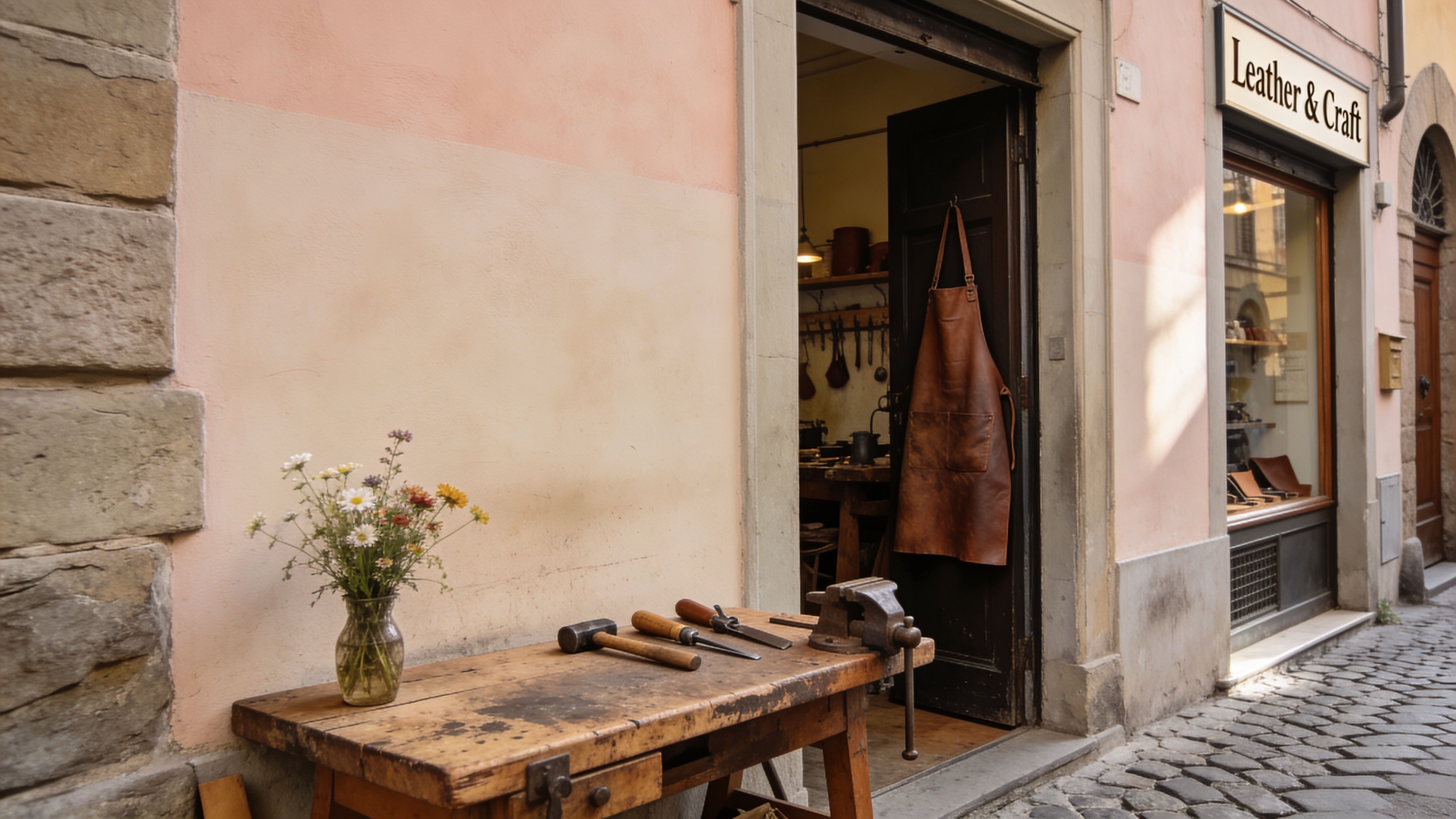
Start with a base in your mind, even if your hotel is elsewhere. For this itinerary, that base is Oltrarno. Day 1 works best in Santo Spirito and San Frediano with no museum quota at all. Learn the street rhythm, note which cafes fill with locals at certain hours, and get comfortable crossing the river without treating the center as the default every time.
Day 2 is for workshops and artisan streets, but timing matters. Early morning can feel shut or transactional. Mid to late afternoon usually gives you a better chance of seeing people working, asking a few respectful questions, and understanding what is made in the neighborhood instead of just buying a souvenir.
Day 3 shifts east to Sant’Ambrogio and the backstreets beyond the heaviest tourist current. This is a good day for a market lunch, a slow church visit, and one or two streets chosen for atmosphere rather than checklist value.
A quieter Florence with more texture
This itinerary improves if you stop trying to optimize every hour. Return to the same bakery twice. Sit in a square long enough to notice who uses it. Choose smaller places that fit the mood of the week, such as Palazzo Davanzati or Museo Horne, instead of forcing in another major museum just because you feel you should.
Bardini Gardens are one of the smartest substitutions in the city. The views are strong, the approach is calmer, and the visit pairs naturally with an Oltrarno day without consuming your whole afternoon. Orsanmichele also fits well here, especially for travelers who want serious history in a shorter visit.
The Florence people remember most fondly is often the one that gave them room to notice ordinary life.
Days 4 through 6 should mix neighborhood churches, workshop stops, short museum visits, and unhurried meals. One day can include the Roman remains under Palazzo Vecchio if you want historical depth without another oversized time commitment. Another can be built around a single district, where the point is not variety but familiarity.
Day 7 is the right place for a short escape beyond the center, then one last evening back in the neighborhood that has started to feel like yours. If you want options that fit this slower pace, this guide to day trips from Florence that complement a longer city stay is a useful match for this itinerary style. Day 8 should stay open for a final walk, one favorite repeat stop, and a simple departure.
One trade-off to accept
You will miss a few classic sights if you commit to this plan. That is the point. Of the eight Florence itineraries in this guide, this one is for the traveler who would rather know one district well, remember the name of a neighborhood wine bar, and leave with a sense of local pattern instead of monument fatigue.
5. Art Historian's Deep Dive 8-Day Renaissance Masterpieces and Artistic Movements
Want your 8-day itinerary for florence italy to read less like a sightseeing checklist and more like a serious study plan? This version is built for the traveler who cares about chronology, patronage, workshop practice, and the shift from medieval visual language to the High Renaissance. Among the eight Florence itineraries in this guide, this one asks the most of your attention, and gives the most back if you prepare well.
Start with structure. Day 1 works best as a citywide orientation to Florence’s political, religious, and artistic geography. Walk the Piazza del Duomo, the Baptistery, and Piazza della Signoria before you enter any major museum. Seeing those spaces in relation to one another makes later visits to civic sculpture, cathedral commissions, and Medici patronage easier to place.
Day 2 belongs to the Uffizi, but with a disciplined plan. Do not attempt every room at the same level of attention. Pick a thread such as Giotto to Botticelli, the development of altarpieces, or the contrast between Florentine and Venetian painting, then follow it carefully.
Build the week around artistic questions
Day 3 centers on Michelangelo. Pair the Accademia with the Bargello if sculpture is your main focus, because the comparison tells you more than either museum does alone. Day 4 should move into early Renaissance churches and fresco cycles, where context matters as much as attribution. Day 5 is for Palazzo Vecchio and Pitti, with special attention to how art served power, ritual, and dynastic image-making. Day 6 returns to sculpture and civic identity, especially if you want to study Donatello, public commissions, or the political role of biblical heroes in Florentine space. Day 7 is your comparison day. Revisit one museum or church after six days of looking. Day 8 is for synthesis, note review, and one final targeted stop.
Analysts at Ken Research note in their Italy Smart Tourism and Digital Travel Market report that customized trip planning is a growing part of the travel market. For art-focused travelers, that matters because digital tools make it much easier to group visits by medium, chronology, or patronage network instead of by proximity alone.
Use that advantage well:
- Map visits by movement or medium: Keep sculpture-heavy days separate from painting-heavy days when possible. Your eye stays sharper.
- Prepare before entry: Read a short primer on the artists or commissions you plan to study, then spend more time looking and less time decoding wall text.
- Schedule return visits: First visits establish orientation. Second visits support comparison, which is where serious observation starts.
- Protect your attention: One major museum in a morning and one smaller church, convent, or palace later in the day usually works better than stacking blockbusters.
The primary challenge is not crowds, but cognitive overload. Uffizi, Accademia, Bargello, and Pitti on consecutive forced marches will flatten major differences into one blur of “Renaissance masterpieces.”
A stronger plan accepts limits. Study one long museum collection in the morning, pause for lunch and notes, then spend the afternoon in a church or smaller site where scale helps you concentrate. Travelers who prefer this slower, more observant pace often benefit from understanding how slow travel works in practice, even inside a city as compact as Florence.
The trade-off is simple. This itinerary will not maximize the number of attractions you tick off. It will improve what you remember, what you compare, and what you understand when you leave.
6. Sustainable and Slow Travel 8-Day Florence Cultural Impact and Responsibility
Want Florence to feel more human than hectic? Build your week around fewer crossings, repeat visits to the same neighborhoods, and spending that stays closer to local businesses. That approach lowers your footprint and usually gives you a better trip.
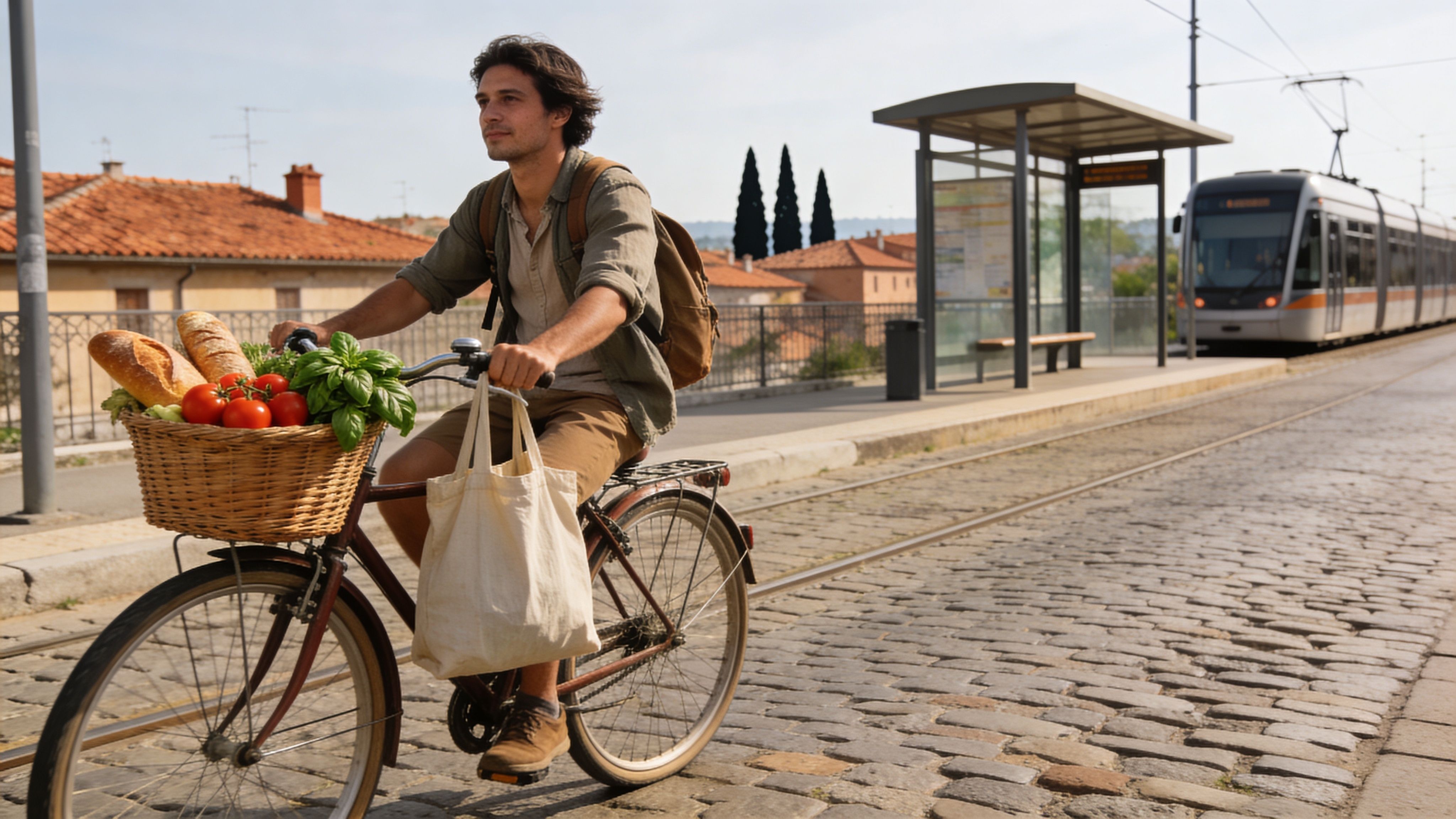
This version matters because this article is not offering one generic plan. It is one of eight distinct 8-day Florence itineraries, and it suits travelers who care about cultural impact, slower pacing, and better choices over constant accumulation. A strong sustainable itinerary for Florence, Italy starts with a simple rule. Sleep, eat, and explore in ways that reduce unnecessary churn in the historic center.
Choose a family-run guesthouse, small hotel, or apartment only if the listing is transparent about how it operates. Eat where Florentines eat lunch and dinner, especially outside the most obvious monument corridors. Buy fewer things, but buy better things, such as paper goods, leatherwork, or bookbinding from workshops with visible craft behind them. The trade-off is clear. You may skip a few headline restaurants or ultra-central stays, but you get quieter evenings, more grounded service, and spending that feels less extractive.
An 8-day rhythm that slows the city down
Day 1 should be arrival, a short neighborhood walk, and an early dinner close to your accommodation. Day 2 works best with one museum or church in the morning, then a long afternoon in the same district without rushing elsewhere. Day 3 is for a market, a simple lunch, and rest time rather than packing in another ticketed site.
Day 4 should focus on artisan Florence. Spend time in Oltrarno workshops, independent studios, and smaller streets where labor is still visible. Day 5 is a good fit for a cooking class, food walk, or wine-focused meal tied to regional producers rather than spectacle. Day 6 belongs to a garden, hillside route, or quieter urban walk where you can stay outdoors for hours. Day 7 can include a countryside excursion, but only if the operator is small-scale and the logistics are sensible. Day 8 stays intentionally light, with time to revisit one business, one square, or one corner of the city that earned your attention.
That repetition matters.
Travelers often assume responsible travel means doing less for the sake of principle. In practice, it often means doing fewer things badly and more things well. Florence rewards familiarity. The second coffee at the same bar, the second pass through the same street market, and the return walk across the river at a calmer hour usually add more to the trip than one more rushed attraction.
Low-impact habit: If a square, café, or viewpoint is overcrowded, leave and return at a different hour. Florence gives better experiences to travelers who can adjust.
A sustainable plan also changes where you spend your peak hours. Go early to major sights if they matter to you, then shift your midday and evening time toward neighborhoods that can absorb visitors more gently. Bardini Gardens, San Miniato approaches, smaller convent museums, and ordinary residential streets in Oltrarno often create a better balance than chasing every famous viewpoint at its busiest moment.
If you want the philosophy behind that pacing, read this guide on how slow travel works in practice. In Florence, slow travel is not self-denial. It is choosing a version of the city that leaves room for residents, attention, and memory.
7. Photography and Urban Exploration 8-Day Florence Composition, Light and Hidden Perspectives
Florence is photogenic almost to the point of sabotage. The obvious frames are so easy to find that many photographers stop there. If you want a portfolio rather than a set of familiar souvenirs, build your week around time of day, weather, and return visits.

Day 1 should be scouting only. Walk the river, bridge approaches, Duomo perimeter, and a few narrow lanes where architecture compresses nicely. Don’t spend your first morning shooting everything. Learn where the light falls and where foot traffic becomes unusable.
A useful 8-day shooting sequence
Day 2 is for sunrise architecture and quiet facades. Day 3 is museums or churches if interior detail matters to your work. Day 4 should focus on Oltrarno street texture, signs of labor, shutters, workshops, and laundry lines rather than monuments. Day 5 is reflections and river edges. Day 6 is weather-dependent. Overcast days are excellent for stone detail and color balance. Day 7 should be your dedicated sunset and blue-hour evening. Day 8 is for reshoots.
The city’s compactness helps photographers. Since so much visitor movement compresses into a small center, you can scout one area and return under different light without losing the whole day to transit. The challenge is crowd density, not distance.
A few working habits make the difference:
- Scout first, shoot second: Midday can be useful for deciding your later frame.
- Use alternate bridge views: Ponte Vecchio is usually stronger from nearby angles than from standing on it.
- Work neighborhoods, not just monuments: San Frediano and Santo Spirito often reward patience more than famous plazas do.
What not to do
Don’t chase every iconic spot in one day. You’ll carry gear too long, settle for mediocre light, and photograph what everyone else already got from the same position. Florence rewards repeat attempts.
Also remember that museums and churches can absorb your energy without giving you many images if photography restrictions apply or crowds are heavy. Balance interior ambition with exterior certainty.
8. Family-Friendly 8-Day Florence Culture, Play and Multi-Generational Learning
Families usually fail in Florence by planning for adult stamina and child compliance. The city is walkable, beautiful, and rich in culture, but children don’t care that your third church façade is important if they’re tired, hot, or hungry. A family itinerary works when every day has one main anchor, one physical break, and one easy pleasure.
Day 1 should be a soft landing. Gelato, a river walk, and a square with room to pause. Day 2 can take one major museum in the morning, but keep it short. Day 3 should move outdoors. Boboli or another garden setting gives everyone space to reset. Day 4 can be science, invention, or something hands-on rather than more painting rooms.
A week with enough variety
Days 5 and 6 are where many family trips improve or unravel. Alternate a culture morning with an open afternoon. Markets work well because they’re sensory, flexible, and forgiving. Cooking classes are often stronger than another guided tour because everyone participates and the reward is immediate.
Day 7 should be your “choose again” day. Let the family return to the place that worked best. That might be a garden, a market, a favorite bridge, or a square where someone loved the pigeons and someone else found the perfect coffee. Day 8 should stay light for departure energy.
Florence’s scale helps families more than they often expect. The city’s tourism core is compact, so you can retreat for a rest and still reclaim part of the day without major logistics.
Short museum visits are not a compromise. They’re the strategy.
The trade-off worth making
You may skip some masterpieces. That’s often the correct call. Children remember agency, rhythm, and joy more than a schedule adults forced them through.
For grandparents or mixed-age groups, lunch timing matters almost as much as attraction choice. Eat before everyone’s tired. Keep evenings optional. Leave room for spontaneous stops. In Florence, an hour on a bench with snacks can be more successful than one more famous interior.
8-Option Florence Itinerary Comparison
| Tour Option | 🔄 Implementation Complexity | ⚡ Resource Requirements | ⭐ Expected Outcomes | 💡 Ideal Use Cases | 📊 Key Advantages |
|---|---|---|---|---|---|
| Classic 8-Day Florence Renaissance & Art Masterpiece | Moderate, structured daily themes, advance museum bookings | Moderate, museum tickets, guided tours, mid-range hotels, Firenze Card | High, comprehensive coverage of major Renaissance highlights | First-time visitors, art enthusiasts seeking canonical Florence | Thorough routing, hits major sites, many tour options |
| Budget-Conscious 8-Day Florence | Moderate, planning to time free hours and markets | Low, budget stays, public transit, market meals, free attractions | Good, authentic experience with major cost savings; may miss some paid works | Backpackers, gap-year travelers, long-stay budgeters | High value, authentic local interaction, minimal daily cost |
| Solo Female Traveler's 8-Day Florence | Moderate, safety-focused choices and social activity planning | Moderate, female-friendly accommodation, group meetups, possible premium for safety | High, safer, confidence-building, socially connected solo travel | Solo female travelers, first-time solo explorers | Enhanced safety, community-building, tailored recommendations |
| Hidden Gems & Local Life 8-Day Florence | High, requires research, language comfort, artisan bookings | Low–Moderate, neighborhood stays, workshop fees, local guides | High, deep local immersion, fewer crowds, unique discoveries | Repeat visitors, slow travelers, creatives, photographers seeking authenticity | Authentic local ties, lower costs, supports artisans, unique experiences |
| Art Historian's Deep Dive: 8-Day Renaissance | High, intensive scheduling, seminars, scholarly coordination | High, scholar-led tours, academic fees, extended museum access | Very High, deep contextual knowledge and access to primary works | Art historians, museum pros, serious students and researchers | Scholarly access, specialized commentary, in-depth archival study |
| Sustainable & Slow Travel 8-Day Florence | Moderate–High, vetting ethical options, booking local providers | Moderate, family-run B&Bs, public transport, farm-to-table activities | High, low environmental impact and meaningful community benefit | Eco-conscious travelers, volunteers, slow-travel advocates | Reduced footprint, direct local support, authentic cultural exchange |
| Photography & Urban Exploration 8-Day Florence | Moderate, scouting light, repeat visits, workshop scheduling | Moderate, camera gear, workshops, early/late sessions | High, portfolio-quality images and improved technical skills | Photographers, visual artists, content creators | Unique visuals, skill development, offbeat vantage points |
| Family-Friendly 8-Day Florence | Moderate, pacing, kid-friendly logistics, activity swaps | Moderate–High, family rooms, child activities, occasional guided sessions | High, engaging multi-generational learning with manageable days | Families with children (5+), multigenerational groups | Balanced schedule, interactive learning, outdoor/play options |
Your Florentine Story Starts Now
You don’t need another generic Florence checklist. You need a plan that matches the way you travel, the way you spend, and the kind of memories you want to bring home. That’s why a strong itinerary for florence italy starts with identity before logistics. Are you the traveler who wants one perfect Uffizi morning and then a long lunch? The one who’d rather browse artisan streets in Oltrarno than stand in another line? The one carrying a camera, a sketchbook, or a family snack bag?
The right answer changes the shape of every day.
If you choose the Classic itinerary, commit to the major works properly. Reserve the museum entries that matter, build in recovery time, and let the city’s big civic spaces do some of the emotional work between indoor visits. Florence’s greatest hits deserve more than rushed attendance. They deserve enough time for you to feel why they became the greatest hits in the first place.
If you choose the Budget route, remember that cheaper doesn’t have to mean thinner. Some of the strongest Florence days cost less because they rely on atmosphere, routine, and neighborhood discovery rather than paid entries from morning to night. A market lunch, a church visit, a riverside walk, and an evening in Santo Spirito can hold more texture than an expensive day built entirely around reservations.
If solo safety is your lens, trust structure over anxiety. Familiar streets, daylight reconnaissance, and a few well-chosen social touchpoints often matter more than overplanning every hour. Florence is manageable when you build confidence in layers. The same goes for families. Rhythm beats ambition. For photographers, light beats checklist logic. For art historians, depth beats quantity. For slow travelers, repetition beats novelty.
That’s the deeper lesson across all eight itineraries. Florence is compact enough that you can revisit places easily, and layered enough that revisiting them changes what you notice. The first pass gives you orientation. The second gives you insight. By the third, the city often starts to feel less like a museum set and more like a place where people still live, work, buy bread, open shutters, and argue over coffee before the streets fill.
Leave room for that version of Florence.
Hold onto your anchor reservations, especially for the places that are essential to reserve. Keep practical shoes on your packing list. Stay realistic about energy. Don’t stack every major attraction into the same two days just because the map makes everything look close. Dense cities can be tiring precisely because they seem so easy. The traveler who paces well usually sees more, feels more, and spends better.
Most of all, let your itinerary serve your trip, not dominate it. If you discover that your favorite hour was in a quiet garden instead of a blockbuster gallery, follow that clue. If one neighborhood keeps pulling you back, listen. If your best dinner happens in the least performative place you found all week, that’s not a scheduling failure. That’s the trip getting better.
You now have more than inspiration. You have usable blueprints. Pick one. Adjust it as needed. Book the key pieces. Then leave enough space for Florence to answer back.
Travel Talk Today helps thoughtful travelers turn ideas into trips with smarter budgeting, safer solo planning, slower itineraries, and destination advice that respects both your wallet and the places you visit. Explore more guides, planning tools, and practical inspiration at Travel Talk Today.