Croatia is easy to get wrong on paper.
You open flight tabs, save a few dreamy photos of Dubrovnik walls and island coves, then hit the same question every traveler hits sooner or later. When is the best time to visit Croatia if you want beauty, sanity, and a budget that doesn’t collapse the second you click book? Go in summer and you get the classic Adriatic fantasy, but you also risk crowds, heat, and rates that punish hesitation. Go too late and you may trade beach days for shuttered waterfront restaurants.
The sweet spot exists, but it depends on what kind of trip you want. Some travelers want warm sea and lazy ferry days. Some want quiet old towns, long walks, and lower room rates. Others need school-holiday dates and just want to avoid rookie mistakes. This is the core question behind when is the best time to visit croatia. Not the postcard answer. The practical one.
I’ve always found Croatia works best when you treat timing as part of the itinerary, not just a line on the calendar. A well-timed trip changes everything. The same square in Split can feel hectic in one month and almost intimate in another. The same island route can feel effortless or overbooked. The same budget can buy either compromise or breathing room.
If your goal is a trip that feels more human and less like a queue, Croatia rewards the traveler who slows down and chooses carefully. That’s the whole logic behind slow travel. In Croatia especially, timing is often the difference between collecting sights and enjoying the country.
Finding Your Perfect Moment in Croatia
A lot of Croatia advice sounds confident but skips the part that matters most. Best for whom?
A beach-first traveler, a solo backpacker, a photographer, and a family with fixed school dates are not solving the same problem. One wants warm water. One wants lower ferry and hostel costs. One wants soft evening light on stone streets without crowds spilling into every frame. One needs a trip that works in July and August.
That’s why the cleanest answer is this: for most travelers, May and September into early October are the strongest bets. They give you the Croatia people imagine, but with fewer of the headaches that can make a trip feel expensive and overrun. That doesn’t mean summer is always wrong or winter is a compromise. It means timing should match your style of travel, not somebody else’s bucket list.
Practical rule: Don’t choose your month by temperature alone. Choose it by what you’ll spend most of your days doing.
If you’re planning to swim, move between islands, and sit outdoors late into the evening, your ideal window won’t look the same as someone who cares more about city wandering, museums, food, and crowd-free photography. Croatia can handle both beautifully. It just doesn’t deliver them equally in every season.
The mistake I see most often is travelers booking peak summer because they assume that’s when Croatia is “on.” In reality, Croatia has multiple versions of itself. One is loud and sun-drenched. One is balanced and easy. One is quieter, moodier, and better for slow, thoughtful travel. Picking the right one is what turns a good trip into a smart one.
Croatia's Travel Seasons A Quick Comparison
If you want the shortest useful answer, here it is. Shoulder season is the default recommendation. It gives most travelers the best trade-off between weather, crowds, and cost. According to Lonely Planet’s guide to the best time to visit Croatia, May and September to October offer daytime temperatures from 17°C (62.6°F) to 25°C (77°F), with sea temperatures up to 23°C (73.4°F) in September, while peak summer from June to August can hit 32°C (89.6°F) with sea temperatures reaching 25°C (77°F).
That matters because Croatia is a country you experience outside. You walk old towns, linger on promenades, take ferries, hike, swim, and sit over long meals. Weather and crowd density shape the trip more than people expect.

Croatia season by season
| Factor | Peak Season (Jul-Aug) | Shoulder Season (May-Jun, Sep-Oct) | Off-Season (Nov-Apr) |
|---|---|---|---|
| Atmosphere | Lively, social, high-energy | Balanced, relaxed, still active | Quiet, local, introspective |
| Weather | Hottest conditions, best for full beach days | Pleasant for mixed itineraries | Cooler and more changeable |
| Crowds | Heaviest pressure on coastal towns and islands | Noticeably easier to navigate | Lowest crowd levels |
| Best for | Swimmers, festival-goers, school-holiday trips | Most travelers, solo visitors, photographers, active trips | Long stays, city breaks, culture-first travel |
| Trade-off | Highest stress on budget and patience | Occasional weather variability | More closures, especially on the coast |
Peak summer is the extrovert of the group. It’s fun, photogenic, loud, and sometimes exhausting. If you want beach clubs, warm evening promenades, packed terraces, and a sense that everyone in Europe had the same idea, this is your season. It also asks the most from your wallet and your tolerance for waiting.
Shoulder season is the one I’d call the wise choice. You still get the outdoor Croatia experience, but with more room to breathe. Swim if the conditions suit you. Hike without baking. Sit in a harbor town without feeling like every table is a competition.
Off-season is a different country in mood. The coast grows quieter. Cities feel more lived-in. You trade guaranteed beach weather for atmosphere, flexibility, and the kind of silence that lets old places breathe again.
What works best for each traveler
- If you want classic summer energy: July and August make sense, especially if beach time is essential.
- If you want the best overall balance: May, September, and early October are the strongest answers to when is the best time to visit croatia.
- If you want Croatia without the performance layer: Winter and the cooler months reward patience, especially in cities and on longer trips.
Croatia doesn’t have one perfect season. It has a best-fit season, and that’s a much more useful way to plan.
One more practical note. Croatia’s seasonality is sharp. Coastal places can feel full, then suddenly emptied out. That’s part of the country’s rhythm. If you lean into it instead of fighting it, planning gets much easier.
The Allure of the Shoulder Seasons May to October
The shoulder months are where Croatia starts to feel generous.
You can step into a historic center in the morning and hear your own footsteps. You can claim a café table without hovering. You can walk down to the sea and feel like the day still belongs to you, not to a timetable built around dodging crowds. That’s a significant luxury of shoulder season. Not just lower costs, but less friction.
Spring awakening in May and June
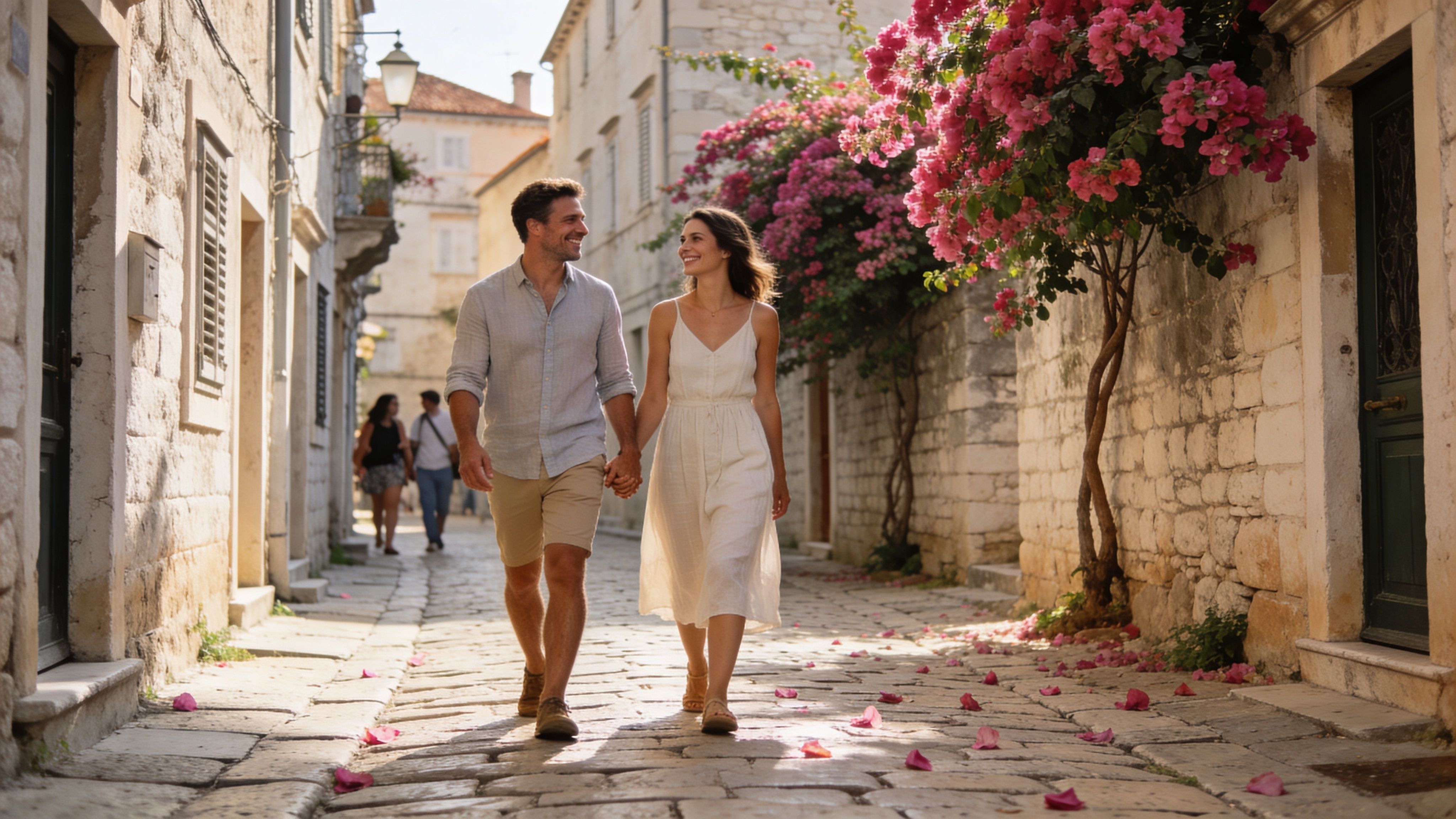
May has a freshness that summer loses. The coast feels awake rather than overwhelmed. Inland scenery still looks lush. Walking-heavy days feel inviting instead of punishing. If your version of Croatia includes old towns, national parks, viewpoints, boat rides, and long outdoor lunches, late spring is hard to beat.
This is also the season that suits travelers who don’t want every day to revolve around heat management. You can be active without needing to retreat for hours in the middle of the day. That makes a huge difference if you’re combining cities with nature.
A smart late-spring itinerary often looks like this:
- City mornings: Explore Split, Zadar, or Dubrovnik early when the stone streets still feel calm.
- Nature afternoons: Head toward coastal walks, viewpoints, or park visits while the weather still supports movement.
- Flexible evenings: Eat outdoors without the frantic peak-season scramble for a decent table.
For photographers and urban explorers, spring has another advantage. Light feels gentler, and public spaces don’t look consumed by the logistics of mass tourism. That’s when details show up again. Laundry over alleys. Market rhythm. Harbor corners that don’t have ten phones raised in front of them.
If you like building a trip around places that feel slightly under the radar, this is also when hidden gems in Europe start making more sense. Croatia has famous stops, but it often feels best in the in-between moments and smaller corners.
Golden autumn in September and October
September is the month many experienced Croatia travelers prefer. Summer hasn’t vanished, but its intensity has softened. The sea still holds warmth, and days can still feel beach-worthy, yet the atmosphere is less frantic.
That’s especially useful if your dream trip includes island hopping. Ferries feel less competitive. Waterfront towns seem more inhabitable. You can enjoy an evening stroll instead of inching through a crowd. For solo travelers, this matters even more. A place that feels slightly calmer is easier to get around, easier to book, and often easier to enjoy with confidence.
September is when Croatia often feels most like itself. The sea is inviting, the light turns honey-colored, and the mood shifts from rush to rhythm.
Early October can be gorgeous too, but it asks for flexibility. This is the month for people who travel well with layers, backup plans, and a willingness to trade certainty for atmosphere. When it works, it really works. Coastal towns feel spacious. Day trips feel unhurried. Meals stretch longer because nobody is trying to turn tables at speed.
What shoulder season does better than summer
Not everything about shoulder season is weather. Some of its best qualities are operational.
- Bookings feel less stressful: You have more room to compare neighborhoods, ferry timings, and room types instead of panic-booking what’s left.
- Pacing improves: You can combine sea time with walking, hiking, museums, or inland detours without feeling wrecked by heat.
- The country feels more local: You’re still sharing it with other travelers, but not in that all-day queueing atmosphere peak summer can create.
There is one honest drawback. Shoulder months can be mixed. You may get a gray morning, a shower, or a windy crossing. But those trade-offs are usually manageable, especially if your itinerary isn’t built on beach-only perfection.
That’s the reason so many thoughtful travelers land here. Shoulder season leaves room for spontaneity, and Croatia rewards that more than a tightly overbooked summer schedule ever will.
Navigating the Peak Summer Rush July and August
Summer in Croatia isn’t a mistake. It’s just a commitment.
If July or August is your only window, don’t let generic advice scare you off. Croatia is stunning in peak season for obvious reasons. The sea is at its most tempting. The social energy is high. Long bright evenings make even simple waterfront walks feel cinematic. For families, teachers, and festival lovers, this may be the only realistic time to go.
The problem isn’t summer itself. The problem is treating summer as if it works best with casual planning.
What makes peak season hard
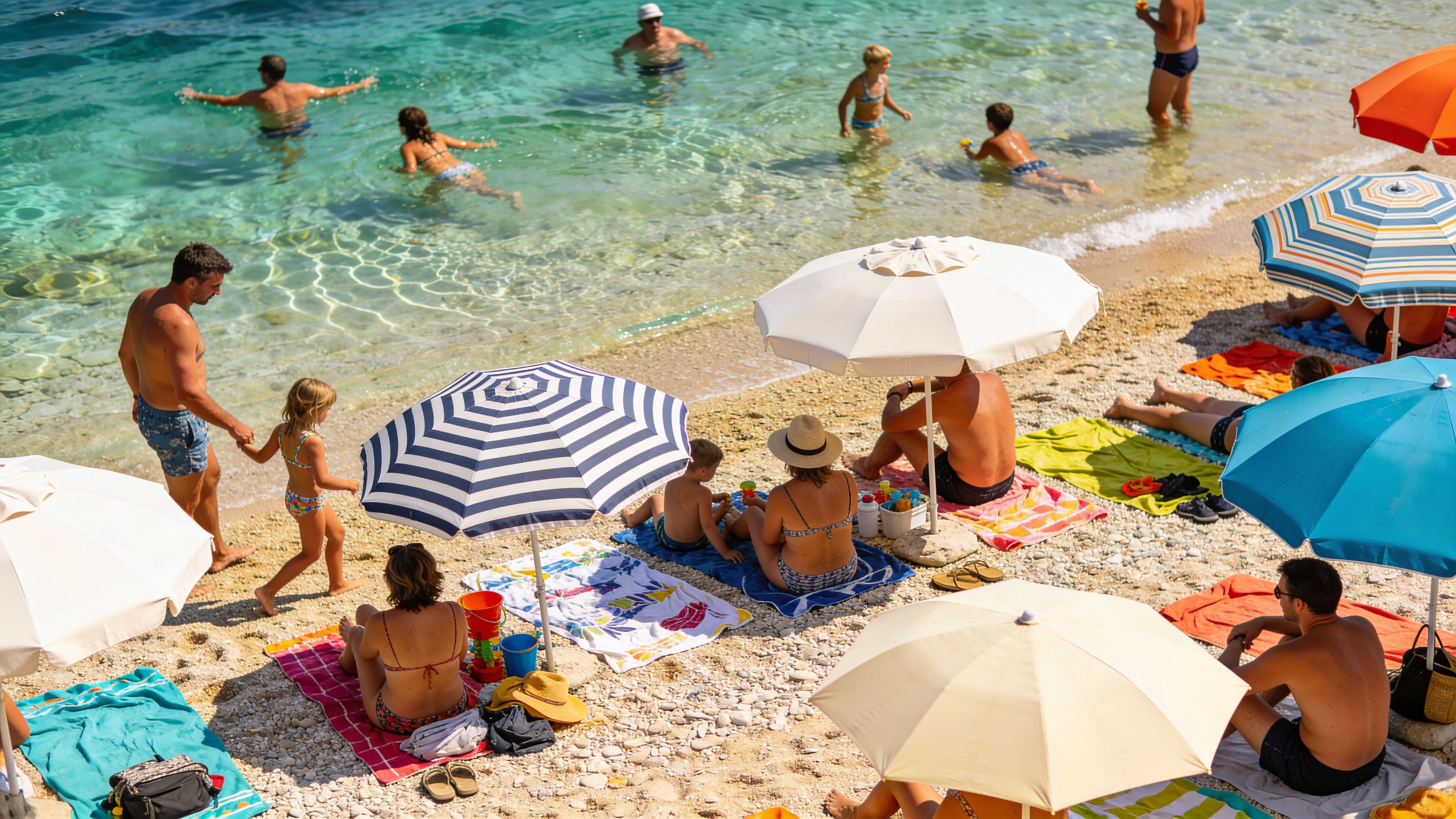
The coast becomes crowded, fast. Famous places absorb the heaviest pressure. That affects room availability, restaurant waits, ferry competition, and the general feel of public spaces. The Adriatic looks glorious, but the day-to-day logistics take more work.
That doesn’t mean you should avoid summer. It means you need a strategy.
How to make summer work
- Book the bones of the trip early: Lock in flights, key ferries, and accommodation before you start daydreaming about beach bars and viewpoints. Peak Croatia punishes late decision-making.
- Stay just outside the obvious center: In places like Dubrovnik or Split, sleeping a little outside the most demanded core can make the trip feel calmer.
- Use the day unevenly: Visit major sights early or later in the evening. Save the hottest and busiest middle hours for lunch, swimming, or a shaded break.
- Choose your islands carefully: If one island is dominating every social feed, expect everyone else saw it too. Less-hyped islands often deliver the same stone villages, clear water, and harbor charm with fewer headaches.
- Build inland escape valves: A full coast-only itinerary can feel repetitive in peak heat. Add inland stops, hill towns, or nature breaks to change the rhythm.
A lot of travelers sabotage their own summer trips by trying to do too much. They bounce between too many islands, overpack every day, and spend half the holiday managing bags and departure times. Croatia in summer is better when you simplify. Fewer bases. Longer stays. Earlier starts.
Summer survival advice: In July and August, convenience is worth paying for. A well-located room, a sensible ferry plan, and one less transit day can save more stress than a “deal” ever will.
Who should still choose summer
Summer is still the strongest choice if your trip depends on maximum swimming time, fully open coastal life, and a lively social scene. It’s also the easiest season for travelers who don’t want to gamble on variable weather. You trade serenity for certainty.
Families usually benefit from that certainty. So do travelers who care less about hidden corners and more about classic sun-and-sea momentum. If that’s you, summer can be excellent. Just pair it with realistic expectations and the kind of planning discipline that budget travel hacks are built for.
The honest version is simple. July and August won’t give you Croatia at its calmest. But they can still give you Croatia at its most vivid, provided you stop trying to travel like it’s still shoulder season.
Finding Solitude in the Off-Season November to April
A lot of travelers talk about off-season Croatia as if it’s merely the leftover option. That’s the wrong lens.
From November to April, Croatia stops performing for beach tourism and starts showing a different personality. Coastal promenades quiet down. Historic centers feel less theatrical. The country shifts from sun-chasing to atmosphere. If you like city walks, moody seafronts, uncrowded old towns, and room in your schedule to linger, this period can be very rewarding.
What you gain
You gain silence first.
Dubrovnik without the thick rush of summer visitors feels more legible. Streets look like streets again, not channels. Cafés can feel local rather than transactional. In Zagreb, cooler months suit museum days, coffee culture, and slower wandering. The country feels less like a seasonal stage set and more like a place where people live.
For long-term travelers and backpackers, the appeal is practical too. You can stay longer for the same budget that might barely cover a shorter coastal break in summer. You also get more freedom to change plans as you go.
What you give up
You’re giving up reliability. Not every day will be inviting. The coast can feel sleepy, and that’s not always romantic. Some businesses shut for the season, especially in more tourism-dependent coastal towns. If your dream is open-everywhere island hopping with nonstop waterfront dining, winter is not your season.
That’s why off-season works best for a specific kind of traveler:
- The culture-first traveler who values old towns, museums, markets, and local rhythm more than swimming
- The solitude seeker who’d rather have space than guaranteed beach weather
- The slow traveler who likes staying put, writing, reading, walking, and observing
- The budget backpacker willing to trade convenience for time and affordability
Winter in Croatia asks for curiosity. If you need everything to be open and easy, it can disappoint. If you want mood and breathing room, it can be the best trip of the year.
Best use of the off-season
The smartest off-season Croatia trips are selective. Don’t try to recreate a summer itinerary in winter conditions. Lean into city breaks, fewer bases, and experiences that improve with calm. Zagreb works well. Dubrovnik can be magical if you want its architecture without the crush. Inland areas and national-park detours can also fit beautifully, provided you stay flexible about weather.
Off-season Croatia is not lesser. It’s narrower, moodier, and more personal. For the right traveler, that’s exactly the point.
Your Region-by-Region Guide to Perfect Timing
Croatia isn’t one destination with one answer. Timing changes by region, and smart itineraries respect that. If you’re still asking when is the best time to visit croatia, the most useful next step is to match the month to the part of the country you care about most.

Istria
Istria rewards travelers who care as much about food, hill towns, and countryside atmosphere as they do about the sea. This is a region for leisurely drives, old stone villages, vineyard views, and meals that justify a detour.
Late spring works well because the scenery feels fresh and movement is easy. Early autumn is another standout if you prefer softer light, harvest-season atmosphere, and a trip built around long lunches and wandering rather than beach urgency.
Best fit for Istria:
- Late spring: Good for scenic drives, town-hopping, and outdoor meals.
- Early autumn: Better if you want the region at its most mellow and sensory.
- High summer: Fine, but less essential here than on the Dalmatian coast unless beach time is your priority.
Dalmatian Coast, Split, Dubrovnik, and the islands
The iconic image of Croatia often includes stone alleys, ferry decks, bright coves, and harbors that glow in late sun. Timing is particularly important for these destinations, as seasonal pressure reaches its peak here.
September is the cleanest choice for many travelers. The sea still feels central to the experience, but the pace is more humane. Late spring also works if you want mixed days of sightseeing, walking, and coastal hopping. July and August suit travelers who want full summer energy and are prepared to plan around demand.
A practical way to think about Dalmatia:
- Choose late spring if your trip is split between cities, island day trips, and active sightseeing.
- Choose September if sea warmth and island hopping matter most.
- Choose summer only on purpose, not by default, and accept the crowds as part of the deal.
Inland Croatia and the national parks
Inland Croatia often gets treated as an add-on, but it deserves better than that. Zagreb, Plitvice, and the country’s interior offer a different rhythm from the coast. This part of Croatia often shines when temperatures are milder and nature feels alive.
Late spring is especially appealing for national parks and walking-heavy days. Water, greenery, and long daylight hours make movement feel rewarding rather than draining. Autumn also suits inland routes well if you prefer cooler air and a more reflective pace.
For many itineraries, the strongest move isn’t choosing one season for all of Croatia. It’s combining regions in a way that matches what each one does best.
Simple planning combinations
- May trip: Zagreb or Plitvice first, then Split or the islands
- September trip: Dalmatian coast first, then inland detours if you want balance
- October trip: Istria and city-focused routes over beach-dependent island plans
The biggest timing mistake is treating the whole country as interchangeable. It isn’t. Croatia becomes easier to love when you plan region by region instead of forcing one season to do everything.
Smart Savings for Budget and Solo Travelers
Shoulder season stops being a vague idea and starts becoming a real strategy.
Peak summer in Croatia can still be worth it, but if you’re budget-conscious, traveling solo, or trying to stretch one week into something fuller, dates matter more than almost any other decision. According to Rick Steves’ guide to the best time to go to Croatia and Slovenia, peak July and August hotel prices in Dubrovnik and Split surge 50 to 100 percent, with averages around €200 to €300 per night versus €100 to €150 in May and September. The same source notes that flight costs from major US and EU hubs are 30 to 40 percent higher in peak season.
That alone changes the shape of a trip.
Where the concrete savings show up
If you travel in the second half of September, the savings continue once you’re already in the country. The same Rick Steves source notes that September 15 to 30 brings ferry prices that are 25 percent lower to islands like Hvar, with the example of €20 versus €28 in peak season, and Plitvice Lakes sees 40 percent fewer tourists.
For solo travelers, that combination matters more than it may seem. Lower transport costs are nice. Easier movement is better. Quieter ferries, less pressure on bookings, and less crowded park routes make the trip feel more manageable from start to finish.
Then there’s the strongest contrarian play. Early October can bring lodging discounts of 60 percent, though the trade-off is real, because 20 to 30 percent of restaurants may close in coastal towns according to the same source. That makes early October excellent for travelers who prioritize room cost and atmosphere over maximum convenience.
A simple budgeting framework
Use this as your planning filter:
- Spend on location, save on season: A well-placed room in September can beat a bargain room in peak summer if it saves transit time and stress.
- Let ferries shape the itinerary: If late September gives you cheaper island routes, don’t overcomplicate your schedule. Pick fewer islands and enjoy them properly.
- Use shoulder season for your splurge item: Maybe that’s a private room instead of a dorm, a better ferry time, or one standout meal.
- Treat early October as a specialist month: Great for urban explorers, slower travelers, and anyone comfortable with some seasonal closures.
The same source also notes that overtourism taxes introduced in 2025 make shoulder seasons 15 to 20 percent cheaper overall. That’s the kind of detail many generic Croatia guides skip, but it matters when you’re comparing near-identical itineraries on different dates.
Why solo travelers often do better outside peak
Solo travel in Croatia tends to feel smoother when the country is slightly less compressed. You’re not competing as hard for beds, ferry spots, and dinner reservations. Days feel more navigable. Walking alone in busy old towns feels less chaotic. That doesn’t remove normal travel awareness, but it does reduce friction.
If you’re trying to plan carefully, build your dates first, then your route, then your splurges. That order usually saves more money than cutting corners later. A good place to sharpen that process is this guide on how to save money traveling.
The best budget advice for Croatia is simple. Don’t just ask where to save. Ask when.
Frequently Asked Questions About Visiting Croatia
Is Croatia easy to explore by car
Yes, especially if you want flexibility outside the biggest old-town cores. A car helps most in Istria and inland Croatia, where scenic drives and smaller stops are part of the appeal. On the Dalmatian coast, it can be useful between cities, but inside major historic centers it often becomes a burden. If your route is mostly islands plus old towns, ferries and buses may be simpler.
How should I handle island hopping
Keep it lighter than you think. Most travelers try to squeeze in too many islands and end up spending too much of the trip in transit. Pick one or two bases and use ferries intentionally. Shoulder months usually make this easier because the whole process feels less frantic. Book the key legs ahead, especially if a missed ferry would disrupt accommodation plans.
What should I pack for shoulder season
Pack for range, not extremes. Bring layers you can mix, comfortable walking shoes, a light waterproof layer, and clothes that work for both warm afternoons and cooler evenings. If swimming is on your list, keep the suit in the bag. If hiking or park visits matter, prioritize traction and comfort over style.
Is Croatia a good choice for solo travelers
Yes, especially if you like walkable cities, scenic transport days, and a mix of coast and culture. Shoulder season often suits solo travel best because bookings are easier and the pace is less chaotic. The experience feels more navigable when every part of the trip isn’t under peak-season pressure.
What’s the easiest way to stay organized while planning
Use one working document for your route, ferry ideas, accommodation shortlist, and must-do reservations. Croatia rewards organized travelers because timing affects everything from island logistics to room choice. If you want a clean way to structure that process, a solid travel planning checklist helps keep the trip realistic before you start booking.
If you want more practical, thoughtful trip planning help, explore Travel Talk Today . It’s a smart resource for travelers who want better timing, lower costs, and a more meaningful way to see the world without turning every trip into a race.