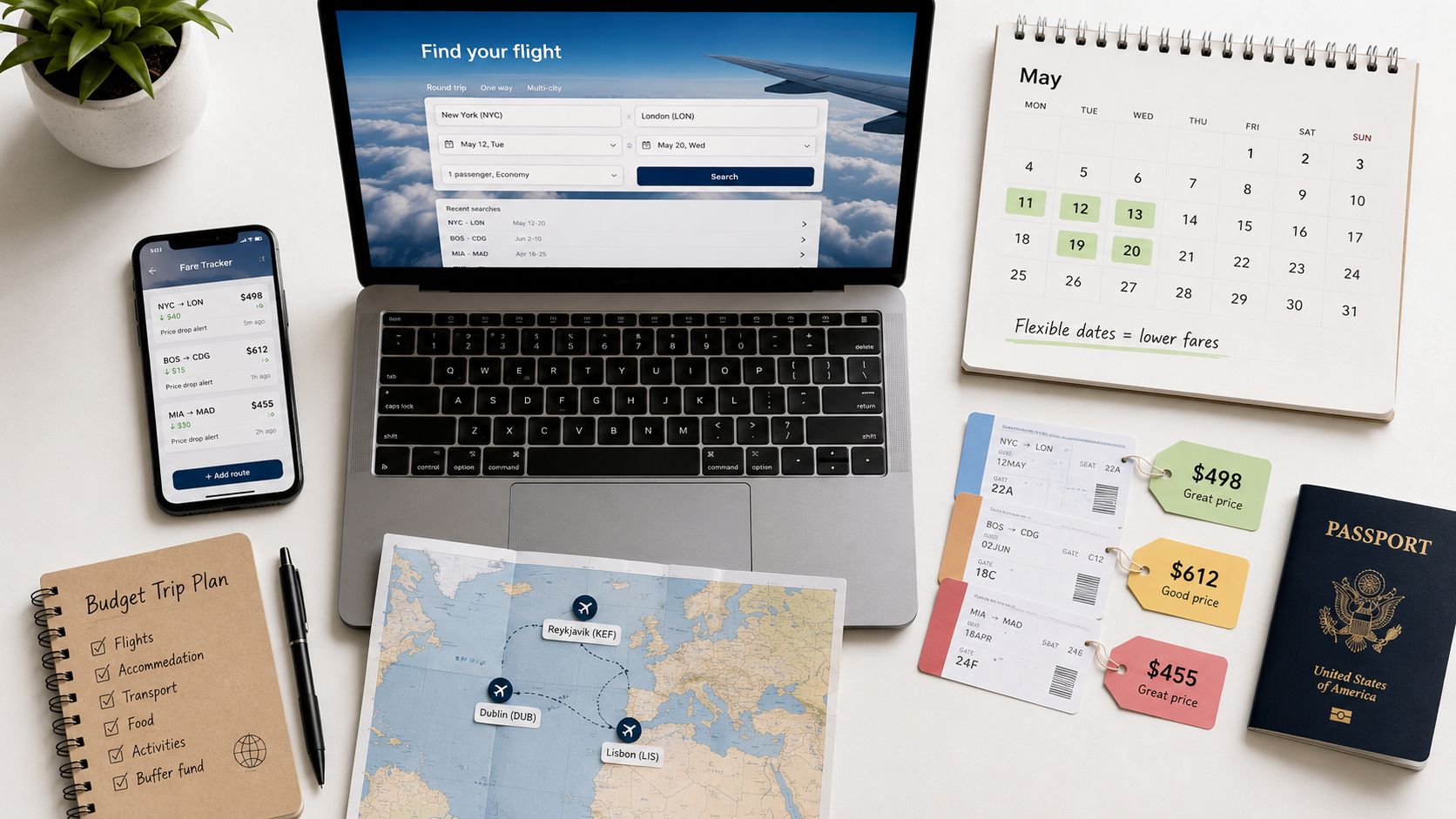
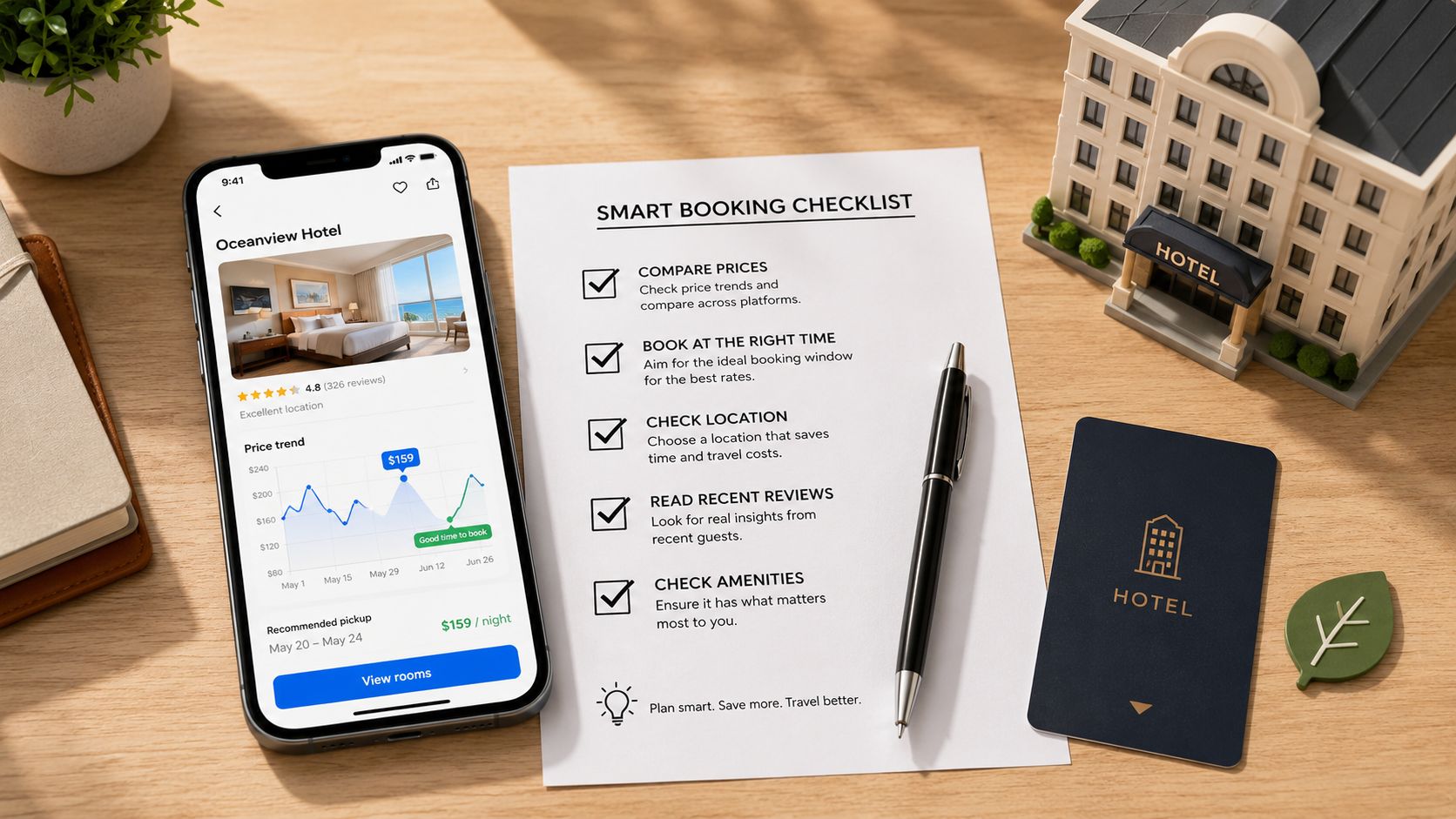
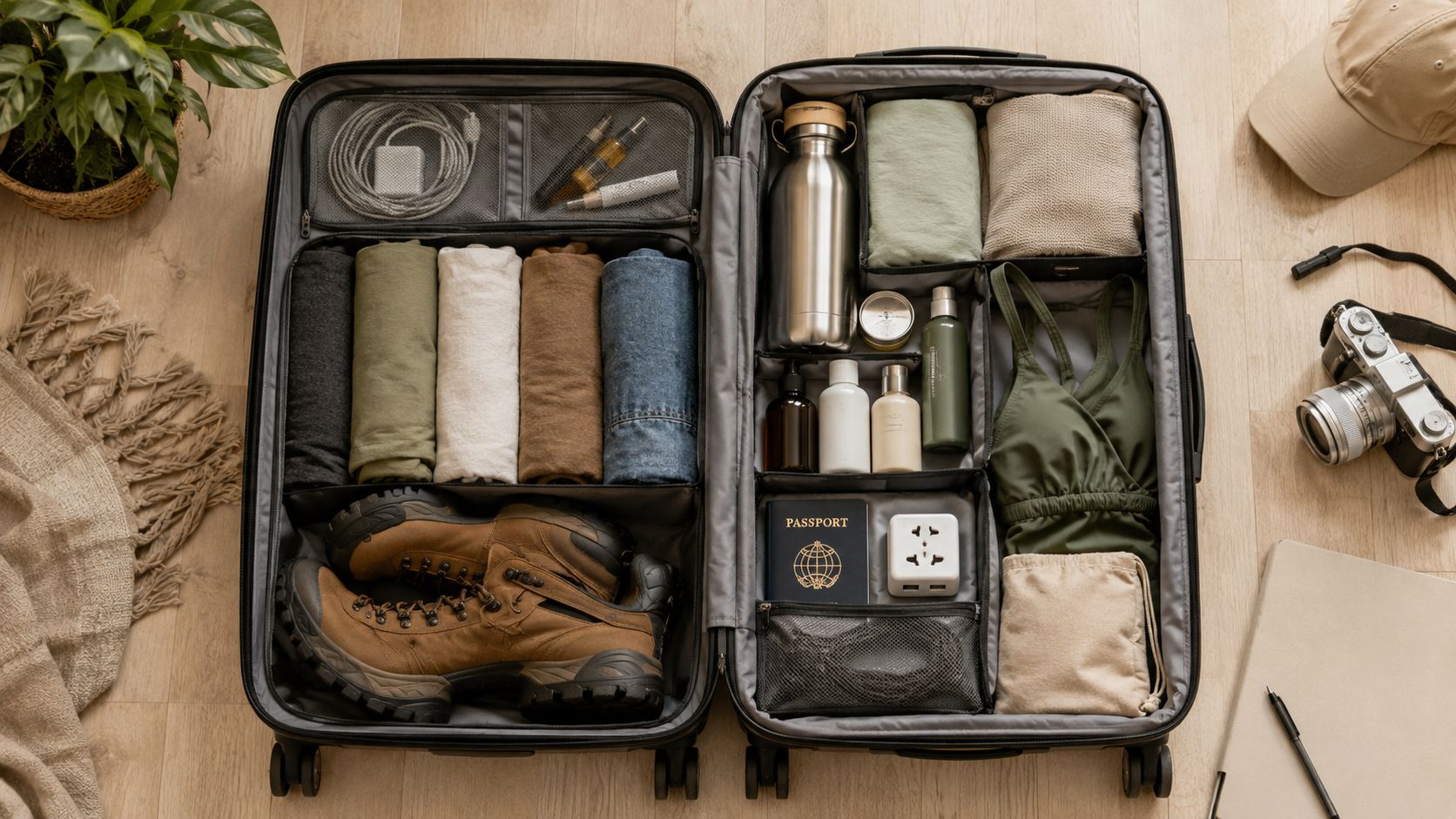
Picture this: You’re wandering down ancient cobblestone streets, the scent of freshly baked pastries in the air, creating memories that will last a lifetime—and you're doing it all without emptying your savings account. The secret to visiting Europe on a shoestring isn't magic; it’s about making smart choices. It all comes down to traveling during the shoulder seasons (spring and fall), venturing into the incredible, affordable countries of Eastern and Southern Europe, and embracing local buses and hostels instead of high-speed trains and pricey hotels.
Your European Dream On A Real-World Budget
So many people write off a trip to Europe as an expensive fantasy, but I'm here to tell you that a budget-friendly adventure is not only possible, it's often far more memorable. Think of this guide as a conversation with a seasoned traveler who's made all the mistakes so you don't have to. We're going to skip the tourist traps and overpriced fluff and get right into the strategies that make a European backpacking trip a reality.
This isn't about cutting corners or missing out. It's about discovering richer, more authentic experiences that just so happen to cost a fraction of the price. We'll look at why a little bit of planning around timing and destination can completely change your budget, turning an expensive trip into an expansive one. It's time to stop just ticking boxes in crowded capitals and start truly connecting with the places you visit.
Shifting Your Travel Mindset
The very first step is to change how you think about travel spending. The most expensive option is rarely the best one. I’ve found that a 5-euro bus ride through the Polish countryside can offer more stunning views and local charm than a 100-euro express train ever could. Staying in a friendly hostel in Prague often leads to more friendships and spontaneous adventures than a lonely, sterile hotel room.
The real secret to budget travel is simple: spend less on the things that don't matter so you can spend more on the experiences that do. You stop being a consumer and start being a participant.
This guide will show you exactly how to make that happen. We're covering everything you need to know, from booking flights to finding incredible, cheap food.
- Smarter Logistics: I'll show you how to swap expensive train tickets for scenic bus routes and find cozy homestays that feel more like a home away from home.
- Authentic Experiences: You'll learn how to eat like a king on a backpacker's budget simply by hitting up local markets and street food stalls where the real flavor is.
- Confident Planning: We’ll give you the tools to handle visas, insurance, and safety with confidence, which is especially important if you're traveling solo for the first time.
If you're just starting to wrap your head around planning, getting the fundamentals right is everything. Our detailed post on how to plan a trip on a budget is the perfect place to begin. Now, let's get ready to turn that travel dream into a brilliant, well-planned reality.
The Smart Traveler's Guide To Timing And Destinations
I've crisscrossed Europe on every budget imaginable, from shoestring backpacking trips to the occasional splurge. And I can tell you, the secret to an affordable European adventure isn't about finding some magical, hidden deal. It comes down to two simple choices you make long before you even think about packing: when you go and where you go.
Get these two things right, and you've already won half the battle.
Embrace The Power Of The Shoulder Season
Forget the postcard images of a sizzling summer in Europe. The reality of July and August is often shoulder-to-shoulder crowds, long lines, and prices jacked up for peak tourist season. The real magic happens in what seasoned travelers call the "shoulder seasons"—that perfect window from April to May and again from September to October.
This isn't just a small hack; it's the most powerful move you can make for your wallet. Flights and places to stay, your two biggest expenses, are routinely 30-50% cheaper than in the summer. Think about what you could do with that extra cash. It’s the difference between a rushed, expensive trip and a relaxed, affordable journey where you can actually soak it all in.
Your timing is your ultimate budget superpower. Traveling in the shoulder season gives you a Europe with fewer crowds, more authentic local experiences, and huge savings that let you travel longer, see more, and stress less.
The data backs this up. We've seen round-trip flights to a gem like Albania drop to around $463 in the off-season. In wonderfully affordable countries like Bosnia or Bulgaria, you can find a clean, safe hostel bed for as little as $10 a night. If you want to see just how much timing and location matter, the folks at Going.com share great insights on Europe's cheapest countries.
To put this into perspective, let's look at a concrete example of how much you can save.
Peak Vs Shoulder Season Cost Comparison
This table breaks down the potential savings for a typical two-week trip, showing just how impactful traveling in the shoulder months (April-May, September-October) can be compared to the peak summer crush (July-August).
Simply by shifting your travel dates, you could free up nearly $1,000 on the core expenses alone. That's more than enough for all your food, activities, and maybe even another week on the road.
Venture Beyond The Obvious Destinations
Paris is always a good idea, and Rome's history is undeniable. But if you only stick to the major capitals of Western Europe, you’re missing out on incredible experiences and paying a premium for them. The smartest way to travel in 2026 is to blend the iconic with the undiscovered.
Think about building an itinerary that takes you eastward and southward.
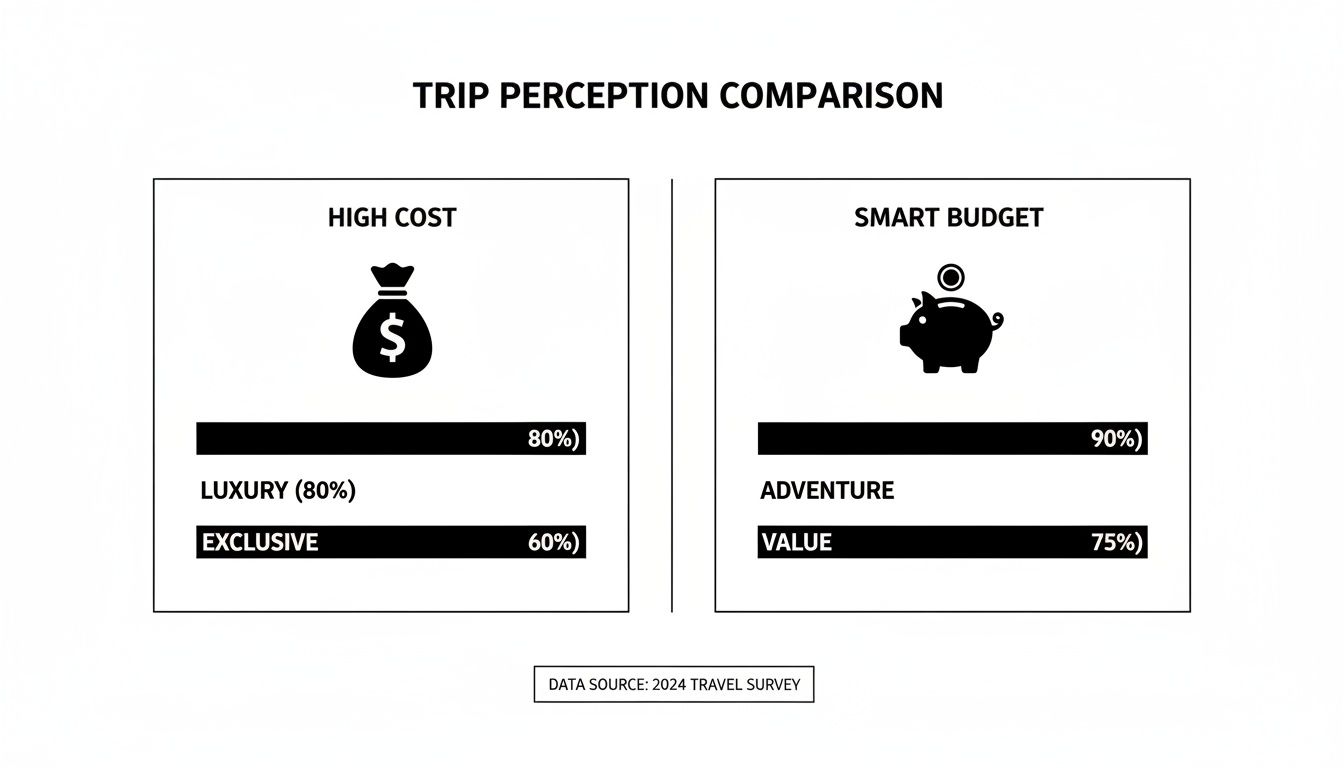
This shift in mindset—from pure luxury to smart value and adventure—is what separates a good trip from a great one. Countries like Poland, Romania, and Albania deliver breathtaking landscapes and rich culture at a price that feels like a steal.
- Poland: Head to Krakow for its stunning medieval square. You can feast on a huge plate of pierogi for a few dollars and grab a great local beer for under $3.
- Romania: Get lost in the fairytale castles of Transylvania or explore the buzzing energy of Bucharest, where your budget will stretch further than you can imagine.
- Albania: Discover the Albanian Riviera, a stretch of pristine Mediterranean coastline that rivals Italy or Greece, but without the eye-watering prices.
You don't have to give up on your dream destinations. The key is to mix and match. Spend a few amazing days in Paris, then hop on a cheap flight to Prague, where your daily costs will plummet. This approach not only saves you a ton of money but also gives you a richer, more diverse adventure.
And speaking of those cheap flights, mastering the art of booking is your next step. To get started, you can learn more by checking out our guide on the cheapest time to book flights.
Getting Around Europe Without Going Broke
Once your plane touches down, the real adventure begins. So does the art of navigating Europe without blowing your entire budget on getting from Point A to Point B. While those iconic high-speed trains look great on Instagram, they’re rarely your friend if you're trying to make your money last.
The real secret to cheap continental travel? It’s the humble, and surprisingly modern, long-distance bus.

Get ready to meet your new best friend on the road.
Your Budget Superpower: The Intercity Bus
Companies like FlixBus have completely rewritten the rules for budget travel in Europe. Forget any old ideas you have about cramped, rickety buses. Today’s fleets often come with free Wi-Fi, power outlets at your seat, and genuinely comfortable chairs that make even a long haul feel manageable.
The real magic, though, is the price. I’m talking about cross-country tickets for the cost of a sandwich.
Seriously. I've personally seen trips from Krakow to Warsaw for under $13, while the train on that same route was easily double or triple the cost. With some advance booking, FlixBus regularly has fares as low as €5 for one-way trips. That Berlin-to-Munich train journey that costs €42-€70? The bus is usually somewhere between €10-€20. That's a massive 50-70% savings, a statistic that has completely changed how people explore Europe's most affordable destinations.
This isn't just a small saving; it's a fundamental shift in what your budget can do. You’re trading a few extra hours on the road for a lot more cash in your pocket for the things that really matter.
Think of it this way: Choosing the bus isn't just about saving money. It's about buying yourself more time and more experiences in Europe. The €50 you save on a single journey can easily pay for three extra nights in a great hostel or a week's worth of unforgettable meals.
Keep an eye out for these other fantastic operators, too:
- Eurolines: One of the original players, with a huge network and a solid reputation for being on time.
- RegioJet: A gem in Central and Eastern Europe. They often feel more premium, with at-seat entertainment and even free coffee, but for the same low prices.
- BlaBlaCar: This is a ridesharing app, not a bus company, but it’s a brilliant option. You book a seat in a local’s car and chip in for fuel. It’s often cheap, you can get to more obscure places, and you'll meet some interesting people along the way.
But Don’t Write Off Trains Entirely
While buses are usually the undisputed champs of cheap travel, you can still find incredible value on the rails if you know where to look. The trick is to avoid the flashy, high-speed express trains and dig into the regional deals and country-specific passes.
Many countries have special tickets designed for exactly this kind of travel:
- Belgium's Go-Pass: If you’re under 26, you can grab a pass for ten single journeys anywhere in the country for a ridiculously low flat fee.
- Germany's Regional Tickets: The Länder-Tickets are amazing. They give you unlimited travel on regional trains within a whole German state for an entire day, which is perfect for day-tripping from a city like Munich or Berlin.
The golden rule is to always book in advance and compare everything. An app like Omio is an absolute lifesaver here. It pulls up all the bus, train, and even flight options for your route on one screen, so you can see the cheapest and fastest choices at a glance.
And if you're piecing together a longer, multi-stop journey, our guide on money-saving road trip tips that actually work has some great strategies you can adapt for your European itinerary.
Think Beyond the Hotel: Authentic Stays That Won't Break the Bank
Your biggest expense on a European adventure doesn't have to be where you lay your head at night. In fact, one of the best moves you can make is to step away from the predictable, often soulless hotel room. Doing so not only frees up a huge chunk of your budget but also opens the door to far richer, more memorable travel experiences.
Ready to find a stay with a story? Let's dive into a world of accommodation that offers culture, connection, and incredible value.

Embrace the Modern Hostel
If your mental image of a hostel is a dingy, crowded dorm room from a 90s movie, it's time for an update. Today's hostels are vibrant, stylish, and incredibly well-run social hubs that attract travelers of all ages. Honestly, they're often cleaner and more fun than most budget hotels.
The best part? You get a built-in community of fellow explorers the moment you walk in.
- Dorm beds are your most budget-friendly option, sometimes dipping as low as $10-$20 a night in Eastern Europe. This is where you'll meet your next travel buddy.
- Private rooms give you the best of both worlds—the social atmosphere of a hostel with your own quiet space to retreat to at night.
- Female-only dorms are a common feature, providing an added layer of security and comfort that many solo female travelers appreciate.
But the real money-saving superpower of a hostel is the communal kitchen. Cooking just a few of your own meals instead of eating out for every single one will save you an absolute fortune. Plus, the free walking tours and pub crawls they host are a goldmine for both your wallet and your social life.
To give you a clearer picture, here’s a quick comparison of these alternative lodging options.
Alternative Accommodation Options Compared
A look at different budget-friendly lodging options, their typical costs, and the type of traveler they suit best, helping you find your perfect fit.
Choosing the right one really just depends on the kind of trip you're hoping to have.
Trade Your Time for a Free Bed
What if your accommodation bill was zero? It’s not a dream. Work-exchange platforms are your ticket to trading a few hours of your day for a free place to stay, and it's one of the most culturally immersive ways to travel.
Websites like Workaway and Worldpackers are brilliant for this. They connect you with hosts all over Europe who need a helping hand.
It’s a simple, beautiful exchange: you might spend a few hours each day gardening at a farmhouse in Tuscany, helping with guests at a surf camp in Portugal, or renovating an old chateau in France. In return, you get free lodging and often food. This isn't a job—it's a partnership.
You stop being just another tourist and become part of a local project, a family, or a community. You'll forge real connections and see a side of the country most people never will. For those drawn to service-oriented travel, exploring affordable volunteer abroad programs can uncover even more opportunities to make a difference while you travel.
Live Like a Local, Completely Free
For travelers who value their independence and the comforts of home, housesitting is an absolute game-changer. Platforms like TrustedHousesitters are built on a simple premise: homeowners need someone to look after their property and pets while they're away, and travelers need a place to stay.
You step in to provide that care, and in return, you get an entire home to yourself—kitchen, Wi-Fi, cozy couch, and all—for free.
Imagine calling a charming apartment in Prague your home for two weeks or spending a month in the French countryside without paying a dime for rent. It’s the ultimate hack for slow travelers who want to sink into a place and experience what daily life actually feels like. While the platforms require an annual membership fee, it often pays for itself within the first few nights of what would have been a hotel bill.
Let's Talk Food and Culture on a Shoestring
Let’s be honest, part of the magic of Europe is the food. The thought of missing out on incredible meals or vibrant cultural scenes just to save a few bucks is a tough pill to swallow. But I’m here to tell you that it doesn’t have to be that way. In fact, traveling on a tight budget often pushes you away from the tourist traps and straight into the most authentic experiences a place has to offer.
The golden rule, the one I live by on the road, is incredibly simple: eat where the locals eat. This isn’t just a budget hack; it’s your ticket to the real heart and soul of a city. Forget those glossy, multi-language menus in the main square. Your adventure begins where theirs does—in bustling neighborhood markets and down quiet, unassuming side streets.
How to Eat Like a King on a Pauper's Budget
Picture this: you're wandering through a sun-drenched market in the South of France. You grab a still-warm baguette from a baker, a wedge of sharp, regional cheese from a smiling vendor, and a handful of juicy, ripe fruit. You’ve spent just a few euros. That simple picnic, enjoyed in a beautiful park with the city buzzing around you, will be a memory you cherish far more than any overpriced restaurant meal.
Another one of my favorite tricks is making lunch your main event. In Spain, this is easy. Just look for the signs advertising the ‘menú del día’. It’s a fixed-price, multi-course lunch that is an absolute institution. For around €10-€15, you’ll get a fantastic meal, usually with bread and a drink included. The same dishes would easily cost you twice or three times that at dinner.
And please, do not underestimate the power of street food. It’s fast, it’s cheap, and it’s a direct line to the country's culinary heartbeat.
- Greece: A delicious, satisfying gyro for just a few euros is a must.
- Poland: You can't leave without trying hearty pierogi (dumplings) from a little street stall.
- Germany: A classic currywurst is the perfect quick and savory bite.
These are the flavors that fuel daily life, and they’re your most genuine taste of the local scene. This strategy is a game-changer in Eastern Europe, where your money goes so much further. Destinations like Albania and Bulgaria are incredible value. You can get by on a daily budget as low as $95 in Albania, where you’ll find amazing hostels starting from $10 a night and mouth-watering street food for $1-2. To see how these places compare, you can explore detailed cost breakdowns on Happy to Wander.
Soaking in the Culture for Free
The soul of a trip isn't found in expensive tickets; it's in the moments of discovery. And thankfully, so many of Europe’s most profound cultural experiences don't cost a thing. You just have to know where to find them.
Before you go, do a quick search for "free museum days in [city name]." So many of Europe’s world-class museums open their doors for free on certain days or evenings, often once a week or on the first Sunday of the month. This little bit of planning lets you stand in front of a masterpiece by Goya or Michelangelo without spending a dime.
I’ve learned over the years that the most enriching moments of travel rarely have a price tag. They come from stumbling upon a hidden courtyard, a conversation with a local, or just the simple joy of being present in a beautiful new place.
And you'll see signs for them everywhere: free walking tours. These are an absolutely brilliant way to get your bearings on your first day. You’ll learn the city's history from someone who genuinely loves it and get priceless insider tips. The tour itself is free, but the guides work on tips, so bring some cash to give them what you feel the tour was worth. For more ideas, our guide on free things to do is packed with inspiration.
From there, just let your curiosity lead. Pop into a historic church and you might just catch a free organ concert. Spend an afternoon people-watching in a gorgeous public park. Get intentionally lost in a city's oldest, most charming neighborhoods. These are the experiences that cost nothing but will make your trip priceless.
Let's Tackle Your Biggest Europe Budget Questions
As you start dreaming up your perfect European adventure, the questions will inevitably start popping up. It's only natural. You're probably wondering if that famous rail pass is a bargain or a bust, what a real-world daily budget actually looks like, or how to feel safe while you’re out there making your dream a reality.
Let’s get these questions sorted out. Think of this as a chat with a friend who’s been there, done that, and learned a few things the hard way so you don’t have to.
Is A Eurail Pass Actually Worth It For Budget Travel?
I’m going to be blunt here: for the true budget traveler, the answer is almost always no. A Eurail pass sells a dream of ultimate freedom, but you pay a serious premium for it.
Think of it as a fancy all-you-can-eat buffet. It only makes financial sense if you’re planning to gorge on multiple long-distance, high-speed train journeys across expensive countries like Germany or France, all packed into a super tight schedule. For everyone else, it’s a trap.
If your trip is flexible, leans into the incredible value of Eastern Europe, or you make friends with bus companies like FlixBus, you will always save more money booking your tickets one by one.
My Golden Rule: Before you even think about buying a pass, price out your main travel legs on an app like Omio. The simple math will almost certainly tell you to pay as you go.
How Much Money Do I Really Need Per Day?
This is the million-dollar question, and the answer completely depends on where you plant your feet. The real secret to a long and happy trip is to mix and match regions.
- In Eastern & Southern Europe (think Albania, Poland, Romania): You can live really well on $40-$60 USD a day. We're talking a hostel bed, delicious street food, a few groceries, public transport, and even the daily coffee or beer.
- In Western Europe (France, Germany, Italy, Spain): You’ll need to be more strategic. Aim for around $70-$90 USD a day. This means getting cozy with your hostel kitchen, falling in love with free walking tours, and making dorm rooms your home.
The smartest way to do it? Spend the bulk of your time in the cheaper countries. You'll "bank" your savings, which you can then happily spend on a few unforgettable (and pricier) days in Paris or Rome without an ounce of budget guilt.
What Are The Best Apps For Scoring Cheap Travel?
Your phone is your single most powerful money-saving tool. Seriously. Downloading the right apps before you go can save you hundreds. These are the non-negotiables I have on my own phone.
Can A Solo Woman Travel Safely On A Shoestring?
Yes, one hundred percent. Not only can you do it, but you'll find it's one of the most empowering experiences of your life. The key isn't about being scared; it's about being smart, just like you are at home.
The budget travel world is built for connection and safety. Most hostels have fantastic female-only dorms if that makes you feel more comfortable. Platforms like Workaway and TrustedHousesitters have robust review systems so you can vet your hosts. You'll find that overnight buses are full of other women doing the exact same thing.
More than anything, trust that little voice inside you. Your intuition is your best guide. Keep your wits about you, share your plans with someone back home, and be open to the incredible community of solo women you're about to meet on the road.
At Travel Talk Today, we live for this stuff. We believe life-changing travel is a right, not a luxury. Our mission is to give you the real, honest strategies to see the world without emptying your bank account. If you’re feeling the spark, start designing your own journey with our guides at https://www.packlight-journeys.com.