A ferry eased into a cold, wind-battered harbor, and the detail I remember most was not the cliff line or the water. It was the local man beside me, pointing out which trail turned risky after rain and which bakery kept its ovens going after dark. Beauty starts there. In places that know how to welcome you in.
That is the standard for this list.
Plenty of countries are photogenic. The harder question is which ones still feel rewarding once you factor in train connections, seasonal prices, safety after dark, overtourism, and whether your money reaches family-run stays, guides, and neighborhood restaurants instead of disappearing into a tourism machine. For Travel Talk Today readers, that matters as much as the views.
So these rankings go beyond pretty pictures. They weigh scenery, yes, but also accessibility, affordability, sustainability, and the chance for real cultural contact. A country rises here if it is beautiful and practical. It should be possible to explore it without burning through your budget, your energy, or the goodwill of the people who live there. If that is how you travel, this guide to more sustainable travel choices will help you plan better from the start.
Some picks are obvious. Others earn their place because the experience holds up after the first wow moment. Good public transport. Walkable towns. Locally run guesthouses. Trails, markets, and neighborhoods that still feel lived in. Those details shape the trip more than any single photo ever will.
There is no universal best country. There is a best match for the kind of trip you want right now, and the countries ahead stand out because they offer beauty you can access, afford, and remember for the right reasons.
1. New Zealand
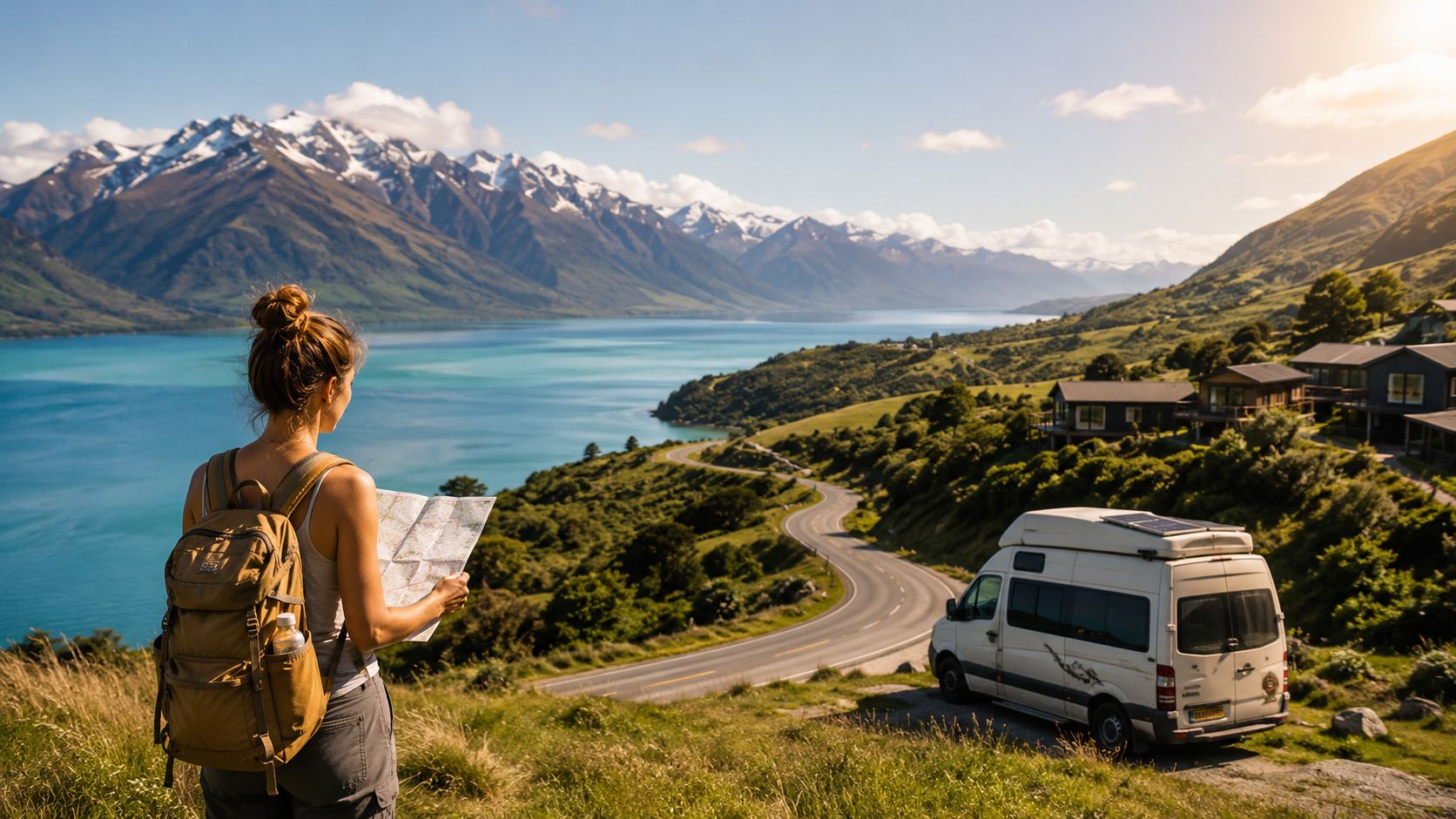
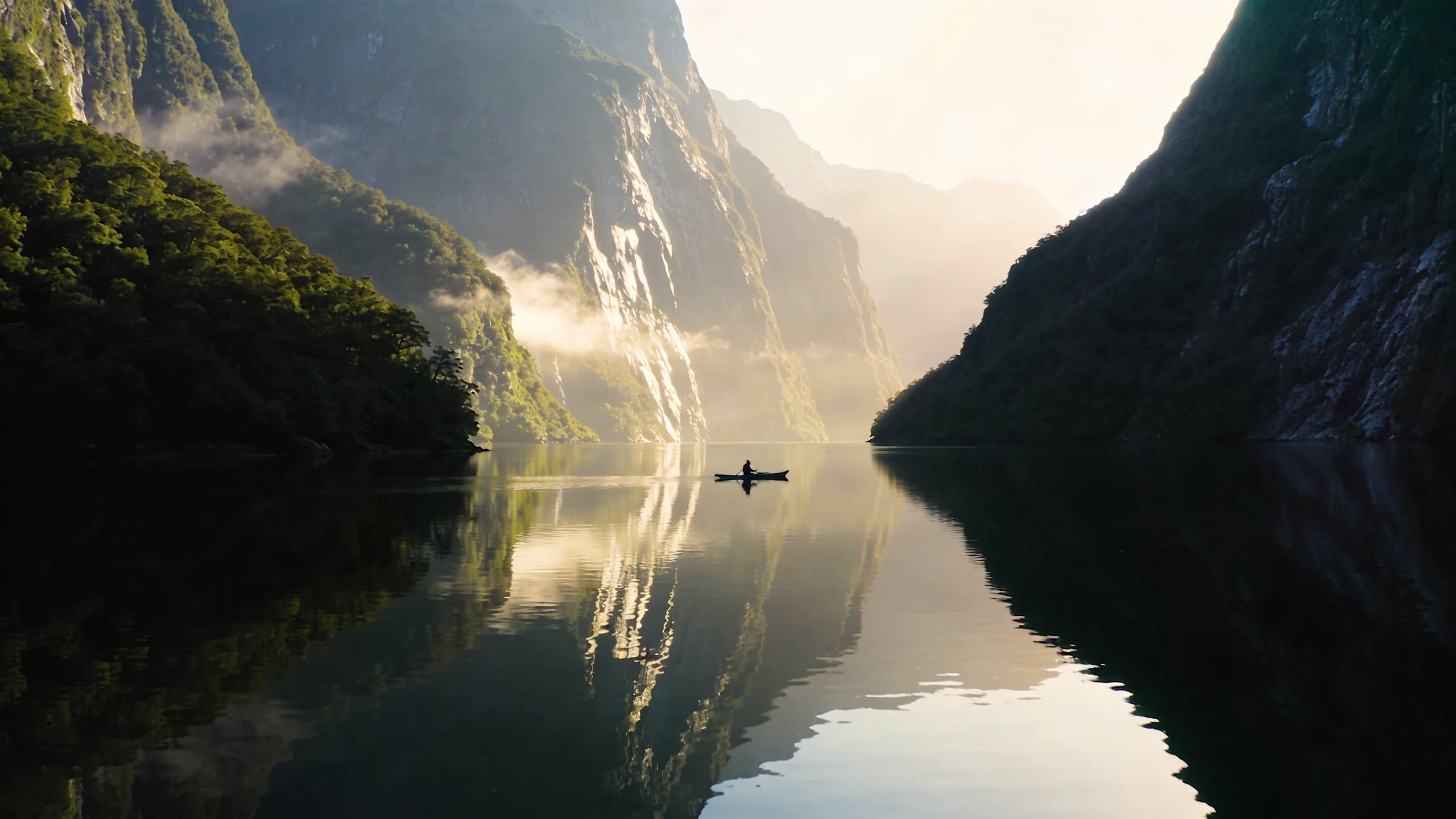
The first time I drove out of Queenstown before sunrise, I expected the big scenic payoff later in the day. Instead, it started almost immediately. Low cloud sat in the valleys, sheep moved through wet grass, and every turn looked finished enough to be a postcard. New Zealand does that often, but what keeps it high on this list is not only the scenery. It is how reachable that beauty feels once you plan the trip well.
The South Island earns its reputation. Milford Sound, Aoraki Mount Cook, the West Coast, and hikes like the Routeburn give you the dramatic version of New Zealand many travelers come for. The North Island is the smarter choice for some itineraries. It offers stronger cultural context, Māori-led experiences, geothermal areas, better weather in parts of the year, and easier slow travel if you want to stay put and get to know a place.
That trade-off matters.
Travelers who rush both islands in ten days often spend more and experience less. Ferries, domestic flights, rental car fees, and one-night stops add up fast. New Zealand rewards selectivity. Pick one island, build in longer stays, and let day trips do the work.
How to make New Zealand work on a budget
The cheapest trip is rarely the one with the lowest nightly rate. It is the one with fewer moves, simpler logistics, and more self-catering.
- Choose one island first: South Island suits classic mountain-and-fjord trips. North Island suits travelers who want scenery with more culture, cities, and easier pacing.
- Use hostel kitchens and DOC campsites: Department of Conservation sites are often cheaper, better located, and more memorable than standard holiday parks.
- Travel in shoulder season: April to May and September to October usually bring lower prices, lighter traffic on popular trails, and more flexibility with bookings.
- Book experiences selectively: You do not need a paid activity every day here. Some of the best days are lake walks, public beaches, short DOC hikes, and scenic drives.
- Consider community-based stays: Farm stays, house-sitting, and longer guesthouse stays can cut costs while giving you a more grounded view of rural life.
Practical rule: In New Zealand, constant movement usually costs more than the scenery itself.
Safety is one reason the country works well for independent travelers, including readers planning their first long solo trip. If that is your style of travel, this guide to the safest countries for solo female travelers gives useful context for comparing New Zealand with other options.
New Zealand is also easier to experience responsibly than many high-demand destinations, if you make a few good choices. Stay on marked trails. Respect camping rules. Book Māori cultural experiences with operators rooted in the community. Spend in smaller towns instead of only gateway hotspots. The principles in this guide to sustainable travel fit especially well here, because this is a country where careless tourism shows quickly and thoughtful travel pays off just as quickly.
2. Japan
The first time I arrived in Japan, the surprise was not the famous sights. It was the precision of ordinary life. A station platform ran on time to the minute, a neighborhood sento felt calmer than many luxury spas, and a convenience store dinner was better than plenty of sit-down meals elsewhere. That daily level of care is a big part of Japan's beauty, and it matters for travelers who want more than a photo checklist.
Japan earns its place on this list because the country gives you striking variety without forcing you into chaotic logistics. You can move from Tokyo's dense side streets to Kyoto's temple districts, then out to cedar forests, fishing towns, and mountain villages with relative ease. Beauty here is not only scenic. It is built into design, transit, food, etiquette, and the way public spaces are maintained.
Japan works best for travelers who choose depth over coverage. Kyoto at dawn, the Kii Peninsula's pilgrimage trails, small onsen towns in Nagano, and the old post towns along the Nakasendo all reward time and patience. Trying to stack them into one fast itinerary usually leads to expensive rail days, rushed check-ins, and a blur of stations instead of a grounded trip.
A few approaches consistently pay off:
- Choose one or two regions instead of crossing the whole country: Kansai, Nagano, and Kyushu each support a strong trip on their own.
- Walk part of a historic route: The Kumano Kodo and Nakasendo shift attention from headline sights to pace, local meals, and overnight stops.
- Stay in minshuku, ryokan, or family-run guesthouses: These often cost less than expected outside major cities and give you more personal context.
- Use simple food well: Ramen counters, set lunch spots, depachika basements, and convenience stores can keep daily costs reasonable.
- Leave blank space in the plan: Japan is often best in quiet hours, neighborhood shrines, bathhouses, and side streets you did not research in advance.
Japan is also one of the easier countries to handle solo. Systems are clear, trains are dependable, and personal space is generally respected. For women planning independently, this roundup of the safest countries for solo female travelers offers useful context. For remote workers considering a longer stay, this guide to the best countries for digital nomads helps compare Japan with places that are easier on monthly budgets.
One trade-off is cost. Japan can be affordable at street level and expensive in motion. Local meals, business hotels, and regional stays are often manageable. Long Shinkansen hops, peak-season hotels, and popular city districts can push a trip out of range fast. Fewer bases usually solve that problem.
Travel responsibly here by spreading your spending beyond the obvious hotspots, following local etiquette in shrines and bathhouses, and avoiding the habit of treating quiet neighborhoods like open-air sets for social media. In Japan, convenience protects the experience when you use it well.
3. Portugal
Portugal wins on balance. It has the architectural beauty, coastal drama, food culture, and walkable cities people often chase elsewhere in Europe, but it still feels more livable than performative. You can spend a morning in Lisbon's tiled neighborhoods, an afternoon on a local train through the Douro, and an evening in a small-town tasca where the room is mostly regulars.
That mix is why Portugal consistently lands in conversations about beautiful countries, even when it isn't the loudest name on the list. It's especially strong for travelers who want depth without spending the whole trip managing logistics.
Why Portugal works for thoughtful travelers
Portugal suits people who like cities but don't want to stay boxed inside them. Lisbon and Porto are obvious anchors, yet some of the country's best moments happen outside the headline stops. The Alentejo slows you down. The Douro gives you scenery and village life together. The Algarve, done carefully, offers more than beach strips and package tourism.
What works best in practice:
- Travel in spring or early autumn: Better walking weather, fewer bottlenecks, less pressure to reserve every detail.
- Stay in pensões or family guesthouses: They're often more personal than chain hotels and better for local recommendations.
- Use local trains where possible: Portugal is a strong rail country for scenic, low-stress movement.
- Eat your main meal away from landmark zones: Waterfront views often come with inflated menus and flatter food.
Portugal is also a strong pick if you work remotely and want beauty with routine. Good urban infrastructure, easy café culture, and regional variety make it one of the easier places to turn a short visit into a month. That's why it often appeals to travelers thinking beyond a simple vacation, as you'll see in this guide to the best countries for digital nomads.
The main trade-off is popularity. Portugal is no longer a secret, and some neighborhoods now feel more geared toward short-term visitors than residents. The workaround isn't skipping the country. It's staying longer, moving slower, and choosing neighborhoods where daily life still leads.
4. Scotland
Scotland doesn't reveal itself all at once. It arrives in layers. A city lane in Edinburgh. A sudden break in the clouds over a loch. A bus ride that turns into a full afternoon of staring out the window instead of reading.
For travelers who love atmosphere as much as scenery, Scotland is hard to beat. The Highlands carry the visual drama. The islands add distance and texture. The cities bring enough culture, music, and history to stop the whole trip from becoming one long sequence of viewpoints.
Where Scotland shines
Skye is famous for a reason, but it isn't the only answer. The West Highland Way gives you a stronger sense of the terrain because you move through it on foot. The Outer Hebrides feel more elemental. Glasgow is better than many visitors expect, especially if you care about live music and local energy more than polished facades.
Use Scotland well and it feels generous. Misjudge it and the weather, transport costs, and summer crowding can wear you down.
A few grounded strategies help:
- Base in hostels with kitchens: Food costs can creep up fast if every meal comes from cafés or pubs.
- Take buses for longer hops when time matters less than savings: They often make more sense than trains for budget travelers.
- Build around hikes and free museums: Scotland offers plenty without requiring constant paid admissions.
- Don't over-romanticize driving: Narrow roads, weather shifts, and parking stress can undercut the freedom people imagine.
Go to Scotland for the landscape. Stay for the way weather changes the mood of the same place every hour.
Safety is rarely the issue here. Planning is. Shoulder season usually gives the best trade-off between access and breathing room, especially for solo travelers who want the country at a quieter tempo. Self-catering, flexible transport, and a willingness to swap one big-name stop for a smaller village can make Scotland feel both richer and more affordable.
5. Vietnam
Vietnam is one of the easiest countries to love on a backpacker budget because the rewards come quickly. Food is immediate, transport is broad, street life is constant, and the scenery shifts fast enough that even a short route can feel full. But Vietnam isn't just good value. It's beautiful in a layered, lived-in way.
The north gives you karst scenery, mountain roads, and terraced valleys. Central Vietnam adds old towns, beaches, and a more measured pace. The south moves with the river. Each region has its own tone, and that's what keeps the country from feeling repetitive even on longer trips.
What works in Vietnam and what doesn't
Vietnam works best when you leave room for bus-window discoveries, local meals, and overnight stops in places that weren't in your original plan. It works worst when travelers try to race from checklist stop to checklist stop on a rigid route.
Strong choices include:
- Homestays in the Mekong or Sapa: They can provide more cultural exchange than polished hotels.
- Cooking classes in Hoi An or Ho Chi Minh City: Useful, social, and often a better memory than another museum ticket.
- Overnight buses and trains: They save time, though light sleepers may want to use them selectively.
- Street food chosen carefully: Busy stalls with fast turnover are usually a better bet than empty "tourist safe" spots.
Ha Giang is a good example of Vietnam's trade-offs. The scenery is exceptional, but this isn't the place to rent a motorbike casually if you have little riding experience. A reputable easy-rider setup can be the smarter call. Pride is expensive when roads are steep and weather turns.
If you're building a longer regional trip, Vietnam pairs naturally with other strong-value destinations in the region. This guide to the best places to travel in Southeast Asia is a useful next step.
Vietnam also remains one of the better countries for meeting people without trying very hard. Guesthouses, food tours, hostel common rooms, and transit all create easy contact. For solo travelers, that's a form of beauty too. The country keeps giving you reasons to say yes to one more stop.
6. Colombia
Colombia rewards curiosity. One week can hold cloud forest, Caribbean heat, mountain towns, street art, coffee farms, and long bus rides through scenery that keeps changing just when you think you've understood it. It isn't a frictionless destination, and that's part of the appeal. The beauty feels earned.
This is also one of the countries where cultural connection often becomes the headline memory. People come for the coffee region, Cartagena's color, Medellín's energy, or the trek to Ciudad Perdida. They leave talking about conversations, hospitality, and the surprise of how many versions of Colombia fit inside one trip.
The smart way to travel Colombia
Colombia works best when you choose a few regions and give each one proper time. The mistake is assuming domestic movement will be as easy as it looks on a map. Mountain roads, long transfers, and weather can stretch a travel day.
Good decisions include:
- Use Medellín or Bogotá as a reset point: Laundry, coworking, transit, and food options are easy.
- Spend real time in the Coffee Triangle: Plantation stays and smaller towns often offer the best pace.
- Book remote-area tours through reputable operators: Especially for treks and Amazon access.
- Learn basic Spanish before you go: Even simple effort changes interactions in a meaningful way.
Colombia's beauty isn't polished in the European sense. It's greener, louder, warmer, more improvisational. That's why it lands so strongly for travelers who value encounters over perfect predictability.
Safety requires mature decision-making rather than fear. Stay aware, ask locally about neighborhoods and transit timing, and don't treat nightlife areas as consequence-free. Colombia usually rewards informed travelers, not reckless ones. For many people, that's a fair trade for a country that still feels dynamic rather than packaged.
7. Greece
I understood Greece properly on a late ferry, not at a postcard viewpoint. Families were carrying boxes of groceries home, deckhands were waving cars into place, and the islands ahead looked less like a fantasy and more like somewhere people live. That shift matters. Greece gets better the moment you stop treating it as a backdrop and start using it like a real country.
The beauty is obvious. Whitewashed villages, hard golden light, stone lanes, clear water, and coastlines that keep changing character from one island to the next. What keeps Greece high on a list like this is the range. You can pair a few days in Athens with a slow island stay, or skip the famous circuit and head into mountain villages on the mainland where the scenery is greener, quieter, and often better value.
Choose a version of Greece that matches your budget
Santorini and Mykonos still have their place, especially outside peak season, but they punish sloppy planning. Room rates rise fast, restaurant bills climb near the waterfront, and crowd pressure can flatten the experience. Travelers who care about beauty, affordability, and actual contact with local life usually do better on Naxos, Paros, Syros, Tinos, or in parts of Crete.
A few choices improve a Greece trip quickly:
- Base yourself longer in one place: Constant ferry-hopping looks efficient online and feels tiring in practice.
- Use the ferry system selectively: Short island links can be easy. Long sea transfers can eat half a day and become rough in windy weather.
- Eat where Greeks are eating: Tavernas one or two streets back from the harbor usually offer calmer service, stronger cooking, and fairer prices.
- Give the mainland real consideration: Pelion, Nafplio, Mani, and Zagori offer some of the country's most memorable scenery without island logistics.
The best Greek days are usually simple. Swim in the morning, take a long lunch, walk when the heat drops, stay outside late. Greece rewards travelers who leave space in the itinerary.
It also suits people who care about sustainable travel, because the smarter route often overlaps with the lighter one. Staying longer, choosing shoulder season, using ferries and buses carefully, and spending money in family-run guesthouses spreads tourism pressure more responsibly than racing through headline islands in July.
The trade-off is that Greece can look easy and become expensive if you copy a highlight reel. Distances are deceptive, wind can disrupt plans, and moving too often drains both time and money. My advice is simple. Pick Athens or Thessaloniki as your entry point, add one island or one mainland region, and let the trip breathe. Greece is at its best when beauty arrives through rhythm, not through accumulation.
8. Mexico
Mexico offers one of the widest emotional ranges on this list. It can be joyful, intense, serene, chaotic, restorative, and grounding in a single trip. Beauty shows up in obvious places like cenotes, colonial facades, and Pacific sunsets. It also shows up in everyday rituals. Morning tamales, evening plazas, neighborhood markets, and family-run kitchens where the meal tells you more than a museum label could.
For travelers from North America, Mexico has another advantage. It can be easier to revisit and explore in chapters rather than forcing a grand, once-in-a-lifetime route. That's important because Mexico isn't one trip. It's many.
Best ways to experience Mexico well
Oaxaca, Mérida, San Cristóbal de las Casas, and many smaller towns give travelers a better balance of culture, food, and pace than high-volume resort corridors. That doesn't mean the coast is wrong. It means you should be deliberate about what kind of trip you're building.
What tends to work:
- Anchor around food and markets: Mercado meals often give the best value and strongest local flavor.
- Use long-distance buses for major moves: They're often the cleanest, calmest way to cover ground.
- Book directly with guesthouses when possible: It can lead to better communication and more flexible rates.
- Look for community-led experiences: Cooking classes, artisan workshops, and village visits often create more meaningful spending patterns.
Mexico also suits travelers interested in sustainability when they choose carefully. Sea turtle conservation projects, farm stays, and indigenous community tourism can add purpose to the trip, but only when the project is ethical and locally rooted. Ask who runs it, who benefits, and what your presence changes.
Mexico's main trade-off is regional variation in comfort and safety. You can't travel on autopilot. Research each state, ask current local advice, and avoid flattening the whole country into one narrative. Done thoughtfully, Mexico remains one of the most rewarding places for travelers who want beauty with real cultural weight.
9. Indonesia
I first understood Indonesia on a dawn ferry, not at a famous viewpoint. Roosters were sounding off onshore, scooters were packed between sacks of produce, and the passengers treated a sea crossing that felt cinematic to me as routine daily life. That is the country’s appeal. Beauty here is woven into ordinary movement between islands, villages, markets, mosques, reefs, and volcanoes.
Indonesia earns its place on this list because the beauty is unusually varied and, with some planning, still attainable for travelers who care about more than a polished photo feed. One trip can include temple architecture, coral gardens, jungle edges, black-sand beaches, highland farms, and street food that costs less than a café snack in many Western cities. The trade-off is distance. This is not a country to rush through or reduce to one beach town.
How to experience Indonesia well
The common mistake is treating Bali as the full story. Bali can still be rewarding, especially outside the heaviest traffic corridors, but travelers looking for stronger value and a deeper sense of place usually do better when they pair it with another island or skip straight to a region that matches their interests.
A smarter plan often looks like this:
- Use Bali selectively: Base yourself in a quieter area, then add East Java, Lombok, the Nusa islands, or Flores if your schedule allows.
- Budget for transit time, not just transit cost: Ferries, domestic flights, and overland transfers can eat a day fast. Planning a realistic trip budget matters more here than in compact countries.
- Choose family-run homestays and guesthouses: They usually offer better conversations, better local advice, and better value than generic resorts.
- Eat at busy warungs: High turnover is a good sign for freshness, and this is often where price and quality meet.
- Book wildlife experiences carefully: If an operator promises guaranteed close contact, skip it.
Indonesia works especially well for travelers who want flexibility. Surfers, divers, hikers, food-focused travelers, and people who want to spend time in small communities can all build a strong trip here without luxury-level spending. I usually advise people to pick one anchor experience, such as diving in Raja Ampat, hiking in Java, or slow travel through Flores, then build the route around that instead of trying to collect islands.
The caution is straightforward. Tourism pressure is real in parts of Indonesia, and some places are straining under traffic, waste, reef damage, and poor water use. Bring a refill bottle where refill stations exist, avoid animal attractions built on handling or performances, and give your money to locally owned stays and guides when possible. Done with patience, Indonesia offers one of the richest combinations of natural beauty, affordability, and cultural depth on this list.
10. Iceland
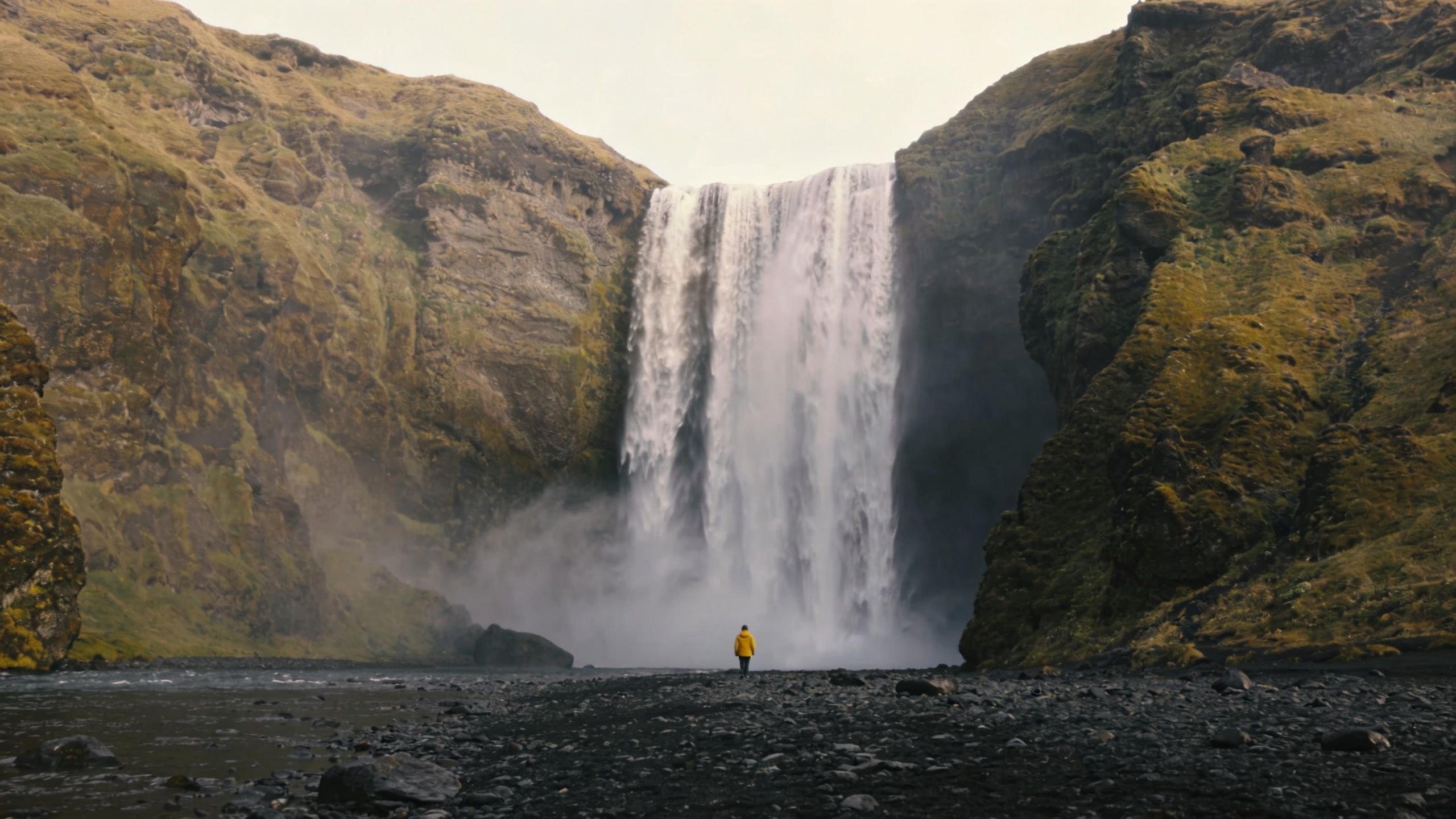
Iceland is one of the few places where the scenery can feel almost abstract. Lava fields, black beaches, glacier tongues, steaming earth, sudden waterfalls, and long horizontal light can make a short drive feel like repeated arrival. It deserves its reputation. It also demands realism.
The challenge with Iceland isn't whether it's beautiful. It is. The challenge is whether you can travel it without getting flattened by the cost or by an itinerary that turns the country into a blur of parking lots and photo stops.
How to make Iceland worth the money
Iceland rewards self-sufficiency. The closer you get to cooking your own meals, sharing transport, and prioritizing free natural sights over a constant stream of paid add-ons, the better the trip feels.
A practical Iceland strategy looks like this:
- Travel in shoulder season: April to May and September to October usually offer a better balance of access and cost.
- Camp or use simple guesthouses: Fancy accommodation can distort the whole budget fast.
- Split a car with other travelers: This is often the single most useful savings move.
- Treat tours selectively: Glacier hiking or ice caves may be worth paying for. Many waterfalls, hot springs, and hikes are not.
Iceland is also an excellent place to be alone, especially if you like quiet more than nightlife. The roads can be meditative. The small towns are functional without demanding much from you. Many solo travelers find it freeing, as long as they respect weather, daylight, and distance.
Budgeting here takes discipline. This budget trip planning guide is worth reviewing before you book anything substantial.
One more reality check matters. There is a major affordability gap in most beauty-focused destination rankings. As noted in Passport in Photos' discussion of underrated places, travelers often hear that destinations like Laos or Uganda are cheaper than more famous alternatives, yet concrete cost comparisons are often missing. Iceland sits on the opposite end of that problem. Everyone knows it's pricey, but many travelers still fail to plan around what that means day to day. In Iceland, beauty is easy. Budget control takes intention.
Top 10 Most Beautiful Countries Comparison
| Country | Logistics 🔄 | Daily Budget ⚡ | Experience Quality ⭐ | Ideal Use Cases 📊 | Quick Tips 💡 |
|---|---|---|---|---|---|
| New Zealand | High, large distances, inter-island travel; car/camper common, seasonal bookings needed | $50–70/day | Outstanding natural scenery and adventure ⭐⭐⭐⭐ | Multi-week slow travel, hiking, outdoor adventure | Visit shoulder seasons; use InterCity pass; camp or hostel-kitchen |
| Japan | Moderate, world-class public transport; regional passes simplify travel | $35–60/day | High cultural variety, efficient travel ⭐⭐⭐⭐ | Cultural immersion, multi-city trips, solo travel | Buy JR Pass for 3+ regions; eat convenience-store meals |
| Portugal | Low–Moderate, compact, good buses/trains; some hilly towns | $30–50/day | Very good value in Europe, coastal charm ⭐⭐⭐ | Beach/coastal travel, wine regions, budget Europe | Travel Apr–Jun or Sep–Oct; stay in pensões; use regional rail passes |
| Scotland | Moderate, public transport covers many areas; remote spots may need car | $50–70/day | Excellent landscapes and history ⭐⭐⭐ | Hiking, islands (Skye), cultural and whisky trails | Travel Apr–May or Sep–Oct; use hostels with kitchens; take Megabus |
| Vietnam | Low, strong backpacker routes, cheap buses/trains and overnight options | $20–35/day | Exceptional value and street-food culture ⭐⭐⭐⭐ | Street food tours, motorbike loops, budget adventure | Travel Oct–Nov or Dec–Feb; eat where locals eat; book open buses |
| Colombia | Moderate, diverse regions; stick to established tourist routes for safety | $25–45/day | High cultural diversity and value ⭐⭐⭐ | Coffee region, colonial towns, biodiversity adventures | Travel shoulder seasons; learn basic Spanish; use overnight buses |
| Greece | Moderate, ferry networks good but summer crowds complicate logistics | $40–60/day | Iconic island scenery and ancient sites ⭐⭐⭐ | Island-hopping, archaeology, Mediterranean beaches | Visit Apr–May or Sep–Oct; use multi-island ferry passes; avoid peak islands |
| Mexico | Moderate, good buses/colectivos; safety varies by region (research advised) | $30–50/day | Excellent food, archaeology, and cultural richness ⭐⭐⭐ | Ruins and colonial towns, food travel, ecotourism | Travel May–Jun or Sep–Oct; use ADO/colectivos; stay in established towns |
| Indonesia | Moderate–High, archipelago travel requires ferries/planes; infrastructure varies | $25–45/day | Exceptional diversity (islands, volcanoes, wildlife) ⭐⭐⭐⭐ | Beaches, diving, volcano trekking, cultural homestays | Travel Apr–Jun or Sep–Oct; use warungs and homestays; book ferries locally |
| Iceland | Moderate, Ring Road accessible but remote roads/weather can be challenging | $60–90/day | Unique, otherworldly landscapes and geothermal sites ⭐⭐⭐⭐ | Landscape photography, glaciers, northern lights | Visit Apr–May or Sep–Oct; camp/hostels to save; split car rental costs |
Your World of Beauty Awaits, Start Planning Today
The most beautiful countries to visit aren't always the easiest to rank because beauty isn't one thing. Sometimes it's pure natural splendor. Sometimes it's a city that makes walking feel like discovery again. Sometimes it's a country where public transport works, the food is worth rearranging your day around, and conversations happen often enough that you stop feeling like a spectator.
That's why New Zealand and Iceland can sit comfortably beside Vietnam and Mexico. One gives you elemental wilderness. Another gives you texture, sound, flavor, and human warmth. Scotland offers mood and atmosphere. Portugal offers grace and ease. Japan offers precision without coldness. Greece reminds you that iconic places can still feel intimate if you choose them carefully.
The practical side matters just as much as the dream. A country becomes more beautiful when you can move through it without constant stress. When you can afford to stay long enough to settle in. When solo travel feels manageable. When local businesses still shape the experience more than global sameness does. That's the difference between a trip that looks good online and one that changes the way you travel afterward.
A useful pattern runs through this whole list. The countries that tend to stay with people are rarely the ones they consumed fastest. They are the ones where they slowed down enough to notice systems, manners, scenery, and daily routines. They took the local bus instead of the shortcut transfer. They stayed in a guesthouse with a shared kitchen instead of a sealed-off hotel. They picked one island instead of five, one region instead of the whole map, one meaningful trek instead of a dozen rushed attractions.
If you're budget-conscious, don't read that as limitation. Read it as strategy. Slower travel often protects your money and improves the experience at the same time. Fewer transport days usually mean more energy. Cooking some meals gives you room for a special one later. Choosing shoulder season can help a place feel more open, more conversational, and less like you're fighting through someone else's vacation.
If you're traveling solo, beauty has another layer. Safety, legibility, and emotional ease matter. A beautiful country is more usable when you can arrive tired and still figure things out. When the neighborhood feels walkable. When asking for help doesn't feel risky. When you can choose solitude without feeling isolated. Several countries on this list excel there, but the larger point matters more: your comfort is not a lesser priority than scenery. It's part of the experience.
Sustainability belongs in the conversation too. The most beautiful countries to visit can stay that way only if travelers stop treating them as disposable backdrops. Choose refillable water options where you can. Stay longer and fly less often within a trip when that makes sense. Support community-run tours, family lodgings, local restaurants, and conservation efforts with clear local benefit. Respect trail rules, cultural norms, and quiet spaces. None of that makes a trip less spontaneous. It makes it more honorable.
Use this list as a compass, not a scoreboard. You don't need to agree with the order. You only need to notice which places keep pulling at you. The most beautiful country for your next trip might be the one with volcanoes and ferries, or the one with monastery trails, island dinners, or rain-soaked highland roads. The right choice is the one that fits the season you're in, the budget you have, and the kind of traveler you want to become.
Where will you go?
Travel Talk Today helps readers turn wanderlust into practical plans with thoughtful destination guides, budget strategies, safety advice, and slow travel ideas. Explore more at Travel Talk Today.