You're probably in the stage every traveler knows well. Tabs are open, flights are tempting, and your brain is already halfway into the trip. You can see the market you want to wander through, the late train you might have to catch, the cheap guesthouse that looks “good enough,” and the first solo dinner that feels exciting and a little intimidating.
That mix of freedom and uncertainty is normal. Good travel safety tips don't shrink your world. They make it bigger, because you move through it with more confidence, better judgment, and fewer preventable mistakes. The goal isn't to become paranoid. The goal is to make smart choices so safety becomes automatic, not exhausting.
That matters most on the road, where ordinary decisions carry more weight than they do at home. Road traffic crashes still kill about 1.19 million people each year worldwide, and they remain the leading cause of death for people aged 5 to 29, according to the CDC's global road safety overview. In practical terms, that means the boring habits matter. Seat belts, official taxis, avoiding risky vehicles, and staying alert during transfers aren't small details. They're the foundation.
The good news is that prepared travelers usually look calmer, move better, and attract less trouble. These 10 travel safety tips work best as a repeatable checklist. Build them into your routine before every trip, especially if you're traveling solo or watching your budget, and you'll spend less time worrying and more time experiencing the place you came to see.
1. Share Your Itinerary with Trusted Contacts
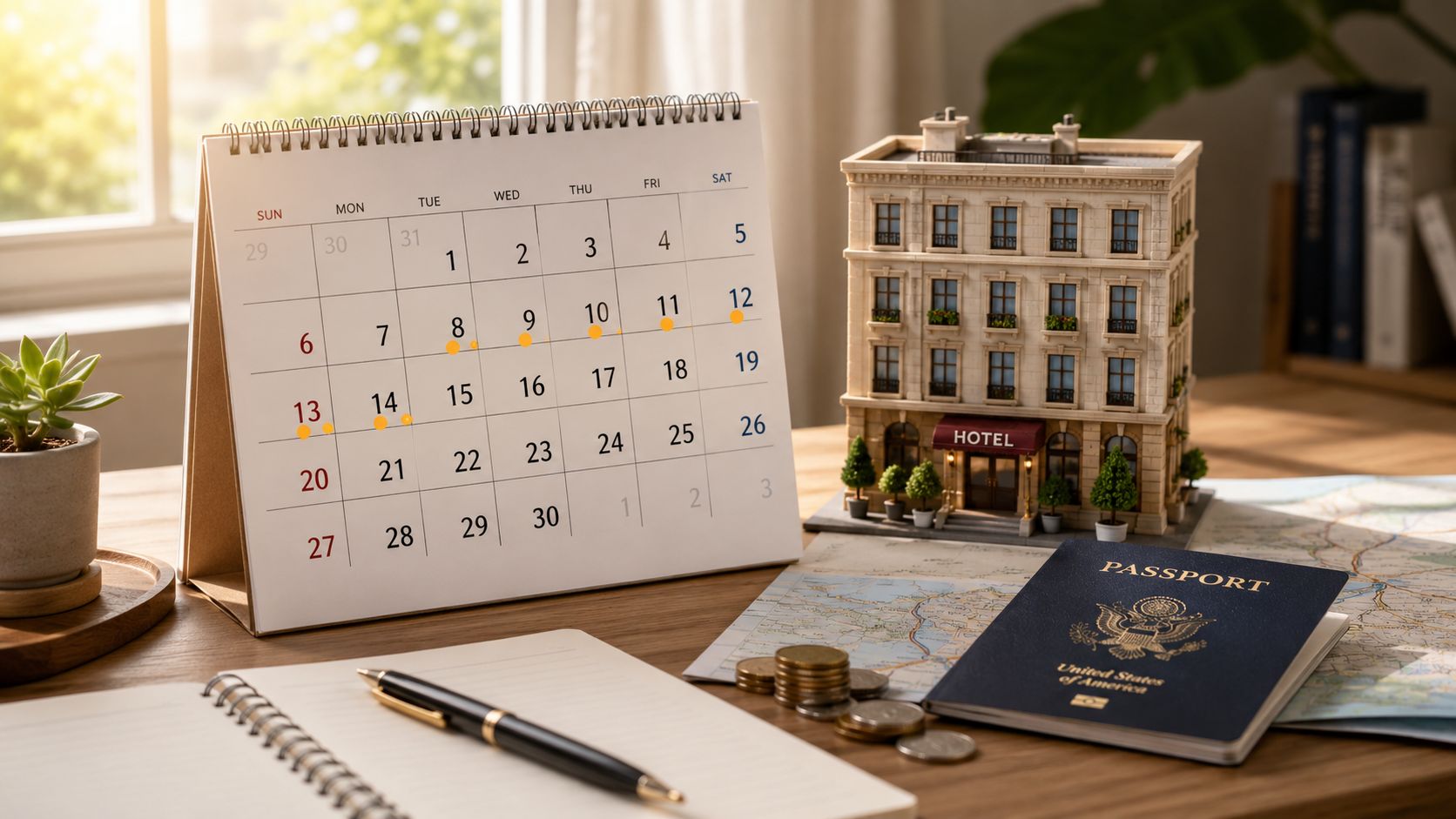
Before I leave for any trip, two people know where I'm supposed to be. Not vaguely. Specifically. They have my flight details, lodging names, check-in windows, and the date I expect to move to the next place.
That one habit solves a problem many travelers ignore. If you go quiet unexpectedly, someone can tell the difference between “probably busy” and “something's wrong.” For solo travelers, that gap matters a lot.

What to send before departure
An itinerary only works if it's usable. A screenshot of one flight confirmation isn't enough. Send a clean document or email with the details someone would need if they had to help you fast.
- Include full lodging details: Add hotel or hostel names, addresses, and phone numbers.
- Add transportation specifics: Include flight numbers, major train routes, and arrival times.
- Set check-in expectations: Say when you'll message, such as “landed,” “checked into hostel,” or “back from overnight bus.”
- Name a backup contact: If one person misses your message, the other can notice.
Google Maps location sharing, WhatsApp Live Location, and Telegram can all help, but don't rely on live tech alone. Phones die. SIM cards fail. Wi-Fi disappears.
Practical rule: Share your plan in both digital and human-friendly form. A message thread is useful. A clear itinerary is better.
For backpackers, I also like leaving the next destination with the front desk if I'm staying somewhere small and locally run. It isn't dramatic. It's just a simple travel safety tip that creates a trail when plans get messy. If your route changes, update your people right away. An old itinerary is almost worse than none.
2. Research Destination Safety Ratings and Travel Advisories
You land after midnight, your phone battery is low, and the route from the airport to your hostel cuts through neighborhoods you know nothing about. That is the wrong time to start researching a destination. Good safety habits start before the booking is final, because preparation gives you options while improvising usually narrows them.
Start with official travel advisories from your government. Then check what recent travelers, local residents, and accommodation reviews say about the specific areas you plan to use. The goal is not to find a place with zero risk. The goal is to understand what kind of risk shows up there, where it shows up, and what changes you need to make to your routine, budget, and timing.

Some places demand tighter planning. Countries and regions affected by conflict, weak infrastructure, high violent crime, or limited medical access can still be visitable for experienced travelers with a clear plan. They are a poor match for a casual, last-minute approach. That trade-off matters, especially for solo travelers and budget travelers, who often have less margin for error if transport falls through, a neighborhood feels wrong, or help is harder to reach.
How to research without getting buried
Keep your research practical. Look for information that changes decisions.
- Check advisories again close to departure: Conditions can shift between the day you book and the day you board.
- Research neighborhoods, not just cities: Safety often changes block by block, especially in large capitals and transit hubs.
- Watch for seasonal pressure points: Heavy rain, wildfire smoke, extreme heat, storms, and strikes can turn a manageable trip into a messy one.
- Read recent reviews with a filter: One dramatic story proves little. Repeated mentions of theft, harassment, unsafe late-night walks, or unreliable transport usually mean something.
- Match the destination to your travel style: A place that works well for a guided trip may be a bad fit for a shoestring solo arrival at 1 a.m.
I also check whether my normal habits still make sense there. In one destination, arriving by public bus and walking ten minutes to a guesthouse is ordinary. In another, paying more for a daytime arrival, a better-located stay, or an airport pickup is the smarter call. That is not paranoia. It is how experienced travelers stay flexible without being careless.
One of the best travel safety tips is to treat research as a working habit, not a one-time task. Places change. Weather changes. Political tension changes. A destination's reputation can be outdated in either direction, better or worse. Travel on current information, and you can explore with more confidence and less guesswork.
3. Use Reliable Transportation and Verify Driver Credentials
Transportation is where travelers make some of their worst “it'll probably be fine” decisions. They take the unmarked taxi because it's faster. They jump into the minibus because it's cheap. They skip the seat belt because the ride is short.
That's backwards thinking. The road is often the most dangerous part of the trip, especially in places with weak infrastructure, aggressive driving, overloaded vehicles, or poor enforcement. If a ride looks chaotic, badly maintained, or unofficial, pass.
What good transport choices look like
Use official ride-share apps where they're established. If that's not available, book through your hotel, a reputable tour operator, or an official taxi stand. Before you get in, check the plate, ask the driver who they're picking up, and confirm the route.
- Choose official over improvised: Registered taxis and app-based rides beat random street offers.
- Wear the seat belt every time: If there isn't one, that's useful information about the vehicle.
- Keep bags with you when possible: Don't hand over everything to a trunk if you can avoid it.
- Avoid overloaded buses and vans: If passengers are packed in or luggage is stacked dangerously, wait for another option.
For airport arrivals, especially after dark, I prefer paying a bit more for certainty. A pre-arranged transfer often costs less than the stress and risk of negotiating on the curb in a place you don't know.
A cheap ride isn't cheap if it puts you in the wrong car, on the wrong road, or without a seat belt.
The same principle applies to flights. Air travel is the safest way to cover long distance, and a 2024 MIT report on airline safety noted a fatality risk of 1 per 13.7 million passenger boardings in the 2018 to 2022 period. But not every flight scenario carries the same risk. Unscheduled flights, small aircraft, night operations, and poor weather deserve more caution. When you can, pick established carriers and larger aircraft.
4. Keep Digital Security and Backup Copies of Important Documents
Losing a passport is miserable. Losing a passport while you also can't access your email, banking app, or booking confirmations is the version that turns one bad day into several.
Modern travel safety tips require an update. Physical safety still matters, but digital sloppiness creates real problems now. Travelers expose themselves every day by logging into sensitive accounts on public Wi-Fi, leaving phones unsecured on café tables, and storing critical documents in one device only.

Build a simple backup system
You don't need a complicated setup. You need layers.
- Store secure copies in the cloud: Google Drive, OneDrive, or another encrypted service can hold passport scans, visas, insurance details, and booking confirmations.
- Keep physical copies separate: A photocopy in your day bag and another in your main luggage helps if the original disappears.
- Use a password manager: 1Password and Bitwarden make it much easier to avoid reusing weak passwords.
- Separate your recovery options: Don't keep every login, code, and backup on the same phone.
There's also a privacy side most travelers underestimate. The digital safety gap is real, especially around public screen use and social posting. The analysis on digital travel safety and photo-first risk highlights practical issues like shoulder surfing, oversharing your location in real time, and taking risks for content.
If you want the clean rule, it's this: don't post your exact location while you're still there if doing so exposes your room, your routine, or your empty home. And never compromise your footing, awareness, or route home for a photo.
5. Stay Aware of Common Scams and Tourist Traps
Scams work because they don't feel like scams at first. They feel like help, urgency, luck, friendliness, or local insider knowledge. That's why smart travelers still get caught.
The first day is often the softest target window. You're tired, carrying bags, reading signs, checking maps, and trying to appear less lost than you feel. That combination makes new arrivals easier to read, and sometimes easier to target.

Treat the first day differently
One of the most useful, underused travel safety tips is to make your first 24 hours more controlled than the rest of your trip. Book the first night in advance. Use a known transport option. Don't schedule anything complicated straight after arrival.
The guidance on the first 24-hour vulnerability gap also points to a few subtle but effective habits. If you think someone may be tracking your movement, stop and check a watch rather than your phone. That small pause lets you observe without advertising confusion. Deliberate eye contact and a calm smile can also signal that you're alert, not easy prey.
Scam habits that work
- Be skeptical of unsolicited help: Friendly doesn't always mean harmless.
- Know the common local setup: Airport taxi tricks, fake ticket inspectors, bad currency exchanges, and “special deals” all repeat by destination.
- Confirm prices before service starts: That matters with taxis, guides, and street purchases.
- Leave quickly when the story gets weird: You don't owe politeness to a situation that feels off.
Most scams rely on momentum. Break the rhythm, ask a direct question, or walk away, and the script usually falls apart.
Researching destination-specific scams before you go is boring in the best possible way. It saves money, stress, and those long self-blaming walks afterward.
6. Secure Your Belongings and Practice Situational Awareness
Anti-theft gear helps. Awareness helps more. The best bag in the world won't save the traveler who hangs it on the back of a café chair and forgets about it.
Petty theft usually targets convenience. An open pocket in a crowded metro. A phone on a table edge. A backpack in a hostel common room while you go “just for one minute.” Budget travelers feel these losses harder because replacing gear or cards can wreck the next week of the trip.
Carry less, separate more
I like simple systems. Carry only what you need for the day. Keep your main cash reserve and backup card elsewhere. If something gets stolen, the damage stays contained.
- Use a crossbody or anti-theft bag: Pacsafe and Travelon are popular for a reason.
- Move valuables out of easy pockets: Front pockets beat back pockets every time.
- Split your money: Keep daily cash separate from emergency reserves.
- Lock what can be locked: Hostel lockers, luggage zippers, and bag clips all reduce easy opportunities.
Situational awareness also changes by environment. In train stations, markets, festivals, nightlife zones, and famous landmarks, act like you already know theft is common. Keep your bag in front. Zip it fully. Don't count cash in the open. Don't flash your phone while standing near the train door.
A lot of travel safety tips sound dramatic. This one isn't. It's mostly habit. The traveler who looks organized, aware, and hard to distract is usually a less appealing target than the traveler who looks overloaded, rushed, and mentally elsewhere.
7. Research and Respect Local Customs, Laws, and Cultural Norms
Plenty of travel problems aren't crimes or accidents. They're friction. A traveler dresses in a way that draws the wrong kind of attention. They photograph someone without permission. They break a rule they didn't know existed and learn too late that “I didn't know” doesn't help.
Respect is a safety tool. It lowers tension, improves interactions, and helps you move through a place with less resistance. It also makes the trip better.
Learn the rules people actually live by
Guidebooks often cover the basics, but you'll learn more from watching how locals move, dress, queue, greet, and speak in public. If you're unsure, start slightly more conservative than you think you need to be. You can always adjust.
- Dress for the setting: Religious sites, rural areas, and conservative neighborhoods often call for more coverage.
- Ask before taking photos of people: Especially in markets, villages, and sacred spaces.
- Know the legal red lines: Drug laws, visa rules, restricted areas, and public behavior standards vary a lot.
- Avoid casual debates on sensitive topics: Politics, religion, and historical conflict can go badly fast.
For solo women, this matters even more. In some places, blending in is less about fashion and more about reducing friction. A scarf, loose layer, or different route choice can change how a whole day feels.
Respectful travelers usually get more help, better conversations, and fewer unpleasant surprises.
This isn't about making yourself smaller. It's about reading the room. Travel gets richer when you enter a culture with curiosity instead of entitlement.
8. Maintain Health and Prepare for Medical Emergencies
A lot of travelers plan for theft and forget about illness, which is strange because getting sick abroad is often more disruptive than losing a wallet. One bad food decision, one ignored symptom, or one unmanaged condition can force quick, expensive choices.
Health prep doesn't need to feel clinical. Think of it as making sure a manageable problem stays manageable. That starts before departure, not after you've already developed a fever in a hostel bunk.
Pack for the problems that are actually likely
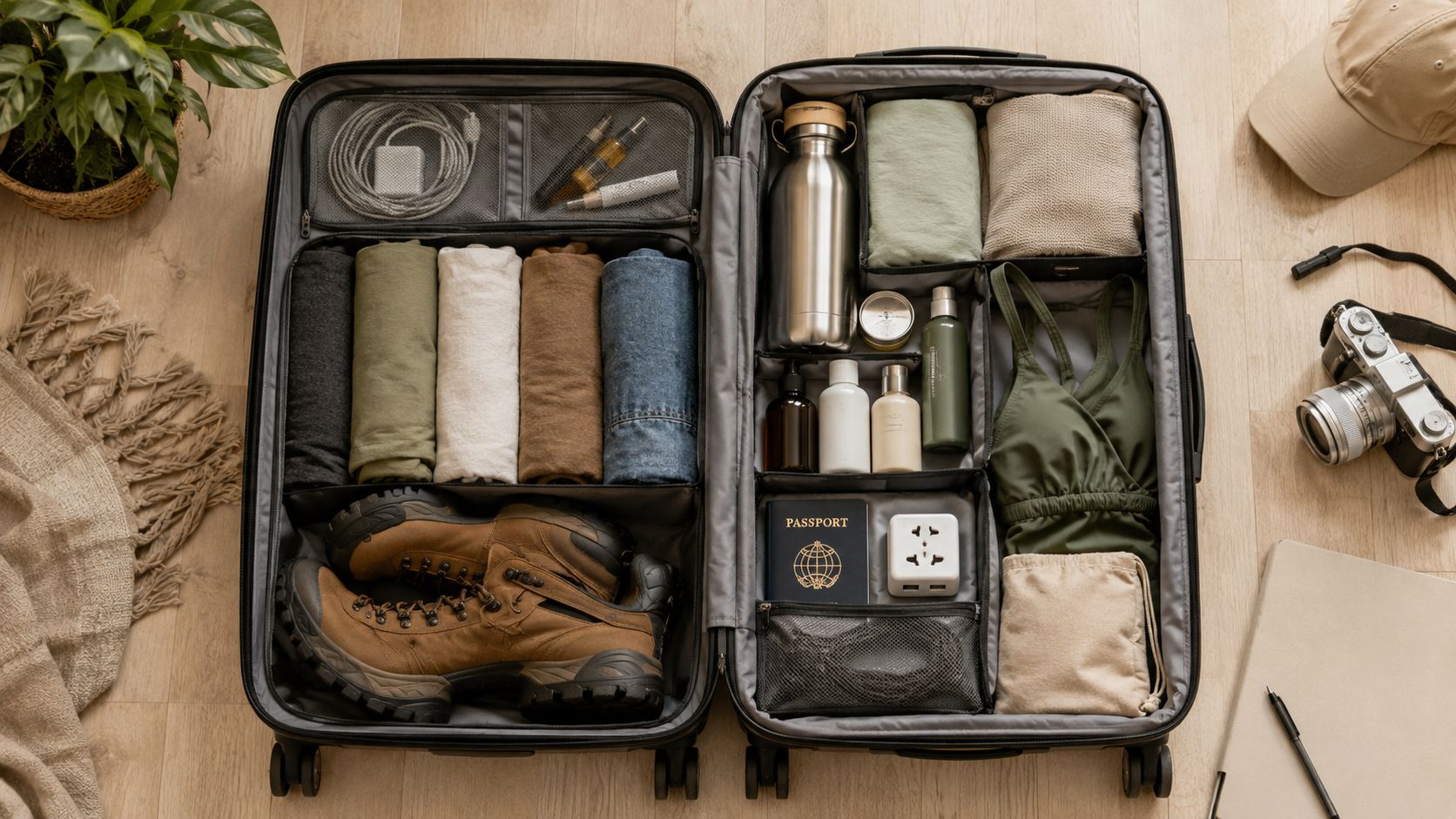
A small personal health kit solves a surprising number of travel issues. Pain relievers, bandages, anti-diarrheal medication, blister care, allergy medication, and any prescription medicine you need should be easy to reach, not buried deep in checked luggage.
Medical records matter too. Keep a digital note with allergies, conditions, medications, and emergency contacts. If you travel often, save that note in your phone and cloud storage.
There's also a market signal worth noticing. The travel safety kits market analysis projects growth from $1.50 billion in 2026 to $3.47 billion by 2035, reflecting how many travelers now treat physical preparedness as standard rather than optional. That doesn't mean you need a giant tactical pouch. It means the habit is becoming normal for a reason.
Health habits on the road
- Protect your sleep when you can: Fatigue leads to bad decisions and weaker immunity.
- Ease into local food if needed: Your first night isn't the best time for a digestive gamble.
- Stay hydrated during transit days: Flights, buses, and heat can catch up with you quickly.
- Know where to get care: Save the name of a reputable clinic or hospital near your first lodging.
The best travel safety tips often look unimpressive. Drinking water, sleeping enough, and carrying your medication properly won't make your trip more glamorous. They will make it more resilient.
9. Practice Financial Security and Smart Money Management
Money stress makes travelers do foolish things. They use the first exchange counter they see. They carry all their cash in one wallet. They panic when a card fails and start improvising with unsafe ATMs or sketchy money changers.
Good financial safety is about flexibility. You want more than one way to pay, more than one place to access funds, and enough awareness to avoid simple traps.
Set up your money in layers
Use at least two payment methods from different accounts if possible. Keep one card on you and another stored separately. Carry some local cash, but not so much that losing your wallet becomes a disaster.
- Use bank ATMs when possible: They're usually better than isolated street machines.
- Decline dynamic currency conversion: Pay in local currency when prompted.
- Track your accounts regularly: Catching fraud early matters when you're far from home.
- Don't expose payment info on public networks: Sensitive logins deserve a trusted connection.
There's a digital angle here too. The AI travel safety and risk management market analysis projects growth from USD 1.5 billion in 2022 to more than USD 10 billion by 2032. That reflects how fast predictive tools, alerts, and digital monitoring are becoming part of travel risk management. For travelers, the practical takeaway is simpler. Financial safety is getting more tech-driven, so your habits need to keep up.
What doesn't work
Don't keep all your funds in one account. Don't assume your card will work everywhere. Don't hand your card to someone and stop paying attention. And don't post publicly that you're abroad for weeks while your home sits empty.
Financial travel safety tips aren't only about theft. They're about preserving options when plans go sideways.
10. Plan Safe Nighttime Activities and Establish Boundaries
Night changes a city. Distances feel longer, judgment gets softer, and bad transport decisions multiply. None of that means you should hide in your room after sunset. Some of the best travel memories happen at night. You just need a plan.
For solo travelers, especially women, the best nights usually start with a few boring choices made early. Where are you going, how are you getting back, who knows where you are, and what's your line for leaving?
Make the return trip part of the plan
If you sort out the ride home before you go out, you remove a lot of risk later. That can mean pre-booking a ride, saving the hotel address offline, or sticking to nightlife areas your accommodation staff says are consistently busy and straightforward to exit.
- Use reliable transport after dark: App-based rides or known taxi ranks beat random street pickups.
- Watch your drink the whole time: If you lose track of it, replace it.
- Set your own alcohol ceiling: Don't let group energy make decisions for you.
- Wear shoes you can move in: Style matters less than being able to leave comfortably and quickly.
Hostel pub crawls, organized group dinners, and live music events can be great options because they add structure. Wandering into a nearly empty bar alone in an unfamiliar part of town usually isn't.
Your boundary doesn't need a debate. “I'm heading out” is a complete sentence.
One of the most practical travel safety tips is giving yourself permission to leave early, skip the after-party, or spend more on a safe ride back. Budget travel should never require gambling with your judgment.
10-Point Travel Safety Comparison
A good safety plan should be quick to scan before a trip and easy to use on the road. This comparison breaks each habit down by effort, cost, payoff, and where it matters most.
| Strategy | Complexity | Resources | Outcomes | Use Cases | Key Advantage |
|---|---|---|---|---|---|
| Share Your Itinerary with Trusted Contacts | Low. - Simple to set up - Requires check-in discipline | Low. - Phone - Messaging app - Trusted contact | High. - Faster help if plans change - Better accountability | - Solo travel - Long transit days - Multi-stop trips | Low effort, strong safety return |
| Research Destination Safety Ratings and Travel Advisories | Moderate. - Takes pre-trip time - Requires comparing sources | Low. - Internet access - Official advisories - Time | High. - Better route and lodging choices - Fewer avoidable surprises | - First-time destinations - Budget trips - Regional overland travel | Helps you spot risks before you pay for them |
| Use Reliable Transportation and Verify Driver Credentials | Moderate. - Repeated checks each ride | Moderate. - Ride app or official taxi - Phone - Sometimes higher fare | High. - Lower scam risk - More traceable rides | - Airport arrivals - Late nights - Unfamiliar cities | You trade a little money for a lot more control |
| Keep Digital Security and Backup Copies of Important Documents | Moderate. - Needs setup before departure | Low to moderate. - Cloud storage - Password manager - Photo scans | High. - Faster recovery after loss or theft - Less admin stress | - International trips - Visa-heavy routes - Remote travel | Saves time when something goes wrong |
| Stay Aware of Common Scams and Tourist Traps | Low to moderate. - Ongoing awareness | Low. - Guide research - Local tips - Traveler forums | High. - Fewer money leaks - Fewer distracting confrontations | - Tourist centers - Markets - Transit hubs | Cheap habit, useful everywhere |
| Secure Your Belongings and Practice Situational Awareness | Moderate. - Part habit, part gear | Low to moderate. - Locks - Crossbody or anti-theft bag - Accommodation safe | Very high. - Lower theft risk - Better control in crowds | - Public transit - Hostels - Busy city travel | Prevents small mistakes from becoming expensive ones |
| Research and Respect Local Customs, Laws, and Cultural Norms | Moderate. - Requires basic homework | Low. - Local advice - Guidebooks - A little time | High. - Smoother interactions - Fewer cultural or legal problems | - Religious sites - Conservative regions - Rural communities | Good judgment improves both safety and access |
| Maintain Health and Prepare for Medical Emergencies | Moderate to high. - Prep starts before departure | High. - Insurance - Medications - Vaccines if needed - Small first-aid kit | Very high. - Less disruption - Lower financial damage from illness or injury | - Long trips - Remote areas - Adventure travel | Expensive to ignore, useful even on simple trips |
| Practice Financial Security and Smart Money Management | Moderate. - Needs account setup and monitoring | Moderate. - Backup card - Travel-friendly bank - Budget buffer | High. - Easier fraud recovery - More payment options | - Multi-country travel - Long-term trips - Solo budget travel | Protects both cash flow and trip momentum |
| Plan Safe Nighttime Activities and Establish Boundaries | Moderate. - Requires clear decisions before going out | Low to moderate. - Trusted ride home - Charged phone - Basic plan | High. - Lower night risk - Easier exits from bad situations | - Nightlife - Evening events - Solo outings | Keeps social travel fun without relying on luck |
One pattern stands out. The habits with the best return usually cost little and work best when repeated early and often. That matters for solo travelers and budget travelers most, because the goal is not to travel cautiously in a way that shrinks the trip. The goal is to build routines that protect your money, time, and options so you can explore with more confidence.
Your Journey to Safer, Smarter Travel Starts Now
The most useful thing to understand about travel safety is that it isn't built from one dramatic choice. It's built from dozens of small, repeatable ones. You share your plans. You book the official ride. You keep a backup card. You look up before crossing the street. You pause before posting your location. None of that feels heroic in the moment, but together it creates a trip that runs on confidence rather than luck.
That's the framework worth keeping. Not fear. Not rigid rules that turn every destination into a threat. A framework. One that helps you stay open, curious, and flexible while still protecting your time, money, health, and attention. The point of good travel safety tips isn't to make you suspicious of the world. It's to make you capable in it.
Prepared travelers usually enjoy more freedom, not less. They can say yes more comfortably because they've handled the basics. They can take the local bus after checking that it's sensible. They can wander a neighborhood because they've already learned where not to drift after dark. They can meet people, explore, and stay spontaneous because they aren't constantly scrambling to fix preventable problems.
That matters for budget travelers most of all. When your margin is tighter, a stolen phone, bad ride, lost passport, or avoidable illness hits harder. Safety habits protect your money, but they also protect your momentum. They keep one mistake from becoming the story of the trip.
It also matters for solo travelers, especially women. Confidence on the road doesn't come from pretending risks don't exist. It comes from knowing how to read a situation, how to exit it, and how to reduce your exposure before anything starts. That kind of confidence is quiet. You can feel it in the way experienced travelers move through stations, check into hostels, choose seats, hold bags, and say no without apology.
The world is still worth exploring thoroughly. Take the night train when it makes sense. Wake up early for the market. Say yes to the cooking class, the walking tour, the side street café, the long conversation with someone local. Just build those experiences on habits that support you.
At Travel Talk Today, we believe prepared travelers are confident travelers. Start with these travel safety tips, make them routine, and you'll give yourself something every good trip depends on: the freedom to be present once you arrive.
Travel Talk Today helps travelers turn smart preparation into richer, more affordable adventures. For more practical guidance on meaningful, budget-conscious travel, explore Travel Talk Today.