In a world saturated with the same iconic skylines and crowded beaches, the most rewarding journeys often begin where the tourist trail ends. This guide isn't about ticking off a checklist of over-photographed landmarks; it's about uncovering the soul of a place. We're venturing beyond the mainstream to explore truly underrated travel destinations, each offering profound cultural depth, breathtaking landscapes, and incredible value, all without the overwhelming crowds.
Forget the long lines and inflated prices. The real magic happens on a less-traveled path. Imagine discovering the sun-drenched, affordable coast of Albania before the masses arrive, or bargaining for authentic textiles in the vibrant indigenous markets of Otavalo, Ecuador. These are the kinds of experiences that stick with you, offering a genuine connection to a destination and its people. This isn't just another list; it's a practical blueprint for your next great adventure.
Inside, you'll find detailed, actionable advice for each hidden gem, including:
- Why it’s overlooked and what makes it special.
- Who it’s for: from solo female travelers to budget backpackers and photographers.
- Practical tips on getting there, the best time to visit, and realistic cost estimates.
- Unique experiences and micro-itineraries to help you build your perfect trip.
We believe that meaningful travel is about creating your own map, not following someone else's. These destinations promise more than just a vacation; they offer a chance to explore, learn, and return home with stories that are uniquely yours. Let's start drawing that map together.
1. Albania: The Adriatic's Best-Kept Secret
Imagine turquoise waters lapping against pristine, white-pebble beaches, framed by dramatic mountains and ancient ruins, all without the overwhelming crowds of its Mediterranean neighbors. This is Albania, one of Europe's last true underrated travel destinations. For decades, it remained isolated, but now it's gently opening its doors to reveal a country rich in history, natural beauty, and a unique, welcoming culture known as besa, a traditional code of honor that prioritizes hospitality.
Albania offers the perfect blend of adventure and relaxation at a fraction of the cost you'd expect. You can explore UNESCO World Heritage sites like the ancient city of Butrint in the morning and relax on the sun-drenched beaches of the Albanian Riviera by the afternoon. This contrast makes it an exceptional choice for travelers seeking depth and authenticity.
Why It's an Underrated Gem
- Suits: Budget-conscious adventurers, history buffs, and beach lovers. Photographers will adore the dramatic landscapes, from the Accursed Mountains in the north to the Ionian coastline in the south.
- Cost: Budget-friendly. Expect to spend $30-$50 USD per day. A hearty meal costs around $5-$10, and a bed in a guesthouse can be as low as $15.
- Best Time to Visit: May-June or September-October. The shoulder seasons offer pleasant weather, fewer crowds, and lower prices compared to the peak months of July and August.
Micro-Itinerary: A Taste of the Riviera
- Day 1: Arrive in Sarandë. Explore the city's waterfront promenade and Lekursi Castle for sunset views over the Ionian Sea and Corfu.
- Day 2: Day trip to Ksamil. Known as the "Ionian Pearl," its three small islands are just a short swim or boat ride away. Continue to Butrint National Park to wander through 2,500 years of history.
- Day 3: Travel north along the stunning coastal road towards Himarë, stopping at secluded beaches like Gjipe Beach, accessible via a short hike.
Pro-Tips for Your Albanian Adventure
- Getting Around: Embrace local transport. Furgons (shared minibuses) are a cheap and authentic way to travel between cities. They don't have set schedules; they leave when full.
- Stay Local: Opt for family-run guesthouses (bujtina) for an immersive cultural experience and delicious, home-cooked meals.
- Cash is King: While ATMs are available in cities, many smaller towns, guesthouses, and restaurants operate on a cash-only basis.
- Learn the Lingo: A few basic Albanian phrases like "Faleminderit" (Thank you) and "Mirëdita" (Hello) will go a long way.
Albania's combination of affordability, natural splendor, and rich history solidifies its status as a must-visit location. For more inspiration on similar undiscovered spots, you can find other hidden gems in Europe that promise unforgettable journeys.
2. Georgia (Country): Where Europe Meets Asia Affordably
Picture a land where snow-capped Caucasus peaks give way to ancient wine valleys and vibrant, modern cities hum with creative energy. This is Georgia, a captivating nation at the crossroads of Europe and Asia. Known as the "cradle of wine," its history of viticulture stretches back 8,000 years. Yet, for all its profound history and dramatic scenery, Georgia remains one of the most authentic and affordable underrated travel destinations on the map.
Georgia offers a journey for the senses, from the sulfur baths and eclectic architecture of Tbilisi to the taste of freshly baked khachapuri (cheese-filled bread) and the legendary hospitality of its people. You can trek through the remote mountain villages of Svaneti in the morning and be sipping world-class wine in a Kakheti family cellar by evening. This incredible diversity makes it a top-tier choice for travelers wanting a rich, multi-faceted experience.
Why It's an Underrated Gem
- Suits: Food and wine lovers, hikers, history enthusiasts, and digital nomads. Creatives will find inspiration in Tbilisi’s thriving art scene and ancient monasteries.
- Cost: Extremely budget-friendly. A traveler can live comfortably on $25-$40 USD per day. A delicious meal at a local canteen is about $4-$7, and a dorm bed can be found for under $10.
- Best Time to Visit: May-June or September. These months provide the best weather for both hiking in the mountains and exploring the cities and wine regions, avoiding the intense summer heat and winter snow.
Micro-Itinerary: A Taste of Tbilisi and Beyond
- Day 1: Arrive in Tbilisi. Get lost in the cobblestone streets of the Old Town, visit the Narikala Fortress for panoramic city views, and unwind in the historic Abanotubani sulfur baths.
- Day 2: Explore Tbilisi's creative side. Discover street art in the Vake and Saburtalo districts, then dive into the city's famous culinary scene with a traditional supra (feast).
- Day 3: Day trip to Mtskheta, the ancient capital and a UNESCO World Heritage site. Visit the Jvari Monastery and Svetitskhoveli Cathedral, two of Georgia's most important religious landmarks.
Pro-Tips for Your Georgian Adventure
- Getting Around: Use the marshrutkas (shared minibuses) for a cheap and authentic way to travel between cities. They are the backbone of local transport and depart when full.
- Stay Local: Opt for homestays, especially in the Kakheti wine region. This is the best way to experience Georgian hospitality and taste authentic, homemade wine and food.
- Cash is King: While cards are accepted in modern establishments in Tbilisi, you will need cash (Georgian Lari) for markets, marshrutkas, and most businesses in rural areas.
- Learn the Lingo: A simple "Gamarjoba" (Hello) and "Madloba" (Thank you) will be met with warm smiles and open doors.
With its blend of ancient culture, stunning landscapes, and remarkable value, Georgia is an essential stop for any intrepid traveler. For more ideas on wallet-friendly adventures, explore other cheap places to travel that deliver incredible experiences without breaking the bank.
3. Kotor, Montenegro: Mediterranean Magic Without Crowds
Picture yourself wandering through a labyrinth of cobblestone streets in a medieval town, wedged between a dramatic, fjord-like bay and towering limestone cliffs. This is Kotor, a fortified town on Montenegro's Adriatic coast that offers all the Venetian charm of its famous Croatian neighbors but with fewer crowds and lower prices. It’s an ideal spot for those who crave both historical immersion and breathtaking natural scenery.
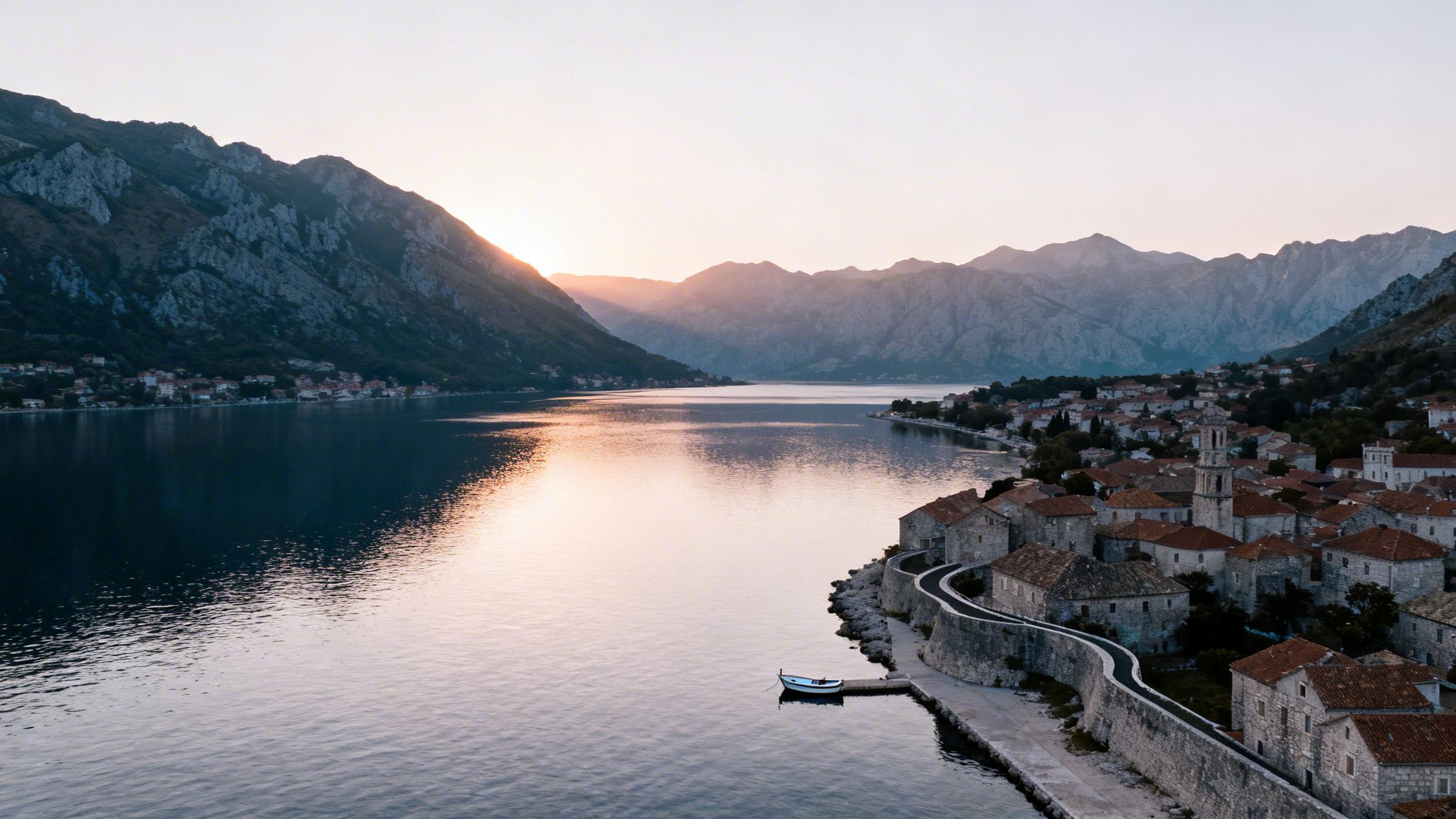
Kotor’s magic lies in its stunning setting and preserved Old Town, a UNESCO World Heritage site. You can spend your days exploring ancient churches and then hike up fortress walls for panoramic views that rival any in the Mediterranean. This combination of history, adventure, and affordability makes it a standout underrated travel destination.
Why It's an Underrated Gem
- Suits: History enthusiasts, photographers, hikers, and travelers looking for a more affordable alternative to Dubrovnik. Digital nomads appreciate its beauty and manageable cost of living.
- Cost: Affordable. A daily budget of $40-$60 USD is comfortable. A meal at a local konoba (tavern) is about $8-$15, while a dorm bed can be found for around $20.
- Best Time to Visit: April-May or September-October. You’ll enjoy sunny, pleasant weather perfect for hiking and sightseeing, while avoiding the summer heat and cruise-ship crowds of June through August.
Micro-Itinerary: A Taste of the Bay
- Day 1: Arrive in Kotor and get lost in the Old Town's maze-like streets. Hike the 1,355 steps up to the San Giovanni Fortress for a stunning sunset view over the bay.
- Day 2: Take a local bus to the picturesque village of Perast. From there, take a small boat to the iconic Our Lady of the Rocks, a man-made island with a beautiful church.
- Day 3: Explore more of the bay. Use the local blue-line bus to visit the quieter towns of Dobrota or Muo, or join a boat tour to see the Blue Cave and former submarine tunnels.
Pro-Tips for Your Kotor Getaway
- Stay Local: For better value and a more authentic vibe, consider staying in the nearby village of Dobrota. It’s a pleasant walk or a short bus ride from the Old Town.
- Hike Smart: Tackle the Kotor Fortress hike early in the morning to avoid the midday heat and the largest crowds. The sunrise light over the bay is unforgettable.
- Eat Away From the Squares: The best and most affordable food is often found in the smaller alleyways, away from the main tourist squares. Look for where locals are eating.
- Use the Bus: Local buses are a cheap and efficient way to explore other villages around the Bay of Kotor, like Perast and Tivat.
4. Oaxaca, Mexico: Cultural Depth Beyond Beach Tourism
Picture a city where vibrant colonial streets pulse with the spirit of ancient Zapotec and Mixtec cultures, where the air is scented with smoky mezcal and rich mole, and every corner reveals a colorful market or a stunning piece of artisan craft. This is Oaxaca, a UNESCO World Heritage city that offers a profound cultural experience far removed from Mexico's typical beach resorts. It’s a destination that engages all your senses, inviting you into a world of complex flavors, deep-rooted traditions, and breathtaking artistry.
Oaxaca delivers an authentic journey into the heart of Mexico, appealing to travelers who crave more than just a beautiful coastline. Here, you can wander through the monumental ruins of Monte Albán, learn the secrets of ancestral cuisine in a cooking class, and witness the meticulous creation of world-famous crafts. This makes Oaxaca a standout choice among underrated travel destinations for those seeking genuine connection and cultural immersion.
Why It's an Underrated Gem
- Suits: Foodies, cultural travelers, photographers, and history enthusiasts. Solo travelers will appreciate its welcoming and generally safe atmosphere.
- Cost: Affordable. A daily budget of $40-$60 USD is comfortable. A delicious street food meal can be under $5, while a sit-down dinner at a nice restaurant might cost $15-$25.
- Best Time to Visit: October-November for the spectacular Day of the Dead celebrations (book far in advance) or March-May for pleasant weather before the summer rains.
Micro-Itinerary: A Taste of Zapotec Culture
- Day 1: Arrive in Oaxaca City. Settle in and explore the Zócalo (main square) and the stunning Santo Domingo de Guzmán church. Spend the evening in the colorful Jalatlaco neighborhood.
- Day 2: Dive into Oaxacan cuisine. Start early at Mercado Benito Juárez, then take a market-to-table cooking class to learn how to prepare mole and other regional specialties.
- Day 3: Day trip to the ancient Zapotec capital, Monte Albán, for incredible panoramic views and history. In the afternoon, visit a local palenque (distillery) on the way back to the city for a mezcal tasting.
Pro-Tips for Your Oaxacan Adventure
- Stay Local: Book accommodation in the charming, less-touristy neighborhoods of Jalatlaco or Xochimilco for a more authentic and quiet atmosphere.
- Embrace Mezcal: Skip the tourist bars and visit a traditional cantina to sample mezcal. Ask locals for their recommendations for an authentic experience.
- Market Mornings: For the best produce and photography light, visit the bustling markets between 6 AM and 8 AM, before the crowds arrive.
- Go Guided: Hire local guides for archaeological sites and village tours. Their knowledge provides invaluable context that brings the rich history and culture to life.
Oaxaca’s blend of living history, world-class food, and vibrant artistic traditions makes it a truly special place. To find more places that offer such deep cultural rewards, check out these other off-the-beaten-path travel destinations for your next adventure.
5. Sintra, Portugal: Hilltop Palaces & Mystical Forests
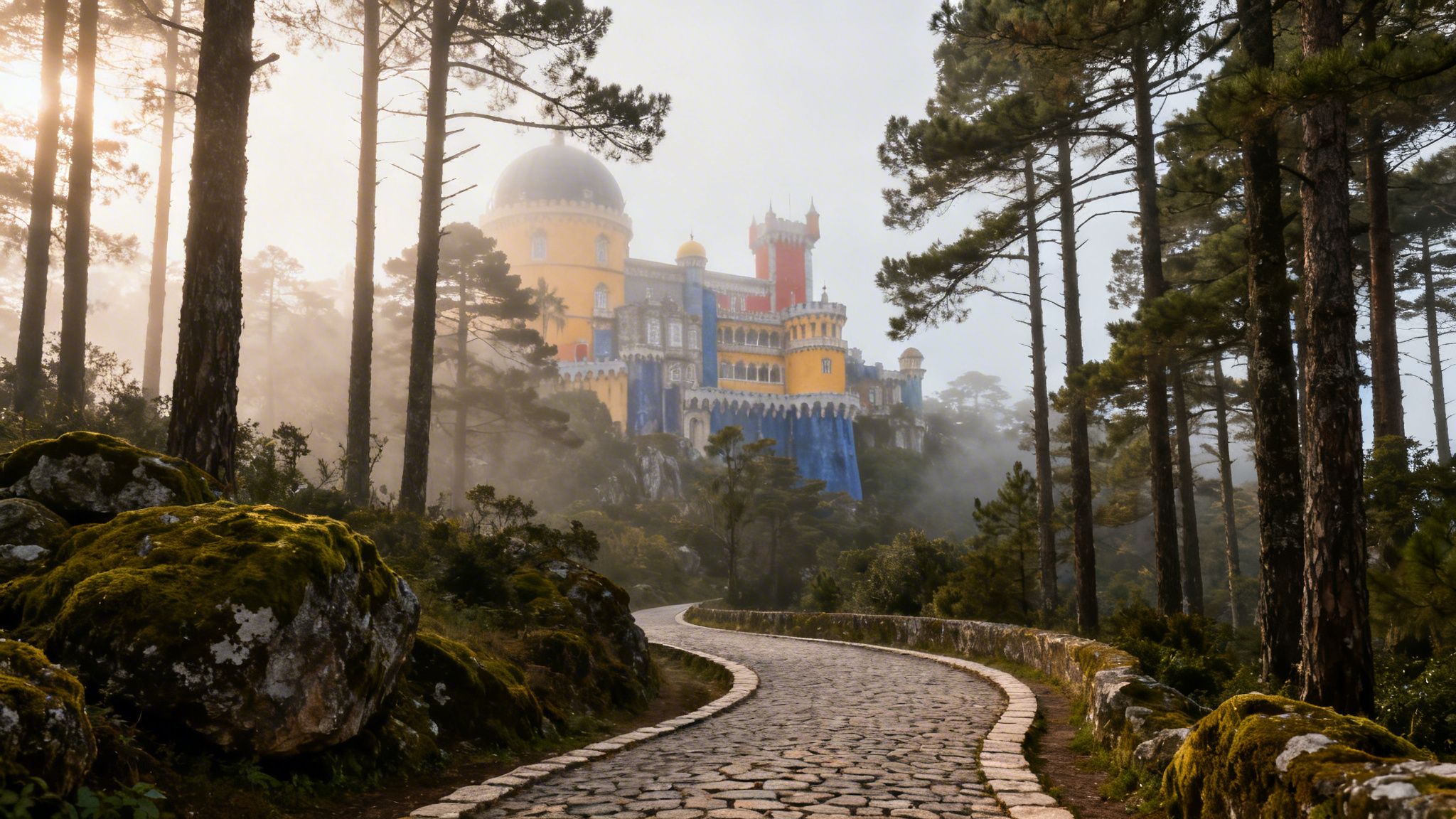
Step into a real-life fairytale in Sintra, a bewitching hill town just a short train ride from Lisbon. Here, whimsical palaces burst with color from forested peaks, ancient Moorish castle walls snake along ridges, and mystical gardens hide secret grottoes and initiation wells. While many know it as a day trip, its true magic is revealed to those who stay, making it one of Portugal’s most rewarding underrated travel destinations when experienced properly.
Sintra’s charm lies in its ethereal atmosphere, especially in the early mornings and quiet evenings when the fog rolls in and the day-tripping crowds have departed. Spending a few nights allows you to wander through its enchanting landscapes at a leisurely pace, discovering the soul of a place that has inspired fantasy authors and poets for centuries.
Why It's an Underrated Gem
- Suits: Romantics, photographers, hikers, and history enthusiasts. It’s perfect for travelers who want to immerse themselves in a magical setting beyond a quick checklist of sights.
- Cost: Mid-range. Plan for $70-$120 USD per day. Palace tickets can add up, but you can save by hiking and enjoying local pastelarias.
- Best Time to Visit: April-June or September-October. You’ll find pleasant weather for hiking and fewer people than in the summer high season. Booking accommodation in advance is still wise.
Micro-Itinerary: A Fairytale Escape
- Day 1: Arrive in Sintra and settle in. Spend the afternoon exploring the mysterious Quinta da Regaleira with its incredible Initiation Well, then wander through the charming historic center.
- Day 2: Beat the crowds with an early visit to the vibrant Pena Palace. In the afternoon, hike up to the ancient Moorish Castle for breathtaking panoramic views of the coastline.
- Day 3: Discover the lesser-known Monserrate Palace, with its exquisite gardens representing different continents, before heading back to Lisbon.
Pro-Tips for Your Sintra Sojourn
- Stay Overnight: To truly experience Sintra, stay at least two nights. The town transforms after 5 p.m. when the day-trippers leave, offering a peaceful, mystical ambiance.
- Hike Between Sites: Skip the crowded tourist buses. The walking paths between the historic center, Quinta da Regaleira, and the Moorish Castle are scenic and part of the adventure.
- Book Ahead: Purchase tickets for Pena Palace and other major sites online in advance to choose a time slot and avoid exceptionally long lines.
- Time Your Visits: Visit the most popular sites like Pena Palace either first thing in the morning or in the last two hours before closing to avoid the intense midday rush.
6. Cascais, Portugal: Coastal Villages & Dramatic Cliffs
Picture yourself breathing in the salty Atlantic air on a sun-drenched promenade, with golden beaches on one side and a charming historic town on the other. This is Cascais, a former fishing village turned elegant seaside resort just a stone's throw from Lisbon. It offers a more relaxed, authentic alternative to crowded city breaks, blending sophisticated charm with raw coastal beauty.
While many travelers flock to Lisbon or Sintra, Cascais remains one of Portugal's more underrated travel destinations, providing a perfect coastal retreat. Here, you can wander through cobbled streets, discover hidden coves, and witness the sheer power of the Atlantic crashing against dramatic cliffs at Cabo da Roca, the westernmost point of mainland Europe. It's an ideal base for exploring the region's diverse landscapes.
Why It's an Underrated Gem
- Suits: Solo travelers, couples, and photographers. It's perfect for those who want a mix of beach relaxation, outdoor activity, and easy access to major cultural sites like Sintra and Lisbon.
- Cost: Mid-range. Expect to spend $60-$90 USD per day. A delicious seafood meal can be found for $15-$25, while a train ticket from Lisbon is only about $5 for a round trip.
- Best Time to Visit: April-June or September-October. You'll enjoy warm, sunny weather ideal for beach-going and hiking, but with fewer tourists and more pleasant temperatures than the peak summer months.
Micro-Itinerary: A Taste of the Coast
- Day 1: Arrive in Cascais via train from Lisbon. Settle in and explore the historic town center, then walk along the paredão (seaside promenade) to the neighboring town of Estoril.
- Day 2: Rent a bike and cycle the coastal path to the wild and beautiful Guincho Beach. In the afternoon, take a bus to Cabo da Roca for a dramatic sunset over the Atlantic.
- Day 3: Take a short bus or taxi ride to explore the magical palaces of nearby Sintra. Return to Cascais for a farewell dinner at a traditional seafood restaurant in the old town.
Pro-Tips for Your Cascais Escape
- Getting Around: The train from Lisbon's Cais do Sodré station is the easiest and most scenic way to arrive. Once in Cascais, the town is very walkable, and free "Bicas" bikes are available to rent.
- Combine and Conquer: Use Cascais as your base. It's less crowded and often more affordable than Sintra, but the famous palaces are just a short bus ride away.
- Explore Further: Don't miss the picturesque village of Azenhas do Mar, perched precariously on a cliffside just north of Cascais. It’s a photographer’s dream.
- Boca do Inferno: Walk from the marina to this stunning cliff formation, aptly named "Hell's Mouth," to watch the waves crash into a sea arch.
7. Krakow, Poland: Medieval Magic and Cultural Richness
Step into a city that feels like a real-life fairytale, where a perfectly preserved medieval core exists alongside poignant history and a dynamic modern energy. Krakow, often compared to Prague but with its own distinct soul, is a treasure trove of culture and architectural splendor. From the grandeur of Wawel Castle overlooking the Vistula River to the vibrant, cobblestoned streets of the Old Town, the city offers a journey through a thousand years of Polish history without the overwhelming crowds or costs of its more famous counterparts.
Krakow provides a deeply moving and enriching travel experience. You can spend your morning walking through the solemn grounds of Auschwitz-Birkenau, confronting one of history’s darkest chapters, and by evening, find yourself amidst the lively, artistic atmosphere of the Kazimierz district. This powerful blend of reflection and celebration makes Krakow a truly profound and underrated travel destination.
Why It's an Underrated Gem
- Suits: History buffs, cultural explorers, and budget-conscious travelers. Solo female travelers will appreciate its reputation for safety, while foodies can feast on hearty Polish cuisine.
- Cost: Very budget-friendly. A daily budget of $40-$60 USD is comfortable. A meal at a traditional bar mleczny (milk bar) can cost as little as $5-$8, and a hostel bed is around $20.
- Best Time to Visit: April-May or September-October. These shoulder months provide mild weather, beautiful spring blooms or autumn colors, and fewer tourists than the busy summer season.
Micro-Itinerary: A Journey Through Time
- Day 1: Arrive and explore the Main Market Square (Rynek Główny), one of Europe’s largest medieval squares. Visit St. Mary's Basilica and climb the Town Hall Tower for panoramic city views.
- Day 2: Take a guided educational tour of the Auschwitz-Birkenau Memorial and Museum. In the afternoon, explore the former Jewish quarter, Kazimierz, now a bohemian hub of galleries, cafes, and synagogues.
- Day 3: Discover Wawel Royal Castle and Cathedral in the morning. Later, descend into the Wieliczka Salt Mine, a stunning subterranean world of chapels and sculptures carved from salt.
Pro-Tips for Your Krakow Exploration
- Stay Local: Book accommodation in the Kazimierz district for an authentic vibe, with easy access to unique restaurants and nightlife away from the main tourist throngs.
- Eat Smart: For an authentic and incredibly cheap meal, seek out a bar mleczny (milk bar). These subsidized canteens serve traditional Polish food like pierogi and zurek.
- Book Tours Wisely: When visiting Auschwitz, choose a reputable educational operator. A knowledgeable guide is essential for understanding the site’s historical context and significance.
- Cash and Card: While cards are widely accepted, having some Polish Złoty (PLN) in cash is useful for smaller shops, market stalls, and tipping.
8. Chiang Mai, Thailand: Digital Nomad Haven & Cultural Immersion
Step beyond the bustling energy of Bangkok and discover a city where misty mountains meet golden temples and a gentle, creative spirit thrives. Chiang Mai, the "Rose of the North," is more than just a tourist stop; it’s a destination for deep cultural immersion. While popular, its true magic lies beyond the surface, offering a unique blend of ancient Lanna Kingdom traditions, modern artisan culture, and a supportive infrastructure that makes it one of the world's most beloved underrated travel destinations for a longer, more meaningful stay.
This city invites you to slow down. Here, you can learn the art of Thai cooking, meditate with monks at sunrise, and explore a landscape dotted with over 300 temples, all while enjoying an incredibly low cost of living. It's a place that rewards those who linger, revealing its layers of authenticity day by day.
Why It's an Underrated Gem
- Suits: Digital nomads, wellness seekers, solo female travelers, and foodies. It’s perfect for anyone wanting to immerse themselves in a new culture without sacrificing modern conveniences.
- Cost: Very budget-friendly. Expect to spend $40-$60 USD per day for a comfortable experience. A delicious street food meal can be found for $2-$4, and a monthly apartment rental can be as low as $300.
- Best Time to Visit: November-February. This is the cool, dry season with pleasant temperatures and clear skies, ideal for exploring the city and surrounding nature.
Micro-Itinerary: A Taste of Northern Thailand
- Day 1: Arrive in Chiang Mai. Settle into the Old City and explore its ancient walls and moat. Visit Wat Chedi Luang at dusk and wander through the vibrant Night Bazaar.
- Day 2: Rise early to visit Doi Suthep, the iconic temple overlooking the city from its mountain perch. In the afternoon, visit an ethical elephant sanctuary (research thoroughly to ensure no riding is involved).
- Day 3: Take a Thai cooking class to learn the secrets of local cuisine. In the evening, explore the trendy Nimman area, known for its chic cafes, boutiques, and art galleries.
Pro-Tips for Your Chiang Mai Adventure
- Stay Longer: To truly integrate, consider a stay of one month or more. This unlocks better rates on accommodation and gives you time to join local communities.
- Get Around Smartly: Use the Grab app (Southeast Asia's Uber) for convenient, fixed-price rides. For shorter trips, negotiate tuk-tuk fares before you get in.
- Hire a Driver: For day trips to places like Doi Inthanon National Park or nearby craft villages, hiring a private driver for the day ($30–$50) is affordable and efficient.
- Temple Etiquette: Visit temples in the early morning for a quieter, more spiritual experience. Remember to dress modestly, covering shoulders and knees.
- Learn the Language: Taking a basic Thai language class will deepen your connection with locals and make daily interactions more rewarding.
Chiang Mai’s welcoming atmosphere and rich culture have made it a top choice for remote workers. If this lifestyle appeals to you, you can explore other great locations on this list of the best countries for digital nomads.
9. Quito, Ecuador: High-Andean Colonial Capital
Perched high in the Andean mountains at an elevation of 2,850 meters (9,350 feet), Quito is a city of stunning contrasts. Its beautifully preserved UNESCO World Heritage historic center, one of the largest and best-preserved in the Americas, is a maze of cobblestone streets, grand colonial plazas, and ornate baroque churches. Look up, and the city’s colonial charm gives way to dramatic volcanic peaks, including the ever-present Pichincha.
Quito offers a captivating introduction to South America that is often overshadowed by other regional capitals. It serves as an affordable and accessible gateway to Ecuador's immense biodiversity and highland culture. Here, you can stand with one foot in each hemisphere at the "Middle of the World," ride a cable car up a volcano for breathtaking views, and then immerse yourself in a thriving arts and culinary scene, all in one incredible city.
Why It's an Underrated Gem
- Suits: Culture vultures, budget backpackers, and urban explorers. Photographers will be captivated by the blend of colonial architecture and Andean backdrops.
- Cost: Very affordable. Plan on a budget of $25-$45 USD per day. A full almuerzo (set lunch) can be found for $3-$5, and a dorm bed often costs around $10-$15.
- Best Time to Visit: June to September. This is the dry season, offering clearer skies and more sunshine, ideal for exploring the city and surrounding mountains.
Micro-Itinerary: A Taste of the High Andes
- Day 1: Arrive and acclimatize. Gently explore the Mariscal Sucre neighborhood, then head to Plaza Foch in the evening for dinner and a feel for the city's modern side.
- Day 2: Discover the Old Town. Visit the Basílica del Voto Nacional, Plaza Grande, and the stunning interior of the Church of the Society of Jesus (La Compañía de Jesús).
- Day 3: Ascend the TelefériQo cable car up the slopes of Pichincha Volcano for panoramic city views. In the afternoon, explore the bohemian La Floresta neighborhood, known for its vibrant street art and trendy cafés.
Pro-Tips for Your Quito Adventure
- Acclimatize Slowly: The high altitude is no joke. Give your body 1-2 days to adjust before attempting strenuous activities like hiking. Drink plenty of water and coca tea.
- Use Local Operators: For day trips to places like Cotopaxi or Mindo Cloud Forest, booking with local tour companies in the city is often cheaper than booking online in advance.
- Dress in Layers: Andean weather is famously unpredictable. A sunny morning can turn into a cool, rainy afternoon in minutes. Always carry a light jacket or fleece.
- Stay Safe: Be mindful of your belongings, especially in crowded areas and on public transport. Use registered taxis or ride-sharing apps like Uber or Cabify at night.
10. Otavalo, Ecuador: Indigenous Markets & Andean Textiles
Step into a world woven with color, tradition, and vibrant commerce in Otavalo, a town nestled in the Andean highlands of Ecuador. This destination is home to one of South America's largest and most famous indigenous markets, a sprawling spectacle where the rich cultural heritage of the Otavaleño people comes alive. More than just a place to shop, it's a profound cultural immersion, offering a direct connection to artisans whose skills have been passed down through generations.

Otavalo provides a sensory feast, from the intricate patterns of handwoven textiles and tagua nut jewelry to the sounds of traditional Andean music. While the market draws visitors, the surrounding landscape of volcanic peaks and crater lakes makes it a complete, and often overlooked, travel experience. This is one of those truly underrated travel destinations that combines cultural depth with breathtaking natural scenery.
Why It's an Underrated Gem
- Suits: Cultural travelers, ethical shoppers, photographers, and anyone seeking authentic human connection. It's fantastic for budget travelers and those interested in traditional crafts.
- Cost: Very budget-friendly. Expect to spend $25-$40 USD per day. A full meal (almuerzo) can be found for $3-$5, and a stay in a local guesthouse is around $15-$25.
- Best Time to Visit: June to September. These are the driest months, offering clear skies for exploring the surrounding mountains. The main market day is Saturday, but a smaller market runs daily.
Micro-Itinerary: A Taste of Andean Culture
- Day 1: Arrive in Otavalo. Explore Plaza de Ponchos, the heart of the market, and practice your bargaining skills. In the afternoon, hike to the El Lechero viewpoint for a panoramic look at the town and Imbabura Volcano.
- Day 2: Visit the Condor Park, a rescue center for birds of prey. Later, take a short bus ride to the stunning Cuicocha crater lake for a boat tour or a hike around its rim.
- Day 3: Venture to the Peguche Waterfall, a sacred site for the local community. Consider a visit to a nearby artisan's home to see the weaving process up close before you depart.
Pro-Tips for Your Otavalo Adventure
- Market Strategy: For the full experience, arrive on Friday to see the animal market early Saturday morning before the main tourist crowds descend on Plaza de Ponchos.
- Stay Local: Consider an overnight homestay with an indigenous family. This is an incredible opportunity to learn about the weaving process and share in daily life.
- Learn the Lingo: A few words in Spanish ("Cuánto cuesta?" - How much is it?) or the local Quichua ("Yusulpayki" - Thank you) will be greatly appreciated.
- Buy Direct: Whenever possible, buy directly from the artisans who made the items. This ensures your money supports the local community and helps preserve their craft.
Otavalo is far more than a market; it's a gateway to understanding Andean life. For more inspiration on building connections while you travel, check out these ideas for authentic travel experiences that go beyond the surface.
10 Underrated Travel Destinations Compared
| Destination | 🔄 Planning Complexity | ⚡ Budget & Resources | 📊 Expected Experience / Outcomes | 💡 Ideal For | ⭐ Key Advantages |
|---|---|---|---|---|---|
| Albania: The Adriatic's Best-Kept Secret | Moderate — developing infrastructure outside cities, some logistics for rural areas | Very low — meals $2–8; hostels $10–20; cheap intercity minibuses | Authentic coastal scenery, ancient ruins, hiking, low tourist density | Budget travelers, hikers, authentic-culture seekers | ⭐ Exceptional value and uncrowded Adriatic coast |
| Georgia (country) | Moderate — good urban infrastructure; mountain access requires planning | Very low — cheap transport and food; affordable guesthouses | Wine regions, Caucasus trekking, vibrant Tbilisi culture | Foodies, hikers, wine tourists, digital nomads | ⭐ Deep wine heritage + dramatic mountain landscapes |
| Kotor, Montenegro | Low — compact town, easy navigation but steep streets | Low — Euro prices but cheaper than nearby Croatian hotspots | Medieval old town, fjord-like bay views, short hikes | Photographers, couples, day-trippers from the coast | ⭐ Stunning bay scenery with well-preserved Venetian architecture |
| Oaxaca, Mexico | Moderate — festival/tour planning required (Day of the Dead) | Low — meals $2–5; affordable accommodations | Rich indigenous culture, world-class regional cuisine, crafts | Culinary travelers, cultural-heritage seekers, craft buyers | ⭐ Exceptional gastronomy and living indigenous traditions |
| Sintra, Portugal | Low — short train from Lisbon; multi-night stay recommended | Moderate — Euro area prices for stays and attractions | Fairytale palaces, mystical forests, good short hikes | Short multi-night stays, photographers, architecture fans | ⭐ UNESCO cultural landscape with unique, photogenic palaces |
| Cascais, Portugal | Low — easy rail access, straightforward day trips | Moderate — coastal/Euro costs vary by season | Relaxed seaside ambiance, dramatic cliffs, coastal walks | Beach lovers, scenic day-trippers, combined Sintra visits | ⭐ Scenic cliffs (Cabo da Roca) and charming fishing-village feel |
| Krakow, Poland | Low — compact, efficient public transport | Very low — hostels $10–18; cheap dining and cultural sites | Preserved medieval core, WWII history, lively cultural scene | History buffs, budget city travelers, nightlife seekers | ⭐ Rich historical sites and excellent value for money |
| Chiang Mai, Thailand | Moderate — visa/season planning for long stays; local transport options | Very low for long stays — housing $300–600/month; cheap food | Temple culture, markets, wellness, strong nomad community | Digital nomads, long-stay cultural immersion, wellness seekers | ⭐ Established nomad infrastructure and affordability |
| Quito, Ecuador | Moderate — altitude acclimatization advised; compact logistics | Low — accommodation $10–20; cheap meals | Baroque colonial center, gateway to Andean ecosystems | Highland explorers, cultural travelers, base for nature trips | ⭐ UNESCO Old Town with quick access to diverse Andean sites |
| Otavalo, Ecuador | Low — reachable by road from Quito; timing important for markets | Low — affordable market purchases and nearby stays | Large indigenous market, textiles, direct artisan interactions | Craft shoppers, ethnography-minded travelers, day-trippers | ⭐ One of South America's largest indigenous textile markets |
Your Journey Starts Here: How to Choose Your Own Hidden Gem
As we've journeyed from the sun-drenched coast of Albania to the vibrant markets of Otavalo, a clear pattern emerges. The world’s most rewarding adventures often lie just beyond the spotlight, in places that offer genuine connection over crowded queues. These ten underrated travel destinations are more than just a list; they are a testament to the idea that meaningful travel is not about ticking off landmarks, but about immersing yourself in the rhythm of a place.
Whether it’s the affordable, soulful charm of Krakow or the dramatic coastal beauty of Cascais, each location proves that incredible experiences don’t require a massive budget or a well-worn tourist trail. They simply require a bit of curiosity and the courage to step away from the obvious. The real value in seeking out these hidden gems is the personal discovery that comes with it. You find not only a new place but a new perspective, a deeper appreciation for local culture, and a more authentic connection to the world around you.
Turning Inspiration into Your Next Adventure
Feeling inspired is the first step, but turning that feeling into a concrete plan is where the real journey begins. How do you go from dreaming about Georgia's mountain monasteries to actually standing in one? It starts with aligning your personal travel style with the right destination.
Use the insights from this article as your framework. Ask yourself the important questions:
- What is my core motivation? Am I seeking solitude and nature like that found in Sintra's mystical forests, or am I craving the cultural buzz of a city like Oaxaca?
- What are my practical constraints? Consider your budget and timeline. Destinations like Chiang Mai and Quito offer incredible value, making a longer, more immersive trip possible even for budget-conscious travelers.
- Who am I as a traveler? A solo female traveler might prioritize the safety and welcoming atmosphere of a place like Kotor, while a photographer will be drawn to the visual feast of Ecuador's Andean landscapes.
By answering these questions honestly, you can narrow down the world of possibilities to the one perfect, underrated travel destination that is calling your name.
The Art of Finding Your Own Underrated Destination
This list is a launchpad, not a limit. The true spirit of exploring underrated travel destinations is developing the skill to find your own. The next great hidden gem might not be on any list yet, and that’s the most exciting part. Here’s how you can start your own search:
- Look at the ‘Second Cities’: Instead of the capital, explore a country's second or third-largest city. These are often cultural hubs with fewer crowds and lower costs. Think of Krakow in Poland versus Warsaw, or Guayaquil in Ecuador versus Quito.
- Follow the Food: Cuisines can lead you to incredible, off-the-beaten-path regions. Research local food blogs or culinary travel shows to discover regions celebrated for their unique gastronomy, which often points to areas rich in culture but low in tourist traffic.
- Explore the Edges of Popular Regions: If everyone is going to the Amalfi Coast, look just a bit further south in Italy or across the sea to Albania. If the Greek Islands are packed, consider the less-visited islands or the stunning coastline of Montenegro.
Your most memorable trip won't be one you read about in every travel magazine. It will be the one you discovered, planned, and experienced on your own terms, creating a story that is uniquely yours.
Ultimately, the goal is to travel more thoughtfully. It’s about choosing places where your visit can have a positive impact, supporting local economies, and engaging with cultures in a respectful way. These underrated travel destinations aren't just alternatives; they are opportunities for a richer, more sustainable, and profoundly more personal way of seeing the world. Your next great adventure is waiting, not on a postcard, but just around the corner from the expected. The only question left is: where will you go first?
Ready to turn these ideas into your next itinerary? At Travel Talk Today, we specialize in providing the guides, tools, and community support to help you discover and book your perfect off-the-beaten-path adventure. Explore our detailed destination guides and practical booking resources at Travel Talk Today to start planning a trip that goes beyond the ordinary.