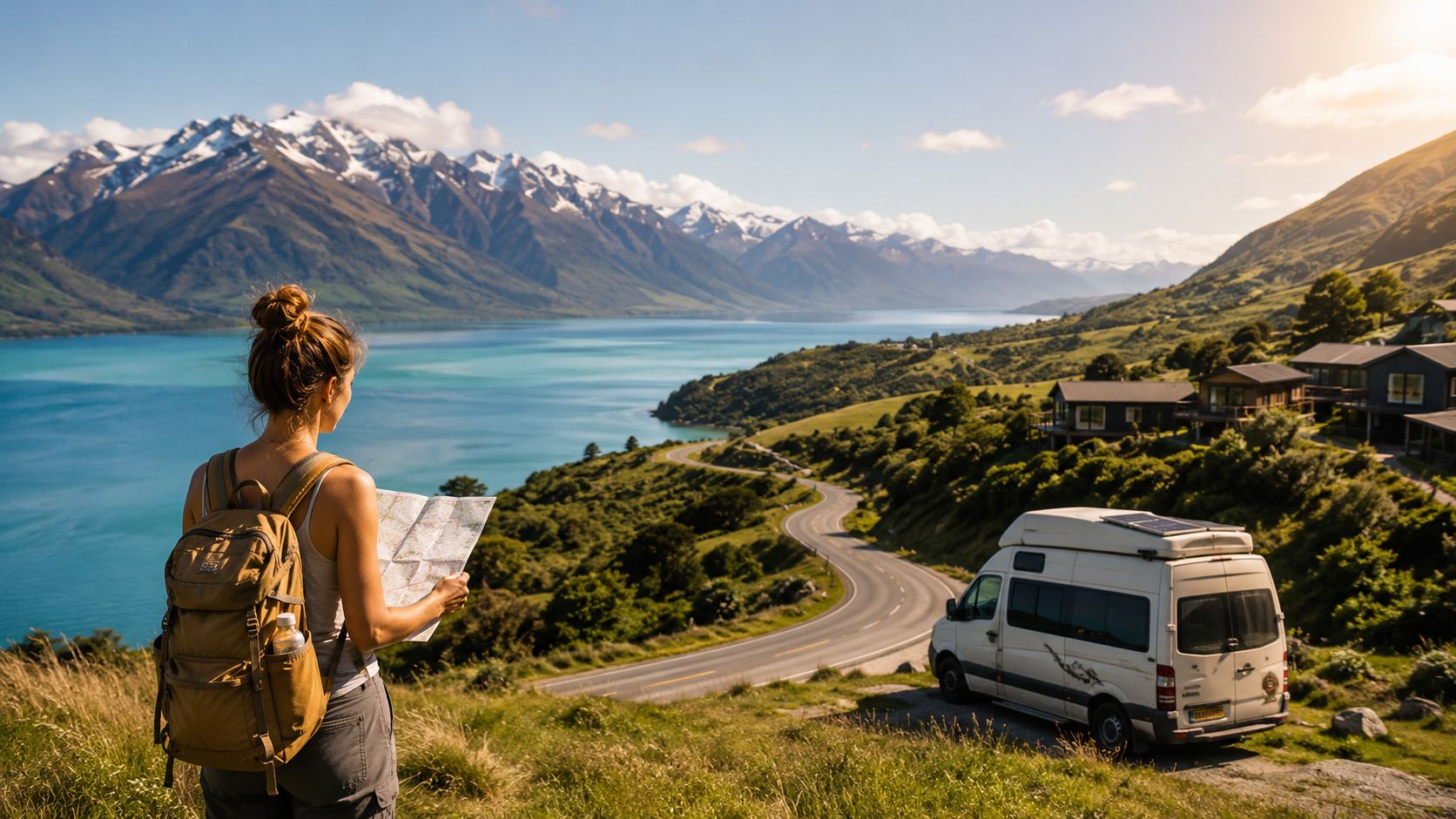
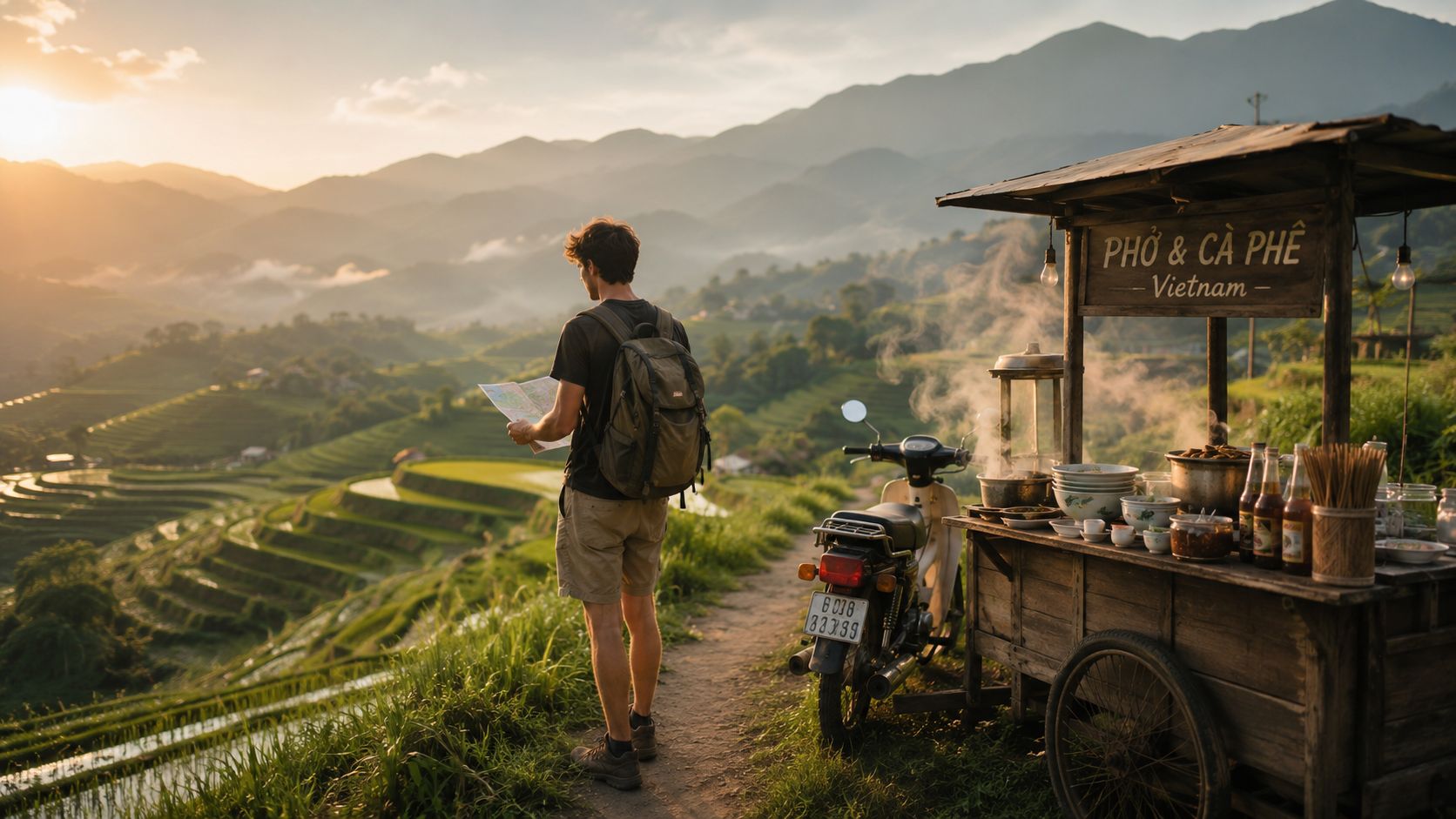
Are you tired of tourist-packed squares and experiences that feel more manufactured than magical? There's a magnetic pull towards the world's quieter corners, a yearning for travel that feels authentic, personal, and profoundly real. It’s about more than just escaping the crowds; it's about finding connection, challenging your perspective, and creating stories that are uniquely yours. This is the heart of exploring off beaten path travel destinations-places that reward curiosity with moments of genuine wonder.
This guide is your practical roadmap to stepping away from the familiar. We’ve curated a list of ten incredible destinations, from the alien landscapes of Socotra to the stone-paved streets of Gjirokastër, that offer something truly different. Forget vague suggestions and surface-level tips. For each location, you will find concrete, actionable details designed for the conscious traveler.
Inside, you’ll discover:
- Actionable budgets for budget-conscious explorers.
- Low-impact transport options to minimize your footprint.
- Safety guidance specifically for solo and female travelers.
- Ethical considerations to ensure your visit is a positive one.
- Short itineraries to help you make the most of your time.
- Community-based experiences for meaningful local engagement.
This isn’t just a list; it's a launchpad for your next great adventure. It’s for those who believe travel can be a force for good, both for the traveler and the destination. Let's move beyond the checklist and discover places that don't just host you but change you. Your journey into the heart of the world starts now.
1. Socotra, Yemen
For those who believe they’ve seen all the wonders our planet has to offer, Socotra is a breathtaking revelation. This isolated Yemeni archipelago, a UNESCO World Heritage Site in the Indian Ocean, feels less like a travel destination and more like a journey to another world. Its otherworldly landscapes, dominated by the iconic and endemic dragon's blood trees, look like a scene from a science-fiction film, earning it the nickname "the Galápagos of the Indian Ocean."
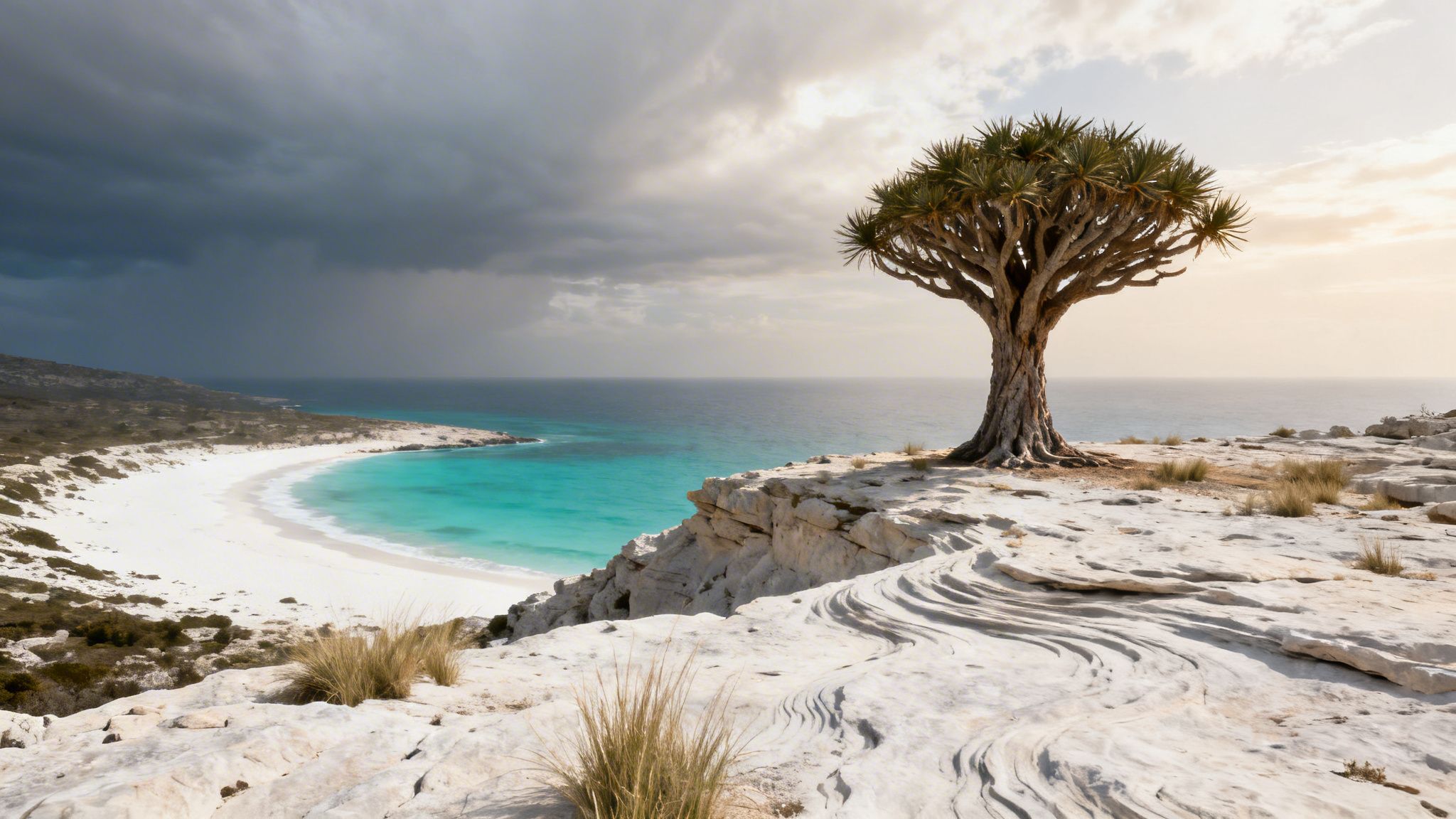
Socotra's magic lies in its profound isolation, which has preserved not only its unique biodiversity but also a distinct Socotri culture and language. This isn't a destination for luxury resorts; it’s an invitation to disconnect completely. You'll camp on untouched beaches under a canopy of stars, swim in crystal-clear wadis, and connect with local communities on a profound level. For those seeking a truly transformative journey, exploring Socotra offers a rare chance to witness a world untouched by mass tourism, providing some of the most authentic travel experiences imaginable.
Your Socotra Blueprint
Getting to Socotra requires careful planning, but the rewards are immeasurable.
- Best Time to Visit: The dry season, from October to April, offers the most pleasant weather and accessibility to all parts of the island.
- Getting There: The most reliable way is via a weekly direct flight from Abu Dhabi, UAE. All travel must be arranged through a licensed tour company, which will handle your visa and flight bookings.
- Budget: Plan for $100-150 USD per day. This typically covers your all-inclusive tour package, including a guide, 4x4 transport, meals, and camping equipment.
- Safety & Solo Travel: Due to the complex logistics, independent travel is not feasible. Reputable tour operators provide a safe and structured environment, making it a viable option for solo travelers, including women, who are part of an organized group. Always register your travel plans with your home country's embassy.
- Ethical Consideration: Choose a locally-owned tour company. This ensures your money directly supports the Socotri community and contributes to the preservation of their unique environment. Bring a reusable water bottle to minimize plastic waste on this fragile island.
2. Palau
For divers, ecologists, and adventurers seeking a Pacific paradise untouched by mass tourism, Palau is a pristine dream realized. This island nation, an archipelago of hundreds of jungle-clad limestone and volcanic islands, is a world leader in marine conservation. It offers some of the planet's most spectacular diving and snorkeling, where vibrant coral gardens, sharks, and manta rays thrive in protected waters. Palau is not just a destination; it's a living sanctuary.
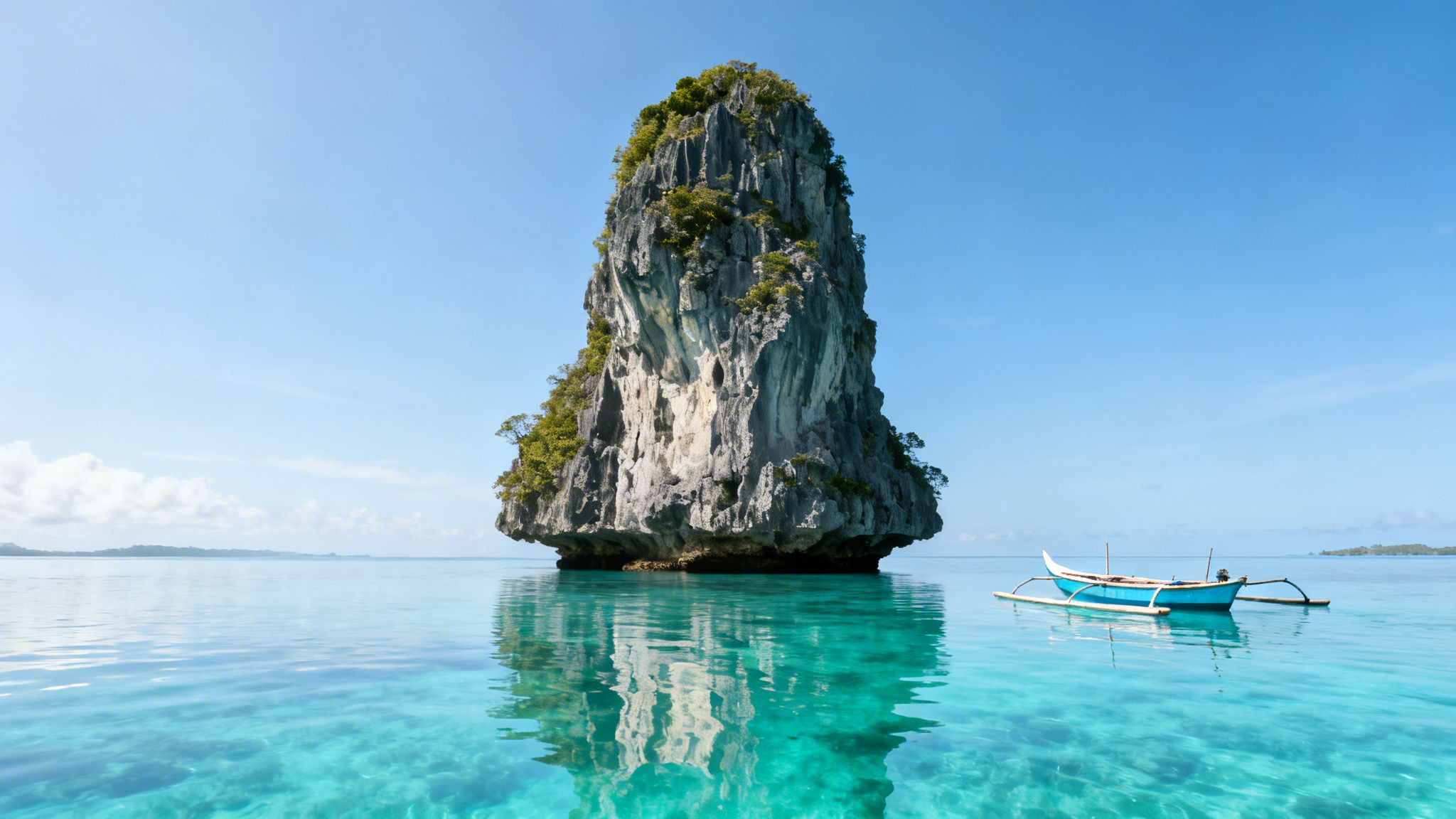
Palau’s commitment to its environment is its defining feature. Upon arrival, visitors must sign the "Palau Pledge," a promise stamped into their passports to act as a steward of the island’s delicate ecosystems. This commitment to what is sustainable travel shapes the entire experience. Instead of sprawling resorts, you’ll find intimate guesthouses and a deep connection to Micronesian culture. Exploring its famous Rock Islands or the surreal Jellyfish Lake offers a chance to see nature in its purest form, making it one of the most rewarding off beaten path travel destinations in the world.
Your Palau Blueprint
Thoughtful planning is key to experiencing Palau's natural wonders responsibly and affordably.
- Best Time to Visit: The dry season, from November to May, provides the best weather and optimal diving conditions with excellent visibility.
- Getting There: Most travelers fly into Roman Tmetuchl International Airport (ROR) in Koror via Manila (Philippines) or Seoul (South Korea), which often offer better pricing.
- Budget: Plan for $200-300 USD per day for a comfortable trip with regular diving. A budget-conscious traveler can manage on $100-150 USD by staying in guesthouses, self-catering, and snorkeling from shore. Booking dive packages in advance can secure better rates.
- Safety & Solo Travel: Palau is very safe, and solo travelers, including women, will feel comfortable. Joining group diving tours is an excellent way to meet people and ensure safety on the water. Renting a scooter ($20-30 USD/day) is a fun and economical way to explore Koror.
- Ethical Consideration: You are required to pay for a Rock Islands/Jellyfish Lake permit ($100 USD, valid for 10 days). This fee directly funds conservation efforts. Choose dive shops and tour operators with strong eco-credentials to support Palau's pioneering marine protection work.
3. Kotor, Montenegro
While the Adriatic coast conjures images of crowded Italian rivieras or bustling Croatian ports, Kotor, Montenegro remains a captivating secret whispered among seasoned travelers. Tucked away in a dramatic, fjord-like bay, this medieval walled city is a UNESCO World Heritage site that offers the grandeur of European history without the overwhelming crowds or price tags. Its labyrinthine stone alleys, ancient fortifications, and stunning bay views make it one of the most remarkable off beaten path travel destinations in the Balkans.
Kotor's appeal lies in its perfect blend of preserved history and natural splendor. You can spend your mornings getting lost in the Old Town, discovering hidden piazzas and dining at family-run konobas, and your afternoons hiking to ancient fortresses for panoramic views of the bay. It’s an ideal base for both budget backpackers and slow travelers looking to explore the Adriatic coast on their own terms. For those seeking authentic Mediterranean charm, Kotor is one of the most rewarding hidden gems in Europe you can find.
Your Kotor Blueprint
Navigating this Montenegrin marvel is simple, making it perfect for independent adventurers.
- Best Time to Visit: The shoulder seasons of May-June and September-October provide perfect weather for hiking and swimming, with significantly fewer tourists than the summer peak.
- Getting There: Fly into Tivat (TIV) or Podgorica (TGD) and take a local bus. Kotor is also a popular stop on Balkans bus routes, easily reachable from Dubrovnik, Croatia, or Shkodër, Albania.
- Budget: A daily budget of $40-60 USD is very achievable. This covers a guesthouse in the Old Town, meals at local restaurants, and activities.
- Safety & Solo Travel: Kotor is exceptionally safe, making it a fantastic destination for solo travelers, including women. The compact Old Town is easy to navigate, and locals are welcoming. Use it as a base for week-long explorations of the surrounding coast and mountains.
- Ethical Consideration: Stay in locally-owned guesthouses or apartments instead of large hotels to ensure your money benefits the community directly. Eat at konobas (traditional taverns) to support local families and sample authentic Montenegrin cuisine. Hike the Ladder of Kotor trail instead of driving to reduce your carbon footprint.
4. Chefchaouen, Morocco
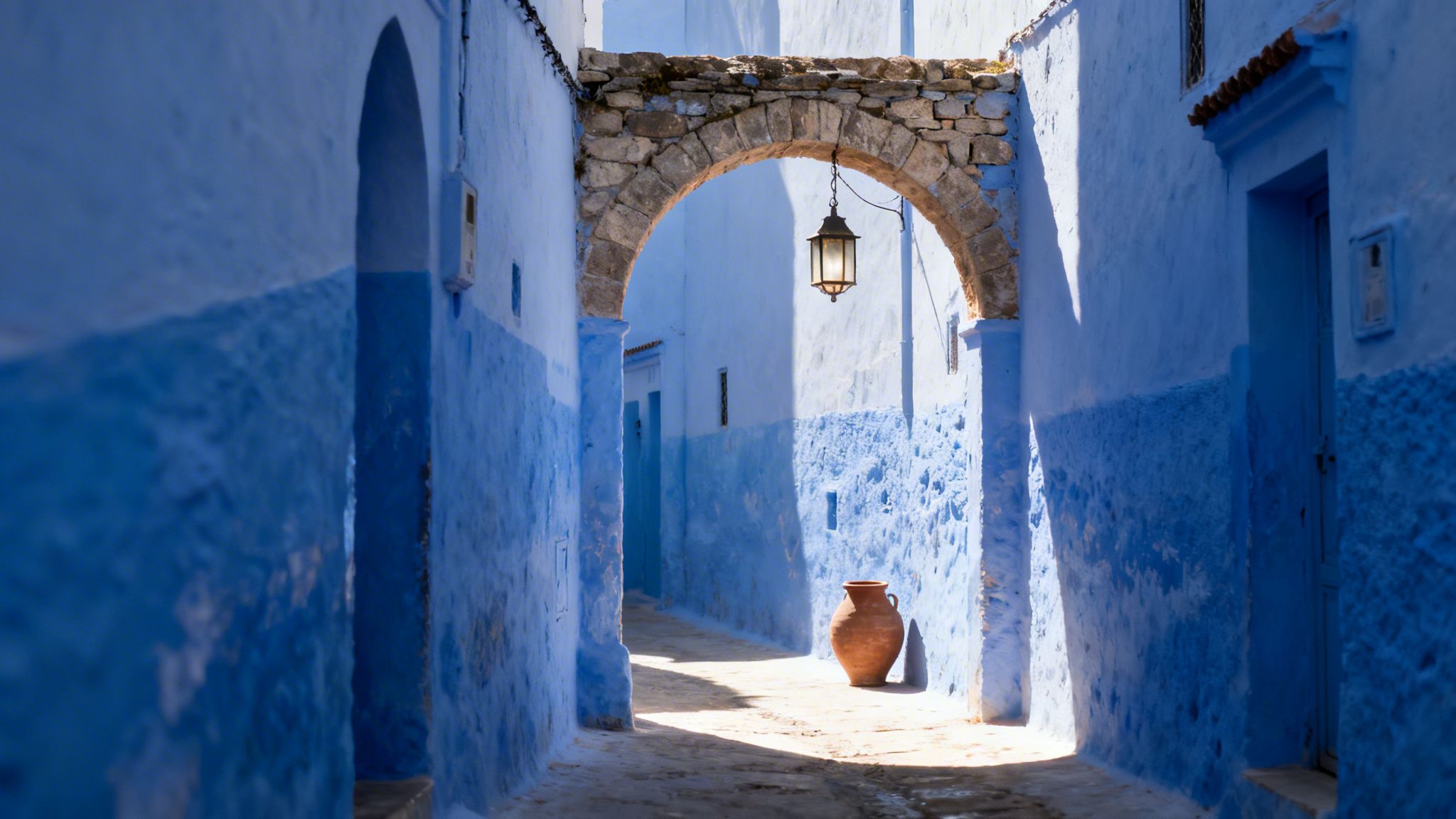
Tucked away in Morocco's Rif Mountains, Chefchaouen is a dreamscape painted in countless shades of blue. This mystical "Blue Pearl" offers a slower, more bohemian alternative to the frenetic energy of Marrakech or Fes. Its narrow, winding medina, with its azure-washed walls and doorways, creates a tranquil atmosphere that feels worlds away from the ordinary. While its photogenic streets have gained popularity, Chefchaouen maintains its soul as an authentic mountain town and remains one of the more unique off beaten path travel destinations.
Chefchaouen’s appeal is its enchanting simplicity and accessibility. It serves as a perfect base for hikers wanting to explore the surrounding mountains and waterfalls, and a haven for budget travelers seeking culture without the chaos. Photographers spend hours capturing the medina during the golden hour, while slow travelers settle into local life. It's a place to get lost in alleys, sip mint tea in a quiet square, and connect with the laid-back rhythm of northern Morocco. This isn’t just a city; it’s a mood.
Your Chefchaouen Blueprint
Navigating the Blue Pearl is straightforward, making it an excellent introduction to Moroccan travel.
- Best Time to Visit: Visit during the shoulder seasons, from September to November or March to May. You'll find pleasant weather and fewer crowds than in the summer peak.
- Getting There: The most common route is by bus from major cities like Fes (4 hours) or Tangier (3 hours). For a more local experience, shared "grand taxis" are also available.
- Budget: Plan for $25-40 USD per day. This covers a hostel dorm or budget riad, street food, and local activities. Meals at small, local restaurants can be found for just $2-3 USD.
- Safety & Solo Travel: Chefchaouen is considered very safe for travelers, including solo women. The compact medina is easy to navigate, and the local community is generally welcoming. Staying in hostels is a great way to meet fellow travelers and join group hikes.
- Ethical Consideration: To counter over-tourism, wake up early to explore the medina when it’s quietest, allowing local life to unfold without disruption. Eat at family-run restaurants and purchase crafts directly from artisans. Always ask for permission before taking close-up photos of people or their homes.
5. Koh Rong, Cambodia
While Southeast Asia’s islands are famous, Koh Rong in Cambodia remains a refreshingly raw and authentic alternative to its more commercialized neighbors. This jungle-clad jewel offers a vision of what Thai islands were like decades ago: a laid-back paradise of pristine white-sand beaches, turquoise waters, and a gentle pace of life. Free from high-rise resorts and chain stores, Koh Rong is one of those rare off beaten path travel destinations where you can still find your own slice of heaven.
The island's charm lies in its simplicity and connection to nature. Days are spent swinging in a hammock, exploring vibrant coral reefs just offshore, and hiking through dense jungle to discover hidden coves. The nights are just as magical, with beachfront bonfires and the chance to swim with bioluminescent plankton that illuminates the water. For travelers seeking a genuine escape, Koh Rong provides an opportunity to disconnect from the noise and reconnect with the simple joys of island life, making it a key stop on any authentic Southeast Asian adventure. For more guidance on organizing this type of journey, see our advice on how to plan a backpacking trip.
Your Koh Rong Blueprint
Embracing this Cambodian paradise is straightforward and budget-friendly, making it a backpacker's dream.
- Best Time to Visit: The dry season from November to April is ideal, offering sunny days, calm seas, and perfect conditions for snorkeling and diving.
- Getting There: Take a high-speed ferry from the Ochheuteal (Serendipity) pier in Sihanoukville. The journey takes about 45 minutes to an hour, with tickets costing around $15 USD for a round trip.
- Budget: Plan for $25-40 USD per day. This covers a beach bungalow or guesthouse, delicious local seafood meals, and activities like snorkeling or island-hopping tours.
- Safety & Solo Travel: Koh Rong is generally very safe for travelers, including solo women. The main tourist areas like Koh Toch are well-populated, and the community is welcoming. Sticking to established guesthouses and joining group boat tours are great ways to meet other travelers.
- Ethical Consideration: Support the local economy by staying in family-owned bungalows and eating at small beachfront restaurants. Choose tour operators that are part of the local community and participate in a beach clean-up if the opportunity arises to help preserve the island's natural beauty.
6. Gjirokastër, Albania
Often called the "City of Stone," Gjirokastër is one of Europe's most captivating and underrated cultural gems. This UNESCO World Heritage Site in southern Albania presents a dramatic townscape, with distinctive Ottoman-era stone houses cascading down a steep hillside under the watch of a formidable fortress. For travelers searching for authentic Balkan culture, stunning architecture, and warm hospitality without the crowds or high prices, Gjirokastër is an unforgettable stop on any list of off beaten path travel destinations.
The city's magic is woven into its cobblestone streets and the welcoming nature of its people. Unlike more polished European destinations, Gjirokastër offers a raw, unfiltered glimpse into Albanian life. You'll hear the call to prayer echo through the valley, sip strong coffee in small local cafes, and discover a history that spans centuries. This isn't just a place to see; it's a place to feel, connect, and immerse yourself in a culture that remains proudly distinct.
Your Gjirokastër Blueprint
Exploring this city is as affordable as it is rewarding, making it perfect for budget-conscious travelers.
- Best Time to Visit: The shoulder seasons, from April to May and September to October, provide ideal weather for exploring, with fewer tourists and comfortable temperatures.
- Getting There: Gjirokastër is easily accessible via local minibus (furgon). A common route is from Sarandë on the coast, which takes about 1.5 hours and costs around $3 USD.
- Budget: Plan for just $20-30 USD per day. This can easily cover a bed in a family-run guesthouse, all your meals at local restaurants, and entry fees for key sites.
- Safety & Solo Travel: Gjirokastër is widely considered very safe for all travelers, including solo women. The warm, community-oriented culture means locals are often looking out for visitors. Staying in a family guesthouse enhances this sense of security and connection.
- Ethical Consideration: Stay in traditional family-run guesthouses. This directly supports local families and offers an authentic experience often for just $15-20 a night. Eating at small, locally-owned restaurants also ensures your money benefits the community directly. Learning a few basic Albanian phrases like "Faleminderit" (Thank you) will be deeply appreciated.
7. Islas Ballestas & Nazca Region, Peru
While most travelers flock to Machu Picchu, southern Peru holds a trio of wonders that offer a more intimate and diverse experience. The Islas Ballestas, Nazca Lines, and surrounding Andean towns create a circuit that blends incredible wildlife, ancient mystery, and authentic culture. This region stands out as one of the most rewarding off beaten path travel destinations in South America, offering a journey through stark desert landscapes, coastal ecosystems, and high-altitude communities far from the main tourist trail.
The adventure begins with the Islas Ballestas, often called "the poor man's Galápagos," where you can witness thousands of sea lions, Humboldt penguins, and seabirds in their natural habitat. From there, the mystery deepens in Nazca, home to the enigmatic geoglyphs etched into the desert floor centuries ago. Beyond the famous lines, the region invites you to connect with local life by staying in small guesthouses, eating at bustling local markets, and even venturing into mountain villages for a genuine cultural exchange. It’s a route that supports local economies directly and rewards the curious traveler with unforgettable moments.
Your Nazca Region Blueprint
Navigating this diverse region is an adventure in itself, easily done on a backpacker's budget.
- Best Time to Visit: The dry season, from June to August, provides the clearest skies and most pleasant weather for both coastal and desert exploration.
- Getting There: Long-distance buses are the best option. Services from Lima (8-10 hours) or Arequipa (8-10 hours) run frequently and cost around $20-30 USD.
- Budget: Plan for $35-50 USD per day. This covers a local guesthouse ($15-25/night), meals at local spots ($3-5), a boat tour to Islas Ballestas ($25-40), and ground viewing of the Nazca Lines.
- Safety & Solo Travel: The region is generally safe for solo travelers, including women. Using reputable bus companies for overnight travel and joining small group tours for activities like the Ballestas boat trip adds a layer of security and social connection. Acclimatize in Nazca for a couple of days before heading to higher altitudes.
- Ethical Consideration: Skip the expensive Nazca Lines flights and view them from the ground-level miradores (lookout towers) for a few dollars. This reduces your carbon footprint and is often sufficient. Prioritize staying in locally-owned guesthouses and consider a community homestay in a mountain village to ensure your tourism dollars directly benefit the people who call this region home.
8. Vang Vieng, Laos
Once known primarily for its raucous party scene, Vang Vieng has beautifully reinvented itself as one of Southeast Asia’s premier hubs for adventure and natural beauty. Nestled along the Nam Song River and framed by dramatic limestone karsts, this small Laotian town offers a serene alternative to crowded coastal destinations. It presents a landscape where emerald-green rice paddies meet jagged, misty mountains, creating a postcard-perfect setting for exploration.
Vang Vieng is a testament to how a destination can evolve. While you can still find social hubs for backpackers, the real appeal now lies in its incredible outdoor offerings and authentic cultural encounters. It’s a place to float peacefully down the river, explore vast cave systems, climb sheer karst cliffs, and connect with the gentle pace of local Laotian life. For travelers seeking a mix of adrenaline, tranquility, and affordability, Vang Vieng is an essential stop, proving that some of the most rewarding journeys are found in places that have learned to embrace their natural charm.
Your Vang Vieng Blueprint
Finding the authentic side of Vang Vieng is easy with a bit of planning.
- Best Time to Visit: The shoulder seasons, from September to October and March to April, offer the best balance of lush landscapes and pleasant weather with fewer crowds.
- Getting There: The most common route is by bus or minivan from Vientiane (3-4 hours, $3-5 USD) or Luang Prabang. The journey itself offers stunning views of the Laotian countryside.
- Budget: Plan for $20-35 USD per day. This covers a private room in a guesthouse, local meals, and one or two daily activities. Vang Vieng is one of many fantastic cheap places to travel abroad that deliver immense value.
- Safety & Solo Travel: Vang Vieng is very safe for solo travelers, including women. The main town is walkable and friendly. For adventure activities like tubing or caving, always go with a reputable, well-reviewed company that prioritizes safety equipment and procedures.
- Ethical Consideration: Step away from the main tourist strip to support smaller, family-run restaurants and guesthouses. When renting a motorbike to explore the countryside, drive respectfully through local villages. Consider visiting an organic farm to learn about sustainable agriculture and contribute directly to the community.
9. Salento, Colombia
Nestled in the heart of Colombia’s verdant Coffee Triangle, Salento is a vibrant splash of color and culture against a backdrop of misty green mountains. This charming colonial town offers a perfect blend of relaxation and adventure, making it one of the most beloved, yet still authentic, off-the-beaten-path travel destinations in South America. Its cobblestone streets are lined with brightly painted buildings housing artisan shops, cozy cafes, and welcoming locals, creating an atmosphere that feels both lively and wonderfully serene.
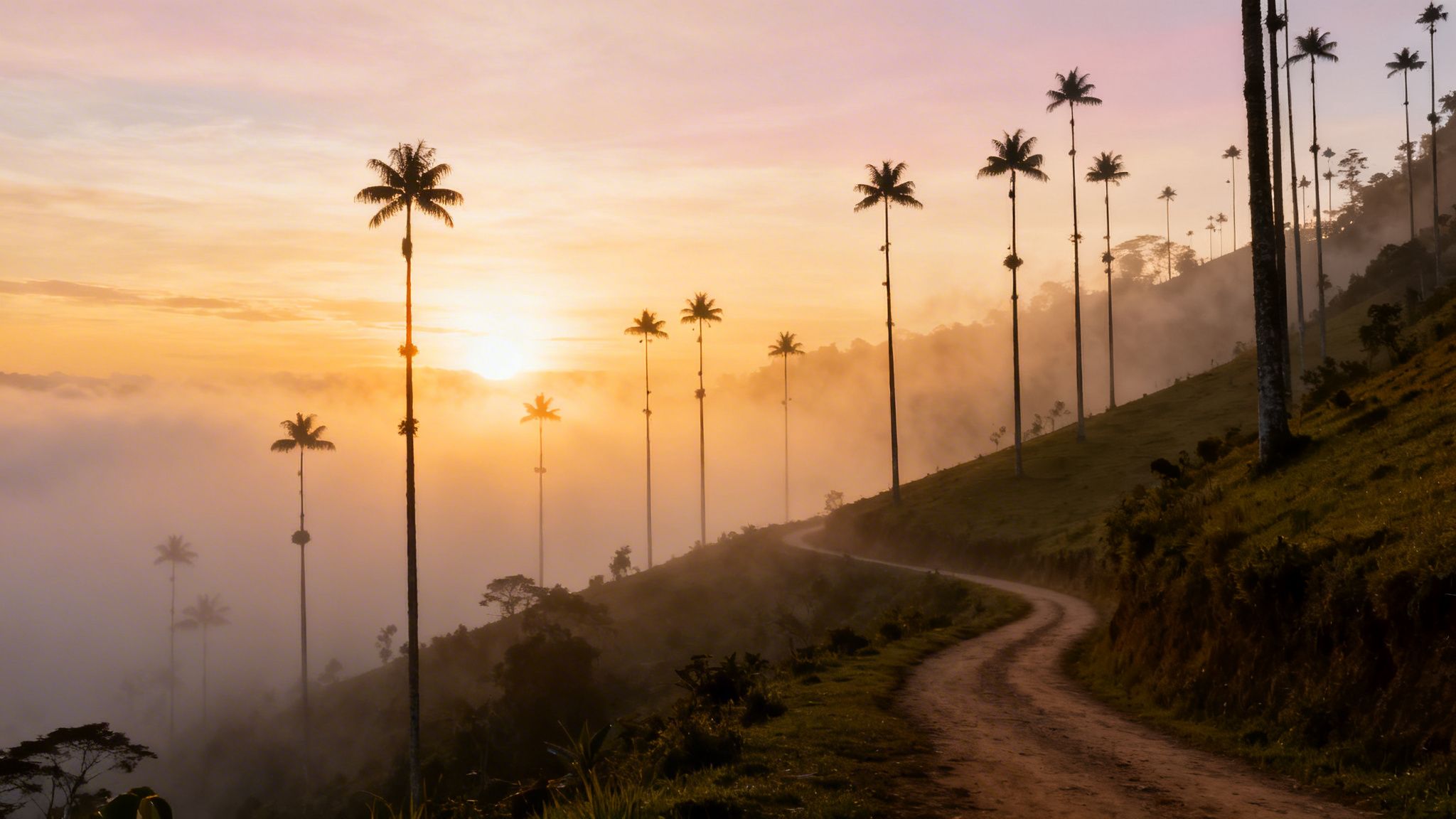
Salento’s appeal lies in its accessibility and the deep connection it offers to Colombian coffee culture. It serves as the gateway to the breathtaking Cocora Valley, home to the world's tallest palm trees, but the town itself is a destination worth savoring. You can spend your days sipping world-class coffee on a local finca, playing the traditional Colombian game of Tejo, or simply wandering the colorful streets. For many, especially solo female travelers, Salento is an ideal first stop in Colombia, offering a safe, social, and confidence-building environment.
Your Salento Blueprint
Exploring this coffee paradise is straightforward and incredibly rewarding, even on a tight budget.
- Best Time to Visit: The climate is relatively consistent year-round. For the driest weather and clearest skies for hiking, aim for December to March or July to September.
- Getting There: Salento is accessible via bus from major cities. The journey is approximately 7-8 hours from Medellín or 8-10 hours from Bogotá. The nearest airports are in Pereira and Armenia, with a short bus or taxi ride from there.
- Budget: Plan for $25-40 USD per day. This covers a dorm bed in a social hostel, local meals, coffee tours, and transport to the Cocora Valley.
- Safety & Solo Travel: Salento is widely considered one of the safest destinations in Colombia. Its popularity with backpackers means there are many social hostels, making it easy for solo travelers to meet others. Standard precautions apply, but the town's welcoming vibe makes it a great choice for women traveling alone.
- Ethical Consideration: Support the local economy by booking tours directly with coffee farms (fincas) and eating at small, family-run restaurants away from the main square. Always pack out what you pack in, especially when hiking in the Cocora Valley, to help preserve its natural beauty.
10. Essaouira, Morocco (Beyond the Medina)
For travelers who find the exhilarating chaos of Marrakech or Fez overwhelming, Essaouira offers a refreshing, salty-aired alternative. This fortified port city on Morocco's Atlantic coast trades the high-octane energy of the imperial cities for a laid-back, bohemian spirit. Its UNESCO-listed medina is a delight, but the real magic is found beyond the well-trodden paths, in its thriving artistic communities, fresh-off-the-boat seafood culture, and windswept coastal charm.
Essaouira's appeal is in its accessibility and authenticity. It’s a place where you can watch fishermen mend their nets in the morning, browse contemporary art galleries in the afternoon, and end your day with grilled fish purchased directly from the harbor. The city's relaxed atmosphere makes it a haven for artists, writers, and solo travelers seeking a deeper connection with Moroccan coastal life. Exploring Essaouira is a perfect opportunity to support small, local businesses and discover one of the more unique off beaten path travel destinations in North Africa.
Your Essaouira Blueprint
Integrating this coastal gem into a Morocco itinerary is simple and incredibly rewarding.
- Best Time to Visit: The shoulder seasons, from April to May and September to October, offer the best weather-pleasant temperatures and fewer crowds.
- Getting There: The most common route is a comfortable bus ride from Marrakech. The journey takes about 2.5-3 hours and costs only $5-8 USD.
- Budget: Plan for $30-45 USD per day. This budget comfortably covers a stay in a charming medina riad, delicious meals at local spots, and various activities.
- Safety & Solo Travel: Essaouira is widely considered one of Morocco's safest and most welcoming cities for solo travelers, including women. The compact, walkable nature of the medina and the relaxed local demeanor create a secure environment.
- Ethical Consideration: Seek out and visit a local Argan oil cooperative. These businesses are often run by and directly support rural women, providing fair wages and economic independence. A tour and purchase here make a direct, positive impact.
Top 10 Offbeat Travel Destinations Comparison
| Destination | 🔄 Planning complexity | ⚡ Resource requirements | ⭐📊 Expected outcomes | 💡 Ideal use cases | 📊 Key advantages |
|---|---|---|---|---|---|
| Socotra, Yemen | High — remote access, visa & safety checks; best via organized tours | Moderate-high overall (limited flights, evacuation insurance advised) | Exceptional endemic biodiversity; pristine landscapes; solitude | Experienced adventurers, nature photographers, conservation-focused travelers | Unique flora/fauna, minimal crowds, unparalleled landscapes |
| Palau | Medium — flight routing, dive logistics, seasonal planning | High — expensive flights, dive packages, higher daily costs | World-class diving; protected marine ecosystems; premium experiences | Scuba divers, marine researchers, eco-tourists, photographers | Marine protection zones, Jellyfish Lake, pristine reefs |
| Kotor, Montenegro | Low — well-connected, simple bookings outside peak season | Low-medium — affordable accommodation and local transport | Medieval UNESCO town, hiking viewpoints, coastal exploration | Budget backpackers, hikers, digital nomads, photographers | UNESCO Old Town, dramatic bay scenery, good value |
| Chefchaouen, Morocco | Low — easy regional access; tourist crowds manageable | Low — very budget-friendly lodging and food | Iconic blue medina visuals; relaxed mountain hikes; cultural immersion | Photographers, budget travelers, slow-travelers, artists | Distinctive photogenic streets, affordable, bohemian atmosphere |
| Koh Rong, Cambodia | Low-medium — ferry schedules, basic infrastructure | Low — budget bungalows, cheap food and activities | Pristine beaches, snorkeling/diving, community-based stays | Backpackers, divers, eco-conscious travelers, volunteers | Uncrowded beaches, bioluminescence, strong local tourism initiatives |
| Gjirokastër, Albania | Low — regional transport; simple planning | Very low — inexpensive guesthouses and meals | Ottoman stone architecture; fortress views; authentic culture | Cultural enthusiasts, budget travelers, photographers | UNESCO heritage, affordability, authentic local life |
| Islas Ballestas & Nazca Region, Peru | Medium — altitude prep, tour timing, transport links | Low-medium — affordable local tours; possible costly flights over Nazca | Wildlife viewing, Nazca Lines archaeology, desert landscapes | Adventure seekers, archaeology buffs, photographers | Ballestas wildlife, Nazca Lines, fewer tourists than major Peruvian sites |
| Vang Vieng, Laos | Low — good bus access; choose quieter areas to avoid party zones | Very low — cheap stays and activities | Dramatic karst scenery; tubing/caving/climbing; social backpacker scene | Adventure travelers, climbers, budget backpackers, photographers | Karst landscapes, strong outdoor activity offering, low cost |
| Salento, Colombia | Low — routine regional connections; easy planning | Low — affordable hostels, tours, food | Coffee culture immersion; Cocora Valley hikes; safe community feel | Solo female travelers, coffee enthusiasts, digital nomads | Coffee tours, wax palms, welcoming and safe environment |
| Essaouira, Morocco (Beyond the Medina) | Low — accessible from Marrakech; simple logistics | Low-medium — affordable meals, varied lodging options | Coastal artsy vibe; seafood-focused cuisine; water sports | Foodies, artists, cultural explorers, wind-sport enthusiasts | Strong artisan community, fresh seafood, relaxed coastal character |
Your Adventure Awaits: How Will You Explore?
We've journeyed together across the globe, from the alien landscapes of Socotra to the serene coffee fincas of Salento, Colombia. This list of off beaten path travel destinations is more than a simple collection of places; it is a testament to the idea that the world's most rewarding experiences often lie just beyond the familiar tourist trail. Destinations like Gjirokastër, Albania, and the untouched islands of Palau remind us that authenticity and wonder are still very much alive, waiting for the intentional traveler.
Each location we explored, from the blue-washed alleys of Chefchaouen to the rugged coastline of Essaouira, offers a unique invitation. It’s an invitation to step out of your comfort zone, to connect with cultures on a deeper level, and to see the world not as a checklist, but as a living, breathing tapestry of stories. The path less traveled is not just about avoiding crowds; it’s about a fundamental shift in mindset.
Embracing the Traveler's Mindset
Choosing one of these destinations is a commitment. It’s a commitment to being a guest, not just a consumer. It means your travel dollars directly support local families in places like Koh Rong, Cambodia, or contribute to conservation efforts protecting the Islas Ballestas in Peru. It means practicing patience when transportation in Vang Vieng, Laos, doesn't run on a perfect schedule.
This style of travel demands more from you, but the rewards are immeasurable.
- Deeper Connections: You’ll share meals with locals, learn a few words of a new language, and leave with memories that are uniquely yours, not curated from a generic itinerary.
- Positive Impact: Your conscious choices in transport, accommodation, and activities directly contribute to the preservation of cultural heritage and natural ecosystems.
- Personal Growth: Navigating these less-trodden paths builds resilience, self-confidence, and a more profound understanding of your place in the world. It’s in these moments of challenge and discovery that true growth happens.
“The real voyage of discovery consists not in seeking new landscapes, but in having new eyes.” - Marcel Proust
This sentiment is the very core of exploring off beaten path travel destinations. It's about changing your perspective. It’s about seeing the "Dragon's Blood" trees of Socotra not just as a photo opportunity, but as a fragile, ancient ecosystem. It’s about understanding the layered history of Kotor, Montenegro, by walking its walls at dawn, long before the first tour bus arrives.
Your Next Steps to an Unforgettable Journey
So, where do you begin? The path from inspiration to reality is paved with practical steps.
- Revisit the List: Which destination sparked a fire in you? Was it the vibrant colors of Morocco, the tranquil waters of Palau, or the historic stone cities of the Balkans? Pick one that truly calls to your spirit.
- Start Your Research: Use the practical details we provided as a launchpad. Look into visa requirements, check flight and bus routes, and start a small savings plan. Small, consistent actions turn a dream trip into a booked trip.
- Pack with Purpose: Think about what you truly need. A sturdy pair of walking shoes, a reliable water filter, and a journal will serve you far better than a suitcase full of unnecessary outfits. Pack for the experience, not for the Instagram feed.
- Connect with the Community: Before you even leave, look up the volunteer opportunities or community-based tourism initiatives we linked. Sending a simple email to express interest can open doors to experiences you never imagined.
The world is filled with incredible, overlooked corners waiting to be discovered thoughtfully. This list is just the beginning. The real adventure starts when you close this article, open a new tab, and take that first concrete step. The path less traveled is ready when you are. Which hidden gem will you choose?
Ready to turn your travel dreams into a well-planned reality? At Travel Talk Today, we specialize in providing the tools and community support you need to confidently explore the world's hidden corners. Visit Travel Talk Today to find packing lists, budget guides, and a community of fellow adventurers who believe in traveling with purpose.