Europe doesn't have to be the trip you postpone until “someday.” If you're staring at flight tabs, hostel reviews, and a banking app that keeps pulling you back to reality, the problem usually isn't Europe itself. It's choosing the wrong cities, the wrong pace, and the wrong assumptions about what “budget travel” should look like.
The good news is that some of the most rewarding places on the continent are still far more accessible than the usual big-ticket names. You can spend your days wandering old streets, eating well, using solid public transport, and finding the kind of local rhythm that makes a trip feel bigger than its price tag. The trick is to focus on cities that give you depth, not just discounts.
That's what this guide does. It isn't a roundup of places where you can survive on pastries and hostel kitchens alone. It's a practical list of affordable cities in Europe that work especially well for solo travelers who want culture, safety awareness, neighborhood strategy, and realistic day-to-day planning.
Some of these cities are famous. Some still fly under the radar. A few come with trade-offs that cheap-city lists usually ignore, like crowding, awkward transit, or long-term visa realities. Those trade-offs matter. Cheap on paper doesn't always feel easy on the ground.
If you want a European trip that feels rich without draining your savings, start here.
1. Budapest, Hungary - The Affordable Thermal City
Budapest is one of those cities that feels grander than its price point. You get river views, ornate facades, thermal bath culture, and a nightlife scene that can be as social or as low-key as you want. For solo travelers, that combination matters. It's easy to fill a day without spending much, and just as easy to meet people if you want company.
A realistic solo budget here sits in the €20 to €60 range if you stay flexible. The lower end means hostel beds, bakery breakfasts, simple lunches, and lots of walking. The higher end gives you room for baths, a better dinner, and a central private room in slower seasons.
Solo traveler playbook
District VII is the obvious choice if you want energy, late food, and easy hostel options. District VIII often gives better value and a more local feel, but you need to check the exact street rather than booking blindly. In both areas, the smartest move is to stay near a tram or metro stop so you're not burning money on rides late at night.
For food, skip the first row of restaurants around major landmarks. Budapest rewards anyone willing to walk a few blocks. Midday set lunches, market halls, and unfussy neighborhood spots usually stretch your budget better than the photogenic places everyone posts.
- Best budget base: District VII for social hostels, District VIII for cheaper local stays
- Best free reset: Margaret Island for a long walk, a picnic, or a no-spend afternoon
- Best paid splurge: One thermal bath visit, booked on a weekday morning if possible
Practical rule: In Budapest, spend money on one signature experience and keep the rest of the day simple. The city still feels generous.
If safety is part of your planning, especially at night, stick to well-lit routes and avoid overdoing the ruin bar crawl just because everyone else is. Budapest is friendly to solo travelers, but the usual city habits still apply. If you want a broader framework for planning with confidence, this guide to solo female travel in Europe is worth reading before you go.
2. Kraków, Poland - The Medieval Budget Gem
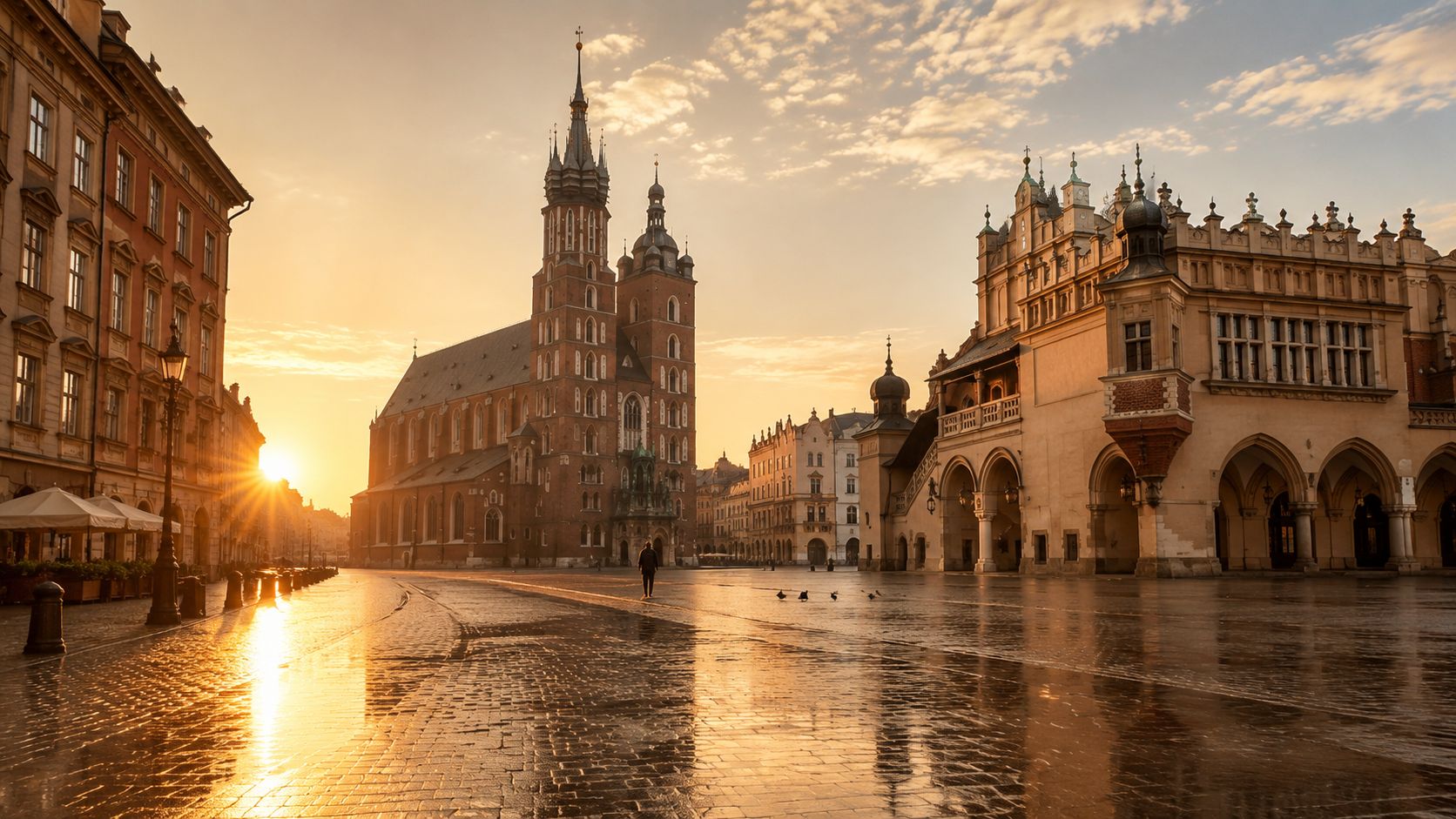
Kraków gets the balance right. It's beautiful without feeling staged, busy without feeling frantic, and affordable without requiring a stripped-down travel style. For a solo traveler, that's a sweet spot. You can walk through the Old Town in the morning, spend the afternoon in Kazimierz, and still end the day feeling like you experienced a lot rather than just managed costs.
A practical daily budget falls between €20 and €60 depending on your room choice and how many paid sites you add. The city rewards slow walking, tram use, and long lunches.
Where Kraków saves you money
The Main Market Square is free to enjoy, which is exactly how it should be done. Don't rush it. Sit, people-watch, duck into a church, then leave the square for meals. Kazimierz is often the better food neighborhood for solo travelers because it feels less performative and more lived in.
Museums can stay manageable too. Some attractions are available in the €3 to €8 range, and some museums offer free Sunday entry according to local schedules, so it pays to line up your itinerary instead of dropping into everything at full price.
A few ground rules make Kraków work better:
- Use obiad strategically: Midday lunch specials usually offer the best value and a more local dining room crowd
- Stay connected by tram: Public transport is straightforward and saves your legs for the old streets
- Choose your heavy days well: If you're planning a memorial visit or a day trip, keep the evening quiet and nearby
Kraków also suits solo diners better than many Western European city centers. You won't feel out of place eating alone, especially in Kazimierz cafés, milk bars, and compact neighborhood restaurants. If you want one of the affordable cities in Europe that still feels layered and emotionally memorable, this is one of the safest bets.
3. Lisbon, Portugal - The Hidden European Capital
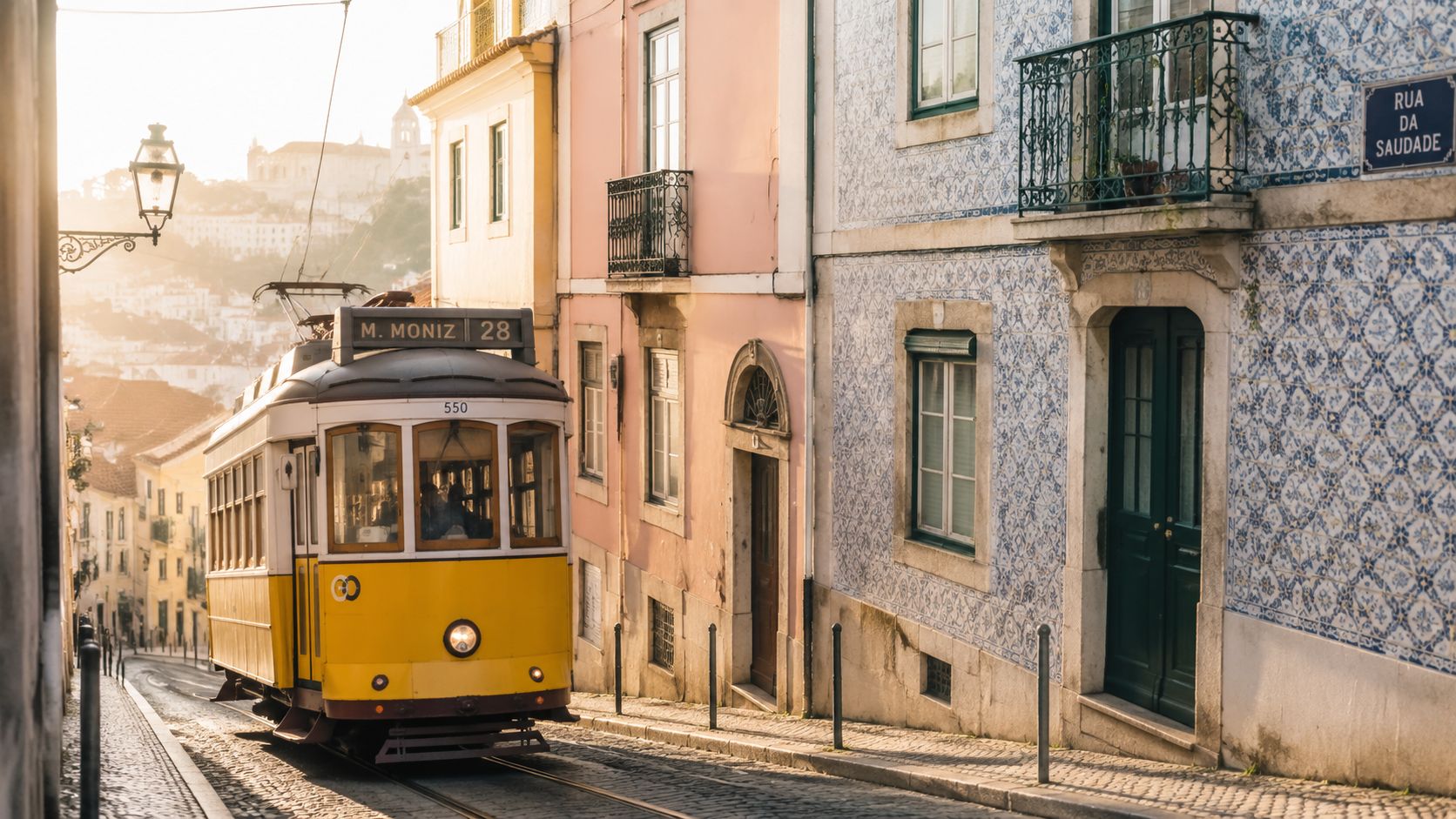
Lisbon isn't the cheapest place in this guide, but it can still be one of the smartest. The city gives you sea light, tiled streets, pastries, old trams, and creative energy in a capital that remains far less punishing than many northern rivals. The catch is that Lisbon rewards planning. If you stay in the wrong neighborhood or eat entirely in the tourist core, your “budget” city break gets expensive fast.
For solo travelers, a realistic day lands around the €20 to €60 range if you mix viewpoints, transit, markets, and one or two paid attractions. It's a city where free pleasures do a lot of the work.
How to do Lisbon without overspending
Stay in Alvalade or Marvila if you want breathing room and better value than the most obvious central districts. You'll lose a little postcard immediacy, but you gain a more local pace, easier cafés, and fewer traps. For food, look for prato do dia signs and don't ignore simple tascas. Those are often where Lisbon feels most generous.
One of the easiest wins is transport. A 7-day unlimited transport pass in Lisbon costs €39.15 according to Travel Talk Today's cited planning notes, which can make sense if you plan to cover several neighborhoods and ride frequently rather than hiking every hill.
Lisbon is affordable when you treat scenic viewpoints as attractions, not just the spaces between attractions.
Solo travelers usually do well in Lisbon because there's enough public life built into the city. Miradouros, tram stops, bakery counters, and waterfront walks make it easy to be alone without feeling isolated. The city has grown more popular, though, and that means you should book lodging early if you're traveling in peak periods.
4. Prague, Czech Republic - The Fairytale Budget Destination
Prague can still work on a budget, but only if you resist the obvious version of it. Too many travelers pay premium prices to sit in Old Town Square, eat average food, and wonder why the city feels overpriced. Step one block away and the math changes.
For solo travelers, Prague's advantage is infrastructure. Public transport is efficient, hostels are plentiful, and there's enough to do on foot that you can keep daily spending in the €20 to €60 band without feeling deprived. It's one of the easier affordable cities in Europe for first-time solo travelers because the logistics are so forgiving.
What works, what doesn't
What works is local rhythm. Hospoda meals, metro rides, courtyard wandering, and self-guided neighborhood exploration. What doesn't is trying to “do Prague” entirely through the most photographed blocks.
The best budget strategy is simple:
- Eat away from the square: Restaurants just off the main tourist spine usually offer better food and better value
- Use trams and metro: They save time and help you avoid paying for convenience in crowded central zones
- Make free architecture part of the plan: Bridges, courtyards, church exteriors, and hillside views carry whole afternoons
If you're planning your route, this guide on what to do in Prague helps narrow down the city without turning the day into a sprint.
Prague is also one of the easier social cities for solo travelers who like casual evening conversation. Beer halls and hostel common areas do a lot of the networking for you. If you don't drink, café culture and river walks still give you plenty of entry points. The city's main budget mistake isn't underplanning. It's assuming the center is your only option.
5. Bucharest, Romania - The Undiscovered European Capital
Bucharest rewards travelers who like cities with edges. It doesn't charm everyone instantly, and that's part of why it still works. You get grand avenues, difficult history, lively cafés, and neighborhoods that feel lived in rather than packaged for visitors. If your idea of value includes authenticity and space to explore, Bucharest deserves more attention than it gets.
A solo daily budget in the €20 to €60 range is realistic here. The city can be done cheaply, but the better approach is to use the savings for comfort. Book the better room, take the museum, order the extra course.
The practical solo setup
Lipscani is convenient if you want to walk everywhere, but it can be noisy. If you stay there, check reviews carefully and prioritize quietness over trendiness. For a calmer stay, look just outside the busiest historic core and use transit into the center.
Bucharest works best when you split your time between landmarks and ordinary city life. Street markets, neighborhood bakeries, parks, and café terraces often end up being more memorable than the checklist sights.
- Best food move: Eat Romanian staples in unfussy spots rather than aiming for polished tourist menus
- Best wandering strategy: Pair one major site with one neighborhood that wasn't on your original list
- Best reason to stay longer: The city opens up after the first day, once the contrasts start making sense
If you're drawn to places that haven't been flattened by tourism, you'll probably enjoy this roundup of hidden gems in Europe, because Bucharest fits that mindset well.
Bucharest is a strong pick for solo travelers who don't need constant postcard beauty. It's more about atmosphere, discovery, and the feeling that you found a city on its own terms.
6. Brno, Czech Republic - The Alternative Eastern European City
Brno is for travelers who want Czech culture without Prague's volume. It's smaller, easier to get around, and packed with student energy, which usually translates into better value and a more relaxed social scene. You won't get the same cinematic skyline, but you may end up having the better trip.
A daily solo budget of €20 to €60 is more than enough for most travel styles here. Brno lends itself to longer stays because it doesn't pressure you to spend for the “must-do” moments. You settle in, find your coffee place, and the city starts working in your favor.
Why Brno suits solo travelers
Student cities are often kind to solo travelers, and Brno follows that pattern. There's enough nightlife to meet people, enough cafés to sit alone comfortably, and enough local life in the center that you don't need a packed itinerary. Masarykovo náměstí is a good anchor for orientation, but the city is better experienced as a drift than a checklist.
The practical move is to stay central enough to walk home after dinner, then use buses and trains for wider exploring if you're there more than a few days. Moravia also adds range. If you want a break from city streets, wine country and smaller towns are within reach.
A city doesn't need headline sights to be a great budget base. It needs ease, character, and enough local life to keep your days full.
Brno is one of the best choices on this list for travelers who are tired of performing tourism. You can read, wander, eat well, and still feel like you traveled meaningfully.
7. Valencia, Spain - The Beach-City Budget Balance
Valencia is what many travelers hope Barcelona will still feel like, but with less strain on the wallet and nerves. You get beaches, markets, strong local identity, and a city large enough to stay interesting without becoming exhausting. For solo travel, that combination is especially useful because you can switch between urban exploration and slow coastal time without needing a complicated plan.
A day budget in the €20 to €60 range works if you balance market meals, bike rides, beach time, and one or two paid experiences across your stay. Valencia doesn't demand constant spending because some of its best moments are open-air and low-pressure.
The smartest way to stay here
Ruzafa is the usual recommendation for a reason. It's lively, walkable, and full of places where eating alone feels normal. If you want something quieter, look slightly beyond the trendiest blocks and stay near a transit line or bike route. Valencia is a city where mobility saves money. Renting a bike can replace multiple transport decisions and turn whole days into low-cost wandering.
For food, keep lunch as your main paid meal. Menú del día options are often where value and quality meet. Markets also help solo travelers avoid the “restaurant every meal” trap, which gets old and expensive fast.
- Best solo rhythm: Morning market, afternoon beach or gardens, evening neighborhood dinner
- Best budget habit: Use bikes for short hops instead of stacking transit fares or taxis
- Best splurge logic: Spend on paella where locals linger, not on seafront menus built for turnover
Valencia is one of the most balanced affordable cities in Europe because it doesn't force you to choose between culture and comfort. It gives you both, if you travel with some discipline.
8. Tbilisi, Georgia - The Caucasus Gateway
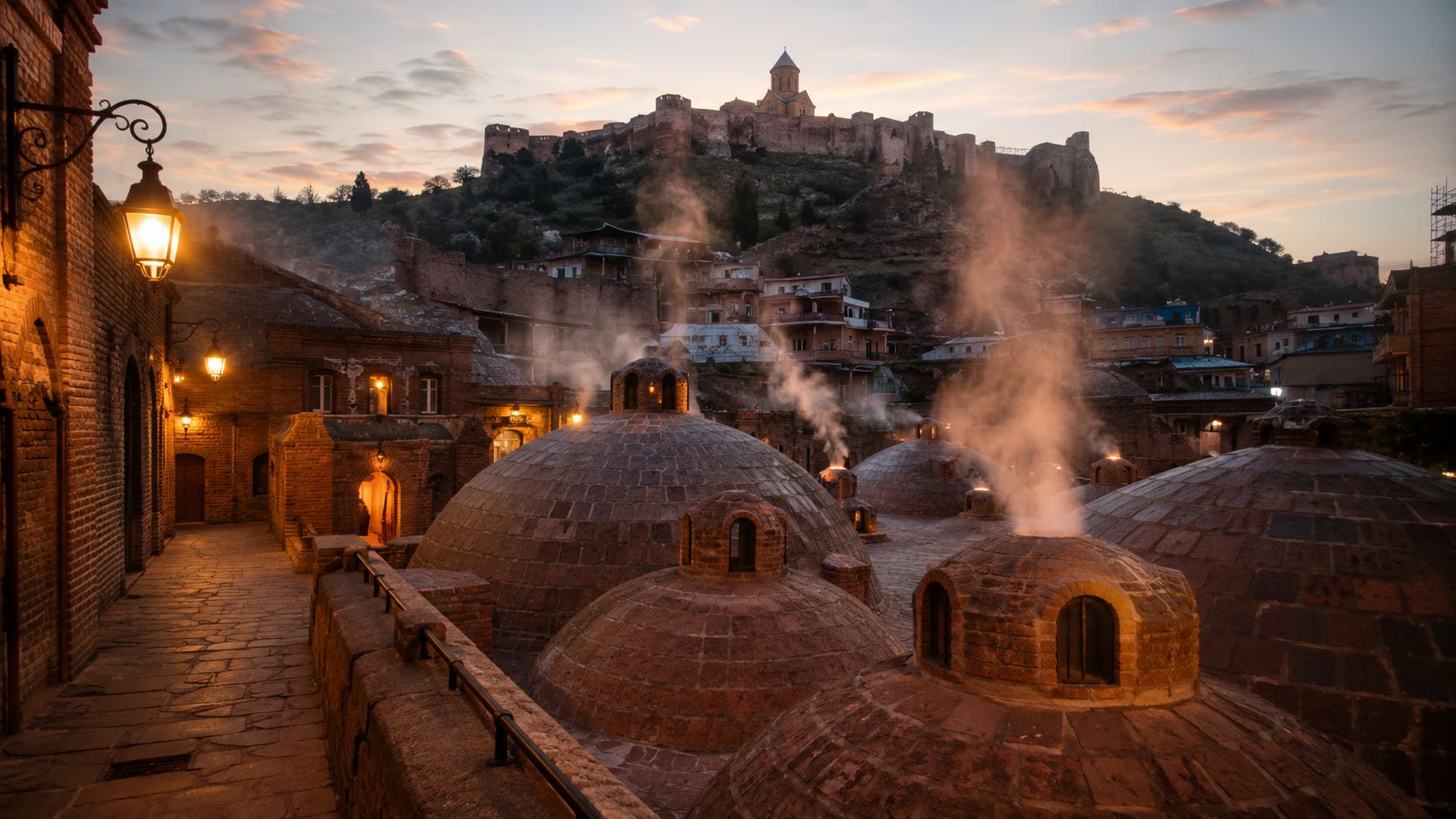
Tbilisi feels generous. The food is filling, the city is textured, and solo travelers often find it easier to connect here than in more polished European capitals. Old balconies, bathhouse domes, hillside views, Soviet traces, wine bars, and family-run food spots all sit close together. If you want a destination that feels distinct rather than interchangeable, Tbilisi stands out quickly.
A daily budget in the €20 to €60 range goes far here. It's one of the few cities where budget travel can still feel abundant rather than restrictive.
The trade-off most cheap-city lists skip
Cheap doesn't always mean simple for longer stays. One of the most useful reminders in recent travel discussion is that long-term affordability isn't just about day budgets. The often-ignored question is where you can safely live or work long-term without hidden costs, and examples like Timișoara show how residency rules can complicate the “cheap European city” dream when capital proof is required, as discussed in this 2026 travel analysis on long-term affordability blind spots.
That matters in Tbilisi too, even if you're only staying short term. The lesson is to separate vacation affordability from relocation affordability. For a trip, Tbilisi is excellent. For a longer base, you need to research logistics beyond rent and food.
A few practical habits help on the ground:
- Use navigation apps well: Street layouts and signage can feel inconsistent at first
- Learn a few Georgian phrases: Even small effort tends to be appreciated
- Pick your neighborhood intentionally: Vake offers comfort, while older central areas offer atmosphere with more noise and wear
Tbilisi is a strong choice for solo travelers who care more about character than polish. It gives a lot back if you meet it with patience.
9. Sofia, Bulgaria - The Balkans Budget Hub
Sofia doesn't beg for attention, and that's part of its appeal. It's practical, local, and useful in the best sense. You can eat well, move around easily, and take in layers of history without the sense that every experience has been staged for visitors. For budget travelers, Sofia often feels less like a performance and more like ordinary life with better scenery.
Keeping your daily spend in the €20 to €60 range is realistic. The city supports low-cost routines. Bakery breakfasts, tavern dinners, transit, parks, and long walks all fit naturally.
Why Sofia works as a base
If you're moving through the Balkans, Sofia is one of the more sensible anchors. It has enough urban life to fill several days, but it also encourages side trips and flexible pacing. Vitosha Mountain is the clearest example. A city day can turn into a mountain day without much friction, which makes your budget feel bigger because the range of experiences widens.
Food is another strength. Traditional mehanas are usually a better bet than polished international restaurants when you want both value and atmosphere. And unlike in heavier tourist zones elsewhere in Europe, eating alone here rarely feels awkward.
Sofia is a good reminder that affordability isn't only about paying less. It's about getting more usable city for what you spend.
Safety-wise, Sofia is straightforward if you use the normal city rules. Watch your pockets in transit hubs, stay alert late at night, and don't assume every district feels the same after dark. The city is best for travelers who appreciate substance over spectacle.
10. Dubrovnik Alternative: Zadar, Croatia - The Underrated Adriatic Gem
If you want the Croatian coast without the full Dubrovnik price spiral, Zadar is one of the better answers. You still get stone lanes, sea air, historic layers, and island access, but the city tends to feel more livable and less consumed by its own image. That difference matters a lot when you're traveling solo and trying to keep costs steady.
A practical day budget sits in the €20 to €60 range depending on season and lodging. Coastal cities always need a little more discipline because it's easy to drift into “holiday spending,” but Zadar gives you enough free scenery to keep the budget under control.
Coastal value without the worst crowd pressure
Old Town is the easiest place to stay if walkability matters most. It saves transport money and makes early mornings and late evenings much better. Still, check quietness in reviews. A beautiful central room loses its charm fast if you're above a late bar every night.
For food, lunch is often the better deal. Simple seafood, local set menus, and bakery stops can carry the day well. Ferry days are also worth planning carefully. Island hopping can be good value when it's the centerpiece of the day rather than an add-on you barely use.
The broader case for Zadar also fits a bigger travel question. The cheapest cities aren't always the most sustainable for meaningful travel. In a recent discussion, travelers pointed out that some ultra-cheap Balkan destinations can come with weaker transit and limited slow-travel infrastructure, while places like Porto have become more crowded despite their appeal, a tension explored in this 2025 to 2026 conversation about affordability and ethical travel trade-offs. Zadar sits in a better middle ground if you travel outside peak crush.
If you're timing a coastal trip, this guide on when to visit Croatia can help you avoid paying top rates for the busiest weeks.
Top 10 Affordable European Cities Comparison
| City | 🔄 Ease of visiting (complexity) | ⚡ Budget (avg daily) | ⭐ Experience quality | 💡 Best for (ideal use cases) | 📊 Key advantages |
|---|---|---|---|---|---|
| Budapest, Hungary - The Affordable Thermal City | 🔄 Low, well‑connected public transport, tourist‑friendly | ⚡ €30–50, very affordable | ⭐⭐⭐⭐, baths, architecture, nightlife | Solo travelers; cultural immersion; budget photographers | Free walking tours; thermal baths; vibrant nightlife |
| Kraków, Poland - The Medieval Budget Gem | 🔄 Low, compact, walkable, easy day trips | ⚡ €25–45, highly affordable | ⭐⭐⭐⭐, historic Old Town, museums | History enthusiasts; solo travelers; educational trips | UNESCO Old Town; strong food scene; safe center |
| Lisbon, Portugal - The Hidden European Capital | 🔄 Medium, hilly terrain, rising tourism infrastructure | ⚡ €35–60, moderate budget | ⭐⭐⭐⭐, coastal charm, food, creative scene | Beach + city lovers; foodies; digital nomads | Beaches nearby; excellent cuisine; mild climate |
| Prague, Czech Republic - The Fairytale Budget Destination | 🔄 Low, excellent backpacker infrastructure | ⚡ €30–50, very affordable | ⭐⭐⭐⭐, Gothic architecture, nightlife | Backpackers; photographers; budget night life seekers | Cheap beer; historic sights; strong hostel scene |
| Bucharest, Romania - The Undiscovered European Capital | 🔄 Medium, less developed infrastructure, fewer tourist services | ⚡ €25–45, very affordable | ⭐⭐⭐, authentic, less touristy experience | Hidden‑gem seekers; urban explorers; architecture fans | Low crowds; great value; street art scene |
| Brno, Czech Republic - The Alternative Eastern European City | 🔄 Medium, smaller city, fewer direct connections | ⚡ €25–40, budget‑friendly | ⭐⭐⭐, authentic student culture, art spaces | Long‑term travelers; digital nomads; alternative culture fans | Less touristy; Moravian wine proximity; veggie scene |
| Valencia, Spain - The Beach‑City Budget Balance | 🔄 Low, good transport and bike‑friendly | ⚡ €30–55, moderate budget | ⭐⭐⭐⭐, beaches, food, pleasant weather | Beach lovers; food enthusiasts; cyclists | Paella origin; Turia Gardens; beach access |
| Tbilisi, Georgia - The Caucasus Gateway | 🔄 High, visa/logistics and language differences | ⚡ €20–40, ultra‑low costs | ⭐⭐⭐⭐, unique culture, hospitality, wine | Adventure seekers; food/wine tourists; solo travelers | Cheapest major city; hospitable locals; mountain access |
| Sofia, Bulgaria - The Balkans Budget Hub | 🔄 Medium, Cyrillic signage, moderate services | ⚡ €20–40, very affordable | ⭐⭐⭐, authentic Balkan culture, museums | Balkans explorers; budget travelers; hikers | Gateway to Balkans; excellent value; mountain hikes |
| Zadar, Croatia - The Underrated Adriatic Gem | 🔄 Medium, fewer flights, seasonal access | ⚡ €35–60, moderate budget | ⭐⭐⭐, coastal charm, island access | Island hoppers; beach lovers; seafood fans | Sea Organ sunsets; less crowded beaches; island ferries |
Your Affordable European Adventure Awaits
A good Europe trip isn't built by chasing the absolute cheapest bed in the absolute cheapest city. It's built by matching your budget to the kind of days you want to have. That's the difference between a trip that feels smart and a trip that feels like constant compromise.
Some cities on this list stretch money through strong infrastructure. Prague and Kraków do that well. Some give you emotional return on a modest spend because public life is so rich. Budapest and Lisbon are excellent examples. Others work because they still feel underclaimed. Bucharest, Brno, Sofia, and Zadar all reward travelers who aren't looking for the same itinerary as everyone else.
The most important point is that affordability has layers. There's the nightly budget, of course. But there's also how easy it is to walk, how much free public space a city offers, whether solo dining feels natural, whether transit is reliable, whether neighborhoods are distinct enough to keep you interested, and whether the city lets you slow down without getting bored. Those factors are what make affordable cities in Europe useful for real travelers, not just good headlines for roundup posts.
The trade-offs matter too. Cheap doesn't always mean convenient. Beautiful doesn't always mean restful. Popular doesn't always mean worth the premium. Some cities save you money but cost you energy through crowds, noise, or bad planning. Others look slightly more expensive at first glance but work out better because they're easier to get around and more rewarding day to day.
If you're traveling solo, the best budget move is often to spend a little more on the right location and a little less on everything else. Stay near transit. Pick one neighborhood with life in it. Build your day around one paid experience and several free ones. Use lunch as your main restaurant meal. Walk early. Book slowly. Read reviews for noise, not just design. Those habits do more for your wallet than obsessing over every euro.
And don't wait for the “perfect” trip budget before you go. Start with the city that keeps pulling at your curiosity. If that's thermal baths and Danube views, choose Budapest. If it's sea light and tiled hills, choose Lisbon. If it's Adriatic evenings without Dubrovnik pressure, choose Zadar. The point isn't to travel cheaply for its own sake. It's to travel well, with enough margin left to enjoy the experience fully.
Europe is still possible on a thoughtful budget. More than that, it can be better that way.
Travel Talk Today helps you turn inspiration into an actual itinerary, with practical guides on budgeting, safer solo travel, slow travel, hidden gems, and smarter trip timing. If you're ready to plan a trip that feels meaningful as well as affordable, explore more at Travel Talk Today.