Imagine exploring ancient city streets, hiking to a breathtaking sunrise, or connecting with a new culture at a vibrant local festival, all without opening your wallet. It's a common misconception that meaningful travel must be expensive. In reality, some of the most profound and memorable moments happen when we step off the beaten path and engage with the world in its purest form. The best adventures are often fueled by curiosity, not cash.
This guide is built on that very principle. We've compiled a detailed roundup of incredible free things to do no matter where your travels take you. From self-guided urban photo walks and tip-based walking tours to discovering local markets and attending community celebrations, this list is your key to unlocking a world of adventure. Forget the high-priced admission fees and tourist traps that drain your budget without delivering genuine connection.
We will move beyond just listing ideas. For each category, you'll find actionable advice, insider tips, and practical examples to help you find and enjoy these experiences safely and sustainably. Whether you're a backpacker on a tight budget, a solo traveler seeking authentic encounters, or simply someone who believes the best things in life are free, you're in the right place. This isn't just about saving money; it's about traveling more deeply and discovering the authentic heart of a destination. Let's explore the art of experiencing the world for free.
1. Walking and Urban Exploration
Rediscover the simple joy of walking and transform your travel experience from a checklist into a genuine adventure. Urban exploration on foot is one of the most accessible and rewarding free things to do, allowing you to connect with a city's true rhythm. It’s about slowing down and noticing the details tour buses speed past: the scent of a local bakery, the texture of ancient cobblestones, or the flash of vibrant street art in a hidden alley.
This approach reveals a city's authentic character. Imagine yourself wandering through Barcelona's Gothic Quarter, tracing medieval history with every step, or navigating Tokyo's distinct districts from the electric energy of Shibuya to the traditional charm of Asakusa. By choosing to walk, you step directly into the life of the destination.
How to Get Started
- Plan, Then Wander: Before you go, download offline maps of your target neighborhoods using an app like Google Maps or Maps.me. This lets you explore freely without worrying about data charges.
- Gear Up for Comfort: Your feet are your most important tool. Wear comfortable, broken-in shoes and dress in layers appropriate for the weather.
- Time It Right: Start your walks in the early morning to enjoy cooler temperatures, softer light for photos, and fewer crowds.
- Ask a Local: Pop into a small coffee shop or ask your hostel staff for their favorite walking routes or can't-miss neighborhood spots. These recommendations often lead to the best discoveries.
Embracing urban exploration is a mindset. It's about trading a rigid itinerary for curiosity and allowing yourself to get wonderfully lost. You'll find that the most memorable moments often happen on the detours.
This method is especially powerful for solo travelers, offering a safe and empowering way to get acquainted with a new city. For more ideas on destinations perfectly suited for this kind of travel, check out these great cities for solo explorers.
2. Free Walking Tours (Tip-Based)
Elevate your sightseeing with the expertise of a local guide without the hefty price tag. Free walking tours, which operate on a tip-based model, are one of the most valuable free things to do for gaining deep cultural and historical insights. Instead of a fixed cost, you pay what you feel the tour was worth at the end, making expert knowledge accessible to every budget. It’s an engaging way to orient yourself in a new city and hear stories you’d never find in a guidebook.
This model allows passionate local guides to share their city’s secrets, from the historical significance of Prague’s Old Town Square to the hidden street art of Berlin. Companies like Sandeman's New Europe have popularized this format across major global cities, connecting travelers with high-quality, professional tours. You get the structure and narrative of a paid tour with the flexibility to contribute based on your satisfaction and financial ability.
How to Get Started
- Do Your Research: Before you commit, read recent reviews on platforms like TripAdvisor to gauge the quality of a specific tour company and guide.
- Book Smart: Secure your spot directly through the tour operator’s website. Booking via hotels or third-party agents can sometimes add unnecessary markups.
- Arrive Early: Get there 10 to 15 minutes before the start time. This gives you a chance to chat with the guide about your specific interests and get personalized tips.
- Be Prepared to Tip: Bring cash for the tip, as most guides cannot process card payments. For a quality 2-hour tour, a tip of €10-€15 per person is a common and appreciated amount.
Use the tour as a live Q&A session. Guides are treasure troves of local knowledge, perfect for asking about the best non-touristy restaurants, local bars, and neighborhoods to explore on your own later.
This approach is fantastic for getting your bearings on your first day and can be an essential part of your financial planning. To discover more ways to stretch your funds, see these tips on how to plan a trip on a budget.
3. Visiting Free Museums and Cultural Sites
Unlock a world of art, history, and culture without spending a dime. Many of the world’s most prestigious institutions believe that knowledge should be accessible to all, making museums and heritage sites incredible free things to do. This isn’t just about saving money; it’s about connecting with the soul of a destination through its artifacts, masterpieces, and ancient stories.
Imagine standing before masterpieces in London's British Museum or Paris's Louvre on its free first Sunday of the month. You can access centuries of human creativity and ingenuity, all for free. This approach turns a budget-conscious trip into a culturally rich and educational journey, proving that the most valuable experiences don't always come with a price tag.
How to Get Started
- Research Before You Arrive: Check the official websites of museums in your destination city a few weeks before your trip. Look for sections on "free admission," "pay-what-you-wish," or "free hours."
- Arrive Early and Be Prepared: Free admission days are popular and can attract large crowds. Arrive well before opening time to secure your spot and avoid lines that might lead to the site reaching capacity.
- Focus on Permanent Collections: While special temporary exhibitions often carry a separate fee, the permanent collections are usually where the free access is granted. These collections form the core of the museum's identity.
- Consult Local Experts: Ask your hotel concierge or hostel staff about current free museum days. They often have the most up-to-date information and can recommend lesser-known cultural spots.
Planning your cultural visits around free admission days is a strategic way to elevate your travel. It requires a bit of research but rewards you with access to priceless art and history, making your adventure both smarter and more profound.
This tactic is especially useful in major cultural capitals like London, Washington D.C., and Mexico City, where many national museums offer free general admission year-round. For more city-specific tips on finding free cultural events, check out local guides on sites like Timeout.com.
4. Hiking and Nature Exploration
Step away from the city noise and immerse yourself in the planet’s natural cathedrals. Hiking and nature exploration stand out as one of the most profound free things to do, offering direct access to breathtaking landscapes and a powerful sense of accomplishment. It’s an opportunity to witness a destination’s raw beauty, from the mist-covered peaks of Patagonia to the lush jungle trails of Thailand.
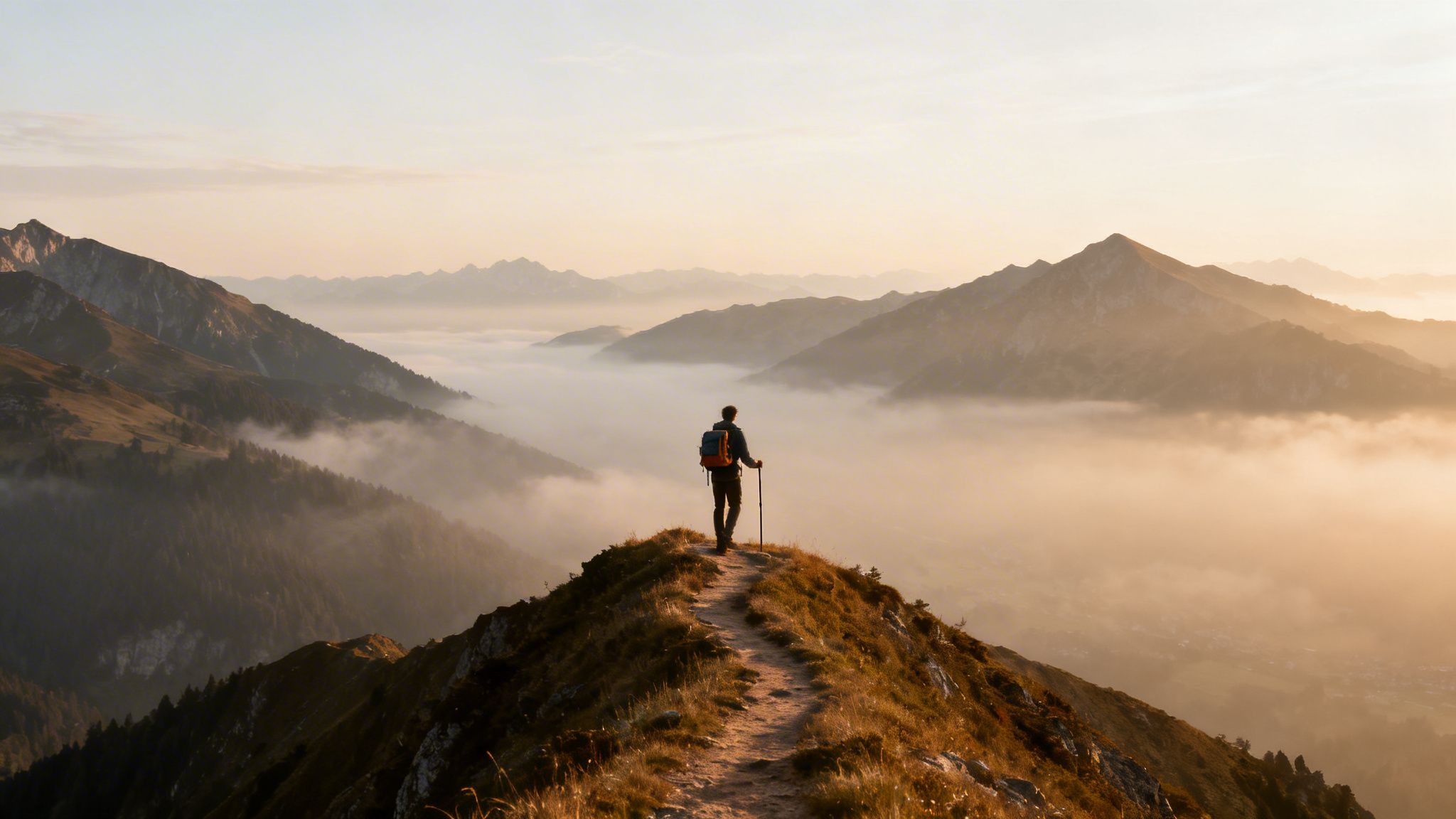
This kind of adventure connects you to a place on a fundamental level. Imagine trekking along New Zealand's world-class trails, where every turn reveals a new vista, or navigating the free access routes in the Swiss Alps without the high cost of resorts. Many countries protect vast wilderness areas with minimal or no entry fees, making epic outdoor journeys accessible to every traveler.
How to Get Started
- Go Offline with Maps: Before losing cell service, download detailed trail maps on an app like AllTrails or Komoot. This ensures you can navigate with confidence even when you're off-grid.
- Prioritize Footwear: Your hiking boots are your most critical piece of gear. Make sure they are well broken-in before your trip to prevent painful blisters on the trail.
- Start Early: Begin your hike in the morning to avoid the afternoon heat and ensure you have ample daylight to complete your route safely.
- Share Your Itinerary: Always inform someone, like your hostel staff or a fellow traveler, of your planned route and expected return time. Safety first.
Connecting with nature isn't about conquering a mountain; it's about letting the mountain quiet your mind. The real reward is the peace and perspective you find along the way.
Venturing into the wild is a powerful way to reset and challenge yourself. To make sure you’re fully prepared for your journey, review this detailed backpacking essentials list before you head out.
5. Attending Free Local Events and Festivals
Dive into the heart of a destination’s culture by timing your visit with its public celebrations. Attending local events and festivals is one of the most dynamic and memorable free things to do, offering a direct window into a community's traditions, music, and spirit. It’s an opportunity to move beyond tourist sites and participate in the living, breathing culture of a place, from street parades to vibrant markets.
These events provide an authentic experience that no museum can replicate. Picture yourself joining the city-wide water fight during Bangkok's Songkran festival, witnessing incredible street performances at the Edinburgh Festival Fringe, or celebrating spring amidst clouds of color at a Holi festival in India. By engaging with these public festivities, you share in the local joy and create memories rooted in genuine cultural connection.
How to Get Started
- Research in Advance: Use sites like Eventbrite or simply search for “[City Name] free events” a few months before your trip. This helps you align your travel dates with major public celebrations.
- Ask a Local Expert: Once you arrive, chat with your hostel staff or a friendly barista. They can clue you in on smaller, hyper-local block parties or weekly night markets that aren't in the guidebooks.
- Arrive Early and Prepared: For popular festivals, get there early to find a good spot. Bring a secure bag or money belt for valuables, stay hydrated, and use sun protection for outdoor events.
- Show Cultural Respect: Be mindful of local customs, especially for religious or traditional celebrations. Observe how locals behave and dress, and participate respectfully.
Festivals are a destination's culture in motion. They invite you to be more than a spectator; they ask you to become part of the story, even if just for a day. It's where you'll find the true pulse of a place.
This approach is perfect for travelers looking to experience a destination's energy at its peak. For finding events on the fly, apps like Songkick can be a great resource for tracking down free concerts and performances happening near you.
6. Public Beach and Waterfront Access
Feel the sun on your skin and listen to the rhythm of the waves without spending a dime. Accessing public beaches and waterfronts is a classic and deeply restorative free thing to do, offering a direct connection to nature’s beauty. It’s a chance to unplug and recharge, whether you’re sunbathing, swimming, or simply watching the sunset paint the sky over the water.
This simple pleasure is available worldwide, from the iconic shores of Australia to the hidden coves of the Mediterranean. Imagine yourself dipping your toes in the clear waters of Croatia’s Adriatic coast, finding a quiet spot on one of Thailand’s famous island beaches, or enjoying a picnic along the stunning Portuguese Algarve. These experiences are the heart of a budget-friendly and relaxing vacation.
How to Get Started
- Research Local Conditions: Before you go, check tide times, water safety advisories, and weather forecasts. Ask locals or your accommodation staff about the safest swimming areas.
- Pack Smart and Sustainably: Bring a secure bag for your valuables and pack your own snacks and water from local markets to avoid overpriced beach vendors. Use reef-safe sunscreen to protect marine ecosystems.
- Arrive Early: During peak season, get to the beach early to secure a good spot and easier parking. This also lets you enjoy the cooler morning hours.
- Know Your Facilities: Locate restrooms, shade, and fresh water sources before you settle in. Using the buddy system is always a good idea, especially when swimming.
A day at the beach is more than just a free activity; it’s an opportunity to embrace the local environment fully. By respecting the space and preparing well, you can create priceless memories without touching your wallet.
This approach is perfect for travelers of all types, from families looking for fun to solo adventurers seeking peace. For more inspiration on coastal destinations that won't break the bank, see these top budget beach locations around the world.
7. Free Food Tours and Market Exploration
Dive into the heart of a destination’s culture by exploring its food scene, one of the most flavorful and affordable free things to do. Many cities host tip-based food tours where passionate local guides lead you through bustling markets and street food hotspots. This approach offers a priceless education in culinary traditions and regional specialties, allowing for authentic taste experiences without the expense of formal restaurant dining.

This method immerses you in the daily life of a city. Picture yourself navigating Bangkok's vibrant night markets, learning the secrets of authentic tacos in Mexico City, or sampling generations-old recipes in Istanbul's historic bazaars. By focusing on markets and street vendors, you connect directly with the people and ingredients that define a region’s identity.
How to Get Started
- Find Your Guide: Search for "free food tours" or "tip-based food tours" on platforms like Viator or GetYourGuide for your destination. Focus on guides specializing in street food for the most authentic experience.
- Bring Small Bills: While the tour itself is free, the food is not. Carry enough local cash in small denominations for your purchases, as most street vendors do not accept credit cards.
- Go Beyond the Tour: Ask your guide for recommendations on where to eat after the tour ends. Their insider knowledge can lead you to even more hidden culinary gems.
- Time Your Market Visit: For the best local experience, visit markets on a weekday morning. You'll see them at their busiest with fresh produce and fewer tourists.
Exploring food is about more than just eating; it's a sensory language that tells the story of a place. Let your curiosity guide you, and you'll discover that the richest flavors are often found in the simplest stalls.
This activity is perfect for solo travelers wanting a safe, structured way to explore a new city's food scene. For more inspiration on culinary destinations, discover these cities with the world's best street food and start planning your next delicious adventure.
8. Visiting Viewpoints and Scenic Overlooks
Elevate your perspective without emptying your wallet by seeking out a destination's scenic overlooks. From dramatic clifftops to urban observation points, these spots offer panoramic views that are often the most memorable takeaways from a trip. This is one of the best free things to do to get oriented, capture stunning photographs, and appreciate the scale and beauty of your surroundings.

This experience connects you to the geography of a place in a powerful way. Imagine hiking to the top of Lion’s Head in Cape Town for a 360-degree view of the city and ocean, or finding a quiet spot along the cliffs of Fira in Santorini to watch the caldera glow at sunset. These are moments of pure awe, accessible to anyone willing to make the short journey.
How to Get Started
- Scout Your Spot: Use Google Maps’ “terrain” layer or hiking apps like AllTrails to find well-known and hidden viewpoints. Search for terms like “vista point,” “scenic overlook,” or “panoramic view.”
- Time Your Visit for Magic: Plan your visit for sunrise or sunset to witness the golden hour. Check the sun's position beforehand to ensure you’re facing the right direction for the best light.
- Gear Up Appropriately: Even easily accessible viewpoints can have uneven terrain. Wear sturdy shoes, and bring water and sun protection, as elevated areas are often more exposed.
- Stay Safe on Trails: If you are hiking to a viewpoint on an unfamiliar trail, especially for sunrise or sunset, it’s best to go with a partner and let someone know your plans.
A great viewpoint does more than just offer a pretty picture; it provides context. From above, you can see how a city is laid out or how a landscape unfolds, helping you plan your next day’s adventures with a newfound sense of direction.
This activity is a favorite among photography communities and travel influencers for a reason. By seeking out these free vantage points, you not only save money but also create iconic images and memories that define your travel story. For more tips on capturing these moments, you can explore resources like the popular travel photography blog Expert Vagabond.
9. Attending Free Lectures, Workshops, and Classes
Turn your travels into a rich educational journey by tapping into the wealth of free knowledge offered around the world. Attending public lectures, workshops, and classes is one of the most intellectually stimulating free things to do, connecting you directly with local experts, academics, and culture. It’s an opportunity to learn a new skill, deepen your understanding of the destination, and meet like-minded people.
This approach offers a unique window into the intellectual life of a place. Picture yourself attending a public lecture on indigenous history at a Mexico City museum, joining a free language exchange meetup in Berlin, or learning the basics of meditation from a monk in Bangkok. These experiences provide authentic insights that go far beyond a typical tourist itinerary.
How to Get Started
- Search Online Platforms: Use sites like Meetup.com and Eventbrite to find free classes and workshops in your destination city. Filter by "free" to narrow your options.
- Check University Schedules: Many universities, like the University of Buenos Aires, have public lecture series. Visit their websites and look for sections on public events or community outreach.
- Contact Cultural Centers: Local cultural institutions often host free events. Contact them a week or two before your arrival to inquire about their schedule of talks or demonstrations.
- Embrace Language Exchange: Look for intercambio events on Facebook groups or language exchange apps. These are fantastic for practicing a language and meeting locals in cities across Latin America and Spain.
Learning on the road is about more than just facts; it’s about context and connection. A free class isn't just a budget activity; it's a doorway into the local community's passions and knowledge.
This method is especially rewarding for travelers who crave deeper cultural immersion. By participating, you become more than a visitor; you become part of the local conversation. For more ways to connect with local culture, explore these tips for ethical and sustainable travel.
10. Volunteering and Work-Exchange Programs
Transform your journey from a simple vacation into a meaningful exchange by contributing your time and skills. Volunteering is one of the most immersive free things to do, offering free accommodation and often meals in exchange for a few hours of work each day. This approach allows you to travel longer, connect deeply with a community, and significantly reduce your largest expense.
Instead of just passing through, you become part of a place. Picture yourself harvesting olives on an Italian farm through WWOOF, helping manage a bustling hostel in Peru via Workaway, or participating in a sea turtle conservation project in Costa Rica. By trading your labor for lodging, you gain skills, build a global network, and experience a destination from a local's perspective.
How to Get Started
- Research Reputable Platforms: Start by exploring established sites like Workaway, HelpX, or WWOOF. Read reviews carefully to find hosts and projects that align with your interests and values.
- Clarify Expectations Upfront: Before committing, have a clear conversation with your host about the work required, daily hours, accommodation details, and what meals are included. This prevents misunderstandings later.
- Start with Shorter Stays: If you're new to work-exchanges, consider a 2-to-4-week placement first. This allows you to get comfortable with the arrangement before committing to longer-term projects.
- Insure Your Adventure: Always maintain comprehensive travel insurance. Volunteer placements are still travel, and you need to be covered for any unforeseen health issues or emergencies.
A work-exchange is more than just a transaction; it’s a commitment to a shared goal. Arrive with an open mind, a strong work ethic, and a desire to contribute, and you'll be rewarded with an unforgettable experience.
This method of travel is perfect for those looking to extend their trips and make a positive impact. For more guidance on finding ethical and budget-friendly opportunities, discover these affordable volunteer abroad programs.
11. Free WiFi Café Culture and Digital Nomad Spaces
Stay connected and productive without draining your budget by tapping into the vibrant café culture found in cities worldwide. For travelers and digital nomads, this is one of the most practical free things to do, turning a simple coffee purchase into hours of connectivity. It’s about more than just checking emails; it’s an opportunity to plan your next move, journal your adventures, or simply relax in a comfortable, social environment.
This approach lets you immerse yourself in the local rhythm. Picture yourself in Chiang Mai, Thailand, surrounded by fellow remote workers in an affordable café, or soaking up the creative energy in a Medellín, Colombia coffee shop. By finding these hubs, you gain a comfortable home base, save on expensive data plans, and connect with a global community.
How to Get Started
- Do Your Homework: Before you go, use resources like Nomad List or search location-specific hashtags on Instagram to find cafés known for strong, reliable WiFi.
- Be a Courteous Customer: While the WiFi is free, support the establishment. Purchase a local coffee, tea, or snack to justify your stay and show appreciation.
- Time Your Visit: Arrive during off-peak hours, typically mid-morning or mid-afternoon, to secure a good seat with access to a power outlet.
- Stay Secure: Always use a VPN (Virtual Private Network) when connecting to public WiFi, especially for banking or handling sensitive personal information. Bring a portable charger to keep your devices powered all day.
Embracing café culture is about finding a temporary 'office' with character. It's a sustainable way to blend productivity with local immersion, turning a travel necessity into a genuinely enjoyable part of your routine.
This strategy is especially useful for those working on the road, offering a perfect blend of focus and social connection. To discover more locations that welcome this lifestyle, check out these best countries for digital nomads.
12. Community and Religious Sites Exploration
Step into a world of quiet contemplation and stunning artistry by exploring local community and religious sites. Visiting temples, mosques, churches, and monasteries is one of the most profound free things to do, offering a direct connection to a destination's spiritual heart and cultural heritage. It’s an opportunity to witness living history and admire architectural wonders that have shaped societies for centuries.
These sacred spaces provide a peaceful retreat from the bustling streets. Imagine the hushed reverence inside a soaring European cathedral, the intricate tilework of a mosque in Istanbul, or the serene atmosphere of a Buddhist temple in Thailand. By respectfully entering these places, you gain a deeper understanding of the values and traditions that define a community.
How to Get Started
- Research Before You Go: Check visiting hours and dress codes online. Many sites require visitors to cover their shoulders and knees, and some mosques may require women to cover their hair.
- Dress Respectfully: Pack a lightweight scarf or sarong that you can easily use to cover up when needed. Wearing modest layers makes it simple to adapt to different requirements.
- Be Mindful of Worship: Time your visit outside of main prayer or service times to avoid disturbing worshippers. If you choose to observe a service, do so from a designated visitor area.
- Engage with Intention: Ask staff or guides about the significance of rituals or architectural details. Learning a simple greeting like "hello" or "thank you" in the local language is a small gesture that shows great respect.
Exploring sacred sites is an exchange. You receive a glimpse into a culture's deepest beliefs, and in return, you offer your quiet, respectful presence. It's a powerful reminder of our shared human search for meaning.
This activity is especially rewarding for those interested in history, art, and cultural anthropology. To learn more about the importance of preserving these places, you can explore the work done by the UNESCO World Heritage Centre, which recognizes many of these sites for their outstanding universal value.
Comparison of 12 Free Activities
Your Adventure Doesn't Have to Break the Bank
As we've journeyed through this guide, a powerful truth has become clear: the most memorable and enriching adventures are often those that cost nothing at all. We have uncovered a world of opportunity that exists beyond ticket booths and transaction fees. From the quiet awe of a mountaintop sunrise to the buzzing energy of a community festival, these experiences prove that a limited budget can unlock truly unlimited discovery. This isn't about being cheap; it's about being smart, curious, and open to a different kind of value.
The real shift happens in your mindset. When you stop equating cost with worth, your entire perspective on travel changes. A free walking tour isn't just a budget-friendly alternative; it's a direct line to a local storyteller's passion. A day spent volunteering isn't simply a way to save on accommodation; it's an opportunity to forge genuine connections and leave a place better than you found it. Finding these free things to do is a skill, one that deepens your connection to every city, coastline, and trail you explore.
Recapping Your Path to Priceless Memories
Let's distill the core ideas we've covered into actionable takeaways. This isn't just a list of activities; it's a blueprint for a new way of traveling.
- Embrace Curiosity as Your Currency: The greatest tool for finding free experiences is an inquisitive spirit. Talk to the barista, the park ranger, or the person sitting next to you on the bus. These conversations are the gateways to unlisted events, secret viewpoints, and local favorites.
- Master the Art of Observation: Whether you’re people-watching from a free WiFi café, exploring the architecture of religious sites, or framing the perfect shot on a self-guided photo walk, you are engaging deeply with your surroundings. Slowing down and truly seeing a place is a priceless activity in itself.
- Connect with Community: The most vibrant experiences often stem from community life. Local markets, free city-sponsored workshops, and cultural festivals are the heartbeat of a destination. Participating in them moves you from a passive tourist to an active participant in the local culture.
- Plan for Spontaneity: While our itineraries and checklists provide a solid foundation, some of the best free things to do can't be scheduled. Build flexibility into your days to allow for wandering down an interesting alley, following the sound of distant music, or joining an impromptu game in a public park.
Key Insight: The pursuit of free activities forces you to become a more engaged, resourceful, and connected traveler. It pushes you off the well-trodden tourist path and into the authentic fabric of a place, creating stories that are uniquely your own.
Ultimately, this approach to travel is about more than just saving money. It’s about sustainability, both for your wallet and for the destinations you visit. It encourages you to support local communities, reduce your consumer footprint, and appreciate the intrinsic value of nature and culture. You are trading passive consumption for active participation, and the rewards are memories, skills, and connections that will last a lifetime. Your adventure is waiting, not in your bank account, but in your willingness to step out and explore.
Ready to swap stories and get insider tips on the best free attractions from a global community? Join us at Travel Talk Today. It's the perfect place to ask for local advice before you go, ensuring you find the hidden gems that never make it into the guidebooks. Travel Talk Today is where savvy travelers share their secrets.