Ever looked at a giant list of travel jobs and thought, “This sounds exciting, but what would I be doing on Monday morning?” That's the gap most articles miss. They sell the fantasy of getting paid to roam, then leave out the mechanics: how to enter the field, how to avoid bad opportunities, how to earn trust, and how to build something that still works when the honeymoon phase wears off.
A sustainable 100 travel job isn't just about moving around a lot. It's about choosing a style of work that matches your tolerance for uncertainty, your need for structure, and the kind of travel you enjoy. Some people love airports, client visits, and constant motion. Others want a slower rhythm with long stays, repeat destinations, and a body of work they can grow over time.
That distinction matters because the market is broad. As of June 23, 2026, the average yearly pay for 100 travel jobs in the United States is $135,233.00, according to ZipRecruiter. That figure tells you something important. Highly mobile roles can pay well, but they usually demand serious flexibility, specialized skills, and a willingness to trade routine for movement.
The wider travel economy is also huge. The U.S. travel sector supports 15.8 million jobs, including 9.0 million direct and 6.8 million indirect roles. That means there isn't one path into travel work. There are many, and the smartest move is to pick one lane, learn how it operates, and build from there.
So skip the shallow list of a hundred vague ideas. These ten careers are the ones I'd point a serious traveler toward first. Each one opens a different kind of life on the road, from creative storytelling to client service to field operations.
1. Travel Blogger
Travel blogging still works, but not in the lazy “post pretty photos and wait for sponsors” way people imagine. The bloggers who last are publishers. They research, write, edit, photograph, update old posts, build email lists, and create useful content that solves real travel problems.
That's why niche matters so much. A general “I travel and share my journey” blog gets lost fast. A site focused on affordable long-term travel, solo female safety, train travel in Europe, hostel culture, national park road trips, or responsible volunteering gives readers a reason to come back.
What actually makes a travel blog viable
Start with search-based content, not diary entries. Your personal stories help readers trust you, but pillar guides bring in the traffic and keep working while you sleep. Think destination budgets, transit guides, packing systems, neighborhood breakdowns, or honest reviews of whether a place is worth the detour.
A strong example is the kind of practical angle covered in this guide on how to get paid to travel. It frames travel work as a set of skills and income models, not a vague dream.
Practical rule: Build for usefulness first, personality second. Readers remember your voice, but they search for answers.
Here's what tends to work:
- Pick a narrow lane: Budget backpacking, family gap-year travel, food-led city breaks, and overland routes all attract different audiences.
- Create evergreen guides: City transport breakdowns and seasonal planning posts age better than “what I did today” content.
- Own your audience: An email list gives you stability when search rankings or social platforms shift.
- Diversify income: Affiliate bookings, sponsored campaigns, freelance writing, and digital products are safer than relying on one source.
The trade-off is obvious. Blogging gives you freedom, but it also turns every trip into part fieldwork, part desk job. If you hate editing, publishing, and updating, you won't enjoy it for long.
2. Travel Photographer
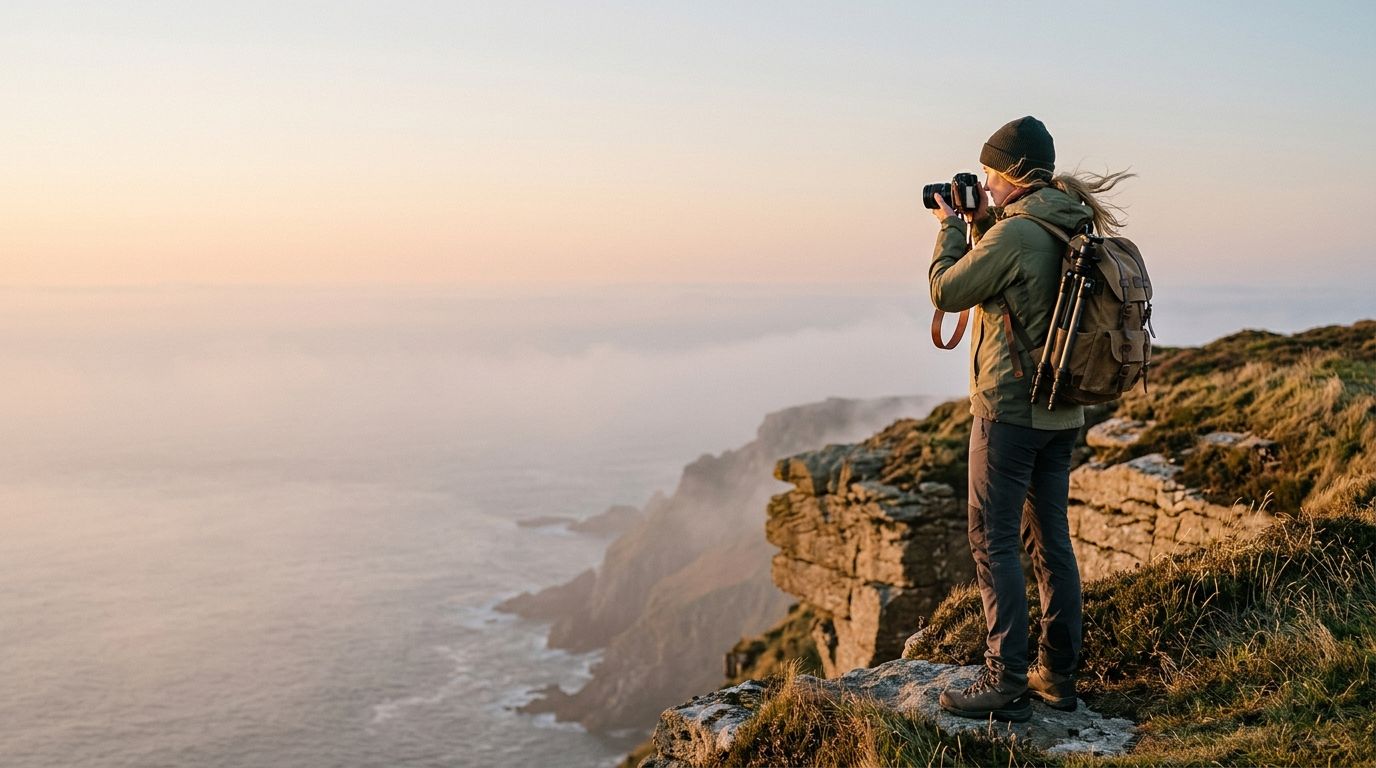
A travel photographer doesn't just “take good pictures while abroad.” That's hobby language. Professional travel photography is about delivering images that a client, publication, hotel, tourism board, or editor can use.
The fastest way to stand out isn't chasing the same iconic shots everyone else has. It's building a portfolio around a recognizable perspective. That could mean markets at dawn, everyday transport, mountain villages in bad weather, budget lodging with character, or portraits that feel respectful rather than staged.
Early on, many photographers piece income together from several streams. Stock libraries, editorial assignments, direct brand work, print sales, workshops, and visual packages for smaller tourism businesses can all play a role.
Where beginners usually go wrong
They focus on gear before they focus on market fit. Yes, equipment matters. But a mediocre photographer with a clear niche and a disciplined file workflow often gets further than a talented shooter with no captioning system, no release process, and no idea how licensing works.
If you want a practical starting point, this breakdown of becoming a freelance photographer is useful because it treats photography like a business.
A few tactics matter more than people expect:
- Shoot for use, not applause: Leave space for text, capture vertical and horizontal frames, and document context.
- Write metadata immediately: Keywords, locations, and model details are hard to reconstruct later.
- Negotiate usage clearly: Web-only and full commercial buyout are not the same thing.
- Pair photos with words: Editors often prefer contributors who can deliver captions, short copy, or complete features.
The lifestyle sounds romantic, and sometimes it is. But a lot of travel photography is waiting for light, carrying backups, protecting files, and being willing to shoot when everyone else is off having dinner.
3. Tour Guide
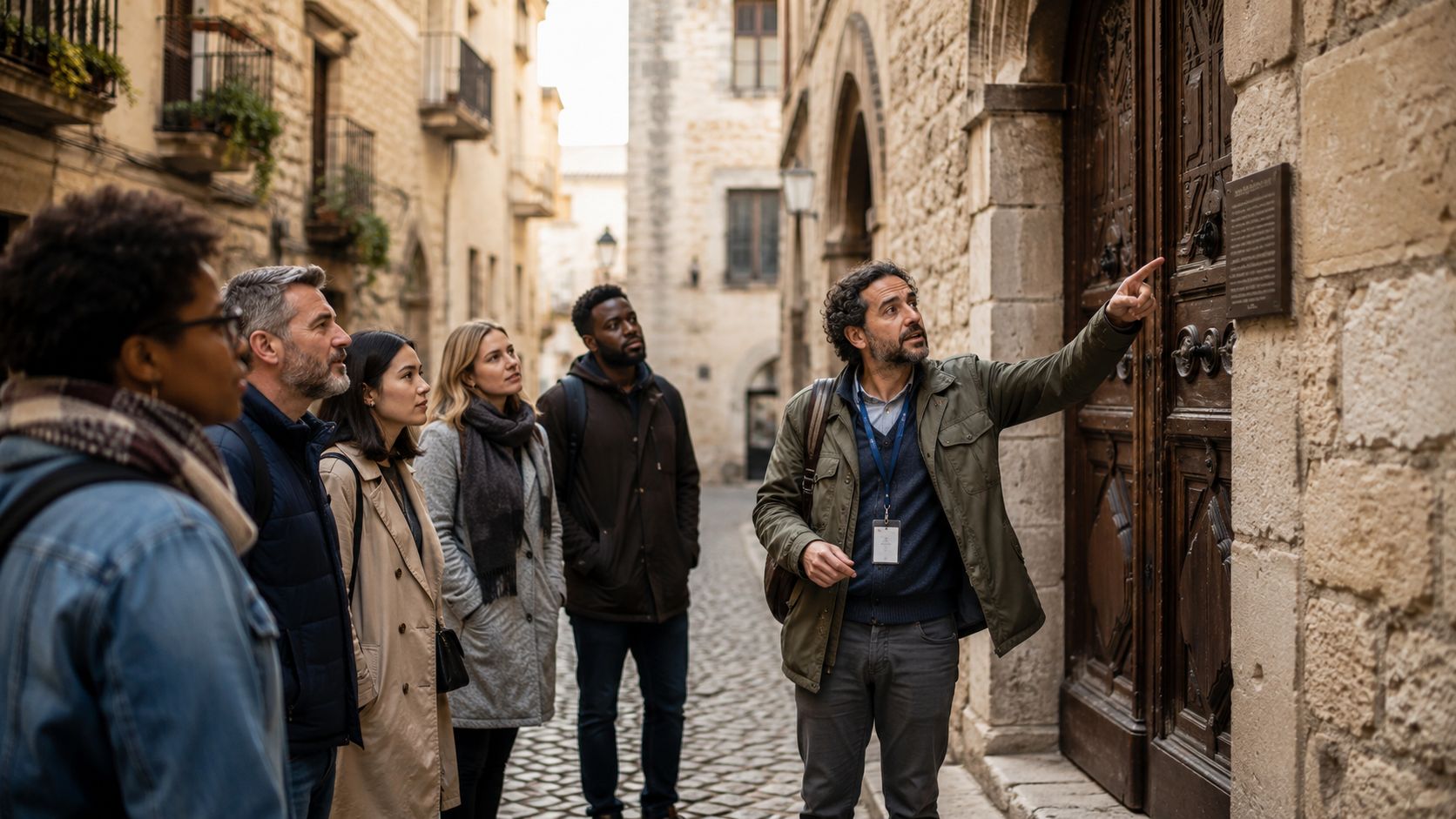
If you know how to hold a group's attention, solve problems quickly, and make a place feel alive, guiding is one of the most direct travel jobs you can build. Good tour guides aren't reciting memorized facts. They're hosts, interpreters, timekeepers, and crowd managers all at once.
This path works especially well for travelers who like people more than screens. You can guide full-time in one city, lead specialty trips across regions, or create your own niche experience. Food tours, street art walks, architecture routes, cemetery tours, literary walks, market crawls, and photography walks all attract different audiences.
How to become the guide people recommend
Depth beats breadth. A guide who knows three neighborhoods intimately often delivers a stronger experience than one who tries to cover an entire city in broad strokes. Travelers remember stories, local context, and smooth logistics more than they remember dates.
Independent guides can build through hostels, guesthouses, local partnerships, and review platforms. Some start with free walking tours, then move into paid specialty experiences once they understand pacing and guest expectations.
The best guides know when to stop talking. Space matters. Let people look, taste, listen, and absorb.
What works in practice:
- Develop a theme: “Hidden bars” is weaker than “post-industrial neighborhoods and how locals reclaimed them.”
- Collect social proof early: Detailed reviews are often more persuasive than polished branding.
- Learn your route under pressure: Walk it in rain, crowds, closures, and transit disruptions.
- Build referral channels: Hostel desks, expat communities, and boutique stays can send repeat business.
The hard part is energy management. Guiding can be highly rewarding, but it's still performance work. If you don't protect your voice, your schedule, and your patience, burnout arrives quickly.
4. Travel Agent / Flight Booker
A modern travel agent isn't obsolete. A weak one is. Clients don't need help clicking “book now.” They need help when an itinerary is complicated, a route is fragile, a visa issue is lurking, or a trip has to fit a very specific budget and travel style.
That's why specialization matters. Budget multi-stop itineraries, solo female travel planning, destination weddings, adventure logistics, rail-heavy Europe trips, and long-term backpacking routes all require different knowledge. The best agents solve headaches before the client even sees them.
Where this role creates real value
A good flight booker understands layover risk, airport transfers, baggage rules, fare restrictions, and schedule logic. That's worth money. It's also why experienced planners often beat algorithm-built itineraries on trips with many moving parts.
If flights are your entry point, this guide on the best time to book flights is a good reminder that timing is only one piece of the puzzle. Route structure, flexibility, and backup options matter too.
Useful habits separate professionals from hobby planners:
- Template repeatable trips: Honeymoons, gap-year starts, and multi-city family visits often share planning patterns.
- Track provider reliability: The cheapest vendor isn't always the one you want attached to your reputation.
- Know border basics: You don't need to be an immigration lawyer, but you do need to flag obvious issues.
- Sell judgment, not just booking access: Clients come back because you reduce stress.
This is an excellent 100 travel job for people who like detail, systems, and service. It's less glamorous than content creation, but often more stable. You also get the satisfaction of making a trip work cleanly, which experienced travelers value more than glossy marketing.
5. Content Creator / YouTube Travel Creator
Video travel content has room for new creators, but only if they understand what audiences actually stick around for. Fancy drone shots help. Narrative tension helps more. Viewers want information, honesty, and a sense that a real person is figuring things out in real places.
That's why some of the most watchable travel channels aren't the most polished. They show missed buses, language mistakes, awkward hotel arrivals, budget trade-offs, and route decisions. That kind of material builds trust because it reflects how travel feels.
What makes a channel grow with substance
Series are stronger than random uploads. A month crossing Central Asia by train, a city-by-city budget challenge, a season of volunteer placements, or a practical solo-travel series gives viewers a reason to keep coming back.
Creators who last also treat YouTube like a media business. They plan thumbnails, map recurring formats, archive footage carefully, and repurpose content into newsletters, short clips, and guides.
Try this framework:
- Lead with a real question: Can you cross a country overland on a tight budget? Is a famous destination worth it in peak season?
- Show friction: Delays, confusion, and adjustments make the story believable.
- Teach while entertaining: Explain transport, costs, etiquette, or planning choices as the story unfolds.
- Don't depend on ads alone: Brand deals, memberships, products, and services give you more control.
The trap is turning every trip into a filming obligation. Once you're always thinking in shots, hooks, and edits, travel can start to feel consumed before it's even experienced. Creators who last usually build in off-camera days.
6. Volunteer Coordinator / Volunteer Travel Organizer
This role sits at the intersection of travel, logistics, and ethics. A good volunteer coordinator doesn't sell a feel-good fantasy. They vet placements, prepare travelers realistically, and make sure host communities benefit in concrete ways.
That's badly needed. After the pandemic shock, the global Travel & Tourism sector faced the loss of over 100 million jobs, according to the World Travel & Tourism Council. In that kind of disruption, opportunistic “guaranteed placement” schemes and weak volunteer programs can spread fast.
How to build trust in a risky part of the market
You need a verification mindset. Ask who supervises volunteers, what work they're doing, whether visas are appropriate, where fees go, and what happens if the placement fails. If an organization gets vague when you ask for specifics, walk away.
This is also where many travelers get burned by TEFL-style promises and “work while traveling” offers that sound legitimate until the visa, housing, or job itself disappears. A serious organizer protects people from that.
For readers comparing options, these affordable volunteer abroad programs are a better starting point than blindly trusting a flashy ad.
Field note: Ethical volunteer travel is slower and less marketable. That's often how you know it's real.
Strong coordinators usually do four things well:
- Screen host organizations carefully: Don't outsource trust to marketing materials.
- Prepare volunteers for culture shock: Good intentions don't replace humility.
- Match skills to real needs: Not every traveler should teach, build, or lead.
- Stay in contact after arrival: Support matters when plans change on the ground.
If meaningful travel matters to you, this is one of the most worthwhile travel careers you can build.
7. Travel Safety Consultant / Solo Travel Advisor
A lot of travelers don't want someone to talk them out of going. They want someone who can help them go wisely. That's where a safety consultant or solo travel advisor earns their keep.
This role is especially valuable for solo female travelers, first-time long-term travelers, students heading abroad, and parents helping adult children plan extended trips. The work can include destination briefings, itinerary reviews, neighborhood advice, arrival planning, cultural norms, communication backups, and practical risk reduction.
Advice that calms people instead of scaring them
Fear-heavy advice isn't useful. Strong advisors focus on preparation, not paranoia. They help travelers identify pressure points: late-night arrivals, isolated lodging, poor transit links, weak phone access, unrealistic schedules, or social habits that create avoidable risk.
A good resource for the style of guidance clients look for is this set of solo female travel safety tips. Notice the tone. Confident, practical, and specific beats dramatic every time.
A few service ideas work well here:
- Pre-trip consults: Great for route reviews and first-night planning.
- Downloadable safety briefs: Useful for passive income and lead generation.
- Group workshops: Hostels, schools, and women's communities often need them.
- Destination-specific guides: Broad advice helps, but local nuance closes the gap.
This kind of 100 travel job can also pair nicely with content, coaching, or trip planning. The key is credibility. Clients need to feel you understand both on-the-ground travel behavior and the emotional reality of moving through unfamiliar places alone.
8. Accommodation Host / Airbnb Manager
Hospitality is one of the oldest travel jobs for a reason. Travelers always need a place to sleep, and hosts who understand what guests care about can build a strong reputation even without luxury inventory.
The biggest mistake new hosts make is thinking the business is about decor. Decor matters, but clarity matters more. Guests want accurate listings, easy check-in, fast replies, clean rooms, working showers, honest neighborhood descriptions, and local guidance they can use.
Small details that shape reviews
Budget travelers and backpackers aren't looking for perfection. They're looking for value and predictability. If you say the room is basic but spotless and close to transit, it had better be basic, spotless, and close to transit.
Hosts who do well often create a strong sense of place. That could mean a handwritten food map, a guide to nearby laundries, a list of early-morning cafes, or practical notes on buses and safety after dark. Those touches matter more than generic “welcome baskets.”
Try focusing on these:
- Photograph accurately: Wide-angle deception causes bad reviews.
- Write house rules clearly: Ambiguity creates friction.
- Respond fast: Guest trust rises when communication is calm and prompt.
- Design for the traveler you want: Solo travelers, couples, remote workers, and backpackers all need different things.
This role can become a travel lifestyle in two ways. You can stay rooted in one destination and host travelers from everywhere, or you can manage properties remotely and travel between markets. The first is usually simpler. The second needs strong systems and reliable local support.
9. Travel Insurance Agent / Health and Travel Insurance Specialist
Travel insurance isn't exciting until something goes wrong. Then it becomes the only topic anyone cares about. That's why specialists in this area can build a useful, durable business.
A good travel insurance agent explains policy language in plain English. They help travelers understand exclusions, trip interruption rules, baggage coverage, medical scope, sports limitations, and claim documentation. For long-term travelers, digital nomads, volunteers, and adventure travelers, that guidance can be the difference between buying the wrong product and buying the right one.
Why this niche is bigger than it looks
Many travelers don't know what they need until they're already overwhelmed. Gap-year travelers, multi-country backpackers, older travelers with prescriptions, and people mixing work with travel all have different coverage questions. General advice often misses those nuances.
This role also pairs well with agencies, bloggers, nomad communities, and student travel organizations. If you can teach rather than just sell, people remember you.
Insurance specialists do best when they act like interpreters. The policy exists already. Your value is helping clients understand what they're buying.
A practical setup often includes:
- Comparison guidance: Show where policies differ in real use cases.
- Claim prep resources: Travelers need records, receipts, and timelines.
- Segment-specific offers: Adventure travel, volunteer travel, and long stays have different pain points.
- Educational content: Articles, webinars, and checklists build trust before the sale.
This isn't the flashiest 100 travel job. It is one of the more dependable ones, especially if you're patient, precise, and comfortable working with travelers who are making high-stakes decisions.
10. Digital Nomad Coach / Remote Work Enabler
Some travelers don't need a travel job in the classic sense. They need help turning an existing skill into mobile work. That's where digital nomad coaching comes in.
A strong coach helps people bridge the messy middle. Not the fantasy of sipping coffee by the sea while money appears, but the actual transition: Finding remote-friendly clients or employers, setting work boundaries, choosing workable bases, managing time zones, handling admin, and staying productive when the scenery keeps changing.

Coaching that solves operational problems
The best coaches don't package vagueness. They teach process. How to structure a remote work week. How to build a service offer. How to choose accommodation that supports work. How to communicate availability across time zones. How to avoid burning out in places that are fun but impossible to focus in.
Group coaching often works especially well here because people learn from each other's mistakes. One client has solved taxes. Another has mastered client communication while changing countries. Another knows which setups help creative work.
Good offers often include:
- Transition plans: Especially for freelancers and first-time remote workers.
- Community: Nomads stay longer when they feel less isolated.
- Practical mini-courses: Time-zone management, workflow, visas, and client operations.
- Honest expectation-setting: Mobility is exciting, but it also creates friction.
This field is crowded with hype, so realism is your edge. People trust coaches who admit that travel can disrupt sleep, focus, relationships, and income. Helping clients build a version of the lifestyle that fits them is what makes the work valuable.
10 Travel Jobs: Side-by-Side Comparison
| Role | Implementation Complexity 🔄 | Resource Requirements ⚡ | Expected Outcomes 📊 | Ideal Use Cases 💡 | Key Advantages ⭐ |
|---|---|---|---|---|---|
| Travel Blogger | Medium 🔄, writing, SEO, consistency | Medium ⚡, camera, hosting, travel budget | Moderate 📊, audience growth (6–12+ months); ads/sponsorships | Story-driven guides, budget travel | Flexible schedule; diverse monetization |
| Travel Photographer | High 🔄, technical skill, portfolio curation | High ⚡, professional gear, editing software, travel costs | High potential 📊, licensing and commercial work; variable early income | Visual storytelling, stock & editorial work | Strong commercial demand; artistic fulfillment |
| Tour Guide | Low–Medium 🔄, local knowledge & group management | Low–Medium ⚡, training, certification, on-the-ground logistics | Steady/seasonal 📊, regular bookings; tipping boosts income | City walks, cultural & niche tours | Immediate guest interaction; repeat referrals |
| Travel Agent / Flight Booker | Medium 🔄, booking systems & supplier relations | Medium ⚡, CRM, booking tools, supplier access | Steady 📊, commission-based income; seasonal peaks | Customized itineraries, niche travel planning | Repeat business; access to industry rates |
| Content Creator / YouTube Travel Creator | High 🔄, filming, editing, audience growth | High ⚡, camera, software, significant time investment | High growth potential 📊, ad revenue, sponsorships long-term | Vlogs, documentary travel series, brand partnerships | Strong engagement; lucrative sponsorships |
| Volunteer Coordinator / Organizer | Medium 🔄, vetting, partnerships, logistics | Low–Medium ⚡, networks, coordination tools, training materials | Meaningful impact 📊, social outcomes; lower financial returns | Ethical volunteer programs, NGO partnerships | Direct community impact; mission-driven work |
| Travel Safety Consultant / Solo Travel Advisor | Medium–High 🔄, risk assessment, liability awareness | Low–Medium ⚡, research tools, credentials, networks | Premium niche income 📊, high client satisfaction & referrals | Solo female travel, high-risk destinations | Expert trust; premium pricing |
| Accommodation Host / Airbnb Manager | Medium 🔄, operations, guest management | High ⚡, property capital, maintenance, cleaning systems | Recurring income 📊, passive but location-dependent | Short-term rentals, hostels, guesthouses | Scalable asset income; pricing control |
| Travel Insurance Agent / Specialist | Medium 🔄, policy expertise & claims handling | Low–Medium ⚡, provider relationships, CRM | Steady commissions 📊, repeat and referral business | Adventure travelers, long-term/nomadic clients | Predictable commissions; client risk protection |
| Digital Nomad Coach / Remote Work Enabler | Medium 🔄, coaching + legal/visa know-how | Low ⚡, knowledge, online tools, community platforms | Scalable revenue 📊, coaching, courses, group programs | Remote work transition, productivity & visa guidance | High-margin digital products; community building |
Your Journey Starts Now
The world of travel work is much bigger than the usual fantasy version of it. You don't need to become a viral influencer, quit overnight, or book a one-way ticket with no plan. You need to choose a lane that fits your strengths, understand what the day-to-day work looks like, and build enough skill that people are willing to pay you for it.
That's the shift. A 100 travel job stops being a dream the moment you treat it like a profession.
Some of these paths are highly visible. Travel blogging, photography, and YouTube draw attention because they look adventurous from the outside. They can be rewarding, but they're also business models that require consistency, audience trust, and a willingness to keep producing when the trip itself is tiring. If you love storytelling and don't mind editing, pitching, and publishing, they're powerful options.
Other paths are quieter and often more stable. Travel planning, insurance advising, safety consulting, hosting, and digital nomad coaching don't always get the same attention, but they solve direct problems. That matters. Travelers happily pay for clarity, reassurance, organization, and expertise when the stakes are real. Missed flights, bad lodging choices, sketchy volunteer programs, weak insurance coverage, and unsafe arrivals aren't abstract issues. They shape the whole experience.
The best choice usually comes down to three questions.
First, do you want to create, guide, advise, or operate? Creators make media. Guides shape experiences in person. Advisors help people make better decisions. Operators handle the systems behind the scenes. There's no prestige hierarchy here. Plenty of people are happier and more profitable in a well-run service business than in a public-facing content career.
Second, what kind of travel do you want? Constant motion sounds exciting until you've done it for months. Some jobs require heavy movement between cities, clients, or properties. Others let you stay longer and get to know one place well. Be honest with yourself. Loving travel doesn't always mean loving transit.
Third, how much uncertainty can you handle? Entrepreneurship offers freedom, but it can bring uneven income and a lot of self-management. Structured roles can offer steadier footing, but they may give you less control over schedule and location. Neither is automatically better. The right fit is the one you can sustain.
There's also a practical warning worth keeping in view. Not every travel opportunity is legitimate, ethical, or financially wise. Be careful with jobs that promise guaranteed placements, vague compensation, or unusually easy access to life abroad. Read contracts carefully. Verify employers. Ask where the money comes from, what support exists on arrival, and what happens if things fall apart. Meaningful travel starts with clear eyes.
If you're serious about building a life around movement, start smaller than your imagination wants to. Pick one of these ten paths. Learn the tools. Study the market. Talk to people already doing the work. Run a low-risk version first. Guide one route. Publish one useful blog series. Plan travel for a handful of paying clients. Manage one property well. Build one workshop people need.
That's how travel careers become real. Not through vague inspiration, but through repeated useful work.
And once you do that, the world opens differently. You stop looking at destinations only as a visitor. You start seeing where your skills fit, where your judgment helps, and where travel becomes part of how you live, not just how you escape.
Travel Talk Today is built for travelers who want more than cheap thrills and generic lists. If you're ready to turn ideas into an actual plan, explore Travel Talk Today for practical guides on affordable travel, solo safety, volunteering abroad, and smarter ways to build a meaningful life on the road.