You're looking at Whistler dates, the Four Seasons name pops up, and the price makes you pause. That's the right instinct. 4 Seasons Whistler is not a casual booking, and if you're paying luxury rates, you should know exactly what you're buying, what you're giving up, and when the splurge makes sense.
Whistler supports that kind of decision-making because it isn't a one-note ski town. Tourism Whistler reports 3.4 million visitors per year, split 47% in winter and 53% in summer, with more than 30,000 overnight visitors supported by 10,000+ bedrooms in the destination (Tourism Whistler media guide). That scale matters. It means Four Seasons Whistler sits inside a serious mountain market, not a niche chalet scene, so the question isn't whether the property is famous. It's whether it fits your trip style and your budget.
Why Four Seasons Whistler Is on Every Whistler Shortlist
A couple is staring at a booking screen late at night, comparing a slope-side hotel, a village stay, and the Four Seasons name. The question is simple. Is this a smart splurge, or just a pricey way to sleep in Whistler?
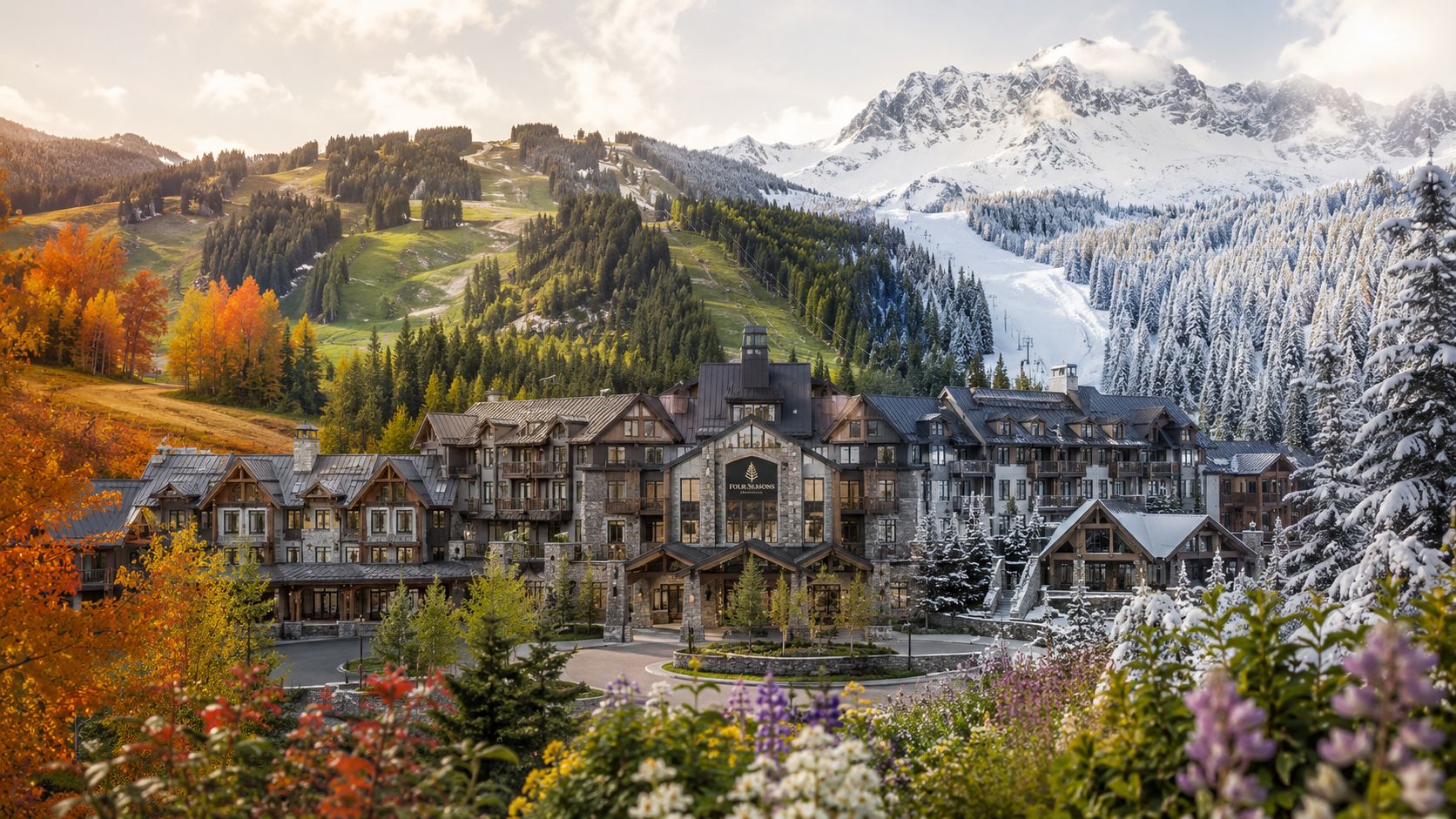
4 Seasons Whistler keeps showing up on shortlists because it delivers a calmer kind of luxury than many mountain hotels. It opened in 2004, and it was Whistler's first five-star hotel in the ski destination market. That matters because the property earned its reputation early and has stayed relevant by doing the basics well: service, space, and a resort atmosphere that does not feel cramped.
Whistler gives that formula room to matter. The resort sits inside a large mountain destination with 8,171 acres of skiable terrain, 200+ trails, 32 lifts, and a combined lift capacity of 66,000+ skiers and riders per hour. A market like that can support a premium hotel, and Four Seasons has the kind of polish that makes sense for travelers who want the stay to feel as intentional as the trip itself.
Practical rule: If you want comfort, strong service, and a quieter base in Upper Village, Four Seasons belongs on the list. If your priority is the cheapest bed near the lifts, look elsewhere.
From a money-smart angle, the property makes the most sense for travelers who will use the hotel. That means guests who care about the resort feel, expect attentive service, and want a base that feels composed after a day on the mountain. Budget travelers should be honest with themselves here. If you mainly want a clean room and easy access to the village, a more modest Whistler hotel can deliver a large share of the experience for far less.
The clearest way to judge 4 seasons whistler is by trip style, not by brand prestige. It rewards people who value comfort and consistency. It is a weaker fit for travelers who are counting every dollar or who want the most nightlife, the most foot traffic, and the least expensive bed available.
Inside the Property, Rooms, and Signature Amenities
The building itself tells you a lot about the stay you're buying. Four Seasons Resort and Residences Whistler is a large, purpose-built mountain property completed in 2004, arranged as two concrete towers connected by a second-floor walkway and an underground service tunnel. That layout is not a design flourish. It shapes how quiet the property feels, how staff move out of sight, and how guests pass between hotel and residence areas.
The room mix matters too. The property has 273 total rooms, including 178 guest rooms and 95 suites, plus 37 residential units. That mix supports both short resort stays and longer visits. In a ski town, that matters because some guests want a polished hotel base while others want more room, a kitchen-style setup, and a stay that feels less compressed.
How the tower split changes the stay
The east tower has nine floors and contains the main hotel. The west tower has six floors and includes the residences, health and fitness center, and additional suites. That split is worth paying attention to before you book. If you want the more classic hotel experience, ask for the east tower. If you are traveling with family or want a bit more separation from the main hotel flow, the west tower makes more sense.
The property also runs like a serious mountain hotel in winter conditions. The underground service tunnel and second-floor walkway are not flashy features, but they keep ski gear movement, staff circulation, and event traffic organized. That kind of planning is part of why the resort feels composed even when the village is busy.
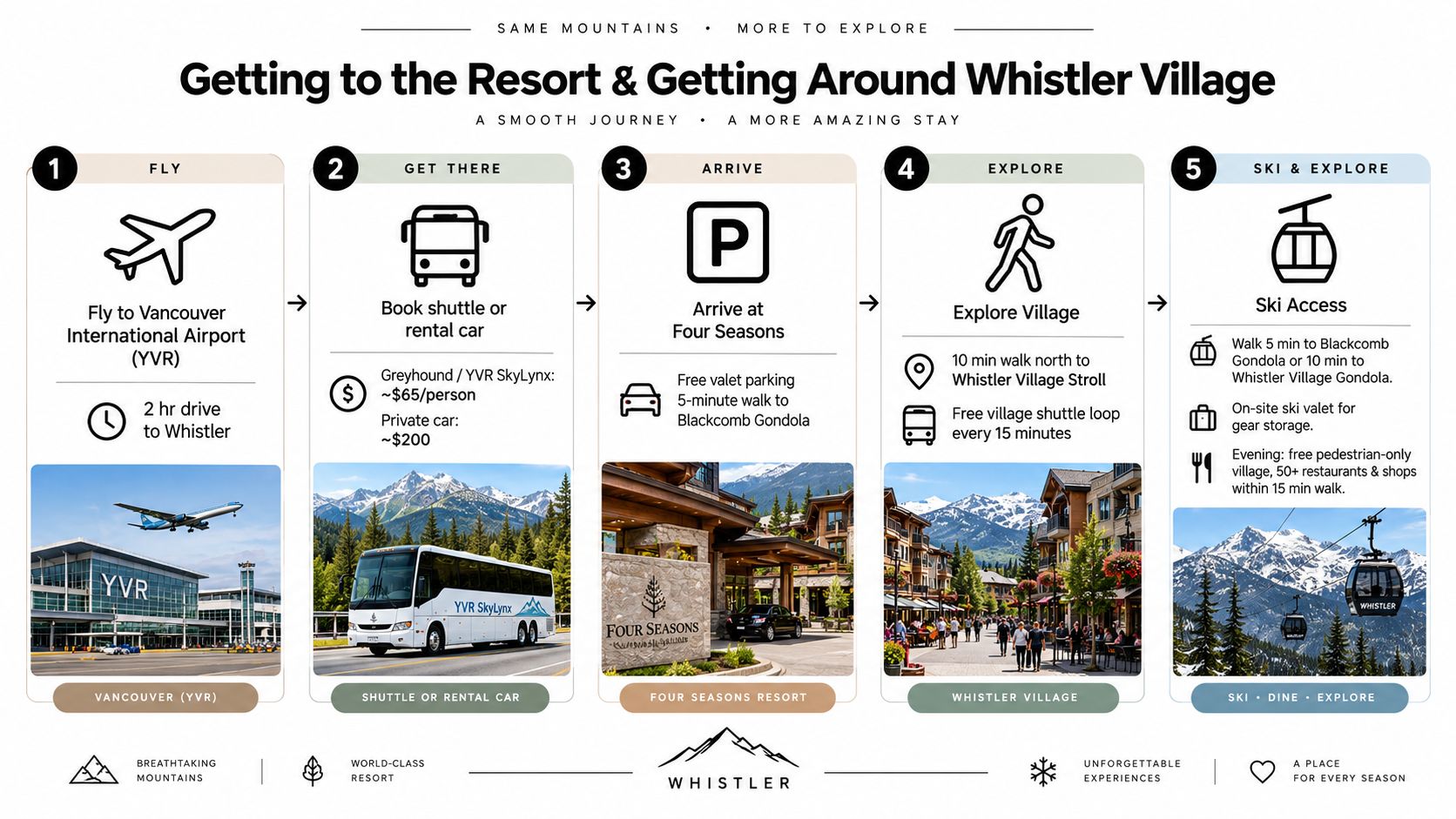
For a visual map of how arrival and village movement usually work, use this guide:
If you care about sustainability as part of the stay, this broader look at eco-friendly accommodations is worth a read.
What the room inventory tells you: this is a large luxury asset, not a tiny boutique retreat. That works well for consistency and polished service. It works less well if you want intimate, under-the-radar charm.
Whistler by Season, What to Do Each Time of Year
Whistler is a different resort depending on the month. Winter gives you the classic ski town version, with hard snow, busy lifts, and a higher tolerance for paying top dollar. Summer shifts the whole equation toward hiking, biking, patios, and longer days outside. If your trip style does not match the season, even a polished hotel starts to feel overpriced.
Winter, the headline season
Winter is the season that justifies the splurge most easily. Whistler's long-term snowfall patterns are strong, and the mountain setup still includes the terrain and lift network noted earlier, which is why the resort feels built for serious ski trips Tourism Whistler media guide. Four Seasons Whistler fits best here because you can ski all day, then come back to a quieter Upper Village base instead of staying in the busiest pedestrian zone.
Summer, the underpriced surprise for many travelers
Summer brings a different crowd and a different rhythm. Tourism Whistler reports that summer makes up a larger share of annual visits, which tells you the warm season is not just a filler period, it is a major part of the Whistler experience as noted in the media guide. The mountain shifts into hiking, biking, and sightseeing mode, and that makes the luxury spend easier to defend for travelers who are not planning their whole trip around lift access.
For people who do not ski, summer often gives you more value for the room rate. You are paying for the hotel, the setting, the service, and the downtime, not just for immediate ski convenience. That is a better deal if you plan to use the property.
Spring and fall, the value-minded windows
Spring works for travelers who want calmer slopes and a slower pace. Fall is even easier on the wallet and the nerves, with quieter streets, more breathing room, and less pressure to pack every day with activity. If you are watching your budget, these shoulder seasons are the smartest time to book Four Seasons Whistler, because the hotel's core strengths still hold up while the rate logic improves.
For a winter-focused comparison of why the region draws so many cold-weather travelers, see this guide to the best places to visit in winter.
| Season | Share of Annual Visits | Signature Activities | Rate Posture |
|---|---|---|---|
| Winter | 47% | Skiing, snowboarding, spa recovery, winter walks | Highest |
| Spring | Not specified in verified data | Quieter slopes, softer crowds, relaxed stays | Moderating |
| Summer | 53% | Hiking, biking, sightseeing, alpine time | Strong demand |
| Fall | Not specified in verified data | Low-crowd mountain stays, calm village time | Best value-minded posture |
Getting to the Resort and Getting Around Whistler Village
Getting to Whistler is simple enough that a car isn't always the smart move. Vancouver International Airport is the usual gateway, and the drive to Whistler is about two hours in normal conditions. The bigger question is what happens after you arrive, because the location tradeoff is the whole story for many travelers.
Four Seasons Whistler sits a 5-minute walk to Blackcomb Mountain and about 10 to 15 minutes' walk outside Whistler Village, which is exactly why some travelers love it and others pass on it (Petit Passeport overview). You get a quieter Upper Village setting, but you're not dropping straight into the busiest part of town. If you're the kind of traveler who wants quick access to dinner, late-night drinks, and a busier pedestrian scene, that distance matters.
When a car helps and when it doesn't
A rental car helps if you're planning side trips, carrying bulky gear, or traveling with a family that hates waiting around. It hurts if you're only in town for the resort experience, because parking adds friction and Whistler is very walkable once you're settled. The practical sweet spot is this, arrive with a transfer if you're keeping the trip simple, or rent only if your itinerary needs it.
My blunt advice: do not pay for a car just to sit on it. In Whistler, convenience comes from location and good planning, not from extra keys.
The hotel's own winter resort materials emphasize year-round activities and winter logistics, but the most important traveler question is still the same, how easily can you move between the resort, Blackcomb, and the village without overthinking it? For most guests, the answer is, easily enough. For late-night village dining or a fully car-free stay, though, you need to be honest about the walk.
If you're also timing flights and transfers, this guide on best time to book flights fits neatly with Whistler planning.
Who Gets Value at Four Seasons Whistler
4 Seasons Whistler is a smart buy for some travelers and a bad buy for others, and the difference has less to do with the logo than with room fit and trip style.
Public listings show a very wide rate spread, with prices ranging from about $423 to $2,526 on the TripAdvisor listing. Seasonal pricing can also drop to roughly 305 CAD for rooms versus about 1,481 CAD for suites in peak periods, as noted above. That spread tells you two things. First, this property does not sell a single fixed experience. Second, the value calculation changes a lot depending on whether you book a basic room or a suite.
Why couples usually win here
This hotel makes the most sense for couples, honeymooners, and splurge trips where the room itself is part of the experience. The brand, the calmer setting, and the luxury-service profile line up well with those trips. A traveler paying for romance or celebration is more likely to feel that the cost lands in the right place.
Why some groups should look elsewhere
The recurring complaint in user-generated coverage is the lack of double-queen rooms, with many guests noting king-bed-heavy inventory per the same listing. That makes the property awkward for friends sharing a room, some families, and solo travelers who want bedding flexibility. If the room shape does not fit your group, the brand cannot fix that.
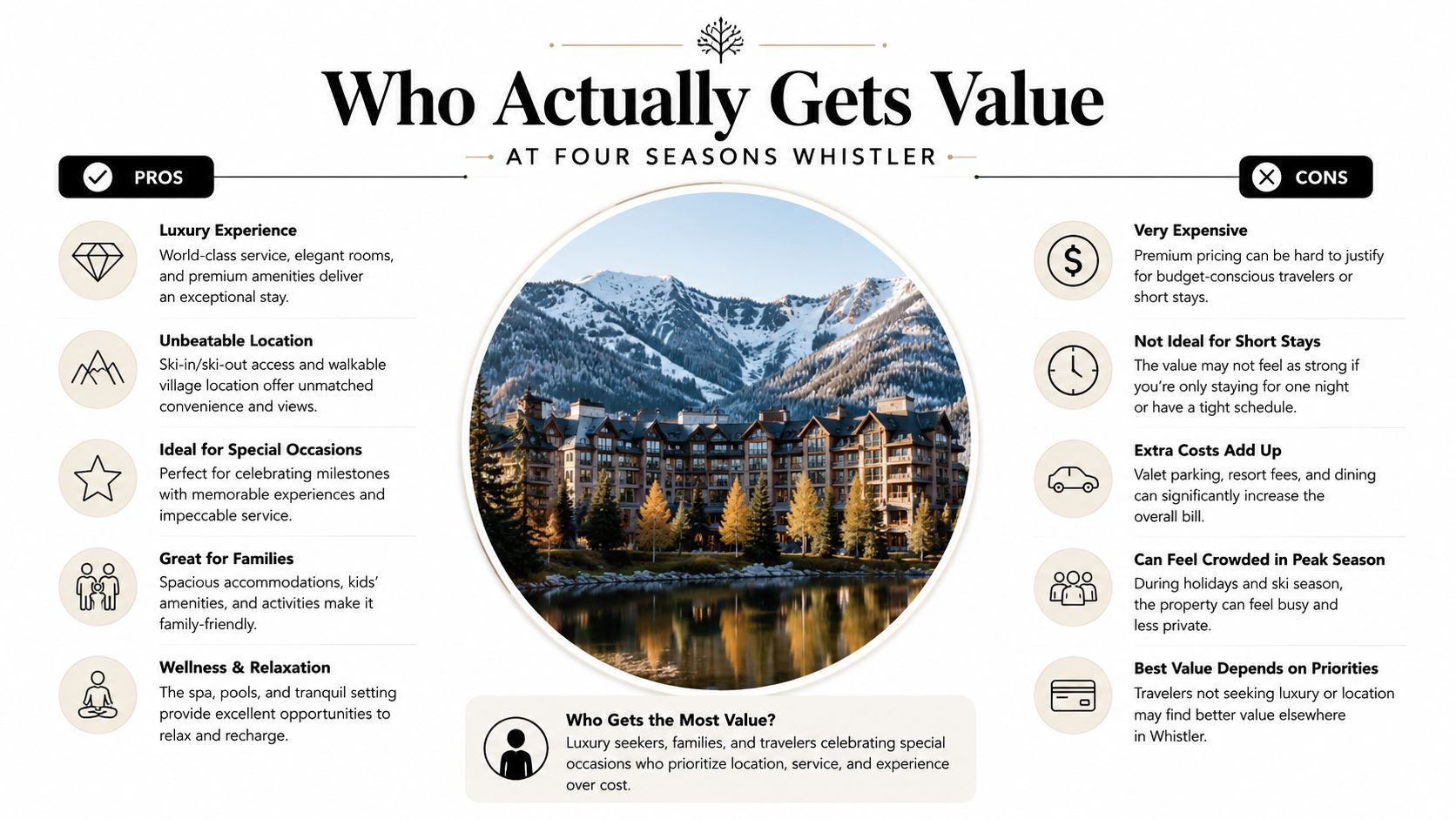
The plain truth is that this property's room inventory and pricing structure make it a better match for higher-spend couples than for mixed groups or budget-first travelers. If you are booking for convenience, privacy, and fewer compromises, it is a good candidate. If you are trying to stretch every dollar, the brand name alone will not rescue the value equation.
Booking Tactics and Money-Saving Strategies
Luxury doesn't have to mean sloppy booking. The easiest way to make 4 Seasons Whistler feel worth the money is to stop paying peak prices when your dates don't require them, and to book in a way that preserves flexibility.
Start with direct booking and flexible dates
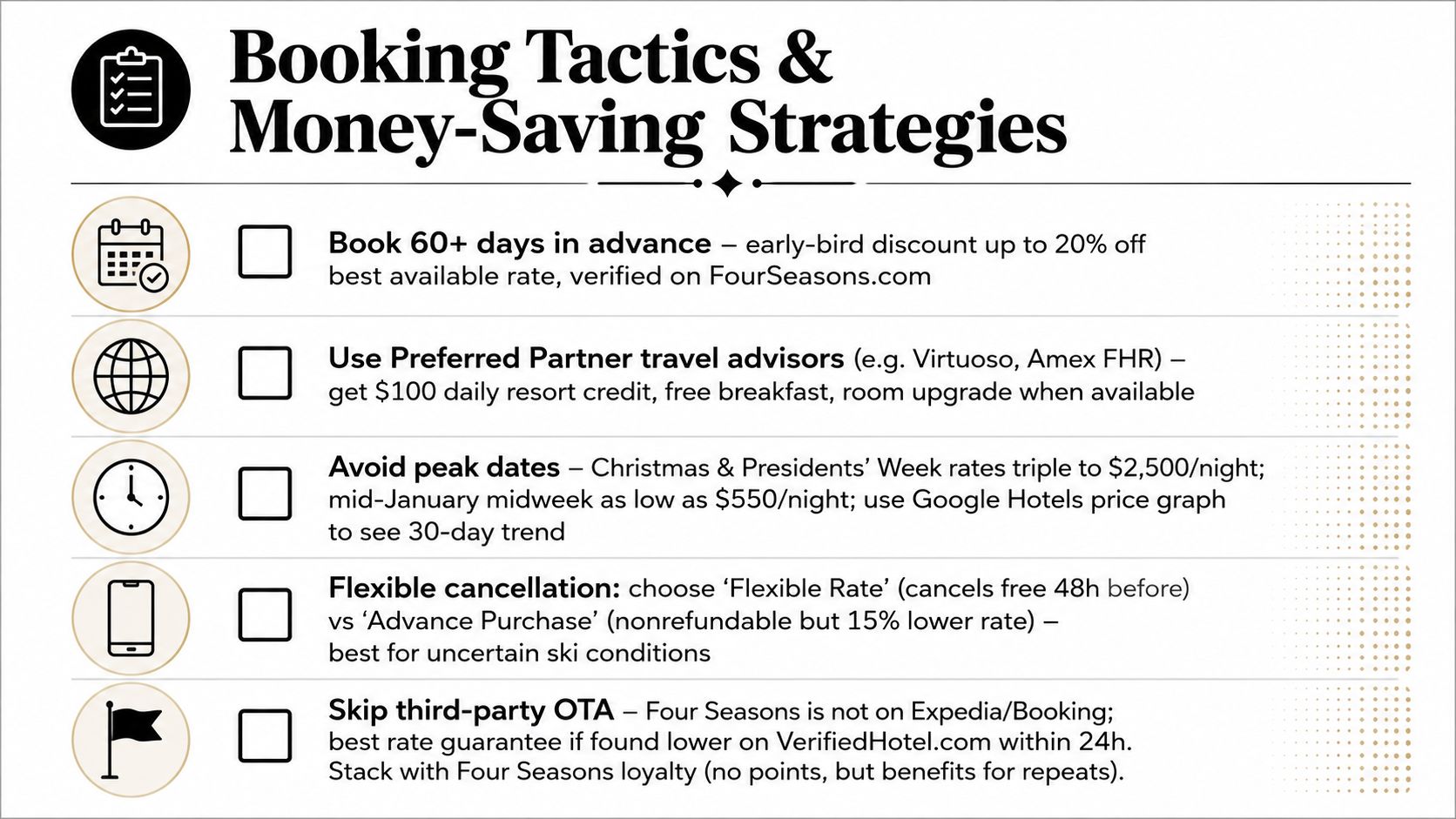
Book direct when you can, because the resort's own offers and room categories are usually easier to compare there than through third-party clutter. Four Seasons properties also reward travelers who show flexibility, especially when snow conditions or work schedules might change. If your dates are uncertain, a flexible cancellation policy is more useful than the smallest possible headline rate.
The money is in timing. Peak holiday dates are where luxury mountain hotels get expensive fastest, while quieter midweek stays tend to soften much more quickly. For travelers who care about value, shoulder seasons remain the cleanest way to lower the bill without sacrificing the resort's core experience.
Use a smarter booking posture
For practical planning, compare dates first, then room type, then cancellation terms. That order matters more than chasing a flashy promo. If you're booking a suite, do the math on space and trip comfort, not just the nightly rate. For a shorter stay, a smaller room often makes more sense because you're paying for the property, not a long residential setup.
A few useful rules hold up well in Whistler:
- Book early when your dates are fixed: You'll usually have better room choice and less last-minute stress.
- Target shoulder periods: They're the easiest place to find value without changing hotels.
- Choose the right room class: Don't overpay for space you won't use.
- Ask politely about upgrades: Tone matters, and timing matters more.
- Check resort offers directly: The best package is often simpler than a third-party bundle.
For a wider budgeting framework, this guide on how to save money on hotels is a good companion.
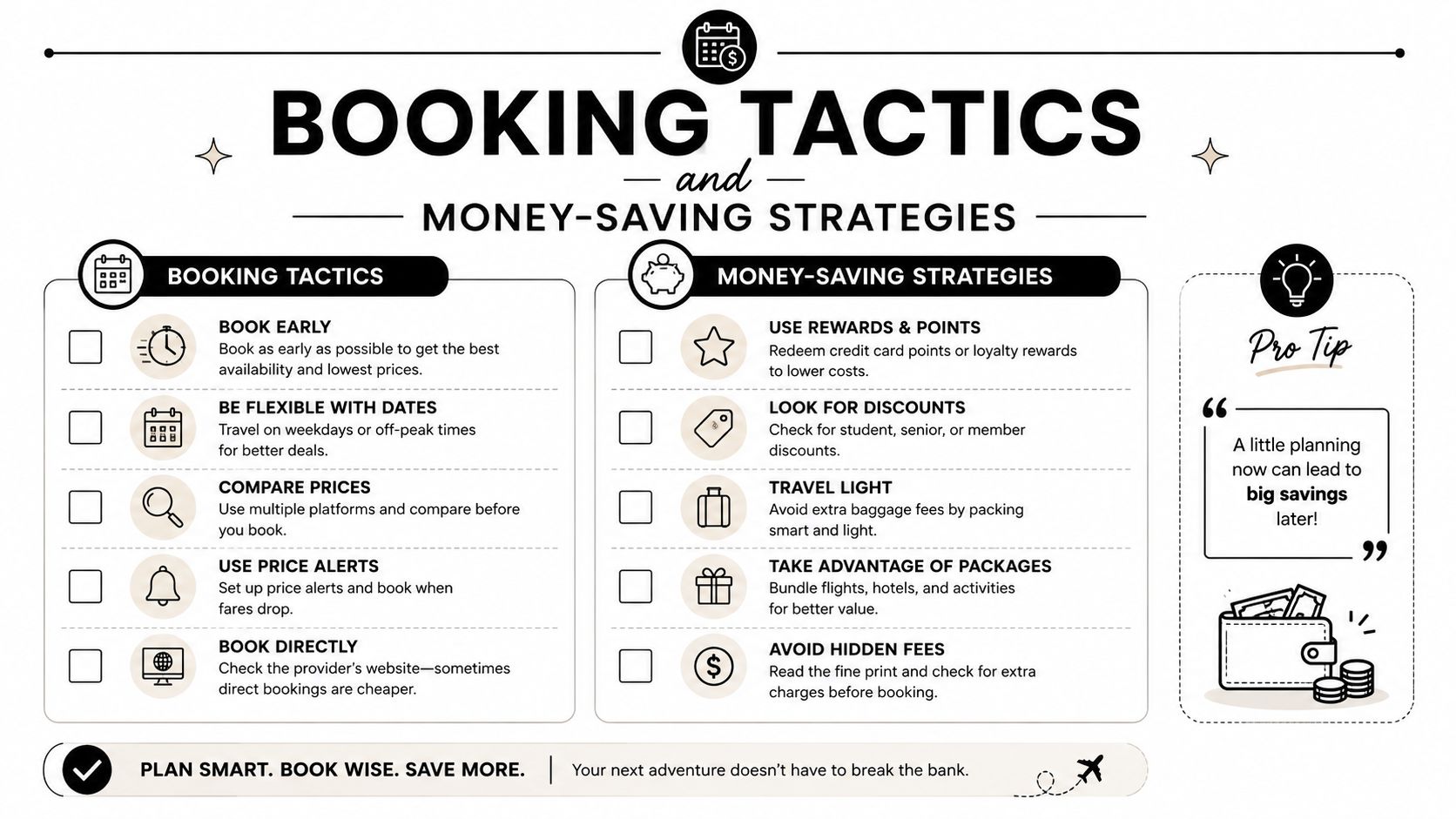
If you're looking for the right time to lock in a deal, the basic principle is simple, less holiday pressure usually means better value. That's true in mountain resorts, and Whistler is no exception.
Smart Whistler Alternatives for Budget-Conscious Travelers
A Whistler trip does not have to start with a flagship luxury hotel. If your goal is to keep costs down and still stay inside the resort area, you have room to make that happen without losing the mountain setting. Whistler has enough lodging depth to support plenty of alternatives, which is why budget-minded travelers can still find a good base without paying for top-tier service they may never use.
If you want a similar mountain experience for less money, pick a property that gives you location first and luxury extras second. Village hotels are the cleaner fit for travelers who want walkability, easy access to restaurants, and a lower nightly rate. Upper Village stays suit guests who want a quieter base and do not need the Four Seasons name to feel like they made a smart choice.
For broader trip planning and lower-cost destination ideas, this roundup of cheap places to travel is a useful reality check before you commit to a premium stay.
My decision rule
Choose Four Seasons Whistler if this is a couple's getaway, a special occasion, or a trip where calm service matters as much as the ski days. Choose an alternative if you are traveling with a group, staying longer, or counting every dollar on the room rate.
That is the clean way to judge it. Four Seasons can be worth the splurge when you will use the service, the quiet, and the space. If you mainly need a comfortable place to sleep, a well-located alternative often delivers most of the Whistler experience for much less.
As noted earlier in the Tourism Whistler media guide, the resort area has plenty of lodging choice, and that is exactly why budget travelers should compare options carefully instead of assuming the biggest name is the best fit.