The dream of exploring ancient ruins, vibrant markets, and breathtaking landscapes feels more achievable than ever, even on a tight student budget. This guide is your strategic roadmap to experiencing the world's most incredible places without draining your bank account. Forget generic advice; we’re diving deep into the specifics that make a trip both affordable and unforgettable.
We've curated a definitive list of the best cheap travel destinations for students, places where your money goes further and your experiences run deeper. From the historic cities of Eastern Europe to the lush jungles of Central America, each location has been selected for its unique culture, safety, and exceptional value. We believe that budget travel shouldn't mean sacrificing quality, but rather finding smarter ways to explore.
Inside this guide, you will find:
- Practical Daily Budgets: Realistic cost breakdowns for accommodation, food, and activities.
- Actionable Itineraries: Sample routes to maximize your time and money.
- Insider Money-Saving Tactics: Specific tips that go beyond the obvious, like using 'colectivos' in Guatemala or finding family-run 'tascas' in Portugal.
This isn't just about seeing the world on a shoestring; it's about making your student years the foundation for a lifetime of meaningful adventure. We’ll even explore long-term strategies like slow travel and work exchanges that can turn a short trip into a life-changing extended stay. Let's start planning an adventure that truly matters.
1. Southeast Asia (Thailand, Vietnam, Cambodia)
For decades, the well-trodden backpacker trail through Southeast Asia has been the gold standard for budget-conscious adventurers, and for good reason. This region offers a potent mix of profound cultural experiences, breathtaking landscapes, and an affordability that makes it one of the absolute best cheap travel destinations for students. Imagine exploring ancient temples, motorbiking through lush rice paddies, and feasting on world-class street food, all while spending as little as $20-$30 per day.

From the digital nomad hub of Chiang Mai, Thailand, where daily costs can dip below $15, to the otherworldly karsts of Ha Long Bay in Vietnam, accessible via budget-friendly overnight cruises, the value is simply incredible. In Siem Reap, Cambodia, you can secure a private room in a guesthouse for just $5-$10 a night, putting you on the doorstep of the majestic Angkor Wat temple complex. This region proves that a limited budget doesn't have to limit the scope of your adventure.
How to Keep Costs Low
The secret to unlocking Southeast Asia's affordability lies in living like a local. Eschew tourist traps and embrace the authentic rhythm of daily life for a richer, more affordable trip.
- Eat Smart: Street food is your best friend. A delicious bowl of Phở in Hanoi or Pad Thai in Bangkok will rarely cost more than $2.
- Travel Overland: Instead of flights, use the extensive network of local buses and trains. An overnight train journey is not just cheaper; it's an experience in itself.
- Stay Local: Choose family-run guesthouses over international hotel chains. You'll save money and get a warmer, more personal welcome.
- Book Directly: Cut out the middleman. Book bus, train, and ferry tickets directly at the station or port to avoid commission fees often added by hotels and tour agencies.
Key Insight: Traveling during the shoulder seasons (like March-April or September-October) offers the perfect balance. You'll find lower prices on flights and accommodation, encounter fewer crowds at major sites, and still enjoy pleasant weather.
A backpacking trip through this region is a rite of passage, and for those just starting out, getting familiar with the fundamentals is key. Our guide offers essential backpacking tips for beginners that can help you prepare for the journey of a lifetime.
2. Central America (Guatemala, Honduras, Nicaragua)
While Southeast Asia often gets the spotlight, Central America offers a similarly rugged and authentic path for students seeking profound cultural immersion and jaw-dropping natural beauty on a shoestring budget. This trio of countries presents a vibrant tapestry of ancient Mayan history, volcanic landscapes, and Caribbean shores, making it one of the most rewarding cheap travel destinations for students. Here, you can hike an active volcano, learn Spanish in a colonial town, or dive in turquoise waters, all while keeping daily expenses between $20-$35.
Imagine basing yourself in Antigua, Guatemala, a city of cobblestone streets and colonial architecture, where guesthouses can be found for $10-$15 a night. From there, budget-friendly shuttles can whisk you to the shores of Lake Atitlán, surrounded by indigenous Mayan villages. In Nicaragua, the idyllic Corn Islands offer world-class snorkeling on a $25-a-day budget, while in Honduras, you can explore the magnificent Copán Ruins with an affordable local guide. This region delivers adventure that feels raw, real, and incredibly accessible.
How to Keep Costs Low
Thriving in Central America on a student budget means embracing local transport, food, and accommodation. Stepping off the well-trodden tourist shuttle circuit is the first step to unlocking major savings and deeper experiences.
- Travel Like a Local: Use colectivos (shared minibuses) or "chicken buses" for travel between cities. They are a fraction of the price of tourist shuttles and offer a dose of authentic local life.
- Volunteer for Your Stay: Look into reputable volunteer programs in teaching or conservation. Many offer free room and board in exchange for your work, drastically cutting your biggest expense.
- Embrace Market Culture: Visit local indigenous markets not just for souvenirs but for meals. You'll find incredible, inexpensive food and get a true sense of the community.
- Learn Basic Spanish: A few key phrases go a long way. Being able to ask for prices, order food, and negotiate in Spanish can help you access local prices and avoid tourist markups.
Key Insight: Don't be afraid of the "green season" (roughly May to November). While it's the rainy season, showers are often short-lived afternoon affairs. Your reward for braving a little rain is 30-40% lower prices on tours and accommodation, plus lush, vibrant landscapes with far fewer tourists.
3. Mexico (Beyond Cancun)
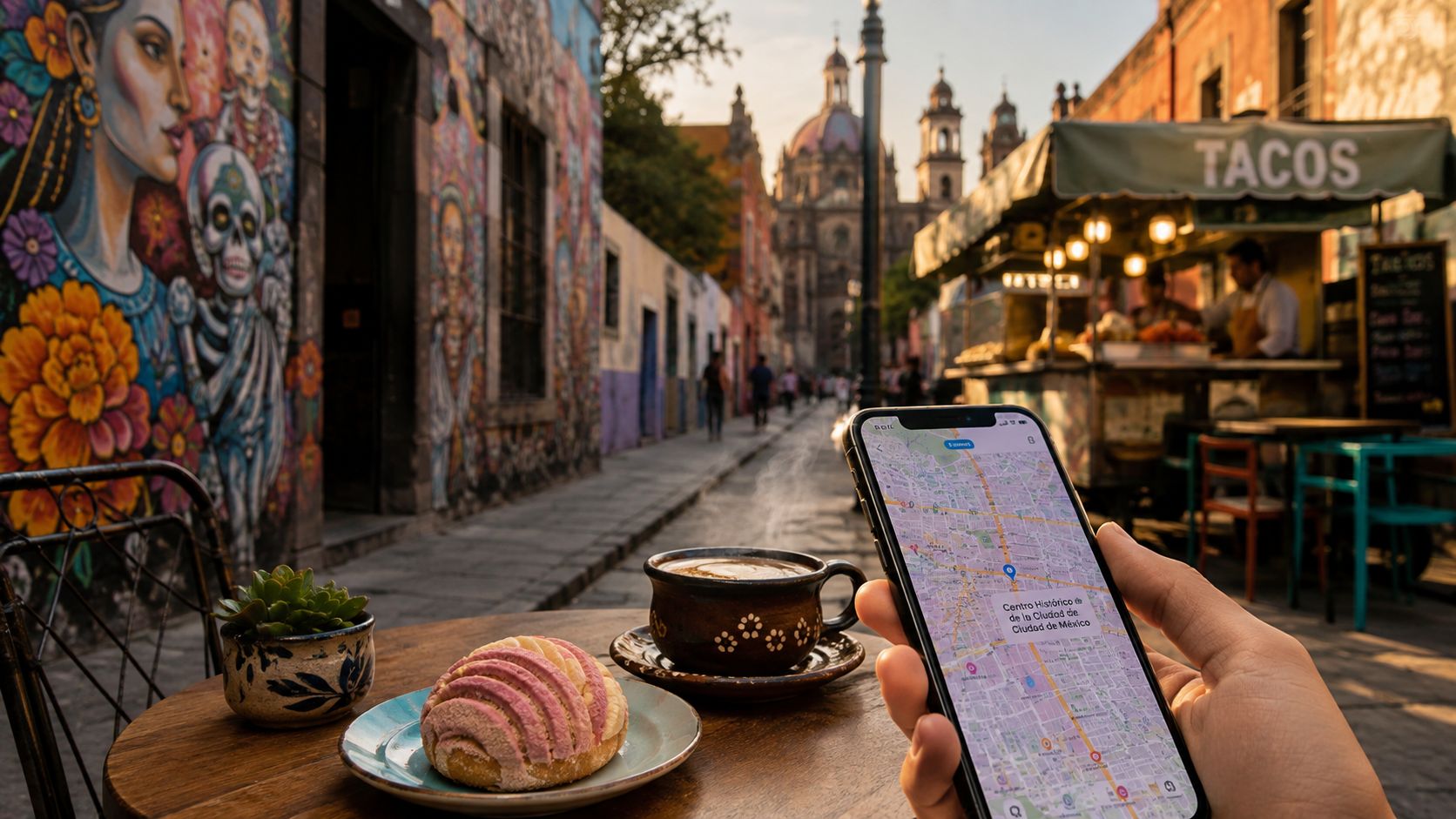
For students in North America, Mexico offers an incredible advantage with its proximity, often translating to significantly cheaper airfare. While many associate Mexico with pricey all-inclusive resorts in Cancun, the true heart of the country offers a rich, authentic, and profoundly affordable experience. This is one of the best cheap travel destinations for students looking for deep cultural immersion. Imagine exploring ancient Zapotec ruins, wandering through vibrant colonial streets, and eating your fill of world-famous cuisine, all for a daily budget of just $25-$40.
The secret is to look beyond the tourist-heavy coastal strips. In the cultural hub of Oaxaca, a bed in a hostel can be found for $10-15, and a complex, delicious tlayuda from a street vendor will only set you back a couple of dollars. In San Cristóbal de las Casas, a charming mountain town in Chiapas, daily costs can easily stay below $25. This affordable reality allows for a much longer and more meaningful journey, transforming a simple vacation into a true exploration.
How to Keep Costs Low
Unlocking Mexico's budget-friendly side means skipping the tourist traps and embracing the local lifestyle. This approach not only saves money but also leads to more genuine and memorable experiences.
- Travel like a Local: Mexico's first-class bus system (like ADO or Primera Plus) is a game-changer. These buses are comfortable, safe, and connect nearly every city, making intercity travel cheap and efficient.
- Eat at Comedores: Skip the restaurants with English menus and find local eateries called comedores. They often serve a comida corrida (set lunch) with multiple courses for just a few dollars.
- Stay Smart: Look for accommodation in vibrant, local neighborhoods like Roma Norte in Mexico City or Jalatlaco in Oaxaca. You'll find better prices and a more authentic atmosphere.
- Embrace Free Activities: Visit local markets, relax in town squares (zócalos), and discover natural wonders like cenotes (natural swimming holes), many of which are free or have a small entry fee.
Key Insight: Learning some basic Spanish will dramatically improve your trip. It not only helps in navigating and getting better prices but also opens the door to genuine connections with local people, turning a good trip into a great one.
While many head straight for the Riviera Maya's famous beaches, there are countless adventures to be had. If the coast is calling your name, you can find a wealth of activities by exploring beyond the main strips, as our guide on things to do in Tulum demonstrates.
4. Eastern Europe (Poland, Czech Republic, Romania, Hungary)
For students who dream of cobblestone streets, fairytale castles, and rich history without the Western European price tag, Eastern Europe is the answer. This region delivers the quintessential European experience at a fraction of the cost, making it one of the smartest and most rewarding cheap travel destinations for students. Imagine exploring Krakow's medieval market square, wandering Prague's gothic alleyways, or soaking in Budapest's thermal baths, all while your daily budget stays around a remarkable $20-$35.
The value proposition here is outstanding. In Prague, you can find hostel beds in the heart of the city for $10-$15, putting you steps from its famous astronomical clock. In Krakow, Poland, hostels are even cheaper at $8-$12 a night. Budapest offers iconic "ruin bars" where drinks are affordable, and underrated gems like Timisoara, Romania, boast stunning baroque architecture with accommodation from just $8. Excellent train infrastructure and widespread English proficiency make navigating this region a breeze.
How to Keep Costs Low
The beauty of Eastern Europe is that affordability is built-in, but with a few local strategies, you can stretch your student budget even further, allowing for a longer and more immersive adventure.
- Eat Smart: Hit the local markets for fresh produce and snacks. For meals, look for "milk bars" (Bar Mleczny) in Poland or "menza" in Hungary, which are cafeteria-style eateries serving hearty, traditional food for just a few dollars.
- Travel Overland: Utilize the efficient and affordable train and bus networks. Booking tickets in advance, especially for international routes, can secure the best prices. A rail pass can be a good value if you're covering multiple countries.
- Stay Local: Opt for hostels and locally-owned guesthouses. They offer not only the best prices but also a fantastic way to meet other travelers and get insider tips from staff.
- Explore Beyond the Capitals: While Prague and Budapest are amazing, venture to secondary cities like Brno (Czech Republic) or Cluj-Napoca (Romania). You’ll find even lower prices and a more authentic, less crowded atmosphere.
Key Insight: Take advantage of the many free walking tours offered in major cities. They operate on a tips-based model and are an excellent way to get your bearings, learn about the city's history from a local, and meet fellow travelers on your first day.
A journey through this region offers a powerful lesson in history and resilience. To plan your own grand tour, learning the cheapest way to visit Europe is the perfect first step in making this dream a reality.
5. South America (Colombia, Peru, Bolivia)
For students craving a journey filled with towering peaks, ancient mysteries, and vibrant cultures, South America offers an epic adventure that’s surprisingly light on the wallet. The backpacker trail through Colombia, Peru, and Bolivia is a masterclass in affordable travel, combining profound experiences with daily costs that can easily be kept between $20 and $35. Imagine wandering through the revitalized streets of Medellín, trekking to the lost city of the Incas, and navigating the world’s highest capital, all while staying firmly on budget.
This part of the world delivers unforgettable moments for a fraction of the cost you'd expect. Stay in a lively hostel in Medellín, Colombia, for just $10-15 a night, leaving you plenty of cash for its famous street art tours. From Cusco, Peru, you can acclimatize for the trek to Machu Picchu, exploring the surrounding Sacred Valley and its Incan sites. In La Paz, Bolivia, you can find basic but clean hostel beds for as little as $8, putting you at the heart of a city teeming with unique markets and otherworldly landscapes just a bus ride away.
How to Keep Costs Low
Success in South America hinges on smart travel choices that immerse you in the local culture while stretching your dollars. A few key strategies can make a massive difference to your daily spending.
- Eat Smart: Dive into local markets for menu del día (lunch of the day) deals, often a three-course meal for just a few dollars. This is far cheaper and more authentic than tourist-focused restaurants.
- Travel Overland: Utilize the extensive network of overnight buses to cover long distances. You’ll save a night’s accommodation cost, and the journey through the Andes is an experience in itself.
- Stay Local: Opt for family-run hospedajes or hostels. They offer incredible value and a direct connection to the local community. For longer stays, don't hesitate to negotiate a better weekly rate.
- Book Directly: Always book treks and tours with local operators on the ground in cities like Cusco or La Paz. You'll avoid the hefty commissions charged by international agencies and hotels.
Key Insight: Don’t underestimate the power of basic Spanish. Even learning a few phrases can open doors to better prices, friendlier interactions, and a much deeper cultural connection. Locals appreciate the effort and are often more willing to help you out.
For many, this journey is a rite of passage. If you're planning this incredible trip, getting the right gear is crucial. Check out our guide to the best travel backpacks to ensure you're prepared for any adventure the continent throws your way.
6. Portugal (Lisbon, Porto, Algarve)
Portugal offers a unique proposition for student travelers: a Western European experience with an Eastern European price tag. This makes it one of the most compelling cheap travel destinations for students who want developed infrastructure and safety without breaking the bank. Imagine wandering through Lisbon's historic tiled streets, sipping port wine by the river in Porto, and exploring dramatic coastal cliffs, all on a manageable budget of around $30-$45 per day.
This country delivers an authentic Mediterranean vibe affordably. You can find hostels in Lisbon's vibrant neighborhoods for €15-€25 a night, while a room in Porto might only set you back €12-€18. Down in the Algarve, the stunning beach town of Lagos has accommodation starting at just €15. From the fairytale castles of Sintra to the rolling vineyards of the Douro Valley, Portugal provides a rich, accessible, and deeply rewarding adventure.
How to Keep Costs Low
Thriving in Portugal on a budget means embracing its local culture, especially its incredible food and efficient public transport. A little planning goes a long way in making your euros stretch further.
- Eat Smart: Seek out tascas, small traditional eateries, for the daily special (prato do dia), which often includes a main course, drink, and coffee for €6-€8. Prepare meals in your hostel kitchen using fresh seafood from local markets.
- Travel Overland: Portugal's train network is efficient and scenic. Use inter-city trains to travel between Lisbon, Porto, and the Algarve instead of pricier flights.
- Stay Local: Opt for neighborhoods like Alcântara in Lisbon or Miragaia in Porto. You'll find lower prices and a more authentic, less tourist-heavy atmosphere.
- Book Directly: Purchase your Viva Viagem transport card in Lisbon or your Andante card in Porto directly from metro stations. These rechargeable cards offer the cheapest way to use public transport.
Key Insight: The shoulder seasons (March-May and September-October) are Portugal's sweet spot. You'll find great deals on flights and accommodation, enjoy pleasant weather perfect for exploring, and avoid the peak summer crowds, especially in the Algarve.
For those planning to hop between cities, getting the logistics right is crucial for saving money. Our comprehensive resource on planning a trip to Europe can help you master the art of booking budget-friendly transport and accommodation across the continent.
7. Greece (Athens, Greek Islands beyond Santorini)
Dreaming of whitewashed villages and sapphire seas but worried about the Mediterranean price tag? Greece delivers this iconic experience at a cost that makes it one of the most surprising and rewarding cheap travel destinations for students. By venturing beyond the A-list islands, you can immerse yourself in ancient history and vibrant culture on a daily budget of just $25-$40. Picture yourself exploring mythological sites in Athens, then hopping on a ferry to sun-drenched beaches without draining your bank account.
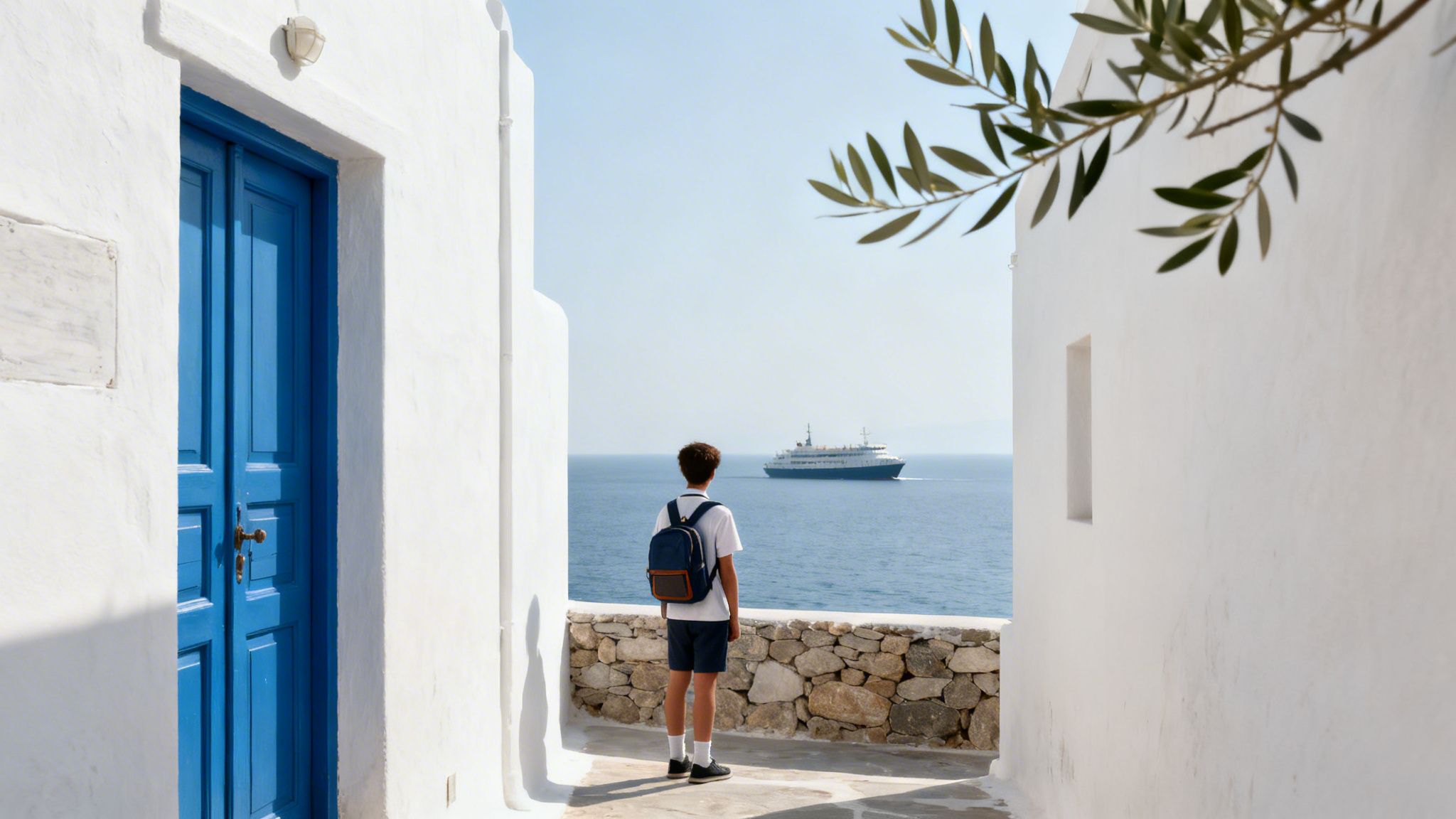
The key is to think strategically. Start in Athens, a bustling capital where you can find hostel beds for €10-€15 a night and feast at affordable local tavernas. Then, trade the crowds of Mykonos for the authentic charm of islands like Naxos or Paros, where private rooms are available for €12-€18. These lesser-known gems offer the same stunning beaches and Cycladic architecture but with a fraction of the tourists and a much lower cost, proving that a Greek island-hopping adventure is well within reach for a student traveler.
How to Keep Costs Low
Unlocking an affordable Greek holiday is all about making smart choices and embracing the local way of life. Skipping the tourist hotspots for more authentic alternatives will save you a fortune.
- Island-Hop Smartly: Avoid the notoriously expensive islands of Santorini and Mykonos. Instead, explore budget-friendly alternatives like Naxos, Paros, or the tiny, authentic island of Folegandros.
- Travel by Sea: Use the extensive ferry network. Overnight ferries can save you the cost of a night's accommodation, and 7-day ferry passes often provide discounts for multi-island trips.
- Eat Authentically: Dine at tavernas away from the main tourist squares where prices are lower. For the cheapest meals, shop at local markets for fresh bread, olives, and cheese.
- Stay Local: Skip the resorts and opt for family-run guesthouses or "domatia" (rooms for rent). You'll find better prices and a more personal, welcoming experience.
Key Insight: Timing is everything. Travel during the shoulder seasons of April-May or September-October. You'll find prices for flights and accommodation can drop by 30-40%, the weather is perfect for exploring, and the crowds are much thinner than in the summer peak.
8. India (Goa, Rajasthan, Kerala)
For students seeking an extended, deeply immersive, and profoundly affordable adventure, India stands in a category of its own. It's a land of staggering contrasts and sensory overload, where your daily budget can shrink to an astonishing $15-$20 without sacrificing the richness of your experience. This makes India one of the ultimate cheap travel destinations for students, especially those on a gap year. Imagine relaxing on Goa's sun-drenched beaches, exploring the majestic desert palaces of Rajasthan, and drifting through the tranquil Kerala backwaters, all within a single, budget-friendly journey.

The value here is mind-boggling. In Goa, you can find rustic beach huts for as little as $5 a night and feast on fresh seafood. In cities like Jaipur and Udaipur in Rajasthan, you can stay in charming guesthouses near historic forts for under $10. Even a sought-after experience like cruising the Kerala backwaters on a houseboat can be done affordably. India's well-established backpacker trail, popularized by travel vloggers and spiritual seekers, ensures that a low budget opens the door to a world of profound cultural discovery.
How to Keep Costs Low
Success in budget travel across India hinges on embracing local transportation, food, and accommodation. This approach not only saves significant money but also connects you more deeply to the country's vibrant culture.
- Eat Local: Skip tourist-centric restaurants entirely. Eating street food or at small local eateries called "dhabas" is where you'll find the most authentic and affordable meals, often for less than $2.
- Travel by Train: Indian Railways offers a vast, cheap, and fascinating way to see the country. Booking an overnight sleeper class not only covers long distances for a few dollars but also saves you the cost of a night's accommodation.
- Stay in Guesthouses: Opt for family-run guesthouses or "havelis" over hotels. They provide a more personal, authentic experience and are considerably cheaper.
- Book Directly: Always book train tickets directly through the official Indian Railways (IRCTC) website or at the station. Using third-party agencies, especially tourist-focused ones, will add unnecessary commissions.
Key Insight: Don't try to see everything. India is enormous. Instead of rushing between cities every few days, which racks up transport costs, choose a region and explore it slowly. Spending more time in one place allows you to find cheaper food, negotiate better long-stay accommodation rates, and truly absorb the local culture.
9. Indonesia (Bali, Lombok, Gili Islands, Java)
Indonesia takes the classic Southeast Asian backpacker experience and dials up the island-hopping adventure. This massive archipelago offers an almost endless variety of landscapes, from the volcanic peaks of Java to the serene beaches of the Gili Islands, making it one of the most diverse and cheap travel destinations for students. You can live an incredible life of surfing, exploring ancient temples, and finding inner peace in yoga shalas, all while keeping your daily budget between $15 and $30.
While Bali is the famous gateway, the real budget magic happens when you venture beyond. In cultural hubs like Yogyakarta on Java, you can find hostel beds for $5-10 a night, placing you near the magnificent Borobudur temple. On laid-back Lombok or the tiny Gili Islands, beachfront bungalows are available for as little as $8-12. This island nation proves that an epic adventure of discovery doesn’t require a huge savings account.
How to Keep Costs Low
The key to an affordable Indonesian trip is to embrace its local culture and venture beyond the main tourist strips. This not only saves money but also offers a more genuine and memorable experience.
- Eat at Warungs: These small, family-owned eateries are everywhere. You can get a huge, delicious plate of Nasi Campur (mixed rice) for under $2.
- Stay in Guesthouses: Opt for family-run "losmen" or guesthouses over larger hostels or hotels. They often provide better value, a quieter atmosphere, and a personal touch.
- Rent a Scooter: On islands like Bali or Lombok, renting a scooter for a few dollars a day is the cheapest and most flexible way to explore waterfalls, rice paddies, and hidden beaches.
- Use Local Transport: For longer journeys, use reliable and affordable services like Perama buses on Bali or book ferries directly at the port to avoid tour operator commissions.
Key Insight: Don't get stuck in the popular (and pricier) southern part of Bali. Use it as a launchpad to explore less-crowded islands like Lombok, Nusa Penida, or the Gili Islands, where your money will go significantly further and you'll discover a more relaxed side of Indonesia.
10. Long-term Strategies: Slow Travel, House-Sitting & Work Programs
For students seeking to truly immerse themselves in a culture without a hefty price tag, the most powerful strategy isn't a specific place, but a method. Long-term approaches like slow travel, house-sitting, and work programs fundamentally change the cost equation, making extended international adventures more accessible than a short vacation. By dramatically reducing or eliminating your biggest expense, accommodation, you can transform your budget and experience a destination with unparalleled depth.
Imagine spending a month house-sitting in a Portuguese village with free housing, only paying for groceries, or volunteering at a hostel in Thailand in exchange for a free bed. These aren't just hypotheticals; they are proven methods to make travel sustainable. Work-exchange programs like Workaway offer free room and board on farms or in guesthouses. Teaching English in a country like Vietnam can provide a salary and subsidized living, while au pairing in Germany includes housing, meals, and a monthly stipend. This makes it one of the most effective cheap travel destinations for students who have more time than money.
How to Keep Costs Low
The core principle here is exchanging your time and skills for accommodation and sometimes even food, which opens up a world of travel possibilities that a typical two-week trip cannot offer.
- Embrace the Exchange: Sign up for platforms like Workaway, WWOOF, or TrustedHousesitters. Build a detailed, trustworthy profile with an emphasis on your reliability and skills (especially pet care for house-sitting).
- Negotiate Long Stays: If you find a guesthouse or Airbnb you love, negotiate directly with the owner for a long-term stay. Discounts of 30-50% for stays of four weeks or more are common.
- Volunteer Strategically: Working a few hours a day at a hostel front desk often grants you a free bed and an instant social community, drastically cutting your daily expenses.
- Get Certified: If you plan to teach, investing in a TEFL/TESOL certification opens doors to higher-paying positions with better benefits, turning your travel into a self-funding journey.
Key Insight: Start small to build your reputation. Secure a few local or short-term house-sits to gather positive reviews before applying for competitive long-term international opportunities. A strong profile is your passport to free accommodation worldwide.
Diving into these strategies requires careful planning and research. Mastering the fundamentals is essential, and our guide on how to plan a trip on a budget provides a solid foundation for organizing a successful long-term adventure.
Top 10 Budget Student Travel Destinations Compared
| Destination / Strategy | 🔄 Implementation Complexity | ⚡ Resource Requirements | 📊 Expected Outcomes | 💡 Ideal Use Cases | ⭐ Key Advantages |
|---|---|---|---|---|---|
| Southeast Asia (Thailand, Vietnam, Cambodia) | Low–Moderate: established backpacker routes, simple visas | Very low daily budget $15–30; cheap local transport | High cultural immersion, diverse landscapes, strong value | Short-term backpacking, solo travelers, street-food exploration | Exceptional affordability, strong infrastructure, year‑round warm climates |
| Central America (Guatemala, Honduras, Nicaragua) | Moderate: safety planning and limited remote infrastructure | Low–moderate daily budget $20–35; closer flights from NA | Authentic cultural & nature experiences, volunteer options | Volunteer programs, trekking, short flights from North America | Biodiversity, strong volunteer networks, affordable adventure activities |
| Mexico (Beyond Cancun) | Low: easy travel networks, few visa hassles | Moderate daily budget $25–40; inexpensive flights from NA | Rich culture, archaeological sites, accessible long trips | North American students, extended road/bus travel, culinary exploration | Proximity to NA, excellent bus system, varied regional cultures |
| Eastern Europe (Poland, Czech, Romania, Hungary) | Low: efficient rail/bus, Schengen considerations | Moderate daily budget $20–35; good public transport | Western-European feel at lower cost, good safety & services | Budget Europe trips, history/culture-focused travel | Half the cost of Western Europe, strong transport and English in cities |
| South America (Colombia, Peru, Bolivia) | Moderate: altitude & regional safety considerations | Moderate daily budget $20–35; multi-entry flight options | Adventure trekking, biodiversity, community tourism | High‑altitude treks, jungle experiences, cultural immersion | Unique landscapes, established backpacker routes, affordable adventure |
| Portugal (Lisbon, Porto, Algarve) | Low: developed infrastructure, Schengen rules apply | Higher on list: $30–45/day; reliable public transport | Western-quality services at reduced Western-EU prices | Coastal cities, digital nomads, safe solo travel | Safe, walkable cities, strong public transport, high quality of life |
| Greece (Athens, Naxos, Paros, smaller islands) | Low–Moderate: seasonal crowding, ferry logistics | Moderate daily budget $25–40; ferry costs vary by season | Island-hopping, archaeology, Mediterranean experiences | Island-hopping in shoulder seasons, cultural beach trips | Excellent ferry network, safe destinations, great food at good value off-peak |
| India (Goa, Rajasthan, Kerala) | Moderate–High: complex transport, culture shock, health prep | Extremely low daily budget $10–20; rail/overnight buses common | Deep cultural immersion, diverse ecosystems, very low costs | Long-term backpacking, volunteer/TEFL placements, spiritual retreats | Lowest costs, vast cultural variety, extensive volunteer/teaching options |
| Indonesia (Bali, Lombok, Gili, Java) | Low–Moderate: island logistics, variable healthcare | Low daily budget $15–30; island ferries and cheap flights | Island cultures, volcanoes, beaches, wellness retreats | Surfing, yoga/wellness, island-hopping beyond Bali | Island diversity, strong wellness scene, very affordable outside hotspots |
| Long-term Strategies (Slow travel, House-sitting, Work programs) | High: planning visas, contracts, advance bookings | Monthly budget $300–800; possible earnings $400–1,500 | Lowest per-month costs, deep local integration, sustained travel | Gap years, digital nomads, extended language/teaching stays | 60–80% cost reduction, sustainable immersion, income/subsidized housing |
Your Adventure Starts Now: From Plan to Passport
The world map is not a list of expenses; it's a menu of possibilities. As we've journeyed through these incredible, budget-friendly corners of the globe, one truth becomes clear: a student budget is not a barrier to profound travel. In fact, it's the opposite. It’s a creative challenge that forces you away from the tourist traps and toward the very soul of a place, leading to more authentic, memorable, and meaningful adventures.
From the vibrant street food stalls of Vietnam to the ancient Incan trails in Peru, and the sun-drenched coastlines of Portugal, these destinations prove that life-changing experiences are accessible. The difference between a dream trip and a real one isn't a massive bank account; it's strategic planning and a willingness to embrace local culture. The daily budgets and money-saving tactics outlined for Eastern Europe, Mexico, and beyond are your practical roadmap. They show you that seeing the world is a matter of smart choices, not immense wealth.
From Inspiration to Itinerary: Your Next Steps
The most important takeaway from this guide is that the concept of "cheap travel destinations for students" is about gaining more, not settling for less. It’s about more cultural immersion, more personal growth, and more stories to tell. The key is to move from passive dreaming to active planning. Here's how to start:
- Choose Your 'Why': Don't just pick the cheapest option. Which destination genuinely excites you? Are you drawn to the historical depth of Greece, the spiritual energy of India, or the rugged landscapes of Colombia? Your passion will fuel your planning.
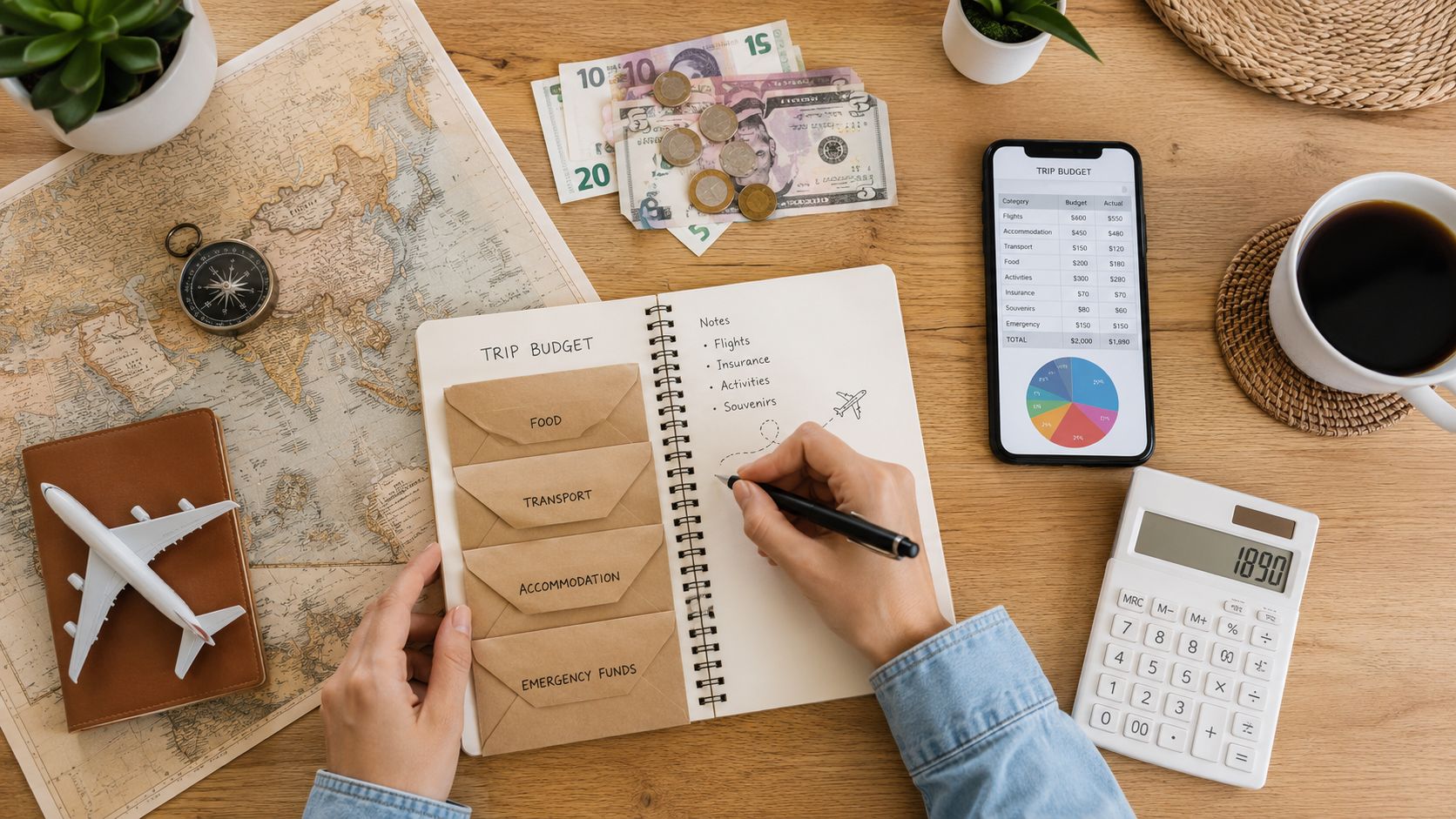
- Build a 'Dream-Board' Budget: Take our estimated daily costs and start building a real budget. Use a spreadsheet to track potential flights (using those incognito mode tips!), accommodation (hello, hostels!), and activities. Seeing the numbers come together makes it feel real.
- Master One Money-Saving Skill: Pick one strategy from this article and go deep. Maybe it’s becoming an expert at finding free walking tours, learning to cook a few local dishes to save on meals, or figuring out the local public transport system before you even land. This one skill will save you hundreds.
Key Insight: The most valuable currency you have as a student traveler is not money, but time and flexibility. Traveling in the off-season, opting for slower overland journeys, and having the freedom to change plans are luxuries that many other travelers don't possess. Use them to your advantage.
The world offers an unparalleled education that no classroom can replicate. It teaches resilience when you miss a bus in Cambodia. It teaches communication when you bargain for a souvenir in a Marrakech souk using only hand gestures. It teaches perspective when you stand before the ruins of a civilization that rose and fell thousands of years ago. These experiences build a quiet confidence and global awareness that will benefit you long after your student days are over.
This list of cheap travel destinations for students isn't just a guide; it’s an invitation. It’s permission to believe that your travel dreams are within reach. Pick a spot on the map that calls to you, start the research, and take that first small, concrete step. Book the flight. Apply for the visa. Tell your friends. Your greatest adventure is not a distant fantasy; it is a decision waiting to be made.
Ready to turn your travel plans into reality? At Travel Talk Today, we specialize in providing the tools and community support that help students and budget travelers explore the world confidently. Join our platform to connect with fellow adventurers, access exclusive city guides, and find personalized travel advice that goes beyond the basics. Travel Talk Today is your go-to resource for making smart, affordable travel happen.