You are at the train station with a bag on your shoulder, your hotel still unbooked, and one very practical question left to answer. Which of the cinque terre towns fits the way you travel?
On a screen, they can blur together. Pastel houses, little harbors, cliffside views, sunset light. On the ground, the differences are sharp. One town is easier with luggage. One suits travelers who want quiet evenings. One works better if you plan to hike early and keep costs under control. Another earns its reputation for romance, but can feel cramped and expensive if that is not what you came for.
That gap between postcard appeal and real travel logistics matters in Cinque Terre more than in many places. These villages have been shaped over centuries by steep terrain, stone terraces, vineyards, and fishing culture, a history outlined in the Cinque Terre historical overview. The setting is beautiful because people worked with a difficult coastline for a very long time. Visitors should treat it with the same respect.
This guide works as a personality matchmaker for the five villages. The best base for a couple on a celebratory trip is often different from the best base for a solo walker, a family group, or a backpacker trying to avoid paying premium prices for every coffee with a view. Choosing well affects your budget, your energy, and how much of the place you can still enjoy once the midday crowds arrive.
It also affects the pressure you put on the area. Cinque Terre is small, heavily visited, and easy to consume too quickly. Staying longer, walking or using trains instead of chasing constant transfers, eating in locally run places, and choosing a village that matches your pace usually leads to a better trip. It is the same mindset that improves travel across many of the best cities to visit in Italy, but it matters even more here because space is limited and every bottleneck is felt.
The quick read is simple. Monterosso is easiest. Vernazza is the classic postcard favorite. Corniglia is quieter and less convenient. Manarola suits romance and evening views. Riomaggiore works well for hikers and travelers who want strong rail access.
The smarter choice comes from matching the village to your habits, not your saved photos.
1. Monterosso al Mare - The Gateway Village
You step off the train with a roller bag, the sun is already strong, and the idea of hauling your stuff up stairs for the next 20 minutes loses its charm fast. Monterosso earns its place in the conversation right there. Among the cinque terre towns, it is usually the easiest base to arrive in, settle into, and enjoy from the first hour.
That practical advantage shapes the whole stay. First-time visitors, families, travelers with older relatives, and anyone who wants sea access without constant climbs usually do best here. I recommend Monterosso when the goal is to enjoy Cinque Terre at a human pace, not spend half the trip managing logistics.
Who should stay here
Monterosso suits travelers who want a softer landing.
It has the broadest range of accommodations, a real beach culture, and fewer of the daily friction points that wear people down elsewhere. That makes it a strong match for comfort-first travelers, mixed-interest couples, and anyone planning to use one village as a base for several days instead of changing hotels. If you are comparing it with other small towns in Italy worth building a trip around, Monterosso stands out for how accessible it feels without losing the coastal character people come for.
It also works well for slow travel. Swim in the morning, pause during the busiest stretch of the day, then head back out in the evening when the old town feels calmer and far more local.
If one person wants beach time and another wants to avoid steep climbs, Monterosso is usually the most reliable compromise.
What works and what does not
The better stays are often in or near the old town. You get more character, easier access to casual restaurants, and a setting that still feels tied to village life rather than pure transit flow.
The trade-off is price and polish. Waterfront spots can charge heavily for convenience, especially in high season, and the newer area can feel less distinctive if you choose it only because it looks simple on a map. A place a few minutes back from the busiest strip often gives better sleep, better value, and a more grounded feel.
Transport is another reason Monterosso appeals to planners. Train access is straightforward, and that matters in a destination where stations can dictate the mood of an arrival. Staying close enough to walk easily, but not right on top of the busiest station traffic, usually improves the experience.
Budget and sustainability trade-offs
Monterosso can be expensive at the front row. It is more forgiving once you stop shopping only at the seafront.
Small savings add up here. Buy picnic supplies, use the public beach when that suits your day, and book a room slightly inland instead of paying a premium for a view you will only use for ten minutes before breakfast. Travelers who stay three or four nights often manage their budget better in Monterosso than in villages that look cheaper at first but create more transport, stair, or convenience costs over time.
It is also one of the easier places to travel more responsibly. Use Monterosso as a single base. Walk when conditions allow, take the train between villages, and avoid the habit of bouncing from town to town with luggage. That reduces pressure on narrow lanes and usually makes the trip calmer for you as well.
A simple approach works well:
- Book near the old town: Better atmosphere and easier evenings.
- Start early: Beaches, station areas, and main lanes are calmer in the morning.
- Stay put for a few nights: One base saves energy and cuts unnecessary transfers.
Travelers planning a longer Italy trip often pair Monterosso with bigger cities, and it fits well if you are building an itinerary around the best cities to visit in Italy.
Best personality match
Choose Monterosso for a manageable trip that prioritizes experience over performance.
It is the best fit for travelers who value sea time, easier movement, and a bit of breathing room. Among the cinque terre towns, Monterosso is often the village that lets you stay longer, spend more wisely, and keep enough energy to enjoy the rest of the coast.
2. Vernazza - The Photogenic Heart
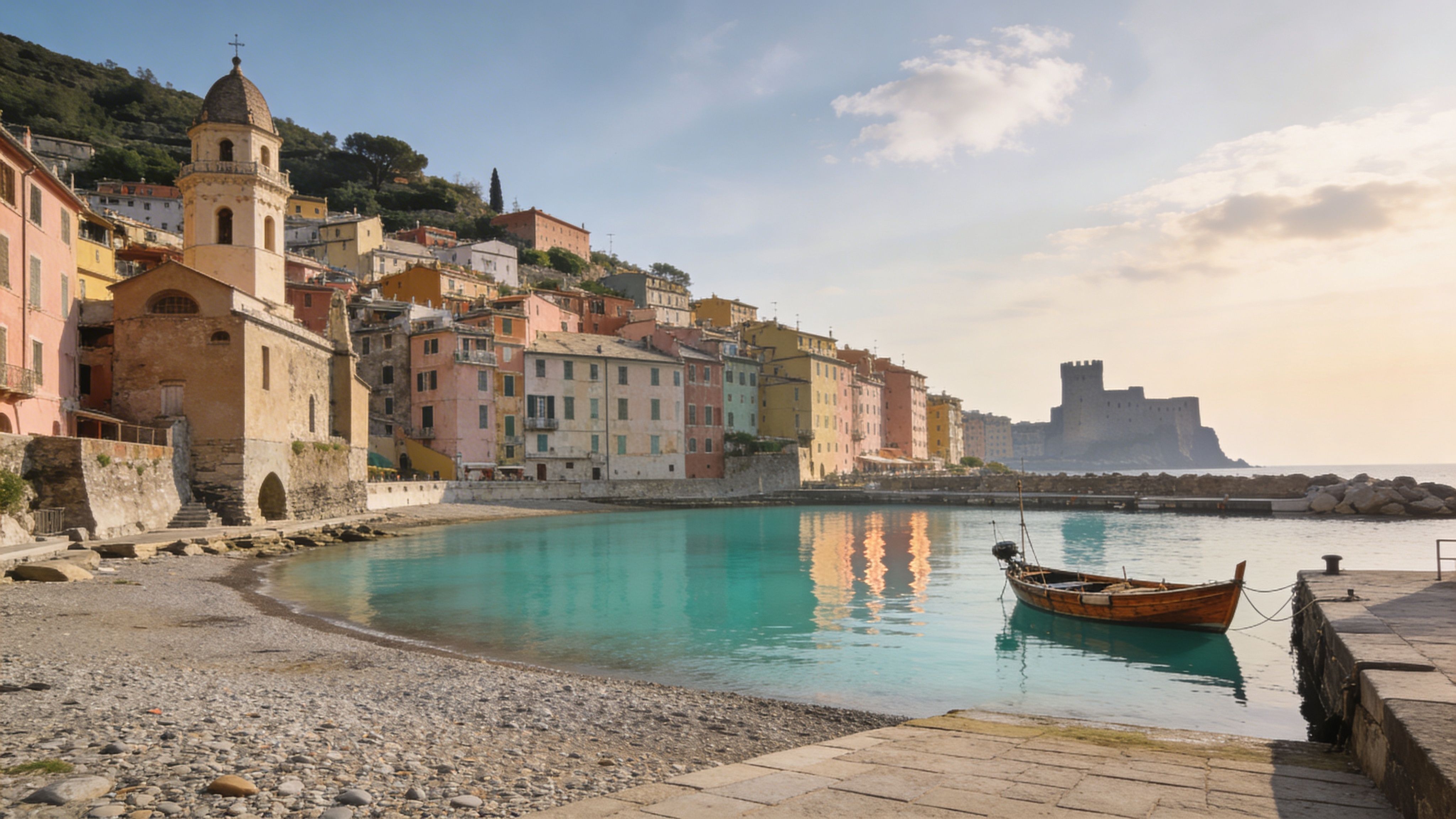
You step off the train in late afternoon, follow the lane toward the sea, and Vernazza reveals itself all at once. A small harbor. Tall, weathered houses. Boats pulled close to shore. For many travelers, this is the Cinque Terre scene they came for.
It is beautiful enough to justify the hype. It is also one of the hardest villages to enjoy if you treat it as a box to check.
Why Vernazza works best for certain travelers
Vernazza suits travelers who are willing to shape their day around the village instead of forcing the village to fit a rushed itinerary. That is the essential trade-off here. You get atmosphere, intimacy, and some of the best harbor views in Cinque Terre. You also get tighter lanes, heavier daytime congestion, and fewer moments of calm unless you stay overnight or plan carefully.
I recommend Vernazza most often to couples, photographers, and repeat visitors who already know that midday is the worst time to expect magic. Budget backpackers can still enjoy it, but usually not by sleeping right on the harbor. Solo travelers who like long walks and early starts often do well here too, especially if they value character over convenience.
The practical way to do Vernazza
Timing matters more here than in almost any other of the cinque terre towns.
Arrive early, stay late, or both. Swim before the harbor fills. Eat one meal away from the obvious waterfront tables. If trails are open, walking into Vernazza gives the village a stronger first impression than arriving shoulder-to-shoulder with day-trippers from the platform.
A few tactics make a noticeable difference:
- Stay overnight if your budget allows: Vernazza changes after the last wave of day visitors leaves.
- Book for mood, not bragging rights: A simple room a few lanes back often offers better value than a premium "view" room above the busiest stretch.
- Keep meals flexible: Breakfast from a bakery and a picnic lunch can free up budget for one good dinner.
- Travel light: Steps, narrow passages, and crowded arrivals punish oversized luggage fast.
Travelers drawn to places with strong identity and smaller-scale charm often end up liking Vernazza for the same reasons they seek out other hidden gems in Europe. The difference is that Vernazza is not hidden at all. You have to be more deliberate to find its quieter side.
Best personality match
Choose Vernazza if your trip is about mood, romance, and memorable evenings rather than ease.
It is a weaker fit for anyone who hates bottlenecks, needs lots of space, or wants the simplest logistics. It is a strong fit for travelers who are happy to slow down and let one village carry the day.
I would choose Vernazza for:
- couples on a short, high-impact trip
- photographers shooting early morning or blue hour
- solo travelers who like scenic walks and do not mind some friction
- travelers who plan to stay put after sunset instead of chasing all five villages in one day
After-hours Vernazza
Vernazza earns its reputation in the quieter hours.
After dinner, the harbor settles. Voices replace crowd noise. The village feels less like a photo stop and more like a place with its own rhythm. If you stay two nights instead of one, that rhythm becomes much easier to catch.
Among the cinque terre towns, Vernazza is the clearest example of a place that rewards slow travel. Day visitors often see the postcard. Overnight guests get the personality.
3. Corniglia - The Hidden Gem
You step off the train, look up, and realize Corniglia is asking for effort straight away.
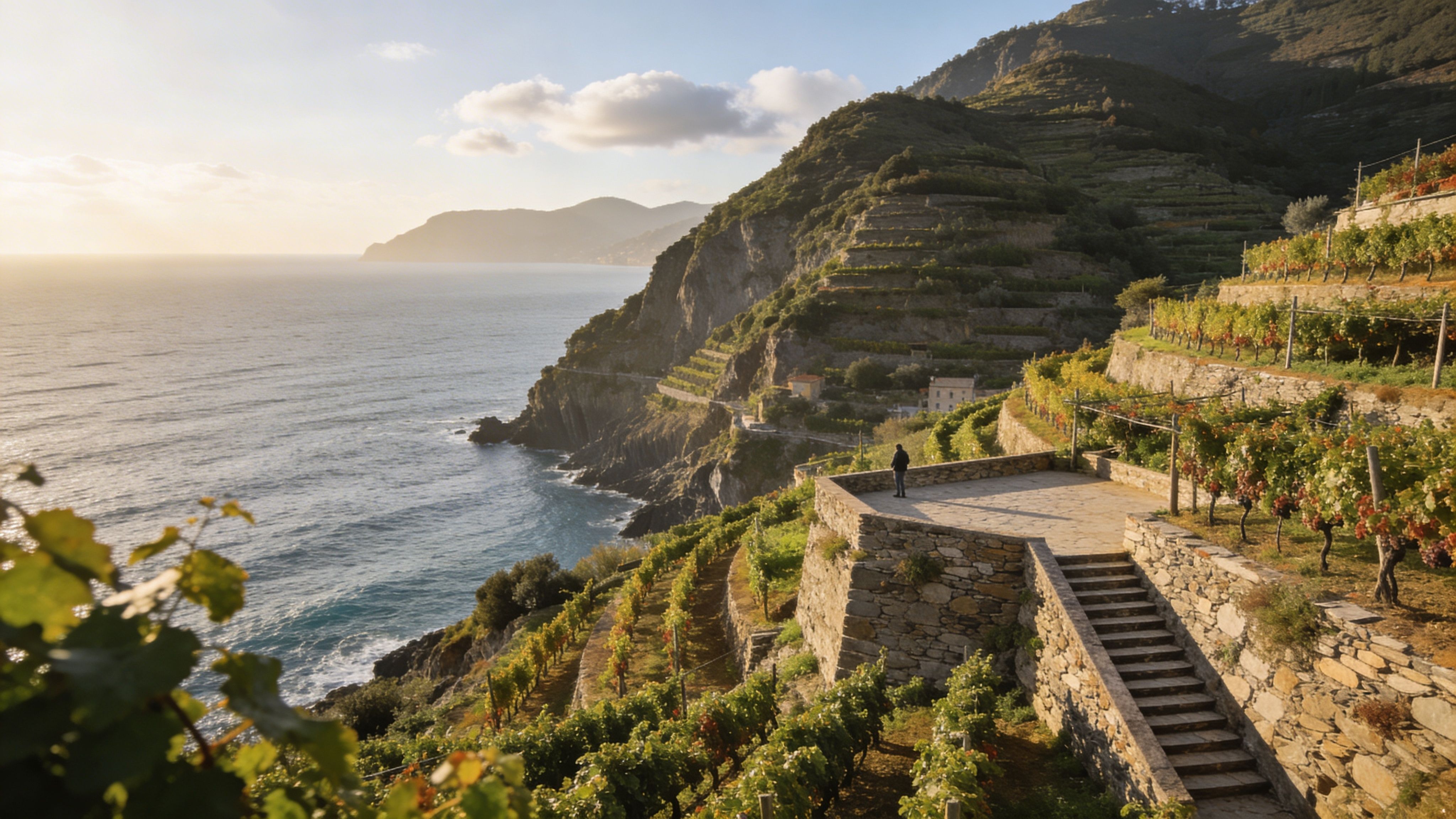
That is part of its appeal. Corniglia sits above the sea rather than beside it, so the first impression is less harbor drama and more terraces, stone lanes, and a village that still feels tied to daily life. Travelers who want instant postcard payoff often rate it lower on day one. Travelers who stay the night often end up talking about it with the most affection.
Why Corniglia feels different
Corniglia has a smaller, quieter feel than the other villages, and a budget-focused Cinque Terre alternatives guide notes that its small scale helps explain why it feels so distinct. You notice it in the pace of the main street, the vineyard views, and the fact that evenings settle down faster here than in the waterfront towns.
For the right traveler, that trade-off is excellent. You give up easy sea access and some convenience. You get calmer nights, a more residential atmosphere, and a stronger sense that Cinque Terre is not only a day-trip backdrop.
I recommend Corniglia to travelers who care more about staying well than collecting the easiest photos.
Who should stay here
Corniglia suits a specific type of trip, and that is the point of choosing it well.
It is a strong match for:
- solo travelers who want quiet evenings and safe, low-key surroundings
- hikers who plan to spend their days on the trails and their nights somewhere calmer
- couples who prefer terraces, wine, and conversation over nightlife
- budget-conscious travelers who can accept a few logistical hassles in exchange for better value and less noise
It is a weaker fit for families with very young kids, travelers with mobility concerns, or anyone who wants to swim steps from their room.
How to keep Corniglia affordable
Corniglia rewards slower habits more than aggressive itinerary stacking. Staying two or three nights usually works better than rushing through all five villages from one base and paying for constant movement in time, energy, and impulse spending.
Accommodation here can still be competitive in peak months, but the village often feels better value than the more in-demand postcard favorites. Travelers watching costs closely can also sleep outside the national park and visit by train. Levanto is one of the most practical alternatives, especially for people building a wider Liguria itinerary or adding one of the easier day trips from Florence to the Ligurian coast.
The sustainable choice is often the better travel choice too. Fewer hotel changes, fewer rushed train hops, and more time spent in one place usually leads to a better experience here.
What works best here
A few choices make Corniglia much easier to enjoy.
- Travel light: Stairs and uneven lanes are manageable with a small bag and irritating with a large one.
- Plan sea time elsewhere: Use Monterosso or Manarola for swimming, then return to Corniglia for a quieter evening.
- Eat after the day-trippers thin out: Dinner feels less transactional once the village settles.
- Limit yourself to one or two other towns a day: Corniglia works best as a base for selective exploring, not a frantic checklist.
Corniglia suits travelers who can accept inconvenience when the payoff is peace, character, and a more grounded stay.
Best personality match
Choose Corniglia if you want Cinque Terre to feel lived-in rather than staged.
Among the cinque terre towns, it is the best match for readers, hikers, independent travelers, and anyone who would rather wake up above the sea in a quiet village than sleep beside the busiest waterfront.
4. Manarola - The Romantic Escape

You check into Manarola in the late afternoon, drop your bag, and suddenly the whole plan for the day changes. Instead of trying to squeeze in two more towns, you stay put, watch the light shift across the houses, and understand why so many couples choose this village even when it is not the easiest base.
Manarola rewards travelers who are happy to slow down. Among the cinque terre towns, it suits people who want atmosphere more than efficiency, and who care as much about how a place feels at 8 p.m. as how it photographs at noon.
Why it suits romance and slow evenings
The appeal is not only visual. Manarola has a rhythm that works well for couples, anniversary trips, and anyone building a stay around long dinners, sea views, and unhurried walks. The village is busy in the middle of the day, but it improves once the day-trippers thin out.
That trade-off matters. You are choosing mood over convenience here.
Rooms higher up in the village usually come with a few practical advantages. Nights are often quieter, prices can be slightly better, and the setting feels less tied to the nonstop photo traffic near the waterfront. Breakfast is often better value a few lanes back from the main viewpoints, and dinner is more enjoyable if you book for later and avoid the first tourist rush.
The Via dell’Amore adds to Manarola’s draw, but it works best if you treat it as a planned experience rather than a spontaneous extra. As noted earlier in the article, access now comes with timed entry and tighter visitor controls. Some travelers dislike that idea before they arrive. On the ground, it usually means a calmer walk and less of the shoulder-to-shoulder crowding that can flatten the mood of a place like this.
The practical side of staying here
Manarola is a strong fit for travelers who pack light, do not mind stairs, and are willing to pay a bit more for setting. It is a weaker fit for families needing easy beach access, travelers with heavy luggage, or anyone trying to cover all five villages at top speed.
I would not use Manarola as a rushed checkbox stop if you are coming from Tuscany. It appears often in day trips from Florence, but its real value shows up early in the morning and after sunset, when the village feels less performative and more personal. Travelers who prefer slower, smarter ways to travel around Europe usually get much more from an overnight stay here than from a quick pass-through.
Swimming can be good, but this is not a classic beach town. Expect rocks, ladders, and a more improvised sea access setup than Monterosso. That is fine for confident swimmers and warm-weather travelers who like a casual dip. It disappoints visitors expecting sand, umbrellas, and a simple beach day.
What works best here
A few choices make Manarola noticeably better.
- Book uphill if sleep matters: The views can still be excellent, and the noise level is usually lower.
- Arrive before dinner if possible: The village is at its best in the transition from late afternoon to evening.
- Treat sunset as part of the plan: Manarola is one of the few places here where lingering is often the smartest use of time.
- Keep your schedule light: One scenic walk, one swim, and one good meal is often enough for a satisfying day.
- Spend with care: Choose locally run rooms and restaurants where possible, especially if you want your visit to support the village beyond the busiest photo corridor.
Best personality match
Choose Manarola if your ideal Cinque Terre stay centers on wine at dusk, sea light, and a slower pace shaped by mood rather than mileage.
It is the best match for romantic couples, honeymooners, and soft-paced travelers who can accept stairs, higher prices, and fewer practical conveniences in exchange for atmosphere.
5. Riomaggiore - The Trail Gateway
You step off the train with a small pack, plan to hike in the morning, and want dinner without a long logistics puzzle. Riomaggiore suits that kind of trip better than any other Cinque Terre base.
The village has a grittier, more lived-in feel than Manarola or Vernazza, and that works in its favor for the right traveler. Coming from La Spezia, the arrival is simple. Getting in and out for early trail starts is simple too. If your travel style values function, timing, and easy rail connections, Riomaggiore earns a serious look.
Why budget travelers often do well here
Riomaggiore often makes sense for travelers who want train access, a practical base, and a fair shot at better value than the postcard front row. The best buys are rarely near the harbor. Look uphill or a few lanes back and prices usually improve, while the atmosphere feels more local and less performative.
That trade-off is real. You will climb more stairs, and hauling luggage through the village can be annoying. In return, you often get quieter nights, more character, and a better chance of spending money with family-run businesses instead of only the busiest waterfront addresses.
This is a strong fit for backpackers, solo travelers who are comfortable on hills, and hikers who want to be on the trail before the day-tripper rush builds.
The transport advantage
Riomaggiore's main strength is simple. It works well.
The station is easy to use, La Spezia is close, and early departures feel less cumbersome here than in some of the other villages. That matters if you are trying to fit in a hike, move between towns without wasting energy, or keep your itinerary flexible when trail conditions change. Structured rail and trail systems shape how people move through Cinque Terre now, so travelers who plan ahead usually have a smoother day, as noted earlier.
There is a practical safety angle too, especially for solo visitors returning after dinner or after sunset viewpoints. A village that is straightforward to reach by train, with clear pedestrian routes back from the station, can feel easier to handle at night than a place where every movement takes more guesswork.
How to use Riomaggiore well
Riomaggiore rewards travelers who treat it as a working base rather than a quick photo stop.
- Book above the harbor: Rooms higher up usually cost less and stay quieter at night.
- Eat a few streets inland: Menus often feel less inflated once you leave the busiest waterfront strip.
- Start hikes early: You get cooler temperatures, softer light, and fewer people on the path.
- Stay at least two nights: The upper lanes, small shops, and morning rhythm come into focus once the day crowds thin out.
- Travel lighter if you can: Steep streets punish heavy suitcases.
If you are shaping a wider rail itinerary, Riomaggiore fits naturally into trips built around the best ways to travel Europe by train and slow transit. It is especially useful for travelers who want to keep the car out of the equation and reduce the usual parking and road stress along this coast.
Best personality match
Choose Riomaggiore if your Cinque Terre trip centers on hiking, train efficiency, and spending carefully without feeling disconnected from the region.
Among the cinque terre towns, it is the clearest match for solo hikers, budget-minded couples, and transport-conscious travelers who care more about a smart base than a polished first impression. For the right person, that practicality becomes part of the appeal.
Cinque Terre Towns: Quick Comparison
| Village | Accessibility & logistics 🔄 | Cost & resources ⚡ | Experience quality ⭐ | Ideal use cases 💡 | Key advantages 📊 |
|---|---|---|---|---|---|
| Monterosso al Mare - The Gateway Village | Easiest access, main train hub, flat streets, sandy beach access | Moderate–High; wide amenities keep incidental costs lower (≈€25–40/day) | Comfortable, family-friendly, mixed authenticity ⭐⭐⭐⭐ | First-time visitors, families, beach seekers, budget travelers needing infrastructure | Sandy beach, frequent trains, broad services and accommodation options |
| Vernazza - The Photogenic Heart | Very accessible by train but crowded; limited vehicle access | High; scarce lodging and premium waterfront dining (≈€35–60/night) | Iconic, highly photogenic, lively restored village ⭐⭐⭐⭐ | Photographers, couples, hikers, visitors seeking classic harbor views | Picturesque harbor/piazza, excellent hiking links, strong evening atmosphere |
| Corniglia - The Hidden Gem | Most logistically challenging, clifftop, stairs, less direct station access | Low–Moderate; most affordable stays and local-priced dining | Authentic, quiet, agricultural charm ⭐ | Cultural immersion seekers, hikers, wine enthusiasts, travelers avoiding crowds | Least crowded, terraced vineyards, genuine local life and wine experiences |
| Manarola - The Romantic Escape | Easily reached by train; compact village with clifftop viewpoints | Moderate; mid-range lodging and dining options (≈€25–45/night) | Romantic and scenic with good authenticity ⭐⭐⭐⭐ | Couples, photographers, hikers on Via dell’Amore, moderate-budget romantics | Dramatic views, natural rocky swimming, romantic evening ambiance |
| Riomaggiore - The Trail Gateway | Very accessible, southern gateway with tunnel train station | Low–Moderate; best overall value and competitive dining (≈€20–30/night) | Practical, authentic, excellent trail access ⭐⭐⭐ | Budget travelers, hikers, day-trippers from La Spezia, time-limited itineraries | Gateway location, strong train links, affordable accommodation and dining |
Your Cinque Terre Story: Beyond the Postcard
The smartest way to choose among the cinque terre towns is to stop asking which one is best and start asking which one fits the way you travel.
If you want the easiest first trip, Monterosso is hard to beat. If you want a village that looks like your saved photos, Vernazza earns its fame. If you want peace and a stronger local feel, Corniglia stands apart. If your trip is about romance and evenings that stretch naturally, Manarola makes sense. If you want a practical hiking base with strong train logic, Riomaggiore is the most useful choice.
What matters most is not trying to win Cinque Terre.
Too many travelers still approach the area like a checklist. They rush from station to station, eat at the nearest crowded waterfront table, and leave with the sense that the place was beautiful but strangely exhausting. That is not a failure of the villages. It is usually a failure of pace.
The area’s pressure points are well documented. Visitor concentration, timed path entry, card systems, and trail management all reflect a simple truth. Cinque Terre is small, fragile, and loved by too many people at once. The best response is not guilt. It is better travel behavior.
That means staying overnight when you can. It means waking early. It means giving one village your loyalty for a few days instead of sleeping somewhere different every night. It means packing lighter than you think you need to. It means accepting that the perfect harbor photo at noon is often less rewarding than a quiet coffee at seven in the morning.
Budget travel fits here, but only if you define it properly. Cheap and rushed is not the same as affordable and thoughtful. A simple grocery picnic, a room away from the waterfront, and a shoulder-season stay can produce a richer trip than spending more money in the most obvious places. That is the kind of trade-off experienced travelers learn to make well.
Safety works similarly. Solo travelers, especially women, usually do best when they choose a village that matches their comfort with stairs, evening movement, and crowd density. Convenience is not laziness. A well-chosen base can make the whole trip feel calmer and more confident.
The deeper reward of Cinque Terre is not the postcard. It is the layering. Medieval lanes. Terraced hillsides. Morning sea air. A conversation at a small shop. The shift in mood after the last day-trippers leave. Those moments are still here, but they are easier to find when you stop trying to consume the place at top speed.
So choose the village that fits your real habits, not your fantasy self. If you are a beach person, own that. If you prefer quiet, choose quiet. If your knees hate stairs, plan accordingly. If you are a photographer, shape your day around light, not crowds. If you are on a budget, spend where it improves the experience and cut costs where it does not.
That is how Cinque Terre becomes more than a stop on an itinerary. It becomes a place you remember in detail.
Travel Talk Today helps readers turn beautiful destinations into smarter, more meaningful trips. If you want more practical guides on affordable travel, hidden gems, slow itineraries, and confident solo planning, visit Travel Talk Today for advice that goes beyond the postcard.