Dreaming of your next getaway? The difference between a good trip and a truly great one often lies in the details planned before you even pack your bags. In a world of endless options, mastering the art of travel planning is your key to unlocking more meaningful, affordable, and sustainable adventures. Forget the generic advice you’ve heard before; these are the actionable strategies that seasoned travelers use to see the world without breaking the bank or compromising on experience.
This guide moves beyond the basics. We're providing a detailed roundup of trip planning tips designed for the modern explorer, someone who values both a smart budget and responsible tourism. You'll learn how to build a bulletproof financial framework that prevents overspending and how to uncover those hidden gems the guidebooks often miss. From smart booking hacks that save hundreds to essential safety strategies for solo adventurers, each point is crafted to be immediately useful.
Think of this as your blueprint for smarter travel. We'll show you how to practice slow travel to deepen your connection with a place, use public transport like a local, and eat authentic food without falling into tourist traps. These aren't just ideas, they are practical steps. Let’s dive into the 10 strategies that will reshape how you plan your travels, turning your wanderlust into a well-crafted, unforgettable reality.
1. Create a Detailed Budget Framework Before You Book
Dreaming of a grand adventure is the easy part; funding it is where the real journey begins. A detailed budget framework is not a restriction-it's your financial blueprint for freedom. Instead of just saving a lump sum and hoping it lasts, this approach requires you to break down your trip into predictable spending categories before you even book a flight. This foundational step is one of the most critical trip planning tips for ensuring you can travel longer, smarter, and with far less stress.
How It Works
Start by researching your destination’s daily costs using platforms like Numbeo for real-world data on meals, transport, and lodging. From there, you can create a structured plan. A common method is the percentage-based allocation:
- 40% Accommodation: Your biggest expense, but also your biggest opportunity to save.
- 30% Food & Drink: From street food stalls to the occasional nice dinner.
- 20% Activities & Sightseeing: Museums, tours, and experiences.
- 10% Local Transport: Subways, buses, and tuk-tuks.
For example, a backpacker aiming for a $50/day budget in Southeast Asia might allocate $20 for a hostel, $15 for food, $10 for a temple visit, and $5 for scooter rental. This clarity transforms an abstract goal into a daily, manageable reality.
Actionable Tips for Implementation
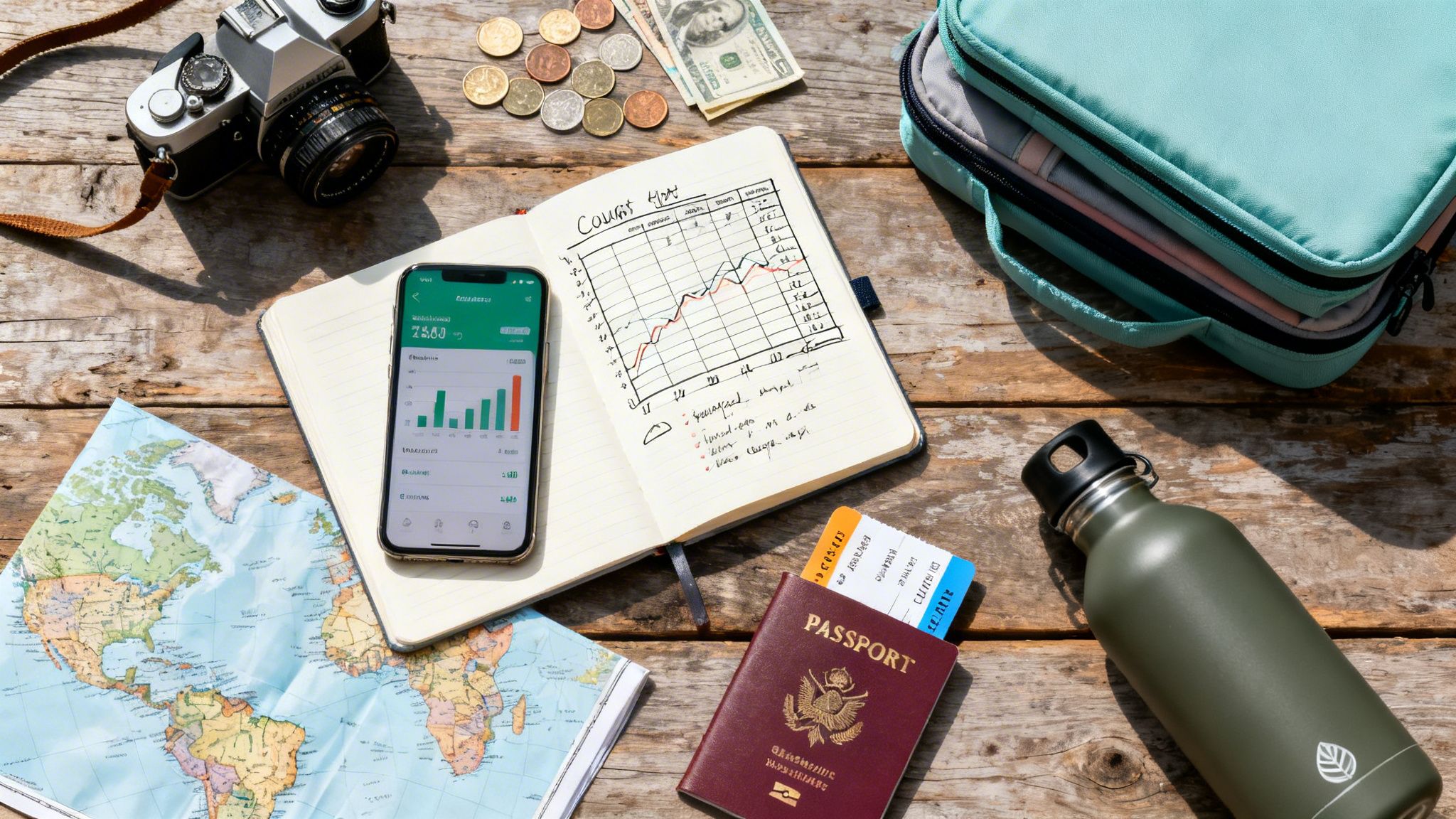
To put this into practice, use a tool you're comfortable with. A simple Google Sheet works wonders, but apps like Trail Wallet or YNAB are designed specifically for travelers.
- Build a Buffer: Always add a 15-20% contingency fund to your total budget for unexpected costs.
- Track Everything: Diligently log your expenses on the road to see how your actual spending compares to your plan.
- Phase Your Budget: Create separate budgets for pre-trip costs (gear, visas), the trip itself, and post-trip expenses (souvenir shipping, etc.).
By creating this framework, you empower yourself to make intentional decisions. You’ll know exactly where you can afford to splurge and where you need to save, turning a two-week vacation into a month-long exploration. For more ideas on organizing your finances, explore these seven travel budget categories that can save you money.
2. Book Flights During Off-Peak Times for Maximum Savings
Securing your flight is often the first major expense, and mastering the art of timing can dramatically slash your travel costs. Strategic flight booking isn’t about luck; it’s about understanding the rhythm of airline pricing. Prices fluctuate based on predictable demand patterns, and knowing when to book versus when to travel is one of the most powerful trip planning tips for unlocking substantial savings. This approach transforms your biggest upfront cost into your greatest opportunity to save.

How It Works
The core principle is simple: fly when others don't. Airlines use dynamic pricing, so when demand is low, prices drop. This applies to the time of year, the day of the week, and even the airport you choose. Shoulder seasons, the periods just before and after peak season, offer the sweet spot of good weather and lower crowds, with flight prices often 30-40% cheaper.
- When to Book: Aim for 2-3 months in advance for domestic flights and 2-8 months for international travel.
- When to Fly: Mid-week flights, particularly on Tuesdays and Wednesdays, are consistently cheaper than weekend travel.
- Where to Fly: Consider secondary airports. Flying into Bangkok's Don Mueang (DMK) instead of Suvarnabhumi (BKK) can cut costs by 15-20%.
For instance, flying from New York to Rome in May instead of July can save you over $400. Similarly, a domestic U.S. flight on a Wednesday could be $50-150 cheaper than the same route on a Friday, freeing up significant funds for your actual adventure.
Actionable Tips for Implementation
Turn this knowledge into action by using smart tools and flexible planning. Flight comparison sites are your best friends in this process.
- Set Price Alerts: Use Google Flights, Skyscanner, or Kayak to set up alerts for your desired route. Let the deals come to you.
- Go Incognito: Always search for flights in an incognito or private browser window to prevent cookie-based price hikes.
- Be Airport-Flexible: Check the "include nearby airports" option when searching. Driving an extra hour to a different airport could save you hundreds.
- Compare One-Way Tickets: Sometimes, booking two separate one-way tickets (even on different airlines) is cheaper than a round-trip fare.
By being strategic and flexible, you shift from being a price-taker to a price-maker. To dive deeper into the data behind this strategy, understanding the best time to book flights can give you a significant edge.
3. Practice Slow Travel to Reduce Costs and Increase Immersion
In a world that prizes speed, the idea of slowing down can feel revolutionary. Slow travel is an approach that champions depth over breadth, encouraging you to spend extended time in fewer places rather than rushing through a long list of cities. Instead of a whirlwind tour, imagine staying in one location for two, three, or even four weeks. This isn't just a different way to travel; it's a powerful trip planning tip that dramatically cuts costs while fostering genuine cultural immersion and creating lasting memories.

How It Works
The core principle is simple: reduce your pace to enrich your experience. By staying put, you drastically lower your biggest expense category after flights: inter-city transportation. Instead of constant bus, train, or plane tickets, your budget is freed up. This extended stay model unlocks significant savings on accommodation, with many hosts on platforms like Airbnb offering substantial discounts (25-50%) for monthly bookings.
For example, a digital nomad might spend three months in a low-cost hub like Medellín or Chiang Mai, paying a monthly rent that’s a fraction of what weekly rates would cost. A solo traveler could rent an apartment in Budapest for a month, allowing them to truly live like a local, shop at neighborhood markets, and understand the city's unique rhythm far beyond the tourist trail. This method turns travel from a fleeting visit into a temporary life.
Actionable Tips for Implementation
Making the shift to slow travel requires a change in mindset and planning. It's about settling in, not just passing through.
- Secure Long-Term Stays: Use the "monthly stay" filters on Airbnb or Booking.com. Don't be afraid to message hosts directly to negotiate better rates for extended visits.
- Explore House-Sitting: Platforms like TrustedHousesitters can reduce your accommodation cost to nearly zero in exchange for caring for a home and pets.
- Establish a Routine: Join a local coworking space, sign up for a language or cooking class, and find a favorite café. Routines build community and a sense of belonging.
- Live Locally: Master the public transport system, shop at local markets, and ask residents for their favorite restaurants. This is where you find authentic and affordable food.
By embracing a slower pace, you trade a frantic checklist for meaningful connections and a deeper understanding of a place. You don't just see a destination; you become a temporary part of it.
4. Use Public Transportation and Walk to Explore Like a Local
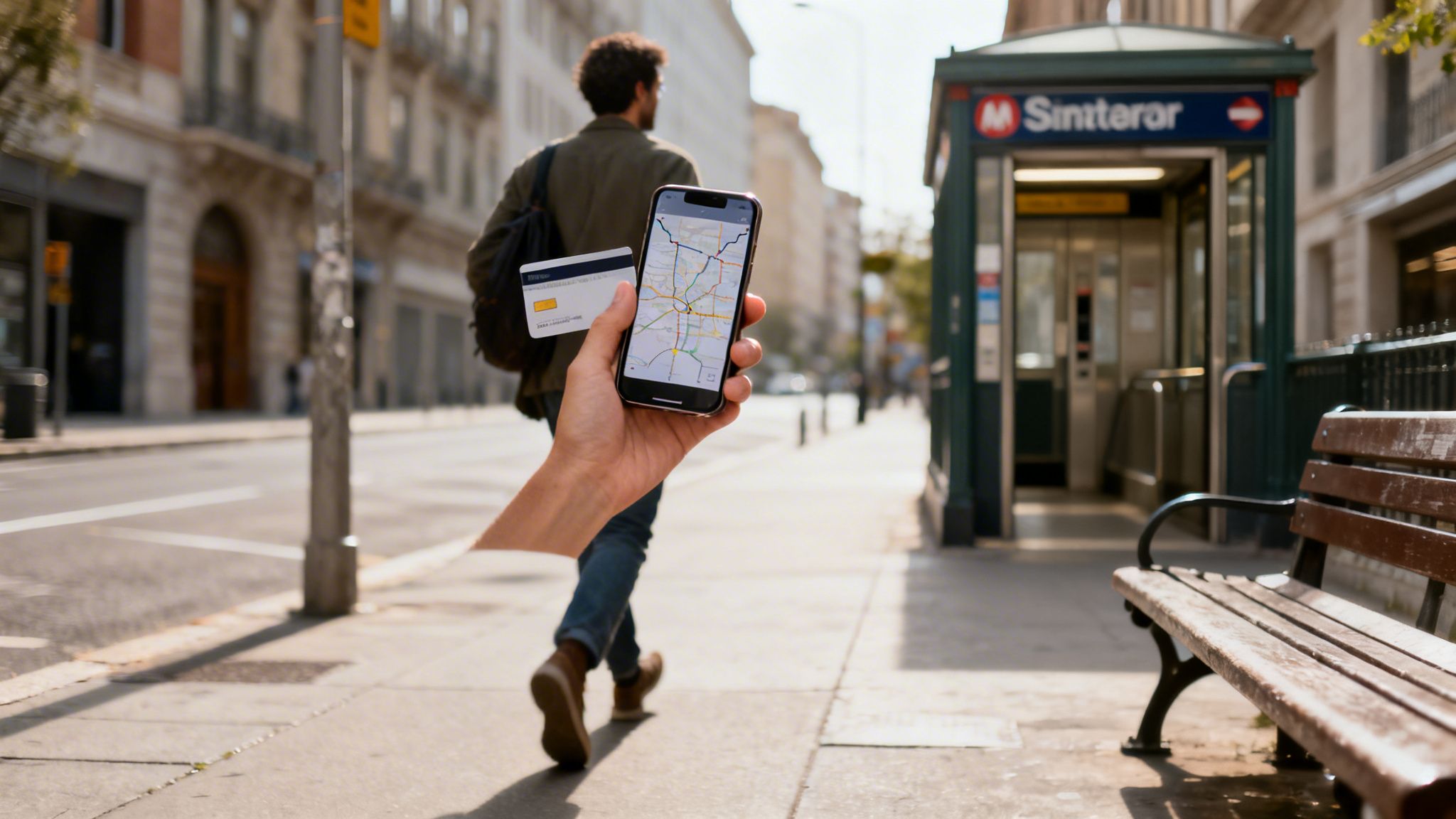
To truly feel the rhythm of a new city, skip the isolated taxi bubble and dive into its public transit system. This strategy is about more than just saving money; it’s an immersive experience that connects you to the daily life of your destination. Relying on buses, metros, and your own two feet is one of the most rewarding trip planning tips, revealing hidden gems and authentic neighborhoods that rideshares and rental cars often speed past.
How It Works
Instead of defaulting to the convenience of a taxi, make a conscious choice to understand and use local transport. This approach transforms travel from a passive commute into an active part of your exploration, promoting sustainability and deeper cultural connection. By walking, you slow down and notice the small details: street art, local bakeries, and spontaneous community gatherings that are missed at 30 miles per hour.
- Cost-Benefit: Compare a single taxi fare to a multi-day pass. In Berlin, a 48-hour transit pass (€34) offers unlimited travel, while a single short taxi trip could cost half that amount.
- Authentic Discovery: Bangkok’s BTS Skytrain (a day pass is just 150 THB, or ~$4) not only bypasses notorious traffic but also places you right in the heart of bustling local markets and residential areas.
- Systematic Exploration: Walking allows you to uncover neighborhoods layer by layer. Discovering the vibrant streets of Balat in Istanbul or the winding alleys of Barcelona's Gothic Quarter is only possible on foot.
This method turns the journey between sights into an adventure in itself. You learn the city's layout, observe local etiquette, and find your own favorite spots far from the tourist trail.
Actionable Tips for Implementation
Getting comfortable with a new city's transport system is easier than you think. A little preparation goes a long way in making you feel like a confident local.
- Get a Pass: Purchase a multi-day or weekly transit pass upon arrival. The Lisbon Card, for instance, includes a daily metro pass (€6.30) plus free entry to many attractions.
- Download Offline Maps: Use apps like Citymapper or Google Maps to download transit routes and city maps for offline use. This saves data and is a lifesaver in areas with spotty internet.
- Ask for Advice: Don't hesitate to ask your hotel staff or even a friendly local for tips on safe walking routes or the easiest way to catch a certain bus line.
By embracing public transit and walking, you do more than just travel-you participate. You contribute to a more sustainable form of tourism and create a far richer, more personal travel story.
5. Plan Solo Travel Safety Strategies Before Departure
Traveling solo is an act of profound self-trust and empowerment, but true freedom comes from a foundation of smart preparation. Proactive safety planning isn't about fear; it's about building the confidence to handle any situation, transforming potential anxiety into assertive independence. This strategic approach involves researching your destination, creating communication plans, and understanding local nuances before your boots hit the ground, making it one of the most vital trip planning tips for any solo adventurer.
How It Works
Start with a deep dive into your destination from a solo traveler's perspective, especially for women. This goes beyond typical guidebooks. It means identifying which neighborhoods are safe after dark, understanding common scams targeting tourists, and learning cultural norms around dress and social interaction. From there, you build a multi-layered safety net.
- Communication Protocol: Establish a clear check-in system with a trusted contact back home. This could be a daily text or a shared Google Doc itinerary updated every few days.
- Contingency Planning: Secure comprehensive travel insurance covering medical emergencies and evacuation. Keep digital and physical copies of your passport, visa, and insurance policy in separate locations.
- Situational Awareness: Research local emergency numbers (they aren't always 911) and learn key phrases like "help," "police," or "I need a doctor" in the local language.
For example, a solo female traveler heading to Rio de Janeiro would research which favelas are safe for guided tours, avoid walking alone in Centro at night, and share her daily plans with a friend via WhatsApp. This foresight doesn't limit the adventure; it enables it.
Actionable Tips for Implementation
Your safety plan should be practical and easy to follow on the road. Don't overcomplicate it; focus on simple, repeatable actions that become second nature.
- Register Your Trip: Use government services like the U.S. State Department's STEP program to register your travel plans. This helps the embassy contact you in an emergency.
- Trust Your Instincts: If a situation or person feels off, it probably is. Remove yourself without hesitation or guilt. Your safety is always the priority.
- Connect with Communities: Join online groups like "Solo Female Travelers" to get real-time, on-the-ground advice from others who have been where you're going.
- Pack a Safety Kit: Include a doorstop alarm for added hotel security, a personal safety alarm, and a portable power bank to ensure your phone is always charged.
By building this safety framework, you're not just planning a trip; you're investing in your own well-being and peace of mind. To get inspired, you can discover some of the best cities for solo travelers that are known for their safety and welcoming atmosphere.
6. Research Hidden Gems and Alternative Destinations to Avoid Overtourism
While iconic landmarks have their allure, the most memorable travel stories often come from the places you discover by chance. Actively seeking out hidden gems and alternative destinations is a powerful trip planning tip that swaps crowded queues for genuine cultural immersion. This approach not only alleviates the pressures of overtourism but also directs your money into local communities rather than overwhelmed tourist hubs, often saving you money in the process.
How It Works
This strategy involves digging deeper than the first page of search results. Instead of defaulting to a capital city or famous beach, you look to its lesser-known neighbors. By consciously choosing places just outside the spotlight, you find more authentic experiences, friendlier prices, and the space to truly connect with your surroundings.
For example, instead of joining the masses in Prague’s Old Town, you might explore the fairytale charm of nearby Český Krumlov. In Mexico, choosing the rich cultural tapestry of Oaxaca over the resort-heavy atmosphere of Cancún offers a completely different, and arguably more profound, travel experience. Similarly, exploring the remote islands around El Nido in the Philippines provides a serene alternative to Boracay’s bustling beaches.
Actionable Tips for Implementation
Finding these spots requires a bit of digital sleuthing and a willingness to step off the well-trodden path.
- Follow Local Voices: Search Instagram and travel blogs for creators based in your destination. They reveal the neighborhood cafes and parks that guidebooks miss.
- Dive into Forums: Websites like Reddit (r/travel) and destination-specific Facebook groups are goldmines for current, candid advice from locals and fellow travelers.
- Use Digital Maps Creatively: Open Google Maps and simply explore the areas around the main tourist attractions. Look for green spaces, small museums, and clusters of local restaurants.
- Ask the Experts: Contact local tourism boards for insider recommendations or ask your guesthouse owner for their favorite spots away from the crowds.
By shifting your focus from the "must-see" to the "must-experience," you create a journey that is uniquely your own. For more inspiration, check out these incredible hidden gems in Europe that deliver big on experience without the crowds.
7. Leverage Travel Rewards Programs and Credit Card Benefits
Imagine funding your flights and hotels not with your savings, but with points earned from your everyday spending. This isn’t a far-fetched dream; it’s the reality of strategic travel rewards. Using the right credit cards and loyalty programs transforms your daily expenses-from groceries to gas-into a currency that can pay for your next adventure. This approach is one of the most powerful trip planning tips for significantly reducing the biggest costs of travel, often making dream destinations accessible on a minimal budget.
How It Works
The core idea is to channel your regular spending through credit cards that offer generous travel points or airline miles. You earn rewards for purchases you would make anyway. Over time, these points accumulate and can be redeemed for flights, hotel stays, or other travel perks. The key is choosing programs that align with your spending habits and travel goals.
- Flexible Points Cards: Cards like the Chase Sapphire Preferred offer points that can be transferred to various airline and hotel partners, giving you maximum flexibility.
- Co-Branded Airline Cards: If you fly one airline frequently, a card like the United MileagePlus Explorer can provide free checked bags, priority boarding, and accelerated mile earning.
- Hotel Loyalty Programs: Programs such as Marriott Bonvoy allow you to earn points for stays, which you can redeem for free nights, room upgrades, and other elite benefits.
For example, simply meeting the sign-up bonus on a single travel card by shifting your regular bills and spending can often yield enough points for a round-trip international flight.
Actionable Tips for Implementation
Getting started requires a bit of research, but the payoff is immense. Focus on finding a card that matches your spending and complements your travel style.
- Meet Sign-Up Bonuses: The fastest way to accumulate points is by earning a card’s welcome bonus. Plan to apply when you have a large, planned expense to help you meet the minimum spend requirement organically.
- Know Your Point Value: Aim for redemptions that give you at least 1.5 to 2 cents per point in value. Transferring points to airline partners often provides a much higher return than redeeming for cash back.
- Stack Your Benefits: Combine points from different programs. You might use airline miles for the flight and hotel points for the accommodation, effectively covering the two largest trip expenses.
By turning your expenses into an investment for future travel, you unlock a world of possibilities without draining your bank account. To dive deeper, check out this guide on the best credit cards for travel rewards.
8. Book Accommodation During Peak Seasons Using Strategic Timing and Negotiation
Traveling during peak season doesn't have to mean surrendering to peak prices. With smart timing and a bit of confidence, you can secure great lodging without destroying your budget. This approach moves beyond passive booking; it’s an active strategy of watching price patterns, communicating directly with hosts, and knowing when to commit. For any traveler who thinks their dream destination is unaffordable during the high season, this is one of the most empowering trip planning tips to master.
How It Works
The core principle is to avoid the two most expensive booking windows: too far in advance (when prices are high due to uncertainty) and last-minute (when demand spikes and availability plummets). The sweet spot is often 4-6 weeks out. During this period, property owners are more likely to offer competitive rates to fill their calendars. Combine this timing with direct negotiation for longer stays, and your savings multiply significantly.
For instance, booking an apartment in Barcelona for a month on Airbnb can result in a rate 30-50% lower than the equivalent nightly price. By contacting the host directly before booking, you can often negotiate an additional 15-20% off for a long-term stay, especially if your dates help fill an awkward gap in their calendar. This turns a prohibitively expensive stay into a completely manageable one.
Actionable Tips for Implementation
Success here depends on research and direct communication. Use a spreadsheet or note-taking app to track prices across different platforms and booking windows.
- Time Your Booking: Set a calendar reminder to start your serious search 6-8 weeks before your trip, aiming to book around the 4-week mark for optimal rates.
- Negotiate Long Stays: When booking for two weeks or more on platforms like Airbnb or Vrbo, always message the host first. Politely ask if they offer a discount for extended stays.
- Diversify Your Search: Don't just stick to one site. Compare prices across Booking.com, Hostelworld, and direct property websites. Tools like Google Hotels and Kayak can help aggregate these options.
- Embrace Alternatives: Hostels in popular European cities often average $15-25 per night, a stark contrast to budget hotels at $40-60. Guesthouses and homestays offer authentic, affordable alternatives that connect you with the local culture.
9. Create Detailed Pre-Trip Checklists to Avoid Last-Minute Costs
A well-crafted checklist is your ultimate defense against the chaos and expense of last-minute travel preparations. It transforms the overwhelming task of planning into a series of calm, manageable steps. Instead of scrambling days before your flight, this systematic approach ensures every detail, from passport validity to packing, is handled far in advance. This is one of the most effective trip planning tips for eliminating preventable stress and costly oversights.
How It Works
A pre-trip checklist isn't just a packing list; it's a comprehensive timeline of actions. It breaks down your entire preparation process into phased, digestible tasks, preventing the eleventh-hour panic that leads to expensive mistakes. This system turns abstract worries into concrete to-dos, allowing you to identify needs like visa applications or vaccinations months before they become emergencies.
By organizing tasks chronologically, you can address high-stakes items first:
- 3-6 Months Out: Check passport validity (ensure 6 months beyond return), research visa requirements on official embassy sites, and schedule necessary medical appointments.
- 1 Month Out: Book major transport, apply for visas, and purchase travel insurance.
- 1 Week Out: Notify credit card companies of travel dates, download offline maps and apps, and start packing.
- Departure Day: Do a final document check, charge electronics, and confirm flight status.
This methodical process saves you from discovering you need a visa with only two weeks to spare, which can incur expedited processing fees of $200-$500, or realizing you need an electrical adapter at the airport and paying a premium price of $30.
Actionable Tips for Implementation
To make this strategy work for you, create a master checklist template you can customize for each destination. A simple Google Doc or a dedicated app can serve as your command center.
- Go Digital: Use apps like PackPoint or TravelPD, or build a custom template in Google Sheets or Notion to track your progress.
- Back It Up: Create a digital backup folder in a cloud service with copies of your passport, visa, insurance documents, and booking confirmations.
- Share the Load: If traveling with others, use a shared document to assign tasks and track completion, ensuring everyone is on the same page.
- Include a Final Sweep: Add a "Last 24 Hours" section to your checklist for final confirmations like flight check-ins and airport transport arrangements.
A detailed checklist is more than an organizational tool; it's a financial safeguard, ensuring your money is spent on experiences, not on emergencies born from poor planning.
10. Eat Like a Local to Experience Authentic Cuisine and Save Money
One of the most profound ways to connect with a new place is through its food. But this connection isn’t found in the tourist traps with multi-language menus. The real culinary heart of a destination beats in its bustling street food stalls, crowded local eateries, and vibrant markets. Adopting a "eat like a local" philosophy is not just one of the best trip planning tips for your budget; it's your passport to authentic flavor and genuine cultural immersion, turning every meal into a memorable part of your adventure.
How It Works
The strategy is simple: go where the locals go. This means bypassing restaurants in prime tourist zones where prices are inflated and flavors are often diluted for foreign palates. Instead, seek out neighborhood spots and street vendors where the food is fresh, authentic, and dramatically cheaper. The savings can be substantial, with local meals often costing 50-70% less than their tourist-focused counterparts.
Consider the difference: a plate of Pad Thai from a street vendor in Bangkok might cost you 60 THB ($1.75), while the same dish in a tourist restaurant could be $10 or more. Similarly, a bowl of authentic pho from a stall in Hanoi is around 40,000 VND ($1.60), a fraction of the $6 you might pay at a well-known guidebook spot. This approach doesn't just save money; it supports small, family-run businesses directly.
Actionable Tips for Implementation
Finding these authentic spots requires a little curiosity and a willingness to step off the beaten path. Here’s how to do it effectively:
- Follow the Crowd: Look for eateries filled with local people, not tourists. A long line of locals is almost always a sign of good, safe, and well-priced food.
- Ask for Recommendations: Inquire with your hostel staff, a local shopkeeper, or your tour guide for their favorite neighborhood restaurant. Ask them where they go for a great meal.
- Explore Local Markets: Markets are a sensory explosion and a fantastic source for fresh produce, regional specialties, and cheap, delicious prepared meals. You can assemble a gourmet picnic for a few dollars.
- Embrace Street Food Safely: Choose vendors with a high turnover rate. If you see them cooking the food fresh in front of you, it’s a good sign it’s safe to eat.
- Master Lunch Specials: In many countries, the largest meal is eaten at midday. Restaurants often offer fantastic lunch specials (menu del día in Spain, pranzo di lavoro in Italy) that provide a multi-course meal for a bargain price.
10 Trip Planning Tips Comparison
Your Journey Starts Now
The path from a travel dream to a real-world adventure is paved with preparation. The collection of trip planning tips we’ve explored is more than just a checklist; it's a new way of thinking about how you see and interact with the world. You now have the tools to move beyond the surface-level tourist experience and become a more intentional, resourceful, and connected traveler.
This isn't about simply finding the cheapest flight or a discounted hotel room. It's about understanding the why behind your choices. It's about knowing that booking flights during off-peak times isn't just a budget hack, it's a way to experience a destination with fewer crowds and more authenticity. It's recognizing that practicing slow travel doesn't just save you money, it gives you the invaluable gift of time, allowing for spontaneous discoveries and genuine human connections that rushed itineraries simply can't accommodate.
From Blueprint to Reality
The true power of effective trip planning lies in its ability to give you freedom. When you've established a solid budget framework, you aren't constantly worried about every expense. Instead, you're free to enjoy that extra scoop of gelato or say yes to an unexpected local tour. When you've researched your destination beyond the top ten attractions, you can confidently wander down a quiet alleyway and discover a hidden courtyard cafe that becomes the highlight of your trip.
Think of these strategies as your personal travel toolkit:
- The Financial Tools: Budget frameworks and travel rewards programs give you control over your resources, making ambitious trips attainable.
- The Immersion Tools: Eating locally, using public transport, and seeking out hidden gems break down the barriers between you and the culture you're visiting.
- The Safety Tools: For solo travelers, especially women, pre-planned safety strategies are your foundation for confidence and peace of mind, allowing you to explore boldly.
- The Sustainability Tools: Choosing alternative destinations and practicing slow travel are conscious decisions that help protect the places we love for future generations.
These aren't just isolated tips; they are interconnected pieces of a larger philosophy. A well-planned budget makes slow travel possible. A commitment to sustainability often leads you to less-touristed, more affordable areas. Every piece reinforces the others, creating a travel style that is both personally enriching and globally responsible.
Your Adventure Awaits
The most beautifully crafted plan is only a document until you take the first step. The real magic happens when your research turns into reality, when a line item on your budget becomes a delicious meal shared with new friends, and when a pin on your map becomes a breathtaking sunset you'll remember for a lifetime.
You are now equipped with a powerful set of trip planning tips designed to make your travels more meaningful, affordable, and impactful. Use this guide as your launchpad. Adapt the strategies, mix and match the ideas, and create a planning process that feels uniquely yours. The world is a vast, incredible place, full of stories waiting to be discovered. Your story is ready to begin.
Ready to find your next destination and put these plans into action? At Travel Talk Today, we provide in-depth guides and community insights to help you discover unique, budget-friendly locations. Let us help you find the perfect place to start your next great adventure. Travel Talk Today