You’ve probably got a dozen tabs open right now. One says beignets are a must. Another insists on ghost tours. A third makes it sound like if you skip one famous restaurant, you’ve somehow failed at New Orleans.
That’s the wrong way to plan 3 days in new orleans.
New Orleans works best when you treat it as a compact, culture-rich city, not a checklist. Its historic districts are tightly clustered, and a well-planned visit lets you see 8 to 12 major attractions while spending 60 to 70% of your time on foot, which is exactly why this walkable NOLA itinerary breakdown makes three days such a practical sweet spot. You get enough time for the essentials, enough breathing room for detours, and enough nights to hear the city after dark.
For budget travelers, that matters. For solo travelers, especially women, it matters even more. You don’t want a plan that has you zigzagging across town, burning money on rideshares, or ending up on a poorly lit street because a blog wanted to cram in one more “must-see.”
The rhythm that works is simple. Day 1 belongs to the French Quarter. Day 2 slows down in Uptown and the Garden District. Day 3 goes deeper into Tremé, Marigny, and Bywater, where New Orleans feels less staged and more lived in. That balance gives you the postcard version and the pulse beneath it.
If you like travel that feels personal instead of performative, spend some time with these travel stories from fellow explorers. They capture the same truth this city teaches fast. The best moments usually aren’t the loudest ones.
Setting the Stage for Your New Orleans Adventure
New Orleans can overwhelm first-timers because the city sells intensity. Bourbon Street. Brass bands. Parades. Cocktails. Long lines. Late nights. That energy is real, but it isn’t the whole story, and it isn’t how I’d recommend approaching a first trip on a budget.

The better approach is to let the city unfold neighborhood by neighborhood. New Orleans rewards travelers who slow down enough to notice the ironwork, the courtyards, the musicians warming up before a set, the side streets that get quieter just one block away from the noise. You don’t need a packed minute-by-minute schedule. You need a smart one.
Why three days works
A lot of cities feel rushed in a long weekend. New Orleans doesn’t, because its most memorable areas are so concentrated. The French Quarter alone is compact enough to cover easily on foot, and the nearby neighborhoods connect well enough that you can build your days around a few clear zones instead of constant transit.
That’s what makes 3 days in new orleans realistic rather than rushed. You can do a classic first day, a more architectural and historical second day, and a cultural third day that gets you beyond the obvious.
Practical rule: If your plan has you crossing town multiple times in one day, simplify it. New Orleans is better when you linger.
What this guide does differently
Most itineraries tell you where to go. Fewer tell you what’s worth spending on, what to skip, and how to move through the city confidently if you’re on your own. That’s where people waste money and make bad decisions.
You’ll find both the highlights and the trade-offs here:
- Budget trade-offs: where it makes sense to splurge, and where walking or a streetcar saves money without cutting the experience.
- Solo safety guidance: how to handle nightlife, neighborhood transitions, and evening transportation with less stress.
- Pacing advice: when to keep wandering and when to call it a night before the city pushes you into an expensive, tiring next day.
Day 1 The French Quarter’s Enduring Magic
The first day should be easy. No complicated routing. No pressure to “maximize” anything. Start where New Orleans announces itself most clearly, then let the day widen from there.
The French Quarter spans just 0.66 square miles, making it one of the easiest historic districts in the country to explore on foot, and it holds both St. Louis Cathedral, the U.S.’s oldest active cathedral dating to 1794, and Café du Monde, serving beignets since 1862, as noted in this French Quarter planning guide. That’s why it belongs at the front of your trip. You can see a lot without hurrying.

Morning done right
Start at Café du Monde. Not because it’s original advice, but because it works. Early in the day, the Quarter still feels softer. The light is better, the temperature is usually more forgiving, and Jackson Square hasn’t fully turned into a shoulder-to-shoulder photo stop yet.
From there, walk straight into Jackson Square and the cathedral area. Don’t rush this part. Watch the artists set up, listen to whoever’s playing nearby, and spend a few minutes getting oriented.
What works in the Quarter is wandering with a loose shape to your day. What doesn’t work is trying to force every famous stop before lunch.
Midday wandering with a purpose
By late morning, start looping through the smaller streets. Royal Street is where I usually slow down. It feels more elegant, less chaotic, and more representative of the Quarter’s visual charm than Bourbon Street in daylight.
Look for:
- Hidden courtyards: if a gate is open, glance in. Some of the prettiest spaces in the Quarter are half-concealed.
- Architectural details: cast-iron balconies, painted shutters, worn plaster, old lanterns.
- Photo timing: the Quarter gets especially atmospheric near dusk, but daytime is better for noticing facades and color.
If you want to keep the day affordable, New Orleans offers a real gift. Walking is the attraction. You’re not paying entrance fees every hour just to feel like you’ve done something.
For extra ideas that don’t drain your budget, these free things to do while traveling are a useful mindset check. New Orleans is a city where atmosphere often beats admission.
The mistake I see most often is treating the French Quarter like a race. It’s better as a slow sequence of corners, sounds, and pauses.
Afternoon choices that actually make sense
By afternoon, pick one focus. If you try to do museums, heavy shopping, a full food crawl, and nonstop sightseeing, the evening gets wasted because you’re exhausted before the music starts.
A few good options:
| Focus | Best for | Why it works |
|---|---|---|
| Museum stop | History lovers | Gives the day structure without overloading it |
| Food sampling | First-timers | Lets you try classic dishes without committing to one heavy meal |
| Pure wandering | Budget travelers, photographers | Costs little and fits the Quarter’s strengths |
If you do a food-focused afternoon, this is the right day to sample classic Creole staples. Gumbo, jambalaya, and po'boys all belong on the trip, but don’t stack giant meals back-to-back. In New Orleans, overeating at lunch often ruins dinner and nightlife.
Bourbon Street or Frenchmen Street
By evening, you need to decide what kind of night you want.
Bourbon Street is loud, crowded, and designed for stimulation. If that sounds fun to you, go early, take it in, and leave before the energy shifts from playful to sloppy. I rarely tell solo travelers to make it their full night.
Frenchmen Street is where I’d direct visitors, especially solo visitors who want live music more than spectacle. It feels more music-first, less chaos-first. You still need awareness, but the night tends to center on listening, moving between venues, and settling in for a set.
Here’s the trade-off in simple terms:
- Choose Bourbon Street if you want to say you saw it, people-watch, and absorb maximum tourist energy.
- Choose Frenchmen Street if you want your night to revolve around musicians, not excess.
- Do both only if you’ve paced your day well and still have energy.
Solo and female traveler note for night one
Night one is not the time to test your limits. Learn the city before you push late. Stay in busy, well-trafficked areas. If you’ve been drinking, don’t walk “just a little farther” into a quieter block because your map says it’s close.
A good first night in New Orleans leaves you wanting more. It shouldn’t leave you disoriented, overspent, or navigating back alone after your phone battery drops.
Day 2 Uptown Elegance and Haunting History
After the density of the French Quarter, Uptown feels like a reset. The pace changes. The sidewalks widen. The houses get grander. You start to see a different New Orleans, one shaped by wealth, social history, and a quieter kind of spectacle.
This is the day to ride the St. Charles streetcar, which has run since 1835 and is described in this Garden District itinerary as the oldest continuously operating streetcar line in the U.S. That same guide notes that a $3 all-day Jazzy Pass is one of the smartest low-cost ways to explore the 400+ historic structures in the Garden District.

Start with the streetcar, not the walk
Ride first. Walk second.
That order matters because the streetcar gives you a gentle transition out of the tourist core and into Uptown’s atmosphere. It also saves your legs for the part of the day that rewards being on foot. Grab your pass, settle in, and treat the ride as part of the experience, not just transport.
Walking the Garden District well
Once you’re in the Garden District, don’t try to identify every famous house. That’s how this area turns into a scavenger hunt instead of a neighborhood. The pleasure here is in the broad visual rhythm. Deep porches, mature trees, elaborate details, and streets that feel far removed from the French Quarter’s compression.
A self-guided walk works best if you keep a few themes in mind:
- Architecture first: notice scale, ornament, and landscaping.
- History second: remember that much of this beauty came out of a wealth structure tied to the cotton economy and enslaved labor.
- Pacing always: this area is for strolling, not speedwalking.
That last point matters more than people think. Day 2 should feel slower than Day 1. If it doesn’t, your trip starts to blur.
New Orleans is richest when you let the city show its contradictions. Grandeur and grief often sit on the same block.
Lafayette Cemetery and the city’s layered history
A respectful cemetery stop belongs here because above-ground burial traditions tell you something essential about New Orleans. They’re visually striking, yes, but they also reflect the city’s geography, climate, and the very practical realities of living in a place with a high water table.
Approach this part carefully. Don’t treat it like a spooky backdrop for social content. Cemeteries in New Orleans are places of memory before they are attractions.
If you want a useful rhythm for the day, follow this sequence:
- Streetcar ride in
- Garden District walk
- Cemetery visit
- Long lunch or late lunch
- Magazine Street browsing if you still have energy
That structure prevents the day from turning into random hopping between stops.
Where to spend and where to save
Day 2 is usually the easiest day to control financially because transit is straightforward and the neighborhood itself is the draw. If you want one classic splurge meal, this is the best place for it. If not, keep it simple and save your money for music, drinks, or a final-night dinner later in the trip.
A practical way to approach it:
| Choice | Spend more if | Save money if |
|---|---|---|
| Lunch | You want a signature meal in a landmark setting | You’d rather stretch budget for nightlife |
| Transit | You’re hopping between neighborhoods all day | You’re focusing on Uptown and walking |
| Shopping | You collect books, antiques, or local design | You already know souvenirs inflate fast here |
For solo travelers, this part of the city often feels calmer than the Quarter, especially in daylight. That said, calm isn’t the same as carefree. Keep your phone tucked away when you’re not using it, stay aware at streetcar stops, and avoid drifting too far once foot traffic thins.
Day 3 Soulful Rhythms and Artistic Vibes
If Day 1 is New Orleans at its most iconic and Day 2 is New Orleans at its most stately, Day 3 is where the city starts speaking in a more direct voice.
This is the day I’d reserve for Tremé, Marigny, and Bywater. These neighborhoods don’t need to be sold as “hidden gems” to matter. They matter because they carry living culture, neighborhood memory, artistic expression, and some of the most textured street scenes in the city.
The best version of this day is less checklist, more listening.
Start in Tremé with respect
Tremé deserves time and attention, not a quick stop added because a map says it’s nearby. This neighborhood is central to the story of Black New Orleans, and if you go in with that mindset, your day changes. You stop consuming the city and start engaging it.
The Backstreet Cultural Museum is a strong anchor for the morning if it’s open during your visit. The Mardi Gras Indian suits displayed there are not just visually striking. They represent craft, tradition, and community identity.
Then make your way toward Congo Square. It’s one of those places that can feel ordinary if you arrive expecting a staged performance. It’s better approached as sacred cultural ground. Stay a while. Read. Listen. Let the place register.
For more ideas on moving beyond surface-level tourism, these authentic travel experiences offer the right mindset.
Move outward into Marigny and Bywater
By late morning or early afternoon, shift into Marigny and then Bywater. The transition feels natural. The architecture loosens up, the street art blends into the environment, and the mood turns more local, more creative, and less polished.
What I like here is that you don’t need a heavy itinerary. You need a route and enough room to deviate from it.
A good Day 3 flow looks like this:
- Morning in Tremé
- Midday café or casual lunch in Marigny
- Afternoon street art and wandering in Bywater
- Evening return toward Frenchmen Street for music
That rhythm works because each neighborhood gives you a different form of cultural immersion. Tremé gives history and legacy. Marigny gives music and residential texture. Bywater gives visual creativity and a more relaxed edge.
If a neighborhood feels quieter, don’t interpret that as a cue to drop your guard. Quiet streets can be beautiful and less forgiving at the same time.
What to notice instead of just what to see
This day improves when you pay attention to small signals.
Notice which blocks feel residential and should be treated that way. Notice where art seems embedded in daily life rather than installed for visitors. Notice who’s out on porches, where people are gathering, where the music spills naturally onto the street.
That’s how New Orleans becomes more than a set of landmarks.
I’d also suggest keeping your afternoon flexible. If you find a café, bookstore, gallery, or corner that holds you longer than expected, stay. Day 3 should have enough slack in it to allow that.
Finish with music, but choose your night carefully
Frenchmen Street makes sense again on the final evening because by now you’ll have a better instinct for what you want. On the first night, it’s discovery. On the last night, it’s selection.
Maybe you want an energetic room with people packed near the stage. Maybe you want something looser and more listenable. Maybe you want one drink and a short set because you’ve got an early departure the next day.
All of those are valid. The point is not to “do nightlife” one last time. The point is to end the trip in a place where New Orleans sounds like itself.
For solo female travelers, the same rule from Day 1 still applies, and it matters even more after a full trip. Don’t push yourself to stay out late just because it’s your last night. Leave while you still feel clear-headed. A confident exit is better than an overextended finale.
Travel Smarter in The Big Easy Budget Safety and Timing
Most New Orleans guides underdeliver on the parts that determine whether your trip feels smooth or stressful. They’ll tell you where to find jazz. They won’t tell you how fast costs creep when you stop planning your meals, or how quickly a fun solo night can sour if you ignore route choices after dark.
That gap is especially obvious around solo travel. This article highlighting the lack of solo female safety guidance in typical NOLA itineraries points to a real problem. Travelers are told to visit neighborhoods like Tremé, but they’re rarely told how to do it confidently and sensibly.

Budgeting your trip
The cleanest budgeting framework for 3 days in new orleans is to think in tiers, not exact totals. Prices fluctuate by season, events, and how close you stay to the French Quarter. What matters more is understanding your spending pattern.
Here’s the model I use:
| Budget tier | What it looks like | Best strategy |
|---|---|---|
| Shoestring | Walking-heavy days, simple meals, one or two paid highlights | Stay disciplined on drinks and convenience spending |
| Comfortable budget | Mix of casual dining, transit, a few paid museums or music stops | Pick one intentional splurge instead of several accidental ones |
| Mid-range comfort | Better-located lodging, more dining flexibility, easier night transport | Book core reservations early and protect evenings from overspending |
Where people lose control of the budget in New Orleans is rarely one giant expense. It’s accumulation. Coffee, snacks, cocktails, rideshares, cover charges, another round because the band is good, then a late-night meal because you stayed out longer than planned.
A few cost-saving habits work well:
- Use walking strategically: keep each day neighborhood-based so you’re not paying for unnecessary movement.
- Use transit for structure: a streetcar pass works best when it supports a full area day, not random hopping.
- Front-load your spending choices: decide in the morning whether today is your splurge day.
- Keep one low-cost meal in your pocket: New Orleans makes indulgence easy. You need one simple fallback option each day.
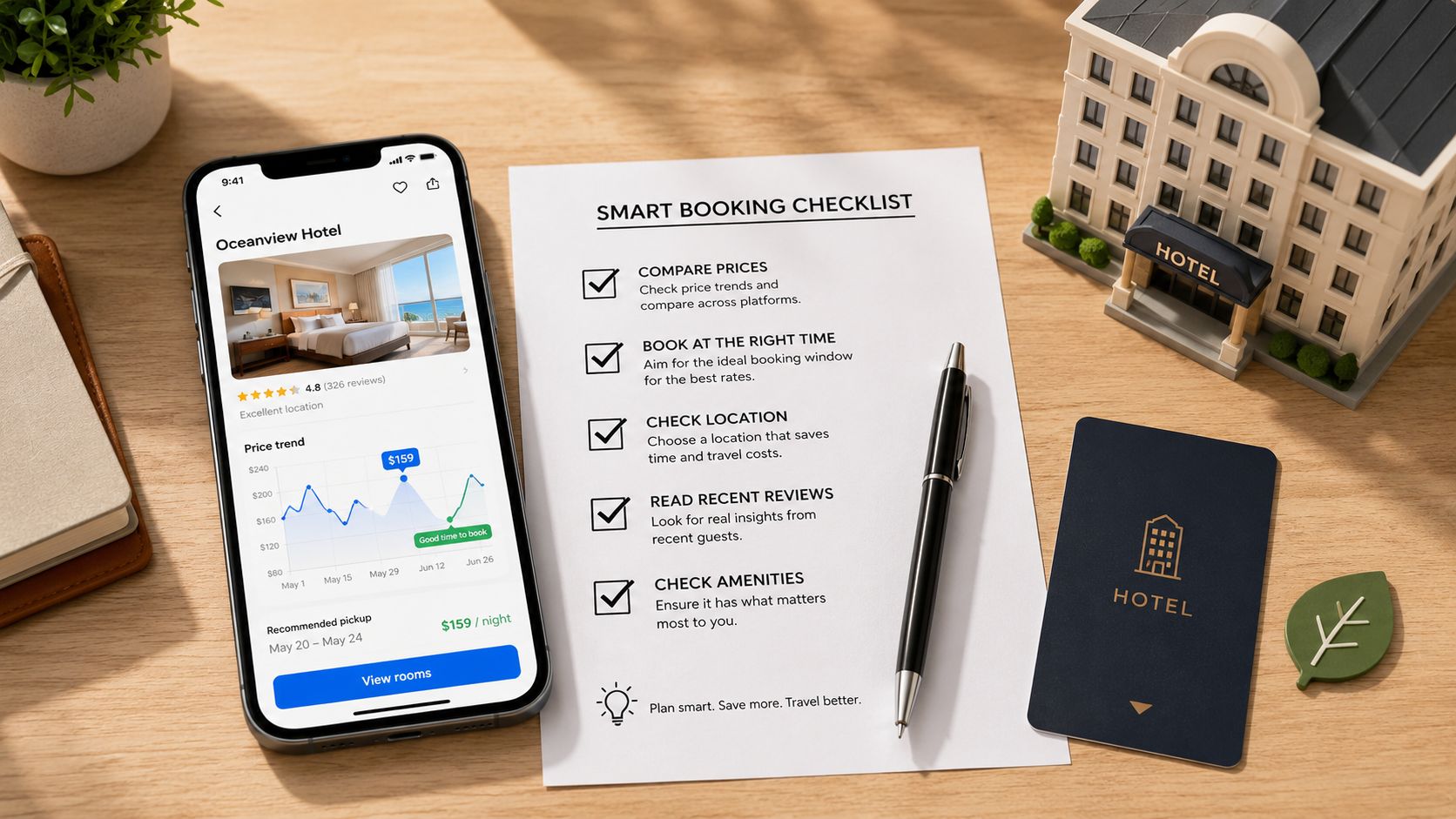
If you want a stronger framework for making those trade-offs before you book, these travel budgeting tips for smarter trips are worth borrowing.
Solo traveler safety
New Orleans is one of the most memorable solo trips in the U.S. It can also punish overconfidence. The city invites spontaneity, but solo travelers need a firmer operating system.
My baseline rules are simple:
- Stay aware during transitions: daytime sightseeing is one thing. Moving between neighborhoods at dusk or after drinks is another.
- Don’t chase a vibe down an empty block: if the energy drops and foot traffic disappears, turn back.
- Use rideshare for late returns: especially if you’re tired, dressed up, or navigating unfamiliar streets after music.
- Limit what you carry at night: one card, the cash you need, charged phone, and no flashy extras.
- Tell someone your rough plan: not because the city is uniquely dangerous, but because solo travel gets safer with small habits.
For solo women, I’d add a few specifics. If a bar or club feels too aggressive, leave early. If a stranger is too persistent, move physically closer to staff or a settled group instead of trying to negotiate politeness. In New Orleans, confidence reads better than apology.
A safe solo trip isn’t built on fear. It’s built on decisions made early enough that you never need to recover from a bad one.
One more point matters. Don’t confuse “authentic” with “unsupported.” If you want to explore less touristy neighborhoods, do it in daylight, with a clear route, and with enough energy to stay alert. Authentic travel should still feel structured.
Timing your visit
Timing shapes almost everything in New Orleans. Crowds, prices, restaurant access, street energy, and how much planning you need all change depending on when you go.
The trade-offs look like this:
| Timing | Pros | Trade-offs |
|---|---|---|
| Peak festival periods | Maximum energy, iconic atmosphere, major events | More crowds, more planning pressure, higher costs |
| Shoulder periods | Easier pacing, better flexibility, less competition for reservations | Slightly less event intensity |
| Hotter or quieter stretches | Potentially calmer sightseeing days | Weather can limit how much walking feels comfortable |
I generally tell budget travelers this. If your dream is specifically Mardi Gras or another major event, go for the event and accept the higher friction. If your dream is the city itself, choose a less compressed time and enjoy more freedom.
That’s the real timing question. Are you visiting New Orleans for a headline moment, or for New Orleans?
Your New Orleans Toolkit Packing and Transportation
A good itinerary falls apart fast if your shoes are wrong, your bag is too heavy, or you didn’t think through how you’ll get back at night. This city asks for practical packing, not aspirational packing.
And because so many guides skip the logistics, this review of what most 3-day NOLA itineraries miss about actual budgeting and fare planning points to exactly why preparation matters. A $3 Jazzy Pass and $1.25 streetcar fare help, but only if the rest of your trip is organized around them.
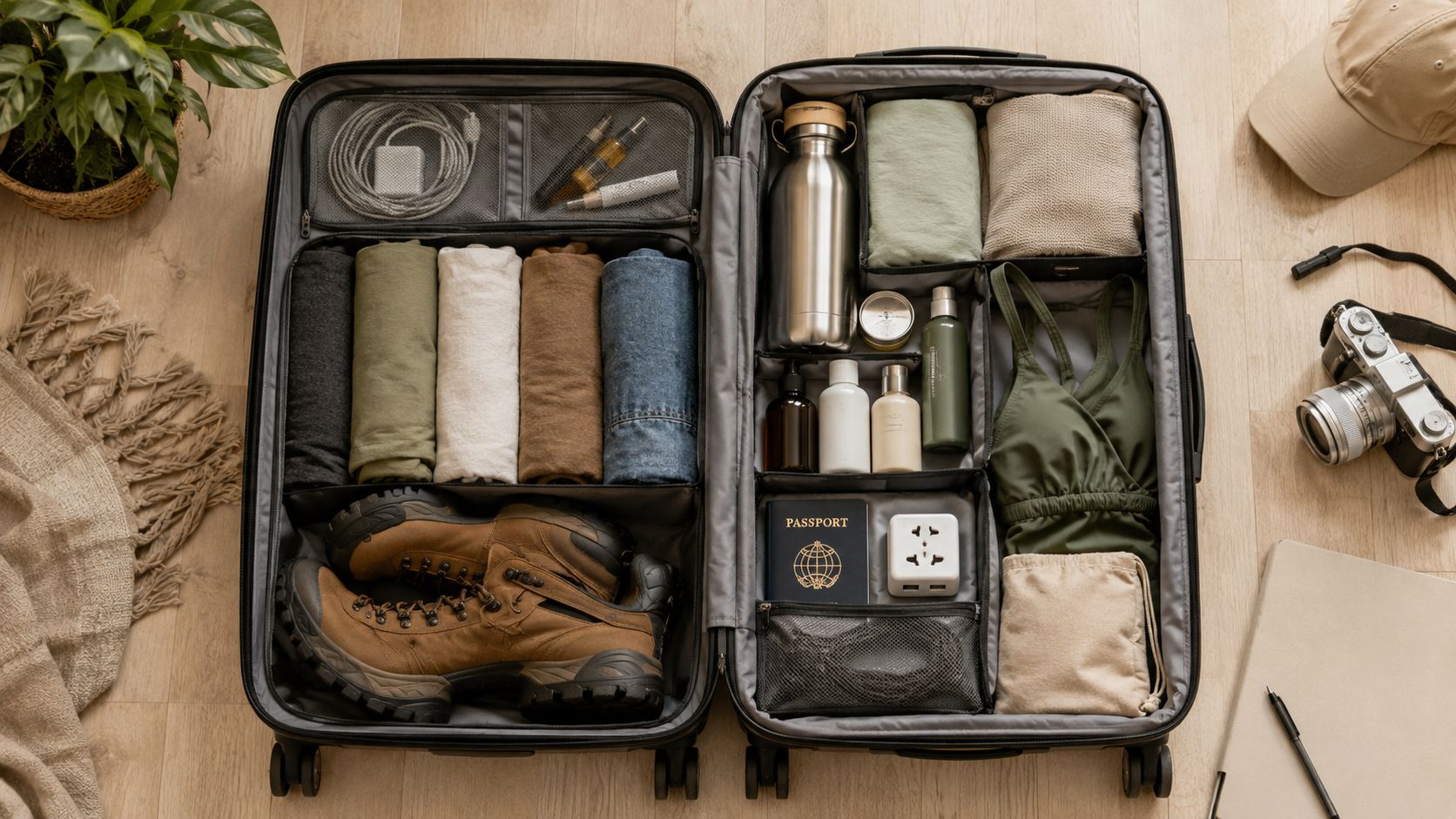
What to pack
Pack for walking first.
Bring:
- Comfortable closed-toe shoes: the streets can be uneven, and you’ll cover a lot more ground than you think.
- Light rain protection: New Orleans can turn damp quickly, and wet feet ruin a day.
- A small crossbody or secure day bag: easier for crowded streets and nightlife.
- A reusable water bottle: especially if you’re walking long stretches.
- One nicer outfit: useful if you want a more polished dinner or evening out.
- A portable charger: essential for maps, rideshares, and keeping your phone usable after dark.
Don’t overpack “just in case” outfits. In New Orleans, mobility beats variety.
Getting around without making it complicated
The right transport strategy is simple. Walk when a neighborhood rewards walking. Use the streetcar when it supports a full day’s route. Use rideshare when safety or efficiency matters more than saving a little.
That usually means:
- French Quarter day: mostly walking
- Garden District day: streetcar plus walking
- Tremé, Marigny, Bywater day: a mix of walking and selective rideshare depending on timing and comfort
For many travelers, especially solo women, late-night transport is not the place to squeeze every last dollar. Save money in the daytime. Buy convenience and confidence at night.
If you want a last pre-trip check before leaving home, use a solid travel planning checklist for organized departures. New Orleans is much more fun when the basics are already handled.
Bringing the Spirit of New Orleans Home with You
A good trip to New Orleans gives you more than a list of places you saw. It changes your sense of pace. You start noticing music differently. Meals last longer. Streets feel less like shortcuts and more like part of the experience.
That’s why 3 days in new orleans can stay with you long after the flight home. The city’s charm isn’t only in the landmarks. It’s in the resilience behind them, the creativity threaded through everyday life, and the way joy and history share the same space without canceling each other out.
If you’ve done this trip well, you won’t come home thinking only about what you checked off. You’ll remember the sound of a band from half a block away, the feel of a quiet courtyard after a busy street, and the confidence that comes from traveling well, not just traveling fast.
If you want more practical, budget-aware travel advice in this same spirit, visit Travel Talk Today . It’s built for travelers who want meaningful trips, smarter planning, and experiences that feel richer than the price tag.