You arrive in Salt Lake City with one free day, a modest budget, and no interest in doing the same checklist everyone else posts. That is where this city starts to make sense. You can build a day around transit, trail access, neighborhood food, and mountain views without treating every outing like a production.
Salt Lake City rewards travelers who plan with intention. The strongest version of the trip is not the most expensive one. It is the one that balances city culture with nearby nature, leaves room for local businesses, and respects the realities of weather, distance, and altitude. That matters even more for solo travelers, who usually need activities that feel safe, flexible, and easy to reach.
The city also has more range than many first-time visitors expect. Alongside well-known religious and historic sites, you will find public trails, mural-filled neighborhoods, winter sports infrastructure, day trips into stark desert spaces, and enough free or low-cost stops to keep spending under control. If you usually look for adventurous things to do that still feel doable and well-paced, Salt Lake is a practical pick.
This guide focuses on activities Salt Lake City does well, and on how to do them thoughtfully. That means choosing lower-cost options where they make sense, using transit or shared transport when it saves hassle, avoiding wasteful planning, and knowing where solo travelers should be more cautious. The goal is not to cram in everything. It is to leave with a clearer sense of the city's character, and a trip that feels grounded rather than rushed.
1. Explore the Great Salt Lake by Kayak or Paddleboard
The Great Salt Lake gives you one of the strangest and most memorable half-days near the city. The water, sky, and mountain backdrop create an enormous sense of space, and paddling lets you experience it slowly instead of just pulling over for a quick photo.
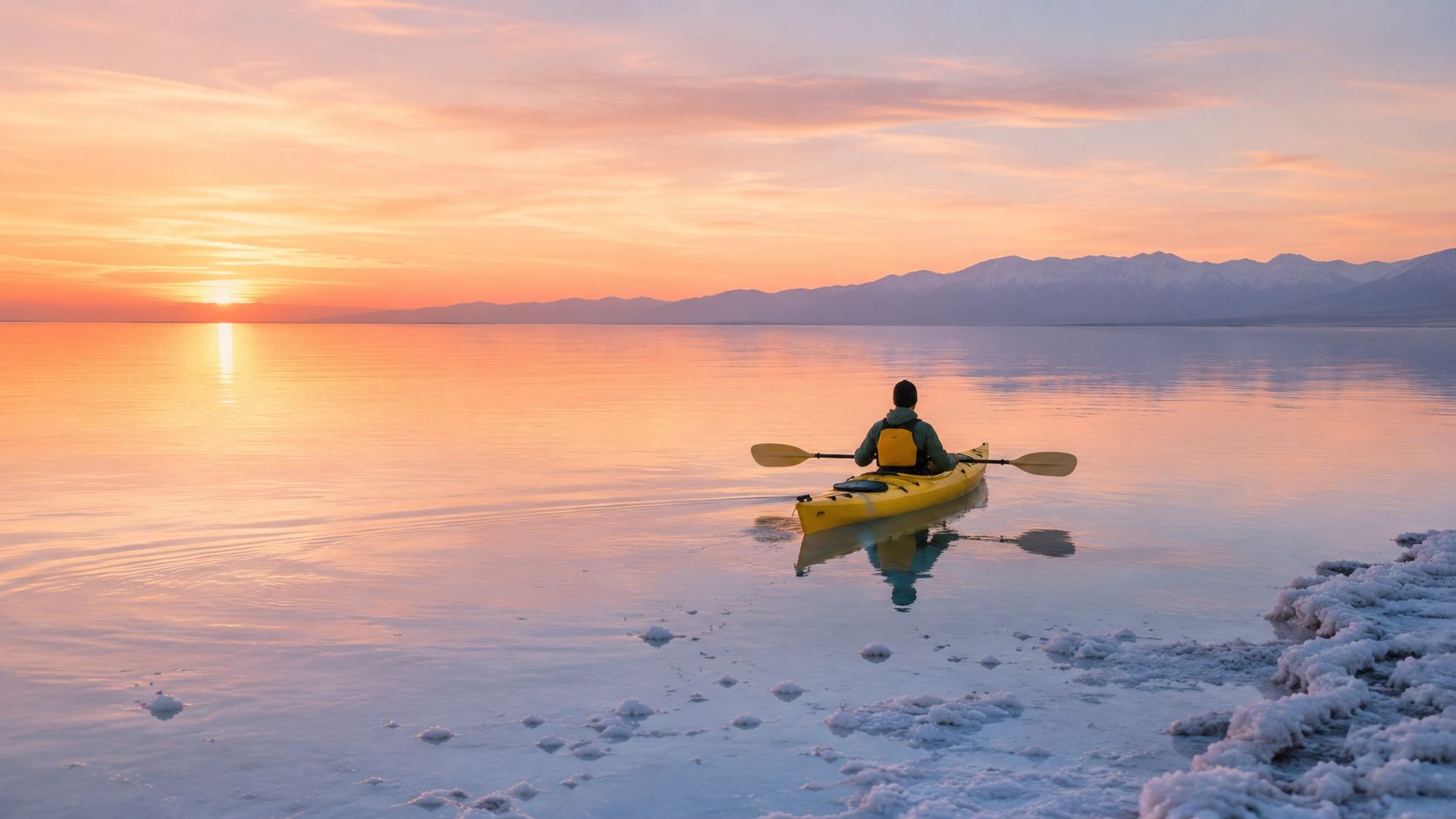
For most travelers, renting locally makes more sense than hauling your own board or kayak. Launch conditions can change, shorelines can be muddy, and local outfitters usually know what's practical that day. Great Salt Lake State Park and Antelope Island are the most obvious starting points, and both work well if you want a beginner-friendly outing with minimal logistics.
How to do it thoughtfully
Start early. Afternoon wind is what ruins this plan for most first-timers, not lack of skill. Sunrise and early morning light also give photographers the calmest water and the cleanest mountain reflections.
A few trade-offs matter here:
- Choose shoulder season: Late spring and early fall usually feel better than peak summer because heat, glare, and bugs can wear you down fast.
- Pack more water than you think: The lake environment reflects light hard, and beginners often underestimate how dehydrating it feels.
- Rent, don't overpack: If you're traveling light, local rentals reduce hassle and wasted baggage space.
Practical rule: If the water looks choppy from shore, don't assume it'll calm down once you launch. It usually feels worse farther out.
This is one of the best activities Salt Lake City offers for travelers who want nature without a full alpine commitment. If your trip leans outdoors, it pairs well with other adventurous travel ideas that don't require expert ability.
2. Discover Temple Square and Mormon Heritage
You can't understand Salt Lake City without spending time around Temple Square. Even if you're not interested in religion, this area gives you architecture, city history, public space, and a clearer sense of why the city looks and functions the way it does.
The best approach is curiosity, not speed. Walk the grounds, step into the surrounding historic buildings that are open to visitors, and pay attention to the contrast between devotional spaces and the modern downtown around them. That contrast is part of Salt Lake's identity.
What works and what doesn't
What works is arriving early, before the sidewalks fill and before the visit turns into a box-checking exercise. Morning light also makes the area feel calmer and more reflective. If you like self-guided travel, using an official app or map helps you move at your own pace without missing context.
What doesn't work is treating the area as only a photo stop. You'll leave with the usual exterior shots and almost no understanding of the city's founding story. Salt Lake's identity is tied to that history, and the site still functions as a living cultural landmark rather than a frozen monument.
Go with respectful curiosity, not with the attitude that you're there to agree or disagree with everything you encounter.
Nearby, you can keep the day practical by walking to central downtown streets, public spaces, or City Creek for people-watching and a change of atmosphere. This is one of the easiest low-cost activities in Salt Lake City because it's central, walkable, and works in almost any season.
3. Hike to Hidden Waterfalls in the Canyons
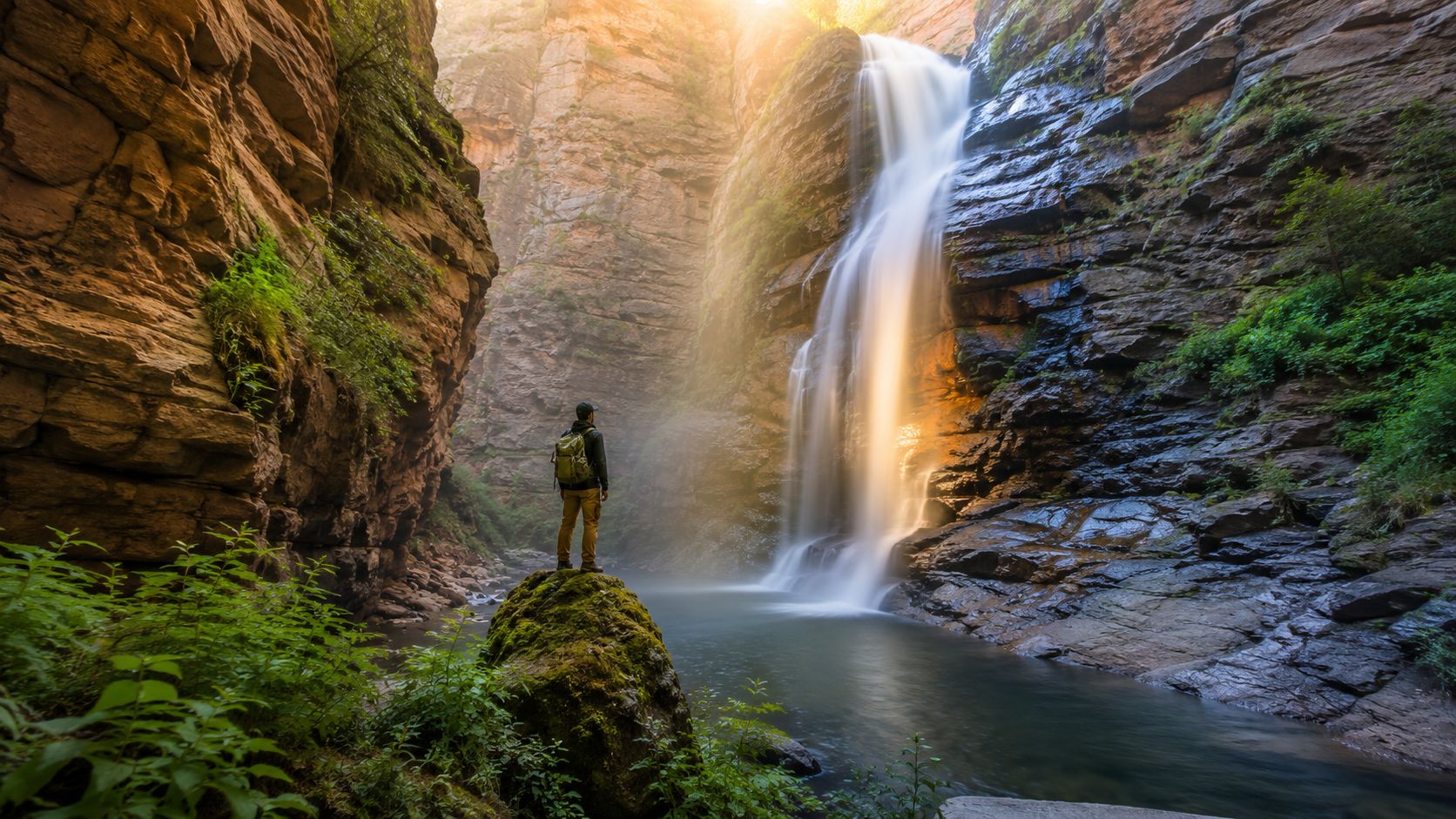
If you want the classic Wasatch payoff without committing to a full mountain day, waterfall hikes are the smart move. They give you shade, a tangible destination, and a built-in reason to start early.
Donut Falls gets most of the attention for beginners because it feels accessible and rewarding. More experienced hikers often branch into longer routes such as Stewart Falls or other canyon trails where the scenery opens up and the crowds thin out. The exact trail matters less than your timing and preparedness.
The smart way to hike near Salt Lake
Weekend parking fills fast, and muddy conditions can turn an easy outing into a slippery mess. For solo travelers, the safest pattern is simple. Pick a well-trafficked trail, download an offline map before leaving service, and turn around sooner than your ego wants to.
Here's what tends to work best:
- Go on weekdays if you can: You'll get easier parking, quieter trails, and a less stressful start.
- Wear real footwear: Trail runners or hiking shoes matter more than fancy gear.
- Respect seasonal closures: Mud season isn't the time to force a hike just because a social post made it look easy.
If you're specifically hunting scenic routes, a guide to waterfalls worth seeking out can help you choose substance over hype.
The mistake I see often is travelers trying to squeeze in a canyon hike in the hottest part of the day after a late breakfast downtown. Salt Lake rewards early starts. Fight that rhythm, and the city feels harder than it is.
4. Walk or Bike the Salt Lake City Trail System
Not every outdoor day in Salt Lake needs to involve a canyon drive. Some of the best low-pressure exploring happens on the city's trail network, where you can move between parks, neighborhoods, and quieter edges of town without spending much.
The Jordan River Parkway is useful when you want distance and a less touristy feel. Sugar House Park works when you want something easy, social, and scenic. City Creek and the foothill-adjacent routes are better for travelers who want a quick nature reset without giving up urban convenience.
Best fit for budget and sustainability
Thoughtful travel comes alive when exploring on foot or bike. These activities let you see how residents use the city, and they naturally slow you down enough to notice cafés, community gardens, and neighborhood details you'd miss from a car.
Salt Lake also sits in a region with strong digital infrastructure. DC Byte describes it as an emerging data center market with low-cost power, strong connectivity, and a business-friendly environment. For travelers, that often translates into a practical advantage. Navigation, ride-hailing backups, mobile payments, and remote-work flexibility tend to be easier to manage than in more fragile gateway towns.
- Use trails to connect neighborhoods: You'll save on transport and avoid unnecessary parking decisions.
- Carry sun protection every time: Shade is inconsistent, even on urban routes.
- Pause in local businesses: A coffee stop or bakery break turns transit into travel.
If you want your activities Salt Lake City plan to leave a lighter footprint, this is one of the easiest places to start. It aligns naturally with more sustainable travel habits without feeling like a sacrifice.
5. Visit Free and Affordable Museums and Cultural Centers
Salt Lake has a museum advantage that many travelers overlook. The city's tourism conversation leans heavily toward skiing, hiking, breweries, and Temple Square, but that leaves a gap for people who want indoor, non-religious, weather-proof plans. The broader state tourism coverage itself points to that under-served need for more coherent indoor and inclusive city exploration rather than repeating the outdoor staples on every list, as noted on Utah's Salt Lake City things-to-do page.
That's why museums matter here. They aren't backup plans. They're often the smartest plan when air quality is poor, your energy is low, or you only have a partial day.
Where to spend your time
The Natural History Museum of Utah is the strongest pick if you want context on the natural environment, geology, and the wider state. The Utah Museum of Fine Arts is a good counterweight if you've had a very outdoors-heavy itinerary. Gilgal Sculpture Garden is one of the city's better free cultural stops because it's odd, compact, and memorable.
What works best is grouping two nearby visits rather than trying to “do culture” all day at full intensity.
- Check current free or discount periods: Museum schedules change, so verify before building your day.
- Use transit when possible: Parking can unexpectedly turn a cheap outing into an annoying one.
- Mix one major museum with one small site: That keeps the day from feeling overprogrammed.
If your budget is tight, this category is where free activity planning pays off fastest.
Indoor culture days aren't settling. In Salt Lake, they often produce the most balanced itinerary.
6. Explore Neighborhoods and Street Art Through Walking Tours
Some of the most rewarding activities Salt Lake City offers don't come with a ticket. They come from wandering the right blocks with enough time to notice what's around you.
The Avenues gives you history, older homes, and a more residential rhythm. Marmalade feels creative and slightly off-center in a good way. Sugar House is better if you want cafés, shops, and a neighborhood where it's easy to improvise your afternoon. Around 9th South, murals and independent businesses make it easy to build your own slow travel loop.
How to make a walking tour feel local
Start with one anchor. That might be a coffee shop, bookstore, bakery, or weekend market. Then walk outward instead of trying to cover everything. That approach keeps you observant, and it helps solo travelers avoid the tired, map-glued feeling that makes a neighborhood blur together.
A few grounded habits help:
- Preview routes before you go: Street View is useful for spotting dead zones and less interesting stretches.
- Ask one local question: “What block should I not skip?” works better than asking for a full itinerary.
- Spend something small locally: A pastry, drink, or secondhand book is often enough to support the area you're enjoying.
Salt Lake's official tourism messaging also emphasizes that the city has 30+ genuinely free activities, but neighborhood walking is where that promise becomes practical. You can build a good half-day with very little spending if you choose a district with intention.
This is one of the safest and most satisfying solo activities in Salt Lake City because you stay in active public spaces, set your own pace, and can pivot easily if a street or block doesn't hold your attention.
7. Experience Skiing and Winter Sports Access
You can wake up in downtown Salt Lake City, check the canyon forecast over coffee, and still make first tracks without paying resort-village prices. That access is the main advantage here. The smart move is to use the city as your base and treat the mountain as a day trip, not a packaged winter fantasy.
Salt Lake has a long winter sports reputation, and it earns it through proximity. Several major ski areas sit close enough to the city that travelers can stay in regular hotels, use local rental shops, and keep food costs under control. That matters if you want the experience of skiing Utah without building your whole trip around expensive lodging and après-ski spending.
Best strategy for budget travelers
Resort choice changes the feel of the day as much as the cost. Brighton usually works well for newer skiers, casual riders, and travelers who want a less status-conscious atmosphere. Alta and Snowbird make more sense for confident skiers who care about terrain and snow quality enough to accept a higher overall spend. Park City has range and convenience, but it also makes it easy to drift into shopping, dining, and entertainment costs that have little to do with time on snow.
My rule is simple. Pay for the skiing you want, not the version of ski culture designed to separate visitors from their budget.
A few choices keep the day practical:
- Stay in Salt Lake City: Lodging and dining options are broader, and it is easier to find value.
- Rent gear in town: Local shops often save money and give you more time to compare options.
- Use transit or ski buses when roads are clear and service is running: You avoid parking fees, traction worries, and the stress of canyon driving.
- Pack lunch and water: Resort base areas are convenient, but they are rarely the affordable part of the day.
This is also one of the clearest places to practice thoughtful travel. Pick one mountain instead of rushing between brands. Respect weather closures and avalanche controls instead of forcing a tight schedule. If you are traveling solo, choose the setup that leaves you with the fewest weak points. Reliable transit, daylight return timing, charged phone, and a realistic read on your skill level matter more than chasing bragging rights.
If canyon conditions look rough, change the plan. Salt Lake is one of the few winter cities where backing off from a ski day does not waste the trip.
8. Visit Antelope Island State Park and Wildlife Viewing
Antelope Island is the place to go when you want Salt Lake's natural scenery at its most distinctive. The light feels harsher, the colors feel simpler, and the space feels big in a way that quickly resets your sense of scale.
This outing works for travelers who want wildlife without deep wilderness logistics. You can drive, stop, walk short sections, commit to longer trails, or use the island as a scenic and photographic counterpoint to your city time. Bison, antelope, birds, and broad lake views make it visually rich even when you do very little.
Safety, ethics, and timing
The best wildlife viewing usually happens when you stop trying to chase it. Early morning and lower-traffic times improve your chances, but patience matters more than mileage. Bring binoculars if you have them and keep your expectations realistic. Wild animals don't perform on demand.
What works well:
- Keep your distance: A long lens or binoculars beat getting too close.
- Bring your own water and snacks: Services can feel sparse once you're out there.
- Treat this as a slow outing: The island is better as a half-day of observation than a rushed checklist.
What doesn't work is trying to combine a full island day with too many other commitments. The roads, pullouts, and pauses are part of the experience.
For photographers and solo travelers especially, this is one of the most grounding activities Salt Lake City has nearby. You can move at your own pace and still come back with a strong sense of having seen something singular.
9. Enjoy Free and Low-Cost Food Scene Through Food Tours and Markets
A lot of travelers overspend in Salt Lake because they plan food the lazy way. They stay near the most obvious zones, default to the first polished place they see, and mistake convenience for quality. The smarter move is to use markets, neighborhood cafés, casual counters, and a few targeted splurges.
Salt Lake's food scene is most rewarding when you treat it as part of city exploration, not just refueling between attractions. Farmers markets, food truck gatherings, immigrant-owned restaurants, and coffee-led neighborhood mornings all reveal more of the city than a generic dinner reservation ever will.
How to eat well without blowing the budget
Build one meal around a market or cluster instead of choosing restaurants one by one across town. That cuts transport costs and helps you experience an area more fully. Liberty Park events, Sugar House strolls, and downtown snack-and-coffee loops all work well for this style.
Try this pattern:
- Make lunch your main meal out: Midday is often easier on your budget and schedule.
- Use markets for conversation: Vendors often give better local insight than guidebooks do.
- Carry a reusable bag and water bottle: It keeps spontaneous food browsing easier and less wasteful.
The key trade-off is simple. If you want polished atmosphere, you'll usually pay for it. If you want flavor, discovery, and local connection, Salt Lake's casual scene often delivers more.
For solo travelers, food-based activities Salt Lake City does well include tasting your way through one district, then pairing that with a bookstore, park, or mural walk. It keeps the day full without making it expensive.
10. Explore Bonneville Salt Flats and Natural Wonder Day Trip
The Bonneville Salt Flats aren't an add-on if you go. They're the day.
This area works because it feels stripped down to essentials. White ground, open sky, shifting light, and very little visual clutter. If you're a photographer, that simplicity is the draw. If you're not, the sheer strangeness of standing in such a bare place is usually enough.

The challenge is logistics. This is one of the least forgiving activities Salt Lake City visitors often attempt casually. Fuel, weather, road conditions, heat, and timing all matter more than they do for in-city outings.
When this trip is worth it
Go if you love unusual terrain, road-trip rhythm, and patient photography. Skip it if your schedule is tight, your vehicle situation is uncertain, or you're expecting lots of built-in amenities. The flats reward preparation, not spontaneity.
A few essentials:
- Bring extra water: The exposure is relentless.
- Check conditions before leaving: A dramatic terrain can still be a poor day trip choice.
- Consider going with someone else: It's a safer call for a remote-feeling environment.
This is less about filling time and more about committing to a place. If you enjoy long scenic drives with a visual payoff, the planning mindset isn't far off from other classic road trip days where the journey shapes the experience.
Top 10 Salt Lake City Activities Comparison
| Activity | 🔄 Complexity | ⚡ Resource Requirements | 📊 Expected Outcomes | Best Use Cases | 💡 Tips / ⭐ Advantage |
|---|---|---|---|---|---|
| Explore the Great Salt Lake by Kayak or Paddleboard | Low–Moderate (weather/wind dependent) | Rental gear $25–50, basic safety kit, minimal skill | Scenic, peaceful floats; strong photo opportunities; wildlife sightings | Budget adventurers seeking unique water experiences | Rent locally; go shoulder seasons/early AM; ⭐ effortless buoyancy for easy floating |
| Discover Temple Square and Mormon Heritage | Low (walking, guided options) | Free–$20; central, accessible | Cultural and historical insights; architecture and gardens | Cultural explorers and history enthusiasts on tight budgets | Visit early; use Temple Square app; ⭐ free grounds and guided options |
| Hike to Hidden Waterfalls in Canyons | Low–High (trail-dependent) | Hiking gear, water, possible parking fee $0–5 | Rewarding waterfall views, exercise, strong photo content | Budget adventurers seeking affordable nature immersion | Start early, bring 2L+ water, offline maps; ⭐ varied difficulty for all levels |
| Walk or Bike the Salt Lake City Trail System | Low (accessible urban trails) | Minimal or bike rental $5–10; maps | Local immersion, flexible distances, neighborhood discovery | Slow travelers wanting authentic city exploration | Download city trail maps; use bike-share; ⭐ 100+ miles of interconnected trails |
| Visit Free and Affordable Museums and Cultural Centers | Low (indoor, scheduled hours) | Free–$15; check free/discount hours | Educational, weather-independent cultural engagement | Budget-conscious cultural immersion seekers | Check museum free hours and combine visits; ⭐ high educational value for low cost |
| Explore Neighborhoods and Street Art Through Walking Tours | Low (self-guided or paid tours) | Mostly free; optional tour $10–30 | Authentic local interaction, street art photos, small-business finds | Solo travelers and cultural immersion enthusiasts | Use Street View to preview; visit weekdays; ⭐ discover hidden local gems |
| Experience Skiing and Winter Sports Access | Moderate–High (skill & altitude) | Lift + rental $60–120/day; transit options available | High-quality snow experiences, varied terrain, lessons available | Winter adventurers seeking affordable ski access | Take UTA ski bus, buy tickets online; ⭐ world-class powder within an hour |
| Visit Antelope Island State Park and Wildlife Viewing | Low (day trip) | Vehicle + entrance $5–10; bring water/sun protection | Wildlife viewing (bison, antelope), hiking, photography | Nature lovers and wildlife photographers | Go early morning, stay in vehicle near wildlife; ⭐ large bison herds and accessible views |
| Enjoy Free and Low-Cost Food Scene Through Food Tours and Markets | Low (markets/tours variable) | Free–$20 per person; market shopping | Culinary immersion, local food discovery, community interaction | Budget travelers seeking food-based cultural experiences | Arrive early at markets; ask vendors for tips; ⭐ affordable authentic cuisine |
| Explore Bonneville Salt Flats and Natural Wonder Day Trip | Moderate (long drive, remote) | Vehicle + gas $30–50; plan supplies | Surreal landscape photography and geological interest | Adventure photographers and unusual landscape seekers | Go at sunrise/sunset, bring 2–3L water; ⭐ otherworldly, expansive white salt plain |
Design Your Perfect Salt Lake City Itinerary
You land in Salt Lake City with one full day and a half, limited transit time, and a budget that does not allow for expensive mistakes. The smartest plan is not to cram in every headline stop. It is to pair one high-effort outing with one easy, low-cost experience that still teaches you something about the city.
Salt Lake City rewards that kind of pacing. A morning on the lake, in the canyons, on the slopes, or out at Antelope Island works well when the afternoon is slower: Temple Square, a museum, a neighborhood walk, or a market meal. That mix keeps costs predictable, leaves room for weather changes, and makes the trip feel fuller than a checklist ever does.
For solo travelers, the practical choice is to build each day around daylight and geography. Group downtown sights together. Save long drives for one dedicated day. If you are not renting a car, stay close to downtown, Central City, or Sugar House and use transit for urban stops while reserving rideshares or tours for places like the Great Salt Lake access points or Bonneville Salt Flats. Salt Lake is easier to handle than many first-time visitors expect, but the distance between city neighborhoods and big outdoor sights still matters.
A good budget rule is simple. Spend on one signature experience each day, then keep the second half of the day light. That might mean paying for a ski day, then choosing a free evening walk and an affordable dinner. Or paying park entry at Antelope Island, then returning to the city for a self-guided art walk and counter-service food.
Meaningful travel here comes from sequence, not volume.
Start with the place that drew you in, whether that is alpine hiking, salt water, winter sports, or Utah history. Then add one activity that puts you in contact with local life. A museum run by a community institution, a neighborhood business district, a public trail, or a market usually does more for your understanding of Salt Lake City than trying to squeeze in three more attractions.
Sample itineraries make the trade-offs clear. A one-day visit works best with downtown culture in the morning, one focused neighborhood or trail outing in the afternoon, and dinner at a market or casual local spot. A two-day trip gives you room for one major outdoor day and one city day. Three days is the sweet spot for travelers who want both. You can do a canyon hike or ski day, spend a day on urban culture and food, and use the final day for Antelope Island or Bonneville without turning the trip into a rush.
Travel Talk Today can be a practical resource if you want more budget-minded trip planning ideas built around purposeful, realistic travel choices.
If you're planning a thoughtful Utah trip and want more budget-minded, practical destination guidance, visit Travel Talk Today for travel ideas focused on meaningful experiences, smart planning, and exploring more intentionally.