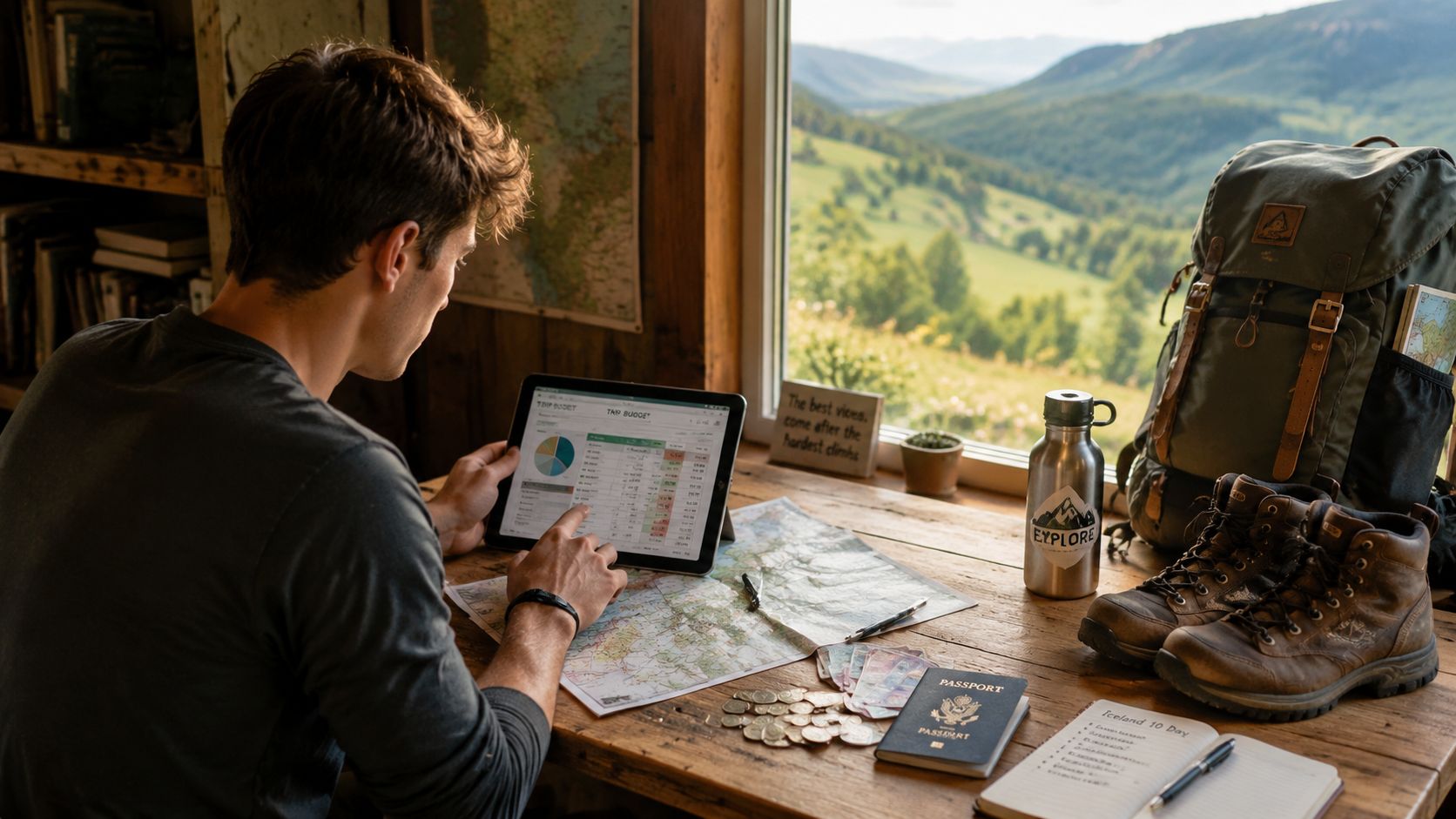
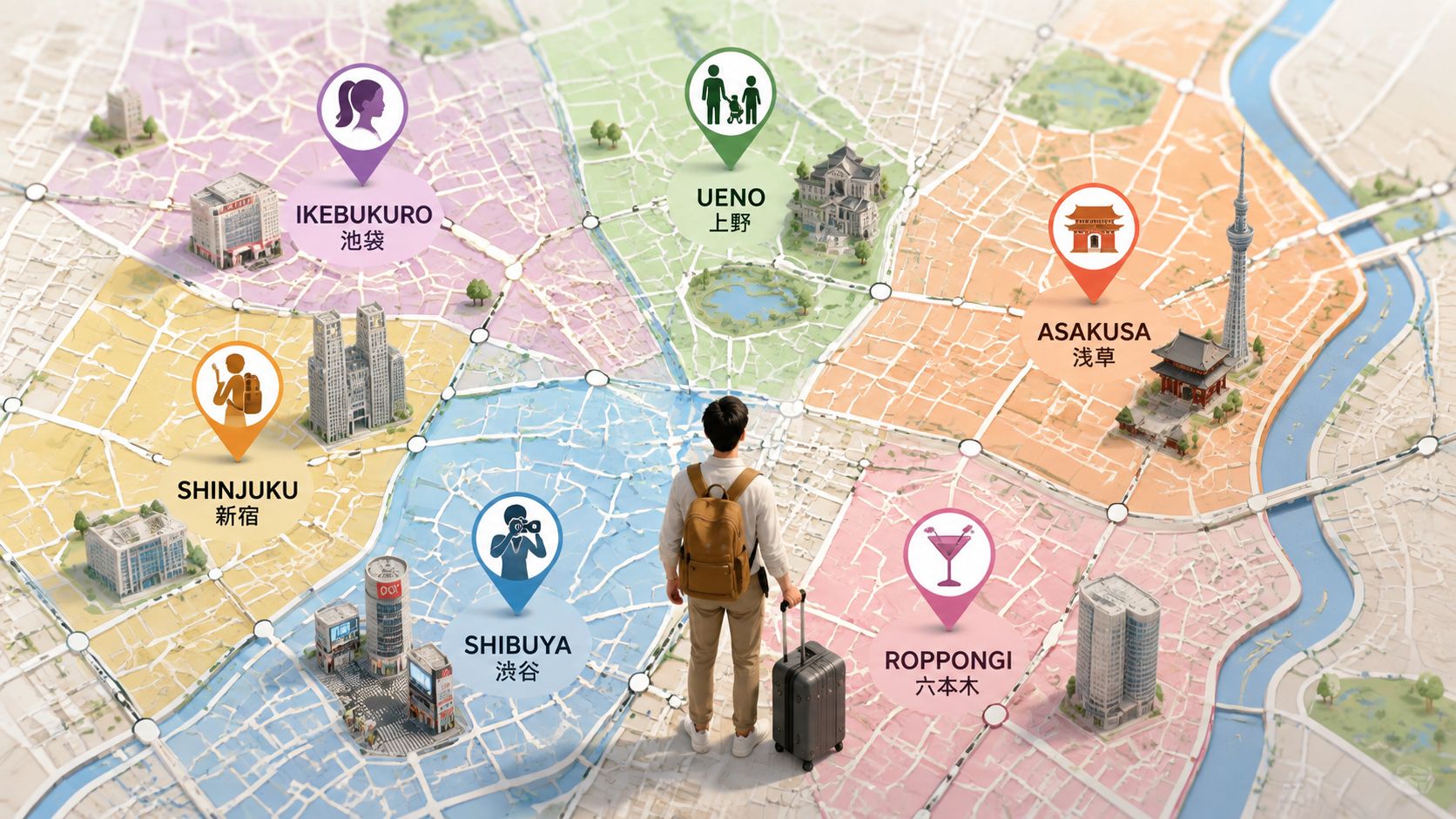
You’re probably staring at a map right now, wondering whether the drive from miami to key west is one of those trips that looks magical online but turns into a long, pricey haul once you’re in the car. That hesitation is fair.
This route is famous for turquoise water, bridge views, and sunset photos. It is also a drive where timing matters, budget mistakes add up fast, and a casual attitude behind the wheel can ruin the day. The good news is that it is absolutely doable on a sensible budget, and it works well for solo travelers if you treat it like a real road trip instead of a quick scenic transfer.
Beyond the Postcard The Ultimate Miami to Key West Drive
You leave Miami after breakfast, expecting a simple coastal drive. An hour later, the city is gone, the road has narrowed, and every stop starts to feel like a budget decision. Keep driving, pull over, pay for parking, grab lunch now, or wait for a better option farther south. That is what makes this route memorable. The scenery is easy. The choices are what shape the day.
The Miami to Key West drive earns the hype because it gives you more than ocean views. It gives you a chain of distinct islands, long bridge runs, and a road that demands attention the whole way. It also rewards planning. Solo travelers feel that faster than anyone because there is no second driver, no shared fuel cost, and no one else catching a missed turn or a fatigue slump.

The route works best as a real road trip, not a race to Duval Street. Drivers who rush straight to Key West often spend more once they arrive because they are hungry, tired, and willing to overpay for the first convenient meal, parking spot, or room. A better plan is to decide in advance where your money matters most. That could mean a good lunch in Islamorada, a cheaper overnight in Marathon, or fewer stops with better payoff.
There is also a practical side that glossy travel posts skip. Services thin out in stretches of the Keys, traffic can stack up with no quick workaround, and one small delay changes the rest of your day. On a route like this, smart budgeting and safety overlap. Keeping water in the car, topping off fuel before you need it, and avoiding a late return in an unfamiliar rental saves stress as much as money.
If your main focus is what to do once you arrive, this guide to things to do in Key West fits well with the route planning here.
Tip: The best version of this drive comes from choosing your stops on purpose, keeping a margin in your budget, and treating the road itself as part of the trip.
Your Pre-Trip Blueprint Renting Cars, Setting Budgets, and Timing
A Miami pickup at 9 a.m. sounds efficient on paper. Then the rental line runs long, the sun gets harsher, traffic stacks up leaving the city, and by the time you reach the Upper Keys you are already spending from fatigue instead of planning. This drive goes better when the logistics are settled before the key touches the ignition.

Three choices shape the trip more than any photo stop. Pick your dates with weather and room prices in mind. Rent for function, not fantasy. Set a spending cap that includes the small purchases that pile up fast in the Keys.
Time the trip for weather, traffic, and room rates
The dry season usually gives drivers the easier version of this route. Roads are simpler to handle, pop-up storms are less likely to derail the day, and roadside stops are more pleasant. The trade-off is price. Rooms fill faster, and the best-value options disappear first.
If you want a practical system before you lock dates, use this travel planning checklist for road trips and longer trips. It helps catch the stuff that causes expensive mistakes later, like late hotel booking, forgotten toll setup, or arriving after check-in windows.
Lodging is the swing factor. Gas and tolls are manageable for most travelers. One badly timed hotel search in Key West can wipe out the savings from a cheap flight or a modest rental car.
A simple rule works well here. If budget matters more than peak weather, avoid holiday weeks and Friday to Sunday stays in Key West. If smooth conditions matter more than price, pay the premium and book early enough that you still have choices.
Rent the car you will enjoy driving for a full day
A convertible looks great in the booking photos. A compact sedan usually wins on cost, parking, fuel use, and stress.
That matters even more for solo travelers. Smaller cars are easier to place in tight lots, easier to keep cool, and less annoying when you stop often. They also attract less attention if you leave a towel, cooler, or day bag in the trunk between stops.
Before you confirm the reservation, check five things:
- Pickup location. Off-airport rentals can be cheaper, but only if the time and rideshare cost still make sense.
- Fuel policy. Full-to-full is usually the cleanest deal.
- Toll handling. Florida toll charges and rental admin fees can sneak up on you.
- Roadside assistance terms. Know what is covered before you are stuck waiting.
- Windshield and tire coverage. Bridge driving and construction zones are not where you want vague fine print.
Skip the oversized SUV unless your group or luggage needs it. Skip the luxury upgrade unless you are comfortable parking it at public beaches, trailheads, and crowded lots all day.
Build the budget around key pressure points
Travelers often estimate the drive and underestimate the day. The expensive part is rarely the highway itself. It is the pattern of buying convenience over and over. Coffee because pickup ran late. Snacks because lunch got pushed back. A pricey waterfront room because you did not book ahead. Paid parking because you arrived at the busiest hour.
Use a budget with four buckets, not one:
| Cost area | What to include |
|---|---|
| Transportation | Rental car, gas, tolls, parking |
| Food and drinks | Breakfast, one planned meal, groceries or snacks, extra water |
| Stops and entry fees | One or two paid attractions you care about |
| Cushion money | Unexpected parking, weather changes, a schedule slip, or a safer overnight choice |
That last category matters. Solo travelers in particular should keep margin for safety-based decisions. If you are too tired to drive back after sunset, the smart move may be booking a last-minute room in Marathon or Key West instead of forcing the return. That is not a budget failure. It is good trip management.
Smart ways to spend less without shrinking the trip
Saving money here is mostly about timing and discipline.
- Book your room before you leave Miami if you plan to stay overnight.
- Pack water and simple snacks so every stop is optional, not a purchase.
- Choose one paid highlight instead of collecting entry fees all day.
- Start early so you are not paying premium prices out of hunger or time pressure.
- Stay outside Key West if your goal is the drive more than late-night Duval Street.
Marathon often gives better value than Key West for travelers who want a clean overnight, easier parking, and a calmer evening. Key West is worth paying for if you want the nightlife, sunrise, or extra time in town. The right choice depends on what you want the next morning to look like.
One last budgeting note from experience. Put water, sunscreen, a phone charger, and a small cash cushion in the car before departure. Those are cheap to buy in Miami and annoying to replace in the Keys.
Key takeaway: The best pre-trip plan balances cost, comfort, and a safe margin for delays. On this route, that balance saves more money than chasing the cheapest possible booking.
Island by Island Your Complete Guide to the Overseas Highway
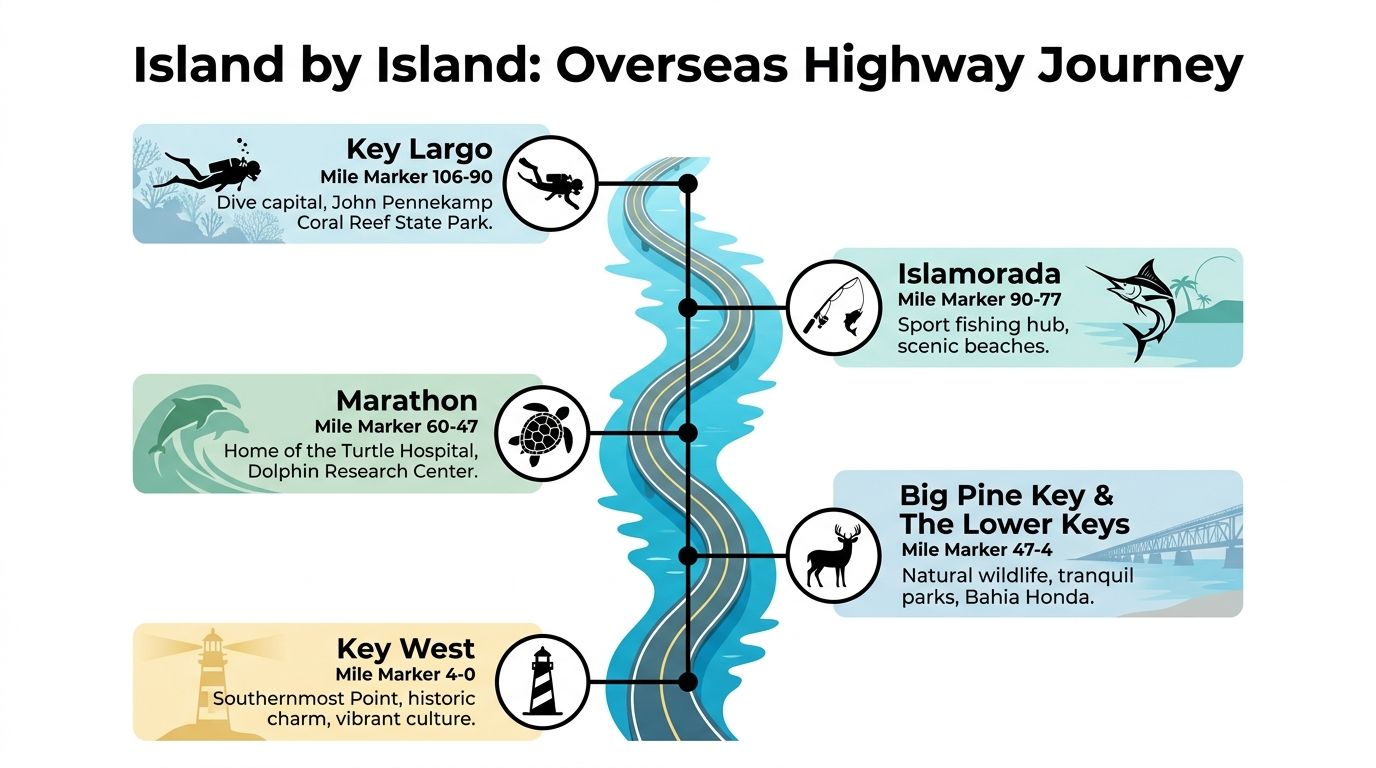
Leave Miami after sunrise, settle into U.S. 1, and the trip changes mile by mile instead of all at once. Each island group asks for a different pace, and that matters if you are trying to control costs, avoid fatigue, and still arrive in Key West feeling sharp enough to enjoy it.
If you want to keep food, fuel, and impulse stops from eating your budget, these money-saving road trip tips that work on routes like this fit the Keys especially well.
Key Largo
Key Largo is your first reset point. Traffic from the mainland drops out of your head, the water starts showing up beside the road, and you can tell quickly whether your day is running on time or already slipping.
John Pennekamp Coral Reef State Park is the obvious stop, and that is fine. It works well for travelers who want one real nature stop without turning the morning into a half-day project. Solo travelers should make one practical call here. If parking looks chaotic or the line is longer than expected, skip it and keep moving. The Keys reward flexibility more than stubbornness.
A smart Key Largo stop usually looks like this:
- A short park visit or shoreline break
- Coffee and breakfast before prices climb farther south
- A restroom stop and water refill
- Photos from legal pull-offs only
What hurts the day is trying to stack too much activity this early. If you burn two or three hours here, the rest of the drive becomes rushed, and rushed is where overspending and bad driving decisions start.
Islamorada
Islamorada is where the trip starts feeling like a road trip instead of a transfer. It is a good place for lunch, a walk, and a short look at the water before you get back in the car.
Robbie’s Marina gets plenty of attention, and it can still be worth a stop if you treat it like a quick break instead of a headline event. That is the trade-off here. Islamorada has enough polished, waterfront spots to make it easy to overspend on lunch and linger longer than planned.
I usually suggest choosing one of two versions of Islamorada. Either make it a casual lunch stop with a stretch and a few photos, or give it enough time to be your main midday break. The expensive version is the in-between version, where you pay for the view, snack twice, and still leave hungry and behind schedule.
For solo travelers, this is also a good place to reset before the road narrows again in stretches. Eat something solid, top off your water, check your route, and text someone your next planned stop if you are sharing your day with a friend or family member.
Tip: Islamorada works best when you leave it feeling rested, not heavy, rushed, or annoyed at the bill.
Marathon
Marathon is the most practical stop in the Middle Keys. It has the services you need on a long drive, including fuel, groceries, pharmacies, casual food, and lodging that usually makes more financial sense than pushing all the way to Key West.
That combination matters. On this route, the best stop is not always the prettiest one. It is often the place that solves three problems at once. Marathon does that well.
If you are deciding whether to stop overnight, Marathon is the easiest place to justify because it gives you:
- A natural break in the drive
- Better odds of finding easier parking
- More room in the budget than a Key West stay
- Close access to the Seven Mile Bridge area the next day
The Turtle Hospital and Dolphin Research Center are the better-known attractions here, but Marathon’s value is practical. If the weather turns, traffic backs up, or you hit the afternoon slump harder than expected, Marathon is one of the best places to adjust the plan without blowing up your budget.
Seven Mile Bridge
Seven Mile Bridge is the stretch everyone waits for, and it deserves your full attention. The views are wide open. So is the wind.
Treat this section like a driving task first and a photo stop second. That sounds obvious, but here people start glancing sideways too long, slowing unpredictably, or reaching for a phone because the water looks unreal. Save the photos for legal stops.
The safest way to handle it is simple:
- Start the bridge rested
- Keep both hands free and your phone put away
- Hold a steady speed and expect crosswinds
- Take photos after you have parked
If bridges make you tense, that is normal. Keep more distance than usual, stay in your lane, and let faster drivers go around when it is safe.
Big Pine Key and the Lower Keys
The Lower Keys have a quieter rhythm. Traffic still moves, but the pressure eases, and that is where drivers need to stay disciplined. Calm scenery can make people less alert.
Big Pine Key is known for the Key deer, and this is one of the few parts of the route where wildlife should change how you drive. Slow down, especially near dusk or in lower-light conditions, and do not let the car drift while you scan the roadside. If you want to look for deer, pull over legally and then look.
Bahia Honda State Park is one of the stronger beach stops on the route and a good use of time if you want sand and water without the noise of Key West. Bring whatever you need before you arrive. Buying sunscreen, drinks, or extra snacks in small quantities throughout the Keys is one of the easiest ways to lose control of a road trip budget.
This stretch works best for:
- A short beach break
- A careful wildlife stop
- A calm reset before the final push south
It works poorly for trying to make up lost time. The Lower Keys reward patience.
Key West
Arriving in Key West feels good because you have earned it. The mistake is treating arrival like permission to stop planning.
Parking, food, and quick decisions get expensive fast here. The smart move is to get settled first, then explore on foot. If your hotel or guesthouse includes parking, use it once and leave the car there. If not, compare parking options before you commit, because moving the car around Key West can turn into a slow, expensive chore.
Duval Street is easy to cover on foot, and walking helps with both budget control and safety. Solo travelers, especially, will have a simpler evening if they keep the logistics clean. Know where the car is, know how you are getting back to your room, and keep your phone charged before sunset.
A practical arrival plan looks like this:
- Park once if possible
- Walk the central area before choosing dinner
- Pick one splurge, not three
- Save enough energy for the next morning, especially if you still have to drive back
The drive from miami to key west works best when each island earns a place in the day. Key West is the finish, but the highway is the trip.
The One-Day Dash vs The Slow Travel Stay
By mid-morning, this choice shapes the whole trip. If you leave Miami at sunrise, stop for photos twice, linger over lunch, and hit Key West late, the return starts to feel like work instead of a vacation day. If you build in one overnight, the same route feels cheaper to manage, easier on your focus, and far better for solo travelers who do not want to arrive tired and make last-minute decisions after dark.
Both versions work. The better option depends on your budget, your driving stamina, and whether the highway is the main event or just the route to Key West.
Itinerary Showdown Day Trip vs Overnight
| Factor | One-Day Dash | Slow Travel Stay (2-3 Days) |
|---|---|---|
| Time pressure | High | Low |
| Budget control | Good if you pre-plan meals, parking, and stops | Better if you price an overnight outside Key West and avoid premium same-day spending |
| Fatigue | Higher by late afternoon | Lower, with more margin for breaks |
| Number of meaningful stops | Limited | More realistic |
| Best for | Tight schedules, repeat visitors, travelers already based in Miami | First-timers, solo travelers, photographers, and budget travelers who want fewer rushed purchases |
The one-day dash
A one-day run makes sense for travelers who want the satisfaction of driving the Overseas Highway, seeing a few standout stops, and getting back without paying for an extra night. It asks for discipline from the first hour. Skip the fantasy version where every pull-off, beach, and seafood shack fits neatly into one day. It does not.
A practical one-day flow looks like this:
- Leave Miami early enough to stay ahead of the slowest traffic
- Pick one short scenic stop in Key Largo
- Take one proper break in Islamorada or Marathon for food and fuel
- Cross the Seven Mile Bridge without rushing the schedule around it
- Reach Key West with enough daylight to walk, eat, and get your bearings
This option can be the cheaper choice on paper, but only if you control the leak points. Those are convenience-store snacks, expensive parking, and the temptation to keep buying small things because you are tired and short on time. Solo travelers should be even stricter here. Fatigue leads to poor decisions, and poor decisions cost money.
The slow travel stay
The slower version usually delivers better value, even if you pay for a room. One night in Islamorada or Marathon often lowers the pressure enough that you spend less on impulse meals, wasted parking time, and rushed choices in Key West.
It also gives you more control over safety. You can drive during daylight, stop when you need to, and arrive with enough energy to handle check-in, parking, and dinner without feeling wrung out. That matters if you are traveling alone. The same judgment calls that matter on other road trips matter here too. This guide on safe driving decisions for solo road trips in unfamiliar places is a useful comparison.
A simple version:
- Day 1 for Miami to Key Largo to Islamorada
- Overnight in Islamorada or Marathon
- Day 2 for Marathon, Seven Mile Bridge, Bahia Honda, and Key West
- Optional Day 3 for a full Key West day or an easier return
The trade-off is clear. You spend more time and usually add one lodging bill. In return, you get room for weather changes, slower traffic, beach time, and an evening in Key West that does not begin with a parking headache and a low phone battery.
For first-timers, the slow itinerary is usually the smarter buy. For repeat visitors on a tight schedule, the one-day dash can work well if the plan stays tight and expectations stay realistic.
Driving Smart Safety on a Uniquely Demanding Highway
This road is beautiful. It also asks for more discipline than many travelers expect.
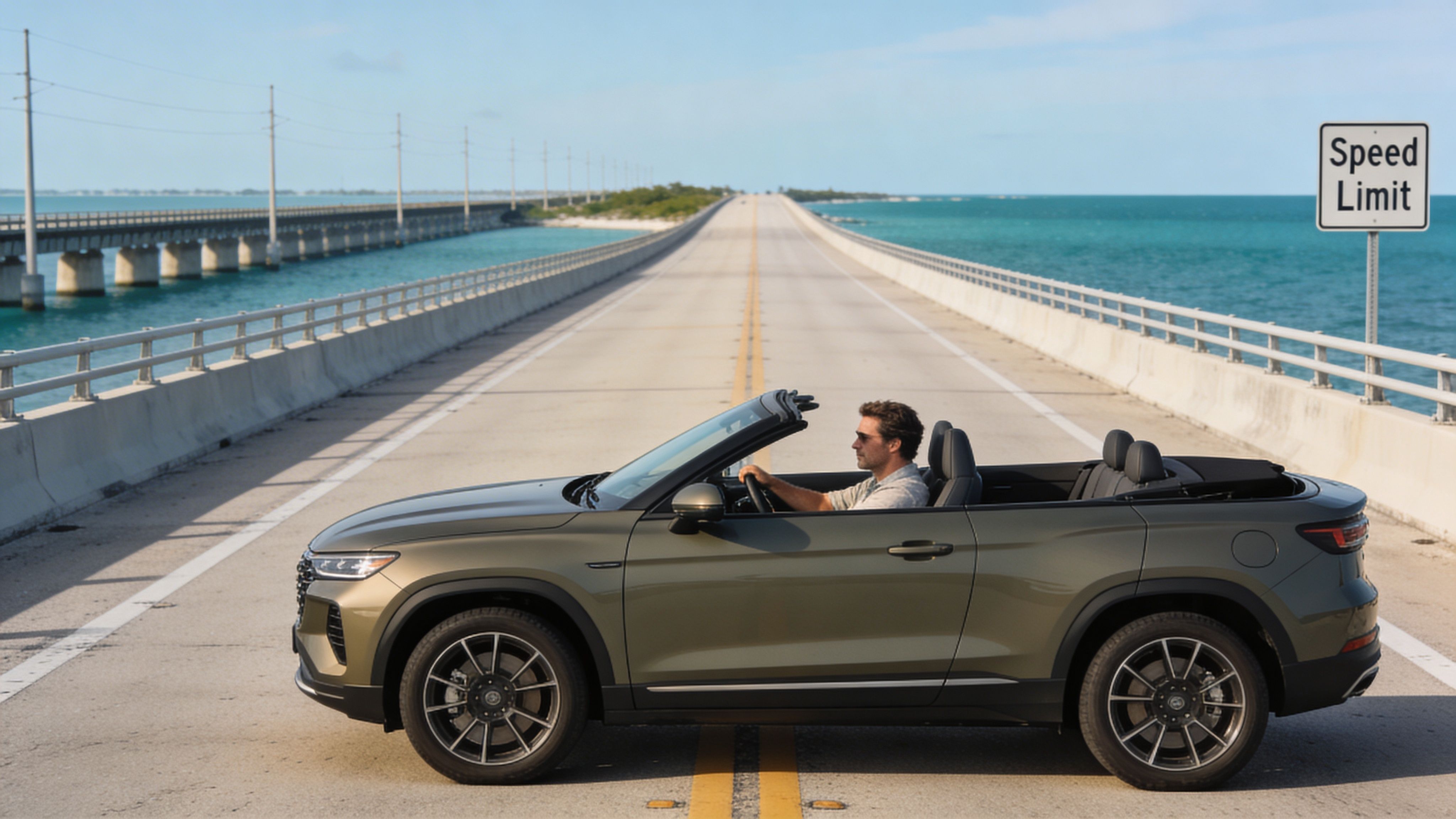
U.S. Route 1 to Key West is considered one of America’s riskiest highways because of its narrow bridges and coastal exposure, with 55 mph speed limits and 35 mph in pedestrian zones. The same guidance recommends traveling in the December to May window and taking breaks every 2 hours on the 166-mile journey (Explore on U.S. Route 1 safety). If you want another useful perspective on road safety decision-making, this piece on whether it is safe to drive in Costa Rica is worth a read.
What makes this drive tricky
The biggest issue is not road quality. It is attention.
You have open-water views, long bridge sections, traffic moving at different speeds, pedestrians in town zones, and stretches where people get overconfident because the day feels like vacation. Add sun, fatigue, and a phone camera, and mistakes happen quickly.
For solo female travelers, the reassuring part is that the route is busy, well known, and generally straightforward in daylight. The smart move is to lean into that advantage. Drive during the day, keep your fuel level healthy, and use established stops instead of isolated pull-offs.
Safety habits that matter on this route
- Respect the speed changes. The drop from open-road pace to town pace can come fast.
- Do not sightsee while driving. If the view is that good, it deserves a real stop.
- Take the 2-hour break advice seriously. This is not a route for white-knuckling through fatigue.
- Stay alert in pedestrian areas and wildlife zones. Lower Keys driving requires patience.
Tip: The safest drivers on this route are not the fastest or the most experienced. They are the ones who accept that this highway demands full attention the whole way.
Night driving is possible, but it raises the stress level for no real reward if you have a choice. Reduced visibility, fatigue, and unfamiliar bridge driving are a bad combination. Daylight keeps everything simpler.
Your Essential Key West Road Trip Packing List
By the time you pass Key Largo, the items that matter are the ones that save money, reduce hassle, and keep you comfortable in heat, sun, and surprise rain. Pack for long hours in and out of the car, expensive convenience-store stops, and the fact that wet clothes and a dying phone can turn a fun day into an annoying one fast.
Start with the car setup. Keep your phone mounted, your charging cable within reach, and offline maps downloaded before leaving Miami. Bring a small towel for sweat, salt spray, or a damp seat after a swim stop. If you are using a rental, confirm the AC works well and toss a few small bills in the console for parking meters, small vendors, or park entry fees.
For clothing, quick-drying pieces make the biggest difference. A light layer helps with strong AC in the car, a compact rain shell covers sudden showers, and water-friendly sandals save you from ruining your regular shoes at beach stops. If you want a smarter warm-weather setup, these quick-dry travel clothes for road trips and beach stops are a practical starting point.
Pack these first
Car basics
Phone mount, charging cable, offline maps, sunglasses, small towel, and a power bank.Clothes that handle the Keys well
Light layers, a rain shell, sandals or water shoes, and a dry change of clothes.Sun and hydration gear
Reusable water bottle, sunscreen, hat, and a compact day bag.Money and documents
Driver’s license, rental paperwork, payment card, health insurance card, and some cash.
The forgotten items are usually the cheap ones. Snacks, lip balm, and an extra bottle of water cost little before the trip and cost more once you are on the highway. Solo travelers should also keep a simple backup plan in the bag, not the trunk: portable charger, ID, card, and keys in one easy-to-grab pouch.
Pack light, but pack on purpose. On this drive, convenience is part of the budget.
Quick Answers for Your Key West Drive
How long does the drive really take with stops?
For most travelers, it feels longer than the non-stop estimate. Once you add meals, photos, and a couple of proper pauses, expect a half-day travel experience rather than a quick transfer.
Is it safe to drive the Overseas Highway at night?
It can be done, but daylight is the better choice. You’ll have better visibility, less stress on long bridge sections, and a much easier time spotting pedestrians and wildlife.
Are there tolls on the way to Key West?
You may hit tolls when leaving Miami, depending on your route out of the city. The road budgeting section above covers the verified toll estimate.
Where should I stay if I want to save money?
Marathon is often the most practical compromise. It breaks the drive well and can cost less than staying in Key West.
What is the best non-Key West sunset stop?
Bahia Honda is hard to beat if your timing lines up. Islamorada also gives you excellent evening light and a more relaxed pace.
Travel Talk Today shares the kind of practical, thoughtful travel advice that helps trips feel better before you leave home. If you want more budget-aware guides, safety-focused solo travel tips, and destination ideas built for meaningful travel, visit Travel Talk Today .