You're staring at your laptop, thinking about a job that doesn't chain you to one desk, one city, or one routine. Maybe you want paid flights, long layovers, and new stamps in your passport, or maybe you just want work that feels bigger than your current commute. The good news is that jobs that require traveling the world are real, and they span everything from aviation and teaching to photography, consulting, and remote work.
The catch is that travel careers are not all the same. Some give you a fixed base and assigned routes, some move you seasonally, and some only look location-free from the outside. The strongest move is to choose a path that fits how much structure you want, how much uncertainty you can handle, and how careful you're willing to be with money and safety. Global travel and tourism supported about 330 million jobs worldwide in 2023, and that was forecast to reach 348 million in 2024 as the sector moved beyond pre-pandemic levels, which is exactly why travel-linked work keeps expanding when tourism and hospitality rebound (Statista).
If you want the short version, start with the role that matches your current skills, then build toward the lifestyle you want. A travel-heavy career can be exciting, but the best ones also come with a plan for visas, savings, boundaries, and how often you'll really control your destination.
1. Travel Blogger and Content Creator
Travel blogging looks glamorous from the outside, but the work is more like running a small media business than collecting scenic views. You write, shoot, edit, publish, pitch brands, and learn how to keep your audience interested long after the first pretty sunset photo. The creators who last usually pick a niche early, such as budget travel, solo female travel, sustainable tourism, or family travel, because a clear angle is easier to remember and easier to monetize.

How the travel cadence really works
This is one of the most flexible jobs that require traveling the world, but it's also one of the least predictable. You might spend weeks in one destination to create a useful story, then move quickly when a new assignment, audience trend, or sponsorship opportunity appears. Unlike a traditional job, no one hands you a route map, which is why many creators build around a home base and take shorter trips rather than trying to live constantly in motion.
Practical rule: Keep your location strategy boring and your content strategy sharp. Don't announce where you are in real time, especially if you're traveling solo.
Solo female travelers need that caution even more. Share destinations after you've left, keep accommodation details vague, and avoid posting patterns that make it obvious where you sleep every night. For equipment, it also helps to choose gear that doesn't scream “expensive tourist.” If you're building video content, this guide to the best video cameras for travel is a useful place to start.
How to break in without waiting for a lucky break
Start with one platform and one topic. Publish consistently, learn what people search for, and treat the first few months as a portfolio-building phase, not a revenue phase. A simple WordPress blog, a clean domain name, and five tightly focused articles are enough to begin.
- Choose a narrow angle: Budget, solo, luxury, food, adventure, or sustainable travel works better than “everything travel.”
- Build one visible proof point: A blog, YouTube channel, or Instagram series is enough to show consistency.
- Protect your runway: Plan for months without income, because monetization takes time and sponsorships rarely arrive early.
- Document experiences responsibly: Avoid sharing hostel names, apartment details, or exact daily movement in real time.
The smartest creators are also the most practical ones. They understand that audience trust is an asset, and trust disappears fast if every post feels like a sales pitch.
2. Flight Attendant and Cabin Crew
Cabin crew work is one of the clearest answers to the question of which jobs that require traveling the world offer structure, benefits, and regular movement. The job is built around safety, service, and schedule discipline, not wanderlust alone. You'll deal with early departures, delayed returns, jet lag, and plenty of time spent making other people comfortable while you stay calm under pressure.
Many people think the travel is the reward, and it is, but the primary advantage is the framework around it. Crew members often work fixed routes or rotations, stay in designated hotels, and travel on schedules set by the airline. That's very different from the fantasy of choosing any destination you want whenever you want.
How to get hired and stand out
Airlines care about customer service, composure, language skills, and safety awareness. If you've worked retail, hospitality, events, or any client-facing role, that experience matters more than many applicants realize. Learning a second language can strengthen your application, especially for international carriers.
Examples worth studying include Emirates, Singapore Airlines, United, American Airlines, Lufthansa, British Airways, and Air New Zealand, because each has its own culture and cabin expectations. Read the role description carefully, then tailor your resume to show conflict resolution, teamwork, and service under pressure.
Stay in the crew hotel, use trusted transportation, and keep solo sightseeing conservative on first arrivals. In many cities, going out with other crew members is the safer and smarter choice.
Budgeting also matters. Airport food gets expensive fast, so meal prep when you can and save your splurge money for the places that matter most to you. If you want this path, visit the careers pages of your top airlines, set alerts, and apply widely instead of waiting for the “perfect” posting.
3. Digital Nomad and Remote Worker
Remote work gets mistaken for travel work all the time, but the two paths solve different problems. A digital nomad moves from country to country while keeping the same job or client base, while many remote workers stay near one home city and only travel now and then. That difference matters, because travel-heavy and location-free are not interchangeable, even if the photos make them look the same.
The day-to-day reality is more practical than glamorous. The best nomads pay attention to internet quality, time zones, local laws, and housing logistics before they book anything long term. Popular bases include Bali, Chiang Mai, Mexico City, Lisbon, and Medellín, and each one draws a steady remote-work crowd for a reason. If you want more ideas for where people settle, this guide to digital nomad destinations is a useful starting point. A city only works if your work can survive spotty Wi-Fi, tax questions, and the occasional mismatch with clients or teammates.
The practical side of this lifestyle
The break-in strategy is straightforward, but it still takes discipline. Get a remote-friendly job first, or build a freelance client base in your home country before you move abroad. Then test whether your skill set still holds up across time zones and whether your income can cover accommodation, insurance, and the cost of moving again when a place stops working.
Housing is one of the first places people get burned. A good-looking apartment in a prime area can be the wrong choice if the internet drops during client calls, the neighborhood feels unsafe after dark, or the lease terms are rigid enough to trap you. Solo female travelers should check neighborhood safety before committing to a long stay and use local expat or nomad groups for vetted advice. Health coverage deserves the same attention, because one medical problem can wipe out a carefully planned budget.
What makes this lifestyle sustainable comes down to discipline, not aesthetics.
- Secure the work first: A stable remote role beats an aspirational one.
- Track every expense: Know what you spend on housing, transit, coworking, and data.
- Avoid romance-based planning: Move for workability, not just the view from the balcony.
- Build backup routines: Keep offline work plans ready for unreliable internet days.
If you are serious about this path, identify the top remote skills in your field and take one course that makes you more competitive. That is the difference between a social media fantasy and a life that can hold up when the Wi-Fi fails, the rent rises, or the time zone shift gets old.
4. Tour Guide and Travel Guide
Tour guiding is one of the oldest jobs that require traveling the world, but it's also one of the most human. You're part historian, part host, part logistics manager, and part improviser. Some guides lead walking tours in a single city, while others move between destinations, cruise ports, or regional routes, depending on season and demand.
The strongest guides know how to read a room, not just recite facts. They keep groups engaged, handle awkward questions, and adjust pace when weather, mobility needs, or group energy changes. If you're good at storytelling and calm problem-solving, this job can be extremely rewarding.
A realistic way to enter the field
Start where you already live. Create a free walking tour, invite locals or travelers, and learn how long a route takes, where people get tired, and what questions keep coming up. That gives you real practice before you ever apply to a larger operator.
You can then study certification rules for the country or city you want to work in, because many destinations have licensing or local knowledge requirements. Niche matters here too. Street food, architecture, history, photography, wildlife, and local neighborhoods all create different kinds of tour demand.
Tour work is also one of the clearest places to think carefully about community impact. If you want a values-aligned model, read more about community-based tourism and think about how your tours can support local businesses rather than extracting attention.
Save aggressively during peak season. Guide income can swing hard, and the off-season arrives whether or not your bank account is ready.
For solo guides, carry a personal safety alarm, share your route with someone you trust, and keep professional boundaries firm. That's especially important when you're working in unfamiliar cities or guiding late in the day.
5. Travel Photographer and Photojournalist
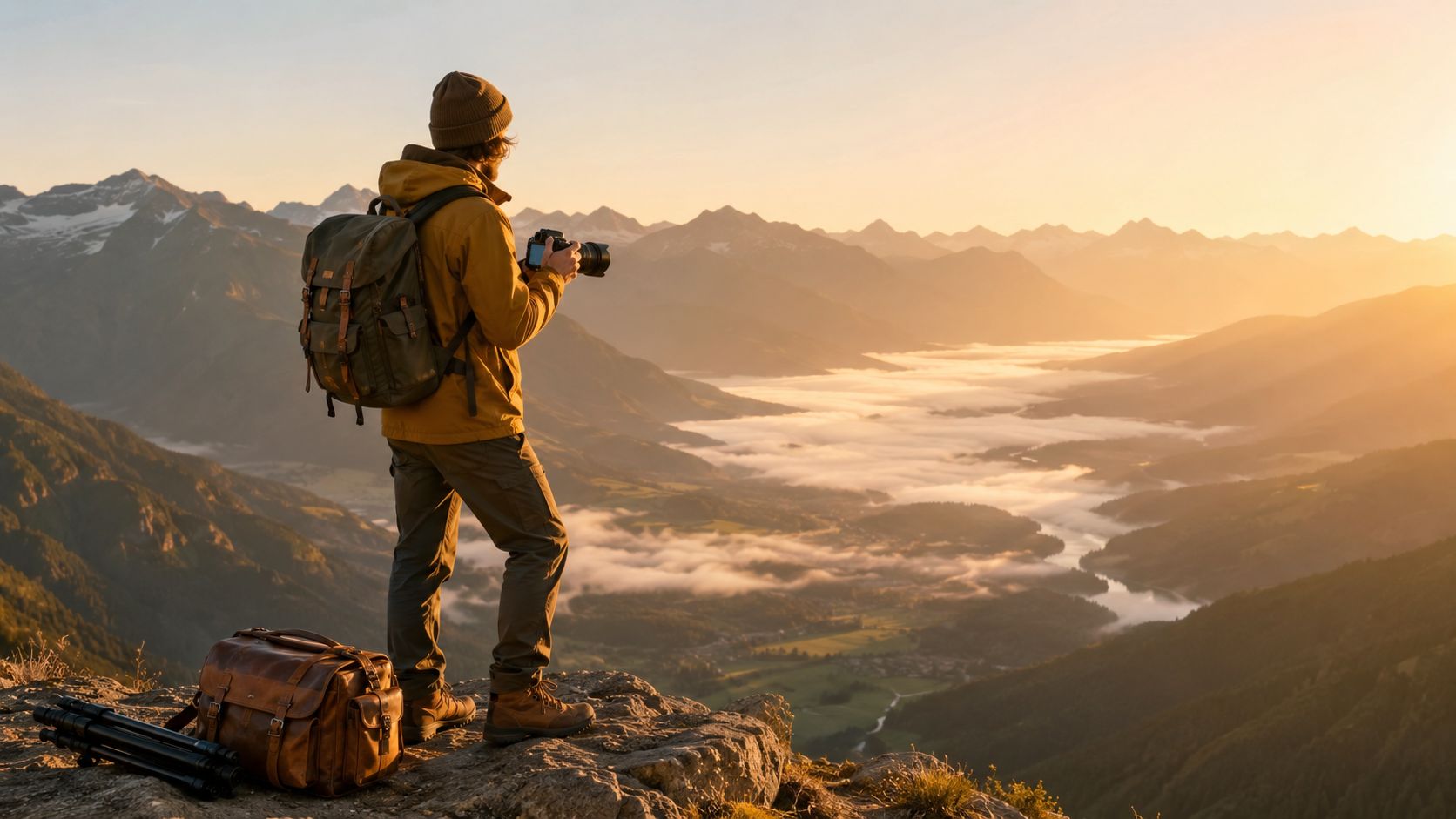
Travel photography is one of the most visually obvious jobs that require traveling the world, but the business side is less glamorous than people expect. You can shoot for tourism boards, stock libraries, magazines, brands, or your own fine-art projects. The craft is part technical mastery, part patience, and part knowing how to be invisible enough to catch an honest moment.
Build a niche before you build a brand
The fastest way to get ignored is to claim you photograph “everything.” A much stronger path is to specialize in something editors or clients can immediately understand, such as aerial drone work, underwater scenes, adventure sports, or food photography. Once your portfolio looks coherent, you can submit to stock sites and pitch targeted publications more confidently.
Real-world examples range from contributors to travel magazines and tourism boards to photographers who sell presets, prints, and workshops to smooth out the project-based income curve. That mix matters because assignments can arrive in bursts, not in neat monthly intervals.
Solo female photographers should be especially careful in isolated areas. Use non-descript camera bags, insure your gear, and consider hiring a local fixer or guide when the location is remote, politically sensitive, or hard to reach safely. If you're improving your craft, this breakdown of travel photography techniques can help sharpen both composition and field habits.
What the work rhythm feels like
You often travel for a brief assignment, spend long days shooting, then come home to edit, caption, submit, and invoice. That means your travel days and desk days both matter. If you hate editing as much as shooting, this won't feel sustainable for long.
The best photo careers grow from consistency, not one viral shot. Build an online portfolio, pick your strongest ten images, and start submitting them to stock platforms so your archive begins working while you're sleeping.
6. Cruise Ship Worker
Cruise ship jobs are a classic answer for people who want to see the world while their living costs stay mostly covered. The ship becomes your home, your workplace, and your transport system all at once. That's a good arrangement if you like structure, shared living, and a very clear separation between work contracts and free time.
Cruise work spans hospitality, entertainment, technical roles, and medical support. Some contracts run for months at a time, so you need to handle long periods away from your usual routines and personal space. The trade-off is that meals and accommodation are typically built into the job, which can make savings easier if you're disciplined.
How to get onboard without wasting time
Apply through specialized cruise recruitment agencies, not random job boards that don't understand the industry. Update your resume to highlight customer service, housekeeping, sales, performance, or technical experience, depending on the role you want. Major companies include Royal Caribbean, Carnival, Disney Cruise Line, Cunard, P&O, Norwegian Cruise Line, and Celebrity Cruises.
Safety in port cities deserves real attention. Stick to busy areas, stay aware of your surroundings, and avoid the temptation to treat every shore stop like a carefree vacation. Crew life is social, but solo exploring works best when you stay alert and keep a clear return plan.
This is a prime opportunity to save. If your living costs are covered, treat the contract like a savings sprint, not a shopping spree.
That mindset changes everything. Crew members who spend freely often end a contract with less to show for the sacrifice than they expected. Those who bank the money can use the next break to fund a longer land-based trip or a career pivot.
7. Travel Writer and Freelance Journalist
Travel writing is one of those jobs that require traveling the world that looks romantic until you stare at the invoice cycle. You research destinations, interview locals, build narratives, and pitch editors who may or may not respond quickly. The upside is freedom, because a strong story can come from a city you know well or a place you're visiting for the first time with sharp eyes.
The field includes destination guides, cultural features, travel essays, and magazine-style reporting. You'll see your byline in digital publications, print magazines, and niche outlets if you keep pitching and learning what editors want. Nobody starts at the biggest publication first, and that's not a flaw, it's the normal path.
The realistic way into the field
Start by pitching smaller travel blogs, regional magazines, or niche publications that welcome new writers. Build bylines, learn how to file clean copy on deadline, and study each outlet's tone before you send a pitch. The writers who move up usually have persistence, not just talent.
There's also a payment reality that beginners need to respect. Many publications pay on publication rather than on acceptance, which means you may be carrying the travel cost before the money arrives. Keep a buffer, keep your invoices organized, and don't assume your next trip will pay for itself.
If you want to see how varied travel-writing opportunities can be, the market includes publications such as Travel + Leisure, Condé Nast Traveler, and digital-first outlets like Matador Network. Study one outlet closely, then write a pitch that sounds like it belongs there, not like a generic internet article.
For safety, keep a low profile on assignment. Don't flash expensive electronics, and trust your instincts when a street, bar, or taxi situation feels off.
8. ESL and TEFL Teacher Abroad
Teaching English abroad remains one of the most accessible jobs that require traveling the world for people who want structure, housing support, and a clearer entry path. Schools, language centers, universities, and corporate programs all hire English teachers, and the experience can range from highly organized to frustratingly chaotic depending on the employer. The upside is that many positions include visa support or housing help, which lowers the barrier to starting.
Certification helps a lot. A TEFL, TESOL, or CELTA credential shows that you've taken the work seriously, and it often improves your options across countries. If you're researching the basics, this guide to teach English abroad requirements is a solid place to begin.
Where the job can take you
The market looks different by region. China has long been a major ESL destination, Southeast Asia remains popular, the Middle East often pays more but comes with stricter rules, South Korea is known for strong benefits, and Latin America can be easier to access if your priorities are lower living costs and cultural immersion. Those are broad patterns, not promises, so always verify current visa and school requirements before applying.
Vet the school, vet the recruiter, and ask how the contract handles housing, overtime, and dismissal. Teachers who skip this step often regret it later.
Female teachers should research dress expectations and social norms before arrival. That doesn't mean you have to shrink yourself, but it does mean you should know how your host community reads professionalism and personal boundaries. In many places, that cultural awareness makes day-to-day life much smoother.
Budgeting is one of the biggest advantages here. Even on a modest salary, housing support and lower living costs can make regional travel realistic, especially if you use school holidays wisely. That turns a teaching post into a base for real exploration rather than a job that keeps you trapped.
9. Adventure Tour Guide and Outdoor Instructor
Adventure guiding is for people who want movement built into the job itself. You might lead hikes, climbs, dives, ski lessons, kayaking trips, or multi-day expeditions in some of the world's most dramatic settings. The work is physical, technical, and safety-heavy, which is exactly why it attracts serious outdoors people instead of casual sightseers.
This is one of the most demanding jobs that require traveling the world, because your credibility depends on competence. Clients trust you with their bodies, their gear, and sometimes their fear. If your judgment is shaky, the job becomes risky fast.
Certifications and rhythm matter more than glamour
The cleanest break-in strategy is to pick one sport, get qualified, and start working with a local outfitter or apprentice guide team. Certifications like PADI Divemaster or Wilderness First Responder can help signal that you understand safety, not just enthusiasm. From there, you can build toward higher-responsibility roles.
Seasonality is part of the appeal and the challenge. Many instructors stack a summer role in one place with a winter role elsewhere, which lets them keep moving without starting from zero every few months. That can be a smart financial pattern if you're willing to plan ahead and move when the season changes.
- Respect the weather: Outdoor work can change fast, and the group needs a guide who notices danger early.
- Never fake competence: Clients can feel the difference between confidence and bluffing.
- Carry the right insurance and credentials: Your paperwork is part of your safety kit.
- Keep your own body in shape: Fatigue makes poor decisions more likely.
For solo women in outdoor settings, boundaries matter with clients, teammates, and guests who think adventure means informality. Keep communication professional, stick to the plan, and treat every risk assessment seriously. Your job is to make the experience memorable, not reckless.
10. Travel Agent, Tour Operator, and Vacation Rental Manager
This hybrid path is less glamorous than content creation, but it can be one of the most practical jobs that require traveling the world because it gives you reasons to know destinations thoroughly. Travel agents and tour operators design itineraries, solve logistics, and match clients with the right trip. Vacation rental managers add property oversight, guest communication, and local coordination to the mix.
The biggest advantage is that you're not just “traveling for travel's sake.” You're building destination knowledge that directly improves your work. People who specialize in one region, one style of travel, or one type of client often become more useful than generalists.
Why this route works for grounded travelers
If you already know a region well, start there. A thoughtful multi-day itinerary for a trip you've taken can become your first product, your first pitch, or the proof that you understand how real travel works beyond the postcard version. The same logic applies to vacation rentals, where city-specific knowledge, legal awareness, and guest management skills matter.
For property security, use smart locks and disclosed security cameras where legal and appropriate, then vet guests through platform reviews. For tour sales, relationships with suppliers often matter more than flashy branding, because commission rates and local access can shape what you can offer.
If you're drawn to this path, look at operators such as Intrepid Travel, G Adventures, Viator, and ToursByLocals to understand how different travel products are positioned. Then decide whether you want to sell experiences, manage properties, or build a niche around a region you know better than most do.
The strongest travel businesses are built on trust, not volume. If you know the destination well, clients feel it immediately.
That's why this path works for practical travelers. You can stay rooted while still moving through the world in a meaningful way, and you can build toward larger opportunities without needing a glamorous resume on day one.
10 Globe-Trotting Jobs Comparison
| Role | Implementation Complexity 🔄 | Resource Requirements ⚡ | Expected Outcomes ⭐ / 📊 | Ideal Use Cases | Key Advantages 💡 |
|---|---|---|---|---|---|
| Travel Blogger/Content Creator | High 🔄, multi-platform content, audience growth | High ⚡, camera, laptop, travel budget, editing/time | ⭐⭐⭐⭐ / 📊 High upside but unpredictable early; brand asset potential | Niche storytelling, influencer campaigns, digital products | 💡Multiple revenue streams; full creative control |
| Flight Attendant / Cabin Crew | Moderate 🔄, rigorous safety training, scheduling rules | Moderate ⚡, training, medical, passport; employer resources | ⭐⭐⭐ / 📊 Stable salary + benefits; regular layovers but limited deep exploration | Structured travel with job security; hospitality careers | 💡Reliable pay, travel perks, employer benefits |
| Digital Nomad / Remote Worker | Moderate 🔄, secure remote income, manage visas/taxes | Low–Moderate ⚡, laptop, reliable internet, financial runway | ⭐⭐⭐⭐ / 📊 High location freedom with stable income if skilled; legal complexity | Remote-skilled professionals; long-term stays in nomad hubs | 💡Max geographic freedom; cost arbitrage advantages |
| Tour Guide / Travel Guide | Moderate 🔄, local expertise, group logistics, possible certs | Low–Moderate ⚡, training, language skills, local transport | ⭐⭐⭐ / 📊 Regular bookings with seasonal variability; tip potential | Cultural or themed walking tours, small-group experiences | 💡Authentic engagement; repeat clients and local reputation |
| Travel Photographer / Photojournalist | High 🔄, technical skill, portfolio building, market positioning | High ⚡, expensive gear, insurance, travel costs | ⭐⭐⭐⭐ / 📊 Multiple income channels but competitive; reputation-driven pay | Editorial assignments, stock, commercial shoots, workshops | 💡Creative fulfillment; sellable portfolio and licensing |
| Cruise Ship Worker | Moderate 🔄, ship recruitment, contract-based routines | Low ⚡, accommodation/meals included; basic training required | ⭐⭐⭐ / 📊 Strong savings potential per contract; long hours & limited privacy | Those seeking steady travel employment with onboard life | 💡Living costs covered; predictable contracts and routes |
| Travel Writer / Freelance Journalist | High 🔄, pitching, research, long lead times | Low–Moderate ⚡, writing tools, portfolio, occasional travel budgets | ⭐⭐⭐ / 📊 Credibility and bylines; variable pay; book/project upside | Long-form storytelling, investigative features, guidebooks | 💡Authority through bylines; influence on travel narratives |
| ESL / TEFL Teacher (English Abroad) | Low–Moderate 🔄, certification and visa-sponsored roles | Low ⚡, TEFL/CELTA, background check; employer may provide housing | ⭐⭐⭐ / 📊 Stable monthly income, visa support; limited travel flexibility | Long-term cultural immersion and steady employment abroad | 💡Visa & housing benefits; dependable pay and community ties |
| Adventure Tour Guide / Outdoor Instructor | High 🔄, technical certs, safety & rescue management | Moderate–High ⚡, certifications, safety gear, ongoing training | ⭐⭐⭐ / 📊 Seasonal income; high alignment with outdoor passion; liability risk | Activity-specific guiding (climbing, diving, skiing, rafting) | 💡Hands-on outdoor lifestyle; strong community and fulfillment |
| Travel Agent / Tour Operator & Vacation Rental Manager | Moderate–High 🔄, business setup, supplier/legal compliance | Moderate ⚡, marketing, property maintenance, partnerships | ⭐⭐⭐⭐ / 📊 Scalable income (commissions + rentals); margin and regulatory risk | Curated trip packages, property management, niche travel services | 💡Multiple revenue streams; scalable and increasingly remote-friendly |
Your Journey to a Travel Career Starts Now
Choosing a job that lets you travel the world is more than a career switch, it's a lifestyle design decision. The best path depends on how much structure you need, how often you want to move, and whether you'd rather earn through service, storytelling, teaching, or logistics. A cabin crew schedule, for example, gives you a very different life than freelance travel writing, and both can be rewarding if they fit your temperament.
The biggest mistake is chasing the fantasy instead of the mechanics. Some roles move you constantly but control your routes. Some pay better but require licensing, certifications, or years of experience. Some look flexible online but become rigid once you factor in housing, visas, client deadlines, or safety concerns. If you understand those trade-offs early, you're far more likely to choose a career that still feels good after the novelty wears off.
There's also no rule that says you must start with your dream role on day one. Many people move into travel careers through a side hustle, a certificate, or a support role inside a bigger organization. That matters because the travel economy itself keeps creating room for these jobs, and the strongest openings often go to people who already have proof of reliability, not just enthusiasm.
So start with the path you can enter, not the one that only looks good on a vision board. Build your first credential, pitch your first client, book your first route, or publish your first article. The world is still out there, and it still rewards people who prepare for it well.
Travel Talk Today helps you turn that ambition into a real plan, with practical advice on budget travel, solo safety, cultural immersion, and the kind of smart timing that keeps trips affordable. If you want more grounded guidance on building a travel life that feels thoughtful instead of rushed, visit Travel Talk Today and start planning your next move with confidence.