You're probably planning Dublin with two competing instincts. One wants the classics. You've heard about Guinness, Trinity, Temple Bar, the kind of places that show up in every first-trip itinerary for good reason. The other part of you wants the city to feel less packaged. You want the postcard version, but not only that.
That's the right instinct for Dublin.
The city rewards travelers who mix the obvious with the observant. Its appeal isn't built around a single attraction or one neat identity. It's a compact capital where medieval heritage, brewing history, prison history, green space, literature, and neighborhood life all sit surprisingly close together. First-time visitors are even advised by Visit Dublin's first-time guide to book headline attractions such as the Guinness Storehouse, the Book of Kells, and distillery tours about a week ahead, which tells you something important. Demand stays high, and winging it can cost you time.
That doesn't mean you need to spend your whole trip in lines or burn your budget on every famous ticket. Dublin works best when you build days with a rhythm. One anchor sight. One free or low-cost stop. One neighborhood walk. One evening that's social but still manageable if you're traveling solo.
That's the framework in this guide. Every recommendation is filtered through four questions. Is it worth the money. Is it easy to do safely on your own. Does it give you a better feel for Dublin than a checklist stop. And can you do it without turning your trip into a frantic commute between disconnected places.
If you're searching for the best things to do in Dublin, Ireland, start here.
1. Guinness Storehouse
You can spot the trade-off before you even go in. The Guinness Storehouse is one of Dublin's most polished visitor experiences, and that polish is both the draw and the drawback. It delivers a clear, well-produced introduction to one of the city's defining brands, but it can also feel busy and tightly managed if you arrive at the wrong time.

For a first trip, I'd still include it.
The key is to treat it as one anchor experience, not your whole understanding of Dublin. Go early or book a later slot if you want a calmer visit. Midday is usually the least forgiving time, especially when group tours and first-time visitors all hit the building at once. If your main goal is the Gravity Bar view, a later entry often works well. If you want to read the exhibits and move at your own pace, morning is the better bet.
The smartest way to judge the ticket price is to look at the full half-day around it. Pair the Storehouse with a walk through the Liberties or over toward Smithfield, and the experience gains context. You get the branded version of Dublin inside, then the street-level version outside. That balance matters if you care about cultural depth and not just headline attractions.
A few practical rules help:
- Book ahead: This is one of the attractions that can punish last-minute planning.
- Keep the spend contained: Skip extra paid add-ons unless you already know they matter to you.
- Use the area well: Nearby walking is what makes the visit feel fuller, not a second expensive ticket.
- Stay realistic about what it is: This is a strong visitor experience, not a hidden local secret.
For budget-conscious travelers, the bigger savings usually come from how you structure the whole trip, not from obsessing over one entry fee. This guide to the cheapest ways to visit Europe is useful for thinking through timing, transport, and how paid attractions fit into your wider Dublin budget.
For solo travelers, this is an easy one to do alone. It is well signposted, central, and busy enough to feel comfortable without being logistically difficult. For thoughtful travel, the main caution is environmental and cultural rather than safety-related. It is a high-volume attraction built around a global brand, so give yourself time later in the day for a lower-cost, lower-noise part of the city. That is usually where Dublin feels less staged and more memorable.
2. Trinity College and The Book of Kells
A quiet morning in central Dublin can shift fast once the tour groups build. Trinity is one place where timing changes the whole experience. Go early and you get a calmer look at one of the city's strongest cultural sites. Go late and it can feel like a box to tick.
Trinity College earns its place on a first itinerary because it offers more than a famous photo. The Book of Kells gives the visit real historical weight, and the campus adds a sense of continuity that many city-center attractions cannot match. For travelers who want cultural depth, this is one of the clearest choices in Dublin.
This stop also fits a thoughtful-travel framework well. It is central, easy to reach on foot, and well suited to solo travelers who want a high-value visit without complicated logistics. If walking cities shape how you travel, Dublin rewards that style. Trinity sits naturally within a wider day on foot, and the city compares well with other most walkable cities in Europe.

How to get more from the visit
Book a timed entry ahead of time. That matters less because the site is famous and more because crowding changes the mood. The trade-off is simple. Advance planning gives you a smoother visit, but less spontaneity.
A little preparation pays off here. Read a short background piece on illuminated manuscripts or Irish monastic history before you arrive, and the exhibition has far more meaning. Travelers who skip that context often focus only on the library interior and move through too quickly.
The budget question is straightforward. Trinity is not the cheapest stop in Dublin, so it works best if you treat it as a half-day cultural anchor rather than a quick in-and-out. Spend time on the grounds after your entry slot. The courtyards, stone buildings, and student atmosphere add value without adding cost.
A few practical habits help:
- Choose an early slot: Mornings are usually calmer and easier to appreciate.
- Give it proper time: Rushing weakens the experience more here than at many other sights.
- Pair paid and free elements: See the exhibition, then stay to walk the campus.
- Keep expectations realistic: You are going for significance, craftsmanship, and setting, not peace and quiet.
For solo travelers, this is a comfortable stop. The area is busy, central, and easy to orient yourself in, with plenty of daylight foot traffic. From a sustainability angle, it also works well as part of a car-free day built around walking and nearby sites.
Trinity is at its best when approached with patience. Treat it as a place to study, not just to photograph, and it usually justifies the ticket price.
3. Temple Bar and River Liffey Walking Tour
Dusk is when this part of Dublin makes sense. The bridges start reflecting on the Liffey, buskers draw a small crowd, and the streets feel lively before the late-night stag and hen groups take over. That timing changes the experience.
Temple Bar works best as a short, intentional walk, not as your automatic plan for the whole night. The district is colorful, central, and easy to fold into a first day in the city. It is also one of the easiest places in Dublin to overspend if you drift without a plan. I usually recommend using it to get your bearings, hear some live music, and decide quickly whether to stay or move on to a quieter pub nearby.
The River Liffey stretch adds the part many visitors miss. Walking the quays helps you read Dublin's layout fast. You see how the city connects, where the main bridges lead, and which areas feel worth returning to in daylight. For a short trip, that kind of orientation saves time later.
A thoughtful approach matters here.
For budget travelers, Temple Bar is a browse-first district. Prices in the most famous pubs often reflect the postcode more than the quality. One drink can be enough. If you want the atmosphere without the bill, linger outdoors, listen to a few songs, then shift your evening elsewhere. Dublin rewards that kind of selective spending, and many of the city's best low-cost experiences are simple walks and public spaces. If that style suits you, this guide to free things to do while traveling is a useful companion.
For cultural depth, avoid treating the area like a pub checklist. Pay attention to the layers around it. Street performers, lanes, river views, older facades, and the mix of tourists and locals all tell you something about modern Dublin. A guided walking tour can be worth the money here if you want context on the neighborhood rather than just photos of it.
Solo travelers usually find this area straightforward in early evening because it stays busy and well-trafficked. The trade-off comes later, when crowds get louder and more drink-focused. If you are traveling alone, especially on a first night, go earlier, keep your route simple, and choose a clear endpoint for the walk.
Sustainability is the easy win. This is one of the best car-free segments of a Dublin itinerary. Cover it on foot, carry a reusable water bottle, and support smaller venues instead of defaulting to the most heavily marketed stops.
The best version of Temple Bar is edited. Walk the river. Cross a bridge or two. Listen for ten minutes. Have one good stop, not four forgettable ones.
4. St. Stephen's Green and Phoenix Park
By the time central Dublin starts to feel scheduled, these two parks do useful work. St. Stephen's Green gives you a quick reset without leaving the city center. Phoenix Park gives you space to slow the trip down properly.
That difference matters. One fits into an hour between sights. The other deserves a real block of time, especially if you want Dublin to feel like more than ticketed attractions and busy streets.
Use each park for what it does best
Phoenix Park is large enough that a casual wander can turn into a lot of walking with little payoff if you arrive without a plan. Go in knowing what you want from it. A bike ride, a long walk, a picnic, or a visit built around a specific stop all work better than drifting. The reward is calm, room, and a side of Dublin that feels local rather than performative.
St. Stephen's Green works differently. It is central, easy to reach, and ideal for a lunch break, a coffee stop, or twenty quiet minutes after a museum morning. You get benches, paths, flowerbeds, and a cross-section of daily Dublin life that can be more revealing than another formal attraction.
Budget travelers should treat both parks as strategy, not downtime. Bring lunch, refill your water bottle, and use these green spaces to break up the expensive parts of the itinerary. That simple choice can free up money for places where paying entry adds depth.
Solo travelers usually find both parks comfortable in daylight. St. Stephen's Green is the easier choice if you want a short, low-effort stop in a busy area. Phoenix Park is still very manageable alone, but its scale means route planning matters more. Stick to active paths, avoid isolated stretches near dusk, and decide in advance whether you are walking or cycling.
Sustainability is straightforward here. These are low-impact, high-reward stops. Walk to St. Stephen's Green if you are already exploring the center, and consider renting a bike for Phoenix Park rather than using a car or taxi. If you tend to enjoy green space as a way to balance urban sightseeing, this kind of slower pacing works well in other city itineraries too, including some of these easy day trips from Florence.
If free experiences are shaping your trip, broader ideas for free things to do while traveling fit especially well with Dublin, where public parks can carry more of the day than people expect.
5. Howth Cliff Walk and Harbor Village
When central Dublin starts feeling dense, go to Howth. It changes the trip's texture immediately. You swap traffic and crowds for sea air, cliff paths, harbor movement, and the kind of views that make the city feel far away even though it isn't.
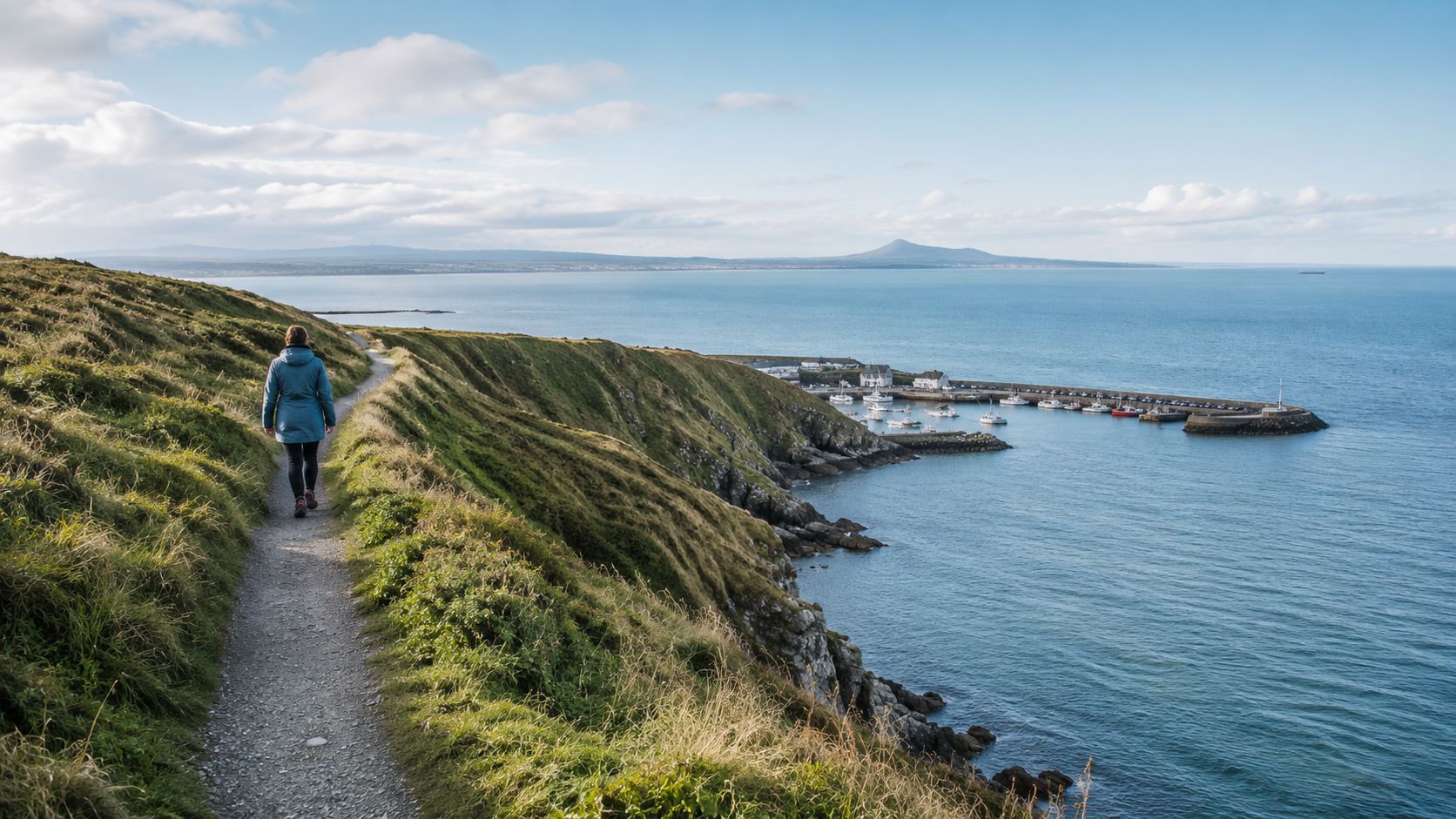
This is one of the best additions for travelers who don't want their Dublin itinerary to become all museums, pints, and urban wandering. It's also one of the strongest budget-to-reward plays if the weather cooperates.
Make it a real half-day, not a rushed add-on
Wear proper shoes and bring a waterproof layer. Dublin weather doesn't care what your plan was. That sounds basic, but I've seen more city travelers underprepare for Howth than for almost anything else near Dublin.
Start early if you can. Mornings feel calmer, and the harbor is part of the experience. Pack snacks or a simple picnic if you're keeping costs down, then decide later whether to spend on seafood in the village.
The cliff walk isn't hard in a dramatic expedition sense. It's hard only if you show up dressed for a shopping street.
For solo travelers, this is a good daytime outing because the route is popular and well-trodden. The biggest safety issue usually isn't other people. It's weather, slippery ground, and overconfidence near edges.
A useful planning mindset comes from any good day-trip strategy. You want enough time to settle into a place rather than touching it briefly and racing back. Even though it's a very different destination, the logic behind planning satisfying day trips applies well here too. Start early, keep the schedule simple, and leave breathing room.
6. Irish Museum of Modern Art and Kilmainham Gaol
A lot of Dublin itineraries swing between postcard sights and pub culture. This pairing does something more useful. It gives you a clear read on both Ireland's past and the questions modern Ireland keeps asking of itself.
Kilmainham Gaol carries the heavier emotional load. IMMA creates room to process it. Put together, they offer cultural depth without requiring a full day of expensive ticketed stops, which makes this one of the stronger choices for travelers trying to balance meaning, budget, and pace.
The order that works best
Start at IMMA if your schedule allows. The museum setting is calmer, the grounds give you space to arrive without feeling rushed, and contemporary work tends to sharpen attention rather than exhaust it. By the time you reach Kilmainham, you are more ready to listen closely and take in the guided interpretation instead of treating it as another box to tick.
Book Kilmainham ahead. That point has already been established earlier in this guide, and it matters here because the visit only works well when you can enter at a sensible time and avoid planning the rest of the day around uncertainty.
IMMA is more flexible. You can keep costs under control by focusing on the free elements, spending time in the formal gardens and outdoor areas, and choosing exhibitions selectively instead of trying to see everything. That approach usually leads to a better visit anyway.
A practical plan looks like this:
- Do IMMA first: It sets a reflective tone and gives you breathing room.
- Pre-book Kilmainham: The guided visit adds the historical context that makes the site land properly.
- Keep the afternoon light afterward: A café stop, a walk, or quiet dinner works better than forcing in another major attraction.
- Solo travelers should stick to daytime hours: The area is straightforward to visit, but this experience is stronger when you are not hurrying across the city late.
This is also a good place to travel thoughtfully. Kilmainham asks for attention and respect. IMMA rewards curiosity more than speed. If your goal is to collect meaningful encounters rather than just famous names, this kind of pairing usually leads to the more authentic travel experiences that stay with you.
For culturally curious travelers, this can leave a deeper impression than a more obvious Dublin afternoon. It is serious, memorable, and still manageable on a careful budget.
7. Grafton Street and Stoneybatter Neighborhood Walking Tour
Start this walk on Grafton Street soon after breakfast, when the shopfronts are open, the buskers are setting their pitch, and the street still has room to breathe. It gives you Dublin at its most polished and public-facing. Then cross the city later for Stoneybatter, where the pace drops and the details get better.
That pairing works because it shows two versions of Dublin in one day.
Grafton Street is useful for first-time visitors who want energy, architecture, and a clear sense of the city center without committing half a day to a single attraction. Go early if you want cleaner photos and less crowd friction. It is also one of the easier places to build a low-stress morning around, with plenty of cafés, good public transport links, and enough foot traffic that solo travelers rarely feel isolated.
Stoneybatter rewards a different kind of attention. The appeal is not headline sightseeing. It is the rhythm of the neighborhood. Small food spots, local pubs, corner businesses, and residential streets give you a more grounded read on how Dublin feels outside the main visitor core.
That matters if you want more than a checklist.
Travelers often overread Dublin through its nightlife, then miss the everyday texture that makes the city memorable. A neighborhood walk corrects that. You notice how people use the streets, where locals linger, and which places feel lived in rather than packaged for passing visitors.
Street-level insight: If you want cultural depth, spend at least part of your Dublin trip somewhere that still makes sense in daylight.
For budget-conscious travelers, this is one of the better-value city days. Grafton Street costs nothing unless you turn it into a shopping session, and Stoneybatter is easy to enjoy through walking, coffee, and one well-chosen meal instead of a full afternoon of paid attractions. The trade-off is that this route asks for curiosity. If you prefer clear-ticketed highlights with built-in interpretation, another section of the city may suit you better.
Solo travelers usually find both areas straightforward in daytime hours. Keep normal city awareness, stay on active streets after dark, and avoid turning the evening into an unplanned cross-city walk if you are tired. Stoneybatter is relaxed, but relaxed does not mean careless.
For travelers who care about spending in a way that supports local businesses, this route also works well. Choose an independent café, browse a small shop instead of another chain, and keep the pace slow enough to notice where your money is going. That is often how more authentic travel experiences in Dublin start. Not with a secret spot, but with better attention.
If you only see central Dublin, you get one accurate version of the city. Add Stoneybatter, and the picture gets fuller, warmer, and more useful.
8. Guinness Storehouse Alternative, Teeling Whiskey Distillery
A rainy Dublin afternoon can go two ways. You can join the city's biggest drinks attraction and follow a polished, high-volume visitor route, or you can choose a smaller distillery visit that leaves more room for questions, context, and conversation. Teeling suits the second kind of day.
For travelers who want an Irish whiskey experience without the scale and branding weight of Guinness, Teeling is the stronger fit. It works especially well on a second day, after you have already covered one major headline sight and want something more grounded in process and place.
Who should choose Teeling
Choose Teeling if you care about how the spirit is made, want a tour that feels more human in scale, and prefer tasting to spectacle. Choose Guinness if your priority is the classic panoramic Dublin attraction with the bigger visual payoff. The trade-off is simple. Teeling gives you detail and atmosphere. Guinness gives you scale and a more polished visitor production.
Smaller distillery tours can still fill up, especially on weekends and during peak travel periods, so leaving it to the last minute is not always wise. Booking ahead usually makes the day easier to plan, particularly if you want to build the visit into time spent exploring the Liberties.
That broader neighborhood context matters. Teeling makes more sense as part of a Liberties afternoon than as a single isolated stop. Walk the area before or after, notice the older street pattern, and treat the tasting as one piece of a district with working history rather than a stand-alone checkbox.
A practical filter helps here:
- Budget: If you only want one paid drinks experience in Dublin, Teeling is easier to justify than stacking multiple branded attractions in the same trip.
- Sustainability: Pair the distillery with a walking route in the Liberties instead of adding extra taxi hops across the city.
- Solo-traveler safety: Guided tours create easy, low-pressure social contact, and daytime visits keep logistics simple.
- Cultural depth: Ask about production, local history, and how the distillery fits into the neighborhood. The visit improves when you treat it as a conversation, not just a tasting.
Teeling is not trying to compete with the Storehouse on size, and that is exactly why some travelers prefer it. If you like craft, manageable pacing, and a visit that still leaves room in your budget and energy for the rest of Dublin, it is a smart alternative.
9. Dublin Bike Rental and Greenways
Cycling in Dublin makes sense when you want to stop treating the city center as the whole city. It lets you move farther without the dead time that can come with public transport transfers, and canal paths can soften the urban experience in a way streets sometimes don't.
This isn't the right move for everyone. If you're anxious in city traffic or arriving during rough weather, walking and transit may be the better call. But for travelers who like active sightseeing, it's one of the best ways to see a wider Dublin.
The routes that make it worthwhile
The canal corridors are the main draw because they shift you quickly out of heavy sightseeing mode. You start noticing residential pockets, local movement, and quieter stretches that most visitors never build into their trip.
This also fits Dublin's budget gap well. A City Unscripted piece on Dublin hidden gems points toward free or low-cost alternatives such as Iveagh Gardens, Blessington Street Basin, Portobello Canal Banks, the National Botanic Gardens, War Memorial Gardens, Moore Street, and parts of Phoenix Park. That's useful because many standard “best things to do” lists lean heavily on paid staples. A bike day lets you stitch some of these lower-cost places together in a way that feels intentional, not second-best.
- Download your route first: Don't rely on constant signal or mid-ride improvisation.
- Ride in daylight if you're unfamiliar: It's simpler and more relaxed.
- Bring a rain layer: The weather can turn an easy ride into a soggy one fast.
For solo female travelers, well-used paths and daytime riding usually feel comfortable, especially on active commuter routes. The main consideration is confidence, not danger. If you're uncertain on a bike, don't force it just because cycling sounds virtuous or local.
10. Dublin Literary Walking Tour and James Joyce Centre
You notice Dublin differently once a guide starts tying ordinary streets to the writers who used them. A lane stops being just a shortcut. A doorway, bridge, or pub picks up a second life through a line from Joyce, Yeats, Beckett, or Wilde.
This section earns its place in a Dublin itinerary because it adds cultural depth without another long indoor visit. It also fits thoughtful travel well. You can cover a lot on foot, spending stays manageable, and daytime group tours tend to feel comfortable for solo travelers who want context as much as sightseeing.
How to enjoy it without overcomplicating it
Start with the walk. That order matters.
Dublin's literary history makes more sense when you meet the city first and the texts second. A good guide can connect politics, class, religion, and daily life without turning the tour into a lecture. That is the trade-off to look for. Some tours are theatrical and fun but light on substance. Others are academically strong but can feel dense if you are running on little sleep and too much Guinness.
The James Joyce Centre usually works better as a follow-up than a starting point. Travelers who arrive with some street-level context tend to get more from it, especially if they have already heard a few passages explained in place. If you go in cold, the experience can feel more specialized than expected.
Dublin's long history helps explain why its literature carries so much texture. The city has been layered over centuries, and its writers captured that friction between memory, routine, ambition, and decline with unusual precision.
A little prep goes a long way.
- Read one short piece first: A story from Dubliners is enough to make the tour feel sharper.
- Book a daytime walk if you are solo: It is easier to hear, orient yourself, and ask questions.
- Choose one literary stop, not five: A tour plus the James Joyce Centre is usually plenty for one day.
- Keep your expectations specific: Come for interpretation and atmosphere, not blockbuster-style exhibits.
For budget travelers, this can be one of the more satisfying culture picks in Dublin because the walking element does much of the work. For travelers trying to make more sustainable choices, it is also a low-impact way to spend an afternoon. And if your trip has been heavy on big-name attractions, this is often the point where Dublin starts to feel lived-in rather than visited.
Top 10 Things to Do in Dublin, Comparison
Dublin rewards travelers who match the right experience to the right day. A rainy afternoon, a tight budget, solo travel after dark, or a desire for deeper local context can change what feels like the best pick. Use the table below as a practical filter, not a ranking carved in stone.
| Attraction | Planning Effort 🔄 | Cost and Time ⚡ | Experience Quality ⭐ | Cultural Depth / Trade-Off 📊 | Best For / Practical Tip 💡 |
|---|---|---|---|---|---|
| Guinness Storehouse | High, book ahead, peak slots get crowded | Expensive (€25 to €30), 2 to 3 hours | High (4/5), polished, interactive, panoramic finale | Strong introduction to a major Irish export, but the experience is commercial and busy | First-time visitors who want a headline attraction. Book online and go early or later in the day |
| Trinity College and The Book of Kells | Moderate, timed entry helps | Mid-range (€14 to €15), 1.5 to 2 hours | High (4/5), memorable setting, strong visual impact | One of the clearest culture picks in the city, though it can feel brief for the price | Travelers interested in history, design, and heritage. First entry of the day usually feels calmer |
| Temple Bar and River Liffey Walking Tour | Low, little prep needed, optional guided walk | Low to moderate (free tours plus tips around €10 to €15), 2 to 4 hours | Moderate to high (3.5/5), lively and easy to slot into a first day | Good for orientation and atmosphere, but parts of Temple Bar can feel overpriced | First-time visitors and social travelers. Use Temple Bar for music, then drift to nearby streets for better value |
| St. Stephen's Green and Phoenix Park | Very low, just bring a map or phone | Free, 1 to 4 hours | High (4/5), relaxed, local, restorative | Strong choice for budget travel, low-impact sightseeing, and daylight solo wandering | Travelers who need a slower pace. Bring snacks, go in daylight, and give Phoenix Park more time than the map suggests |
| Howth Cliff Walk and Harbor Village | Low to moderate, check DART times and weather | Very affordable (DART about €2 to €4), half day to full day | High (4/5), coastal views, harbor atmosphere, fresh air | Best escape from the city center, but weather decides the experience | Hikers, photographers, and travelers who want a more local coastal day. Wear proper shoes and skip it in rough conditions |
| Irish Museum of Modern Art and Kilmainham Gaol | Moderate, Kilmainham needs advance booking | Low (IMMA is mostly free, Kilmainham about €7 to €8), 3 to 4 hours combined | High (4/5), reflective, layered, historically strong | One of the best pairings for travelers who want context, not just landmarks | Thoughtful travelers. Book Kilmainham first, then build the rest of the day around it |
| Grafton Street and Stoneybatter Neighborhood Walking Tour | Low, easy to do self-guided | Free to low-cost (€3 to €15 depending on stops), 2 to 3 hours | Moderate to high (3.5/5), strong street life, better local feel once you leave the retail core | Good mix of people-watching and neighborhood texture, with better value than attraction-heavy days | Travelers who like cities on foot. Start central, then move outward for a less polished and more interesting Dublin |
| Teeling Whiskey Distillery (Guinness alternative) | Moderate, smaller tours can fill up | Mid-range (€17 to €20), 1.5 to 2 hours | High (4/5), smaller-scale, more conversational | Better for travelers who want craft detail and a less crowded drinks experience | Whiskey fans and travelers skipping the bigger beer attraction. Afternoon tours often fit well with nearby stops |
| Dublin Bike Rental and Greenways | Low to moderate, route planning helps | Very affordable (€5 to €25 per day), 2 to 4 hours | High (4/5), flexible, active, good neighborhood access | Strong for low-cost exploration and lower-impact travel, but weather and traffic confidence matter | Independent travelers. Bring rain gear, use offline maps, and avoid rush-hour streets if you are not a confident cyclist |
| Dublin Literary Walking Tour and James Joyce Centre | Low, easy to book or join on the day | Very affordable (free to €15), 2 to 4 hours | High (4/5), rich interpretation, stronger with some pre-reading | One of the best cultural-value options in Dublin, especially for travelers who want ideas as well as sights | Literature fans and slower travelers. Read one short piece before you go for a sharper experience |
A few patterns stand out. Guinness and Trinity deliver the classic Dublin checklist, but they ask more of your budget and tolerance for crowds. Phoenix Park, Howth, neighborhood walks, and literary tours usually give better value per hour if you want the city to feel lived in rather than staged.
For solo travelers, daylight walking routes, major-ticket attractions with timed entry, and coastal half-days tend to be the easiest combinations to manage. For sustainable travel, parks, rail trips to Howth, literary walks, and bike-based exploration keep both costs and impact lower while still giving real cultural return.
Your Dublin Trip Planner: Itineraries and Essential Tips
You arrive with two full days, a short list of must-sees, and weather that may change by lunch. Dublin rewards a plan with some structure and some slack. Build each day around one anchor, keep travel times short, and leave room for the city's smaller pleasures, a park bench, a good pub session, a neighborhood detour, a conversation you did not schedule.
That approach usually produces a better trip than trying to collect every headline sight.
Sample Dublin Itineraries
A one-day visit works best in the compact center. Book Trinity College and the Book of Kells early, before the busiest part of the day. Then walk south through Grafton Street, pause in St. Stephen's Green if the weather is decent, and cross back toward the River Liffey for an evening stroll and live music. It is a strong first pass at Dublin because you get history, street life, and a feel for the city without spending half the day in transit or queues.
With two days, split classic Dublin from heavier history. Keep day one central and walkable. Use day two for Kilmainham Gaol and IMMA, then choose between Guinness Storehouse and Teeling based on what kind of visit you want. Guinness has scale and views. Teeling is smaller, easier to fit into a tighter schedule, and often feels less like a production.
Three days gives you room to travel thoughtfully instead of efficiently. Add Howth for sea air and a clear break from the city, or stay in Dublin and slow the pace with Phoenix Park, a literary stop, and time in Stoneybatter or along the canals. This is also where budget pressure eases. One museum, one rail fare, and long stretches of walking can give you a richer day than another expensive ticket.
Getting Around Dublin
Central Dublin is often faster on foot than it looks on a map. Streets are close together, and many worthwhile stops sit within a manageable walking radius. That matters for both cost and experience. Walking lets you notice the texture of the city instead of only moving between pins on your phone.
For longer hops, use the Luas, Dublin Bus, or the DART. The DART is the practical choice for Howth. Buses fill gaps well, though traffic can slow them at busy times, so avoid stacking a tight schedule around multiple cross-city rides.
The best habit is geographic clustering. Keep each half-day focused on one area. It saves money, cuts decision fatigue, and leaves more energy for the places themselves.
Budgeting Without Feeling Deprived
Dublin gets expensive fast if every hour has an entry fee and every meal is in the busiest visitor corridor. A better rhythm is one paid highlight a day, backed by free or low-cost experiences that still carry real character.
Use a simple filter:
- Pay for what Dublin does especially well: Trinity, Kilmainham, or a distillery tour can justify the cost if they match your interests.
- Fill the middle of the day with walks, parks, and markets: These stretches lower costs and often feel more personal than another museum queue.
- Be selective with pubs: Have one pint in a place you chose on purpose. Skip the habit of stopping only where the crowd is thickest.
Cheap and good are not always the same. I would rather spend on one memorable visit and eat a modest lunch than pay tourist-area prices all day and feel underwhelmed by evening.
Solo, Safe, and Sustainable
Dublin is one of the easier European capitals to handle alone. The center stays active, signage is straightforward, and there is enough foot traffic in core areas that daytime exploring rarely feels isolating. The trade-off is nightlife. Streets can get rowdier late, especially around the busiest pub zones, so solo travelers should treat the city center differently at 11 p.m. than at 11 a.m.
Daytime structure helps. Timed museum entries, walking tours, coffee stops, and a DART trip to Howth create a solo day that feels open but not exposed. For solo women in particular, that balance matters. Choose established pubs with traditional music earlier in the evening, know how you are getting back, and keep enough phone battery for route changes.
Sustainable choices in Dublin are straightforward and realistic. Walk central routes. Use rail for coastal trips. Carry a refillable bottle and a light rain layer so you are not buying disposable basics on the go. Spend some of your budget in neighborhood cafés, bookshops, and independent food spots rather than concentrating everything in the most crowded strips.
Dublin feels layered because it is. Government buildings, student life, literary history, immigrant communities, old parks, and young nightlife all sit close together. You notice more of that mix when you slow down enough to pay attention.
If you want more trip-planning ideas in this style, Travel Talk Today covers thoughtful, budget-aware travel with a similar emphasis on practical choices over box-ticking.
Your best Dublin plan is usually the one with clear priorities, modest daily ambitions, and enough open space for the city to surprise you.
Traveling to Dublin soon? Travel Talk Today shares practical guides for affordable, thoughtful travel, including itinerary ideas, budgeting help, and destination planning that can support a smarter Ireland trip.