You arrive early, before the tour groups thicken and the heat starts rising off the bricks. A church bell carries down a side street. Someone is setting out café chairs. For a brief stretch of morning, Charleston feels less like a checklist and more like a real place. That is the version of the city worth planning for.
Charleston rewards travelers who slow down and make deliberate choices. Stay in the busiest corridors all day, and the city can feel polished, crowded, and expensive. Step a block or two off the obvious route, book only the paid experiences that add real context, and leave room for unplanned walks, and the trip gets better fast. Many of the best activities in Charleston SC are still simple. Walk, listen, eat well, get on the water, and give the city’s harder histories the time they deserve.
The city’s compact historic core helps. You can cover a lot on foot, which keeps transportation costs down and makes Charleston a strong fit for travelers who prefer the same kind of street-level discovery that defines Europe’s most walkable cities. That same convenience creates friction too. Crowds stack up quickly around carriage routes, rooftop bars, and the best-known photo stops, so timing matters almost as much as your itinerary.
A better Charleston trip usually comes down to trade-offs.
Paid tours can save time and add nuance, but not every famous stop needs a ticket. Beaches and marsh outings can be affordable and memorable, but they go sideways if you ignore heat, tides, parking, or afternoon storms. Plantation and Civil War sites offer necessary historical context, but they should be approached with attention and respect, not treated as backdrop.
This guide is built around how to do the city well. That means mixing marquee sights with places that still feel lived in, spending where expertise improves the experience, and choosing lower-impact options when they make sense. It also means recognizing that Charleston is beautiful and complicated at the same time. That complexity is why it stays with people.
1. Historic District Walking Tours & Self-Guided Exploration
By 8 a.m., Charleston’s Historic District can still feel residential instead of performative. Window boxes are being watered, church bells carry farther, and the streets read more clearly before carriage traffic, heat, and photo lines flatten the experience. That is the right time to walk it.
Walking is also the most efficient way to understand downtown Charleston. The core is compact enough to cover a lot without paying for constant rideshares or losing time to parking, but it rewards restraint. Trying to stack every church, house museum, market stop, and postcard corner into one day usually turns into sore feet and shallow memories.
A paid walking tour makes the most sense first. Good guides save you hours by giving you the city’s layout, pointing out what is original versus restored, and explaining the harder histories tied to wealth, labor, preservation, and displacement. After that, self-guided time works better. You can slow down, skip the spots that feel overrun, and spend longer where the city still feels lived in.
Set your route around two anchor sites, not ten. One morning stop and one afternoon stop is enough. Places like the Charleston Museum, Nathaniel Russell House, Old Exchange and Provost Dungeon, and the City Market sit close enough together that the walk between them often becomes the best part of the day.
Charleston rewards the same kind of street-level attention that makes travelers love Europe’s most walkable cities. The reward is not speed. It is noticing how a block changes from grand facades to quieter side streets, iron gates, churchyards, and small houses that say just as much about the city as the headline attractions.
A few practical choices will improve the experience:
- Book a guided tour if context matters to you: Charleston is beautiful, but beauty alone can distort what you are seeing. A strong guide helps connect architecture to the people who built, maintained, and profited from it.
- Keep your self-guided route short on hot days: Humidity, sun exposure, cobblestones, and uneven sidewalks wear people down faster here than they expect.
- Walk early or late if you want photographs and quiet: Midday is the busiest, hottest, and least forgiving window.
- Use side streets on purpose: The famous corridors are worth seeing once. Smaller residential blocks often feel more intimate and less congested.
- Carry water and wear shoes with real support: Historic charm does not make old pavement easier on your knees.
If budget matters, this is one of Charleston’s better values. You can get a lot from the district for the cost of a single museum ticket or one well-chosen guided tour, then let the rest of the day unfold on foot. That lower-impact approach also tends to be the more respectful one. Less driving, less idling in traffic, and more time observing the city.
Mobility matters here too. Some of downtown’s prettiest streets are also the least comfortable underfoot, especially after rain or in peak heat. Travelers who want an easier day should focus on shorter loops, museum interiors, and smoother stretches with cafes or benches nearby. Charleston is still rewarding at that pace. In fact, it often reads better when you stop trying to conquer it.
2. Foodie Experiences & Farm-to-Table Dining
By the second day in Charleston, many travelers make the same mistake. They book one famous dinner, fill the rest of the day with snacks they did not plan for, then arrive overheated, over budget, and too full to enjoy the meal they were excited about. Charleston rewards a better food strategy.
The strongest meals here are tied to place, season, and context. A dockside oyster tray, a thoughtful lunch built around Lowcountry produce, or a cooking class that explains local ingredients often gives you a clearer sense of Charleston than a rushed reservation at the city’s most photographed dining room. If you want a trip that feels more grounded than performative, focus on restaurants and food experiences that connect to the region’s waterways, farms, and Gullah Geechee culinary influence.
That approach usually saves money too.
Lunch is often the smartest booking in town. You get access to good kitchens at a lower price, dining rooms are less formal, and you leave your evening open for a walk, a casual seafood stop, or a simple drink without locking the whole day around one table. For travelers trying to balance quality with cost, that trade-off is hard to beat.
A few names come up often for good reason. Husk still draws attention for its ingredient-driven Southern cooking, and it can be a strong choice if you care about a produce-forward meal in a polished setting. Bowens Island Oyster Bar offers something very different. The appeal there is not polish. It is marsh views, straightforward seafood, and a setting that feels closer to the working Lowcountry than to a staged night out. Charleston Cooks is also worth considering if you want to spend on an experience rather than another restaurant bill. A hands-on class can leave you with more than one memorable plate.
The best Charleston food memory is often the meal that teaches you where you are.
Food tours work well for solo travelers, first-time visitors, and anyone with limited time, but choose carefully. The better operators explain neighborhoods, ingredients, and culinary history instead of rushing groups from sample to sample. That style lines up much more closely with authentic travel experiences rooted in local culture than a checklist of famous bites.
If you want to do this section of Charleston well, keep these distinctions in mind:
- Book one destination dinner, not three: A single high-priority reservation gives you something to look forward to without turning the trip into a scheduling exercise.
- Use lunch for acclaimed restaurants: It is usually the best value play, especially if dinner pricing feels aggressive.
- Choose places with clear local ties: Seasonal produce, local shrimp, oysters, crab, and rice-based dishes usually say more about Charleston than generic upscale Southern menus.
- Leave room for spontaneity: Some of the city’s best eating happens because you had time for an extra oyster stop, bakery visit, or market snack.
- Ask where ingredients come from: Good staff will usually tell you which farms, fisheries, or purveyors they use. That small question often separates real farm-to-table work from branding.
One more practical point matters here. Charleston’s dining scene can be crowded, and popularity does not always equal fit. Travelers who want quieter, more personal meals should consider weekday lunches, early dinners, and restaurants just outside the most saturated visitor zones. You will often get better service, easier reservations, and a more relaxed sense of the city.
3. Beach Days at Folly Beach, Isle of Palms & Seashore State Parks
Charleston’s beaches are the reset button. After museum interiors, plantation tours, and long hours on foot downtown, a salt-air afternoon can keep the whole trip from feeling too packed. The key is picking the right beach for the mood you want, not just the one that appears most often in social posts.
Folly Beach feels looser and more casual. Isle of Palms usually suits travelers who want a broader strand and a calmer family rhythm. If you want less chatter and more nature, state park and wildlife-focused beach settings are often the better call.
A beach day doesn’t have to be lazy, either. It can be one of the best-value activities in charleston sc if you bring your own snacks, arrive early, and treat the shoreline as both a scenic stop and a recovery day.
A visual of that mood helps set expectations.
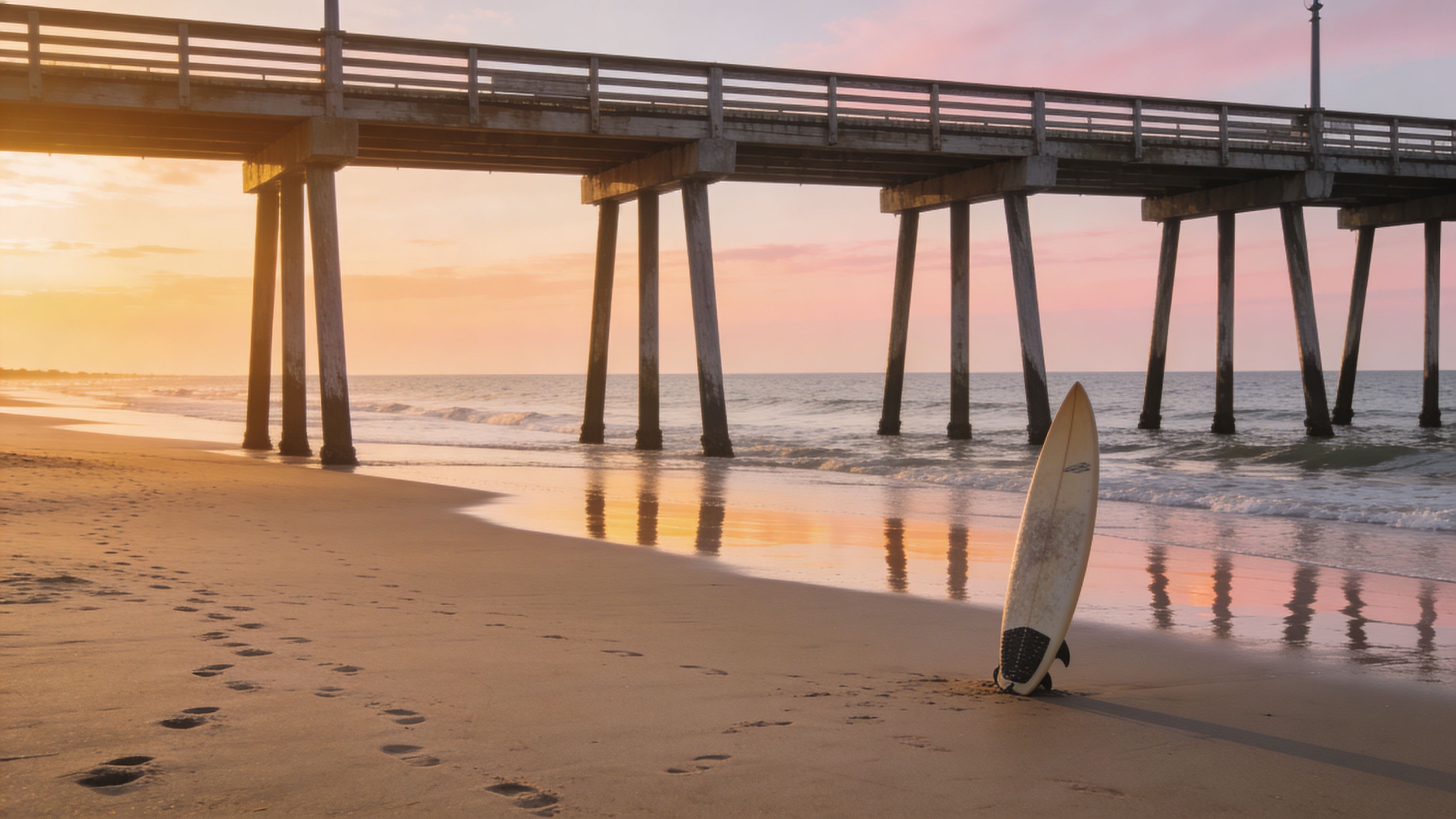
Picking the right shoreline
Folly suits travelers who like a little character around their beach time. You can pair sand with casual food and a more lived-in surf-town atmosphere. Isle of Palms feels more polished and is often easier for travelers who want space, strollers, or a straightforward family beach setup.
For nature-first travelers, quieter coastal options beyond the obvious beach strips can be more rewarding than staying all day near the busiest access point. If you’ve enjoyed coastal trips elsewhere, this same strategy often works in places covered by guides to things to do in Cape Cod. Get there early, walk farther than many venture, and let distance create the calm.
A few beach trade-offs are worth knowing:
- Folly Beach for energy: Better if you want food, people-watching, and a more casual local mix.
- Isle of Palms for comfort: Better if your group values convenience and wider stretches of sand.
- Less-developed areas for quiet: Better for photography, birdwatching, or escaping the packed sections.
Bring reef-safe sunscreen, a towel you don’t mind getting messy, and more water than you think you need. Charleston beach heat sneaks up on people who are used to the cooler shade of the historic district.
If you’re traveling solo, especially as a woman, daylight beach visits with a clear plan tend to feel best. Park in well-used areas, keep valuables light, and don’t count on cell service or battery life to solve every logistical problem once you’re hot and tired.
4. Fort Sumter National Monument & Civil War History Sites
Some Charleston activities are beautiful in an easy way. Fort Sumter isn’t that. It’s moving because the harbor approach is scenic and the history is heavy at the same time. That contrast is part of why it stays with people.
The trip starts with the ferry, and that matters. The water crossing creates a mental shift. By the time you arrive, you’re not just checking off another historic site. You’re entering a place tied to the opening shots of the Civil War, which makes context more important than speed.
Make the ferry part of the experience
Book ahead if your dates are fixed. Fort Sumter is one of the clearest cases where advance planning saves hassle and protects the rest of your day. Rushing to the dock, then standing in the sun hoping for a seat, is a poor way to begin a reflective visit.
Fort Sumter is also one of the more useful accessible attractions in the area. The AccessibleGO roundup of Charleston attractions highlights Fort Sumter for boat access with ramps, alongside other wheelchair-friendly sites such as Drayton Hall, the South Carolina Aquarium, and the Gibbes Museum of Art. For travelers with mobility needs, that kind of clear access information is often more valuable than generic “family friendly” labels.
Go for the first available departure you can reasonably manage. Morning light is better, temperatures are kinder, and the site feels less rushed.
If you want to keep your day affordable, combine Fort Sumter with simpler harbor-side walking afterward instead of stacking another ticketed attraction. That gives you both structured history and open-ended time. Travelers who build entire itineraries around smart free and low-cost pairings often get more from the city than those who overbook, which is the same logic behind many solid guides to free things to do while traveling.
Bring water, sun protection, and patience for weather shifts. Harbor conditions and heat affect the experience more than people expect. Also, read before you go. Fort Sumter lands harder when you arrive with at least some grounding in secession, slavery, and the political conditions surrounding the war’s outbreak.
5. Kayaking & Paddleboarding in Salt Marshes & Waterways
If you want the version of Charleston that feels quiet, alive, and least performative, get into the marsh. Not near it. In it. The city’s tidal creeks and salt marshes change the whole pace of a trip.
Charleston moves past being only architecture and starts showcasing its natural surroundings. Paddle slowly enough and you notice how much the trip depends on wind, light, tide, and patience. That’s a welcome correction if downtown has started to feel crowded or overly curated.
A marsh morning also gives photographers and solo travelers something cities rarely offer. Space.

Guided tour or independent rental
For most visitors, a guided paddle is the better first choice. Charleston waterways are shaped by tides and changing currents, and local outfitters can keep the trip scenic instead of stressful. That matters if you’re new to coastal paddling or if you want interpretation about birds, marsh ecology, and route conditions rather than just equipment.
Independent rentals make sense only if you already know your comfort level and can read the day well. Water that looks calm from shore can feel very different once the tide turns.
Here’s the simplest way to decide:
- Pick a guided trip if you’re new to salt marshes: You’ll learn more and make fewer avoidable mistakes.
- Pick a rental if you want freedom and know the basics: This works best in calmer, beginner-friendly areas with clear launch advice.
- Choose sunrise or early morning slots if possible: Heat, glare, and boat traffic are usually easier then.
Paddling is one of the strongest choices for travelers who want adventurous things to do without turning the day into an endurance test. It’s active, but it doesn’t need to be extreme.
Dress for sun, not for style. Long sleeves, secure sandals, dry bags, and a waterproof phone case matter more than looking polished in photos. And if a guide tells you conditions aren’t ideal, listen. The most experienced travelers know when to pivot.
6. Magnolia Plantation & Gardens Historic Gardens & Nature Trails
Magnolia works best when you visit with the right mindset. If you go only for beauty, you’ll miss too much. If you go expecting a simple garden outing, the place will feel emotionally incomplete. The strongest visit holds both truths at once.
The gardens are a genuine draw, and the grounds can feel restorative. But plantation sites in Charleston should never be approached as decorative backdrops alone. They require attention to the lives and labor that made those grounds possible.
What to prioritize once you arrive
Start with the interpretive material, not the prettiest path. Doing the historical framing first changes how you see the grounds, the house, and the curated beauty around you. It turns the visit from passive admiration into active witnessing.
Magnolia also matters within a broader accessibility conversation. The Charleston accessibility angle notes post-pandemic upgrades at plantations, including new ramps at Magnolia, while also pointing out that many mainstream guides still overlook inclusive planning for travelers with mobility needs. That gap is real. Historic sites often advertise atmosphere better than logistics.
If you’re visiting on a budget, bring snacks or a simple picnic and give yourself time. Magnolia is not a quick in-and-out stop if you want both the gardens and the historical interpretation to register.
A better visit usually follows this rhythm:
- Begin with the history exhibits: Context first keeps the rest of the experience honest.
- Then move into the gardens and trails: The grounds feel richer when you understand their origins.
- Build in quiet time: Plantation visits can be mentally heavier than travelers expect.
Some of Charleston’s most beautiful places are also its most morally demanding. That isn’t a flaw in the visit. It’s the point.
This is one of the clearest examples of sustainable, responsible tourism in practice. You’re not there just to consume scenery. You’re there to learn how beauty, wealth, memory, and violence can occupy the same ground.
7. Boone Hall Plantation House Tour & Oak Tree Avenue
Boone Hall is famous for a reason. The avenue of live oaks creates one of the most striking visual approaches in the region, and for photographers it can feel almost irresistible. But this is another place where visual appeal can flatten history if you let it.
Go if you want to understand both the image and the reality behind it. Don’t go if your plan is only to recreate a film-like moment and leave before engaging with the harder material on site. Charleston has enough shallow plantation coverage already.
The approach itself deserves a pause.

Photograph it well, then stay for the substance
Early light matters here. The avenue is more peaceful, more textured, and easier to photograph before the middle of the day. Crowds change the whole feeling. So does rushing.
Once you’ve had the visual moment, move deliberately into the historical material. Spend time with the site’s interpretation of plantation life, labor, and the enslaved people whose work shaped the property’s wealth and operation. The most responsible visitors spend longer with the context than with the camera.
A few practical truths:
- Best for photographers: Early arrival gives you cleaner compositions and less waiting.
- Best for history-minded travelers: The site only works if you commit to the educational elements too.
- Less ideal for rushed itineraries: This is not a stop that should be squeezed between lunch and beach plans.
If social media has shaped your expectations, reset them before you go. Boone Hall is not “just pretty.” It’s historically complicated, emotionally uneven, and worth visiting only if you’re willing to hold all of that together.
8. Street Art, Murals & Arts District Exploration
If historic Charleston starts to feel polished to the point of predictability, street art is a useful counterweight. It shows a more current, more community-rooted side of the city. It also loosens your itinerary. Murals, smaller galleries, independent shops, and cafe stops create a day that feels discovered rather than packaged.
This is one of the easiest low-cost activities in charleston sc because it doesn’t depend on entry tickets. It depends on curiosity and a little planning. Daylight exploration is the sweet spot. You’ll get better photos, better visibility, and a better sense of neighborhood rhythm.
How to avoid doing this superficially
Don’t reduce mural hunting to a scavenger game. The strongest street art walks connect visual work to the area around it. Stop for a drink, browse a local shop, talk to gallery staff if they’re open to conversation, and pay attention to what themes repeat. Community identity, memory, and social commentary often show up more clearly when you slow down.
This kind of wandering also works well for travelers who don’t want every hour scheduled. Some of the best urban days come from mixing one anchor plan with open blocks of time, especially if you’re balancing popular stops with more local texture.
A smart arts district outing usually includes:
- One defined neighborhood focus: Better than chasing murals across a wide area.
- One supporting stop indoors: A gallery, studio, or cafe gives the walk shape.
- Respect for boundaries: Not every creative space wants tourists treating it like a public set.
If you’re traveling solo, this is usually safer and more rewarding in the morning or afternoon than late at night. Keep to active streets, trust your instincts around quieter blocks, and remember that contemporary culture isn’t less “real” than Charleston’s older layers. It’s part of the city too.
9. Day Trips to Beaufort, Savannah & Coastal Lowcountry Towns
A day trip can save a Charleston itinerary from becoming too concentrated. After a few days downtown, the city’s rhythm, prices, and crowds can start to feel repetitive. Driving out to another Lowcountry town changes the perspective quickly.
Beaufort is strong for travelers who want waterfront calm and a slower historic atmosphere. Savannah suits people who want a bigger urban day with a different style of squares, parks, and street life. Smaller coastal towns reward travelers who don’t need marquee attractions and are happy with a good lunch, a walk, and a quieter shoreline.
When leaving Charleston actually improves the trip
This matters even more because Charleston’s tourism and lodging markets are strong enough to keep pressure on central areas. AirDNA-style market data summarized by AirROI describes Charleston as an established short-term rental market, with 1,839 active listings and projected March 2026 average annual earnings of $67,532 per property, alongside a $408 nightly rate, 52.0% occupancy, and $219 RevPAR. Those figures are useful less as booking advice than as a reminder that demand stays high and value can drop fast if you only look in the most obvious places.
That’s why day-tripping works. You don’t need to abandon Charleston. You just need some breathing room from it.
A strong Charleston trip doesn’t have to stay inside Charleston city limits every day.
A few ways to do this right:
- Rent a car only for the days you need it: Downtown parking is a hassle when the car sits unused.
- Leave early and return before fatigue sets in: Day trips fail when people turn them into marathon drives.
- Eat outside the most tourist-heavy core: Smaller towns often deliver the more memorable meal.
For travelers who want authenticity over constant stimulation, these side trips often become the day they remember most clearly.
10. The Citadel Military Campus Tour & Educational History
A Charleston trip can start to blur after a few days of pastel houses, church steeples, and crowded historic streets. The Citadel resets the pace. You step into a working campus with parade grounds, disciplined architecture, and a version of the city’s story tied to public service, education, and military tradition.
That difference is the reason to go.
The Citadel works best for travelers who want more than postcard Charleston. It offers a sharper, more institutional view of the city, and that comes with trade-offs. The campus is less decorative than the Historic District, and the experience depends more on timing, access, and your interest in educational history than on pure sightseeing. If you want a stop that feels active rather than staged, that trade is usually worth it.
Why this stop earns a place on a smart itinerary
Some visitors skip The Citadel because they assume it is only for military history specialists. In practice, it suits several kinds of travelers. Architecture fans notice the formal layout and restrained design. History-minded visitors get context for how Charleston’s civic identity developed beyond its homes and plantations. Travelers trying to avoid the busiest tourist corridors get a quieter, more focused stop.
It also helps round out the city. Charleston is not only a place of preserved facades and curated heritage sites. It is also a place where education, ceremony, and public institutions still shape daily life. The Citadel makes that visible in a direct way.
Go with a clear plan:
- Visit for a specific reason: campus architecture, military tradition, educational history, or photography of the grounds
- Confirm public access before you go: this is an active campus, so schedules, events, and restricted areas matter
- Keep the visit concise: one to two hours is often enough unless you are attending a formal event or combining it with nearby stops
- Dress and behave respectfully: you are entering a functioning institution, not an entertainment venue
This stop is especially good on a trip that needs balance. After several highly produced attractions, The Citadel can feel more grounded. It asks a little more from the visitor, but it often gives back a clearer sense of how Charleston works beyond its tourist image.
Top 10 Charleston Activities: Side-by-Side Comparison
| Activity | Complexity & Logistics 🔄 | Resources & Cost ⚡ | Expected Outcomes ⭐ / Impact 📊 | Ideal Use Cases | Key Advantages & Tips 💡 |
|---|---|---|---|---|---|
| Historic District Walking Tours & Self-Guided Exploration | Low–Moderate: easy routes, guided schedules, weather/crowd sensitivity | $0–25; 1.5–3 hrs; comfy shoes, app/offline maps | ⭐⭐⭐⭐ Cultural immersion, education, strong photo opportunities (📊 high cultural/educational impact) | First-time visitors, history buffs, budget travelers, solo explorers | Flexible pacing and low cost; start early, use free route apps |
| Foodie Experiences & Farm-to-Table Dining | Moderate: reservations, class bookings, seasonal menus | $15–80; cooking class or restaurant time; dietary planning | ⭐⭐⭐⭐ Memorable culinary experiences and local food learning (📊 high gastronomic impact) | Food enthusiasts, content creators, culinary learners | Supports local producers; eat lunch for savings, book ahead |
| Beach Days at Folly Beach, Isle of Palms & Seashore Parks | Low: short drives, parking logistics, seasonal weather | $0–15 (access/parking); beach gear; half–full day | ⭐⭐⭐ Relaxation, outdoor recreation, photography (📊 high leisure impact) | Families, sun-seekers, budget travelers | Free access and variety; arrive early to secure parking |
| Fort Sumter National Monument & Civil War Sites | Moderate: ferry schedules, weather-dependent, limited on-site services | $8–15 (ferry + entry); half-day; limited food | ⭐⭐⭐⭐ Deep historical significance and guided interpretation (📊 high educational/heritage impact) | History buffs, educators, students | Book ferry online, combine harbor sites, pack water/sunscreen |
| Kayaking & Paddleboarding in Salt Marshes & Waterways | Moderate–High: tide/wind dependent, physical effort, safety planning | $25–75 (rentals/tours); 1.5–4 hrs; safety gear | ⭐⭐⭐⭐ Wildlife encounters and nature immersion (📊 high ecological/photographic impact) | Nature lovers, active travelers, photographers | Book early-morning tours for dolphins; choose guided trips if inexperienced |
| Magnolia Plantation & Gardens, Historic Gardens & Trails | Low–Moderate: ticketed entry, some uneven trails, multi-hour visit | $20–30; 2–4 hrs; picnic option | ⭐⭐⭐⭐ Blend of horticulture and historical education (📊 high cultural/natural impact) | Garden fans, photographers, contemplative visitors | Visit shoulder seasons, bring a picnic, allocate 2–4 hours |
| Boone Hall Plantation House Tour & Oak Tree Avenue | Low–Moderate: timed entry, very popular/photogenic, sensitive history | $19.50–22.50; 1–2 hrs | ⭐⭐⭐ Strong photographic appeal; educational but complex context (📊 medium–high) | Photographers, social-media visitors, general tourists | Go early for light and fewer crowds; research plantation history first |
| Street Art, Murals & Arts District Exploration | Low: self-guided or short guided tours, requires mapping | Free–$15–25; map/app; daytime visit | ⭐⭐⭐ Contemporary cultural insight and strong photo/content potential (📊 medium cultural impact) | Creatives, photographers, urban explorers | Download street-art map/app, respect artists' photo/usage rules |
| Day Trips to Beaufort, Savannah & Coastal Lowcountry Towns | Moderate: transport planning, multi-stop logistics, time allocation | $40–80/day; car or shuttle; half–full day | ⭐⭐⭐⭐ Diverse regional experiences and cost savings vs. city stay (📊 high variety/value) | Slow travelers, regional explorers, photographers | Rent a car for flexibility, combine towns to maximize value |
| The Citadel Military Campus Tour & Educational History | Low: free tours but limited hours and access restrictions | Free (donations); morning visit; schedule check | ⭐⭐⭐ Educational architecture and military heritage (📊 moderate educational impact) | Architecture lovers, military history enthusiasts, students | Check parade/tour times, arrive early, respect photography rules |
Your Unforgettable Charleston Story Awaits
Charleston works best when you stop treating it like a greatest-hits album. Yes, the famous views matter. The church steeples, harbor light, oyster platters, oak canopies, and pastel facades all earn their reputation. But the city becomes more memorable when you build your days with intention instead of collecting landmarks as fast as possible.
That usually means mixing tempos. Walk the historic core in the morning, then spend the afternoon in the marsh. Visit a museum or a plantation site with the seriousness it deserves, then leave space for a casual dinner that doesn’t require a month of advance planning. Choose one polished experience, then balance it with something quieter and more local. Charleston responds well to that kind of rhythm.
It also helps to accept that not every good choice is easy. Some of the most rewarding stops in the city carry emotional weight. Plantation visits, Civil War sites, and places tied to slavery and segregation shouldn’t be folded into a “pretty Charleston” narrative without resistance. If you give those places time and attention, they deepen the whole trip. They make the food, music, gardens, and waterfront feel more grounded in reality rather than detached from it.
For budget travelers, Charleston is more workable than people assume if you play the city correctly. Walking saves money and often improves the experience. Beaches and arts districts can deliver full, satisfying days without constant spending. Lunch can beat dinner. A self-guided route can outperform a rushed paid itinerary. Even one strategic day trip can help you avoid the feeling that the city is becoming expensive, crowded, or repetitive.
For solo travelers, especially women, the same principle applies. Clarity beats spontaneity when safety is involved. Daylight exploration, realistic distances, accessible transport options, well-trafficked areas, and a plan for getting back before exhaustion sets in all matter. Charleston can be a rewarding solo destination, but it’s still a real city with uneven sidewalks, changing neighborhoods, traffic bottlenecks, and the usual travel vulnerabilities. Confidence comes from preparation, not wishful thinking.
For travelers with mobility needs, Charleston requires even more selectivity. Historic charm and accessibility don’t always coexist cleanly. Cobblestones, stairs, and old infrastructure can complicate what glossy tourism images make look effortless. But there are still meaningful options. Accessible museums, selected historic sites, better-planned waterfront stops, and thoughtfully chosen transit routes can produce a much stronger trip than trying to force the most famous postcard locations to work.
What matters most is leaving some room for discovery. Charleston is at its best when there’s air in the itinerary. A conversation with a guide that changes how you see a street. A quiet bench after a heavy museum visit. A beach walk that resets the whole day. A neighborhood cafe you’d never have found if every hour were booked. Those are the moments that turn a trip into a personal story.
Use this guide as a toolkit, not a script. Take the parts that fit your pace, your budget, and your reasons for coming. Pair a free mural walk with a memorable seafood dinner. Follow a solemn harbor visit with a long evening on the sand. Choose fewer activities, but do them better.
Charleston is more than a destination. It’s texture, memory, beauty, contradiction, and mood. If you travel it thoughtfully, it won’t just give you good photos. It will give you something harder to forget.
Travel Talk Today helps travelers turn inspiration into trips that feel smarter, deeper, and more affordable. Explore more destination guides, budgeting strategies, solo travel advice, and meaningful travel ideas at Travel Talk Today.