You find a cheap flight to the Caribbean, book it fast, and start picturing beach mornings and dinners by the water. Then significant spending starts. Airport transfers cost more than expected, the hotel area leaves you dependent on taxis, and every convenient meal comes with tourist pricing. A budget trip can go sideways in two days if the island does not match how you travel.
That is the difference this guide is built around.
Affordable Caribbean travel is not just about the lowest headline price. It is about the full daily equation: where you sleep, how easily you can get around, whether local food is accessible, and how much you need to spend to enjoy the island instead of just being on it. A surfer, a couple booking an all-inclusive, a solo traveler who wants walkability, and a hiker chasing waterfalls can all land on the same island and have very different budgets.
So this list does more than round up cheap destinations. Each island is framed as a decision: what a realistic day can cost, who gets the best value there, and what trade-offs come with choosing it. Some islands save money with low guesthouse rates. Others make sense because transit is easier, food costs are lower, or you can fill your days with beaches, hikes, and town exploring instead of expensive excursions.
If you want to keep costs under control, the winning move is usually not picking the absolute cheapest island on paper. It is picking the one where your travel style wastes the least money. Travelers who want to stretch their budget further can also cut the biggest avoidable costs with a few smart budget travel hacks before they book.
These eight islands stand out because they offer real value in different ways, not because they all deliver the same kind of cheap trip.
1. Dominican Republic - The Caribbean's Best Value Destination
You land in Santo Domingo or Puerto Plata with two very different trip plans still on the table. One traveler wants a low-effort beach stay with predictable costs. Another wants bus rides, local lunches, a few nights by the water, and a detour into the mountains. The Dominican Republic works for both, which is why it earns the top spot for overall value.
Its real advantage is range. Few Caribbean destinations let you combine resort convenience, independent travel, city history, and inland nature without forcing your budget into one narrow lane. That matters more than a cheap room rate on paper. The right affordable island is the one that still fits once you add transport, meals, and the kind of days you wish to have.
For budget planning, the Dominican Republic usually breaks into three workable styles:
- Independent budget trip: lower costs if you use buses or shared transport, eat at local comedores, and stay outside major resort zones
- Midrange flexible trip: strong value in places like Cabarete, Bayahibe, or Santo Domingo, where you can mix guesthouses, small hotels, beach time, and self-directed sightseeing
- All-inclusive trip: often one of the better Caribbean options for travelers who want spending under control before departure
That flexibility is the selling point.
Where the value shows up
Cabarete is a smart base for travelers who want a beach town that still feels usable without a rental car every hour of the day. You get sand, casual restaurants, surf culture, and enough walkability to avoid turning every short trip into a taxi fare.
Jarabacoa is the budget wildcard. It gives you a different Dominican Republic. Cooler weather, rivers, trails, and a more local pace. Travelers who get restless after three straight beach days often find the trip starts to feel richer here, not more expensive.
Santo Domingo works best if you enjoy cities that reward walking. The Colonial Zone can fill a day with architecture, people-watching, inexpensive food, and public spaces. If your favorite travel days are the ones with no tour booking at all, Santo Domingo helps you stretch your money furthest in the Dominican Republic. The same logic behind free things to do while traveling applies here. Pick destinations where the place itself gives you something before you pay for an activity.
Practical rule: In the Dominican Republic, convenience costs. Beachfront menus, private transfers, and resort-area taxis can change the math fast. Local eateries, intercity buses, and smaller towns usually keep the daily budget in check.
Best for, daily cost feel, and trade-offs
Best for: travelers who want options. It suits couples, first-time Caribbean visitors, and independent travelers who want to mix beach time with culture or nature instead of committing to one type of trip.
Typical budget feel: low if you travel locally, moderate if you move around a lot, and easier to predict if you book an all-inclusive and stay put.
Trade-offs: Punta Cana style convenience often comes with higher day-to-day pricing outside the package. Distances can also be longer than travelers expect, so trying to cover the whole country in one week usually adds transport costs and wasted time.
A smart one-week sample itinerary is four nights on the coast, two nights in Santo Domingo, and one or two nights in Jarabacoa if nature matters to you. For travelers who prefer a simpler trip, pick one beach base and add only Santo Domingo. That usually gives you the best balance between variety and cost control.
2. Puerto Rico - Budget Caribbean Travel Without a Passport
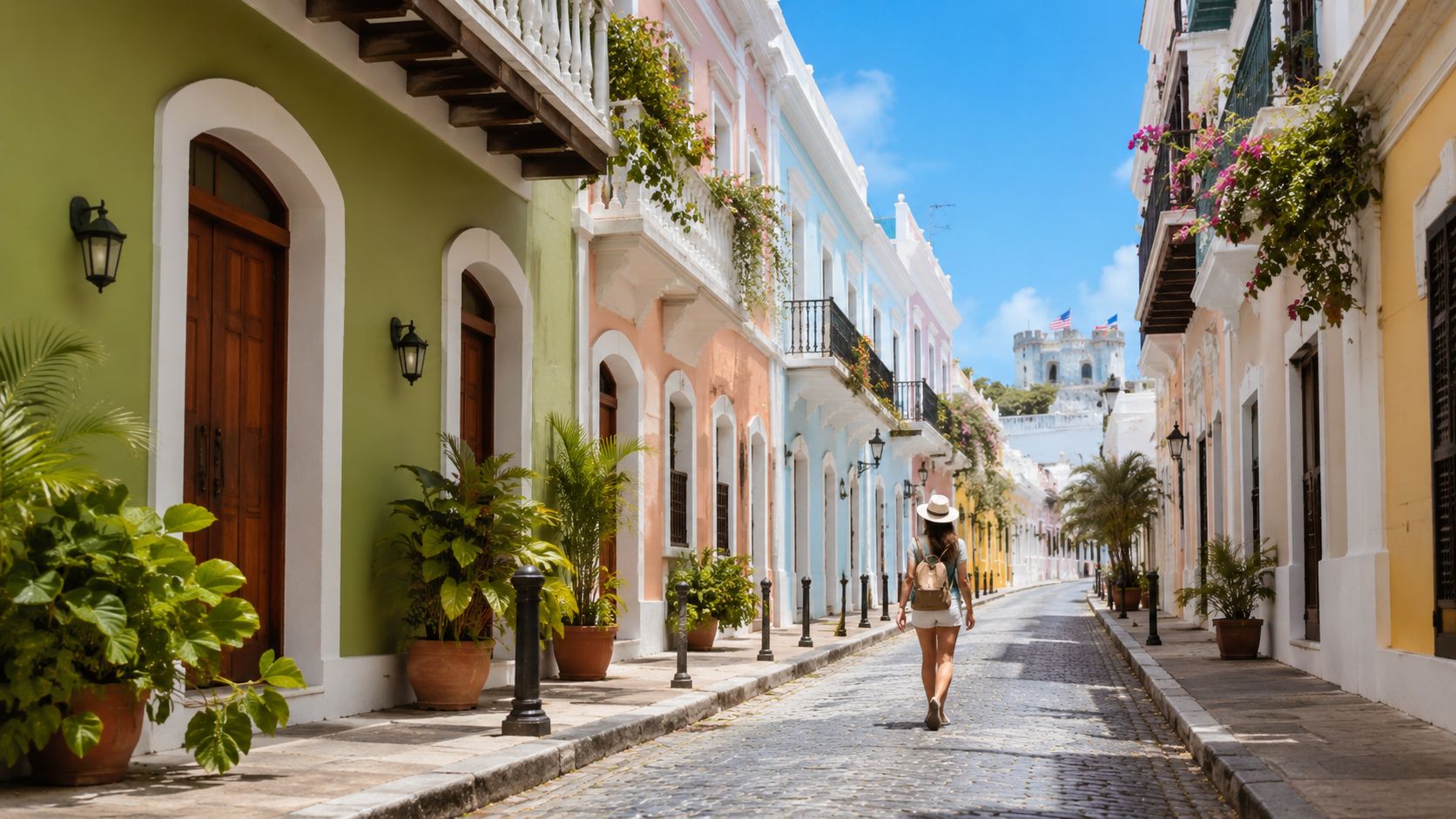
A long weekend opens up fast in Puerto Rico. A U.S. traveler can book a flight, skip passport logistics, land in San Juan, and start the trip with real substance instead of spending half the budget and energy just getting there. That convenience matters most for shorter trips, first Caribbean trips, and anyone trying to keep planning simple.
Puerto Rico is rarely the absolute cheapest island once you're on the ground. It is often one of the easiest places to keep a trip efficient. That distinction matters. If you only have five to seven days, lower friction can save as much money as a cheaper room rate on a harder-to-reach island.
Where Puerto Rico fits in a budget decision
Choose Puerto Rico if you want variety without complicated travel logistics. Few islands let you combine a walkable historic district, city food scene, rainforest day trip, and strong beach finish in one week without turning the itinerary into a transport puzzle.
Best for: U.S. travelers, solo travelers, first-time Caribbean visitors, and couples who want culture and beach time in the same trip.
Typical budget feel: moderate by Caribbean budget standards, but often good value for shorter trips because planning is easy and route efficiency is high.
Trade-offs: San Juan's polished areas can get expensive fast. Rental cars add flexibility outside the city, but they also add parking costs, tolls, and hassle. Culebra and Vieques can be worth it, though ferry timing or short flights make the trip less straightforward than many travelers expect.
How to keep costs under control
Old San Juan is the right starting point for budget-minded travelers because so much of the value is built into the setting. You can spend hours walking the streets, stopping at overlooks, and visiting the fort area without needing a packed paid itinerary. Santurce works better if you want cheaper food options and a more local city base.
Nature is the second part of Puerto Rico's value. El Yunque gives the trip range, and public beaches do a lot of the heavy lifting on lower-budget days. Travelers who build in a few free things to do in Puerto Rico and beyond usually get more out of the island than travelers who try to copy a resort schedule for less money.
One mistake I see often is overcommitting to movement. Puerto Rico rewards a two-base trip more than a rushed island-hopping mindset.
A practical one-week outline looks like this:
- Days 1 to 3: Stay in Old San Juan or Santurce. Focus on walking, food, museums if they fit your budget, and one beach afternoon.
- Days 4 to 5: Move east for El Yunque and nearby beach time, or keep San Juan as your base and do day trips if you want fewer hotel changes.
- Days 6 to 7: Finish in Rincón for a surf-town feel, or choose Culebra if a standout beach is the priority and you're willing to deal with extra transit.
Puerto Rico works best for travelers who want the right affordable island, not just the lowest sticker price. If your travel style values simplicity, mixed experiences, and a shorter planning runway, it earns its place high on this list.
3. Jamaica - Adventure and Culture on a Budget
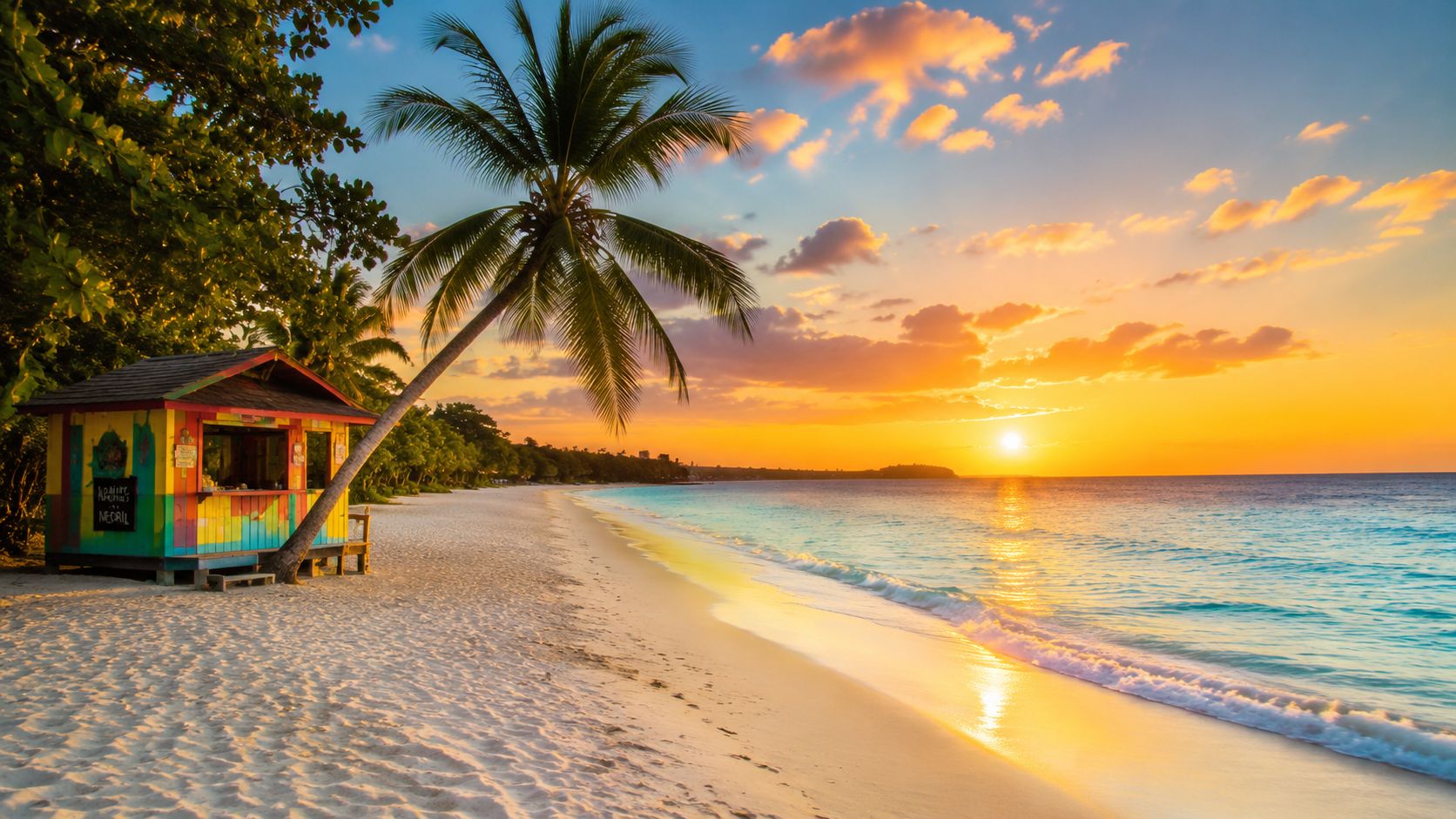
You land in Montego Bay, skip the all-inclusive transfer desk, grab a reliable route to a smaller guesthouse, and by sunset you've spent more on jerk chicken, a cold drink, and a beach chair than on any formal activity. Jamaica can still work like that. For travelers who want energy, food, music, and outdoor days without paying resort prices all week, it remains one of the stronger value picks in the Caribbean.
The budget case here depends on choices. Jamaica gets expensive fast if you stay inside the polished resort belt, book private transfers for every move, and stack paid excursions back to back. Costs stay reasonable when you use Montego Bay as a gateway, choose locally run stays, and build the trip around public beaches, food spots, short taxi rides, and one or two paid highlights instead of five.
A realistic budget range for many independent travelers is about $75 to $140 per day before flights. The lower end usually means guesthouses, simple local meals, and careful transport planning. The higher end buys more comfort, easier transfers, and room for a few organized activities. That range matters more than any single "cheap island" label because Jamaica can fit very different travel styles.
Where Jamaica gives you the most for your money
Negril is the easiest pick for travelers who want beach time, walkable stretches, and enough bars and restaurants to keep evenings interesting without constant transport costs. Port Antonio usually feels more rewarding for travelers who care less about nightlife and more about scenery, local character, and a less packaged version of the island. The Blue Mountains add a cooler, quieter contrast and work best for hikers, coffee fans, and anyone who gets bored after too many identical beach days.
Montego Bay is often best treated as an arrival point, not your main base.
That single decision can improve the whole budget. Room rates often climb there faster than the experience does, especially if you're comparing it with smaller properties in Negril or guesthouses farther east.
Best for, trade-offs, and daily planning
Jamaica suits culture-first travelers, active couples, friend groups sharing rooms and taxis, and return visitors who want more than a resort week. It is a weaker fit for travelers who want low-effort public transport, rigid schedules, or a polished beach-town feel at every stop. The island rewards flexibility, but it also asks for judgment.
A practical week gives you enough variety without turning the trip into a transfer marathon:
- Days 1 to 3: Base in Negril for beach time, sunsets, casual nightlife, and low-cost food days built around jerk stands, patties, and small restaurants.
- Days 4 to 5: Move to Port Antonio for rivers, coves, and a more local rhythm. Budget extra for transport because the scenery is worth it, but the logistics are slower.
- Days 6 to 7: Finish in the Blue Mountains if hiking and cooler air appeal to you, or choose Ocho Rios if you want easier access to organized adventure activities.
That split helps answer the main question behind this article. Jamaica is not always the cheapest island on paper. It is often the right affordable island for travelers who want culture and activity in the same trip.
One caution matters here. Overplanning is where budgets slip. Jamaica usually works better with one major activity every day or two, then open space for beach afternoons, roadside meals, music, and the kind of small local stops that make the island memorable. Solo travelers, especially women, should book established accommodations, use registered drivers or trusted taxi recommendations, and get current local advice before heading out after dark.
4. Haiti - The Caribbean's Most Underrated Budget Destination
Haiti asks more of the traveler than any other island on this list. That's not a flaw. It's the truth. If you want a frictionless beach week, choose somewhere else. If you want a trip shaped by art, language, history, and a very different sense of Caribbean identity, Haiti can be unforgettable.
The affordability argument here is qualitative, not spreadsheet-clean. Haiti can be a lower-cost destination for travelers who move carefully, work with trusted local operators, and keep expectations rooted in reality. But this is not a place to treat casually, and it isn't a destination to approach with generic internet optimism.
What makes Haiti meaningful
Jacmel is often the right entry point for travelers drawn to Haiti's creative life. It offers color, coastal energy, and an arts tradition that many visitors find more compelling than conventional resort appeal. Kenscoff gives a different contrast, with mountain air and a calmer rhythm. Even brief time in local markets, artisan spaces, and street scenes can make the trip feel deeper than a simple beach itinerary ever could.
That said, Haiti requires current safety research before booking. Conditions can change. Advice can age badly. Anyone considering Haiti should check official travel guidance, talk to operators with current on-the-ground knowledge, and avoid independent improvisation.
Reality check: The cheapest destination is never the cheapest if bad planning creates safety problems, missed transfers, or last-minute changes.
Best for and who should skip it
Best for experienced travelers who prioritize cultural immersion, can handle uncertainty, and are willing to build the trip around security rather than convenience. It's also better for travelers joining a planned route than for people who prefer to figure everything out on arrival.
A sensible structure is to base yourself in one or two locations rather than trying to cover too much ground. Jacmel paired with a carefully arranged day or overnight extension usually works better than a fast-moving circuit.
Who shouldn't choose Haiti? First-time solo travelers to the Caribbean, travelers uncomfortable with fluid logistics, and anyone who needs a highly predictable environment. The island can offer a profound experience, but it has to be the right match. Budget travel only works when risk awareness stays ahead of cost savings.
5. St. Lucia - Budget Beaches and Natural Beauty
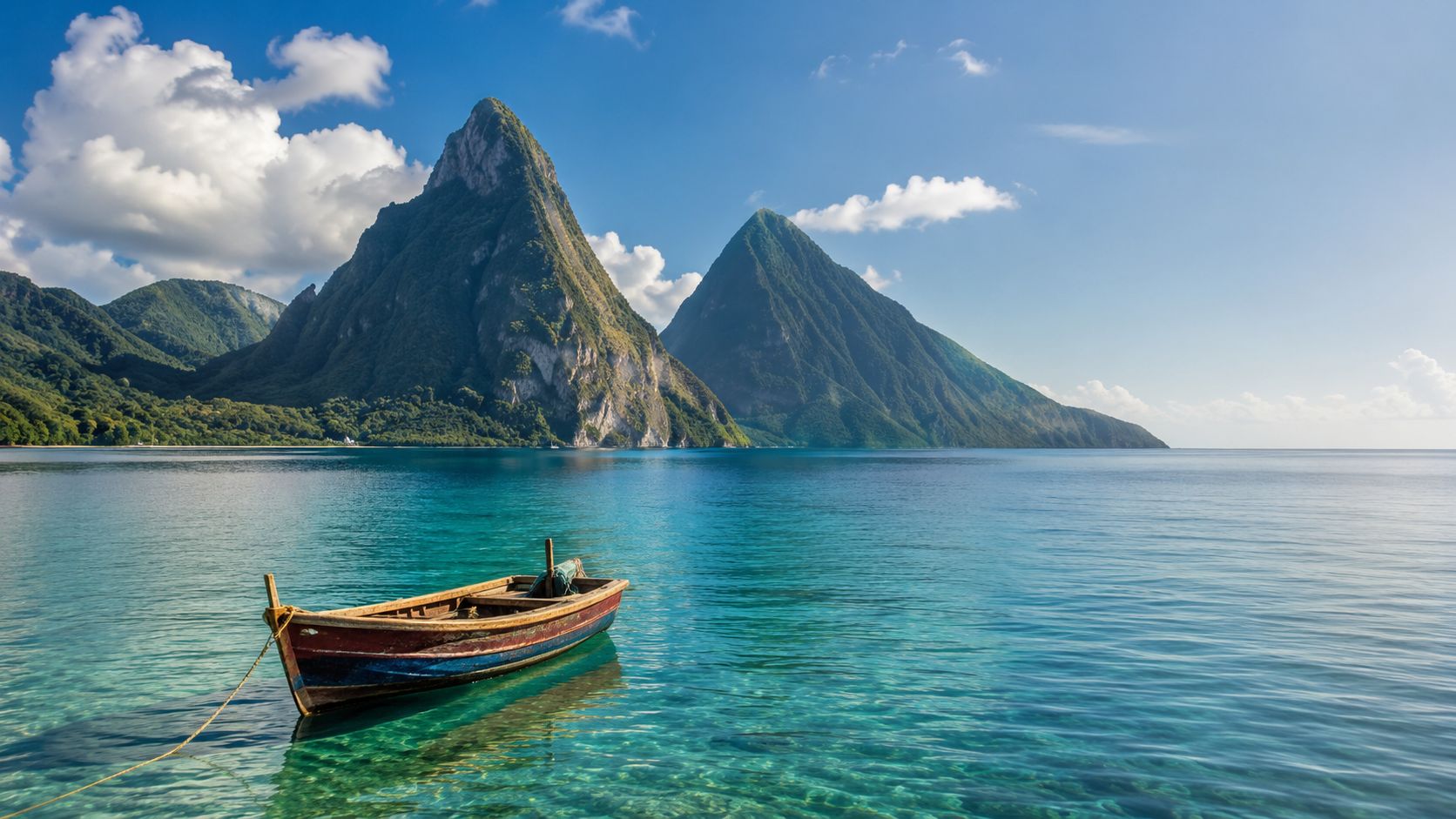
St. Lucia doesn't usually headline lists of the cheapest Caribbean islands, but that's because many travelers only see the honeymoon version of it. If you shift your base away from the most polished resorts, the island becomes much more approachable. The reward is scenery that feels unusually dramatic for a budget-conscious trip.
The visual identity carries this island. The Pitons, the volcanic interior, the fishing villages, the roadside viewpoints. Even when you're spending carefully, St. Lucia can feel expensive in the right way. Not because the bill is high, but because the natural beauty gives you a lot back.
How to spend less and still get the best of it
Soufrière is often the smartest base. You stay close to the island's most distinctive scenery and avoid some of the higher-cost feel of more conventional tourism hubs. Gros Islet works well if you'd rather be near a lively local scene, especially around its Friday night street energy.
A good low-stress itinerary looks like this:
- Base in Soufrière: Use it for views, hikes, and easy access to natural attractions.
- Add a village evening: Gros Islet or Anse-la-Raye can deliver more personality than a resort dinner.
- Keep beach expectations flexible: This is more of a scenery-and-nature island than a pure sand-and-loungers destination.
For travelers comparing islands with similar tropical appeal, it helps to think in categories. Barbados might suit travelers who want a more polished and classic beach structure, while St. Lucia leans scenic and volcanic. If you're weighing that style difference, this guide to activities in Barbados is a useful contrast point.
Best for and the trade-off
Best for couples, photographers, and travelers who want beauty without needing a luxury package to enjoy it. It also suits people who like a trip with a strong sense of place rather than endless interchangeable beach days.
The trade-off is transport. Distances can feel longer than they look, and convenience often costs money. If you keep changing bases, the logistics can eat into the budget. St. Lucia works better when you choose one smart home base and let the island come to you in day trips and local evenings.
6. Grenada - Spice Island Value and Hidden Beaches
You feel Grenada's value in the daily rhythm more than in a flashy price tag. A morning can start with nutmeg and cocoa scents at the market, turn into a beach swim by lunch, and end with grilled fish at a local spot that doesn't punish your budget for the view. For travelers trying to choose the right affordable island, not just the cheapest one, that balance matters.
Grenada suits people who want a calmer Caribbean trip with enough comfort to feel like a vacation and enough local life to keep it from feeling staged. St. George's is the practical base. It gives you walkable color, easy food options, and straightforward access to Grand Anse without forcing you into resort pricing at every turn.
The spending pattern here is pretty clear. Grenada can be reasonable if you stay in a guesthouse or modest hotel, eat some meals locally, and use taxis selectively rather than constantly. Costs climb fast once the trip revolves around beachfront resorts, hotel dining, and short taxi hops that add up over several days.
Where Grenada delivers value
Grand Anse gets the attention, and fairly so, but the island's best value often comes from pairing that famous stretch with the quieter parts of the day. Shop in town. Get off the main beach strip for a slower afternoon. Plan one inland outing instead of trying to buy entertainment every night.
Carriacou is the smart add-on for travelers with at least a week. It gives you a second island experience without the complexity of a full regional hop, and it changes the tone of the trip in a good way. The trade-off is time. If you only have four or five nights total, staying on Grenada proper usually keeps the budget and logistics under better control.
A realistic budget range for many travelers is moderate rather than ultra-cheap. Expect better value from simple stays, local lunches, minibuses where practical, and a lighter activity schedule built around beaches, town time, and one or two paid outings.
Best for and a smart trip shape
Best for couples, slower travelers, and anyone who wants beach time without making nightlife the center of the plan. Grenada also works well for travelers who like a few active days mixed into an otherwise easy trip. If that sounds like you, these adventurous things to do on a Caribbean trip fit Grenada's style well, especially if you want more than a resort-and-sand routine.
A strong trip shape is simple: stay four nights in or near St. George's, give Grand Anse one full day and one partial day, then use the rest for town, a market morning, and one inland excursion or beach outside the main hub. If you have two extra nights, add Carriacou. If you do not, skip it.
Grenada's trade-off is that convenience costs money faster than you expect. The island rewards travelers who choose one base, keep transport decisions deliberate, and treat the famous beach as part of the trip rather than the whole plan.
7. Dominica - Adventure and Eco-Tourism on a Shoestring
Dominica is for people who hear "Caribbean" and think jungle first, beach second. It doesn't sell a polished fantasy. It sells waterfalls, rainforests, steep roads, village life, and the feeling that the island still belongs mostly to itself. For budget travelers who get restless after two beach days, that's a gift.
This is also where seasonality can make a big difference. Available guidance on Caribbean budget optimization notes that off-season and shoulder-season pricing can reduce room rates by up to 30% in May and up to 40% in October compared with winter peaks, while self-catering apartments commonly start around $80 to $120 per night and budget guesthouses can fall below $60 per night in some locations (Caribbean seasonality and lodging guidance). Dominica is the kind of island where those strategies matter because nature, not nightlife, is the main attraction.
Why Dominica suits budget adventurers
Roseau is practical, but smaller bases often feel richer. Rosalie gives you a quieter launch point into the island's natural side. Portsmouth can work too if you want a slower atmosphere and are happy to organize outings from there. Dominica rewards travelers who don't need constant amenities.
The island's strongest budget feature is simple. Many of the best experiences are hikes, swims, viewpoints, and village-to-village movement. You're not paying to manufacture adventure. You're paying to access it safely and sustain it sensibly.
A trip here usually works best in this rhythm:
- One base, many outings: Change accommodation less, explore more.
- Guided hikes where needed: Especially for tougher routes or remote terrain.
- Kitchen access if possible: Self-catering works especially well on nature-heavy itineraries.
Best for and what to know
Best for hikers, eco-minded travelers, and anyone who'd rather come home with muddy boots than resort photos. It's also excellent for photographers who care more about natural views and texture than polished beach scenes.
The trade-off is comfort and convenience. Dominica can feel rugged, wet, and logistically loose. That's part of the appeal, but only if you want that kind of trip. If you do, it's one of the strongest values in the region. For travelers who want to lean into that adventurous side, these ideas for adventurous things to do fit the mindset well.
8. Curaçao - Caribbean Color and Culture Under Budget
Curaçao is often underestimated by budget travelers because it looks polished in photos. Willemstad's bright facades, the harbor views, the beach clubs, the Dutch-Caribbean styling. It can read as expensive before you even book. In practice, it's one of the more manageable islands for travelers who like cities, architecture, and independent exploring.
The city itself does a lot of the heavy lifting. Willemstad gives you color, movement, and distinct neighborhoods without asking you to pay admission just to enjoy the place. Otrobanda and Punda both reward slow wandering, and that's a quality many budget travelers underestimate when choosing among affordable Caribbean islands.
How to make Curaçao work
Stay close to where you can walk. That's usually the first money-saving move. If you need a car for every beach, market, and dinner, the island gets pricier fast. If your days begin in a neighborhood with food, views, and transit options, the budget stretches much further.
Curaçao also benefits from the broader Caribbean budgeting rule that local transport, groceries, and self-catering can matter as much as room rates. Independent budget travel advice points out that taxis can be expensive on some islands, shuttle services may be limited, and staying away from resort strips or booking self-catering apartments can materially cut the trip cost. It also notes that many Caribbean beaches are public, so travelers can save by staying inland and visiting beaches without paying resort premiums (door-to-door Caribbean budget advice).
Best for and what to avoid
Best for travelers who want culture and beach time in the same frame. It's especially strong for urban explorers, divers, snorkelers, and photographers who enjoy color and street texture as much as shoreline time.
A good week here is three days in Willemstad, two beach-focused days built around public-access spots, and a couple of flexible days for snorkeling, neighborhood exploring, and slow meals. What doesn't work is booking a stylish stay far from everything, then patching over the distance with repeated taxi rides. Curaçao rewards independence. If that's your travel style, it can be one of the smartest values in the southern Caribbean. And if you're comparing colorful, walkable destinations beyond the Caribbean, this guide to things to do in Tulum offers an interesting contrast in how vibe affects budget.
Budget Caribbean Islands: 8-Island Comparison
| Destination | Planning Complexity 🔄 | Typical Daily Budget ⚡ | Experience Quality ⭐ | Ideal Use Cases 📊 | Key Advantages / Tips 💡 |
|---|---|---|---|---|---|
| Dominican Republic | Low–Moderate, well-developed tourism; research some areas | $30–50/day | ⭐⭐⭐⭐, beaches + mountains, flexible value | Budget multi-experience travelers, solo backpackers | Cheap guesthouses/meals; use guaguas, visit green season |
| Puerto Rico | Low, U.S. territory simplifies logistics | $40–60/day | ⭐⭐⭐⭐, strong infrastructure and culture | U.S. travelers w/o passport, short cultural trips | No passport needed for Americans; stay Santurce for value |
| Jamaica | Moderate, pick safe towns; some safety research | $35–55/day | ⭐⭐⭐⭐, rich music/culture and adventure | Reggae/culture seekers, waterfall hikes, backpackers | Eat local, stay Negril/Ocho Rios, hire local guides |
| Haiti | High, requires planning, guides, and safety checks | $25–40/day | ⭐⭐⭐, unmatched authenticity but rugged logistics | Adventurous travelers seeking art/culture on a budget | Use reputable guides, learn French/Creole, get insurance |
| St. Lucia | Moderate, limited public transport, some paid guides | $45–65/day | ⭐⭐⭐⭐, dramatic landscapes and volcano views | Nature lovers, budget honeymooners, hikers | Base in Soufrière, use minibuses, visit Pitons and fish fry |
| Grenada | Low–Moderate, small island, fewer tourists | $40–55/day | ⭐⭐⭐⭐, authentic, quiet beaches and spice tours | Relaxed beach seekers, spice/food enthusiasts, island-hoppers | Visit spice plantations, stay St. George's, ferry to Carriacou |
| Dominica | Moderate–High, rugged terrain; guides recommended | $40–60/day | ⭐⭐⭐⭐, premier eco/adventure destination | Eco-tourists, serious hikers, wilderness explorers | Hire local guides, pack hiking gear, base in small towns |
| Curaçao | Low, developed, English-friendly, outside hurricane belt | $50–70/day | ⭐⭐⭐⭐, diving, culture, colorful architecture | Divers, culture/architecture fans, hurricane-averse travelers | Stay Punda/Otrobanda, snorkel from shore, use buses |
Choosing Your Perfect Affordable Paradise
The best affordable Caribbean island isn't a universal answer. It's a personal one. A lot of travelers waste money by chasing the cheapest-looking destination instead of the one that best fits how they move through a trip.
If you want the most dependable all-around value, the Dominican Republic is the easiest place to start. It works for many budgets, supports different trip styles, and gives you room to mix beaches, cities, and inland scenery without rebuilding the whole itinerary every two days. If your priority is simplicity and you want to avoid extra international friction, Puerto Rico stays compelling for U.S. travelers because the logistics are so straightforward.
Jamaica is the right pick when culture matters as much as cost. It isn't just about saving money. It's about getting something vibrant back for what you spend. Grenada offers a gentler version of that equation. Dominica is the strongest fit for travelers who'd happily trade polished comfort for rainforest adventure and a more self-directed kind of trip. St. Lucia makes sense when scenery is the deciding factor and you're willing to stay strategically rather than chase the island's luxury image.
Haiti belongs in a category of its own. It may appeal to travelers who want a deeper, more demanding cultural experience, but only if they're prepared to plan around current safety realities and use trusted local support. Curaçao works best for people who love walkable city energy, architecture, and independent beach days. It can be very good value, but mostly for travelers who reduce transport costs through smart location choices.
If you're trying to choose quickly, use three filters. First, ask what kind of days you want to have. Beach-heavy, culture-heavy, hiking-heavy, or mixed. Second, ask how much logistics friction you're willing to tolerate. Some islands reward flexibility. Others punish poor planning. Third, ask where your budget tends to leak. For some travelers it's accommodation. For others it's taxis, tours, and impulse dining in obvious tourist zones.
That's the core framework. Not "Which island is cheapest?" but "Which island lets me travel well without paying for things I don't need?"
Travel Talk Today covers exactly that style of planning. Slow down, compare your likely daily rhythm, and build the trip around your actual habits rather than a fantasy version of yourself. That's usually where the savings are. It's also where the better memories tend to start.
If you're narrowing down your shortlist, Travel Talk Today is a useful place to keep researching practical, affordable trip ideas, budgeting strategies, and slower ways to experience the Caribbean without defaulting to the most expensive version of paradise.