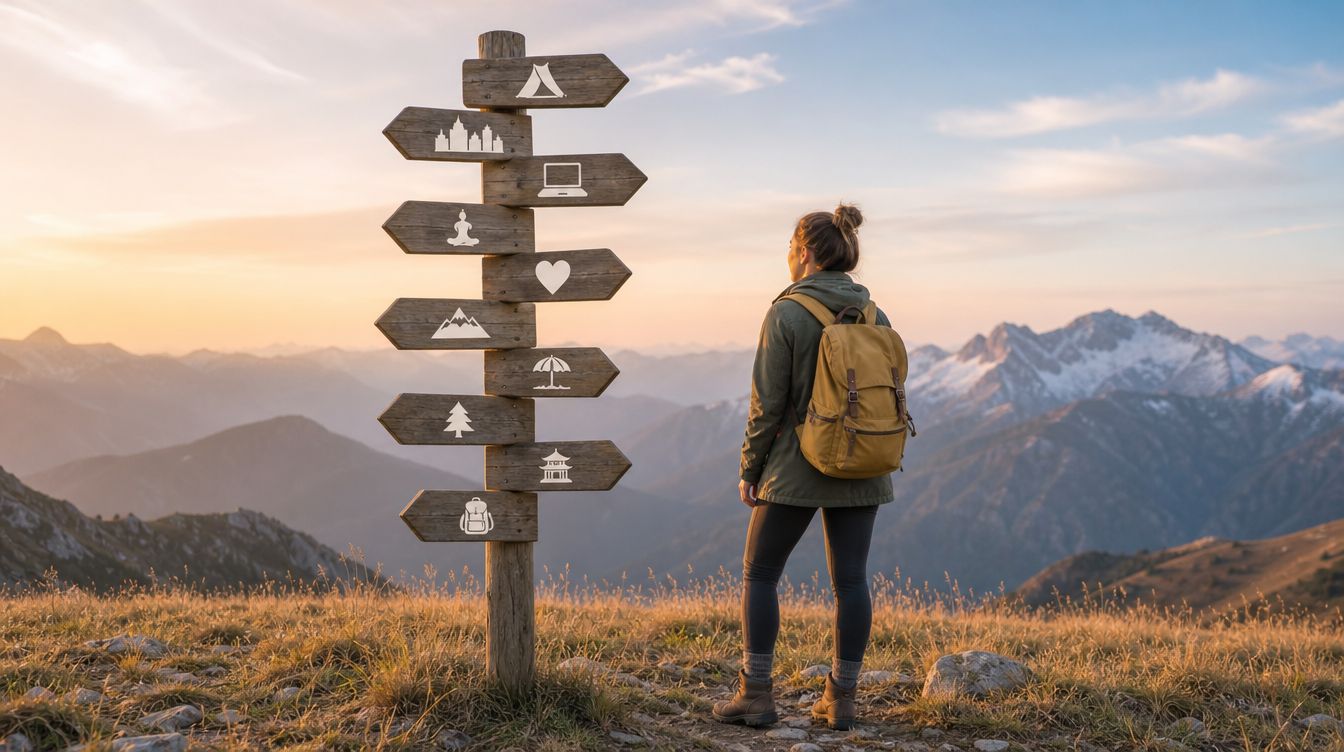
You're probably staring at a map of South America with too many tabs open, too many opinions in your head, and one practical question underneath all the daydreaming. Where should you go?
That's the hard part with this continent. It isn't one trip. It's several different kinds of trips competing for your time. You can spend your mornings walking through cloud-wrapped ruins in Peru, your afternoons eating street food in a Caribbean port city, and your nights under a desert sky so clear it barely looks real. The best places to visit in South America aren't “best” in a vacuum. They're best for the kind of traveler you are, the pace you want, and the trade-offs you're willing to make.
Some places reward planning. Others reward flexibility. Some are worth paying more for because the experience is hard to replicate anywhere else. Others only shine when you skip the polished version and stay local. That difference matters, especially if you're traveling on a backpacker budget, moving solo, or trying to avoid turning a meaningful trip into an expensive sprint between famous photo spots.
This guide keeps the list tight and practical. You'll find destinations sorted by what they deliver: adventure, culture, wildlife, city energy, and slower community-based travel. For each one, I've included a traveler's toolkit approach. That means real planning notes, honest trade-offs, safety considerations for solo travelers, sustainability angles that go beyond buzzwords, and alternatives when the headline attraction feels too crowded or too obvious.
South America rewards travelers who stay curious, move slower, and make sharper decisions on the ground. Start with the place that matches your style, not the place with the loudest reputation.
1. Machu Picchu, Peru
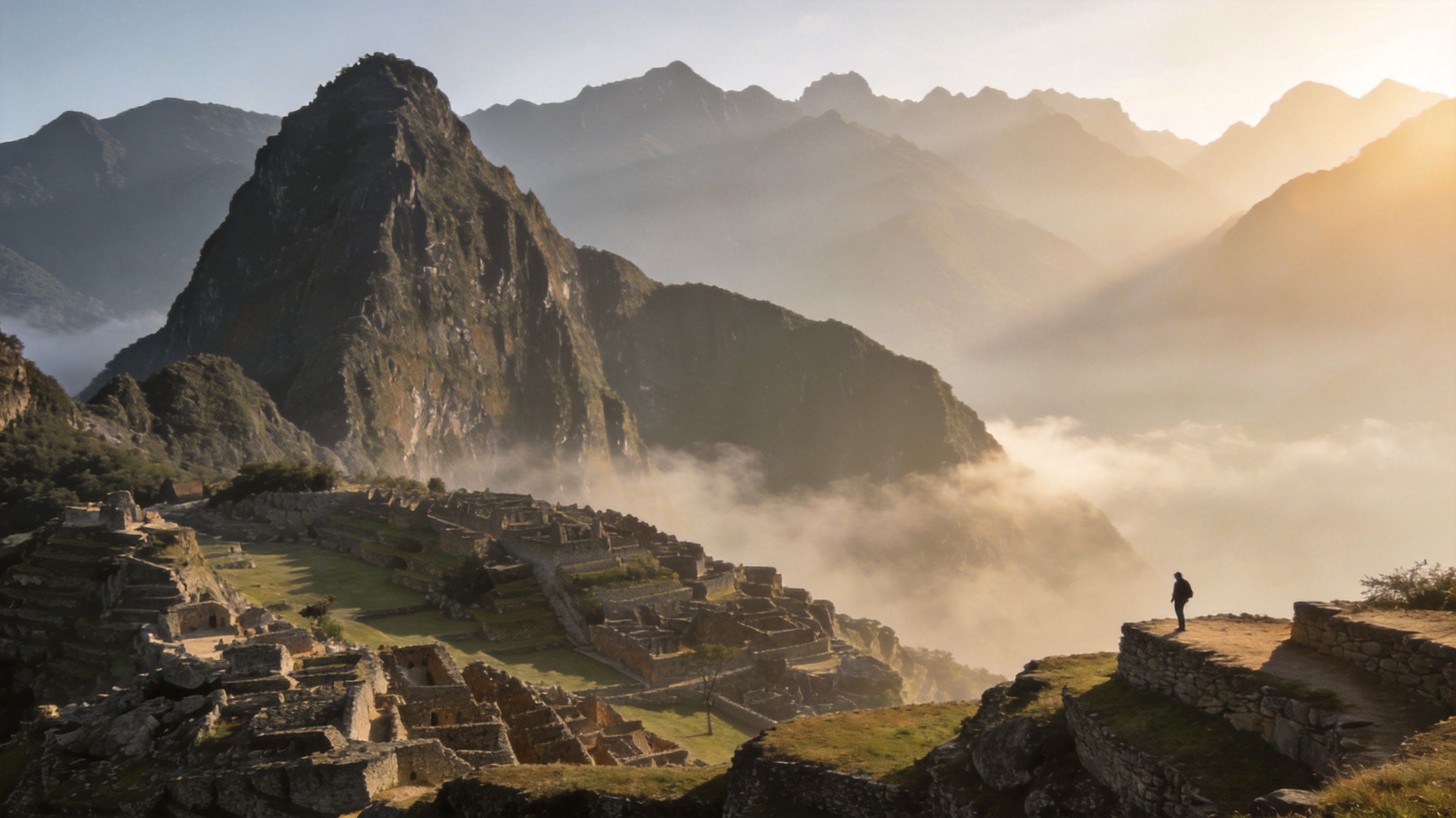
Machu Picchu earns its place on almost every South America shortlist because it still delivers, even after years of overexposure online. The ruins sit high above the Sacred Valley with that rare mix of scale, silence, and engineering that photos flatten. If you want a trip that combines history, mountain scenery, and a strong emotional payoff, this is still one of the best places to visit in South America.
What works is treating it as a multi-day experience, not a rushed day trip. Spend time in Cusco or the Sacred Valley first, get used to the altitude, and arrive with enough energy to enjoy the site instead of fighting a headache and short breath.
Traveler's toolkit
- Best fit: Travelers who want a landmark destination with real cultural weight.
- Budget shape: Entry is generally in the $30 to $50 range, while guided experiences can range from $50 to $200 depending on route and setup.
- Time strategy: Give yourself a few days before the visit for acclimatization and a calmer pace.
- Solo travel note: Early starts are easier, calmer, and better for navigation if you're traveling alone.
The classic move is the Inca Trail. It's famous for a reason, but it isn't the only good option. If you want more wilderness and fewer people, Salkantay is often the better call. If your priority is cultural context, hiring a local guide can turn the site from “beautiful ruins” into something far more legible.
Practical rule: Don't spend all your energy chasing the perfect sunrise photo. Save enough attention for the stonework, terraces, and the geography of the ridge itself.
What works and what doesn't
What works: booking in advance during busy periods, packing layers, and getting through the gate early. Conditions shift fast between sun and shade, and the site feels very different before the main wave of visitors builds.
What doesn't: flying into Cusco, sleeping badly, and trying to “push through” altitude. That plan ruins more visits than bad weather does.
If you want a deeper trip around the ruins instead of a box-checking stop, pair Machu Picchu with other authentic travel experiences in the region. The surrounding valley often gives you the cultural texture the landmark itself can't hold on its own.
A smart alternative is to add lesser-visited nearby trails or archaeological stops rather than extending your time inside the main site. You'll keep the magic and lose some of the crowd fatigue.
2. Cartagena, Colombia
By late afternoon, Cartagena can split into two different trips. One traveler is paying premium prices for cocktails inside the walled city and wondering why everything feels polished for visitors. Another is a few blocks away in Getsemaní, eating a solid set lunch, joining the evening street life, and getting a city that feels more human. That choice shapes the whole stay.
Cartagena fits travelers who want culture without heavy logistics. You get colonial architecture, Caribbean food, Afro-Colombian influence, music, and easy coastal add-ons in a compact area. It also rewards selectivity. A better trip usually comes from choosing a neighborhood well, starting early, and resisting the urge to book every glossy island excursion.
Traveler's toolkit for culture-first trips
For budget-conscious travelers, Cartagena works best as a short, focused stop rather than a long city break. Costs climb fast in the Old Town, especially for hotels, drinks, and short taxi rides. Getsemaní usually gives the better balance of price, atmosphere, and walkability, with enough energy at night to feel social without forcing you into the most expensive blocks.
A practical daily budget can stay reasonable if you keep the plan simple. Budget travelers can get by on guesthouse rates in Getsemaní, local lunches, walking, and selective paid activities. Mid-range travelers will find plenty of attractive boutique stays, but this is one of those cities where aesthetics can outrun value. Paying more does not always buy a better experience.
- Best for: Culture-focused travelers, first-time Colombia visitors, short trips, and solo travelers who want an easy social base
- Stay choice: Getsemaní for atmosphere and better value. Old Town for convenience if you accept higher prices
- Food strategy: Eat lunch at local spots away from the main squares, then keep dinner flexible
- Transport rule: Walk short distances when practical. Use registered cars or app-based rides for late returns
- Trip length: Two to three well-planned days is usually enough for the city itself
- Off-path option: Spend time in neighborhoods and markets with a local guide instead of filling every day with beach club transfers
What to spend on, and what to skip
Spend on a well-located stay with good airflow or strong air conditioning. Cartagena's heat wears people down faster than they expect, and a miserable room can sour the whole visit. Spend on one good guided experience too, especially if you want context on the city's layered history instead of a surface-level walk past pretty balconies.
Save money by skipping random taxi hops, booking island trips directly when possible, and avoiding restaurants that trade only on plaza views. Colectivos and local buses can be useful in the right context, though many travelers will prefer to walk within the central districts and pay for transport only when the heat or timing makes it sensible.
Solo safety, sustainability, and local texture
Solo travel here is straightforward if you stay alert after dark and keep nightlife decisions disciplined. Tourist-heavy streets attract hustlers, inflated prices, and the kind of attention that gets tiring fast. Daytime is when Cartagena feels easiest. Early walks in the walled city and slow wandering through Getsemaní usually give a better read on the place than a bar crawl ever will.
Walk the walled city early, before the heat builds and before the day-trip traffic changes the mood.
For a less staged version of Cartagena, Bazurto market shows the city's working rhythm, but it is not a place for careless wandering. Go with a local-led tour or someone who knows how the market works. The same rule applies to sustainability. Put money into neighborhood-run food tours, small guesthouses, and independent guides rather than defaulting to high-volume operators. Cartagena is easy to consume quickly. It gets more interesting when you spend with intention.
3. Salt Flats of Atacama, Chile
Northern Chile feels stripped back to the essentials. Salt, rock, wind, volcanoes, geysers, and sky. If you travel for natural scenery that makes normal scale feel meaningless, the Atacama belongs near the top of your list. This isn't a city break with scenic add-ons. It's a place where the environment is the whole point.
San Pedro de Atacama is the practical base, but it's the surrounding terrain that justifies the trip. Flamingo lagoons, mineral colors, high-altitude viewpoints, and pre-dawn geyser departures make this one of the strongest adventure destinations in South America for travelers who don't need comfort to be impressed.

The trade-offs
Atacama gives you stunning terrain, but it also asks something back. The altitude is real. The temperature swings are real. The town can feel over-touristed if you stay too long and never leave the main drag. This is a destination where pacing matters more than ambition.
Give yourself time to acclimatize before booking every high-altitude excursion back-to-back. A packed schedule looks efficient on paper and feels terrible in your body.
- Best fit: Nature photographers, hikers, and travelers who like austere places.
- What to pack: Layers, strong sun protection, and more water than you think you'll need.
- Booking tip: Shop around in San Pedro instead of grabbing the first package online.
- Best rhythm: A few nights in town, then a small number of well-chosen tours.
What works on the ground
The best Atacama days start early. El Tatio especially is worth the brutal alarm if you want the geysers at their most dramatic. By contrast, trying to sleep in and “fit everything around brunch” is exactly how this place loses its edge.
For solo travelers, group tours are often the easiest and safest format because the distances are long and the terrain can feel harsh if anything goes wrong. Look for operators that explain altitude risks clearly and don't oversell the physical ease of a day.
The desert looks empty. It isn't forgiving.
If Atacama is your style, build your days around fewer sites with more time in each one. Racing from viewpoint to viewpoint usually produces the same tired photos everyone else gets. Staying longer at a lagoon or arriving before the bigger tour circuits often gives you the experience you came for.
4. Galápagos Islands, Ecuador
The Galápagos are the place to go when wildlife is the priority and you want a trip that feels bigger than sightseeing. You're not coming for nightlife, urban culture, or bargain travel. You're coming to watch how a protected ecosystem functions when conservation still shapes the visitor experience.
That's why the islands justify the effort. They don't feel interchangeable with other beach destinations. The species, volcanic terrain, and close-range encounters create a different kind of trip. It's less about checking landmarks and more about attention.

Land-based travel beats the cruise for many travelers
A lot of travelers assume the Galápagos are only realistic as a cruise destination. That isn't the only path. Island-hopping can make the experience more accessible and often more flexible. Verified planning notes support this directly. Land-based travel can save roughly $500 to $2000 compared with cruise packages, and a meaningful island-hopping trip is often budgeted around $1500 to $2500 for 10 to 14 days.
That matters if you care about stretching money without giving up the core experience.
- Base strategy: Stay mostly on Santa Cruz and branch out.
- Budget move: Use ferries and local day tours rather than committing to a premium cruise.
- Best fit: Wildlife lovers, snorkelers, photographers, and conservation-minded travelers.
- Solo note: Day tours are easy ways to meet people without losing independence.
Sustainability is not optional here
The Galápagos punish careless travel more than almost anywhere else on this list. You can feel when a traveler treats the islands like a theme park. Respecting trail rules, wildlife distance, and local operators isn't a nice extra. It's the basic standard.
If you want to travel well here, read up on sustainable tourism practices before you go. The islands are one of the clearest examples of why your booking choices and daily habits matter.
Don't chase the cheapest possible version of the Galápagos if it means ignoring who maintains the ecosystem you came to see.
The best days here often combine a guided wildlife activity with a slower afternoon on land. Tortuga Bay walks, snorkeling trips, and visits tied to conservation interpretation usually offer more than trying to cram too many crossings into one itinerary. Keep your plans light enough to stay observant. That's the whole reward.
5. Sacred Valley, Peru
If Machu Picchu is Peru's headline, the Sacred Valley is where many travelers start to understand the country. This region is calmer, broader, and easier to sink into. Terraced hillsides, Quechua communities, markets, weaving traditions, and old stone villages make it one of the best places to visit in South America if your idea of a strong trip involves depth instead of speed.
It's also one of the best value-for-experience destinations on this list. You can spend less here than in Cusco and still get more meaningful days.
Why the Sacred Valley often beats staying in Cusco
Cusco is useful. It's connected, busy, and full of traveler services. But if you stay there the entire time, the region can start to feel like a queue. Pisac, Ollantaytambo, and Urubamba give you a softer landing and often a better daily rhythm.
You can move between towns cheaply, eat in family-run spots, and build days around ruins, markets, and community-based experiences without the same tourist churn. Verified planning notes for this destination put basic daily budgets around $20 to $35, with local buses and comedores keeping costs especially manageable.
- Best fit: Slow travelers, budget backpackers, and culture-focused visitors.
- Where to base: Pisac for market energy, Ollantaytambo for atmosphere and rail access, Urubamba for a practical hub.
- What to prioritize: Village time, workshops, and local-led interpretation.
- What to skip: Overpacked “Sacred Valley in one day” tours.
The better version of this trip
The stronger plan is simple. Pick one town, stay a little longer, and let the valley open up at walking pace. A weaving workshop or farm-based stay will usually teach you more than another rushed ruins stop.
There's also a language angle here that many travelers underestimate. Even a little Spanish changes your access to markets, buses, and local conversations. If that matters to you, practical language prep like this guide to Spanish for travelers is worth doing before you arrive.
The Sacred Valley rewards patience. The more tightly you schedule it, the less of it you actually feel.
For solo travelers, this region often feels gentler than larger city bases. You still need common-sense caution, especially after dark and during transit, but the day-to-day travel style is less intense. If your South America trip needs one place to slow down, reset your budget, and reconnect with why you're traveling, this is a strong candidate.
6. Rio de Janeiro, Brazil
You finish a sunrise walk at Arpoador, grab a strong coffee in Ipanema, then spend the afternoon under rainforest canopy in Tijuca. By night, you are listening to live samba in a crowded bar where the music matters more than the decor. Rio can give you that kind of day. Few cities combine beach, mountain, and neighborhood culture this well.
It also punishes lazy planning. Rio works best for travelers who want big energy but are willing to make careful choices about where they stay, how they move around, and what kind of experiences they pay for.
Why Rio earns its place
Rio suits travelers who want variety without changing bases. You can hike, swim, eat well, and get a real feel for local life in the same day. That range is the city's strongest advantage, especially for people building a South America trip around travel style rather than a simple checklist. For adventure travelers, the draw is obvious. For culture-focused visitors, the neighborhood differences matter more than the landmark count. For budget-conscious travelers, Rio is possible, but only if you avoid the polished tourist version of the city.
Stay with intent. Botafogo is practical and well connected. Santa Teresa has more character and a slower rhythm, but hills and transport can be annoying after a long day. Lapa puts nightlife close, which helps if music is a priority, but it is not the calmest base.
- Best fit: Urban travelers, nightlife lovers, hikers, and first-time Brazil visitors who want city life with outdoor access.
- Daily budget shape: Budget travelers can get by on simple guesthouses, public transport, kilo restaurants, and selective nightlife. Mid-range travelers get far more comfort here than luxury-style beachfront spending suggests.
- Solo safety note: Rio is manageable solo, but the margin for bad judgment is smaller than in slower destinations. Keep your phone out of sight when you are not using it, use rideshare at night, and ask your accommodation which streets to avoid after dark.
- Sustainable option: Book walking tours, food tours, and music experiences run by local guides or small neighborhood operators.
- Off-path alternative: Swap one Copacabana block of time for Urca, Praia Vermelha, or a lower-key afternoon in Glória and Flamengo.
The stronger version of a Rio trip
The weak version is obvious. Rush Corcovado, rush Sugarloaf, take photos on the beach, and leave saying Rio was beautiful but exhausting.
The better plan gives each day one anchor. A morning hike in Tijuca Forest, an afternoon on Ipanema or Leblon, then dinner and music in Botafogo or Lapa is plenty. Rio improves when you leave room for transit time, weather changes, and the simple fact that heat and hills slow you down.
If you are building confidence for a first independent trip, practical prep helps more than bravado. A solid set of beginner backpacking habits for planning transport, money, and day-to-day logistics goes a long way here.
Choose favela tours carefully. Good operators are locally connected, clear about where your money goes, and focused on context rather than spectacle. If a tour feels built around voyeurism, skip it.
Rio rewards awareness. The city is more enjoyable when you plan with clear eyes instead of treating every neighborhood the same.
Morning usually gives you Rio at its best. Beaches feel calmer, viewpoints are less crowded, and hikes are more comfortable before the heat builds. That one timing decision can improve both your budget and your experience, since you are less likely to rely on expensive last-minute transport or overpriced tourist stops.
7. Lake Titicaca, Peru and Bolivia
Lake Titicaca works best for travelers who want culture anchored to place. The lake's scale is impressive, but the primary draw is the human one. Island communities, weaving traditions, farming practices, and homestays make this a destination where slowing down is not just recommended. It's the whole point.
The Peru side gets more attention, but the Bolivia side often feels less rushed and more affordable. If you have time, combining both gives you a fuller picture.
What makes this destination different
Many travelers visit only for a quick boat circuit and leave thinking they've “done” the lake. That's the weakest version of the trip. The stronger version is staying overnight, preferably in a community-based setup where the place feels inhabited rather than staged for passing groups.
You'll get more from Taquile or a slower island stay than from treating the lake as a day-tour add-on between larger cities. The region's altitude also means you need to respect your first days here.
- Best fit: Cultural travelers, backpackers, and anyone trying to rebalance a fast itinerary.
- Pacing rule: Acclimatize before adding long lake days.
- Budget shape: Community stays and regional transport usually make this manageable for careful travelers.
- Solo note: Homestays can be a good way to gain structure and local connection without losing independence.
A better backpacker approach
The backpacker-friendly route is often Puno to the lake communities, then across to Copacabana and onward. It's a natural place to travel slower and spend less while still having memorable days. If you're newer to long-term travel, basic backpacking tips for beginners can help you avoid the usual mistakes around overpacking, rushed routing, and trying to do too much at altitude.
One practical lesson matters here. Choose direct community arrangements when you can. Agency-led versions often smooth everything out so much that the place loses its texture.
Stay long enough to hear normal life happening after the day boats leave.
That's usually when Lake Titicaca starts feeling less like an excursion and more like a lived landscape. If your trip needs one destination centered on reflection rather than adrenaline, this is a strong one.
8. Buenos Aires, Argentina
You land in Buenos Aires planning to see a few headline sights, then the city changes the assignment. One late dinner turns into a midnight walk. A bookstore stop becomes an afternoon. A neighborhood you meant to pass through keeps you there for hours. That is why Buenos Aires works best for travelers who like cities with texture, not just attractions.
For this list, Buenos Aires is the culture-and-city-life pick. It suits travelers who want long walking days, strong food, layered history, and enough variety to shape the trip around their style instead of a fixed checklist. It also adapts well to different budgets, which matters if you need a break from the higher costs of flights, tours, or park fees elsewhere in South America.
Why Buenos Aires earns its place
The city rewards travelers who choose neighborhoods carefully. Palermo has convenience and nightlife, but it can burn through a budget fast and feel polished to the point of sameness. San Telmo gives you old Buenos Aires, with markets, worn-in cafes, and streets that still feel lived in. Almagro is one of the better bases for travelers who want local rhythm, good transit, and milongas that feel less staged.
A strong Buenos Aires day does not need much. Coffee and medialunas in the morning. A museum or cemetery visit before lunch. A long walk through parks, bookshops, or mural-lined streets. Then a set lunch, a rest, and tango later in the evening. The city is generous if you let the day breathe.
- Best fit: Culture-focused travelers, solo city explorers, readers, food lovers, and anyone who prefers neighborhoods over landmarks.
- Budget breakdown: Budget travelers can keep costs down with hostels or simple guesthouses, subte and bus rides, lunch specials, and mostly self-guided days. Mid-range travelers get far more comfort here without jumping to luxury prices.
- Solo safety note: Buenos Aires is one of the easier big cities in the region to handle solo, especially in busy central neighborhoods by day. At night, use radio taxis or app-based rides, keep your phone put away on quiet streets, and avoid treating La Boca like an after-dark stop.
- Sustainable angle: Stay in locally run guesthouses, walk between neighborhoods when practical, use public transport, and choose independent tango venues, bookstores, and cafes over chain-heavy areas.
- Worth paying for: One well-chosen tango night or guided cultural tour. Skip the expensive dinner shows unless you want spectacle more than atmosphere.
Traveler's toolkit for getting the city right
The common mistake is building the trip around Palermo, Recoleta, and a quick pass through La Boca. This approach encompasses the famous districts, but it misses the version of Buenos Aires that leaves a lasting impression. Add time in Almagro, Colegiales, Chacarita, or Parque Patricios if you want a city that feels more grounded and less performed for visitors.
For travelers stretching city days without constant spending, this guide to free things to do while traveling fits Buenos Aires especially well. The city gives a lot back to anyone willing to walk, observe, and linger.
Buenos Aires has long been one of South America's main tourism hubs, with one summary noting both its strong visitor numbers and its popularity with travelers, as reported by Worldly Adventurer's review of tourism trends in South America. The practical takeaway matters more than the ranking. This is a city where you do not need to rush or spend hard to have a memorable few days.
If your travel style leans toward culture over adrenaline, Buenos Aires is one of the strongest finishes or reset points on the continent. Give it enough time for ordinary pleasures to matter. That is when the city starts to feel less like a stop and more like a place you briefly belonged to.
Top 8 South American Destinations Comparison
| Destination | Logistical Complexity 🔄 | Resource Requirements ⚡ | Expected Experience ⭐📊 | Ideal Use Cases 💡 | Key Advantages ⭐ |
|---|---|---|---|---|---|
| Machu Picchu, Peru | High, advance permits, multi-day treks, altitude | Moderate–high, guides, transport from Cusco, gear | World-class archaeological views; can be crowded peak season | Trekking, cultural immersion, photography | Iconic Incan engineering; varied trek options |
| Cartagena, Colombia | Low, walkable city; island trips optional | Low, budget hostels, cheap food, affordable tours | Vibrant colonial charm + beach access; seasonal humidity | Budget cultural explorers, solo travelers, beach days | Colorful Old Town, strong Afro‑Caribbean culture |
| Salt Flats of Atacama, Chile | Moderate, guided tours required; high altitude | Moderate, day tours, San Pedro base, early starts | Surreal landscapes & superb stargazing; harsh climate | Landscape photography, solitude seekers, stargazing | Vast salt panoramas; flamingo lagoons |
| Galápagos Islands, Ecuador | High, flights, permits, strict regulations | High, airfare, entry fees, limited budget lodging | Unmatched endemic wildlife encounters; conservation focus | Wildlife viewing, conservation learning, nature photography | Unique endemic species; strong protection measures |
| Sacred Valley, Peru | Low, easy access from Cusco, local buses | Low, affordable stays, community-run experiences | Authentic cultural immersion with fewer crowds | Community tourism, artisan workshops, relaxed archaeology | Terraced landscapes, textile cooperatives, value |
| Rio de Janeiro, Brazil | Moderate, urban logistics + safety planning | Moderate, budget lodging but safety costs, transport | High-energy city + beaches; safety considerations | City culture, nightlife, hikes/urban nature | Iconic landmarks (Christ/Sugarloaf), Carnival culture |
| Lake Titicaca, Peru/Bolivia | Moderate, extreme altitude, cross-border logistics | Low–moderate, homestays, boat transport, health prep | Deep cultural encounters; altitude challenges common | Homestays, indigenous culture, textile learning | Floating Uros islands, authentic community tourism |
| Buenos Aires, Argentina | Low, major city with extensive transport | Low, affordable food, hostels, public transit | Rich urban culture: tango, dining, arts; economic flux | Cultural city breaks, tango & culinary experiences | Tango & literary heritage; excellent food/wine value |
Turning Your South America Dream into a Plan
You land with a rough itinerary, eight tabs open on your phone, and a plan that looked brilliant at home. Then the true trip starts. Altitude knocks your energy on day two, a long transfer wipes out a full afternoon, and the place you were least excited about ends up being where you want to stay longer. Good South America planning starts there, with the trip you can truly enjoy, not the one that only works on a spreadsheet.
The best way to choose from this list is by travel style. Adventure travelers usually get the biggest payoff from Machu Picchu, Atacama, or the Galápagos, but each asks for something different in return. Machu Picchu rewards early booking and decent fitness. Atacama works best for travelers who can handle dry air, long distances, and a few expensive tours. The Galápagos deliver rare wildlife encounters, but the trade-off is clear: high costs, tighter rules, and less spontaneity.
For culture-first trips, Sacred Valley, Lake Titicaca, Cartagena, and Buenos Aires give you more daily texture and more room to slow down. They also tend to reward time over box-ticking. I usually advise travelers to cut one destination and add two extra nights somewhere they can walk, eat well, talk to people, and settle into the rhythm of a place. That shift often improves the trip more than any famous add-on.
Budget matters, but structure matters just as much. A cheaper destination can turn expensive fast if you keep changing cities, booking last-minute transport, and paying for rushed tours. A pricier stop can feel reasonable if you build around it well. For a practical toolkit, split your planning into four lines: transport, lodging, booked experiences, and daily spending. That makes trade-offs easier. You might spend more on the Galápagos or Machu Picchu, then balance the route with longer stays in Sacred Valley, Buenos Aires, or around Lake Titicaca.
Solo travelers should plan by friction points, not fear. Border crossings, late-night arrivals, isolated transport hubs, and neighborhoods with weak after-dark foot traffic are the places that usually require better judgment. Rio often calls for the most street awareness in this guide. Lake Titicaca and Cusco-region trips ask you to respect altitude and recovery time. Cartagena and Buenos Aires are often easier for first-time solo travelers, especially if you want strong hostel networks, walkable districts, and simple food options.
Sustainable choices are rarely flashy. They are usually small, practical decisions that shape where your money goes. Pick community-run stays where they are well reviewed. Hire local guides when context matters. Stay longer instead of racing between capitals and airports. In places like the Galápagos, choose operators that follow park rules closely and keep wildlife viewing low-impact. Around Lake Titicaca or the Sacred Valley, local homestays and workshops can give you a better trip while supporting the people who live there year-round.
One more planning rule saves a lot of regret. Build your route around one primary goal. Make it wildlife, food, trekking, archaeology, city culture, or a slower reset. Then choose one backup destination that serves the same goal at a different price or pace. If the Galápagos stretch the budget too far, Atacama or the Sacred Valley may fit better. If Machu Picchu feels too packed into a short trip, Sacred Valley can carry more of the cultural weight without the same pressure.
The best places to visit in South America are not the loudest names on a map. They are the ones that match your pace, budget, and tolerance for logistics. Get that right, and the trip feels less like a checklist and more like time well spent.
Travel Talk Today helps you turn inspiration into a workable route, whether you're building a first backpacking trip or refining a slower, more thoughtful travel style. Explore more guides, budgeting frameworks, and practical planning advice at Travel Talk Today.