You're staring at the weekend calendar, the weather looks decent, and Boston feels a little too familiar. That's the right moment to leave the city for a day trip from Boston that feels worth your time. The best options all share the same traits, they're compact, easy to get around, and packed with history, coast, art, or nature you can enjoy without overplanning. Boston itself sits in a dense tourism corridor, visitors stay an average of 3.7 nights and spend about $1,066 per trip, while Massachusetts drew 52.6 million visitors in 2024 and generated $24.2 billion in direct travel expenditures, so short, high-density itineraries make sense here and Boston tourism data backs that up.
You do not need a perfect long-haul vacation to reset. You need one strong destination, a smart route, and a plan that keeps costs down while giving you something memorable to bring home. The 10 getaways below do exactly that, with sustainable travel advice, solo-safety notes, seasonal timing, and budget-minded ways to do each one well. Start with the place that matches your mood, not the one that sounds famous on paper.
1. Cape Cod, Massachusetts
Cape Cod is the cleanest coastal escape when you want salt air, beaches, and a slow pace without leaving New England behind. The smartest play is to treat it as a nature-first trip, not a shopping trip, and let the shoreline do the work.
For solo travelers, Provincetown is the easiest place to settle in confidently because it's social, walkable, and visibly welcoming. For photographers, Truro and Highland Light give you the kind of sunset scene that doesn't need filters. If you want to save money, go in May-June or September-October, because shoulder season usually brings better pricing and less friction in the towns and on the beaches.
Travel smart and keep it light
Use the Cape Cod Rail Trail for a free ride between stretches of scenery, and keep your footprint low by biking instead of driving between nearby stops. A packed cooler from Boston, or from a market stop like Stop & Shop, cuts dining costs fast and keeps you from defaulting to expensive waterfront meals. On weekends, get to beaches early, then spend the rest of the day moving between town commons, harbors, and public strands.
Practical rule: choose one beach town, one bike segment, and one harbor walk. That structure keeps Cape Cod relaxed instead of exhausting.
For a simple itinerary, start with a morning beach walk, spend midday biking or exploring a harbor, then finish with a low-cost sunset stop near the water. If you want a broader idea of what to do once you're there, use this Cape Cod guide as a planning companion. Keep the day unhurried, respect local parking rules, and avoid hopping too far between towns. Cape Cod works best when you let it stay coastal and calm.
2. Salem, Massachusetts
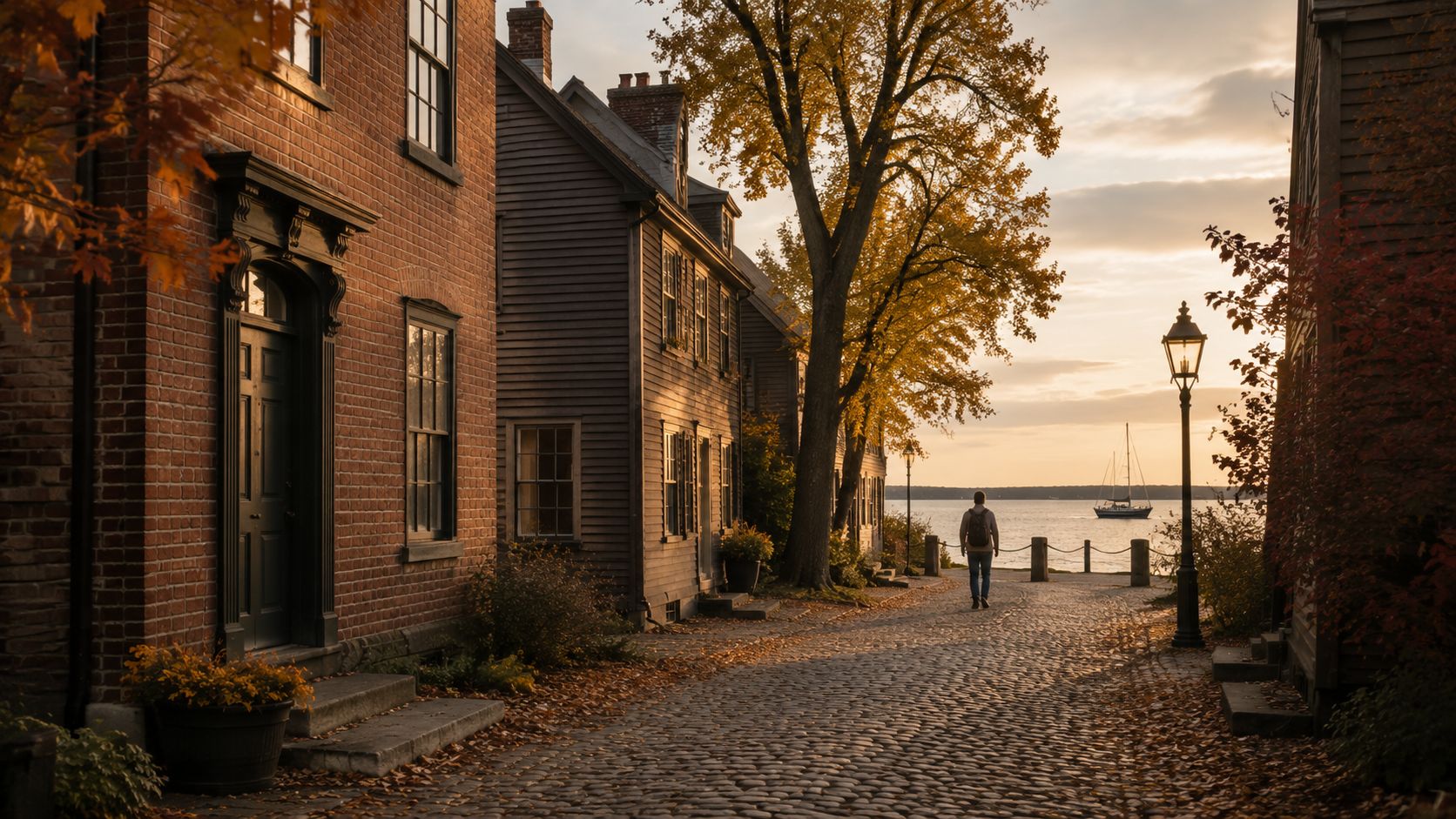
Salem is the best day trip from Boston if you want history with personality. It's walkable, dense with colonial-era context, and easy to enjoy without turning the day into a spending contest.
Solo travelers do especially well here because you can move at your own pace, pause at historic homes, and skip anything that feels crowded. The MBTA commuter rail from North Station makes the trip operationally simple, and the town's compact layout rewards people who like to park once and walk. If you're chasing a quieter visit, avoid October and go in the off-peak months instead, when the town still feels atmospheric but less overloaded.
The smart way to handle Salem is to mix one or two paid stops with a lot of free wandering. The waterfront, historic streets, and exterior architecture all work well on their own, and you don't need to buy into every attraction to have a good day. Bring a picnic from Boston, eat near the harbor, then use self-guided walking tools so you can control the pace and skip the tour-group feel.
Make the history work for you
Start with a museum or historic house in the morning, when crowds are usually lighter and staff have more time to talk. Then spend the afternoon on a self-guided loop through the pedestrian core, the waterfront, and the old houses you can view from the street. If you want extra help planning around crowds and transport, use these trip planning tips and keep the day focused.
Some places are better when you stop trying to see everything. Salem is one of them.
For solo safety, stay on the main walking routes after dark and keep your plans simple. Salem rewards people who walk, look closely, and stop comparing it to Halloween-season hype. If you want the best version of the town, visit when the weather is decent but the sidewalks are still manageable.
3. Concord and Lexington, Massachusetts
Concord and Lexington belong on every serious history itinerary. These towns give you War for Independence landmarks, literary associations, and a calm New England setting that feels meaningful without being complicated.
This is the trip for people who care about context. You can start at the free Minute Man National Historical Park visitor center, then move into the towns on foot or by bike along the Minuteman Bikeway. If you're into literature, the Thoreau, Emerson, and Alcott connections make the day feel layered rather than rushed.
Go early, move slowly, and keep costs down
Walden Pond is the clearest example of why timing matters here. Get there early in the day if you want easier parking and a quieter atmosphere around the water. Midweek in September or October is the strongest bet for comfortable weather and thinner crowds, especially if you want to photograph foliage without standing in traffic.
Pack lunch from Boston and keep the entire day simple. A grocery-store lunch lets you spend more time at historic sites and less time searching for a restaurant that fits your budget. Local visitor centers often have free historic building walks, and that's where you'll get the best context without paying for a packaged tour.
Solo-safety note: the main historic corridors are straightforward to navigate, but you'll enjoy the day more if you map your return before you start wandering the side roads.
A good itinerary looks like this. Start with the visitor center, bike or walk a portion of the trail, stop at one literary landmark, then finish at Walden Pond or a nearby historic green space. Keep your camera ready, because the architecture and natural scenery both reward close attention. Concord and Lexington don't need embellishment, they're strong because the history is real and the setting still feels lived in.
4. Rockport and Gloucester, Massachusetts
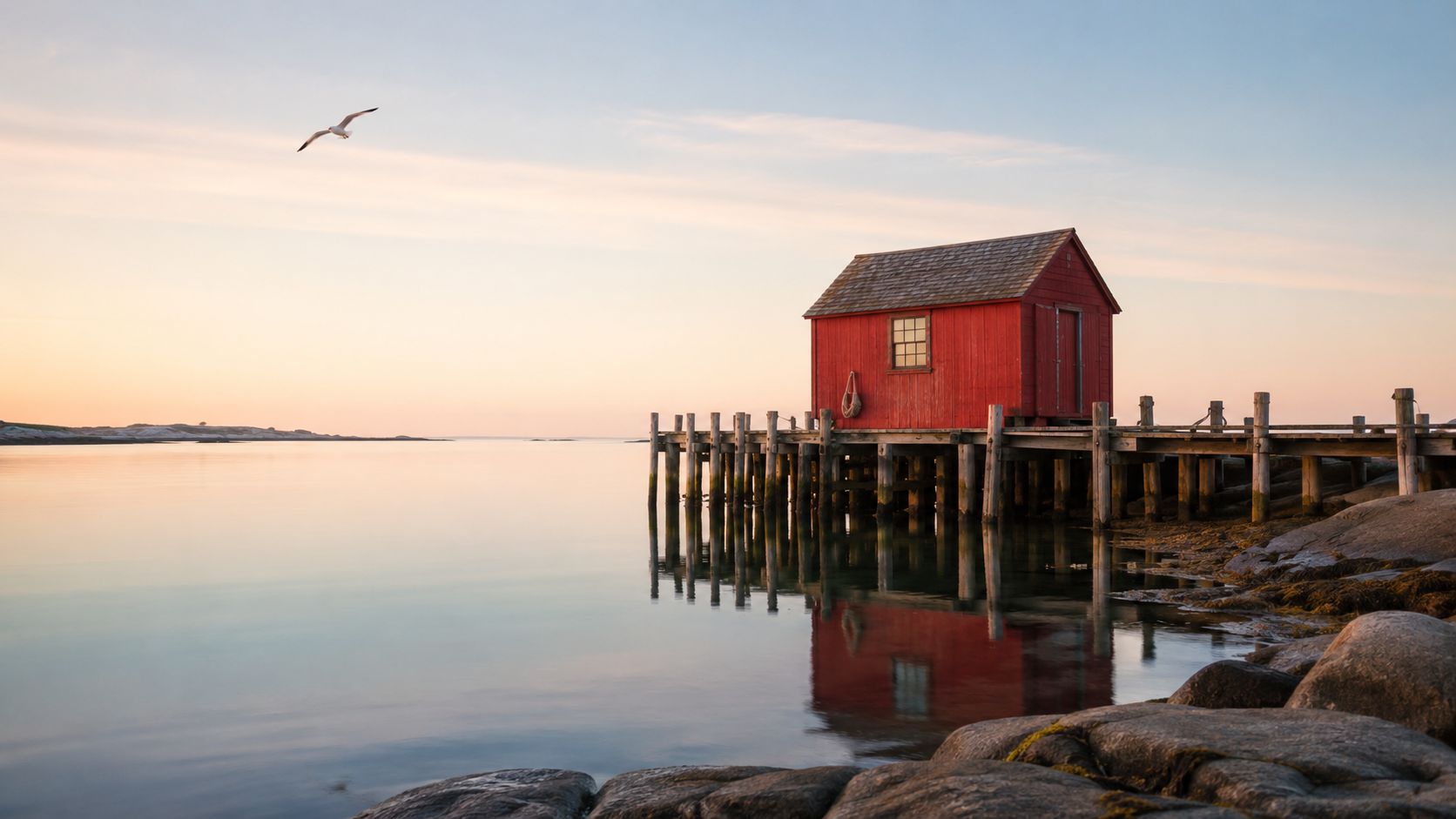
Rockport and Gloucester give you the Cape Ann version of New England, working harbors, artist energy, and enough shoreline to keep the day interesting without forcing you into theme-park tourism. These are especially good if you want a day trip from Boston that feels local instead of packaged.
Photographers should put Motif No. 1 and the rocky shorelines at the top of the list. Solo artists and gallery browsers can spend the day moving between studios without pressure to buy anything. Budget travelers should focus on the water, because the best parts of both towns are free if you're willing to walk.
Combine the towns and keep the logistics simple
Take the MBTA 131 bus if you want a cheaper alternative to driving, then split your time between the harbors, beaches, and side streets. The towns are only about 5 miles apart, so there's no reason to treat them as separate trips. Visit one, then roll into the other while the light is still good.
Buy fresh fish from casual seafood markets or directly from boats if you want a local meal without overpaying. That gives you a more grounded experience than chasing the busiest restaurant on the main drag. Arrive early if you're driving so you can grab the easier parking and avoid the late-morning rush.
The sustainable move here is obvious, walk as much as you can. Both towns are strongest when you let the shoreline and harbor views set the pace. May through June and September through October are the best windows if you want fewer crowds and better pricing.
5. Providence, Rhode Island
Providence is the strongest urban alternative when you want art, food, and walkable neighborhoods without Boston's usual price pressure. It's compact enough for a full day, but varied enough that you don't feel like you're repeating the same blocks.
RISD Museum is the obvious anchor for art students and design-minded travelers. Food lovers should head to Federal Hill on foot, where the dining feels more approachable than what many bigger cities offer. For a different kind of city energy, time your visit with WaterFire on select dates in the warm months, because that transforms the downtown atmosphere without charging you admission.
Use the city like a local
RIPTA is easier to use than most visitors expect, especially if you base your movements around Kennedy Plaza. That hub makes it simpler to orient yourself and connect to different neighborhoods without constantly paying for rideshares. If you want to lower lodging costs, stay in nearby Pawtucket and bus in.
For a budget-friendly day, pair one cultural stop with street-level exploring. Walk Washington Street for galleries, bookstores, and street art, then settle into a neighborhood meal instead of jumping between pricey spots. If you're looking for money-saving tactics that apply beyond Providence too, these road-trip savings tips are worth keeping handy.
Choose a city day that gives you one major stop and one neighborhood walk. Providence rewards that structure.
Solo travelers should stick to active daytime blocks, then keep the evening centered around the main downtown area or a planned event like WaterFire. Providence works because it feels creative without being chaotic. You can spend the day looking at art, eating well, and moving through a city that still feels human-scaled.
6. Marblehead, Massachusetts
Marblehead is one of the easiest places to recommend if you want classic New England scenery without a crowd-heavy itinerary. It's the kind of town where the harbor, the side streets, and the light itself do most of the work.
This is a strong choice for photographers because the town gives you architecture, boats, and shoreline in one compact loop. It's also a good pick for solo female travelers who want an easy place to walk in the evening without feeling boxed in by a tourist strip. The town stays most pleasant outside peak season, especially in May-June or September-October, when the pace is calmer and pricing usually improves.
Walk the town, don't rush it
Start early enough to get easier street parking, then spend most of the day on foot. Walking the entire harbor perimeter gives you the best value, and it's one of the few times where the free option is also the best option. Side streets away from the main drag show you more of Marblehead's character, from old homes to quiet corners that larger destinations often lose.
Pack a picnic from Boston and eat near the water or at a beach overlook. That keeps the day affordable and reduces waste, which matters in a town that's best experienced at a slower pace. If you like gallery openings, Thursday evenings often bring receptions and wine, and they're a good fit for travelers who want a social but low-pressure stop.
For photos, wait for golden hour at the lighthouse and the harbor viewpoints. The light softens the town and makes the whole shoreline look more textured. Marblehead doesn't need a long checklist. It needs a walk, a camera, and enough time to notice the details.
7. Newport, Rhode Island
Newport is the splurge pick, and that's the point. If you want one polished coastal day that feels grand, this is the place to spend it.
Architecture lovers should make this nonnegotiable because the mansion exteriors and historic streets deliver exactly what they promise. Photographers should prioritize the Cliff Walk early in the morning, when the light is cleaner and the route feels calmer. Budget travelers can still do Newport well if they commit to the free parts and skip the urge to pay for every interior tour.
Spend on the right things
The Cliff Walk is the must-do, and it costs nothing to enjoy. Walk the mansion exteriors from the street, then decide whether any interior tour is worth your money. If you do go inside, the museum-style mansion tours can cost $20-28 for interiors, so make that a deliberate choice instead of a reflex.
Use RIPTA buses from Providence if you want a cheaper transport option, since that beats leaning on private tours that can run far higher. Bring lunch, browse downtown, and focus on harbor walks, beach access, and architecture. September and October are the best timing if you want better weather and fewer people around the core sights.
Budget rule: Newport feels expensive when you try to do everything. It feels reasonable when you commit to the free coastline first.
For solo travelers, Newport is easy to manage if you keep your day centered on the waterfront and the main downtown zone. It's a destination for one special day, not for squeezing pennies. If you want a trip that feels elegant without becoming overcomplicated, Newport earns that reputation.
8. Sudbury and Wayland, Massachusetts
Sudbury and Wayland are the quiet answer to the overexposed day-trip formula. They're less touristy, more relaxed, and better if you want a day built around nature, history, and breathing room.
This pair works best for travelers who don't need a big-ticket attraction every hour. Literary history gives the trip its backbone, and the surrounding green spaces keep the pace grounded. If you're coming from Boston, drive or rent a car, because public transit from the city is limited and you'll waste time trying to force a rail-based solution.
Keep it local and low-friction
Start at Longfellow's Wayside Inn for context, then move into nearby nature preserves and hiking trails. Most of the outdoor options here are free, which makes them useful if you want a calm day without spending on admission. Coffee and breakfast from Boston are easy wins too, especially if you want to eat at one of the scenic stops instead of searching for a sit-down lunch.
Midweek is the right move, particularly in May-June or September-October, when the towns feel peaceful and the weather is usually cooperative. You can also fold in Concord or Walden Pond if you want a larger historical loop, but don't overpack the schedule. The appeal here is the slower pace.
Solo travelers do well because the environment is low-stress and easy to get around. Photographers will find enough architecture and foliage to keep the camera busy, especially when the leaves turn. Sudbury and Wayland are not loud destinations, and that's exactly why they work.
9. Plimoth Patuxet and Plymouth, Massachusetts
Plimoth Patuxet is the right choice when you want your day trip from Boston to feel educational and intentional. Plymouth gives you colonial history, coastal scenery, and a more structured museum visit than most nearby towns.
Buy the combination ticket for Plimoth Patuxet Museum and the Mayflower, which is cited at $30-35, and plan to spend 3-4 hours there so the experience doesn't feel rushed. That's the part of the day where the interpreters and exhibits matter most. After that, walk the harbor and historic downtown, which are free and give the whole visit a better sense of place.
Make the museum the centerpiece
Arrive early if you want the best interpreter interactions and fewer people in the way. Off-season travel, especially in April-May or September-October, helps with pricing and crowd control. If you're coming from Boston on a budget, the MBTA bus is the obvious transportation choice.
Bring lunch with you and treat the town as a two-part day, first the museum, then the waterfront. That keeps the outing efficient and avoids overpaying for a meal just because you're there. If you want a little more help finding low-cost extras around town, these free activity ideas fit naturally into the Plymouth plan.
For solo travelers and students, Plymouth works because the history is direct and the route is easy to follow. For photographers, the mix of historic buildings and coastal light gives you enough variety without a long drive between scenes. It's one of the most practical history-heavy options near Boston.
10. The Berkshires, Massachusetts
The Berkshires are for travelers who want to leave the city far enough behind that the day feels bigger. Lenox and Stockbridge bring together museums, performance venues, and mountain scenery, which makes this a stronger choice for a full day or an overnight.
Music lovers should think of Tanglewood first. Art students and design-minded travelers should pair MASS MoCA with other museum stops instead of trying to cram the area into a single rushed loop. Solo female artists and cultural travelers will find the towns welcoming, creative, and easy to move through at a slower pace.
Treat it like a full outing
This is not the place to cut corners on travel time. Plan the day as a full commitment, or better yet, use it as an overnight with one major cultural anchor and one outdoor anchor. Midweek visits usually feel smoother than weekends, and that matters when you're juggling museum hours and scenic stops.
Look for pay-what-you-wish timing at MASS MoCA when it's offered, and use free hiking trails to balance the day if you're spending more on culture. September and October give you the best mix of festivals, foliage, and outdoor comfort. Pack a picnic from Boston, then use it in one of the scenic areas so you don't burn time chasing a meal that could have been simple.
If you want an idea for extending the trip without wasting drive time, these getaway ideas are a useful follow-up. The Berkshires are best when you combine one museum, one performance or music stop, and one stretch of open natural beauty. That balance is what makes the region feel refined instead of rushed.
Comparison of 10 Day Trips from Boston
| Destination | Planning 🔄 (complexity) | Resources ⚡ (time / cost / transport) | Outcome ⭐📊 (expected quality & impact) | Ideal use cases 💡 | Key advantages |
|---|---|---|---|---|---|
| Cape Cod, Massachusetts | Moderate, season-dependent; some areas require car 🔄 | 45–120 min; $60–150/day; CATA buses available; car recommended ⚡ | ⭐⭐⭐, strong natural/beach experience; high seasonal crowds in summer 📊 | Budget beach trip in shoulder seasons; photographers; solo travelers 💡 | Affordable off-season; many public beaches; biking trails |
| Salem, Massachusetts | Low, very walkable, easy MBTA access 🔄 | 30 min via MBTA; $40–80/day; minimal transit costs ⚡ | ⭐⭐, rich historical/cultural experience; very crowded in Oct 📊 | History buffs; solo explorers; day trips from Boston 💡 | Compact walkable downtown; strong historical narrative; public transit |
| Concord & Lexington, Massachusetts | Low, walkable and bikeable; simple routing 🔄 | 30–40 min via MBTA; $35–70/day; bike-friendly ⚡ | ⭐⭐, meaningful Revolutionary/literary sites; outdoor trails 📊 | Literary pilgrims; history enthusiasts; cycling day trips 💡 | Minute Man NHP (free); Walden Pond; connected bike trails |
| Rockport & Gloucester, Massachusetts | Moderate, slightly farther; limited indoor options 🔄 | 45–60 min via MBTA; $50–100/day; longer transit time ⚡ | ⭐⭐, authentic maritime culture; highly photogenic 📊 | Photographers; artists; harbor/culture exploration 💡 | Working harbors; galleries; free harbor and beach walks |
| Providence, Rhode Island | Moderate, urban navigation but compact downtown 🔄 | ~60 min via MBTA/RIPTA; $45–90/day; good bus access ⚡ | ⭐⭐⭐, strong arts, food, and free events (WaterFire) 📊 | Art lovers; culinary exploration; urban day trips 💡 | RISD museum value; WaterFire (free); affordable dining |
| Marblehead, Massachusetts | Low, very walkable; easy short trip 🔄 | ~30 min by car/bus; $50–110/day; short transit ⚡ | ⭐⭐, picturesque harbor and historic architecture 📊 | Photographers; art enthusiasts; peaceful harbor walks 💡 | Highly photogenic; safe walkable downtown; free harbor access |
| Newport, Rhode Island | Moderate–High, crowded and costlier planning 🔄 | 60–90 min via Providence; $80–200+/day; buses available ⚡ | ⭐⭐⭐, high-impact splurge (mansions + Cliff Walk) 📊 | Architecture fans; one-day splurge; scenic coastal walks 💡 | Cliff Walk (free); Gilded Age architecture; strong coastal scenery |
| Sudbury & Wayland, Massachusetts | Low, simple planning but car-recommended 🔄 | 20–30 min by car; $40–80/day; limited public transit ⚡ | ⭐⭐, quiet historic/nature experience; low crowds 📊 | Nature walks; literary history; peaceful short trips 💡 | Less crowded; short drive from Boston; historic sites |
| Plimoth Patuxet (Plymouth), Massachusetts | Moderate, museum-focused visit with set hours 🔄 | ~45 min by car/bus; $55–95/day; museum admission ~$30 ⚡ | ⭐⭐, deep living-history education; structured experience 📊 | Educational groups; history-focused travelers; students 💡 | Comprehensive living-history museum; Native perspectives included |
| The Berkshires (Lenox, Stockbridge), Massachusetts | High, long travel time; best as full day/overnight 🔄 | 2–2.5 hrs by car; $80–180+/day; car essential ⚡ | ⭐⭐⭐, world-class cultural immersion; scenic mountain setting 📊 | Music/art festival-goers; museum-focused overnight trips 💡 | Tanglewood, MASS MoCA, Norman Rockwell Museum; strong arts scene |
Your Next Adventure Awaits
A strong day trip from Boston does three things well. It gets you out of the city fast, it gives you a clear experience instead of a vague plan, and it keeps your spending focused on what matters. That's why the best options above lean toward walkable towns, historic sites, coastal paths, and culture-rich places where you can do a lot without constantly paying extra.
Use the route style that fits your mood. Choose rail-friendly towns like Salem or Providence when you want an easy, lower-stress day. Pick Cape Cod, Rockport, Gloucester, Marblehead, or Newport when the coastline is the whole point. Go to Concord, Lexington, Plymouth, or Sudbury when you want history that still feels rooted in place. Save the Berkshires for a bigger, slower day that deserves more than a rushed turnaround.
Sustainable travel matters on these trips because most of these destinations reward walking, biking, public transit, and buying less while seeing more. That's not a compromise, it's the better way to travel in compact New England towns. Solo travelers should keep the same rule in mind, stay on the main routes, start early, and keep the day simple enough that you can adjust without stress. Budget travelers should pack lunch, use rail or bus access when it makes sense, and focus on free shoreline, architecture, parks, and public spaces before paying for extras.
Pick one destination, set the timing, and build the day around one excellent anchor experience. That's how these trips stop being generic and start feeling memorable.
A CTA for Travel Talk Today.