You’re finally on the trip you’ve been planning for months. The flight deal was good, the neighborhood guesthouse looked charming, and your first day’s route was perfect on paper. Then reality hits. You wake up foggy from bad sleep, spend the afternoon hunting for a pharmacy instead of a market, and cut the evening short because your stomach isn’t negotiating.
That’s how a lot of trips go sideways. Not because the destination disappoints, but because the body and mind you brought with you weren’t ready for the pace, the transit, the germs, the weather, or the decision load that comes with moving through unfamiliar places.
A great trip feels different. You’re alert on arrival. You can walk longer without snapping at small inconveniences. You recover faster after travel days. You know when to push through and when to scale back. You’re not trying to be perfect. You’re trying to stay steady.
That’s the key to how to stay healthy while traveling. It isn’t a rigid wellness routine. It’s a practical system that protects your energy, your mood, and your judgment so you can enjoy the reason you traveled in the first place.
The Difference Between a Good Trip and a Great One
I’ve seen the split happen in the first 24 hours.
One traveler lands and immediately tries to “win” the destination. Heavy meal, long museum line, sunset hike, late drinks, early train the next morning. By day two, they’re dehydrated, underslept, irritable, and convinced the city is overrated.
Another traveler arrives with a quieter strategy. Water first. Light meal. Walk outside. Early night. A little margin in the schedule. That person usually gets more from the same place because they’re present enough to notice it.
The difference isn’t discipline for its own sake. It’s capacity. If your body is running low and your brain is overloaded, every small travel problem feels larger than it is. A missed bus becomes a crisis. A confusing menu becomes stress. A normal wave of homesickness feels like proof you made the wrong choice.
Travel gets richer when your baseline is solid. You can say yes to spontaneous detours, long market mornings, sunrise viewpoints, and conversations with strangers because you’re not constantly managing preventable problems. That’s also why I’m drawn to slow travel habits that leave room to recover and notice more. A better pace isn’t just romantic. It’s protective.
Travel health isn’t about restriction. It’s what lets you stay curious longer.
For solo travelers, especially women and budget backpackers, this matters even more. Feeling physically good supports better decisions. Feeling mentally grounded makes it easier to read situations clearly. Feeling safe lowers the background stress that can wear down a trip one day at a time.
Build Your Pre-Travel Health Armor
The best health decisions on a trip usually happen at home.
Good prep gives you more than lower odds of getting sick. It protects your judgment, your energy, and your margin for error. That matters even more if you travel solo or on a tight budget, where one bad food choice, one missed prescription, or one unsafe late-night arrival can throw off several days.
Start early and make the appointment useful
Book a travel medicine appointment 4 to 6 weeks before departure. That gives your clinician time to review route-specific risks, update vaccines, and prescribe anything that needs a trial run or multiple doses. According to Northwestern Medicine’s travel health guidance, pre-travel consultations reduce travel-related illnesses and vaccines can prevent many destination-specific infections.
Details matter here. “Thailand” is too broad to be useful. Bangkok, mountain trekking, scuba diving, border crossings, rural homestays, and overnight buses create different health and safety questions, even within the same country.
Go in with specifics:
- Exact route and dates so advice matches your real stops
- Trip style such as hostels, night buses, diving, hiking, or city hotels
- Medical conditions and prescriptions including anything affected by heat, altitude, disrupted sleep, or irregular meals
- Questions you need answered about food safety, insects, water, altitude, motion sickness, or menstrual care on the road
A strong appointment should also cover failure points. If your bag is delayed, how many days can you function with what’s in your personal item? If a prescription gets lost, do you have the generic name, dose, and a paper copy? If you get sick somewhere remote, do you know when to rest and when to get help?

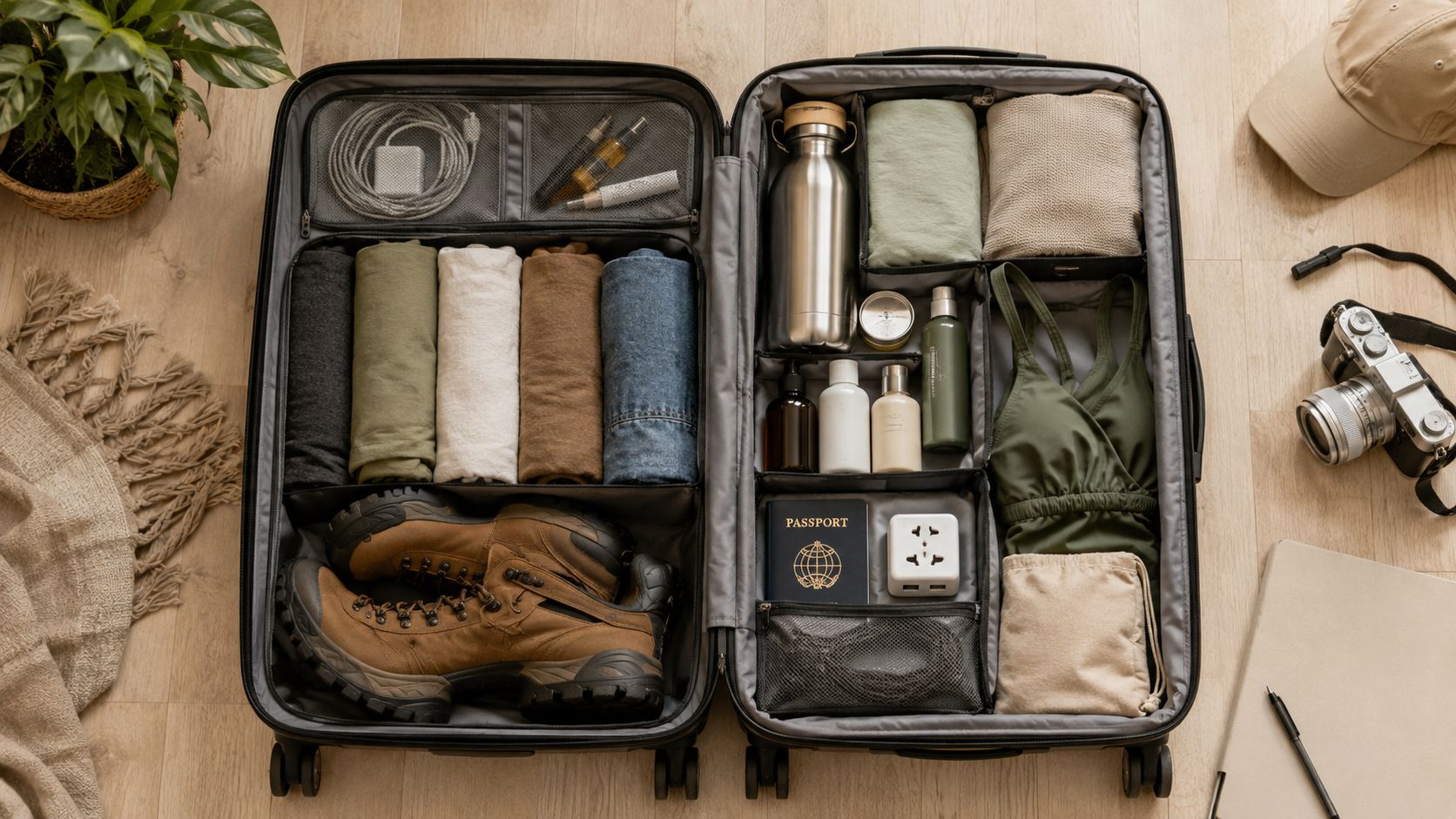
Pack a kit that fixes the problems you’re likely to have
A useful travel health kit is small, boring, and specific.
I pack for the things that regularly derail travelers. Blisters. Mild food poisoning. Allergies. Headaches after a dehydrating transit day. A scrape that needs cleaning before it turns into a problem in humid weather. The goal is simple. Handle common issues fast and keep your head clear.
| Item | Why it earns space |
|---|---|
| Prescription medications in original packaging | Easier at borders and simpler to identify if questioned |
| Printed prescription copies | Helpful for refills, replacements, and urgent care visits |
| Basic pain relief | Covers headaches, muscle soreness, fever, and long transit days |
| Antidiarrheal medication | Useful when you need to travel or can’t stay near a bathroom |
| Antihistamine | Helps with allergies, mild skin reactions, and some sleep problems |
| Bandages and blister care | High value on walking-heavy trips |
| Antiseptic wipes | Quick wound care when soap and water aren’t available |
| Oral rehydration salts or hydration tablets | Useful after heat exposure, stomach issues, or long journeys |
| Small thermometer for remote trips | Helps you decide whether to wait, rest, or seek care |
Leave the fantasy packing at home. If an item won’t solve a common problem or buy you time until proper care, it probably does not need to come.
Field rule: Pack for interruption. Bring the few things that help you recover quickly and think clearly.
Match your setup to the kind of trip you’re taking
Different trips wear you down in different ways.
Urban explorer: Expect long walking days, noisy rooms, crowded transit, late dinners, and mental overload from constant choices. Prioritize blister care, hand hygiene, pain relief, and a refillable bottle.
Backpacker: Space matters, but so does backup. Choose multi-use items, split key supplies between bags, and avoid relying on a perfect pharmacy run after arrival. If you’re still dialing in your gear, this backpacking essentials checklist for low-stress packing helps cover the basics without turning your bag into dead weight.
Adventure or rural traveler: Carry more redundancy. Long transfers, patchy cell service, altitude, and limited clinic access shrink your margin fast. A small thermometer, extra rehydration support, and duplicate meds are often worth the space.
Prepare your mind before you leave
A lot of pre-trip stress looks productive. It usually isn’t.
It shows up as compulsive research, late-night packing, skipping meals to “get things done,” or building an arrival day so tight that one delay wrecks the plan. That kind of stress hits the body too. Sleep drops, patience drops, and small problems start to feel larger than they are.
Use a short reset before departure. Write down three things:
- What usually throws you off when you travel
- What helps you recover fast
- What reliably makes things worse
That last list is useful because it cuts through fantasy. Common answers are easy to recognize. Booking the cheapest red-eye before a heavy first day. Drinking when already tired. Treating anxiety like excitement and pushing through it. Trying to save money by skipping meals, then making bad decisions because your brain is running on fumes.
Set a few defaults before the trip starts. Keep the first day light. Protect one good meal. Leave room for a course correction if you arrive tired, overstimulated, or uneasy about an area.
Treat health planning and safety planning as the same job
For solo travelers, personal safety is part of staying healthy. A body under stress makes worse decisions. A nervous system stuck on alert drains energy, sleep, and confidence.
Build a few habits before departure:
- Save offline copies of bookings, ID, prescriptions, and policy details
- Share your rough route with one trusted person
- Know exactly how you’ll reach your first lodging, especially after dark
- Keep your first night simple so you’re not solving transport, safety, and exhaustion at once
- Carry a small amount of backup cash separate from your main wallet
Insurance belongs in the same conversation. Medical coverage, evacuation rules, theft terms, and exclusions for scooters, trekking, or electronics can matter a lot more than the headline price. A careful travel insurance comparison for independent travelers helps you check what the policy covers before you need it.
Master the Journey and Conquer Jet Lag
Transit days don’t have to be throwaway days.
A lot of travelers treat the journey like a health free-for-all. Coffee instead of water, airport snacks instead of meals, no movement, no hygiene plan, random sleep, then shock when they arrive feeling like they’ve been hit by a truck. The better approach is to use transit as part of acclimatization.

Use light and timing, not willpower
Jet lag feels mysterious until you treat it like a timing problem.
According to Prime Medical’s summary of jet lag strategies, 67% of long-haul travelers deal with jet lag. The same guidance notes that 0.5-5mg of timed-release melatonin has a 70-80% efficacy in reducing symptoms, and structured protocols can improve recovery from 1 day per time zone crossed to 0.5 days. The key directional rule is straightforward: seek morning light after eastward travel and afternoon light after westward travel.
That means your body clock needs cues, not just hope.
A simple working method:
- A few days before departure, shift sleep and wake times toward the destination if your schedule allows
- On the flight, set your watch or phone to destination time early
- After landing, get the right light exposure as soon as practical
- Use melatonin carefully, timed to your target bedtime rather than at random
This works better than trying to force a perfect sleep on the plane. In fact, one of the most common mistakes is obsessing over sleeping in transit and then missing the stronger signal, which is light at the destination.
Light tells your body what time it is faster than your intentions do.
Treat the cabin like a dehydrating environment
Air travel dries people out quickly. Even mild dehydration can trigger fatigue and irritability, and UNC’s travel health guidance says cabin air can sap 10-20% of bodily moisture per hour. That same guidance recommends a baseline of 64 ounces of water daily, with needs potentially doubling during flights or hot climates. It also suggests aiming for half your body weight in ounces, which would be 75 ounces for a 150-pound traveler.
That’s why “I’ll drink when I’m thirsty” usually fails on flights. By then, you’re already behind.
My transit rule is simple. Refill a bottle after security. Start drinking early, not after the meal service. Go easy on alcohol and be honest about caffeine, especially if you already slept badly the night before.
Keep your blood moving and your exposure lower
Sitting for hours doesn’t just make you stiff. It changes how you feel on arrival.
UNC also notes hydration helps reduce risks like DVT and flight-induced constipation. For long-haul passengers, DVT is a real concern, so I build movement into the travel day. That means ankle circles in the seat, standing when it makes sense, and short walks up the aisle when possible. Nothing heroic. Just enough to remind the body it still exists.
Transit hygiene matters too, but it doesn’t need to become theater. The essentials are enough:
- Wash hands thoroughly when you can
- Use sanitizer after high-touch surfaces when you can’t
- Wear a mask in crowded cabins or terminals if the environment feels packed and stale
- Avoid touching your face when you’ve been moving through checkpoints, kiosks, and seatbacks
If you like tools that reduce friction on travel days, I’ve found route, sleep, and translation tools are easiest to keep straight when they live in one place. A shortlist of best travel apps for smoother transit days can help you cut down on needless decision-making while in motion.
Don’t “win” the arrival day
The arrival day is where good intentions often collapse.
Travelers get excited, overbook themselves, and create a miserable first impression of a place that didn’t do anything wrong. The city isn’t the problem. The schedule is.
A stronger arrival day looks like this:
| What works | What usually backfires |
|---|---|
| Short outdoor walk | Immediate nap for hours at the wrong time |
| Easy meal | Heavy celebratory meal plus drinks |
| Light errands only | Museum marathon straight from baggage claim |
| Early night aligned to local time | Staying up late to “push through” with no plan |
If you only change one thing about how you travel, change the first day. Most trips feel better after that.
Fuel Your Body for Adventure
You can get away with bad food choices for a day. On day three of buses, long walks, poor sleep, and heat, they catch up fast. What many travelers call jet lag, irritability, or a slump in motivation is often a simple stack of problems. Too little protein, too much sugar, not enough water, and meals delayed until you’ll eat anything in front of you.
Food on the road does more than fill you up. It affects your energy, your mood, and your judgment. For solo and budget travelers, that matters. A blood sugar crash in an unfamiliar neighborhood late at night is not just uncomfortable. It can lead to rushed decisions, overspending, or taking chances you would not take if you felt steady.

Build meals around steadiness
Perfect nutrition is not the goal on a trip. Consistent energy is.
The travelers who hold up best usually follow a simple pattern. They get some protein early, eat real food before they are starving, and work something fresh into the day even when the budget is tight. That approach keeps your body more stable than the familiar backpacker diet of pastries, instant noodles, beer, and coffee.
A practical road formula looks like this:
- Start with protein when you can so breakfast carries you past the first hour
- Add one fresh item each day such as fruit, cut vegetables, or a basic salad
- Use local staples well like beans, eggs, rice, yogurt, lentils, or grilled fish instead of defaulting to packaged snacks
- Eat before you get desperate because hunger lowers both standards and common sense
I do not rely on restaurants for every good meal. On long trips, supermarkets and neighborhood groceries often keep me sharper than cafes do. Yogurt, fruit, eggs, nuts, bread, hummus, cheese, and ready-made salads are cheap in many places and easy to carry back to a room or hostel kitchen. You do not need a wellness routine. You need a repeatable fallback.
Read street food like a seasoned traveler
Street food is often one of the best meals in town, especially if you are trying to eat well without spending much. The right stall gives you local flavor, hot fresh food, and a better price than a sit-down restaurant. The wrong one can wipe out two days of your trip.
I use a quick filter before I order.
Look for:
- Fast turnover because food that keeps moving is less likely to sit around
- Visible heat for cooked dishes that should be served hot
- Local customers who are eating there because the food is good
- A short menu because a stall doing fewer dishes usually handles them better
- Clean hand habits especially around money, utensils, and raw ingredients
Leave if something feels off. That is not being timid. It is staying available for tomorrow’s train, hike, diving trip, or city day instead of spending it in bed with stomach trouble.
The best road meals are not just memorable. They leave you feeling capable afterward.
Hydrate for energy, mood, and clear decisions
Thirst is a late signal. By the time you notice it, you may already feel foggy, short-tempered, headachy, or oddly anxious.
I treat water the same way I treat money and phone battery on the road. I top it up before it becomes a problem. Drink before long walks, before buses, after time in the sun, and after salty or heavy meals. If you are moving all day, hydration needs to happen on purpose.
A reusable bottle saves money and reduces friction. In places where water quality is uncertain, a filter bottle or purification method can make healthy choices much easier to stick with. If buying bottled water is the safer option on your route, accept the trade-off and plan for it in the budget instead of hoping you will figure it out later.
Eat for the next morning
Travelers often judge food by the evening. A better test is the next morning.
If you wake up heavy, dehydrated, wired, or depleted, yesterday’s pattern needs work. One rich dinner is rarely the problem by itself. Trouble usually comes from the full stack. Sweet snacks instead of meals. Alcohol on an empty stomach. No fiber. No water. Late-night eating because the day got away from you.
Use a simple daily check:
- Did I drink enough water?
- Did I eat something solid before a long stretch of activity?
- Did I get at least one meal with protein and something fresh?
- Did I choose tonight’s food because I wanted it, or because I was exhausted and careless?
Planning helps more than discipline does. If you want your food choices to hold up under real travel conditions, pair them with the gear you use. A good backpacking essentials checklist that includes practical daily-use items makes it easier to carry the bottle, snacks, utensils, and storage basics that keep a long day from turning into a bad one.
Integrate Movement and Mindfulness on the Road
Travelers often separate physical health, mental well-being, and personal safety as if they’re three unrelated topics. On the road, they’re tightly connected.
When you move regularly, your stress drops, your sleep improves, and your body handles transit better. When your mind is calmer, you make sharper safety decisions. When you feel safe, your nervous system settles enough to enjoy where you are. This isn’t a luxury layer. It’s the operating system.

Stop thinking about exercise as a separate task
On a trip, dedicated workouts are nice if they happen. Movement matters more.
I’ve had travel days where the healthiest choice wasn’t a gym. It was walking to dinner instead of taking a taxi, taking the stairs with my pack, stretching in a tiny room before sleep, or using an hour outside to reset my body clock and mood at the same time. That kind of movement is easier to repeat because it belongs to the day you were already having.
Walking is especially powerful for solo travelers. It gives structure without pressure. It helps you orient yourself in a new place. It turns nervous energy into useful energy. In many cities, it’s also the most direct path to feeling less like an outsider and more like a participant. If you want places that support that style of travel, this guide to the most walkable cities in Europe is a smart place to start.
Protect sleep like it protects everything else
A lot of travel advice gets fancy too quickly. Sleep is still the heavy hitter.
According to Rick Steves’ travel health advice, 7-8 hours of sleep nightly is a key target, and getting below six hours can raise infection risk by 4x. The same guidance notes that 62% of international flyers experience circadian disruption, handwashing can reduce germ transmission by 40%, and wearing a mask on crowded planes can cut respiratory risks by 70%.
That’s a useful reminder that health protection on the road is often low drama. Better sleep. Cleaner hands. Smarter choices in crowded transit.
Here’s the practical version of that:
- Book at least some recoverable nights in places where you can sleep
- Carry whatever helps you sleep such as earplugs, an eye mask, or a familiar routine
- Don’t brag about surviving on less sleep while traveling. It catches up fast.
- Use handwashing and masks selectively and consistently, especially when moving through dense transit environments
Build a tiny grounding routine
Mental fatigue rarely arrives with a label. It usually shows up as irritation, indecision, homesickness, numb scrolling, or the sudden urge to quit a place you’d probably like if you were rested.
A short grounding routine helps because it gives your mind something familiar to stand on. Mine is plain and portable:
- A few slow breaths before leaving my room
- A quick check of route, battery, water, and cash
- One intentional pause during the day without my phone
- A brief reset at night instead of collapsing straight into sleep
This doesn’t need to look spiritual. It just needs to interrupt the churn.
The healthiest travelers I know aren’t the ones who never feel stress. They notice it early and respond before it runs the day.
Loneliness and overload need action, not shame
Solo travel can be expansive. It can also be lonely in very ordinary ways. A meal feels long. A transit delay feels personal. A beautiful place feels oddly flat because there’s no one to debrief with.
That doesn’t mean solo travel is failing. It means you’re human.
When loneliness starts creeping in, use active fixes:
- Choose one social touchpoint such as a walking tour, hostel common room, cooking class, or neighborhood cafe you return to
- Send voice notes instead of doom-scrolling
- Reduce decisions by pre-picking one meal spot or one route for the next day
- Take a half day off from ambition if everything feels louder than it should
Overload works the same way. If every street, sound, menu, and interaction starts to feel abrasive, stop adding input. Go somewhere quiet. Eat something simple. Walk a familiar block again. Travel doesn’t always need a new stimulus.
Safety habits that support mental calm
Feeling safe is one of the most underrated health advantages a traveler can create. The calmer your baseline, the easier it is to read people and places accurately.
For solo travelers, especially women, these habits go a long way:
- Arrive in daylight when possible for new cities
- Keep your phone charged and your route downloaded
- Don’t advertise confusion publicly if you can step aside first and regroup
- Trust hesitation even when you can’t explain it neatly
- Stay sober enough to stay aware in unfamiliar nightlife settings
- Choose lodging with ease of access and clear reviews, not just the lowest price
None of this is about fear. It’s about reducing unnecessary strain on your nervous system so the trip feels expansive instead of defensive.
Return Home Rested and Rejuvenated
Coming home is part of the trip. If you ignore that stretch, you can undo a lot of what worked while you were away.
Most travelers try to snap straight back into normal life the minute they land. Inbox, laundry, errands, social plans, regular schedule. Then they wonder why they feel flat, irritable, or oddly discouraged after a trip they loved. Re-entry has friction. Expecting none of it makes it worse.
Give yourself a soft landing. Keep the first day back lighter if you can. Rehydrate, get outside, unpack enough to make the space livable, and return to local sleep and meal times as cleanly as possible. If you crossed time zones, use the same principles that helped on the outbound journey. Light, timing, movement, and a little patience beat forcing it.
It’s also wise to pay attention to how you feel in the days after you return, especially if you traveled somewhere with different food, water, climate, or disease risks. You don’t need to become hypervigilant. Just don’t dismiss symptoms that persist or clearly worsen.
The best part of travel health is that many of the habits don’t belong only to travel. Walking more. Drinking water earlier in the day. Sleeping enough to think clearly. Building in margin. Eating with more intention. Taking fewer inputs at once. Those habits often feel easier on the road because the trip makes them visible.
That’s worth keeping.
A successful trip isn’t just one where you saw beautiful places. It’s one where you came back with your curiosity intact, your body not wrecked, and a few habits strong enough to survive the unpacking.
Travel changes fast, and good advice should keep up. Travel Talk Today is a smart resource if you want practical trip planning, budget-conscious guidance, and thoughtful travel ideas that help you stay well before, during, and after the journey.