You arrive in Warsaw with a half-charged phone, a bag you do not want to drag across the city all day, and limited time to get your first decisions right. Start with a plan. Warsaw rewards travelers who choose a few strong stops, move mostly on foot, and use public transport to cut out the dead time between neighborhoods.
Come here for both the headline sights and the places that still feel local. You can walk through the rebuilt grandeur of Old Town, then cross into Praga for a rougher, more interesting version of the capital. You can spend money on one museum that stays with you, then balance the day with free hours by the Vistula or in Łazienki Park. That mix is the smart way to see Warsaw.
It is also the sustainable way to do it. The city works well for travelers who want lower-cost, lower-impact days. Walk the compact center. Use trams and the metro for longer jumps. Eat at milk bars, markets, and simple local spots instead of defaulting to overpriced tourist menus. If you are traveling solo, especially as a woman, Warsaw is one of the easier European capitals to handle confidently when you stay aware, keep late-night transport simple, and base yourself in a well-connected area.
Do not try to cram in everything. If you have one day, build around Old Town, one major museum, Łazienki Park, and time by the river. If you have three days, add Praga, a food market, and a walk focused on communist-era architecture and wartime history.
These are the things to do in Warsaw that give you the city's beauty, friction, memory, and daily rhythm without wasting money or energy.
1. Old Town Stare Miasto and a UNESCO walking tour
Your first morning in Warsaw should start in Old Town. Go early, walk it on foot, and use it to understand the city before you spend time on museums or nightlife. This is the clearest place to see Warsaw's identity in one compact area: royal symbolism, wartime destruction, and a reconstruction so careful that the district earned UNESCO recognition.
Do not treat it like a quick photo stop. Old Town works best as a focused two-hour walk with a clear route and a few deliberate pauses.
Start at Castle Square, then move into the tighter lanes toward Market Square, the Barbican, and the old defensive walls. The main streets give you the postcard version. The side streets give you the better one. You will find quieter corners, stronger views, and fewer overpriced menus.
Make your first two hours count
Arrive before 9 AM. The streets feel calmer, the light is better, and you can move through the area before tour groups slow everything down. If you land in Warsaw early, come here first and check in later. It saves time and keeps your first day simple.
Use this route:
- Begin at Castle Square: Get your bearings and take in the transition from the wider boulevard into the older street pattern.
- Cut through side lanes: They hold more atmosphere than the busiest central stretch and usually better café prices.
- Continue to the Barbican: This section adds texture and makes the walk feel historical rather than decorative.
- Finish outside the busiest core: Keep going a little farther instead of turning back too soon. The edges of Old Town often feel more relaxed.
Practical rule: Eat at least one street back from Market Square.
Old Town is also easy to do sustainably. Skip taxis. Walk here from central areas if you can, or use the tram or metro for the longer jump and finish the last stretch on foot. That lowers costs, cuts hassle, and lets you notice details you will miss from a car.
If you want the best budget move, visit Old Town early and stay somewhere else. Praga and Wola usually offer better value, a more local daily rhythm, and easier access to the rest of the city without locking you into the most tourist-heavy part of Warsaw. For solo travelers, that balance works well. You get the headline sight without paying Old Town prices all day.
2. POLIN Museum of the History of Polish Jews
Your Warsaw plan needs one place that slows you down and gives the city moral weight. Make it POLIN.
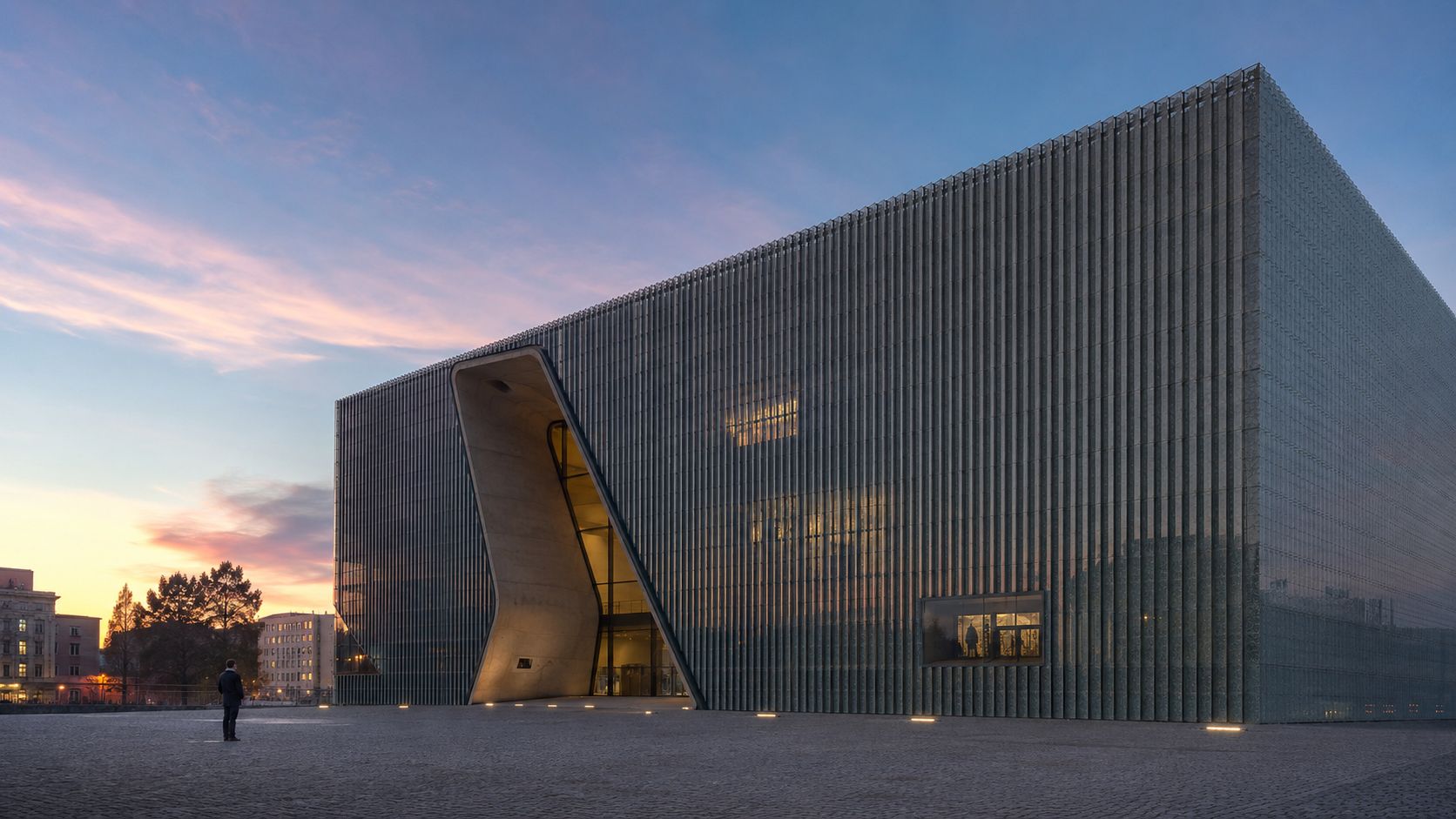
Set aside half a day and protect that time. POLIN stands on significant ground in Muranów and does far more than recount catastrophe. It traces a thousand years of Jewish life in Poland, which gives the harder galleries context and makes the museum far more affecting than a visit built only around wartime history.
Do not squeeze this into a gap between lunch and dinner. You will shortchange the experience.
A smart budget move is to pair POLIN with the surrounding neighborhood on foot instead of stacking another paid museum the same day. That keeps costs under control, cuts transit time, and gives you space to process what you have just seen. It also fits travelers who want more authentic travel experiences rooted in place and local history, not a checklist sprint across the city.
For the strongest visit, do this:
- Book a weekday slot if you can: Quieter galleries suit this museum better than weekend crowds.
- Get the English audio guide: It connects the exhibitions into a clear narrative and adds detail you will miss on labels alone.
- Arrive with energy: This is not late-afternoon filler. Go when you can focus.
- Walk Muranów afterward: Stay local for a simple meal or coffee rather than rushing straight to another landmark.
POLIN also works especially well for solo travelers. You control the pace, pause where you need to, and avoid the pressure to keep conversation going through difficult material. If you are traveling alone in Warsaw, this is one of the easiest major sights to do safely, thoughtfully, and without wasting money on extra logistics.
Bring water. Bring tissues. Keep your evening light afterward, ideally a low-key dinner nearby or a quiet walk. That is the right way to give this museum the time it deserves.
3. Praga District for local Warsaw
You cross the river, the crowds thin out, and Warsaw stops performing for visitors. Praga gives you brick courtyards, street art, small workshops, old tenements, and cafes where people are meeting friends instead of ticking off a landmark.
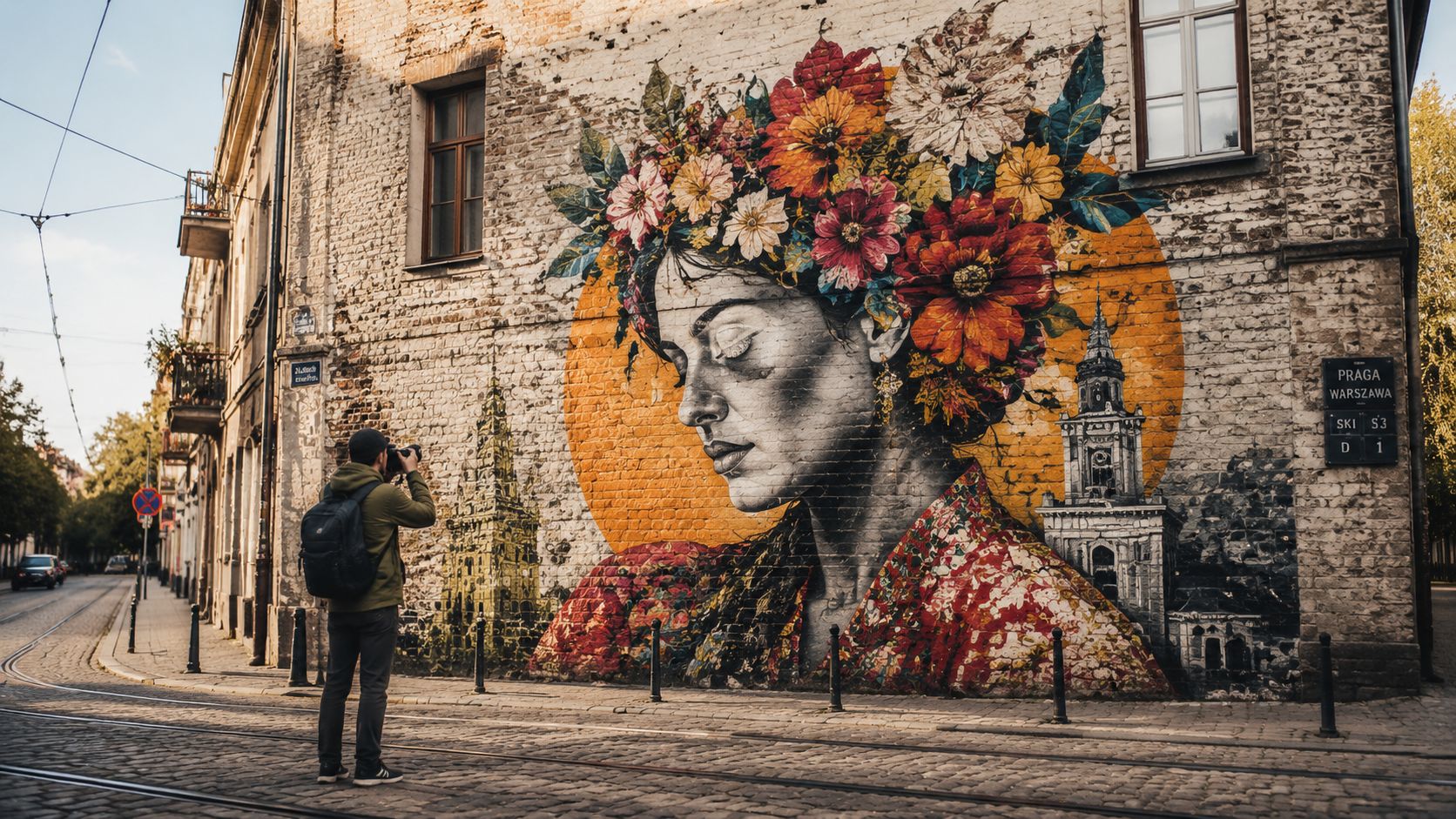
Come here if you want local Warsaw, not another polished historic core. Praga still feels textured and a little rough around the edges, which is exactly why it works. You get independent galleries, strong coffee, community culture, and better value than the center if you choose well.
The smart approach is simple. Go by tram or metro, then explore on foot. Start with a clear spine such as Ząbkowska Street or the area around Soho Factory, then branch into side streets, courtyards, and murals once you have your bearings. That saves time and keeps a half-day visit focused.
Use Praga for slow travel. Walk more, ride public transport, skip taxis, and keep your spending with neighborhood businesses instead of chain venues. If you want more ideas in that style, this district fits naturally into a trip built around free and low-cost city experiences.
Here is the best version of a half-day in Praga:
- Arrive late morning: Daylight makes the district easier to read, especially if you are solo.
- Pick one anchor area: Soho Factory, Ząbkowska, or the Koneser area is enough. Do not scatter your time.
- Stop for one affordable local meal: A milk bar, bakery, or neighborhood canteen will usually beat trendier spots on value.
- Choose two or three murals or galleries: Praga rewards selection, not endless wandering.
- Leave before you get tired: Save your evening for the river or dinner elsewhere unless nightlife is your real goal.
Solo travelers usually do well here if they stay deliberate. Visit in daytime first, keep your phone charged, and use main streets between stops. If independent neighborhoods are your style, Praga belongs on your list of authentic travel experiences.
My recommendation is clear. Give Praga one focused half-day, not a rushed hour. You will spend less, see a more honest side of Warsaw, and come away with a stronger sense of how the city lives now.
4. Vistula River for free outdoor time
The Vistula is one of the best things to do in Warsaw because it resets your pace. After museums and dense historical streets, the river opens the city back up.
This is also where Warsaw feels most local in warm weather. People cycle, jog, sit on steps, use beaches, launch kayaks, and gather at floating bars. The overlooked part is how quickly the river culture has grown. Warsaw saw a 35 percent increase in Vistula recreational activity from 2024 to 2025, along with seven new public kayaking zones launched in 2025.
Best way to use the river on a short trip
Go early if you're solo and want calm. Go late if you want energy and social atmosphere. Either works, but don't squeeze the river into midday heat unless you're combining it with the Copernicus area or a bike ride.
A simple, low-cost river session looks like this:
- Rent a city bike or walk the embankment: Cover more ground without paying for tours.
- Pack a supermarket picnic: Fruit, bread, cheese, and water beat overpriced snacks near the busiest spots.
- Choose one bank, then cross once: Don't spend your time zigzagging without purpose.
- Try kayaking if you want active sightseeing: It's one of the most distinctive sustainable experiences in the city.
The riverfront also fits perfectly with travelers looking for free things to do. You can build an excellent half-day here with almost no spending at all.
Go to the Vistula when your trip starts feeling scheduled. The river gives Warsaw back its breathing room.
5. Free walking tours that support local guides
Book one on your first day. That decision saves time for the rest of the trip.
Warsaw's free walking tours are one of the simplest ways to understand the city quickly, especially if you're balancing history, neighborhood exploration, and safety. A good guide helps you connect places that otherwise remain separate: Old Town, wartime memory, communist-era planning, river life, and today's food scene.
Why they work so well in Warsaw
This city needs interpretation. Beautiful facades alone won't explain why one district feels reconstructed, another rough-edged, and another sharply modern. A free tour gives you that framework while also helping you identify places worth returning to on your own.
Use them strategically:
- Book a general intro tour first: Take it early in the trip and note spots to revisit independently.
- Add one specialized tour later: Jewish history, Praga, or wartime Warsaw are all strong second-tour options.
- Ask your guide for practical advice: Good guides often give better dining and safety tips than hotel desks.
- Tip fairly: You're supporting a local person, not a giant booking platform.
For travelers who want their spending to stay closer to local residents, this is also a good form of community-based tourism. You're paying directly for knowledge and lived context.
Solo travelers should use tours as a confidence-builder. Once you've oriented yourself with a guide and a group, the city feels much easier to explore alone.
6. Warsaw Uprising Museum for immersive history
Start here if you want the clearest explanation of modern Warsaw. You have already seen the rebuilt streets and polished squares. This museum gives them weight.
The Warsaw Uprising Museum is forceful, sensory, and emotionally demanding. It focuses on the 1944 uprising through personal testimony, documents, sound, film, and the physical texture of a city under attack. After walking through restored parts of Warsaw earlier in your trip, the story hits harder because you can connect what you see inside with the city outside.
Give it real time. Rushing this museum is a mistake.
How to visit without burning out
Go early, before crowds build and before your attention starts to fade. If you only have one museum-heavy day in Warsaw, make this the main event and keep the rest of the schedule light.
Use a practical plan:
- Set aside at least two hours: More if you read exhibition text carefully.
- Get the audio guide: It gives the visit structure and prevents important context from getting lost.
- Skip the urge to photograph everything: You will remember more if you stay present.
- Walk or take public transport there: It keeps costs down and fits a lower-impact trip better than defaulting to taxis.
- Leave space afterward: A quiet lunch, a riverside walk, or a slow coffee works better than another intense stop.
Solo travelers do well here because the museum is easy to handle independently. Staffed attractions, clear entry procedures, and a central location make it a comfortable choice even if you are exploring Warsaw alone. If heavy war history affects your mood strongly, go in the morning and avoid ending the day with it.
Put this museum on a half-day itinerary with purpose. Visit in the morning, have lunch nearby, then spend the afternoon somewhere calmer. That balance saves your energy and helps the experience stay meaningful instead of overwhelming.
7. Łazienki Park for green space and culture
Spend the morning in central Warsaw, then give yourself one smart reset. Łazienki Park is the place to do it. You get royal architecture, shaded paths, lakeside views, and one of the city's best low-cost breaks without losing cultural value.
Go for more than a casual stroll. The park rewards a clear plan.
Summer Sundays are the strongest choice if you want free culture with your green space. The Chopin concerts at the monument give the park real atmosphere, and they make solo travel easy because you can join a public event without needing a group, a reservation, or a big budget. If crowds drain you, skip concert hours and come early on a weekday instead.
How to use Łazienki Park well
Treat this as a half-day stop, not an aimless filler between museums. Enter with one priority. Palace views, a quiet walk, or a concert. Trying to cover every corner usually wastes time and energy.
Use this practical plan:
- Go early for space and cooler temperatures: The paths feel calmer, and you will walk more comfortably.
- Bring a simple picnic or bakery lunch: It keeps costs down and cuts disposable packaging if you carry a reusable bottle and container.
- Pair the park with one nearby stop only: That keeps your day light and leaves room to enjoy it.
- Choose your route before you arrive: A focused loop works better than wandering until your feet give up.
- Sit down on purpose: Solo travelers often overpack the day. This is one place where slowing down improves the experience.
If you enjoy local public spaces when you travel, parks and markets often reveal the city more authentically than headline attractions. The same logic applies when planning around neighborhood food stops and open-air browsing, much like the rhythm described in this guide to an Aix-en-Provence market experience.
Łazienki Park fits best on day two or three, after you've covered heavier history and the core sights. It restores your pace, keeps spending under control, and gives you a safer, easier solo window in Warsaw because it is busy, central, and easy to leave when you are done.
8. Street food, milk bars, and local markets
Land in Warsaw with a normal travel budget and you have a choice fast. Pay tourist-zone prices for a forgettable meal, or eat like the locals eat and free up money for museums, transport, and one strong dinner later.
Choose the second option.
Milk bars are still one of the smartest food moves in Warsaw. They serve filling Polish dishes at low prices, keep food waste lower than trend-driven spots with oversized menus, and give solo travelers an easy, low-pressure place to eat. Go at lunch, scan what is selling quickly, and order the fresh staples. Pierogi, żurek, potato pancakes, and simple meat-and-veg plates are reliable picks.
Markets add something restaurants cannot. You see what people buy for home, what is in season, and which neighborhoods still feel local instead of staged for visitors. Morning works best for traditional markets. You get better produce, calmer browsing, and a more useful stop if you want picnic supplies or snacks for later.
Nocny Market is the exception. It works best as an evening food stop if you are in Warsaw during its seasonal run. Expect a lively crowd, varied stalls, and an easy solo atmosphere because people come to wander, eat, and stay casual rather than sit through a formal meal. Go early if you want shorter lines and an easier time choosing.
Use food stops with intent:
- Eat your main meal at lunch: Milk bars and casual local canteens usually give you the best value then.
- Build breakfast from a bakery or grocery store: It saves money and cuts unnecessary packaging if you carry a reusable cup or container.
- Shop markets in the morning: That is when they feel most useful and least performative.
- Pick one market or food hall, not three: You will taste more thoughtfully and waste less time crossing the city.
- Use local food stops to break up heavy sightseeing days: They restore energy without draining your budget.
If you enjoy seeing a city through daily commerce, the same approach comes through in this guide to an Aix-en-Provence market experience.
Warsaw's food scene is strongest when you keep it grounded. Skip the glossy menu hunt. Eat local, spend carefully, and let markets show you the city between the landmarks.
9. Communist architecture and urban history walks
Start this walk when the city is still quiet, with commuter traffic building around the Palace of Culture and Science and the glass towers catching the first light. Within an hour, you can read a century of Warsaw's political ambition just by changing streets.
Warsaw makes more sense when you stop judging it by visual harmony. The sharp shifts are the point. Reconstruction, socialist planning, and post-1989 development all sit close together, and that contrast gives you one of the clearest urban history walks in Central Europe.
Begin at Plac Defilad and the Palace of Culture and Science. It is the city's bluntest statement of scale and power, so start there while crowds are thinner and the area is easier to read. Then move into Śródmieście to notice how broad avenues, setbacks, and heavy stone facades shape the mood. After that, head toward Muranów, where postwar rebuilding and memory sit on top of wartime destruction in a way few districts explain so clearly.
Keep the route focused. Three stops are enough if you want insight rather than mileage.
- Palace of Culture and Science area: Read the monumental core first. Look at proportions, sightlines, and how open space was used to frame authority.
- Muranów: Pay attention to how rebuilding changed the street experience. This is one of the best places to understand Warsaw as a city reconstructed with ideology in mind.
- A modern skyline viewpoint: Finish near contemporary office towers to see what the city chose to become after communism.
This walk is also one of the better low-cost activities in Warsaw. You do not need a ticket, and you do not need a guide if you prepare for 10 minutes before leaving your hotel. Save a museum-heavy day for bad weather. Use clear weather for architecture, because buildings reward patience, angles, and distance.
Solo travelers should choose this route in daylight and keep it intentional. Central Warsaw is straightforward, but big avenues and open squares can feel less intuitive when you drift without a plan. If you want extra confidence before setting out alone, read this guide to safe solo travel for women.
For a smarter, more sustainable version of the walk, do it on foot and use public transport only to shorten the return. Early morning or late afternoon gives you better light, cooler temperatures, and a calmer street rhythm. Midday flattens the details, especially on concrete and glass.
10. Solo travel safety and female traveler confidence in Warsaw
You land in Warsaw, check into a hotel near a metro stop, and realize the city is much easier to handle alone than its size suggests. That is the right first impression. Warsaw works well for solo travelers because daily logistics are simple, public transport is reliable, and the center stays active enough that you are rarely cut off from other people.
Confidence here comes from structure, not luck. Pick a base in Śródmieście, Powiśle, or near a metro station in a busy part of Praga. Learn how to use trams and the metro on your first day, not after dark when you are tired and guessing. Keep your evening plans clustered so you are not crossing the city for one drink or one photo stop.
Praga can feel especially comfortable in daylight because street life is visible and local. Busy cafés, corner shops, and residential movement make the area easier to read than a quiet, polished district with fewer people outside. Go there with a destination, use main streets first, and save aimless wandering for neighborhoods you already understand.
Use a few habits and Warsaw becomes a strong solo city:
- Book near transit and on an active street: A cheaper room on an isolated edge often costs you more in time, taxi use, and stress.
- Test your route in daylight: If you may return somewhere at night, walk the approach once earlier and note the tram stop, entrance, and backup option.
- Use official ride apps after late dinners or concerts: They are faster, clearer, and more predictable than improvising when you are tired.
- Carry light and stay organized: One crossbody bag, one charged phone, and one offline map beat overpacking every time.
- Join one social activity early in the trip: A walking tour, food tour, or hostel event gives you quick orientation and a few familiar faces.
Solo female travelers should be practical, not anxious. Dress for walking, avoid flashing valuables on transit, and leave if a street, bar, or interaction feels wrong. Warsaw does not require paranoia. It rewards clear choices.
If you want a stronger safety framework before your trip, read this solo female travel safety guide. Then apply it to Warsaw in a simple way. Stay central, move with purpose, and choose well-lit routes over shortcuts.
One more smart move. Build your itinerary so major sights, meals, and evening stops sit in the same area on the same day. You save money on transport, cut down on late-night decision fatigue, and travel more sustainably by spending more time on foot and less time bouncing across the city.
Top 10 Warsaw Activities Comparison
| Attraction / Experience | Implementation Complexity 🔄 | Resource Requirements ⚡ | Expected Outcomes 📊 | Ideal Use Cases ⭐ | Key Advantages & Tips 💡 |
|---|---|---|---|---|---|
| Old Town (Stare Miasto) - UNESCO Walking Tour | Low 🔄, easy self-guided strolling | Low ⚡, walking; optional museum fees | 📊 Historic immersion, strong photo opportunities | ⭐ Budget travelers, photographers, urban explorers | 💡 Iconic sights; visit early, avoid Market Square restaurants |
| POLIN Museum of Polish Jewish History | Moderate 🔄, museum navigation, multimedia | Moderate ⚡, admission, allocate 3–4 hrs | 📊 Deep educational & emotional understanding | ⭐ History and cultural-immersion seekers | 💡 World-class exhibits; check free days, use audio guide |
| Praga District - Local Neighborhood Exploration | Low–Moderate 🔄, exploratory wandering, limited signage | Low ⚡, cheap food/accommodation; transit advisable | 📊 Authentic local culture, street-art discovery | ⭐ Backpackers, creatives, digital nomads | 💡 Stay in Praga to save; visit daytime, download street-art map |
| Vistula River - Waterfront Exploration | Low 🔄, open-access paths | Very low ⚡, free access; optional bike rental | 📊 Outdoor recreation, scenic views, flexible routes | ⭐ Active outdoorsy budget travelers, photographers | 💡 Use Veturilo bikes, picnic from supermarket, go at dawn |
| Free Walking Tours - Community-Based Learning | Low–Moderate 🔄, scheduled group format | Low ⚡, tips-based payment, 1–3 hrs | 📊 Local insights, orientation, direct guide support | ⭐ Solo travelers, first-time visitors, budget travelers | 💡 Book established companies, tip €10–15 typical, join early |
| Warsaw Rising Museum - Interactive Historical Engagement | Moderate 🔄, immersive, emotionally intense | Moderate ⚡, admission fee, 2–3 hrs | 📊 Strong historical education and emotional impact | ⭐ History enthusiasts, reflective visitors | 💡 Visit weekdays, rent audio guide, allow time to reflect |
| Łazienki Park (Royal Baths Park) - Urban Nature | Low 🔄, open park exploration | Very low ⚡, free park access; optional paid museums | 📊 Relaxation, natural and cultural scenery | ⭐ Nature lovers, budget travelers, photographers | 💡 Enter via Ujazdowski side, pack a picnic, check event calendar |
| Street Food & Local Markets - Culinary Experiences | Low 🔄, informal ordering, market browsing | Very low ⚡, meals €3–7; markets seasonal | 📊 Authentic food culture, cost-efficient dining | ⭐ Budget eaters, adventurous food explorers | 💡 Visit milk bars for cheap meals; go Saturday mornings for markets |
| Communist Architecture & Urban History Routes | Moderate 🔄, self-guided research and routing | Very low ⚡, mostly free street-level viewing | 📊 Architectural context and political-historical insight | ⭐ Architecture buffs, urban explorers, photographers | 💡 Download heritage maps, visit PKiN terrace for budget views |
| Solo Travel Safety & Female Traveler Networks | Low 🔄, joining groups and using services | Low ⚡, network membership, female-friendly hostels | 📊 Enhanced safety, social support, local tips | ⭐ Solo female travelers, safety-conscious visitors | 💡 Use female-friendly hostels, Meetup/Facebook groups, official taxi apps |
Embark on Your Warsaw Journey
Warsaw works best when you stop trying to see everything and start choosing well. This approach underscores the best things to do in Warsaw. The city isn't built for shallow speed. It rewards travelers who combine one iconic place with one meaningful museum, one local neighborhood, one green space, and one practical food stop. Do that, and even a short trip feels full.
If you have one day, keep your route tight. Start in Old Town early, take a free walking tour or self-guided historical loop, spend your main paid entry on either POLIN or the Warsaw Uprising Museum, then close the day at the Vistula or in Łazienki Park. That plan gives you architecture, history, and breathing room without crossing the city back and forth.
If you have two days, split the trip by mood. Make day one your classic Warsaw day. Old Town, a museum, and the Royal Route area. Make day two your more local and spacious day. Praga, riverside time, markets, and a longer meal. You'll leave with a much better sense of how residents use the city.
If you have three days, add depth instead of volume. Revisit one district at a slower pace. Take a specialized walking tour. Spend longer in a museum that deserves it. Sit through a Chopin concert in summer. Try kayaking on the Vistula if the weather cooperates. Warsaw becomes more compelling the moment you stop treating it like a checklist.
Keep your budget under control by using public transport, prioritizing free outdoor spaces, eating lunch at milk bars, and limiting your paid attractions to the ones that match your interests. Keep your trip sustainable by walking more, using bikes along the river, supporting local guides, and spending in neighborhood businesses instead of only in central tourist corridors. Keep it safe by orienting yourself on day one, staying near transit, and choosing lively streets over shortcuts.
Most of all, trust Warsaw to be more than its reputation. It's not a city you visit only for reconstruction stories or museum labels. It's a capital that carries memory in public, culture in everyday routines, and surprise in the spaces between major sights. Use these recommendations to build your own one-to-three-day route, then refine it around your pace, your budget, and the kind of travel you want to remember.
For deeper planning help, Travel Talk Today offers practical frameworks, smarter budgeting ideas, and trip-building advice that turns a list of attractions into a trip with shape and purpose.
Travel Talk Today helps you turn inspiration into a real itinerary. Visit Travel Talk Today for budget-friendly trip frameworks, smarter city-break planning, solo travel guidance, and practical ideas for traveling more thoughtfully without missing what makes a destination matter.