Most Alaska advice gets November wrong. People tell you to wait for summer if you want ease, or wait for deep winter if you want snow and aurora. I disagree. Alaska in november is the smart traveler’s month if you care more about atmosphere, empty viewpoints, and lower prices than polished convenience.
This is the shoulder season of winter. You get long, dark nights for northern lights hunting, towns that feel local again, and the land shifting into its cold-weather identity before the holiday rush arrives. It isn’t the easiest month. That’s exactly why it’s so good. You trade certainty for access to a quieter, less expensive Alaska that many visitors never see.
If you can handle variable conditions, flexible planning, and a little discomfort, November gives you something summer rarely does. Silence. Space. A stronger sense that you are in Alaska, not just passing through the postcard version.
Why November Is Alaska's Secret Season
November sits in the sweet spot that most travelers skip. Summer visitors want long days. Winter vacationers want guaranteed snow and holiday-season activities. That leaves a gap, and that gap is your opportunity.
In November, Alaska feels stripped back in the best way. Fewer tourists, quieter roads, darker skies, and a stronger chance to experience places without the performance of peak season. If your goal is to see Alaska instead of queue for it, this is the month to go.
What November feels like
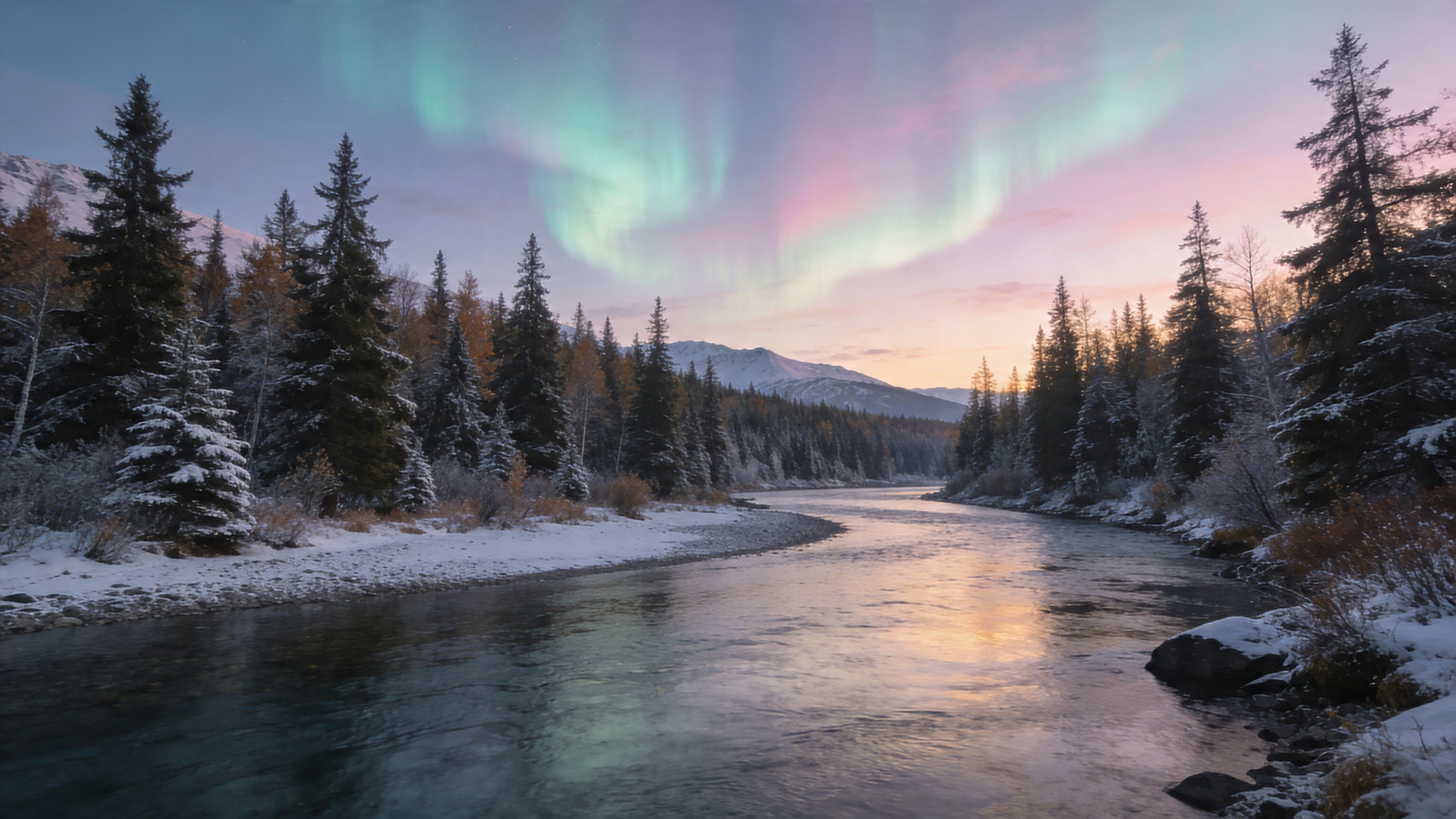
The appeal isn’t just lower prices. It’s the mood. Streets get quieter earlier. Snow starts to define the scenery. Light fades fast, which sounds harsh on paper but turns evenings into prime aurora hours. You don’t need to stay up absurdly late to chase dark skies.
There’s also a practical upside. Alaska in november works well for travelers who want an off-peak trip with actual payoff, not just a cheaper version of high season. You’re not settling. You’re choosing a different Alaska.
November rewards travelers who like places when they’re a little raw, a little uncertain, and far more memorable.
If you usually plan winter escapes around crowded ski towns or expensive festive destinations, Alaska offers a better trade. You get drama, solitude, and a real sense of season. If you want more ideas for cold-season travel, this roundup of best places to visit in winter is a useful comparison point, but Alaska stands apart because November still feels undiscovered.
Who should go
November is best for travelers who are:
- Flexible: You can adjust plans if weather or access changes.
- Budget-aware: You’d rather spend on one meaningful experience than on peak-season markups.
- Aurora-focused: You understand dark skies matter as much as destination hype.
- Comfortable with quiet: You don’t need nonstop attractions to enjoy a place.
If that sounds like you, November isn’t a compromise. It’s the insider month.
Embracing the Alaskan November Climate
November is the month that exposes lazy Alaska trip planning. You cannot treat the state like one weather forecast and expect a good trip. Early winter is patchy, regional, and inconsistent. That is exactly why it works so well for travelers who stay flexible and build around one base instead of trying to cover everything.
As summarized in Current Results' November Alaska climate normals, Anchorage averages 29°F (-2°C) for highs and 18°F (-8°C) for lows, Fairbanks averages 12°F (-11°C) for highs and -4°F (-20°C) for lows, Juneau averages 10.4 inches of precipitation, Fairbanks averages 0.9 inches, and Anchorage drops to under 6 hours of daylight by the end of the month. Those numbers explain November better than any generic "winter in Alaska" advice. You are dealing with different versions of winter depending on where you go.
November in Alaska at a glance
| Region | City | Avg High (°F/°C) | Avg Low (°F/°C) | Avg Daylight (End of Month) |
|---|---|---|---|---|
| Southcentral | Anchorage | 29°F / -2°C | 18°F / -8°C | Under 6 hours |
| Interior | Fairbanks | 12°F / -11°C | -4°F / -20°C | Very short daylight |
| Southcentral Coast | Homer | 38°F / 3°C | 25°F / -4°C | Short daylight |
| Gulf Coast | Kodiak | 41°F / 5°C | 30°F / -1°C | Short daylight |
| Southeast | Juneau | Not specified in verified data | Not specified in verified data | Short daylight |
| Alaska Peninsula | Cold Bay | 40°F / 4°C | 31°F / -1°C | Short daylight |
| Eastern Interior | Tok | 8°F / -13°C | -22°F / -30°C | Very short daylight |
The key November decision is not just cold versus less cold. It is stable dry cold versus damp, windy cold.
Fairbanks usually gives you sharper temperatures and a more settled winter feel. Juneau and other coastal areas can feel harsher even at warmer numbers because wet air and wind punish weak layers fast. If your gear is average, coastal November often feels worse than the thermometer suggests.
Pack for the cold that hits when you stop moving. That is the standard that matters.
Dry cold and wet cold require different gear
A puffy jacket alone is not enough in much of Alaska in november. In the Interior, insulation does the heavy lifting. On the coast, your shell matters just as much. If wind and moisture get through, you lose comfort quickly and start cutting your day short.
Use this rule:
- Interior bases like Fairbanks: prioritize insulated boots, heavyweight layers, gloves that keep fingers warm, and a parka that holds heat
- Coastal bases like Juneau, Homer, or Kodiak: prioritize waterproof outer layers, traction, and gear that still performs in sleet or wet snow
- Anchorage: prepare for a mix of both, because November here often sits in the awkward middle ground between fall leftovers and full winter
If you usually book trips around long scenic days and easy roadside access, November demands a different mindset. Short daylight, mixed road conditions, and partial winter coverage shape what is realistic. That challenge is part of the appeal for travelers who prefer quieter, more adventurous cold-weather trips.
Daylight sets your schedule
Light disappears early, and you need to plan around it with discipline. Sleep in too long, linger over breakfast, or stack your driving in the afternoon, and you waste the best part of the day.
A smart November rhythm is simple:
- Use the morning and early afternoon for scenery, walks, and driving
- Keep one backup plan each day in case weather shifts
- Treat darkness as part of the itinerary, not dead time
- Carry a headlamp even in towns
This is the shoulder season of winter. Some places look fully locked into snow. Others feel unfinished, with frozen ground, thin snow cover, and limited access. Accept that unpredictability and use it to your advantage. You get lower prices, fewer people, and a version of Alaska that feels far more local than polished.
Choose one climate zone and commit to it
November rewards focus. Pick the base that fits your goal, then stay there long enough to enjoy it.
- Choose Fairbanks for aurora, true winter atmosphere, and the best chance of cold, clear conditions.
- Choose Anchorage for the easiest flights, the smoothest logistics, and a balanced first November trip.
- Choose coastal towns like Homer or Kodiak if you want quieter scenery and milder temperatures, and you are fine with wetter weather.
- Choose Juneau if you want a Southeast setting and you understand that precipitation can shape the trip as much as temperature.
The best November itinerary is usually the least ambitious one on the map. Build around one region, expect some uncertainty, and let the month work in your favor instead of fighting it.
Your Guide to November Activities and Adventures
November strips Alaska down to the experiences that actually matter. That is the advantage.
You are here for early winter atmosphere, long dark nights, and room to improvise. You are not here for a packed summer-style checklist. Travelers who accept that usually end up with a better trip, because November rewards focus, patience, and a little flexibility.
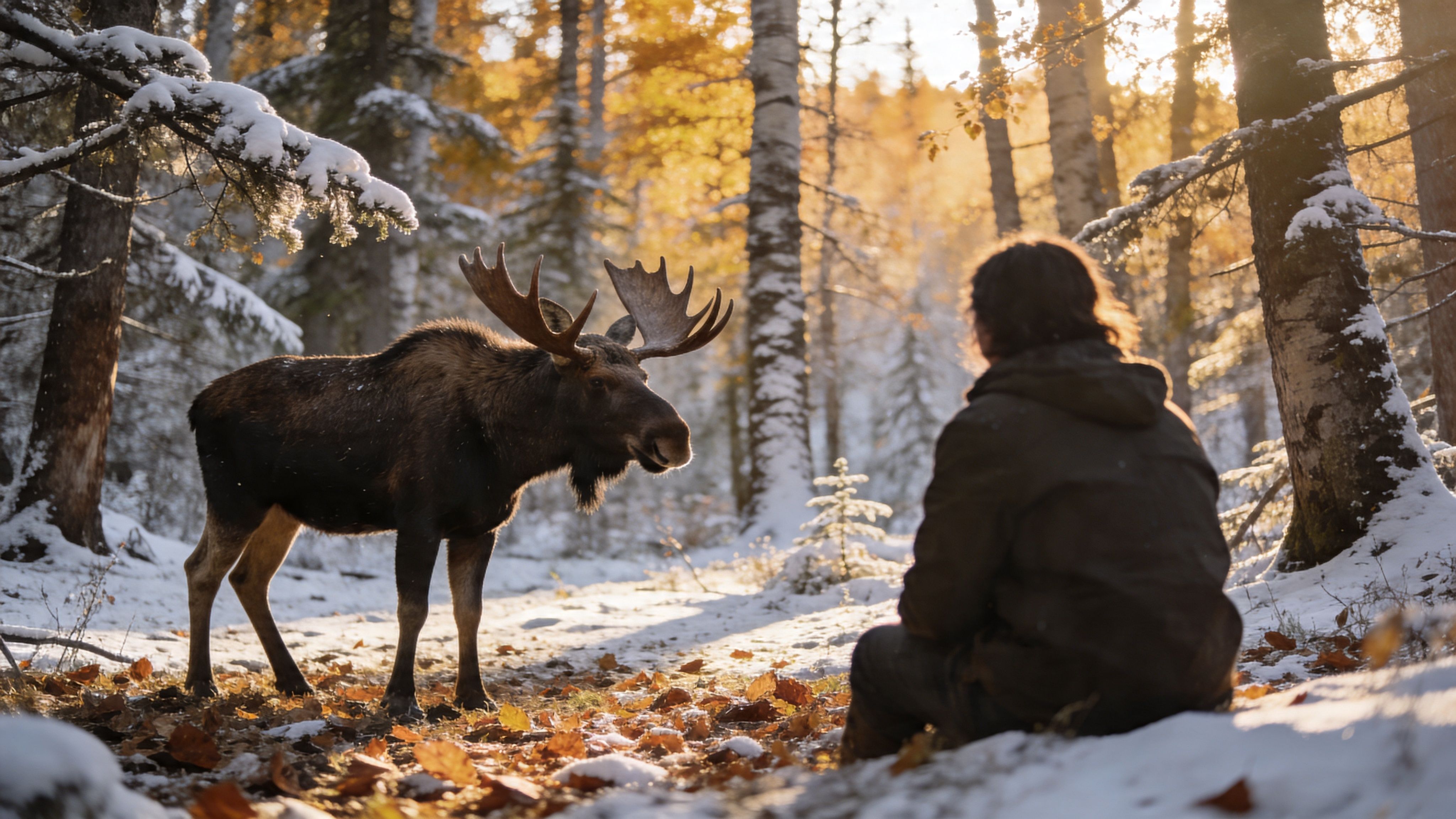
The clearest example is the aurora. Alaska.org’s advice on Alaska in November points to November as a strong month for northern lights viewing during Solar Cycle 25 and also notes that dependable snow for activities like snowmobiling often does not arrive until later in the month. That combination tells you exactly how to plan. Put the northern lights at the center of the trip. Treat snow sports as a bonus, not the foundation.
Go to Alaska in november for aurora first
If the northern lights are your main goal, base yourself in Fairbanks or nearby. Stay several nights. Give yourself repeat chances.
That is the smart November play.
A rushed itinerary across multiple regions sounds exciting on paper and usually fails in practice. Clouds can wipe out a single night. Short stays leave no margin. Fairbanks works because it gives you darkness, colder Interior conditions, and multiple attempts without constantly repacking or driving long distances.
Use an aurora forecast app such as My Aurora Forecast, then pick dark viewing areas away from city glow. Skip the idea that you need an expensive lodge for a good night out. You need clear skies, warm layers, a thermos, and the discipline to go again tomorrow if tonight does not work.
Photographers have a real advantage in November because darkness arrives early. You can shoot the lights and still sleep like a normal person. Keep spare batteries inside your jacket. Cold drains them fast.
Choose activities that still work in shoulder-season winter
Concerning November, generic winter advice often falls apart. November can look fully wintry in one place and half-finished in another. If you build your trip around only snow-dependent tours, you set yourself up for cancellations or mediocre conditions.
Pick activities with a wider weather window:
- Aurora viewing in the Interior, especially around Fairbanks
- Hot springs visits, with Chena Hot Springs as the obvious choice for many Fairbanks itineraries
- Short hikes and coastal walks in milder regions where trails may be cold but still accessible
- Museums, galleries, and local markets in Anchorage or Fairbanks when weather turns sloppy
- Flightseeing on clear days, when low-angle light and fresh snow can make the scenery look even better than summer
That mix fits the month. It also saves money, because you are not relying on high-cost activities every day.
Best activity combinations by base
Build each trip around one anchor experience, then add two or three flexible options.
In Fairbanks, the obvious combination is aurora at night, hot springs or a dog mushing experience by day, and slow local exploring in between. This is the best base for travelers who want Alaska to feel properly wintry in November.
In Anchorage, go for a city-and-day-trip rhythm. Spend one day on local food, museums, or markets, another on a scenic outing if roads and weather cooperate, and keep your evenings open for a possible aurora drive if conditions line up. Anchorage is the practical choice for first-timers who want easier logistics.
In coastal towns, keep expectations simple. November works well here for moody photography, wildlife watching when available, quiet walks, and low-key lodging stays. It is less about classic winter sports and more about having space, calm, and dramatic light.
Ask a better question: what still sounds good if the weather changes by lunch?
That question will improve your itinerary more than any long attraction list.
Hidden gems beat famous checklists
November is one of the best months to stop chasing headline attractions and start paying attention to atmosphere. A fresh snow morning in Anchorage, an empty roadside pullout outside Fairbanks, or a foggy harbor walk in a coastal town can easily become the part of the trip you remember most.
That is the November advantage. Fewer people. Lower costs. More room for the place to feel like itself.
If you want more ideas for active trip planning, this roundup of adventurous things to do can help. In Alaska, though, the strongest November adventures are usually the simplest ones. Stay out late for the sky. Keep your daytime plans flexible. Let the month show you what is available instead of forcing it to behave like peak winter.
Crafting Your November Budget and Itinerary
November is the month that makes Alaska realistic. Summer sells the dream. November gives you the better deal. You get dark skies, a more local feel, and room in the budget for the parts of the trip you will remember.
According to Travel Alaska’s winter vacation guide, flights from major U.S. hubs can drop 30 to 50 percent in winter travel periods to roughly the $250 to $400 range, the Aurora Winter Train costs $220 one-way, and car rentals start at $50+ per day before winter fees. Use those numbers the right way. Build the trip around one or two strong bases instead of burning money on constant movement.

Where to save first
November does not reward a packed, high-transfer itinerary. It rewards restraint.
Save money in the places this month naturally helps:
- Flights: If you spot fares in that winter range, book them. Do not wait around trying to shave off one more small discount.
- Transportation: Choose one main transport style and stick to it. Mixing flights, rental cars, and long transfers usually turns a cheap month into an expensive one.
- Lodging: Book simple, well-located places in Anchorage or Fairbanks and spend your money on time outside, not oversized rooms.
- Evenings: Aurora viewing can be cheap if you keep expectations grounded and avoid paying for guided outings every night.
Train or rental car
Here’s the blunt advice. Many first-time November travelers should skip the rental car.
A car makes sense if you are confident on snow and ice, want roadside stops on your own schedule, and accept that winter fees and fuel will push the total up. The train is often the smarter call for travelers who want scenery without the stress. It keeps your costs more predictable, and it frees you from spending your trip worrying about road conditions, parking, and whether that dark stretch ahead is wet pavement or black ice.
If your budget is tight and your winter driving skills are average, choose the option that removes risk and surprise costs.
A smart 5 day aurora chaser plan
This is the strongest first November itinerary for a lot of travelers. Stay focused. Do less. Give the sky multiple chances.
Day 1 Arrive in Fairbanks
Check in, buy groceries, and keep the first day light. If conditions look good, try a nearby aurora viewing spot without turning it into a huge production.
Day 2 Slow daytime, late night
Use the day for indoor stops, a relaxed meal, or a short outing close to town. Protect your energy for another aurora attempt after dark.
Day 3 Chena Hot Springs option
Go to Chena Hot Springs if transport and weather cooperate. It fits November well because it combines a classic cold-weather setting with another possible night-sky opportunity.
Day 4 Buffer day
Leave this day open on purpose. November trips work best when one day can absorb weather changes, fatigue, or a missed aurora night.
Day 5 Depart
Do not stack a major excursion right before your flight. A clean exit plan is part of a good Alaska itinerary in november.
A balanced 7 day coastal and interior mix
Choose this version if you want variety but still want to keep the trip realistic for shoulder-season winter conditions.
Day 1 Arrive in Anchorage
Stay central and keep the day simple. Anchorage is a good reset point after a long travel day.
Day 2 Anchorage local day
Spend the day on city time. November gives Anchorage a local rhythm, with fewer visitors and less pressure to race from attraction to attraction.
Day 3 Travel north
Take the train or fly, depending on your budget and comfort level. In November, the transfer is part of the trip, so stop treating every travel day like lost time.
Day 4 Fairbanks base day
Settle in, check any gear gaps, and scout an easy evening viewing plan.
Day 5 Aurora priority night
Keep the daytime low effort and save your energy for a serious aurora attempt.
Day 6 Weather buffer or hot springs
Use this day to recover from bad skies, rest after a late night, or add a warm-up outing.
Day 7 Return and depart
Keep the final day clean and conservative. November rewards travelers who leave breathing room.
Budget priorities that actually matter
You do not need a complicated spreadsheet. You need a strict order of importance:
- Pick the right base
- Choose transportation that matches your winter comfort level
- Leave room for one or two standout experiences
- Cut unnecessary movement
If you want a practical system before you start booking, these travel budgeting tips for planning trip costs will help. For Alaska in november, the best budget strategy is simple. Pick fewer places, stay longer, and let the month’s lower prices work for you instead of wasting them on an overbuilt itinerary.
Staying Safe and Getting Around in Early Winter
November in Alaska isn’t dangerous by default. It becomes dangerous when travelers treat it like a normal shoulder season. It’s not. It’s early winter, and early winter is awkward. Roads can be slick before people mentally switch into winter-driving mode. Access can look easy on a map and feel very different on the ground.
The good news is that the risks are manageable if you make conservative choices.
Flights, fog, and timing
Coastal Alaska adds one challenge that inland travelers often miss. According to Climates to Travel’s Alaska November overview, dense fog can cut visibility below 400 meters and increase flight delays by 20-40% in coastal areas. The same source notes that mid-day flights are a safer bet for solo travelers.
That’s a practical booking rule, not a trivia point. If you’re flying to or from a coastal town, don’t choose the tightest itinerary just because it’s cheapest. Give yourself daylight and time.
Self-driving versus not driving
You do not need a rental car to enjoy Alaska in november. Many travelers assume they do, then spend the trip tense behind the wheel.
Choose a car only if all three of these are true:
- You’re comfortable driving on ice
- You want locations that public transport won’t reach
- You’re prepared for reduced daylight and shifting road conditions
If that doesn’t describe you, use rail, local rides, or a limited number of arranged transfers. The trip will probably be calmer and safer.
Solo safety in November
Solo female travelers can absolutely do this month well, but you need stronger judgment than you might need in a city break.
Use these habits:
- Choose known aurora viewing spots: Don’t improvise isolated pullouts in unfamiliar areas late at night.
- Tell someone your plan: Even if it’s just your lodging host or a friend back home.
- Keep your phone and power bank warm: Cold drains batteries fast.
- Avoid heroic drives after dark: A canceled plan is better than a roadside problem in freezing weather.
- Book lodging in walkable areas when possible: November darkness makes “it’s only a short distance” less convenient than it sounds.
If you want a broader framework before you travel, these solo travel safety tips are a good companion.
The safest November travelers aren’t the toughest ones. They’re the ones who back off early, book conservatively, and leave room for delays.
Weather variability is part of the deal
One more thing. Alaska can throw you a mild stretch, a freeze, fresh snow, or messy in-between conditions. Don’t build a plan that depends on one weather type showing up exactly on cue.
That means your best safety tool is flexibility. Keep one spare day if you can. Avoid nonrefundable micro-bookings stacked tightly together. Build a trip that still works if one activity disappears.
The Essential Alaska November Packing List
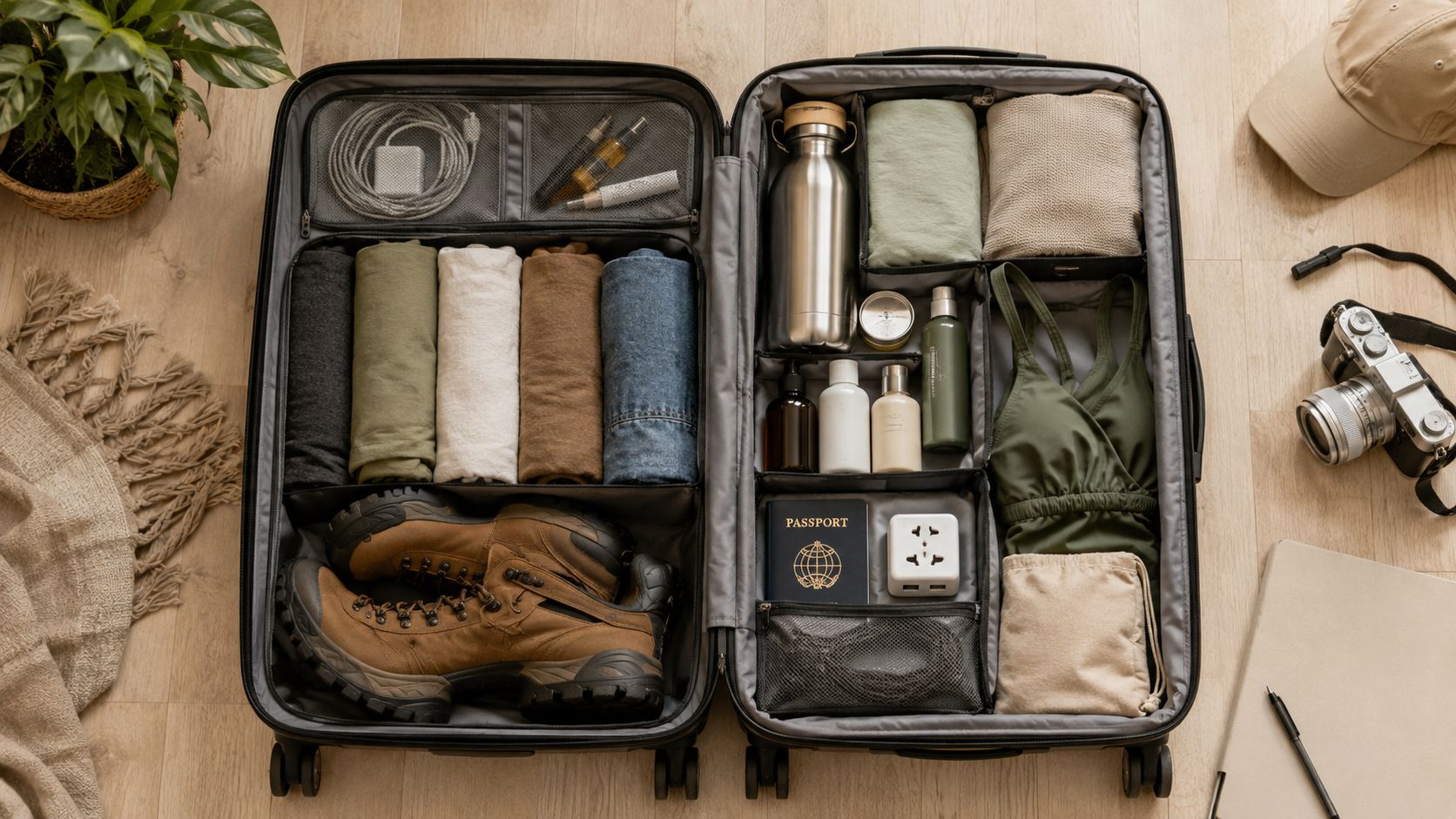
Bad gear turns Alaska in november into a grind. Good gear makes it exciting. Pack for standing outside, not just walking between heated buildings.
Build your clothing system
Your clothing should work as a system, not as random warm items.
- Base layer: Choose moisture-wicking thermals, ideally merino wool or quality synthetic. Cotton is a bad idea once you sweat or get damp.
- Mid-layer: Fleece or down gives you insulation. Bring at least one piece you’d trust for a long aurora wait.
- Outer shell: Waterproof and windproof matters, especially outside the Interior.
- Pants: Insulated or layered pants beat ordinary jeans every time.
- Boots: Waterproof boots with real grip are essential.
Don’t forget the small gear
Most November packing mistakes come from the overlooked items.
- Warm hat and insulated gloves: Bring gloves you can use your camera or phone with, plus a warmer backup pair.
- Headlamp: Darkness arrives early and sticks around.
- Traction cleats: Sidewalk ice is often more annoying than remote trail ice.
- Wool socks: Bring extras. Dry feet change your whole day.
- Power bank: Keep it inside your jacket when possible.
- Reusable water bottle: Cold weather dehydrates people more than they expect.
Pack one outfit that’s comfortable for standing still outside at night. If you only pack for daytime walking, you’ll be cold when it matters most.
If you’re a photographer
November is rough on batteries and lenses. Carry spare batteries close to your body, use a simple dry bag or padded insert for protection, and let gear warm gradually when you move indoors so condensation doesn’t become the main problem.
If you’re still assembling your cold-weather kit, this backpacking essentials checklist helps cover the basics. Then add the winter-specific pieces Alaska demands. In November, gear is not style. It’s access.
Is a November Trip to Alaska Right for You
A November trip is right for you if you value aurora potential, lower costs, and quiet more than polished convenience. It’s wrong for you if you need guaranteed activity schedules, easy road conditions, and long sightseeing days.
That trade-off is the whole point. November gives you a more intimate Alaska, but it asks for flexibility in return.
A recent climate example makes that clear. According to the Alaska Climate Summary for November 2025, 96% of the state recorded above-average temperatures, which created opportunities for late-season hiking on some trails while delaying some early snow activities. That’s Alaska in november in one sentence. Opportunity and uncertainty arrive together.
November is a fit if this sounds like you
- You’re budget-conscious but still experience-driven
- You can adapt when conditions change
- You’d rather have fewer crowds than a fuller activity menu
- You like travel that feels seasonal and real
If you want certainty, go later in winter or go in summer. If you want mood, value, and a trip that feels earned, go in November. For the right traveler, it’s one of the best choices in Alaska.
Frequently Asked Questions About Visiting Alaska in November
Can you do an Alaska cruise in November
Don’t plan a November trip around cruising. This is a land-based travel month. Alaska in november works best when you focus on a city base, train travel, road access you can trust, and evening experiences like aurora viewing.
Is November good for the northern lights
Yes. It’s one of the strongest reasons to go. The long dark nights are a major advantage, and November’s early darkness makes aurora watching easier to fit into a normal trip rhythm.
Is there enough snow for winter activities
Sometimes, but don’t count on perfect conditions from day one. November is a transition month. Some snow activities may be running later in the month, while others may be delayed. Build your trip around experiences that don’t depend entirely on deep snow.
Is Alaska in november safe for solo female travelers
Yes, if you travel conservatively. Choose central lodging, avoid unnecessary night driving, use known aurora-viewing spots, and keep people informed about your plans. The biggest mistakes usually come from isolation, overconfidence on winter roads, or underestimating darkness and cold.
Is Denali worth visiting in November
It can be, but not in the summer-road-trip sense. You’re not going for shuttle-bus sightseeing. You’re going for winter atmosphere, limited access, and a more stripped-down experience. If Denali is your dream, make sure you’re comfortable with that version before adding it to your route.
What’s the best base for first-timers
For most first-time visitors, it comes down to Anchorage or Fairbanks. Choose Anchorage if you want easier logistics and a softer entry into winter. Choose Fairbanks if aurora is your main goal and you’re ready for colder conditions.
How long should you stay
Stay long enough to absorb some weather variability. A rushed trip can get unlucky fast. A slightly longer stay gives you room to recover from delays, cloud cover, or activity changes. In November, that extra breathing room matters more than trying to see everything.
Travel Talk Today helps readers turn ambitious ideas into affordable, realistic trips. If you’re planning your own Alaska in november escape and want more practical guidance on budgeting, safety, and meaningful off-peak travel, explore Travel Talk Today.